

俞明
6.4k Posts
俞明
Report
Block User
聊天室ID:29bqh7
6 Following
1.5K+ Followers
5.2K+ Liked
Posts
All
Quotes
Videos
·
--
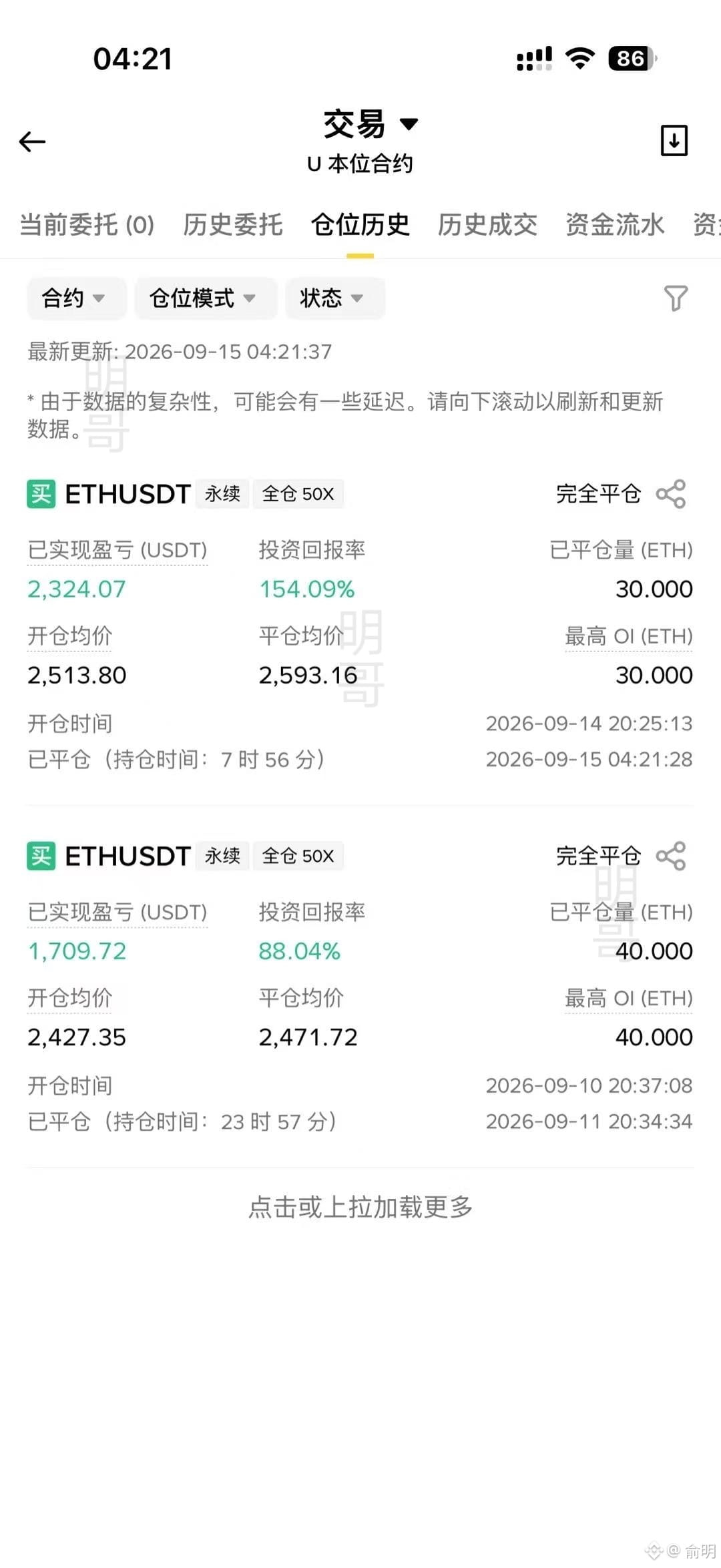
Being in a zero-position isn’t idle—it’s waiting for the most certain buy point. At that spot, the win rate is highest and the risk is lowest. If you keep getting it right repeatedly, compounding can really start to take off. Many people move early and, when the real opportunity finally arrives, they’ve already got no ammunition left, so they can only watch the market run away. Regret for a while, then next time you make the same mistake again. Remember: if you can’t wait for the best entry, it’s better not to act. $AAPL.US #以太坊跌破2400美元 #美参议院否决CLARITY法案 $ETH
Being in a zero-position isn’t idle—it’s waiting for the most certain buy point. At that spot, the win rate is highest and the risk is lowest. If you keep getting it right repeatedly, compounding can really start to take off. Many people move early and, when the real opportunity finally arrives, they’ve already got no ammunition left, so they can only watch the market run away. Regret for a while, then next time you make the same mistake again. Remember: if you can’t wait for the best entry, it’s better not to act. $AAPL.US #以太坊跌破2400美元 #美参议院否决CLARITY法案 $ETH
ETH+0.56%
AAPLUS-0.36%
210
·
--
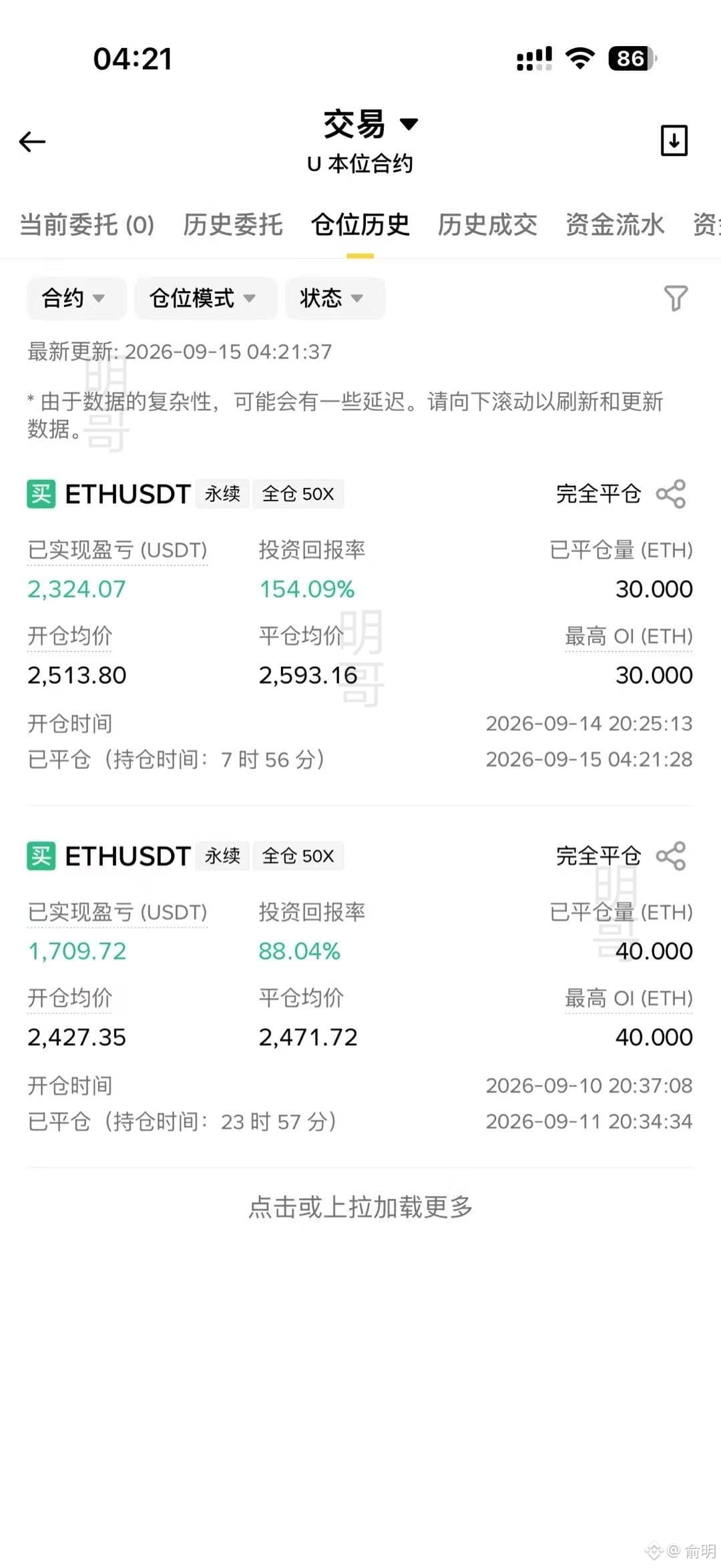
A liquidation isn’t an accident—it’s treating risk like it doesn’t matter. Trading contracts rely on risk control. Make a little profit and get cocky, and you’ll be cleared out for乱来; lose money and you’ll stare at the screen all night, getting trapped deeper and deeper. Most of the time, top traders are waiting—only about 30% of the time do they act on clear opportunities. Three iron rules: risk no more than 2% on any single trade—if you’re wrong, get out; at most two trades per day; when floating profit reaches 50%, set a break-even stop and lock in gains first. The market isn’t short of people who rush in—it’s short of people who can last. $SNDKB #Solana交易V1上线主网 #美联储加息概率升至89% $BTC
A liquidation isn’t an accident—it’s treating risk like it doesn’t matter. Trading contracts rely on risk control. Make a little profit and get cocky, and you’ll be cleared out for乱来; lose money and you’ll stare at the screen all night, getting trapped deeper and deeper. Most of the time, top traders are waiting—only about 30% of the time do they act on clear opportunities. Three iron rules: risk no more than 2% on any single trade—if you’re wrong, get out; at most two trades per day; when floating profit reaches 50%, set a break-even stop and lock in gains first. The market isn’t short of people who rush in—it’s short of people who can last. $SNDKB #Solana交易V1上线主网 #美联储加息概率升至89% $BTC
344
·
--
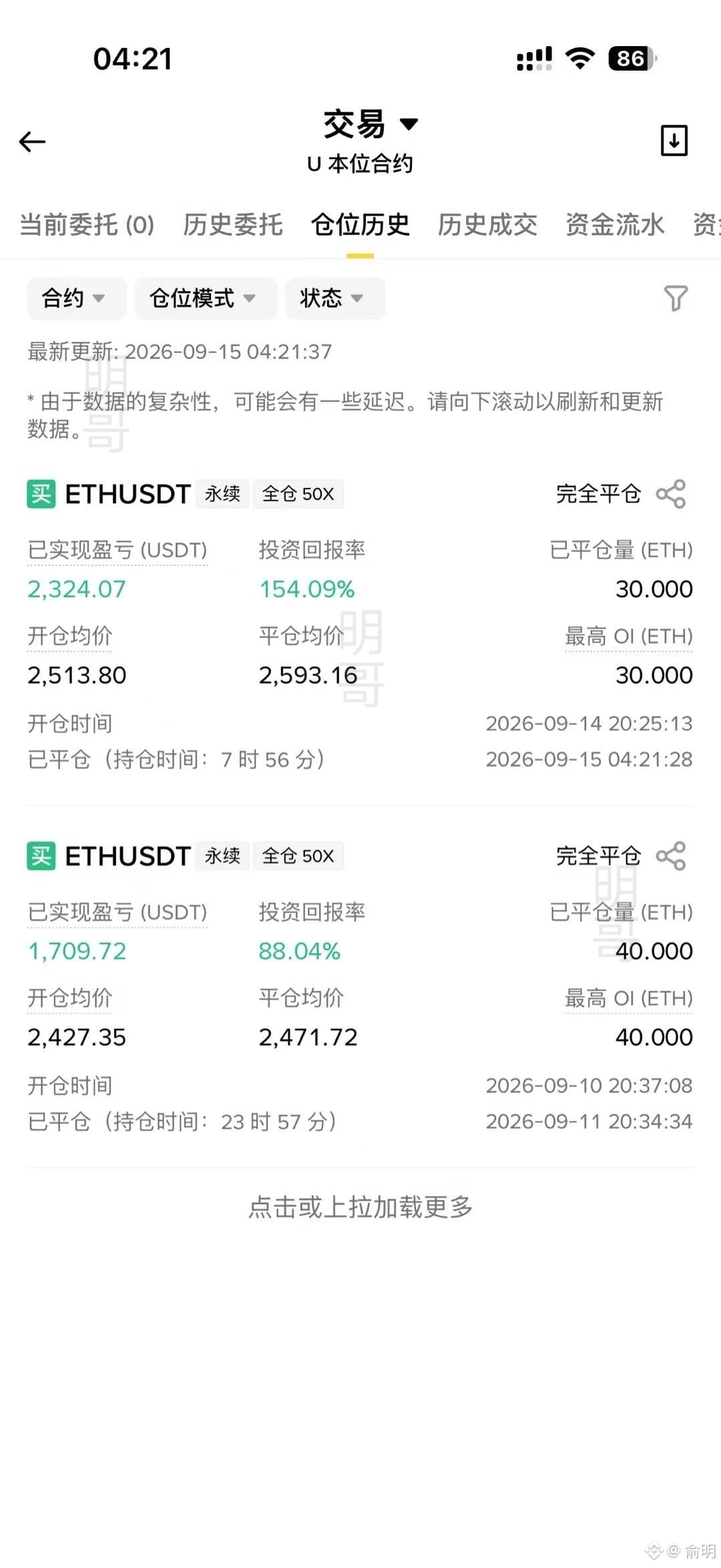
Trade only trending markets—don’t burn your principal. Most of the time the market is range-bound; frequent trading just drains you on fees. If there’s no trend, wait—act only after the signal is confirmed. Take profit: when a single trade reaches 12%, exit half first—locking in gains is the real profit. Go only for high-probability opportunities; never chase or blindly follow. The iron rule is to keep your hand on the brake—don’t let emotions make the decision for you. Cut losses unconditionally at -1.2%. At +2.5% take half off first. After a loss, never add to average down (no “martingale” additions). You don’t need to do it every time, but for every trade follow rule $DOGE .#比特币现货ETF净流入1.6亿美元 #Solana交易V1上线主网 $ETH
Trade only trending markets—don’t burn your principal. Most of the time the market is range-bound; frequent trading just drains you on fees. If there’s no trend, wait—act only after the signal is confirmed. Take profit: when a single trade reaches 12%, exit half first—locking in gains is the real profit. Go only for high-probability opportunities; never chase or blindly follow. The iron rule is to keep your hand on the brake—don’t let emotions make the decision for you. Cut losses unconditionally at -1.2%. At +2.5% take half off first. After a loss, never add to average down (no “martingale” additions). You don’t need to do it every time, but for every trade follow rule $DOGE .#比特币现货ETF净流入1.6亿美元 #Solana交易V1上线主网 $ETH
1
414
·
--
The most dangerous thing isn’t losing money—it’s trading that ruins your life. After trading a few thousand U futures contracts, earning tens of thousands, you become addicted and spend the whole day staring at the charts. When the market reverses and collapses, you keep averaging in and stubbornly hold on—until you lose it all. You can’t go back to the way things were; even a slight move in the candlesticks can throw you off. Many people get addicted to what they don’t truly understand, chasing the thrill. Those who survive rely on discipline and a steady rhythm. You can trade, but don’t let the market control your life. If it keeps you up at night and makes you chaotic, then it isn’t wealth—it’s a burden. Stay away from gamblers; steadiness is the right path. #比特币四周内第三次单块重组 #以太坊跌破2500美元 $ETH $ZEC
The most dangerous thing isn’t losing money—it’s trading that ruins your life. After trading a few thousand U futures contracts, earning tens of thousands, you become addicted and spend the whole day staring at the charts. When the market reverses and collapses, you keep averaging in and stubbornly hold on—until you lose it all. You can’t go back to the way things were; even a slight move in the candlesticks can throw you off. Many people get addicted to what they don’t truly understand, chasing the thrill. Those who survive rely on discipline and a steady rhythm. You can trade, but don’t let the market control your life. If it keeps you up at night and makes you chaotic, then it isn’t wealth—it’s a burden. Stay away from gamblers; steadiness is the right path. #比特币四周内第三次单块重组 #以太坊跌破2500美元 $ETH $ZEC
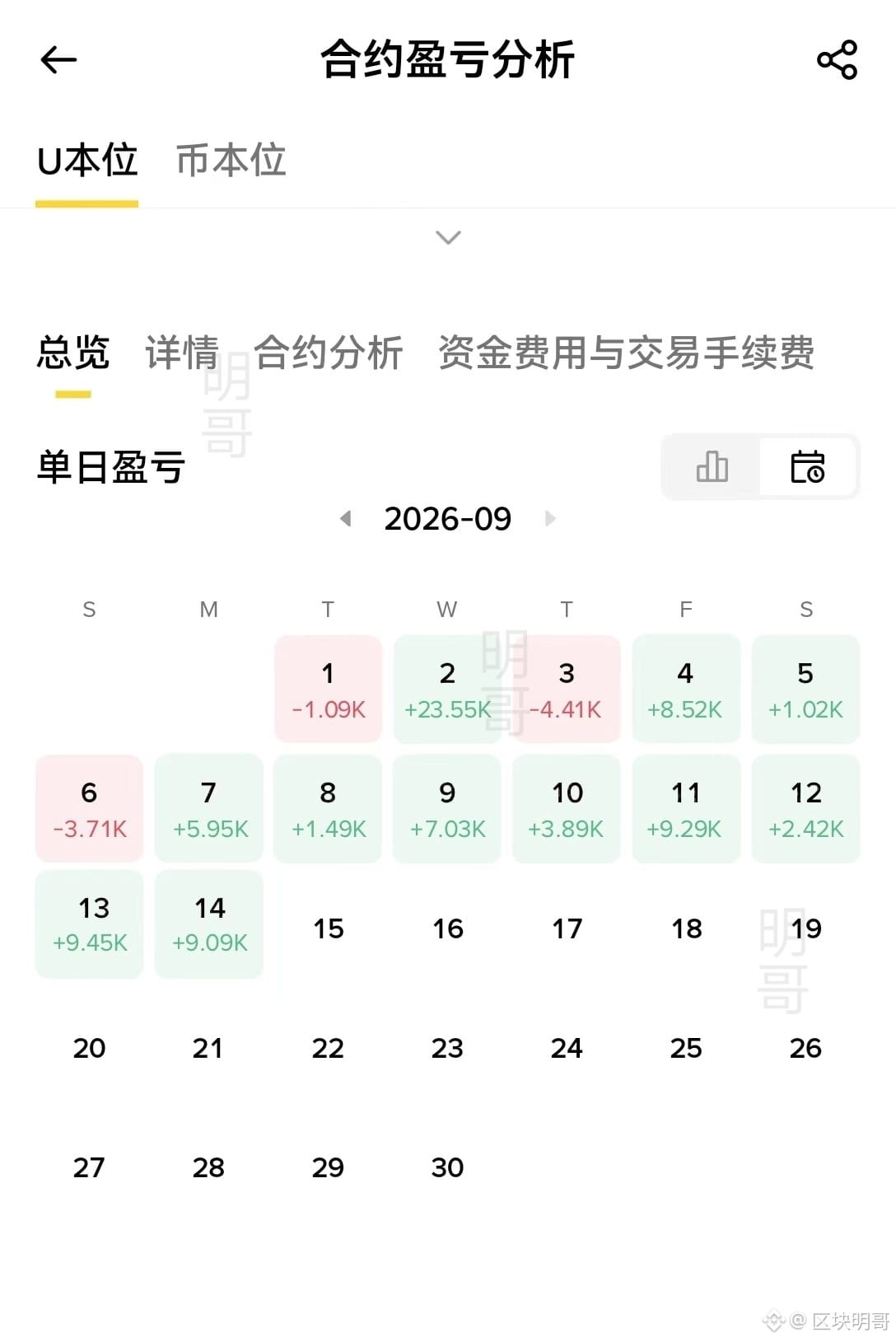
297
·
--
Encryption isn’t about a “du field”; the key is being able to stick with it. For beginners, starting with a few thousand U, do three things: split your funds into three parts—short-term, trend-following, and risk control—never go all-in; if you can’t understand it, don’t trade—wait for signals during consolidation; set a stop-loss in advance, accept when the time comes, take profits in batches, and don’t add more just to hard-hold. A small capital isn’t scary—the real fear is always wanting to turn everything around in one move. Set your position sizing, stop-loss, and rhythm; survive first—making money is just a matter of time.#AnthropicCEO呼吁放缓AI发展 #比特币四周内第三次单块重组 $BTC $SNDKB
Encryption isn’t about a “du field”; the key is being able to stick with it. For beginners, starting with a few thousand U, do three things: split your funds into three parts—short-term, trend-following, and risk control—never go all-in; if you can’t understand it, don’t trade—wait for signals during consolidation; set a stop-loss in advance, accept when the time comes, take profits in batches, and don’t add more just to hard-hold. A small capital isn’t scary—the real fear is always wanting to turn everything around in one move. Set your position sizing, stop-loss, and rhythm; survive first—making money is just a matter of time.#AnthropicCEO呼吁放缓AI发展 #比特币四周内第三次单块重组 $BTC $SNDKB
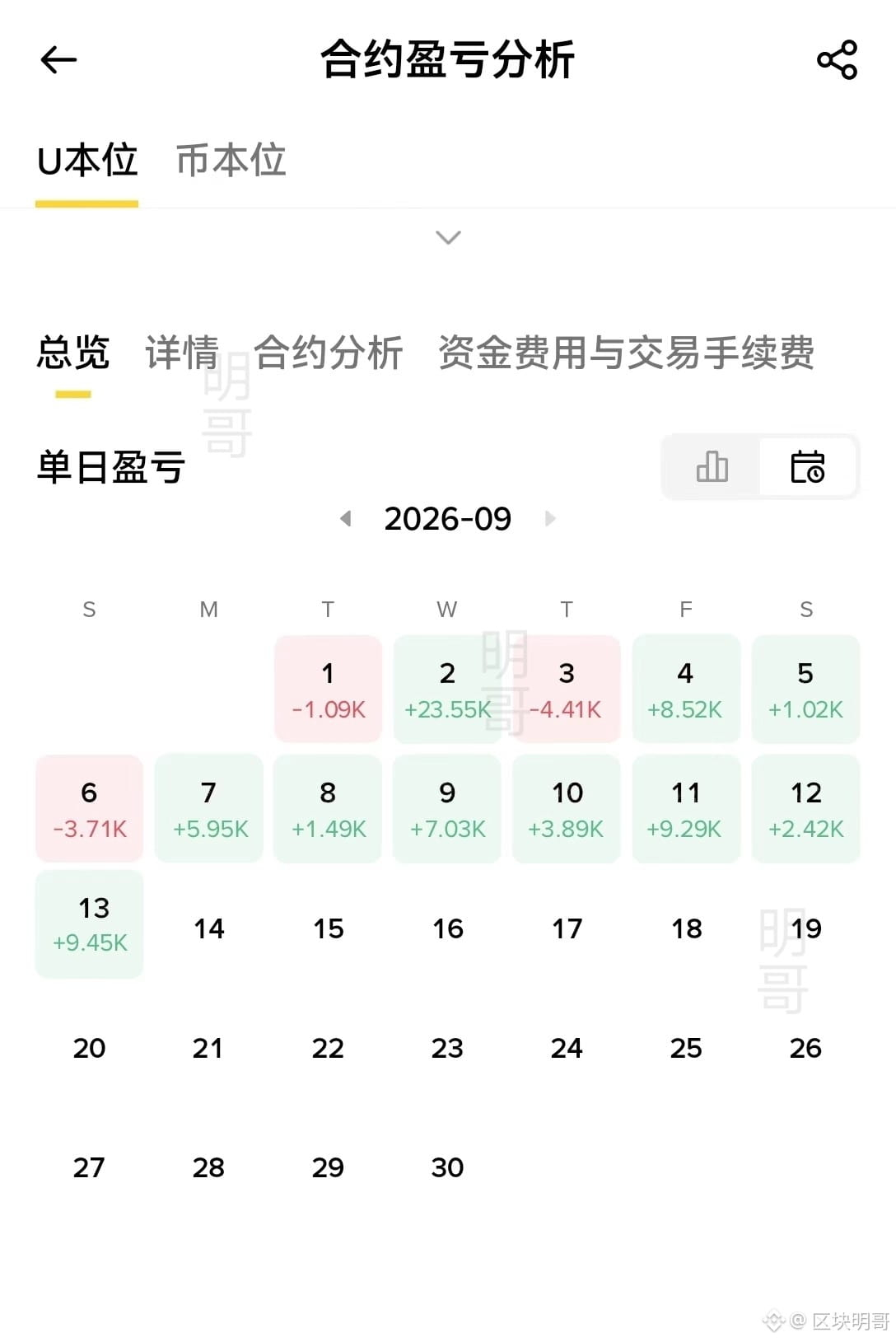
179
·
--
First secure your exit route before discussing entry
A comfortable trade isn’t chasing the screen; it’s waiting for price to enter your predefined zone.$ETH
#比特币CPI后反弹站上79000美元
Before placing an order, clearly write out your exit plan: as long as the 60-day moving average still holds and the pattern hasn’t broken, you keep holding; once you confirm it has broken down through, stop out and leave—don’t drag it out.
#比特币未平仓合约占比升至42.1%
After you have unrealized profit, don’t try to swallow the entire move. Take partial profit on the first wave, and then when it gets stronger later, reduce more—keep a bit of position so the trend can run on its own.
$BTC
I don’t really believe in “random adjustments during the session.” When people are making money, they get greedy; when they’re losing, they get stubborn.
#CPI数据来袭能否触发9月加息
A system you can actually execute: before placing a trade, only decide three things—your entry point, your stop-loss point, and your take-profit / position-reduction rules.
$ZEC
If you write these down in advance, trading becomes much simpler.
First secure your exit route before discussing entry
A comfortable trade isn’t chasing the screen; it’s waiting for price to enter your predefined zone.$ETH
#比特币CPI后反弹站上79000美元
Before placing an order, clearly write out your exit plan: as long as the 60-day moving average still holds and the pattern hasn’t broken, you keep holding; once you confirm it has broken down through, stop out and leave—don’t drag it out.
#比特币未平仓合约占比升至42.1%
After you have unrealized profit, don’t try to swallow the entire move. Take partial profit on the first wave, and then when it gets stronger later, reduce more—keep a bit of position so the trend can run on its own.
$BTC
I don’t really believe in “random adjustments during the session.” When people are making money, they get greedy; when they’re losing, they get stubborn.
#CPI数据来袭能否触发9月加息
A system you can actually execute: before placing a trade, only decide three things—your entry point, your stop-loss point, and your take-profit / position-reduction rules.
$ZEC
If you write these down in advance, trading becomes much simpler.
A comfortable trade isn’t chasing the screen; it’s waiting for price to enter your predefined zone.$ETH
#比特币CPI后反弹站上79000美元
Before placing an order, clearly write out your exit plan: as long as the 60-day moving average still holds and the pattern hasn’t broken, you keep holding; once you confirm it has broken down through, stop out and leave—don’t drag it out.
#比特币未平仓合约占比升至42.1%
After you have unrealized profit, don’t try to swallow the entire move. Take partial profit on the first wave, and then when it gets stronger later, reduce more—keep a bit of position so the trend can run on its own.
$BTC
I don’t really believe in “random adjustments during the session.” When people are making money, they get greedy; when they’re losing, they get stubborn.
#CPI数据来袭能否触发9月加息
A system you can actually execute: before placing a trade, only decide three things—your entry point, your stop-loss point, and your take-profit / position-reduction rules.
$ZEC
If you write these down in advance, trading becomes much simpler.

1
842
·
--
The challenge isn’t buying—it’s knowing when to sell. You make money and still expect it to keep rising, only to see a reversal and give back your gains, turning profit into loss. I’ve been there too. I always wanted to sell at the highest point, but later I understood: hesitation is the great enemy. Before entering a trade, set your exit conditions, and execute when the time comes. Take profits in portions—keep a smaller position for the trend, and if the signal fails, leave. Making a little less isn’t a problem; the real skill is preserving your profits. The market isn’t short of opportunities. Protect your gains, and next time you’ll have principal <a>#CPI数据来袭能否触发9月加息 $ZEC $BTC #腾讯投资燧原科技9.11亿美元IPO后上市 </a>
The challenge isn’t buying—it’s knowing when to sell. You make money and still expect it to keep rising, only to see a reversal and give back your gains, turning profit into loss. I’ve been there too. I always wanted to sell at the highest point, but later I understood: hesitation is the great enemy. Before entering a trade, set your exit conditions, and execute when the time comes. Take profits in portions—keep a smaller position for the trend, and if the signal fails, leave. Making a little less isn’t a problem; the real skill is preserving your profits. The market isn’t short of opportunities. Protect your gains, and next time you’ll have principal <a>#CPI数据来袭能否触发9月加息 $ZEC $BTC #腾讯投资燧原科技9.11亿美元IPO后上市 </a>


247
·
--
No matter how good the opportunities look, don’t go all-in. The funds you keep aren’t idle—they’re your safety net, helping you ride out the chaos of volatility and stay with it until the trend ultimately delivers. When the real big opportunities arrive, you’ll still have the capacity to add to your position. Trading has never been about who makes more money in the short term, but about who can stay in the market long-term. Only those who are still in the game have the right to catch the next round of market opportunities. #苹果发布首款折叠屏手机 #ZCSH资产规模突破5亿美元 $BTC $VVV
No matter how good the opportunities look, don’t go all-in. The funds you keep aren’t idle—they’re your safety net, helping you ride out the chaos of volatility and stay with it until the trend ultimately delivers. When the real big opportunities arrive, you’ll still have the capacity to add to your position. Trading has never been about who makes more money in the short term, but about who can stay in the market long-term. Only those who are still in the game have the right to catch the next round of market opportunities. #苹果发布首款折叠屏手机 #ZCSH资产规模突破5亿美元 $BTC $VVV
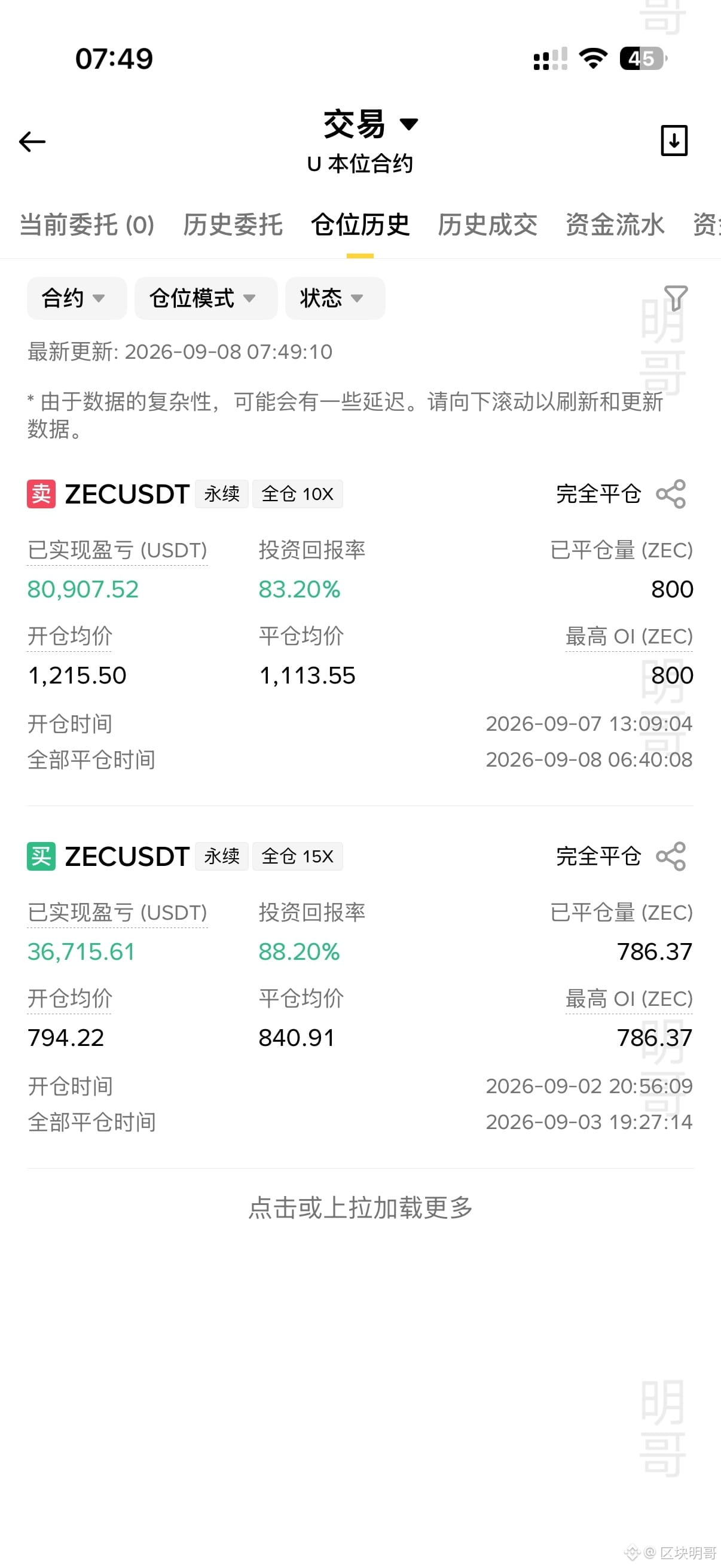
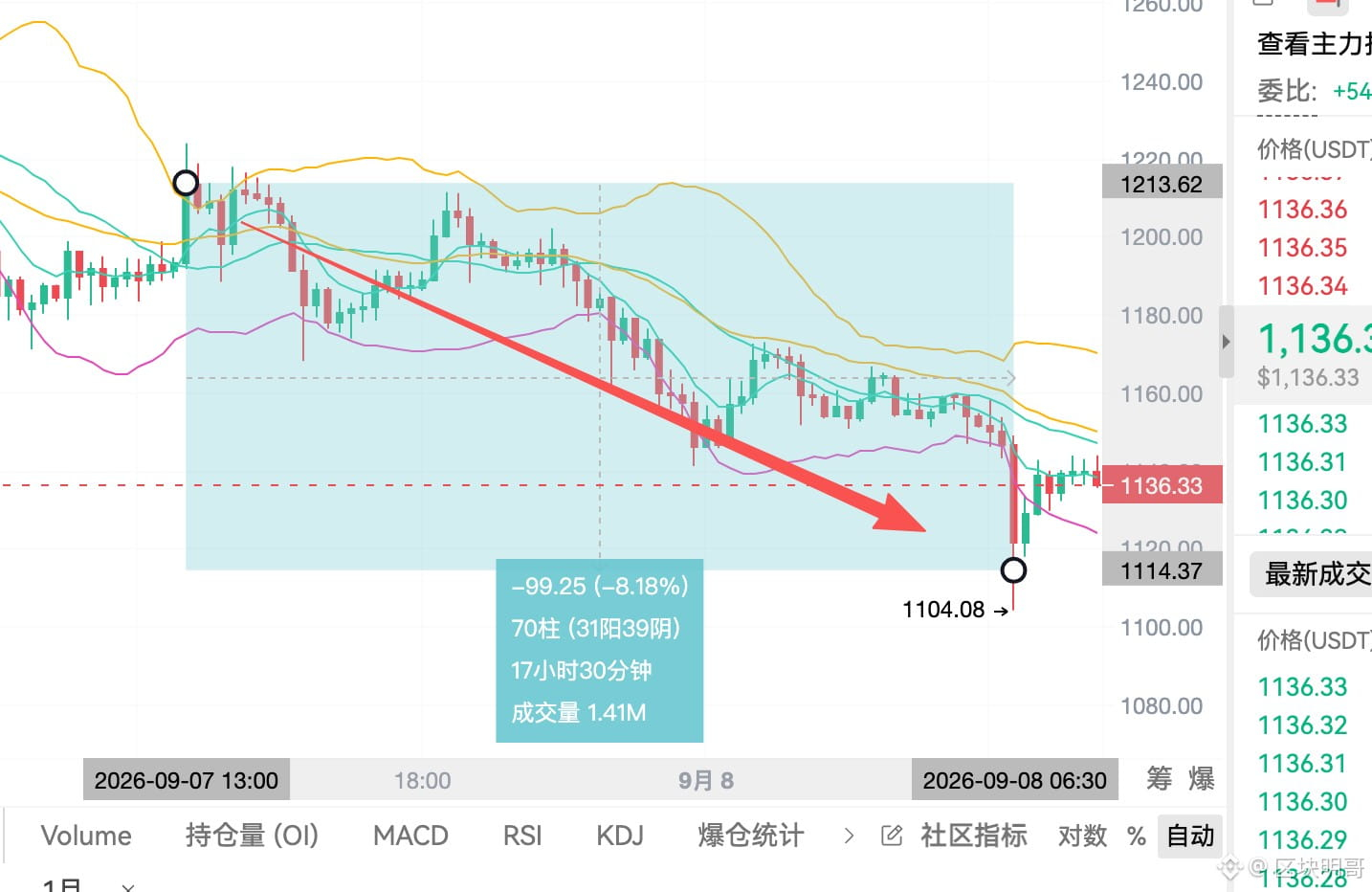
1
404
·
--
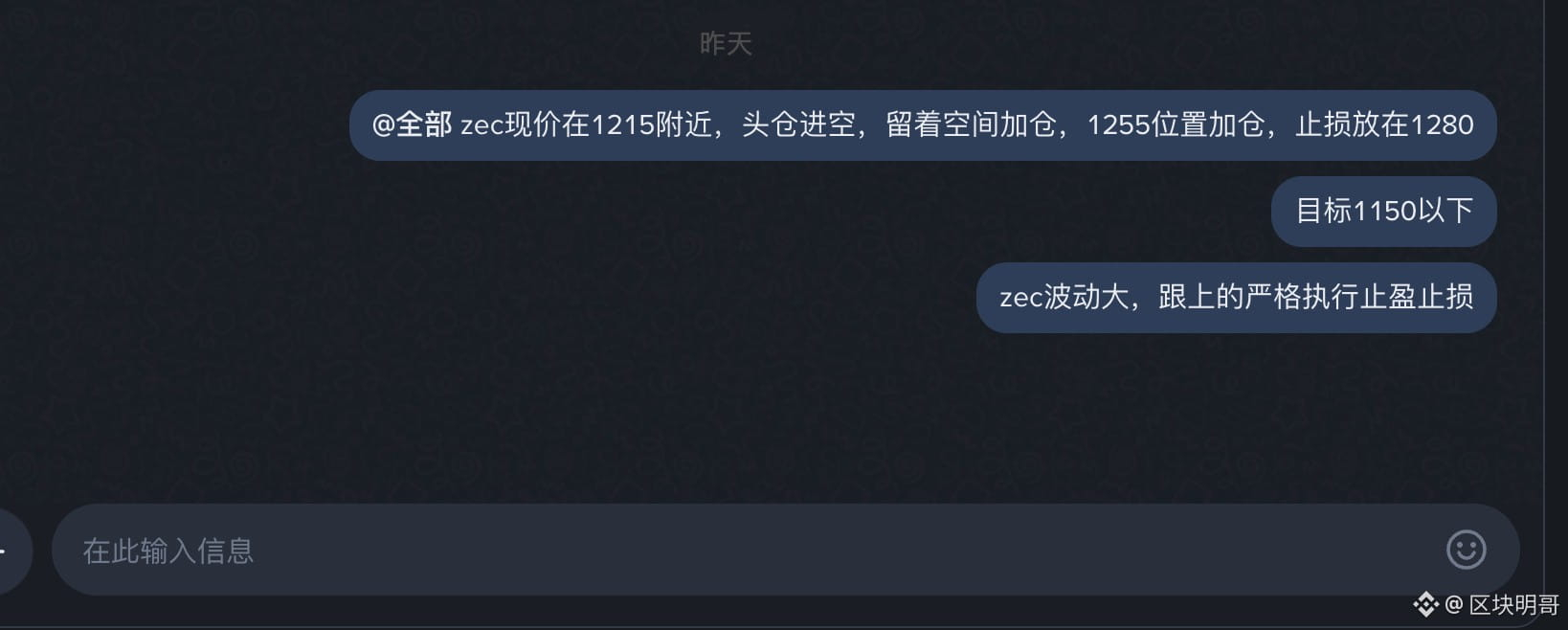
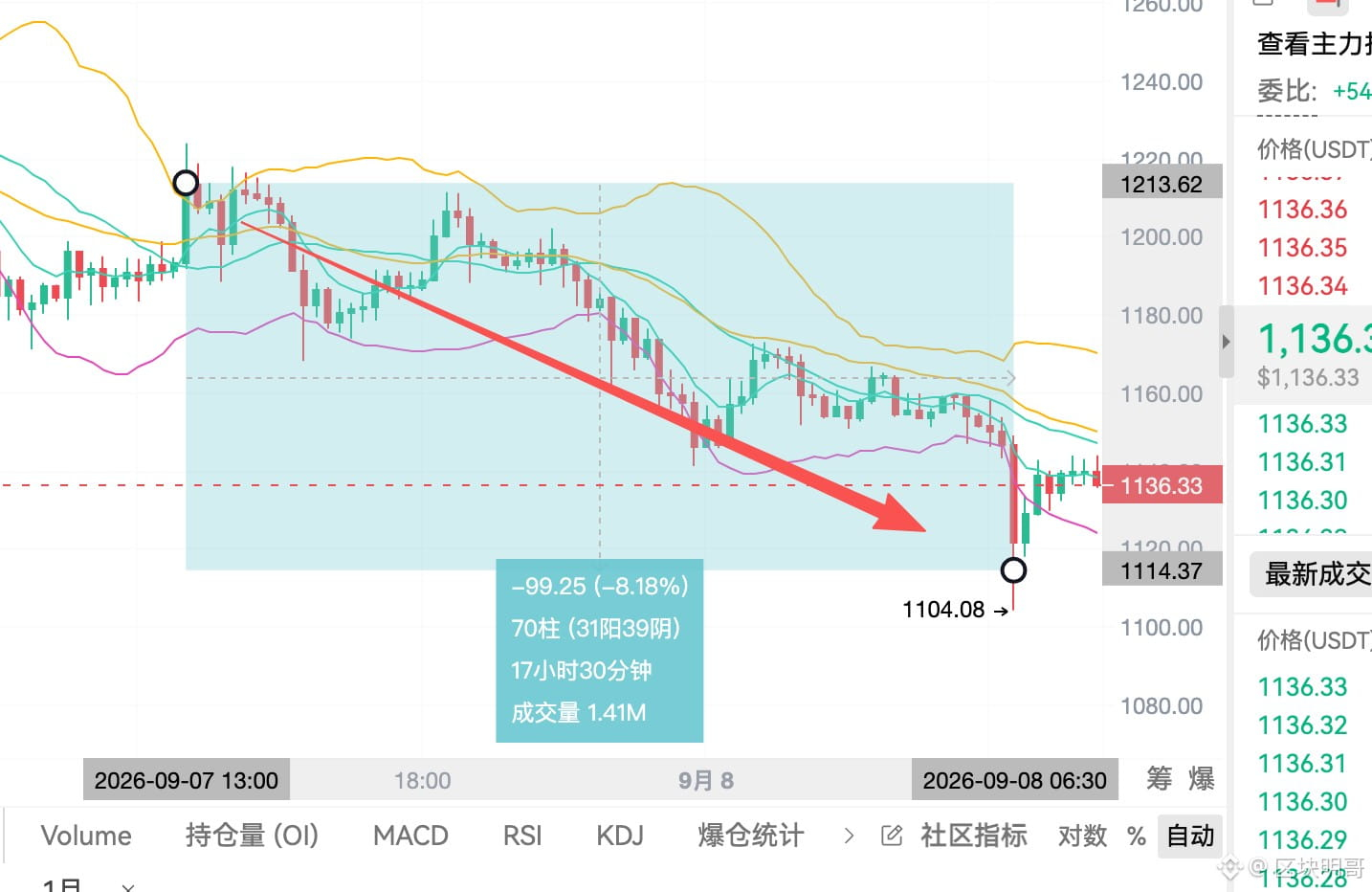
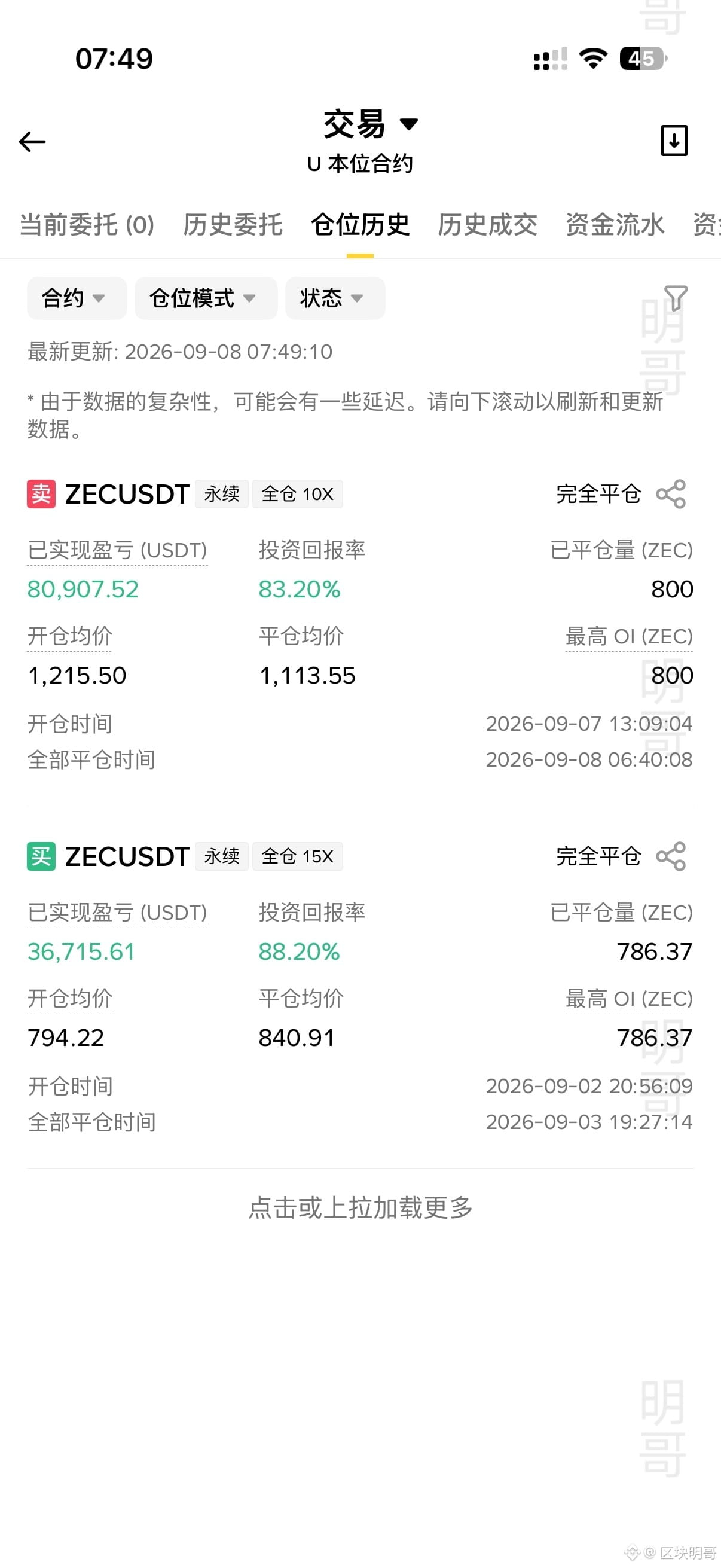
The issue isn’t the market—it’s yourself. When you make a bit you get too confident, when you lose you panic; your emotions push the trades forward. No rules, no bottom line. If your capital is small, be honest and compound steadily. If you start thinking you can bet everything on a single win and decide the outcome, by the time you come to your senses, there won’t be much left in the account. For risk control, most people only truly understand it after they’ve lost enough to hurt. Don’t gamble when the money is small, and don’t get carried away when it’s plenty—keeping your hands in check is more important than seeing the right direction. When you can’t make out the direction clearly, following a rhythm is more reliable than guessing blindly. If you set rules and stick to them, your account has a chance to stand back up. #比特币突破79000美元 $ZEC
The issue isn’t the market—it’s yourself. When you make a bit you get too confident, when you lose you panic; your emotions push the trades forward. No rules, no bottom line. If your capital is small, be honest and compound steadily. If you start thinking you can bet everything on a single win and decide the outcome, by the time you come to your senses, there won’t be much left in the account. For risk control, most people only truly understand it after they’ve lost enough to hurt. Don’t gamble when the money is small, and don’t get carried away when it’s plenty—keeping your hands in check is more important than seeing the right direction. When you can’t make out the direction clearly, following a rhythm is more reliable than guessing blindly. If you set rules and stick to them, your account has a chance to stand back up. #比特币突破79000美元 $ZEC
160
·
--
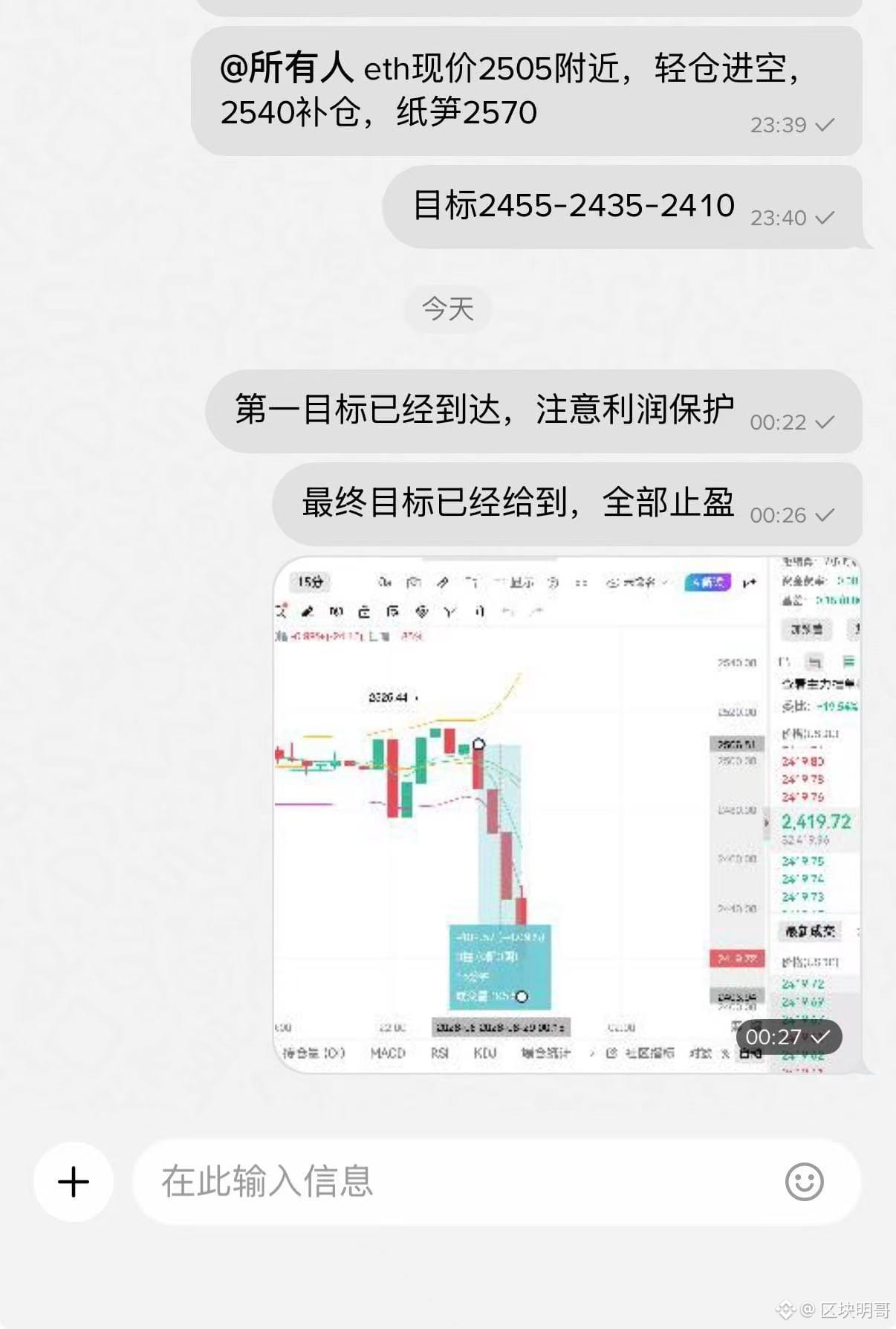
Look back at the trades you lost. Every time you chase in, the market has already moved for a while. When you can’t hold on and end up cutting out, it often drops a lot. You always chase the tail end of the price—if you don’t lose, who will? When it rises, you think it will keep rising; when it falls, you think it will keep falling. By the time you react, the move is already over. Entering then means you’re the bag holder, and exiting then means cutting losses. Stable profit comes from positioning in advance: build your position before the trend starts, leave before the downturn arrives—this relies on chart signals. The core is four words: make the big thing small and the small thing big. Use the weekly and daily charts to set the direction, and the hourly chart to find the entry point. When you understand the larger cycle clearly, you can act a half step faster. Don’t get stuck on just one or two K-lines in front of you—open your view, and trading will naturally go smoothly. #美股收跌英特尔涨9% #道指下跌超600点 $NVDAB $ETH
Look back at the trades you lost. Every time you chase in, the market has already moved for a while. When you can’t hold on and end up cutting out, it often drops a lot. You always chase the tail end of the price—if you don’t lose, who will? When it rises, you think it will keep rising; when it falls, you think it will keep falling. By the time you react, the move is already over. Entering then means you’re the bag holder, and exiting then means cutting losses. Stable profit comes from positioning in advance: build your position before the trend starts, leave before the downturn arrives—this relies on chart signals. The core is four words: make the big thing small and the small thing big. Use the weekly and daily charts to set the direction, and the hourly chart to find the entry point. When you understand the larger cycle clearly, you can act a half step faster. Don’t get stuck on just one or two K-lines in front of you—open your view, and trading will naturally go smoothly. #美股收跌英特尔涨9% #道指下跌超600点 $NVDAB $ETH
97
·
--
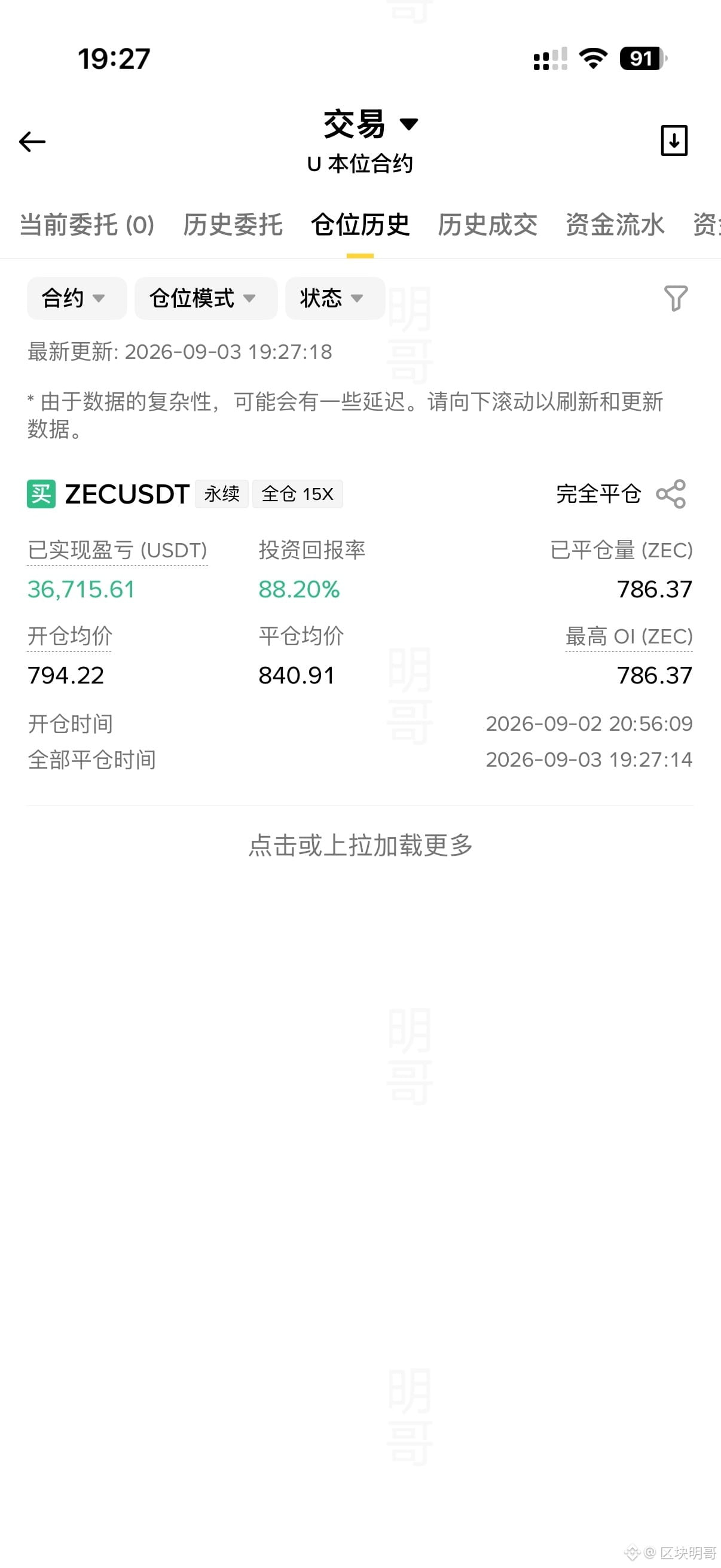
Light positions, phased entries, and patience. With your principal intact, opportunities won’t run out. Survive first—you’ll only earn the right to talk about doubling. Hold your pace steady and take it slowly. Nothing is stronger than that. Time will stand on the side of people who play by the rules. Step by step, plant your feet firmly, and your account will naturally improve. Only those who can wait can smile to the end. The market isn’t short of opportunities—it’s short of people with the patience to wait. In the long run, discipline matters more than judgment. Don’t be greedy, don’t rush; eventually you’ll wait for the行情 that belongs to you. Survive first—you’ll only earn the right to talk about compounding returns. Slow is fast; steady is profit. #伊朗称缴获美国无人潜艇 #AERO单日上涨17% $ETH $XAU
Light positions, phased entries, and patience. With your principal intact, opportunities won’t run out. Survive first—you’ll only earn the right to talk about doubling. Hold your pace steady and take it slowly. Nothing is stronger than that. Time will stand on the side of people who play by the rules. Step by step, plant your feet firmly, and your account will naturally improve. Only those who can wait can smile to the end. The market isn’t short of opportunities—it’s short of people with the patience to wait. In the long run, discipline matters more than judgment. Don’t be greedy, don’t rush; eventually you’ll wait for the行情 that belongs to you. Survive first—you’ll only earn the right to talk about compounding returns. Slow is fast; steady is profit. #伊朗称缴获美国无人潜艇 #AERO单日上涨17% $ETH $XAU
1
352
·
--
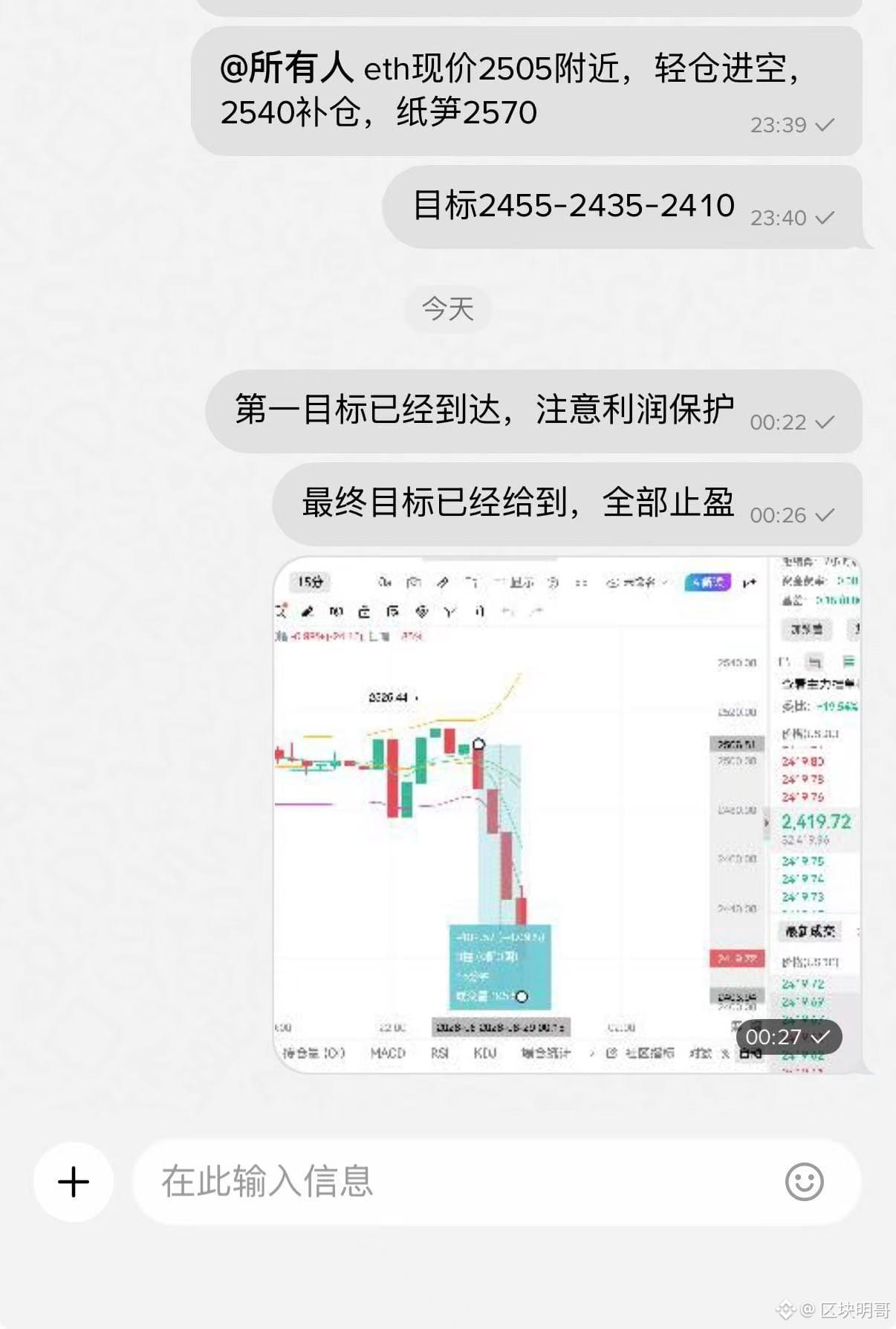
Turn off the power if you mess up two orders in a row; nine times out of ten, the decisions you make when you’re carried away by your emotions are the wrong ones.#AERO单日上涨17% #道指下跌超600点 $GOOGL.US $ETH
Turn off the power if you mess up two orders in a row; nine times out of ten, the decisions you make when you’re carried away by your emotions are the wrong ones.#AERO单日上涨17% #道指下跌超600点 $GOOGL.US $ETH
75
·
--
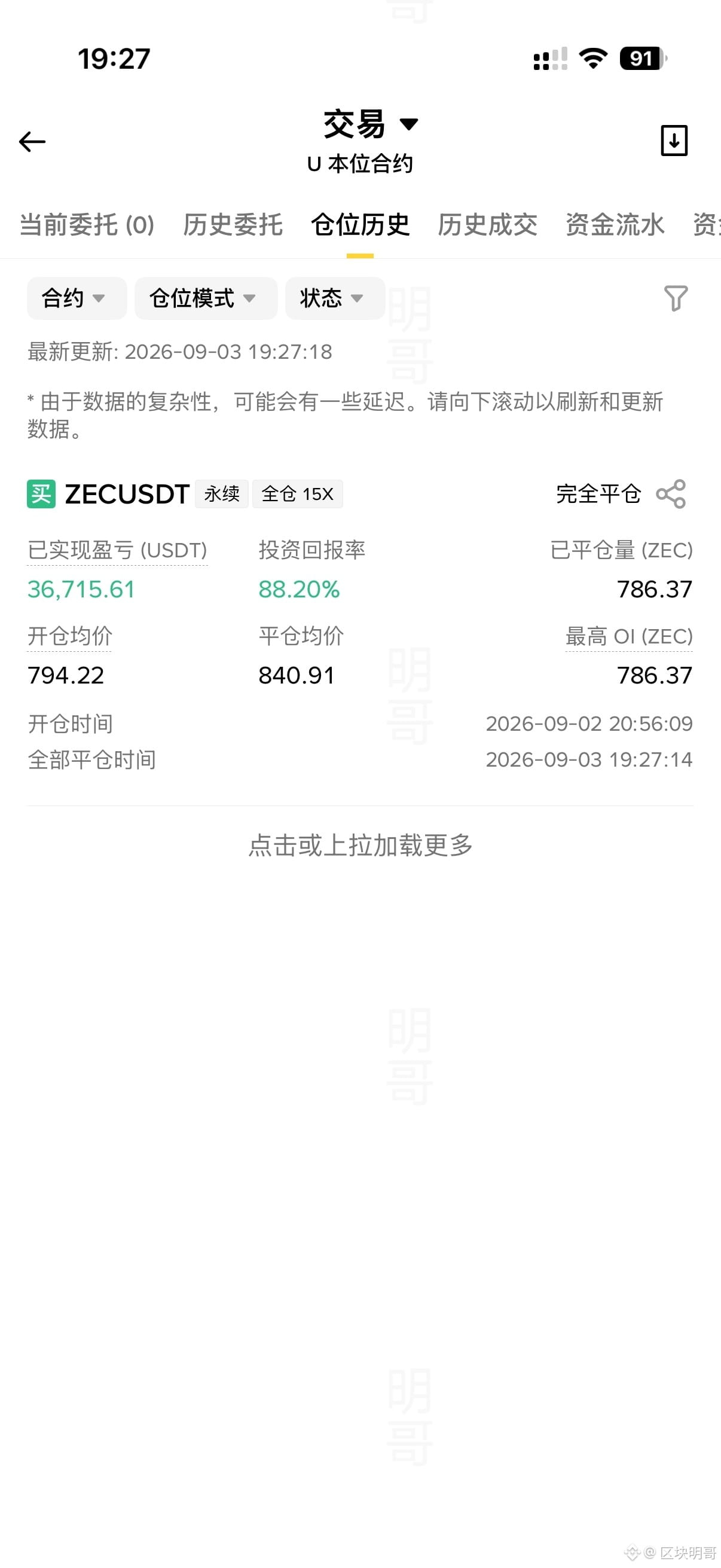
Filter invalid trades using periodic resonance. Only act when the daily and four-hour directions are aligned—this tactic can weed out most useless actions. Once the direction is set, then look for the entry point; if the cycles conflict, just hold cash/coins. If the price hasn’t reached your planned level, don’t move—there aren’t that many opportunities. For entries, use one-fifth of your position with a low leverage multiplier: prioritize safety first, then talk about profit. Set your stop-loss in advance—it’s the key to staying alive, not a sign of giving up. Trading isn’t about one or two big windfalls; it’s about long-term discipline and staying in the market. Only those who can wait have the right to discuss compounding returns. If the direction is correct and the pace is steady, the rest is left to time. Staying alive is more important than anything. #道指下跌超600点 #美加关税战升级 $BTC $AAPL.US .
Filter invalid trades using periodic resonance. Only act when the daily and four-hour directions are aligned—this tactic can weed out most useless actions. Once the direction is set, then look for the entry point; if the cycles conflict, just hold cash/coins. If the price hasn’t reached your planned level, don’t move—there aren’t that many opportunities. For entries, use one-fifth of your position with a low leverage multiplier: prioritize safety first, then talk about profit. Set your stop-loss in advance—it’s the key to staying alive, not a sign of giving up. Trading isn’t about one or two big windfalls; it’s about long-term discipline and staying in the market. Only those who can wait have the right to discuss compounding returns. If the direction is correct and the pace is steady, the rest is left to time. Staying alive is more important than anything. #道指下跌超600点 #美加关税战升级 $BTC $AAPL.US .
257
·
--
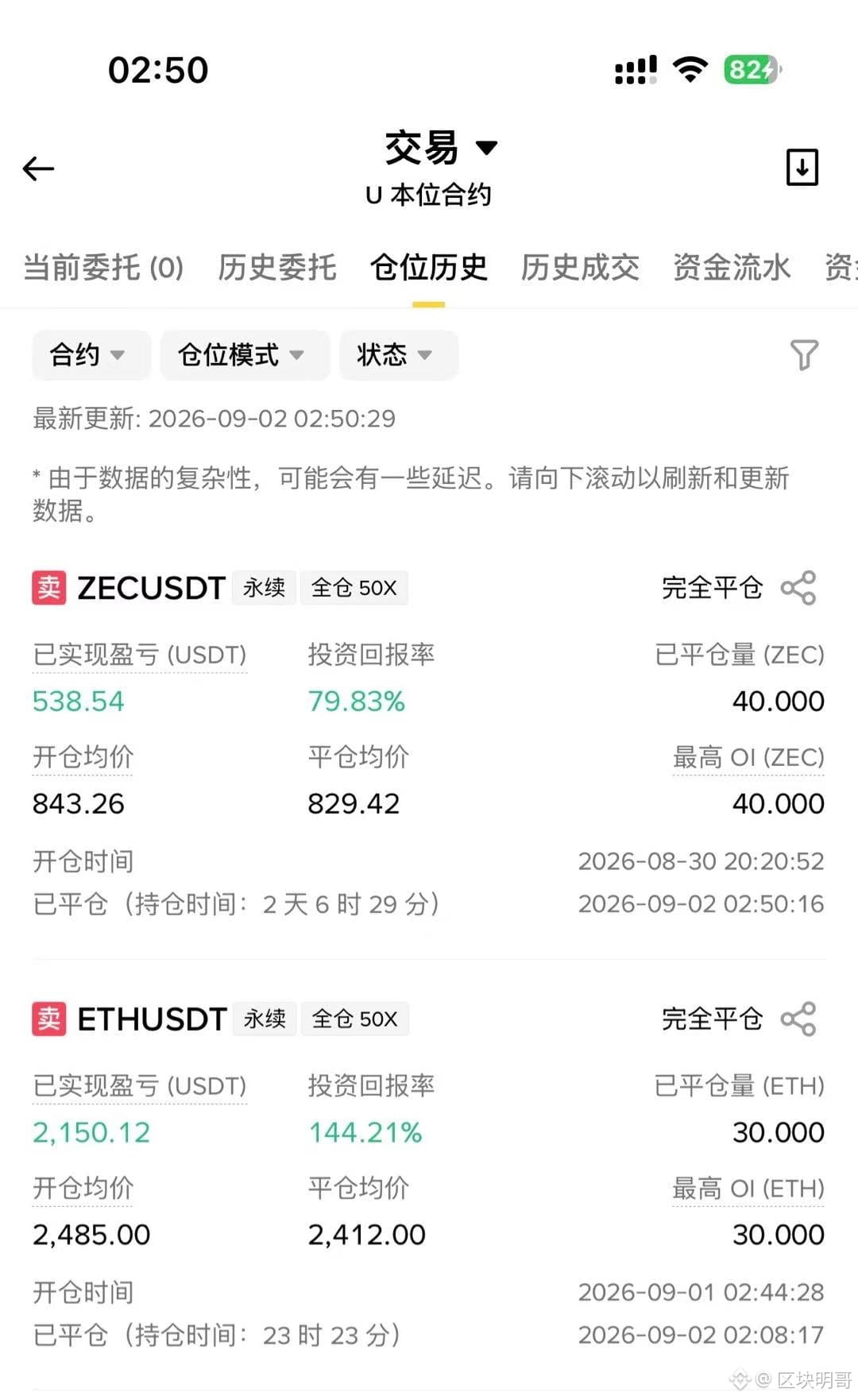
Trading signals should be considered comprehensively; waiting for confirmation is more important than impulsively entering. Only those who can control themselves have a chance to catch the real market move. The market isn’t short of opportunities—what it lacks is patience to wait. Go steadily; it’s stronger than anything else. Step by step, put your feet down, and time will give you the answer. Survive first, and you’ll be able to wait for the wave of opportunity that belongs to you.$ETH #IMF称萨尔瓦多购币未用公共资金 $SNDKB
Trading signals should be considered comprehensively; waiting for confirmation is more important than impulsively entering. Only those who can control themselves have a chance to catch the real market move. The market isn’t short of opportunities—what it lacks is patience to wait. Go steadily; it’s stronger than anything else. Step by step, put your feet down, and time will give you the answer. Survive first, and you’ll be able to wait for the wave of opportunity that belongs to you.$ETH #IMF称萨尔瓦多购币未用公共资金 $SNDKB
285
·
--
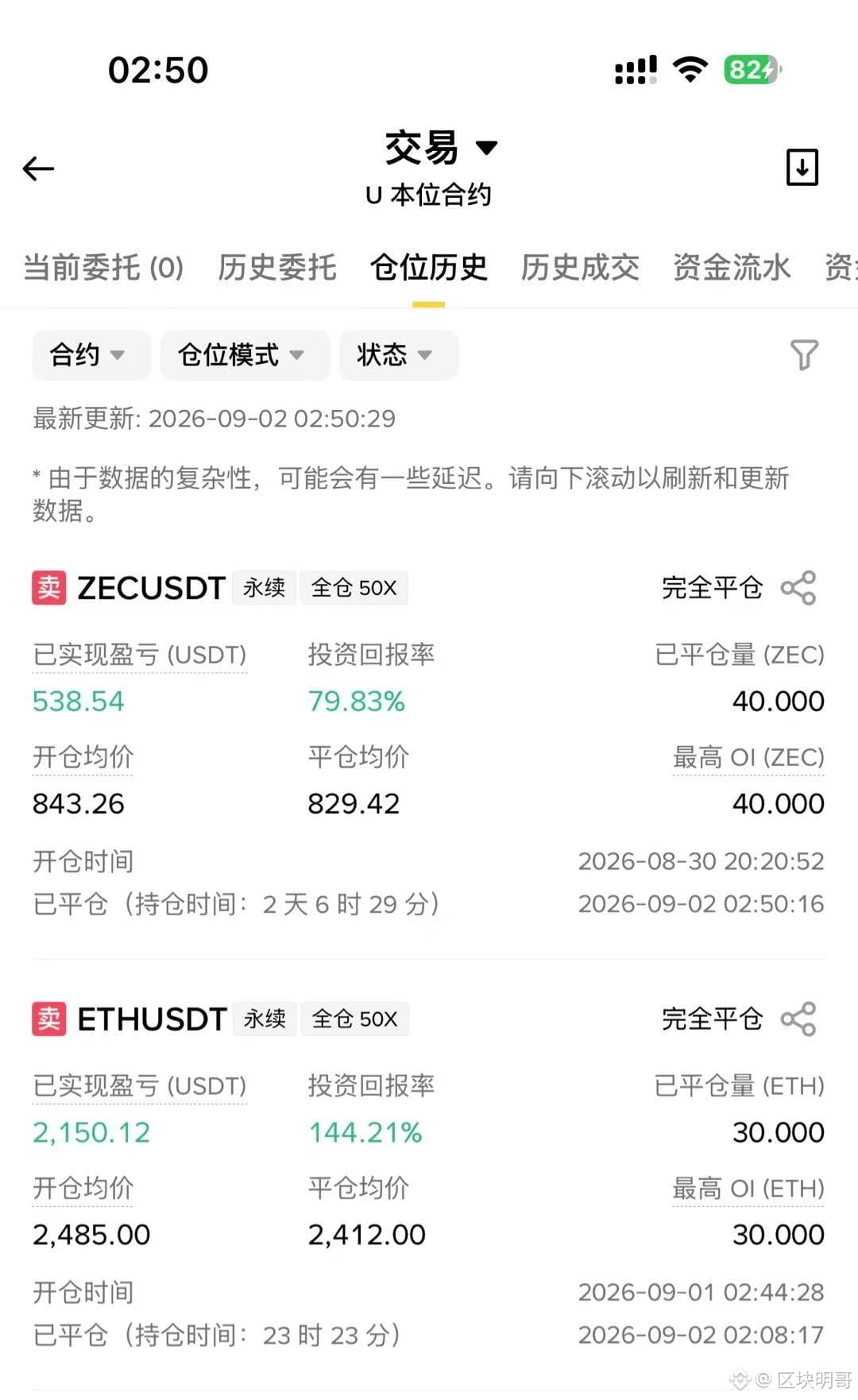
Many people shout every day about financial freedom, but they can’t even get through the “take-profit” stage. I set rules for myself: once my profit reaches the target, I transfer half out first. When my mindset is stable, this path can be followed for the long run. Don’t expect to sell at the very top—that’s not realistic. People who can leave with a smile are the ones who cash out decisively in the middle and know how to stop when the market is in their favor. Only those who can control themselves deserve the next round of market opportunities. Going steady matters more than anything. Time will stand on the side of those who follow the rules. Step by step, stay grounded, and the account will naturally get better.#加拿大对美关税正式生效 $ZEC $ETH #Liquid网络遭3.2亿美元攻击
Many people shout every day about financial freedom, but they can’t even get through the “take-profit” stage. I set rules for myself: once my profit reaches the target, I transfer half out first. When my mindset is stable, this path can be followed for the long run. Don’t expect to sell at the very top—that’s not realistic. People who can leave with a smile are the ones who cash out decisively in the middle and know how to stop when the market is in their favor. Only those who can control themselves deserve the next round of market opportunities. Going steady matters more than anything. Time will stand on the side of those who follow the rules. Step by step, stay grounded, and the account will naturally get better.#加拿大对美关税正式生效 $ZEC $ETH #Liquid网络遭3.2亿美元攻击
257
·
--
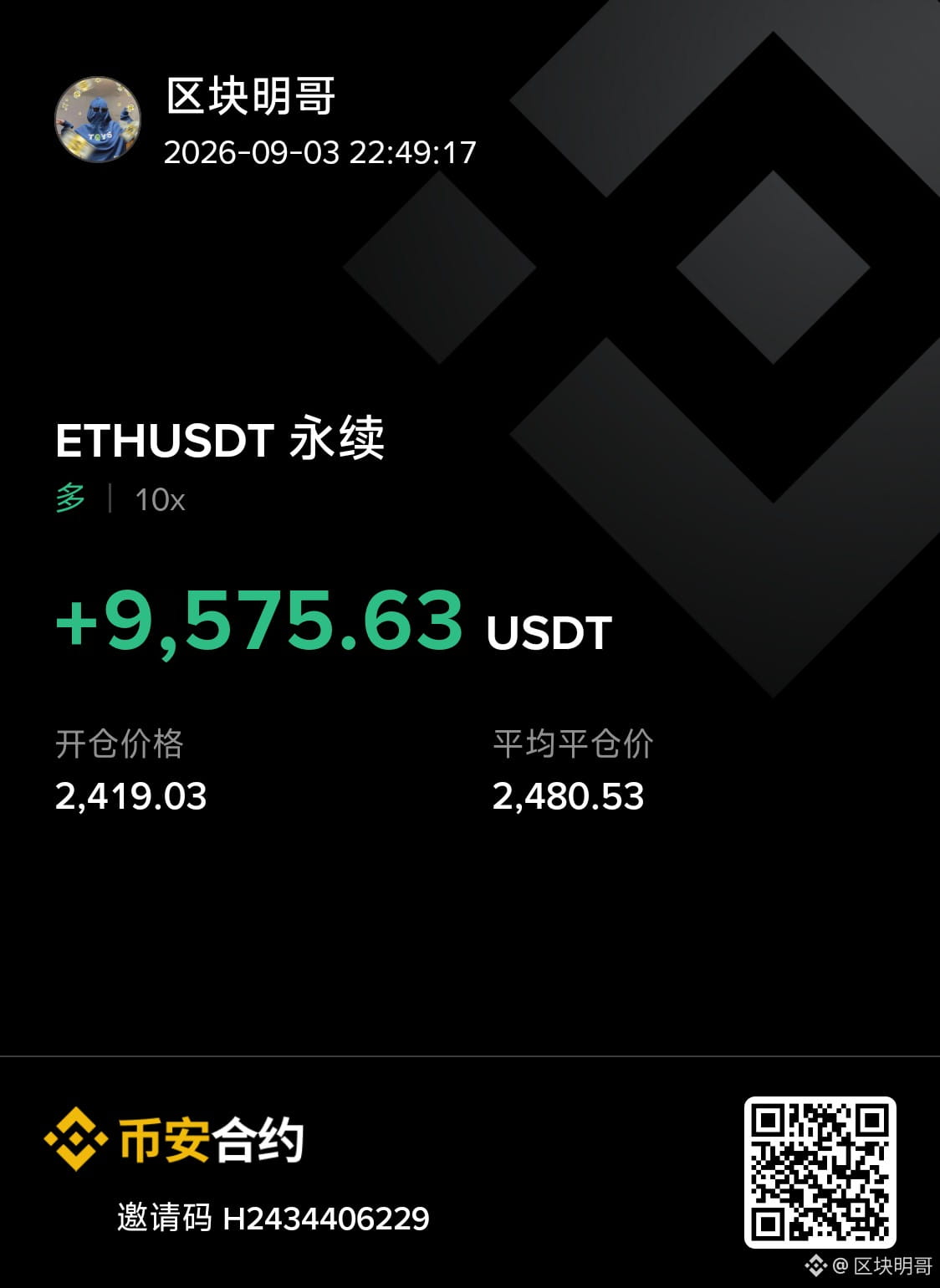
Opening a position must always include a stop loss. For small accounts, every loss per trade should be locked within the range you can tolerate. Many people don’t die because they’re too slow—they die because of one big loss that forces them to liquidate. Don’t be greedy when taking profit; most small accounts blow up because of the greed word. Take profit when you have it—catch a stretch if you can. For small swings, grabbing dozens of points is enough; for a big market move, holding for a hundred points is already very comfortable. After you gradually grow your account, you can moderately speed up the pace, but the risk red line must never be loosened. Only those who can control their hands deserve to make profits. Stay steady in your rhythm—only then will you have the right to talk about compounding. Slow is fast; steady is profit. Step by step, plant your feet firmly—time won’t let down those who persist. Keep the rules, and your account will naturally get better. #美伊互袭油轮冲突升级 $ETH
Opening a position must always include a stop loss. For small accounts, every loss per trade should be locked within the range you can tolerate. Many people don’t die because they’re too slow—they die because of one big loss that forces them to liquidate. Don’t be greedy when taking profit; most small accounts blow up because of the greed word. Take profit when you have it—catch a stretch if you can. For small swings, grabbing dozens of points is enough; for a big market move, holding for a hundred points is already very comfortable. After you gradually grow your account, you can moderately speed up the pace, but the risk red line must never be loosened. Only those who can control their hands deserve to make profits. Stay steady in your rhythm—only then will you have the right to talk about compounding. Slow is fast; steady is profit. Step by step, plant your feet firmly—time won’t let down those who persist. Keep the rules, and your account will naturally get better. #美伊互袭油轮冲突升级 $ETH
48
·
--
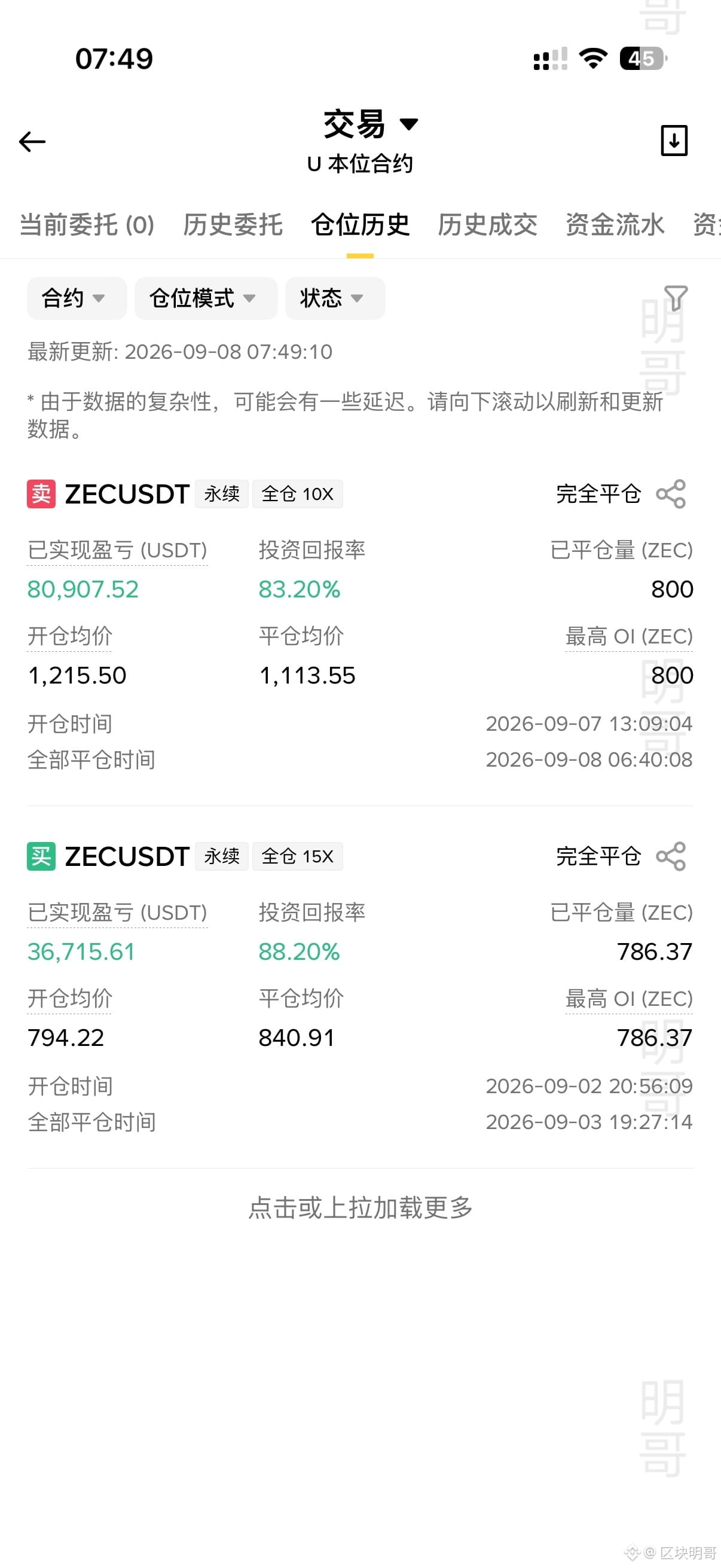
Trade lightly to test the waters; only act once you truly understand. Set stop losses first, then be patient and wait. Position sizing control is the core, and trends are your friends. The market lacks no opportunities—what it lacks is resolve. Only those who can wait will be the ones who laugh last. If you stick to the rules, profits will naturally follow. Slow is fast, steady is profitable. Survive—that matters more than anything. Step by step, stay grounded, and time will give you the answer.#美伊互袭油轮冲突升级 $BTC $NVDA.US
Trade lightly to test the waters; only act once you truly understand. Set stop losses first, then be patient and wait. Position sizing control is the core, and trends are your friends. The market lacks no opportunities—what it lacks is resolve. Only those who can wait will be the ones who laugh last. If you stick to the rules, profits will naturally follow. Slow is fast, steady is profitable. Survive—that matters more than anything. Step by step, stay grounded, and time will give you the answer.#美伊互袭油轮冲突升级 $BTC $NVDA.US
BTC+0.25%
NVDAUS+0.95%
145
·
--
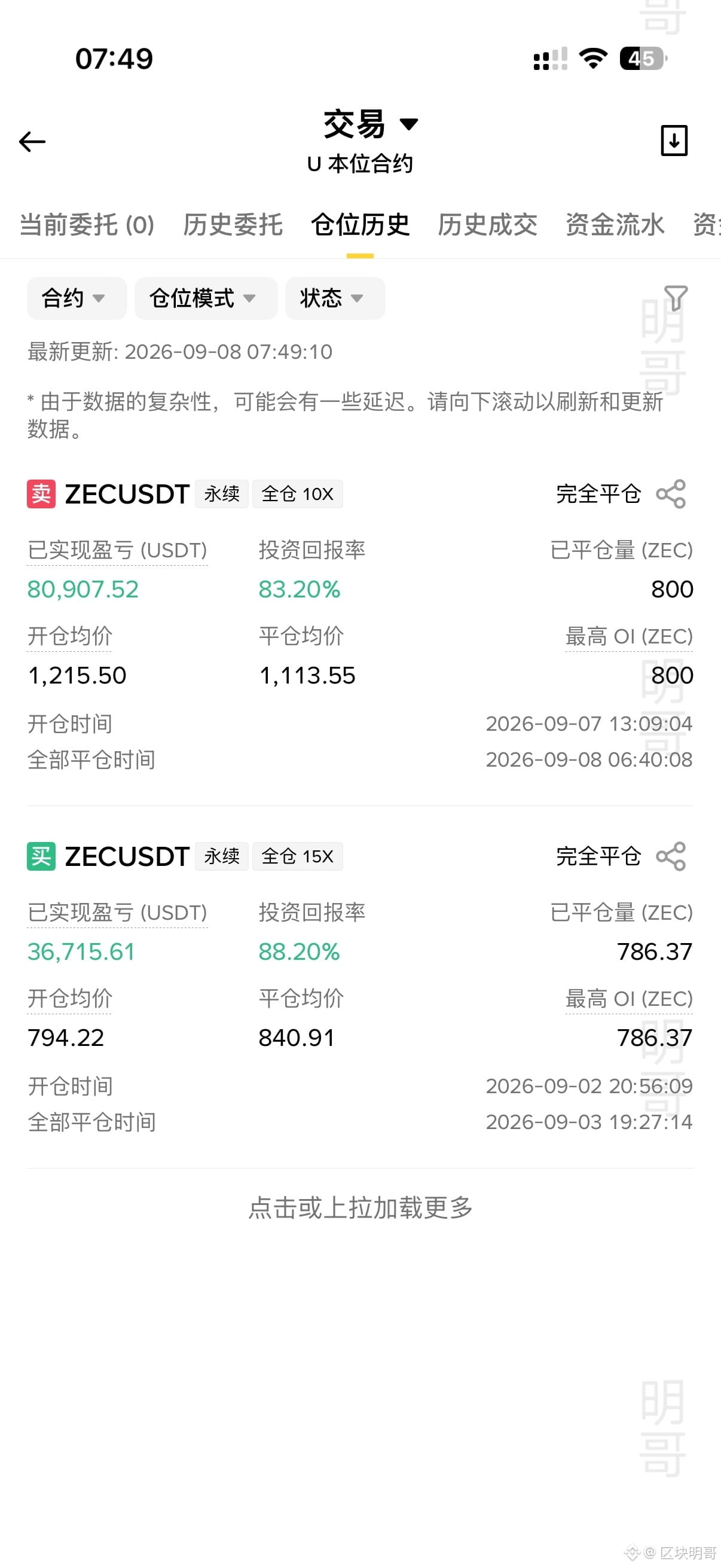
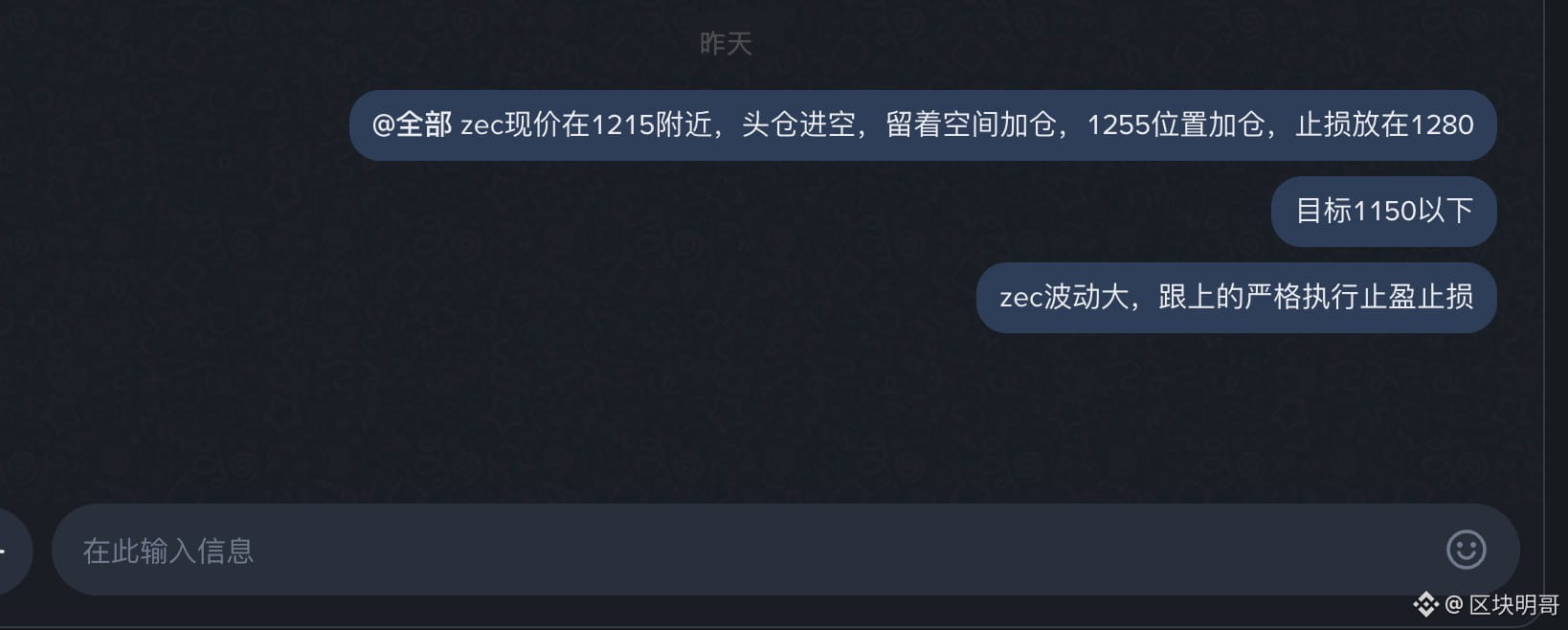
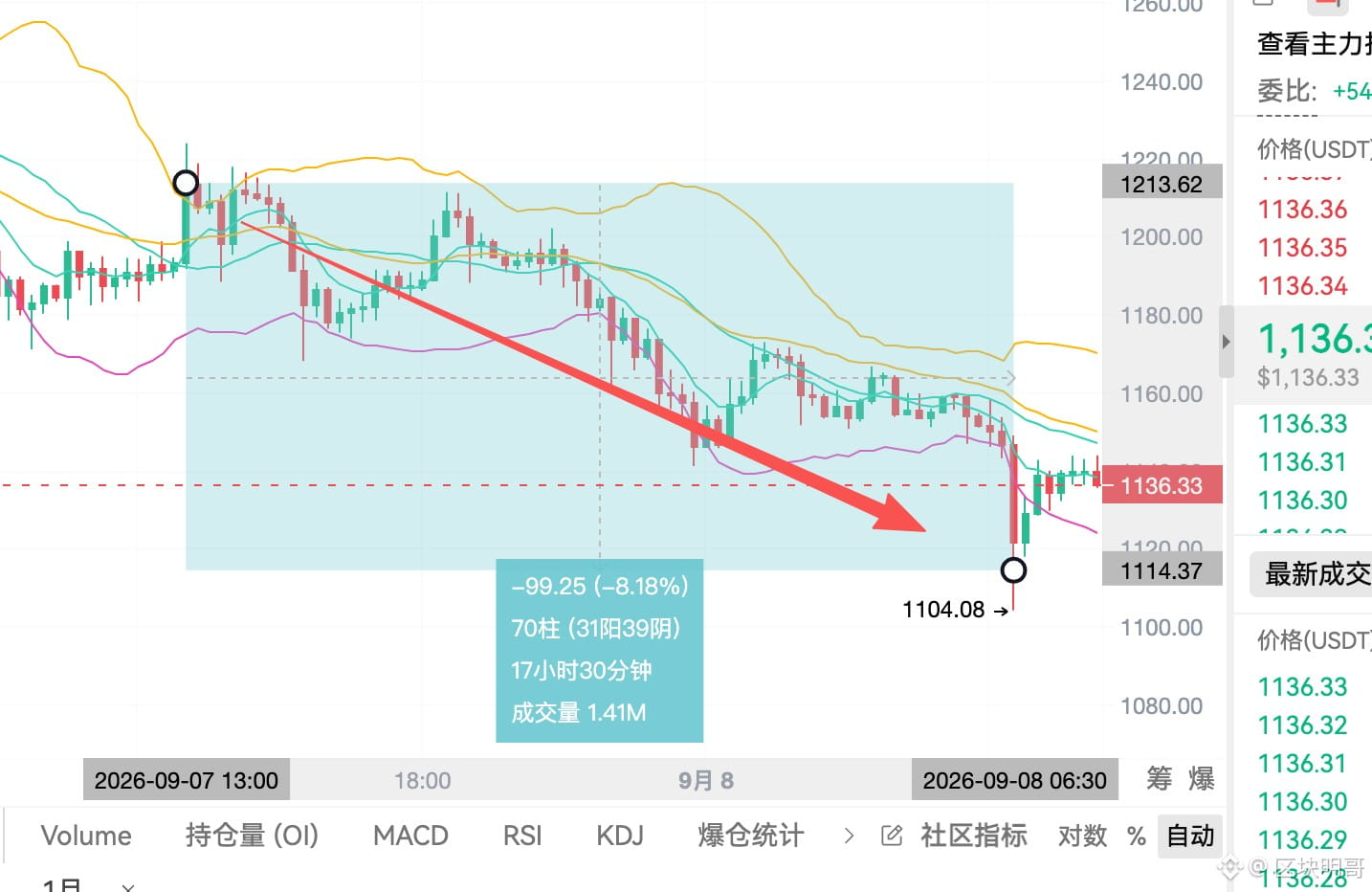
You always want to buy at the lowest point and sell at the highest; when you say it, everyone feels it makes sense. But once you actually start trading, it’s easy to go off track. The market is still moving downward. You think, “I’ll wait a bit longer so it can get even lower,” but then it suddenly surges—missing the opportunity. You’re holding a winning trade, thinking it can still go up, but then it turns and heads downward, and all the profit is wiped out. I used to make the same mistake too. I thought bottom-picking and top-escaping was the real skill. Later, the market kept hammering it into me until I finally understood: what we earn is never the entire stretch of a move—it’s just that middle segment. Let other people take the fish head and tail; having the fish body is already pretty good. Now my requirements are very low: I don’t have to chase the highest point to enter. As long as I lock in the profit when I exit, I won’t regret it. Accept imperfection, and your mindset suddenly relaxes. In the end, trading isn’t about who can be most accurate—it’s about who can stay in the game. Every time you feel like making a move, ask yourself: is this a signal from the system, or is it an impulse driven by emotion? Control yourself. If the direction is right, profit is just a matter of time and conditions falling into place. #Zcash周涨45%创2016年来新高 $ZEC
You always want to buy at the lowest point and sell at the highest; when you say it, everyone feels it makes sense. But once you actually start trading, it’s easy to go off track. The market is still moving downward. You think, “I’ll wait a bit longer so it can get even lower,” but then it suddenly surges—missing the opportunity. You’re holding a winning trade, thinking it can still go up, but then it turns and heads downward, and all the profit is wiped out. I used to make the same mistake too. I thought bottom-picking and top-escaping was the real skill. Later, the market kept hammering it into me until I finally understood: what we earn is never the entire stretch of a move—it’s just that middle segment. Let other people take the fish head and tail; having the fish body is already pretty good. Now my requirements are very low: I don’t have to chase the highest point to enter. As long as I lock in the profit when I exit, I won’t regret it. Accept imperfection, and your mindset suddenly relaxes. In the end, trading isn’t about who can be most accurate—it’s about who can stay in the game. Every time you feel like making a move, ask yourself: is this a signal from the system, or is it an impulse driven by emotion? Control yourself. If the direction is right, profit is just a matter of time and conditions falling into place. #Zcash周涨45%创2016年来新高 $ZEC
156
·
--
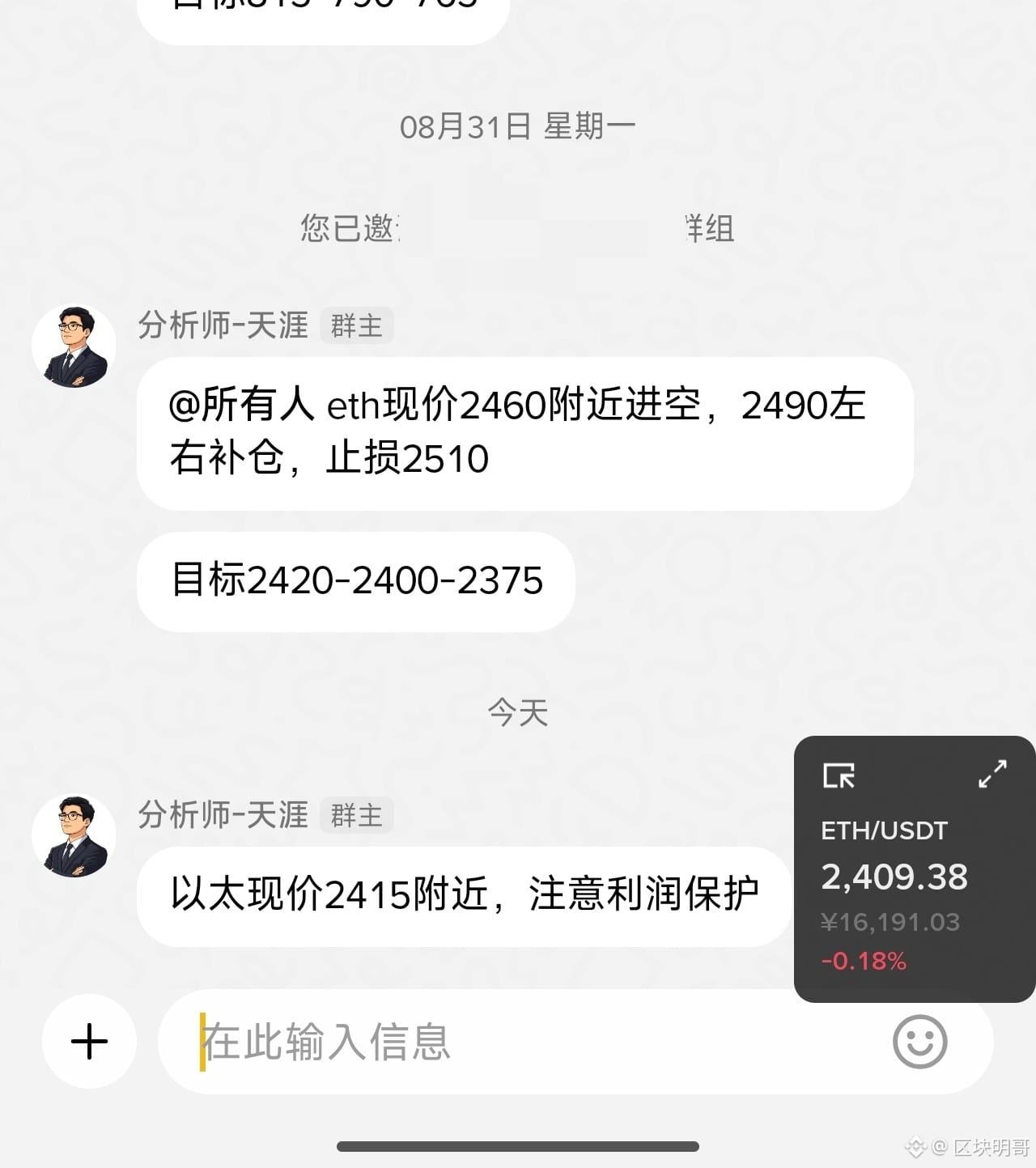
High leverage isn’t scary—the risk lies in position sizing. With a small position, using a high multiplier can actually be controllable. Stop-loss is the account’s insurance. In large drawdowns, the ones who get liquidated are often people who keep holding after they’ve already lost too much. I set a cap on per-trade loss to only a very small portion of the principal. Before opening a position, I calculate the maximum allowable position size; I don’t place orders based on feelings. Take profit in batches: first realize part of the gains, then keep a small position to ride the trend. This way you can lock in returns without missing the big run. You can also use a small amount of capital to buy options to hedge against black swan events. Trading returns come from losing less when things go wrong and holding onto big moves when they go right. Remember a few iron rules: lock in the maximum loss per trade, control how frequently you trade, maintain a reasonable reward-to-risk ratio, and stay mostly in cash and wait for opportunities. Don’t trade based on emotions—only by strictly following the rules can you survive in the futures market. #俄乌同时宣布停火3天 $ETH $TRUMP #中国八大金融机构注资3600亿元
High leverage isn’t scary—the risk lies in position sizing. With a small position, using a high multiplier can actually be controllable. Stop-loss is the account’s insurance. In large drawdowns, the ones who get liquidated are often people who keep holding after they’ve already lost too much. I set a cap on per-trade loss to only a very small portion of the principal. Before opening a position, I calculate the maximum allowable position size; I don’t place orders based on feelings. Take profit in batches: first realize part of the gains, then keep a small position to ride the trend. This way you can lock in returns without missing the big run. You can also use a small amount of capital to buy options to hedge against black swan events. Trading returns come from losing less when things go wrong and holding onto big moves when they go right. Remember a few iron rules: lock in the maximum loss per trade, control how frequently you trade, maintain a reasonable reward-to-risk ratio, and stay mostly in cash and wait for opportunities. Don’t trade based on emotions—only by strictly following the rules can you survive in the futures market. #俄乌同时宣布停火3天 $ETH $TRUMP #中国八大金融机构注资3600亿元
300
·
--
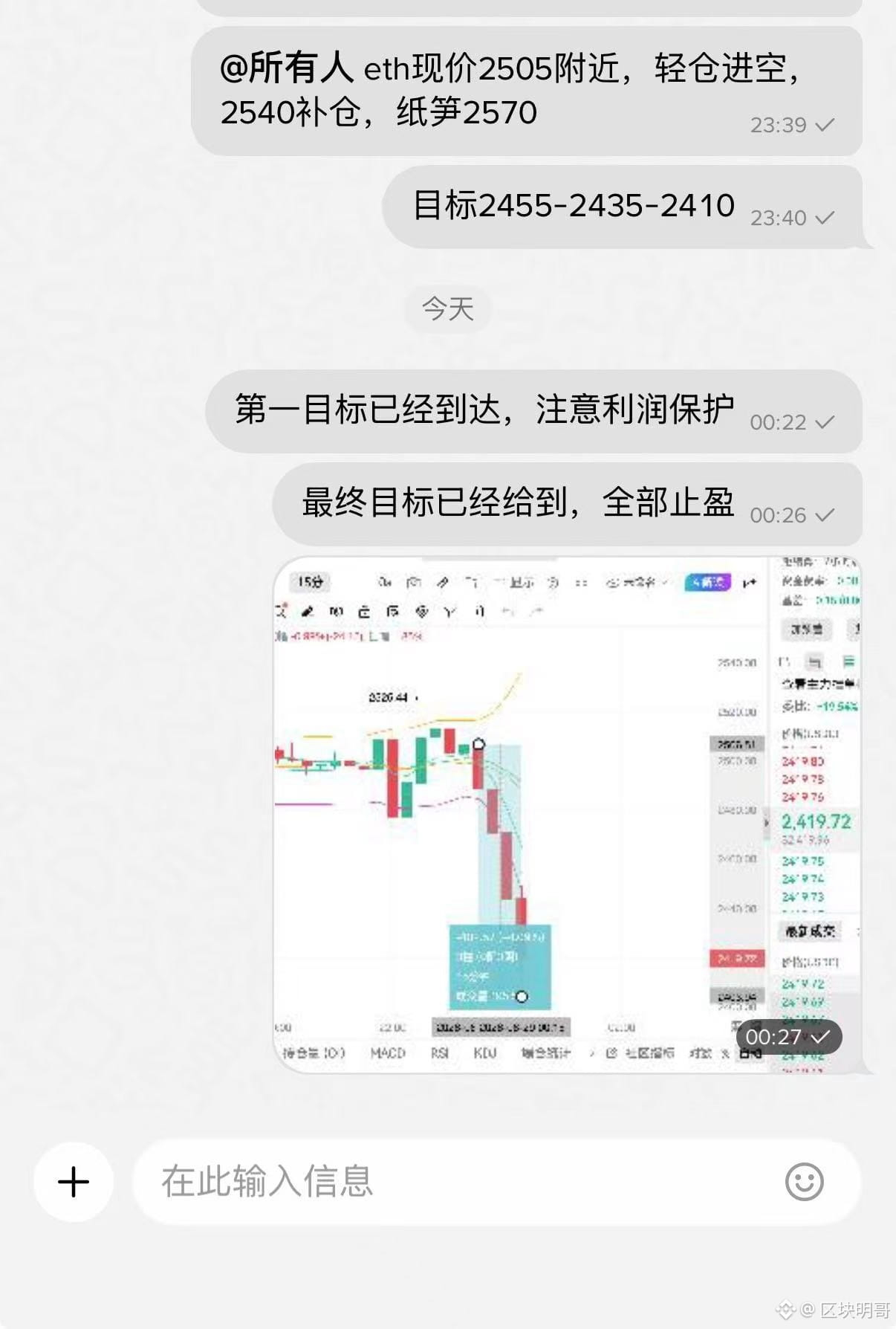
When entering, everyone wants to flip quickly—starting from a few hundred U to achieve a hundredfold. In the early days, we only asked how much we could make; later, we first asked whether we should even do it. A small account doesn’t chase doubling; it focuses on execution—splitting the funds and never going all-in. The biggest advantage of small money is that it allows trial and error. Once the account grows, we only wait for high-certainty opportunities; if there’s no market, we hold cash. Waiting itself is part of the trade. Regularly extract profits and lock them in. Account numbers don’t mean the money is already in hand. When your mindset is in place and your pace is steady, profits will naturally come. Only those who can wait can laugh to the end. #伊朗将设霍尔木兹海峡限制区 $ETH #中国八大金融机构注资3600亿元 $ZEC
When entering, everyone wants to flip quickly—starting from a few hundred U to achieve a hundredfold. In the early days, we only asked how much we could make; later, we first asked whether we should even do it. A small account doesn’t chase doubling; it focuses on execution—splitting the funds and never going all-in. The biggest advantage of small money is that it allows trial and error. Once the account grows, we only wait for high-certainty opportunities; if there’s no market, we hold cash. Waiting itself is part of the trade. Regularly extract profits and lock them in. Account numbers don’t mean the money is already in hand. When your mindset is in place and your pace is steady, profits will naturally come. Only those who can wait can laugh to the end. #伊朗将设霍尔木兹海峡限制区 $ETH #中国八大金融机构注资3600亿元 $ZEC
227
Log in to explore more content
Join global crypto users on Binance Square
⚡️ Get latest and useful information about crypto.
💬 Trusted by the world’s largest crypto exchange.
👍 Discover real insights from verified creators.
Email / Phone number