
小马戈
39 Posts

小马戈
Report
Block User
不知名投资人| 专注 #Crypto #黄金 #美股|二级市场投研 & 家庭资产配置服务,以大周期趋势为核心
Open Trade

BTC Holder
Frequent Trader
1.2 Years
20 Following
134 Followers
83 Liked
Posts
Portfolio
All
Quotes
PINNED
·
--
Verified
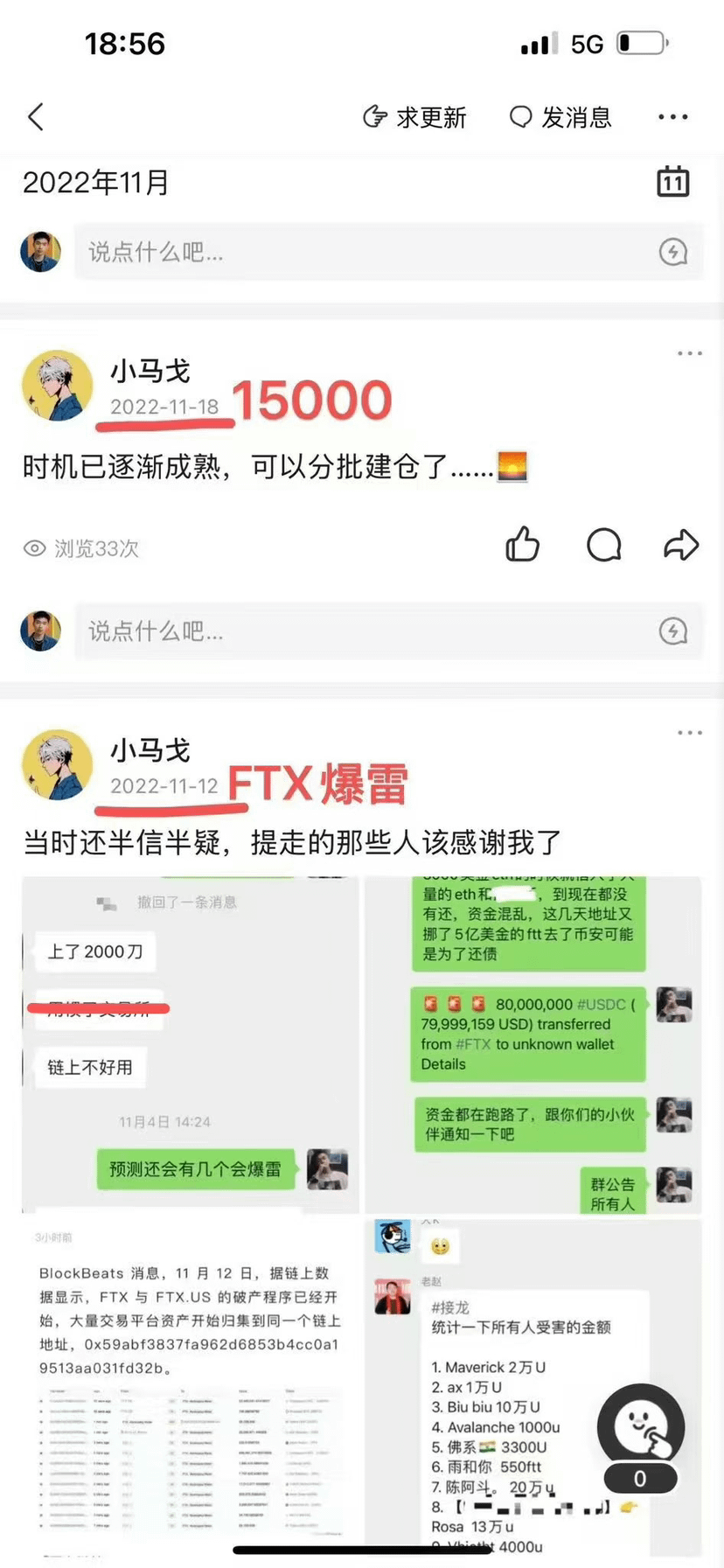
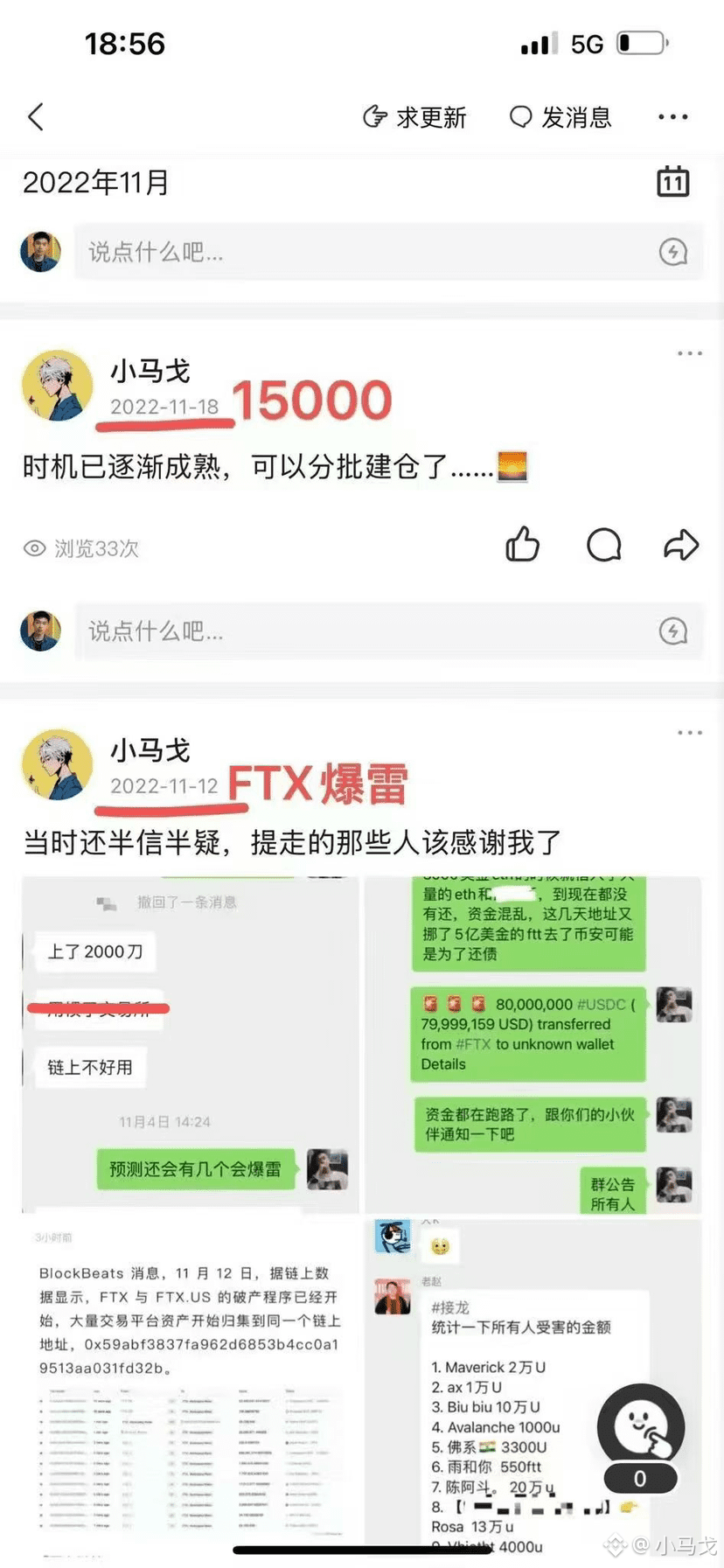
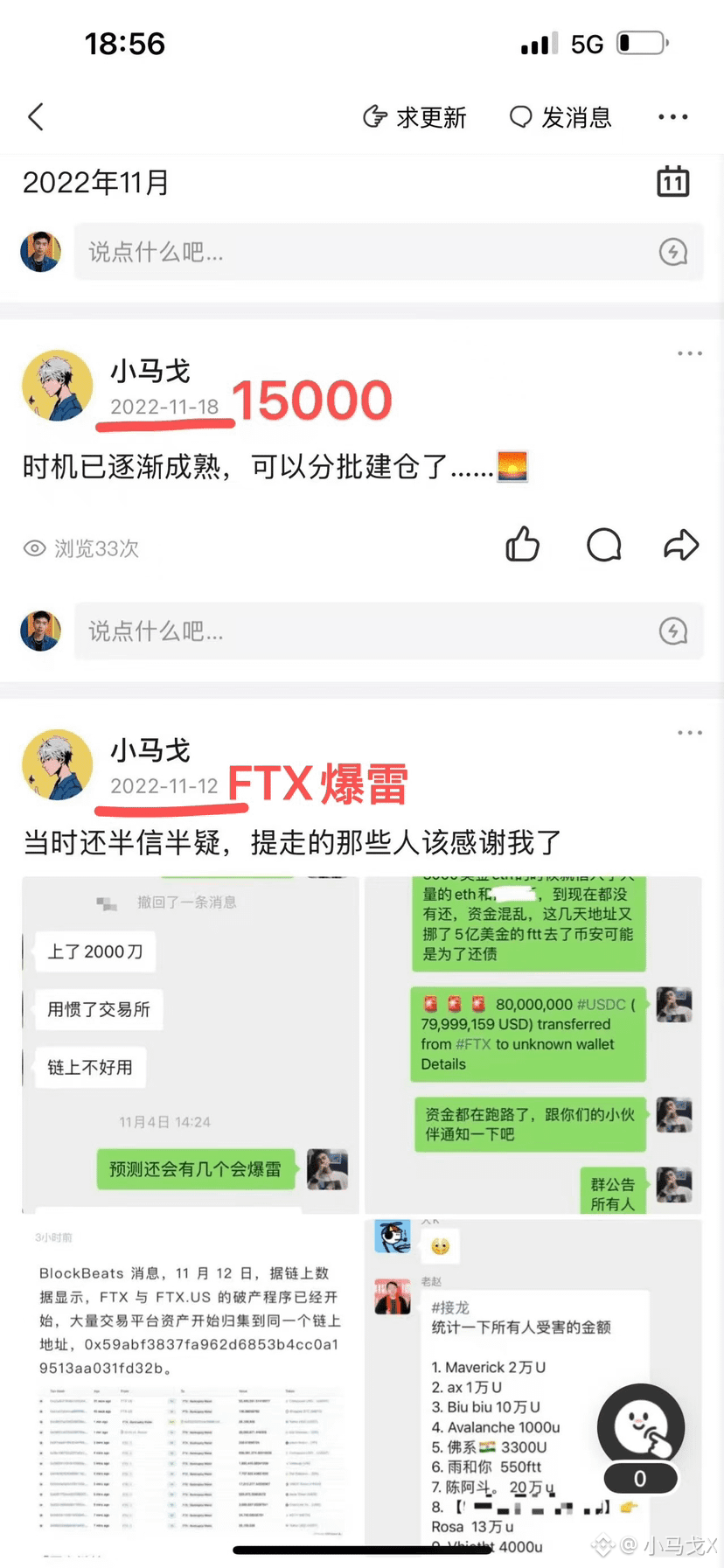
In 2022, when that famous incident occurred in the industry, I immediately reminded those around me to withdraw their assets from the platform.
At the same time, a certain core asset dropped to around 15000+, and I began to gradually position myself.
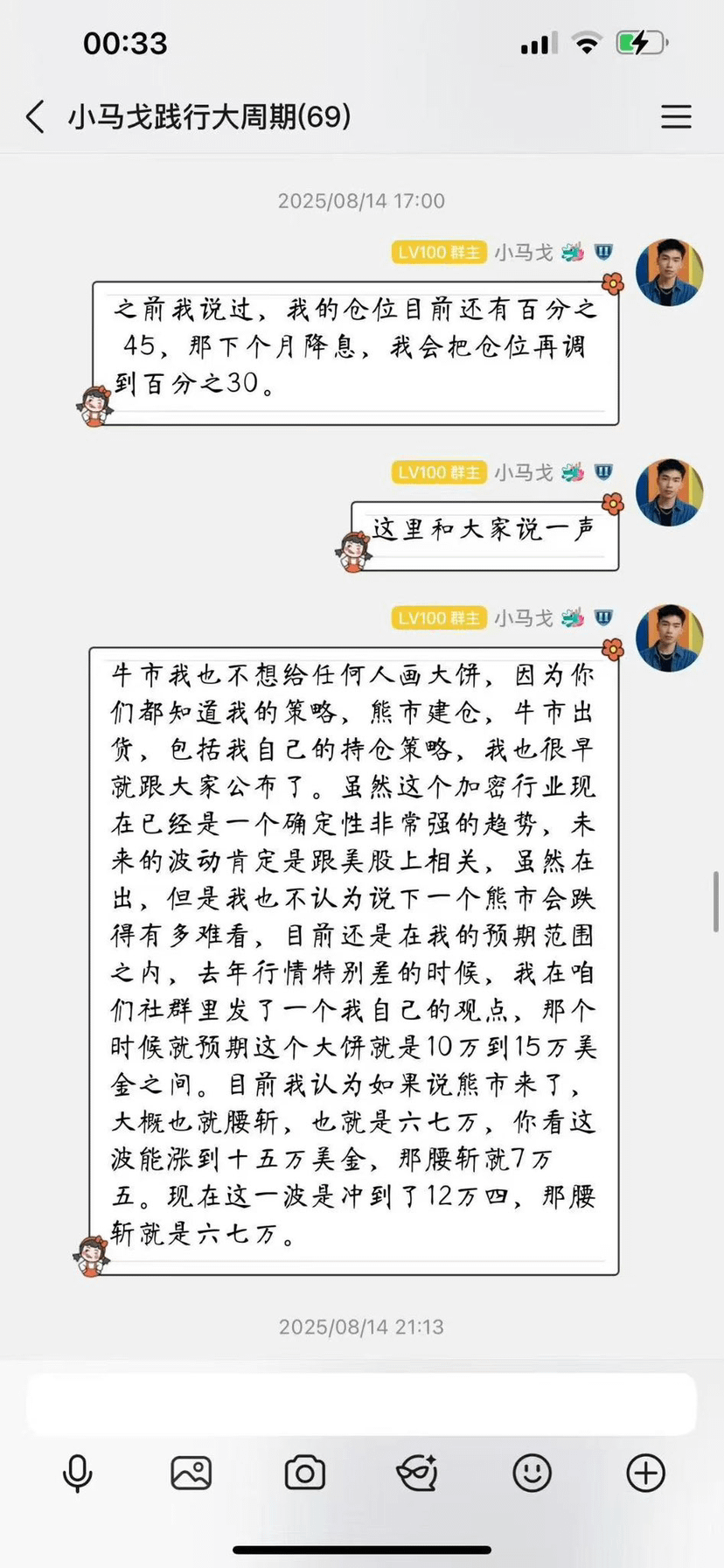
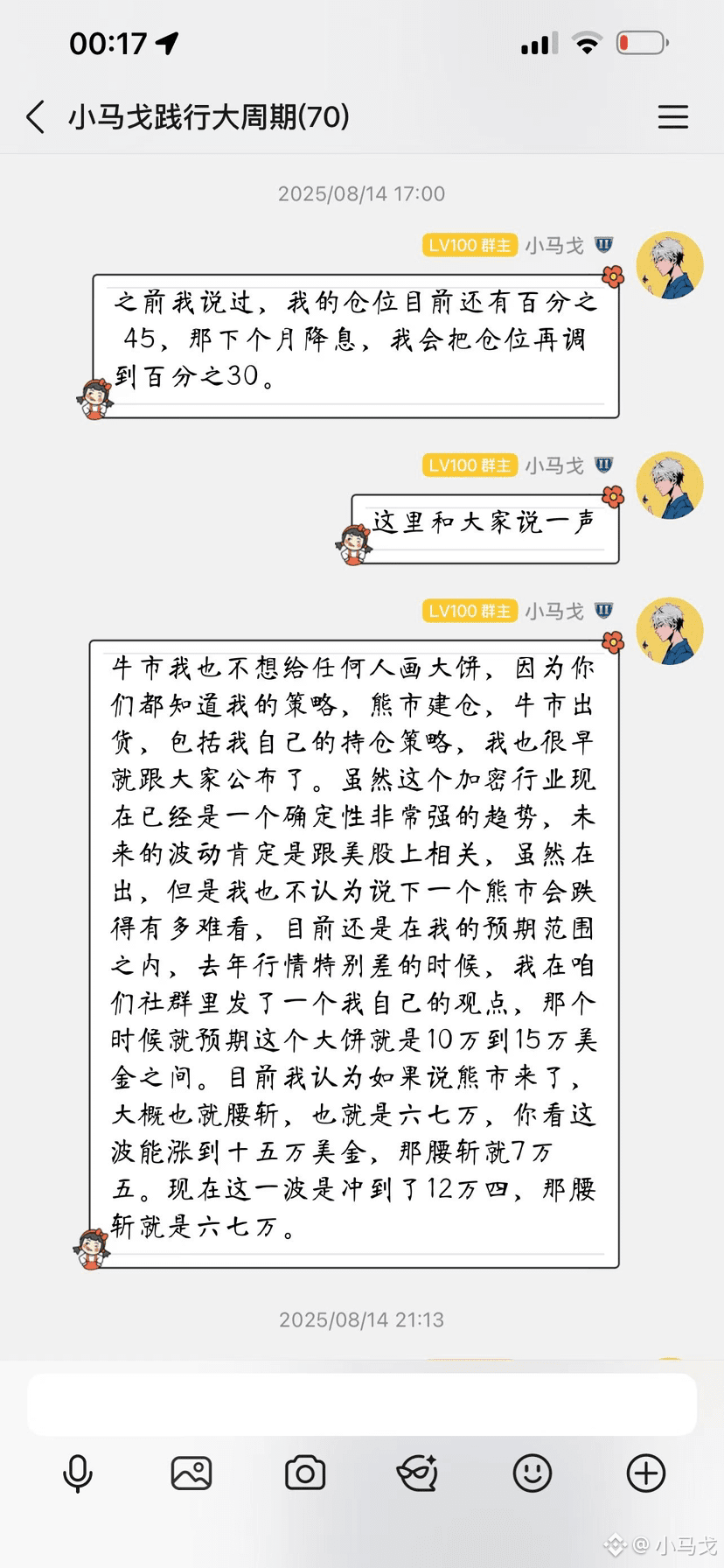
Later, this round of the bull market continued all the way to 126200+, and my strategy has always been very simple: slowly buy at the low point of the cycle and gradually cash out at the high point of sentiment.
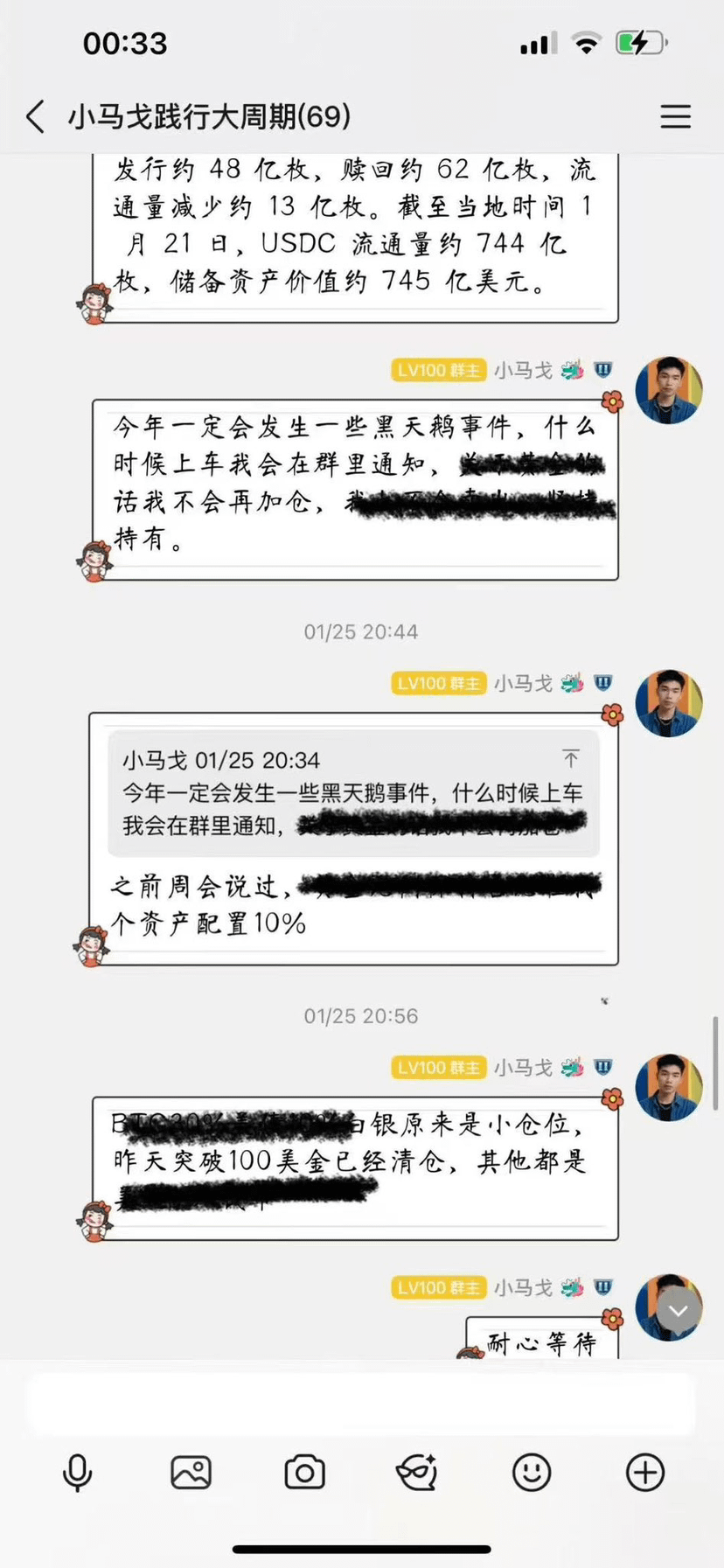
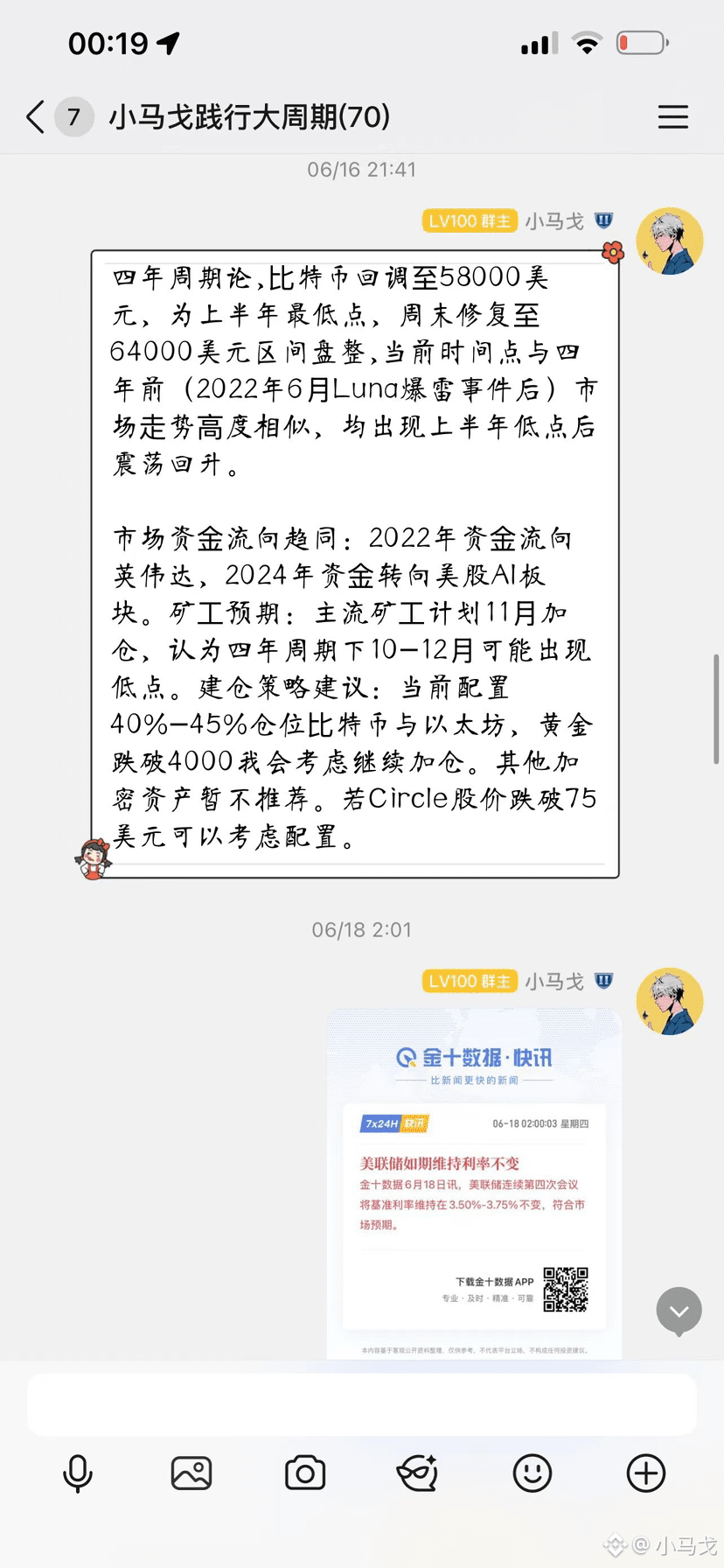
During this cycle, I first completed the first phase of allocation, and then the funds began to rotate into traditional safe-haven assets like gold and silver.
Recently, I also participated in a company called Circle Internet Group, which is the first overseas market stock I have been involved in during my life.
As for why I want to pay attention to this company, I won't elaborate here; the core actually revolves around a rapidly developing on-chain digital cash system, and I will omit 10000 words here.
If you're interested, you can research the relevant information about CRCL yourself.
When you truly understand the underlying logic of an industry, holding will become very natural. I will also continue to pay attention to long-term opportunities in this direction.

3
1
133
·
--
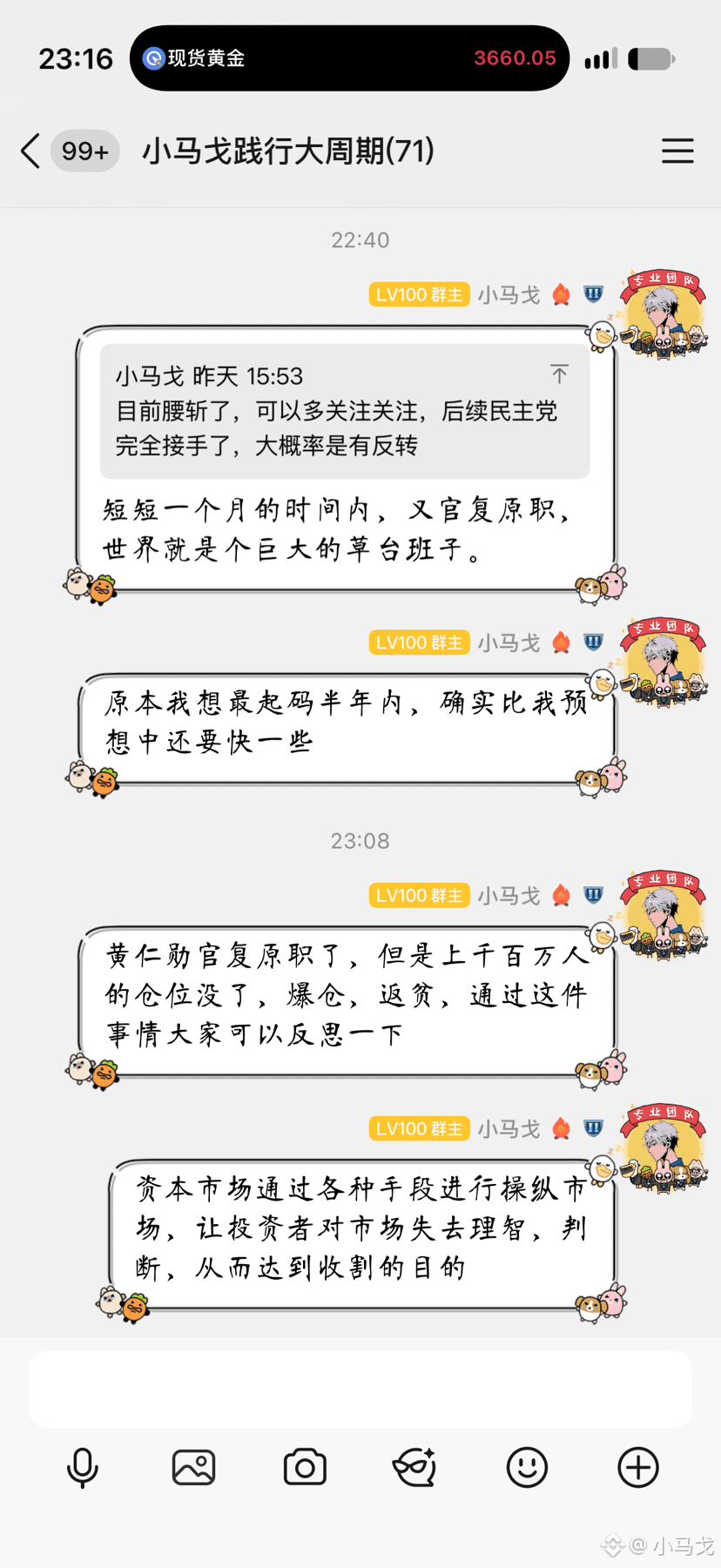
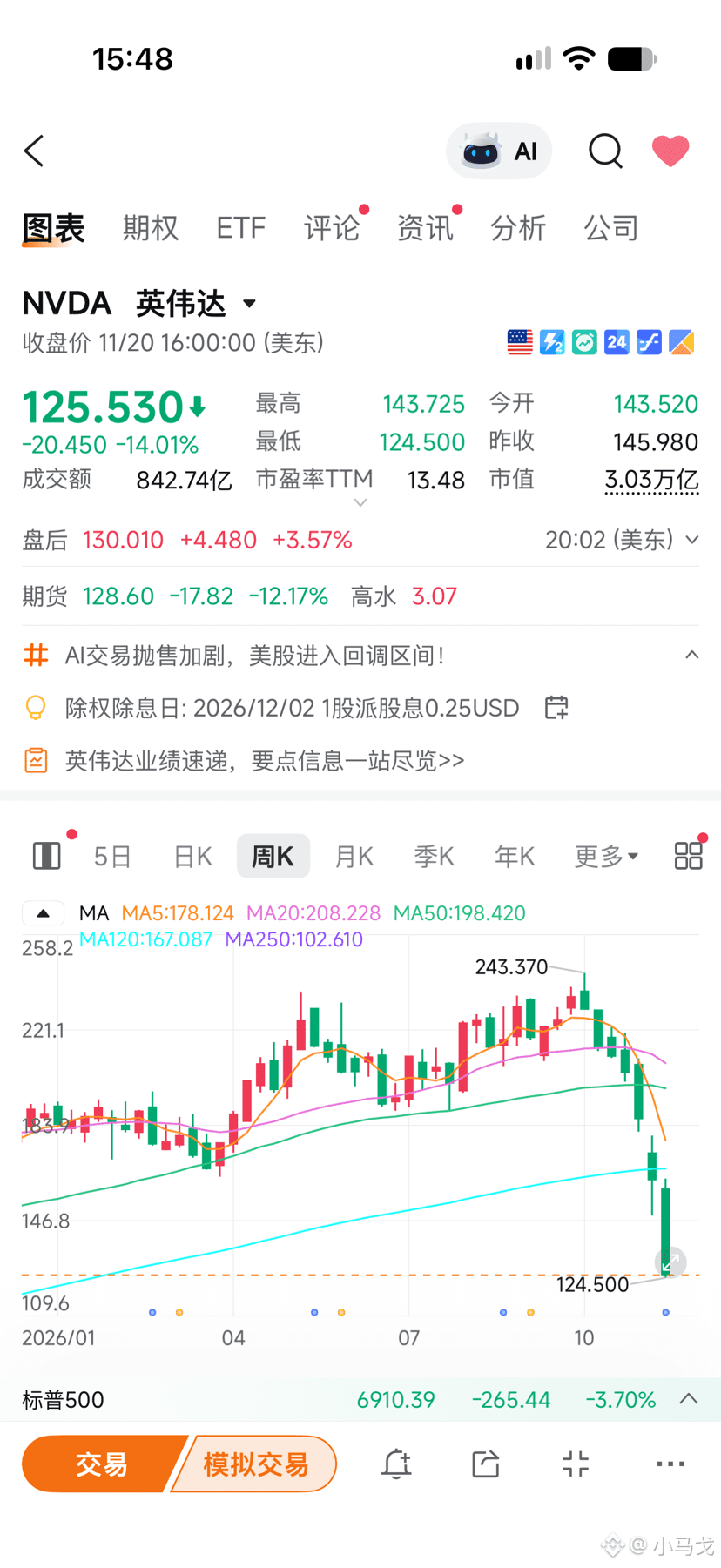
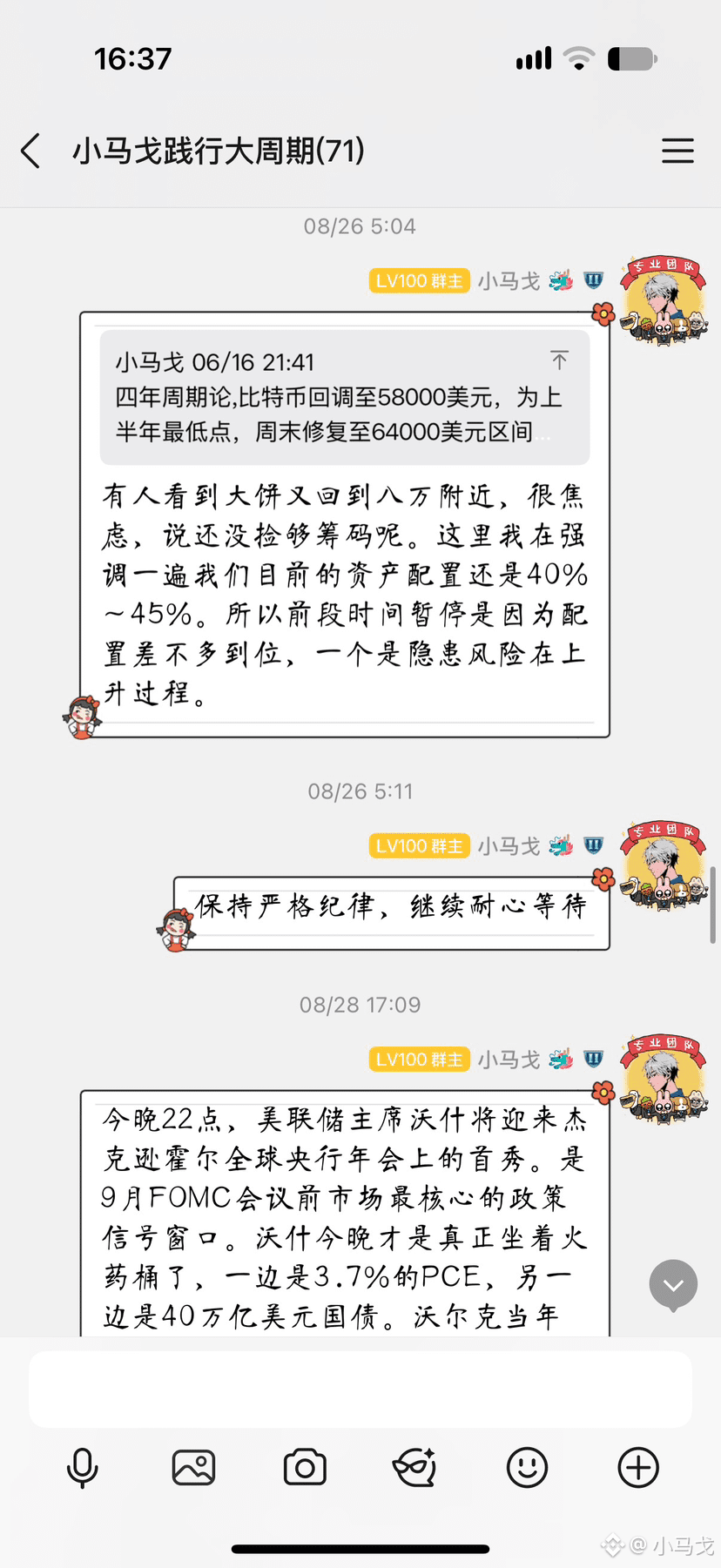
#NVDA Jensen Huang has officially returned to his post, but who knows how many people have already had their positions wiped out—liquidated, left with losses, or even reduced to poverty overnight.
This is something every investor should reflect on. The scariest thing about capital markets isn’t just a downturn. It’s how the interplay of news, emotions, and money can gradually rob investors of their rationality and independent judgment, until they finally fall just before dawn breaks.
Getting the direction right is only the first step toward trading success—and it may not even be the most important one. To make serious money, what you need is immense patience and perseverance. In the face of short-term volatility and constant uncertainty, you need both your own judgment of the market and the ability to manage your position well enough to stay in the game until your expectations come to fruition.
Let the winds and waves rage; stay steady at the fishing platform. Whether you can withstand the threats and deceptions brought on by short-term market fluctuations is one of the most frustrating challenges in trend trading—and one you simply have to face.
Those who are jittery or emotionally fragile will struggle to hold their positions in long-term trades, let alone earn the substantial returns that come with long-term trends. Calling the direction right is a skill; staying in the game until the trend plays out is what makes you a true winner.
345
·
--
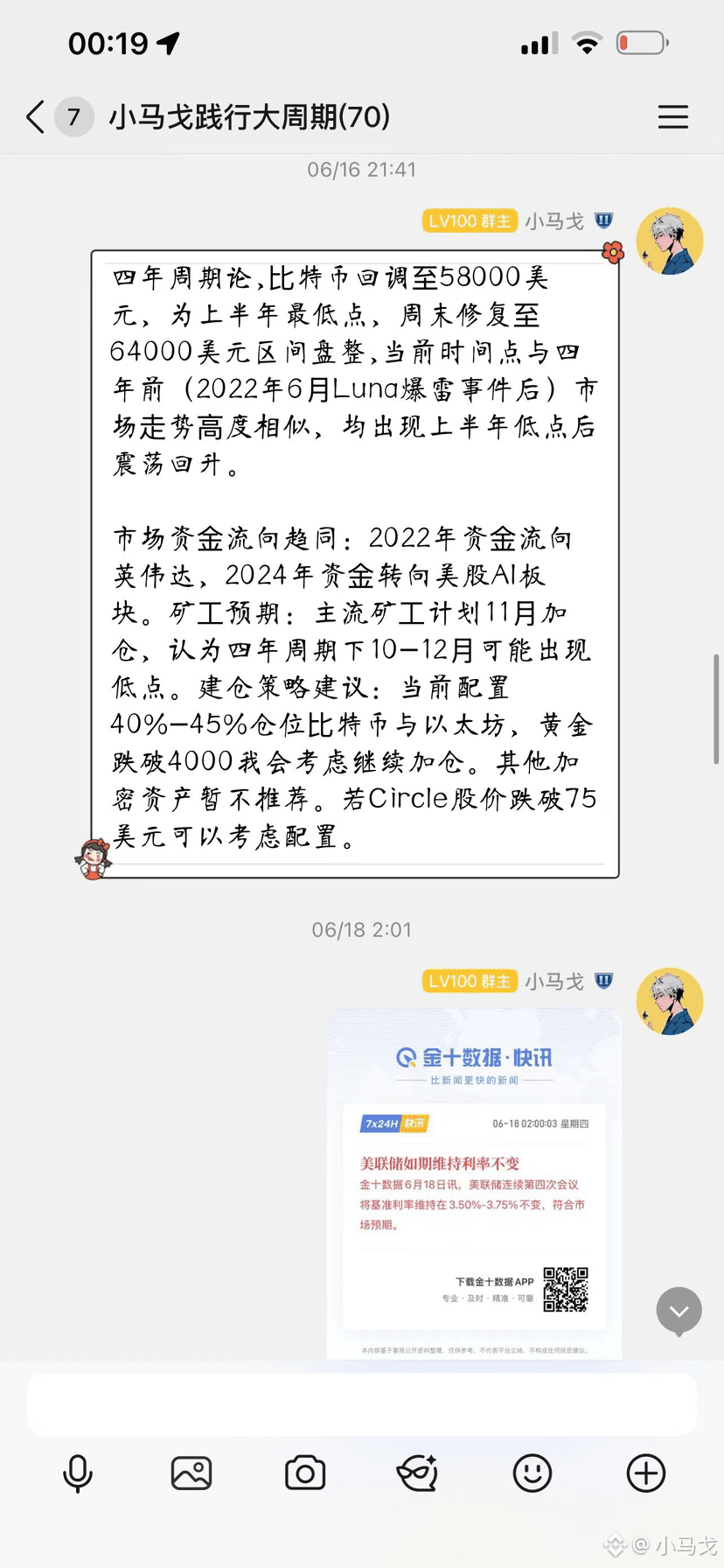
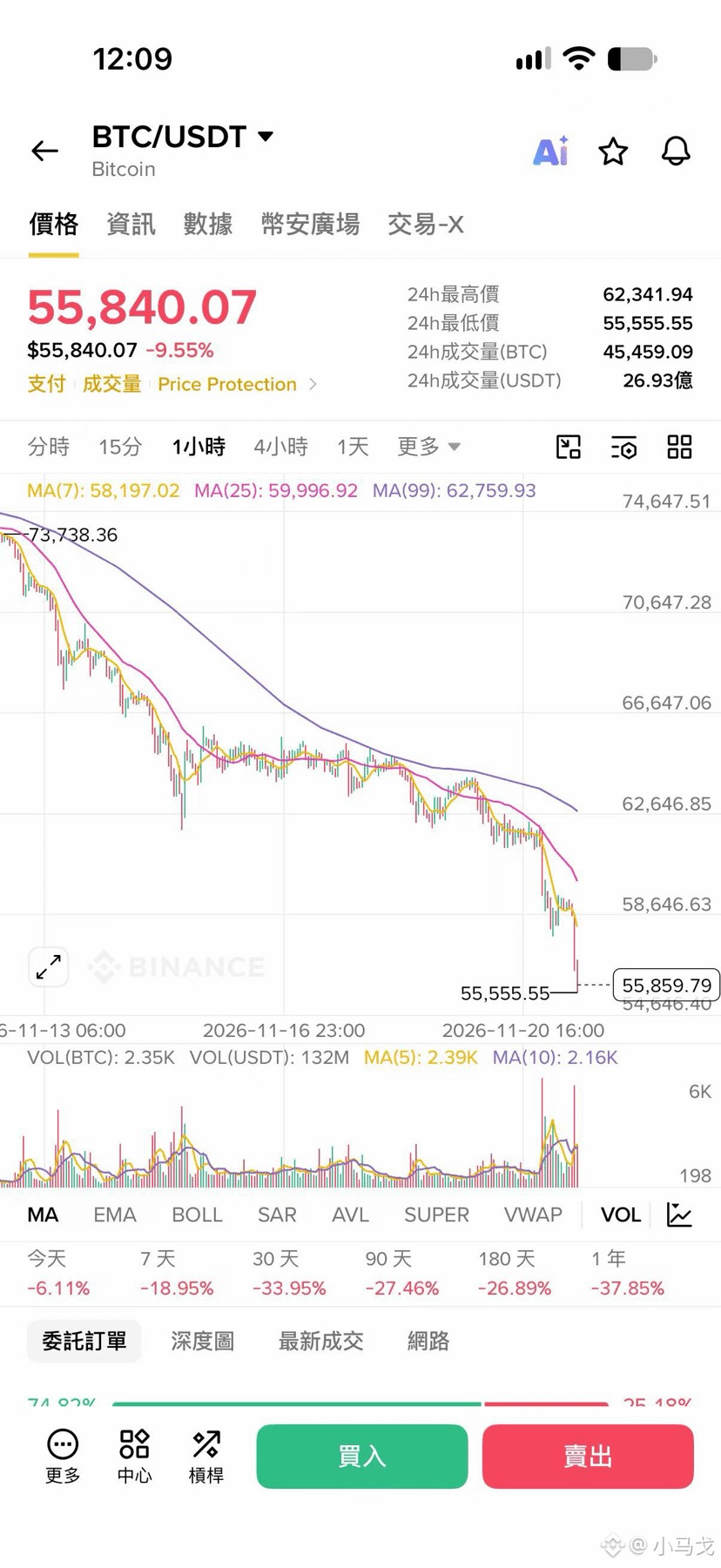
The hardest part of trend trading is often not the downturn, but the waiting. Boring sideways markets take up at least 90% of the time. With my low-frequency, low-leverage trading style, most of the time I simply sit on my hands, only taking a position during the stretch of a trend I know best, and making money in ways I understand.
This approach isn’t suitable for most people. If you don’t understand the logic behind it and only look at the returns, you might think it’s nothing special. But on the road of trading, going slower is what lets you stay in the game longer. I understand those who feel they have no way out unless they go all in. Still, no matter what, you have to stay clear-headed and respect the market.
Every year since I got into this space, I’ve seen new stars rise—and every year, I’ve also seen former giants fall. In the financial markets, how much money you make matters, but staying in the game for the long haul will always be one of the most important things. You don’t need to be amazing; you just need to keep going and stay at the table.
297
·
--
Whether it’s Jiang Zhuoer or Yi Lihua, when it comes down to it, the biggest difference between them and ordinary investors may simply be their principal.
Take Yi Lihua first. When BTC was at 60,000, he thought it would fall back into the 40,000s. When BTC broke through 76,000, he declared that a major bull market had arrived. Then, after it climbed to 82,000, he started predicting a pullback to 78,000 as the cycle’s low. Wherever the market goes, his views follow. Every day, he can come up with a new line of reasoning to prove he was right.
Then there’s Jiang Zhuoer. He turned bearish at 72,000 and sold all his holdings, staying bearish all the way up to 82,000, then saying the bull market was on. When BTC broke through 87,000, he set a target of 90,000. After it pulled back to 82,000, he said he was ready to go all in at 78,000. Today, he says he only has 30% of his portfolio invested.
Honestly, these so-called crypto big shots may have more capital than ordinary people, be more stubborn, and be better at explaining things after the fact, but their actual trading may not be all that clever. If prices rise, they have a reason for it; if they fall, they have a rationale. If they miss the rally, they say they’re waiting for an opportunity. If they buy at the wrong time, they say they’re managing their position size. They’re forever invincible—after all, the market gives them fresh material to explain things every day. I’ve always felt that the biggest taboo in investing is presenting yourself as someone who is always right. What really matters isn’t predicting every day how high or low BTC will go, but understanding the larger cycles, identifying risks, and managing your position—acting when it’s worth acting, and keeping your hands off when there’s no opportunity.
I don’t idolize any crypto influencer, nor do I need anyone to show me the way. The market doesn’t care how many followers you have, how stubborn you are, or how many times you’ve made a correct prediction. When a bull market comes, anyone can make money. What really sets people apart is whether they can survive the bear market, hold on through the bull market, and make the right decisions at critical moments. Capital can be built up gradually; knowledge and discipline are what truly need to be cultivated over the long term.
1
2
353
·
--
Priests, temples, battles, bows and arrows. Whose past was it?
Priests, temples, battles, bows and arrows. Whose past was it?




4
147
·
--
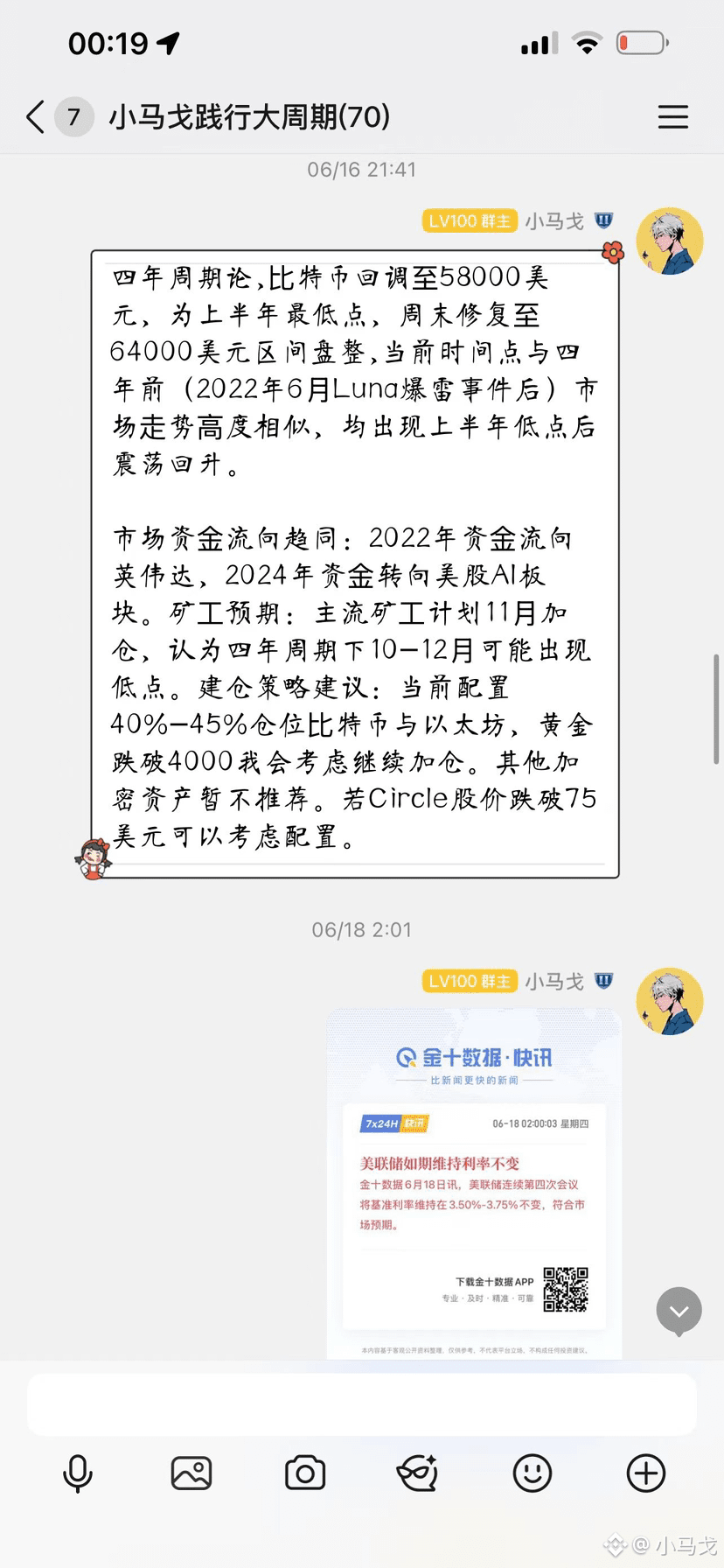
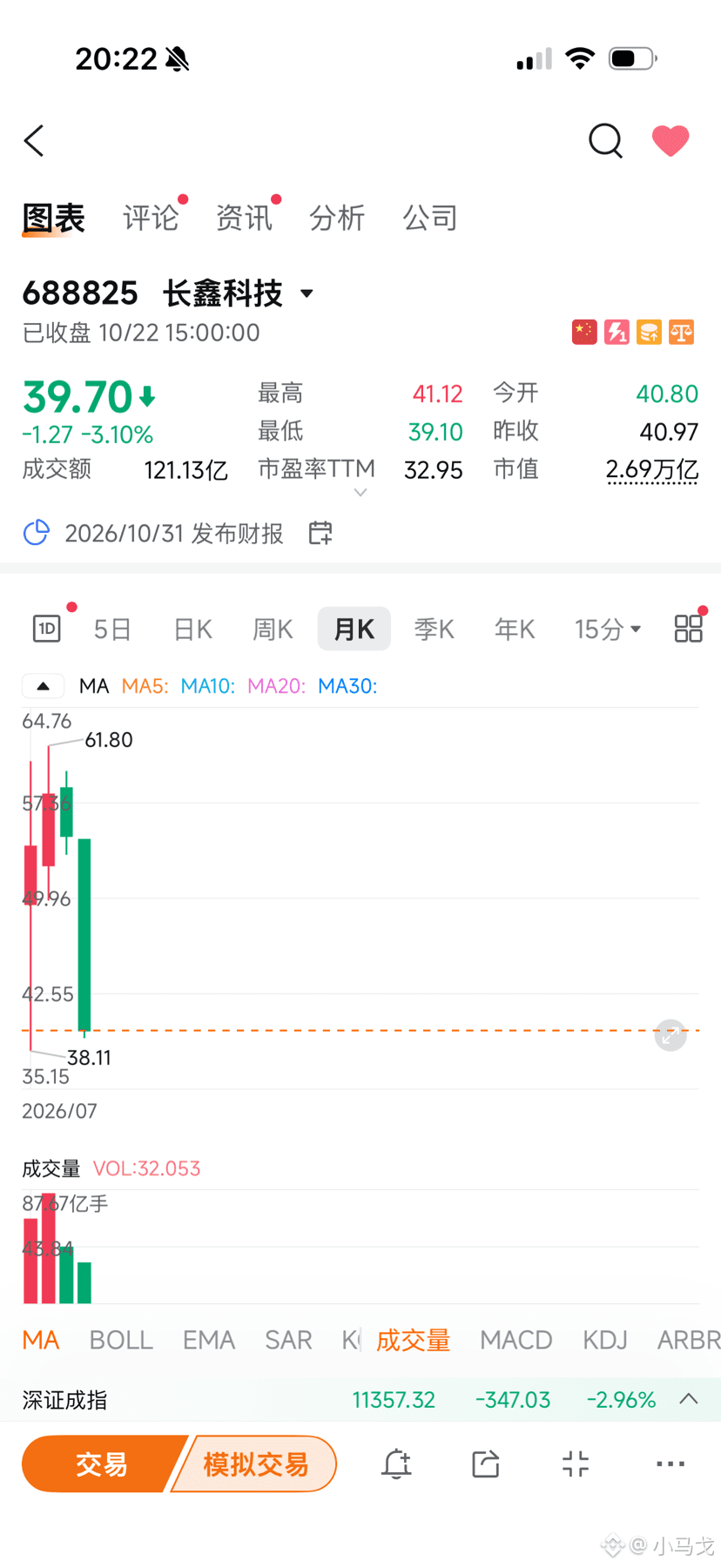
Changxin’s decline from a high of 61.8 to 38.11 also reminds us that even the grandest narratives ultimately have to face the verdict of the capital markets. Capital is never unlimited. AI companies are burning through cash at a furious pace, while governments also need substantial funding to keep their budgets and debt operations running. Both are competing for the same pool of capital. Capital comes at a cost, and resources are finite. When returns fail to cover the cost of financing, valuations have to be adjusted.
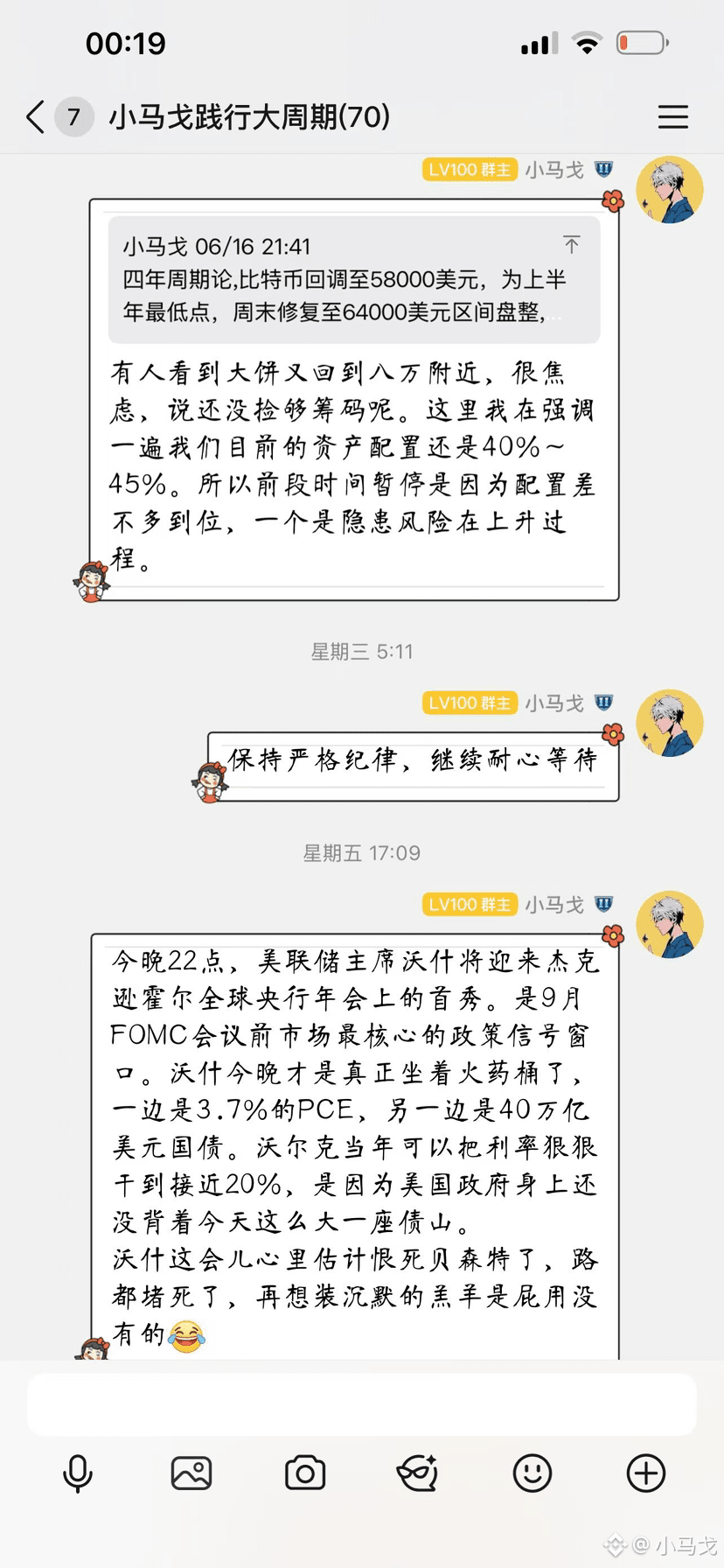
Bitcoin, meanwhile, still appears to be in a choppy bear market to me. Sharp reversals are not uncommon, but a truly sustained major rally usually needs firmer fundamental support—not just a short squeeze or a boost from macroeconomic news such as Treasury developments. Over the past year, Bitcoin has fallen more than 50% from its peak. It will take time to see whether this rebound can develop into a trend reversal and usher in a new cycle. The key is not short-term gains, but whether spot demand can be sustained and whether on-chain whale activity follows through.
Historical cycle patterns offer a useful framework, but the sample size is limited. The macroeconomic environment, regulation, and institutional participation have all changed significantly, so it is unwise to apply old patterns mechanically. Investors should avoid overinterpreting short-term price movements as confirmation of a trend.
A more prudent approach is to treat the second half of 2026 as an accumulation window within a risk-management framework, look for relative opportunities across a multi-asset portfolio, and keep tracking four sets of signals: the 50-week moving average, ETF flows, whale activity, and the relationship between long-term interest rates and the dollar.
The cyclical nature of crypto markets is intertwined with macro liquidity. Rational assessment, rather than emotion-driven decisions, is key to navigating the cycle.

小马戈
·
--
In 2022, when that famous incident occurred in the industry, I immediately reminded those around me to withdraw their assets from the platform.
At the same time, a certain core asset dropped to around 15000+, and I began to gradually position myself.
Later, this round of the bull market continued all the way to 126200+, and my strategy has always been very simple: slowly buy at the low point of the cycle and gradually cash out at the high point of sentiment.
During this cycle, I first completed the first phase of allocation, and then the funds began to rotate into traditional safe-haven assets like gold and silver.
Recently, I also participated in a company called Circle Internet Group, which is the first overseas market stock I have been involved in during my life.
As for why I want to pay attention to this company, I won't elaborate here; the core actually revolves around a rapidly developing on-chain digital cash system, and I will omit 10000 words here.
If you're interested, you can research the relevant information about CRCL yourself.
When you truly understand the underlying logic of an industry, holding will become very natural. I will also continue to pay attention to long-term opportunities in this direction.
At the same time, a certain core asset dropped to around 15000+, and I began to gradually position myself.
Later, this round of the bull market continued all the way to 126200+, and my strategy has always been very simple: slowly buy at the low point of the cycle and gradually cash out at the high point of sentiment.
During this cycle, I first completed the first phase of allocation, and then the funds began to rotate into traditional safe-haven assets like gold and silver.
Recently, I also participated in a company called Circle Internet Group, which is the first overseas market stock I have been involved in during my life.
As for why I want to pay attention to this company, I won't elaborate here; the core actually revolves around a rapidly developing on-chain digital cash system, and I will omit 10000 words here.
If you're interested, you can research the relevant information about CRCL yourself.
When you truly understand the underlying logic of an industry, holding will become very natural. I will also continue to pay attention to long-term opportunities in this direction.
1
136
·
--
The Fed will still need to keep raising interest rates, because it needs to drain more liquidity from the global economy. In the process, some regions with weaker economic foundations will inevitably pay a devastating price.
The Fed will still need to keep raising interest rates, because it needs to drain more liquidity from the global economy. In the process, some regions with weaker economic foundations will inevitably pay a devastating price.
88
·
--
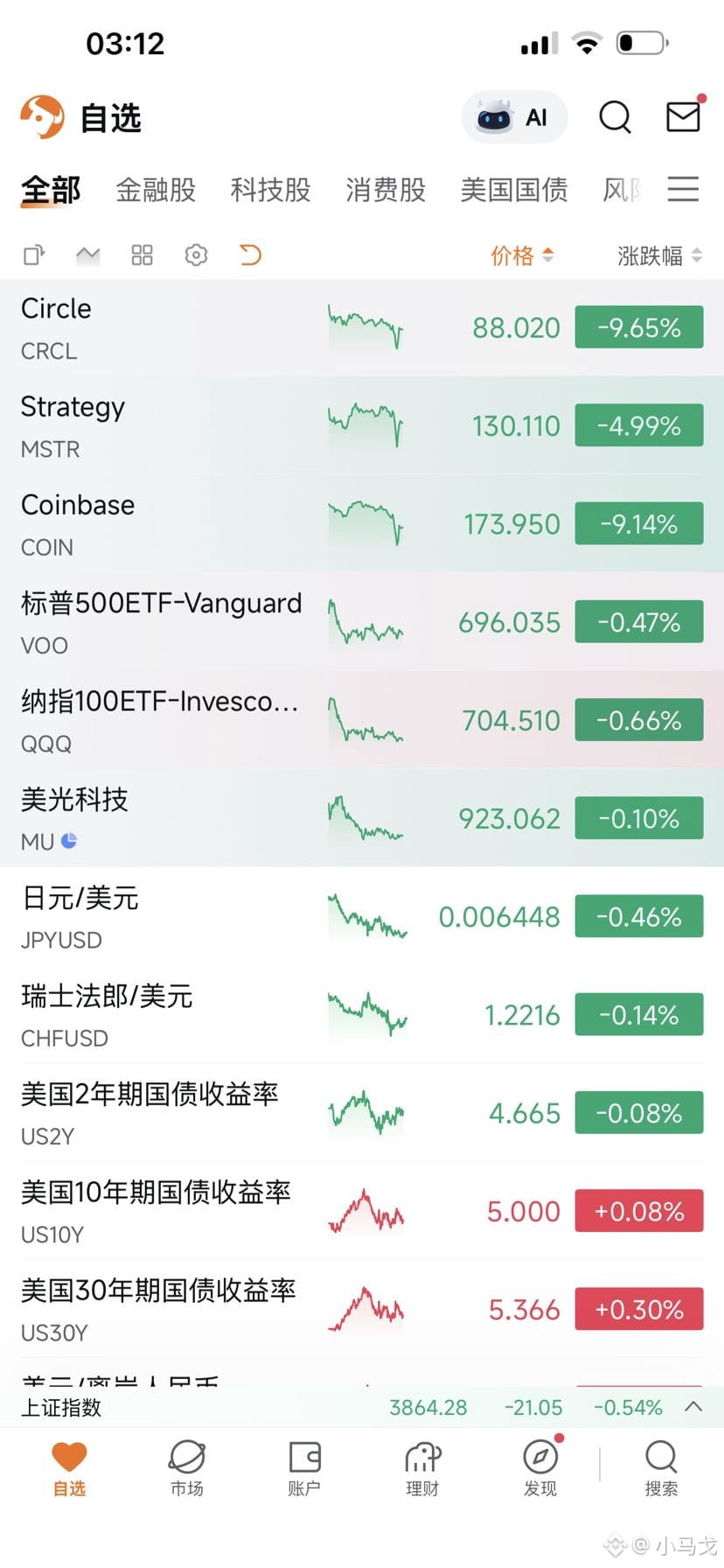
In October 1987, just three months after Greenspan took over as the Chairman of the Federal Reserve, he pushed for higher interest rates to build anti-inflation credibility. Market expectations for further tightening, combined with rising yields in the long end of the curve, ultimately triggered the Black Monday catastrophe. On that day, the Dow Jones plunged 22%, and markets worldwide collapsed in a chain reaction. The core mechanism is clear: the new chair set a hawkish tone, rates rose quickly, and the stock market’s lofty valuations were fragile—when these three forces aligned, they produced a systemic shock. Today’s setup is highly similar. After Chairman Powell took office, he made clear that price stability comes first, and markets have already priced in this week’s rate hike. The U.S. 10-year Treasury yield has risen to around 5%, the highest level since 2023; Brent crude is approaching $108, while WTI is holding above $103. Yet the stock market still relies on valuation support tied to artificial intelligence. The lesson from 1987 is evident here: when a central bank prioritizes rebuilding credibility while the market remains immersed in a growth narrative, adjustments often erupt in a non-linear way. The current synchronized rise in interest rates and oil prices is the modern version of this historical script.
In October 1987, just three months after Greenspan took over as the Chairman of the Federal Reserve, he pushed for higher interest rates to build anti-inflation credibility. Market expectations for further tightening, combined with rising yields in the long end of the curve, ultimately triggered the Black Monday catastrophe. On that day, the Dow Jones plunged 22%, and markets worldwide collapsed in a chain reaction. The core mechanism is clear: the new chair set a hawkish tone, rates rose quickly, and the stock market’s lofty valuations were fragile—when these three forces aligned, they produced a systemic shock. Today’s setup is highly similar. After Chairman Powell took office, he made clear that price stability comes first, and markets have already priced in this week’s rate hike. The U.S. 10-year Treasury yield has risen to around 5%, the highest level since 2023; Brent crude is approaching $108, while WTI is holding above $103. Yet the stock market still relies on valuation support tied to artificial intelligence. The lesson from 1987 is evident here: when a central bank prioritizes rebuilding credibility while the market remains immersed in a growth narrative, adjustments often erupt in a non-linear way. The current synchronized rise in interest rates and oil prices is the modern version of this historical script.

323
·
--
Verified
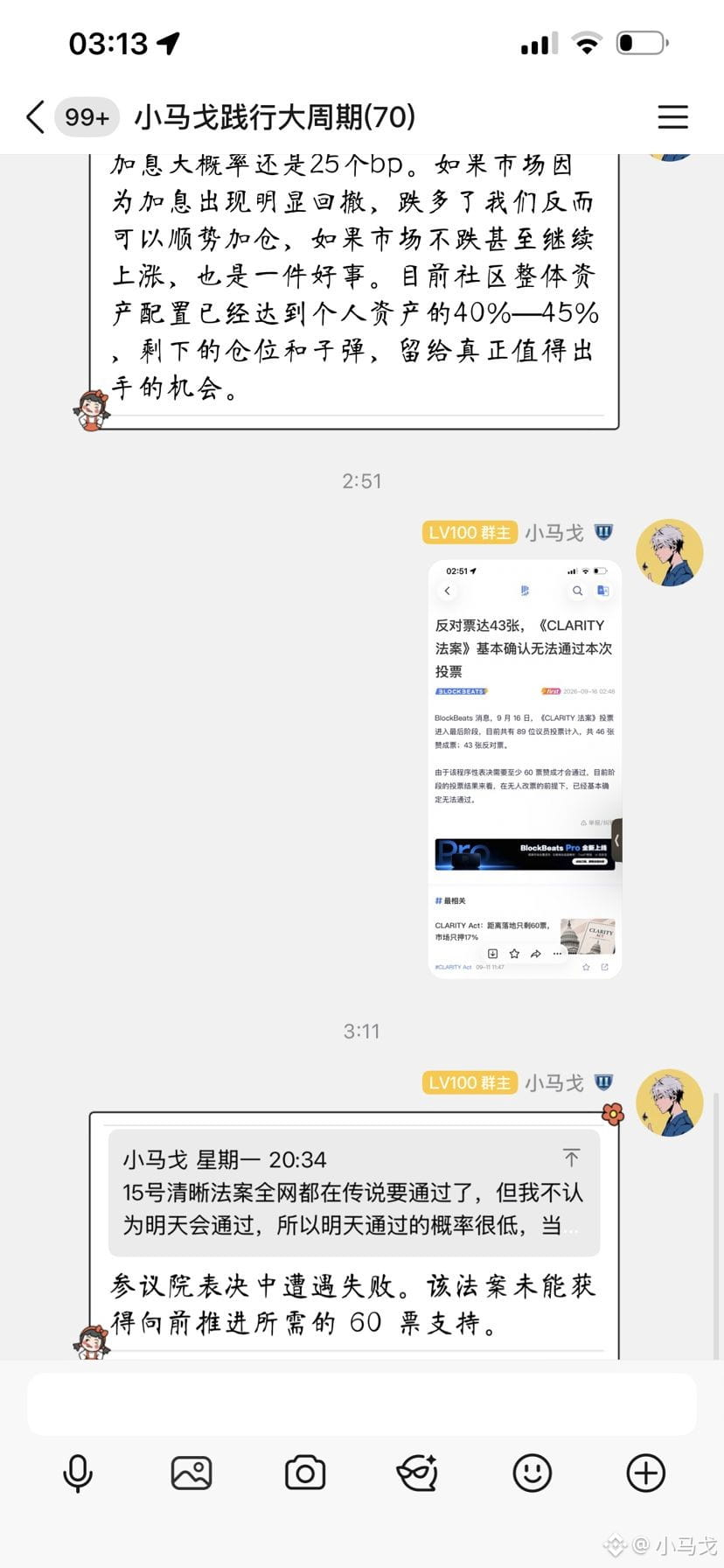
Failed in the Senate vote. The bill was unable to secure the 60 votes needed to move forward.
Failed in the Senate vote. The bill was unable to secure the 60 votes needed to move forward.
151
·
--
The No. 15 Clear Act is being talked about everywhere as if it will be passed, but I don’t think it will be passed—the odds are very low. Of course, if it isn’t passed on the 15th, that doesn’t mean it won’t be passed later. You can pay attention to key milestones, but whatever you do, don’t set your expectations too high.
The No. 15 Clear Act is being talked about everywhere as if it will be passed, but I don’t think it will be passed—the odds are very low. Of course, if it isn’t passed on the 15th, that doesn’t mean it won’t be passed later. You can pay attention to key milestones, but whatever you do, don’t set your expectations too high.
235
·
--
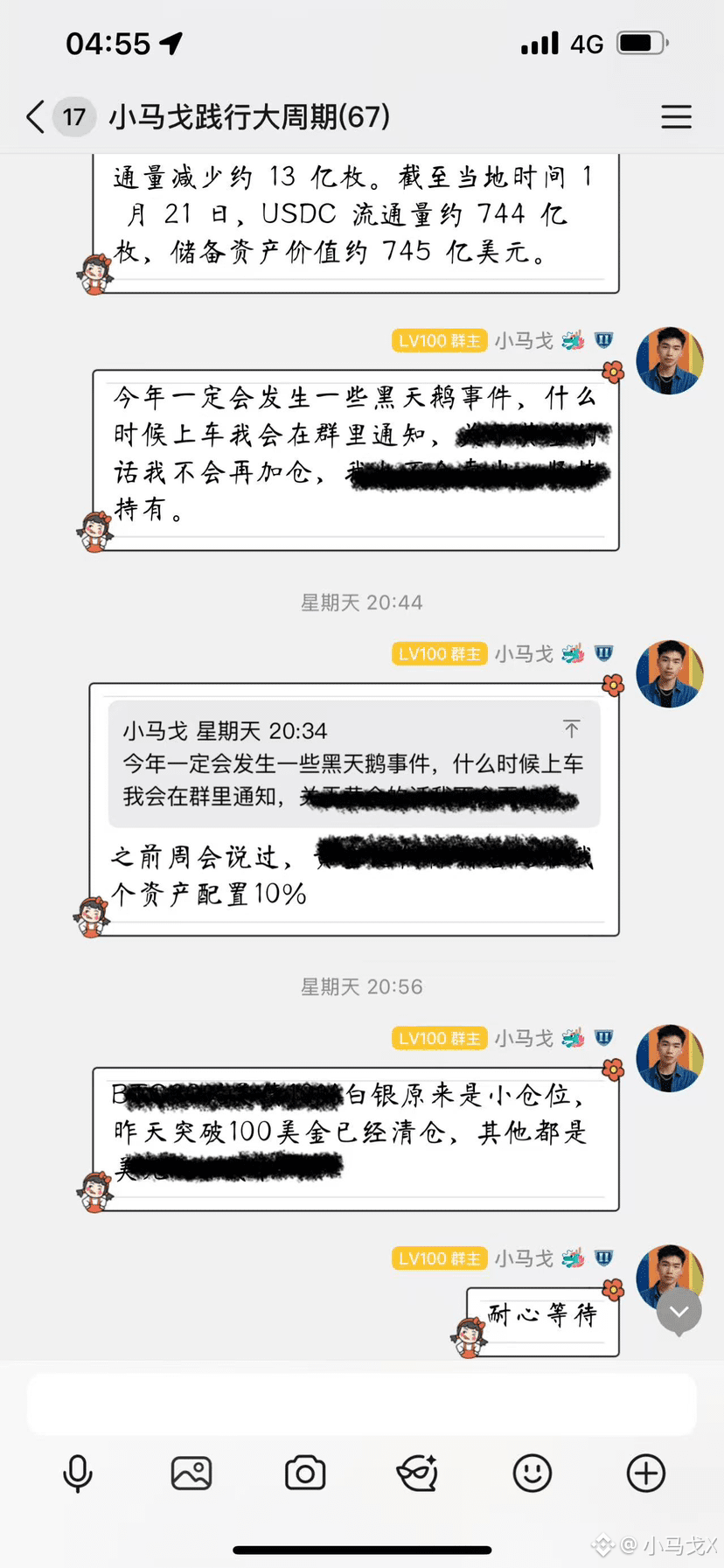
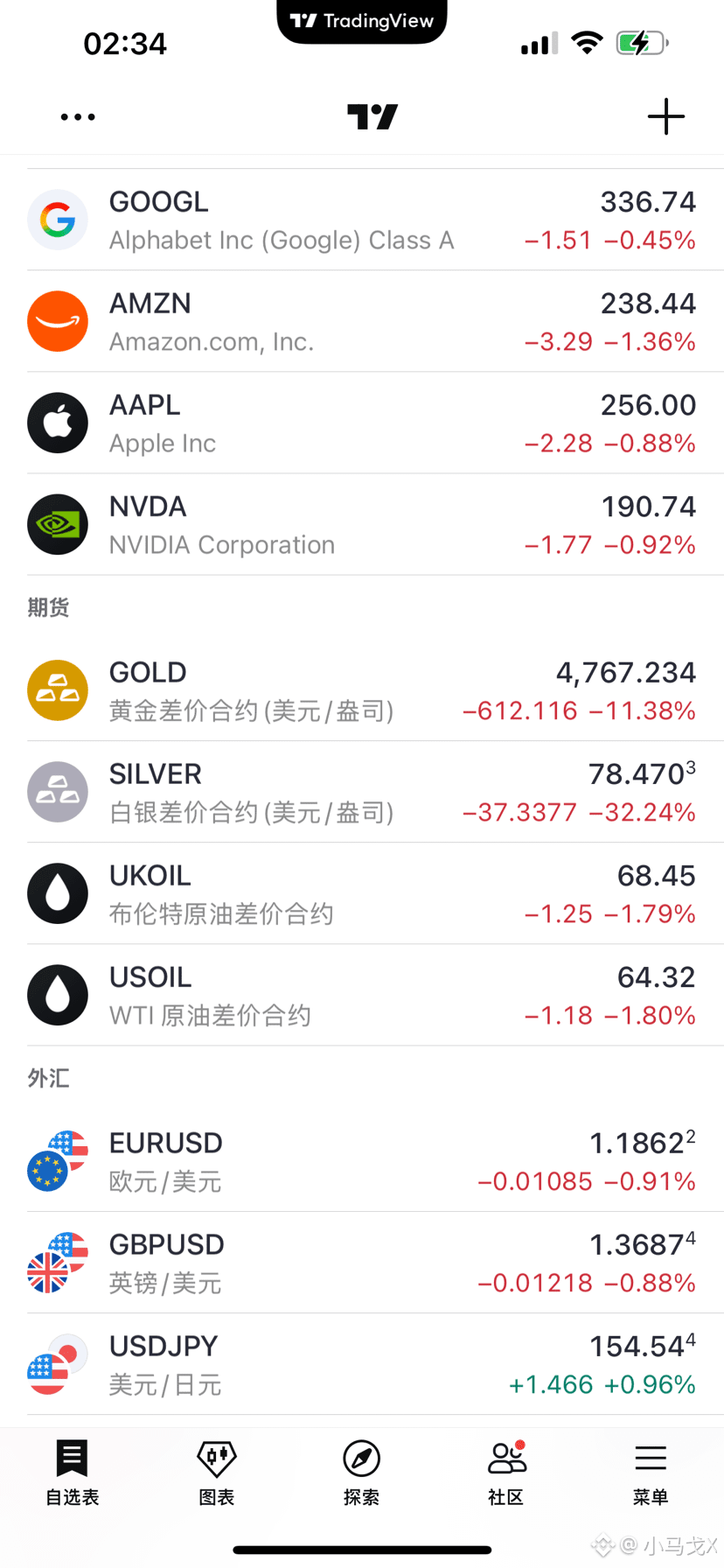
Witness history, the largest drop in gold and silver history, spot gold plunged 11% to 4767 dollars, marking the largest single-day drop since 1983. Silver fell from 121 dollars to below 77 dollars, with a drop of 35%, making it the most brutal day on record. #贵金属巨震
Witness history, the largest drop in gold and silver history, spot gold plunged 11% to 4767 dollars, marking the largest single-day drop since 1983. Silver fell from 121 dollars to below 77 dollars, with a drop of 35%, making it the most brutal day on record. #贵金属巨震
1
1k
·
--
Many people cannot accept the switching of cycles and vent all their frustrations on a particular entity. To put it bluntly, it's still a mismatch between cognition and position. Of course, it's unacceptable that there isn't a sufficiently transparent report from 10.11, but this does not cover up one fact: the essence of this round is cycle rotation. Retail investors gamble on copycats but cannot wait for the copycat season, taking on high leverage and getting liquidated, filled with resentment, yet never asking themselves if they understand the structure, control risks, and manage expectations. A bull market does not mean all assets rise together, nor is it a placebo serving emotions. I have seen Bitcoin rise from 15000 to 120000; isn't that still a bull market? It's just that many people can't make money and are unwilling to admit this is a bull market. The market does not reward emotions; it only rewards cognition.
Many people cannot accept the switching of cycles and vent all their frustrations on a particular entity. To put it bluntly, it's still a mismatch between cognition and position. Of course, it's unacceptable that there isn't a sufficiently transparent report from 10.11, but this does not cover up one fact: the essence of this round is cycle rotation. Retail investors gamble on copycats but cannot wait for the copycat season, taking on high leverage and getting liquidated, filled with resentment, yet never asking themselves if they understand the structure, control risks, and manage expectations. A bull market does not mean all assets rise together, nor is it a placebo serving emotions. I have seen Bitcoin rise from 15000 to 120000; isn't that still a bull market? It's just that many people can't make money and are unwilling to admit this is a bull market. The market does not reward emotions; it only rewards cognition.
4
1
1
160
·
--
From mid-June to early October, I have been reminding to take profits conservatively, liquidate positions, and avoid continuing to gamble, emphasizing this repeatedly in the community, occasionally mentioning it in Moments and social platforms. Looking back, those friends who truly bring wealth and can keep the money have mostly listened. The choice to cash out is itself a skill; many people spend their whole lives figuring out how to get in, but the real difference happens at the moments of whether to leave or having the courage to leave. The market is not lacking in opportunities; what it lacks is the ability to restrain oneself when it is time to be conservative.
From mid-June to early October, I have been reminding to take profits conservatively, liquidate positions, and avoid continuing to gamble, emphasizing this repeatedly in the community, occasionally mentioning it in Moments and social platforms. Looking back, those friends who truly bring wealth and can keep the money have mostly listened. The choice to cash out is itself a skill; many people spend their whole lives figuring out how to get in, but the real difference happens at the moments of whether to leave or having the courage to leave. The market is not lacking in opportunities; what it lacks is the ability to restrain oneself when it is time to be conservative.
1
1
18
·
--
As a KOL in the cryptocurrency space, there are indeed benefits, but if you are an ordinary trader who spends all your time and energy in the cryptocurrency market, you will really miss out on a lot of things. The simplest example is that silver has risen nearly 40% this month, gold continues to hit historical highs, and recently it is clear that many old OGs are moving their positions to stocks and precious metals. This is not a change of stance, but rather funds are voting with their feet, and following the trend is the first principle of trading.
Bitcoin, speaking of Bitcoin, I would like to have fewer prejudices. Haven't gold and silver also gone through a long period of consolidation before experiencing today's main upward trend? During those years of prolonged consolidation, Bitcoin was actually one of the best-performing assets. Much of the debate is simply due to different comparative dimensions; fundamentally, it is still a cyclical issue.
Personally, I am optimistic. Because I have watched it rise from $15,000 to $126,200, and I have experienced a full cycle of bull and bear markets. It is precisely because I have gone through this process that I understand the power of cycles better and can accept temporary lulls more easily.
Rationally speaking, the current stage is the main arena for precious metals. Continuing to allocate major funds and energy to Bitcoin is not wise. We come to the market to make money, so there’s no need to talk about faith; faith does not resolve opportunity costs.
Funds always move ahead of logic. If you no longer have a clear four-year cycle rotation, Bitcoin can consolidate for months or even years. But most people do not have that much time to wait. Do not stand still, nor cling to a single narrative; be willing to follow the funds, to try, to switch, and to seize the currently most efficient opportunities.
1
1
1
245
·
--
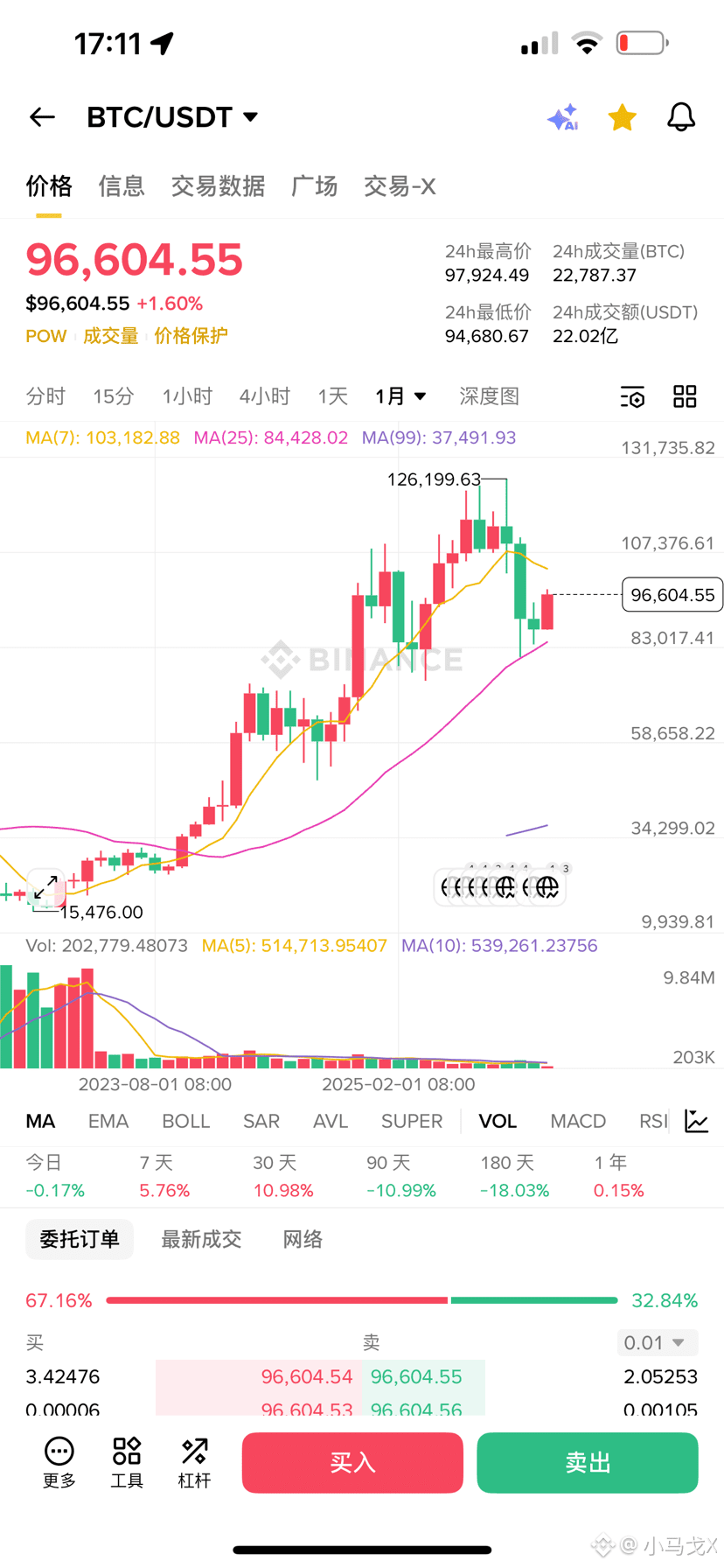
There's one perspective: think carefully about whether to buy or not—it's actually simple. Suppose the peak of this round is 12.6, what's the probability that 8 is the bottom? Even if 8 really is the bottom, what's the chance it will rise to 20? Even if it does rise to 20, the return is only 1.5 times, is it worth taking such a risk?
There are always better opportunities outside the market. Since this round has gone well and you've successfully exited at the top, don't enter lightly without a sufficiently low price. Otherwise, you'll just repeat the previous round: after a drop from 6.9 to 4.8, you thought it was the bottom, but it kept falling all the way to 1.5.
Of course, if you're fine buying at 9 and don't mind it dropping to 7, or even 5–6, then I wish you success. $BTC
19
·
--
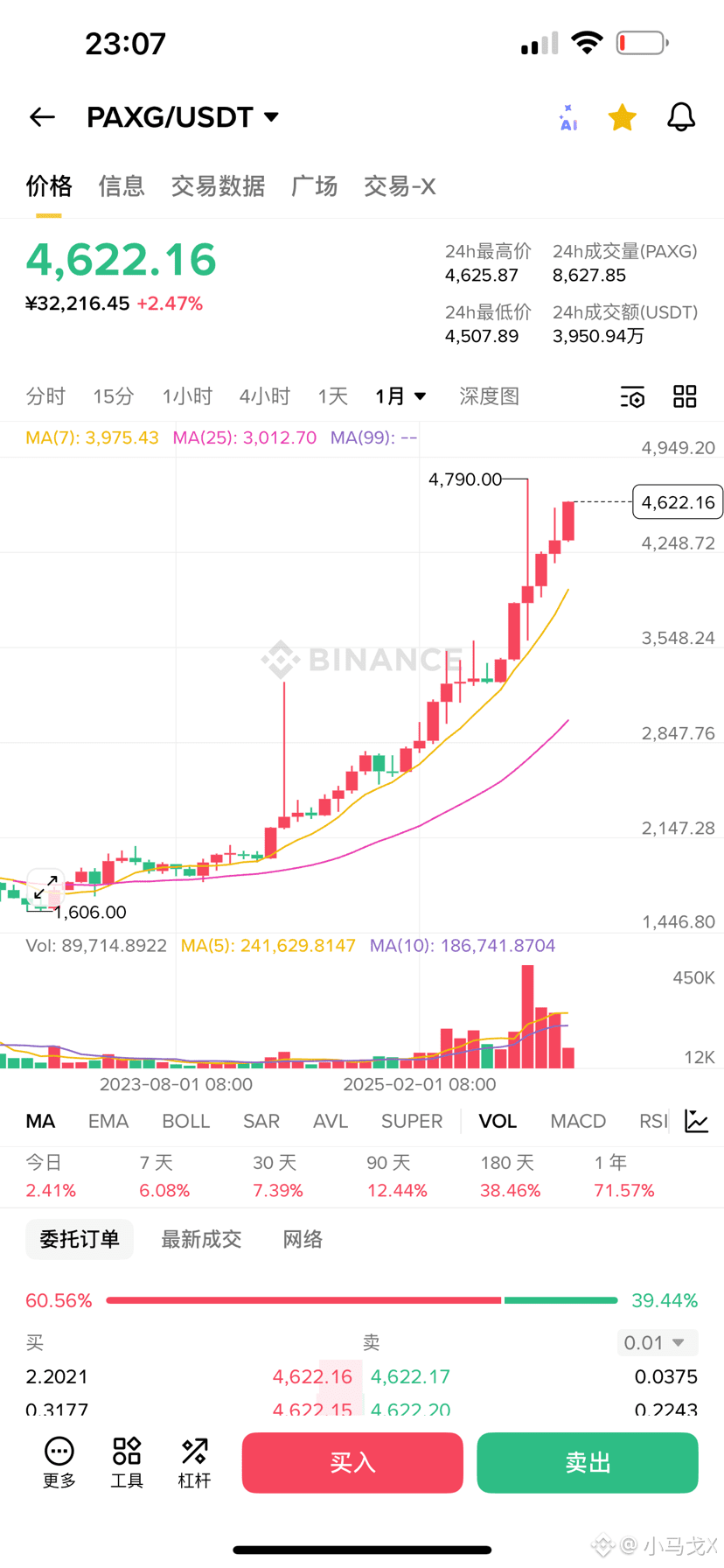
A new year 2026, gold at $4,620, silver at $85, reaching new highs again. At the beginning of 2024, when we mentioned gold, it was around $2,000, and silver was about $20. Looking back now, that was actually just the starting point of this round of market movement.
A few days ago, I reviewed the global gold production data for Q3 2025. Prices have risen by 40% compared to the same period last year, but global gold mine output has hardly increased—only up by 2%, totaling 977 tons. Prices are rising sharply, yet supply remains almost unchanged. Gold simply isn't easy to mine more of.
Among mining companies, Zijin Mining stands out. It has expanded rapidly in Ghana and Kazakhstan over the past two years, with output for the first three quarters increasing by 20% year-on-year—significantly outpacing the industry average. It's one of the few companies that has managed to amplify the trend. On the demand side, central banks of sovereign nations continue to buy gold, partly to hedge against risks from the U.S. dollar system, and partly to prepare for geopolitical uncertainties. Recently, several major U.S. investment banks have collectively upgraded their gold outlook, with forecasts mostly around $5,000. Finally, a friendly reminder: investing involves risks, and caution is advised. $PAXG
1.4k
·
--
Some systems do not change immediately due to one or two shocks. Many things that seem new are actually still revolving within the original framework. For example, the cryptocurrency industry is essentially an extension of the dollar system. National strength may fluctuate, but the inertia of the financial system is substantial; people have long been accustomed to pricing, settling, and storing value in dollars, and this habit cannot be switched overnight. Historically, it has been the same; the United States has long surpassed the United Kingdom, yet the pound still supported the global system for many years. True transitions are never completed in a few years, but rather through slow changes over decades, or even a hundred-year cycle.
Some systems do not change immediately due to one or two shocks. Many things that seem new are actually still revolving within the original framework. For example, the cryptocurrency industry is essentially an extension of the dollar system. National strength may fluctuate, but the inertia of the financial system is substantial; people have long been accustomed to pricing, settling, and storing value in dollars, and this habit cannot be switched overnight. Historically, it has been the same; the United States has long surpassed the United Kingdom, yet the pound still supported the global system for many years. True transitions are never completed in a few years, but rather through slow changes over decades, or even a hundred-year cycle.
7
826
·
--
This year's global macro environment has not entered a clear expansion cycle, nor has it truly entered a recession; rather, it is stuck in between. Inflation is not dead, the economy is not collapsing, interest rates cannot go down nor move up, and policies in various countries are just dragging time.
Over here in America, it seems that the data is still okay, with employment and consumption holding up, but it relies on fiscal deficits and expectation management. The market is not trading based on fundamentals,
but rather on: whether interest rates will be lowered, when they will be lowered, and whether politics will turn upside down.
Everything related to Trump is essentially an emotional amplifier. It is not a directional signal but a source of phase fluctuations.
Therefore, this year's market situation is often not about right or wrong, but about whether it has run its course.
At East University, it is even more evident: everyone knows the problems, but solutions will not be given all at once. The policy is bottom-supporting, with a slow pace and controllable intensity, and will not provide you with a smooth trend market.
So once expectations are fully priced in, it is easy to pull back, and once pessimism goes too far, it will be pulled back up again.
This determines the state of most assets this year: rising relies on emotions, falling relies on reality, pulling back and forth.
In this environment, the biggest problem is not misreading the direction,
but using the "trend year strategy" to cope with a volatile market.
If you have been waiting for a definite answer this year, waiting for a bull market, waiting for a turning point, waiting for policy lows, waiting for macro reversals, then it is highly likely that you will find: a year has passed, and nothing has been awaited.
But if you accept a reality that there is no standard answer this year, only phase opportunities, then it is actually easier to make money and avoid pitfalls, such as the 1011 event.
The truly effective strategy this year is actually very simple: do not heavily bet on the long-term, do not overspend on narratives in advance, only take action when emotions are extreme, take profits when making money, and do not preach beliefs to the market.
Macro is not for predicting; it is for constraining positions and expectations. Once you see this clearly, this year will not be in vain.
5
592
·
--
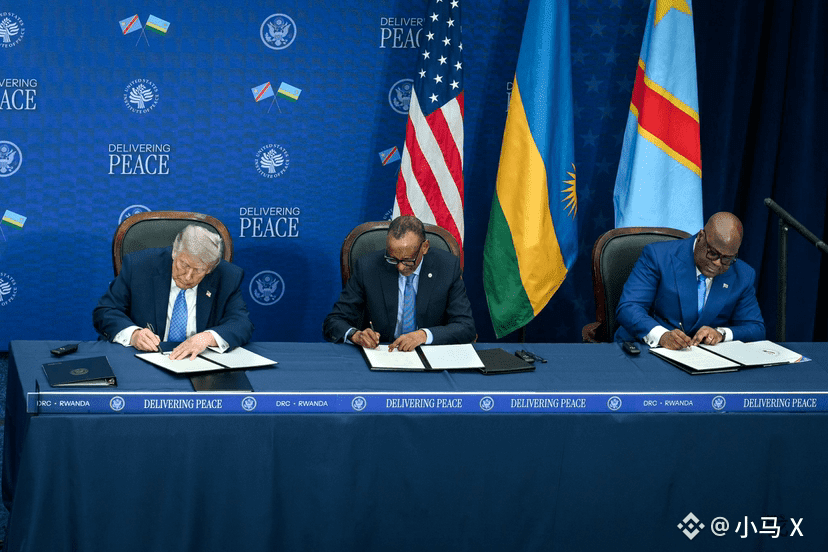
Powell is leaving, the next candidate for the Federal Reserve Chair could be Kevin Hassett, whose Chinese name is 凯文·哈塞特. Why this person? Who is this guy? He is currently the director of the National Economic Council in the United States. His attitude is very high. The reason Trump supports him is very simple, it's because this guy supports interest rate cuts, prioritizes economic growth, and advocates for loose monetary policy. Isn't it consistent with Trump's desire to lower interest rates to stimulate economic development? As the time for a change in the Federal Reserve Chair position approaches, the arrival of interest rate cuts and abundant liquidity is coming, so in recent days, cryptocurrencies, U.S. stocks, gold, and silver have all seen an uptick.
Powell is leaving, the next candidate for the Federal Reserve Chair could be Kevin Hassett, whose Chinese name is 凯文·哈塞特. Why this person? Who is this guy? He is currently the director of the National Economic Council in the United States. His attitude is very high. The reason Trump supports him is very simple, it's because this guy supports interest rate cuts, prioritizes economic growth, and advocates for loose monetary policy. Isn't it consistent with Trump's desire to lower interest rates to stimulate economic development? As the time for a change in the Federal Reserve Chair position approaches, the arrival of interest rate cuts and abundant liquidity is coming, so in recent days, cryptocurrencies, U.S. stocks, gold, and silver have all seen an uptick.
1
1
649
Log in to explore more content
Join global crypto users on Binance Square
⚡️ Get latest and useful information about crypto.
💬 Trusted by the world’s largest crypto exchange.
👍 Discover real insights from verified creators.
Email / Phone number