
华尔街操盘手特朗森
1.4k Posts

华尔街操盘手特朗森
Report
Block User
🔶币安ID/聊天ID:1138602340 🔶| 成年人的底气是钱撑大的,赚钱才是真正智慧的开始!
Frequent Trader
1.1 Years
13 Following
1.4K+ Followers
495 Liked
Posts
All
Quotes
Videos
PINNED
·
--
84-year-old, Larry • Aylam, 指杉, William’s military, a legendary figure universally recognized in the trading circle
Founder, World Trading Championship winner
Many people worship his track record, study his metrics, and imitate his trading entries.
Not long ago, I had the honor of dining with him and chatting deeply about the market and trading.
His greatest success in life isn’t that his trading is how fierce it is, but the balance between trading and life.
How many traders get stuck staring at the charts—being driven and pulled around by price action, with emotions swinging wildly, sacrificing their health and sacrificing their lives.
But he trades well and is still healthy and long-lived.
In the end, trading isn’t about chasing a burst of short-term super profits—it’s about who can live long.
You can compete in the market and still return to everyday life—that’s the real win
#家 #美国续请失业金人数降至177.9万
84-year-old, Larry • Aylam, 指杉, William’s military, a legendary figure universally recognized in the trading circle
Founder, World Trading Championship winner
Many people worship his track record, study his metrics, and imitate his trading entries.
Not long ago, I had the honor of dining with him and chatting deeply about the market and trading.
His greatest success in life isn’t that his trading is how fierce it is, but the balance between trading and life.
How many traders get stuck staring at the charts—being driven and pulled around by price action, with emotions swinging wildly, sacrificing their health and sacrificing their lives.
But he trades well and is still healthy and long-lived.
In the end, trading isn’t about chasing a burst of short-term super profits—it’s about who can live long.
You can compete in the market and still return to everyday life—that’s the real win
#家 #美国续请失业金人数降至177.9万
Founder, World Trading Championship winner
Many people worship his track record, study his metrics, and imitate his trading entries.
Not long ago, I had the honor of dining with him and chatting deeply about the market and trading.
His greatest success in life isn’t that his trading is how fierce it is, but the balance between trading and life.
How many traders get stuck staring at the charts—being driven and pulled around by price action, with emotions swinging wildly, sacrificing their health and sacrificing their lives.
But he trades well and is still healthy and long-lived.
In the end, trading isn’t about chasing a burst of short-term super profits—it’s about who can live long.
You can compete in the market and still return to everyday life—that’s the real win
#家 #美国续请失业金人数降至177.9万

1
1
1.2k
PINNED
·
--
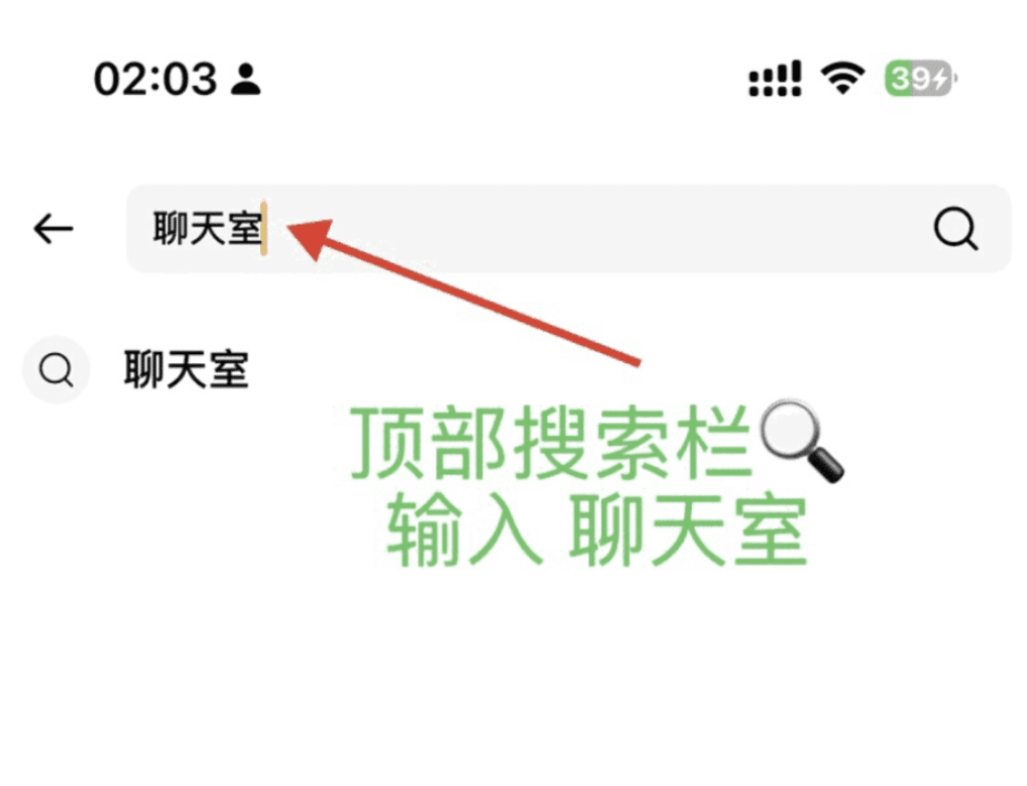
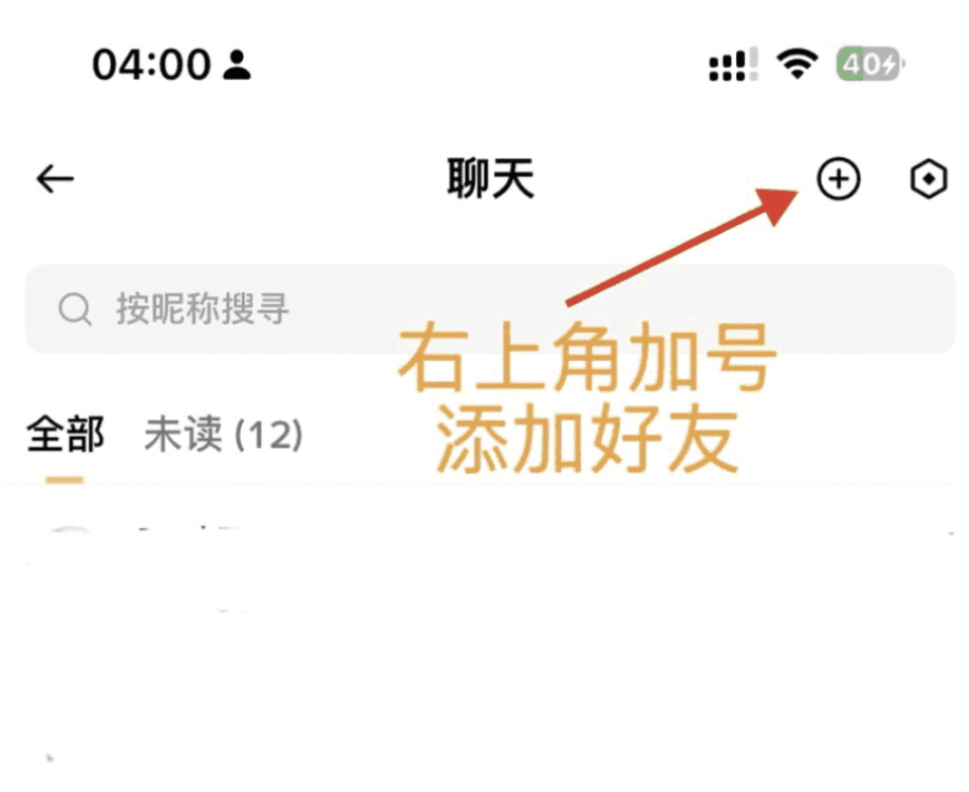
Chat Room ID:【1138602340】#带单大神
To follow along with Senior Song and get into the meat, just search and join
BTC, ETH, popular altcoin spot, and live contract trading strategy updates are synchronized—market opportunities shared first
While others are still chasing price and getting chopped up, I’ve already set up in advance
While others are hesitating and watching, the brothers who followed have already cashed in and eaten the meat
Search ID: 1138602340
Opportunities are there every day, but not everyone can catch them
Chat Room ID:【1138602340】#带单大神
To follow along with Senior Song and get into the meat, just search and join
BTC, ETH, popular altcoin spot, and live contract trading strategy updates are synchronized—market opportunities shared first
While others are still chasing price and getting chopped up, I’ve already set up in advance
While others are hesitating and watching, the brothers who followed have already cashed in and eaten the meat
Search ID: 1138602340
Opportunities are there every day, but not everyone can catch them
To follow along with Senior Song and get into the meat, just search and join
BTC, ETH, popular altcoin spot, and live contract trading strategy updates are synchronized—market opportunities shared first
While others are still chasing price and getting chopped up, I’ve already set up in advance
While others are hesitating and watching, the brothers who followed have already cashed in and eaten the meat
Search ID: 1138602340
Opportunities are there every day, but not everyone can catch them

2
95
·
--
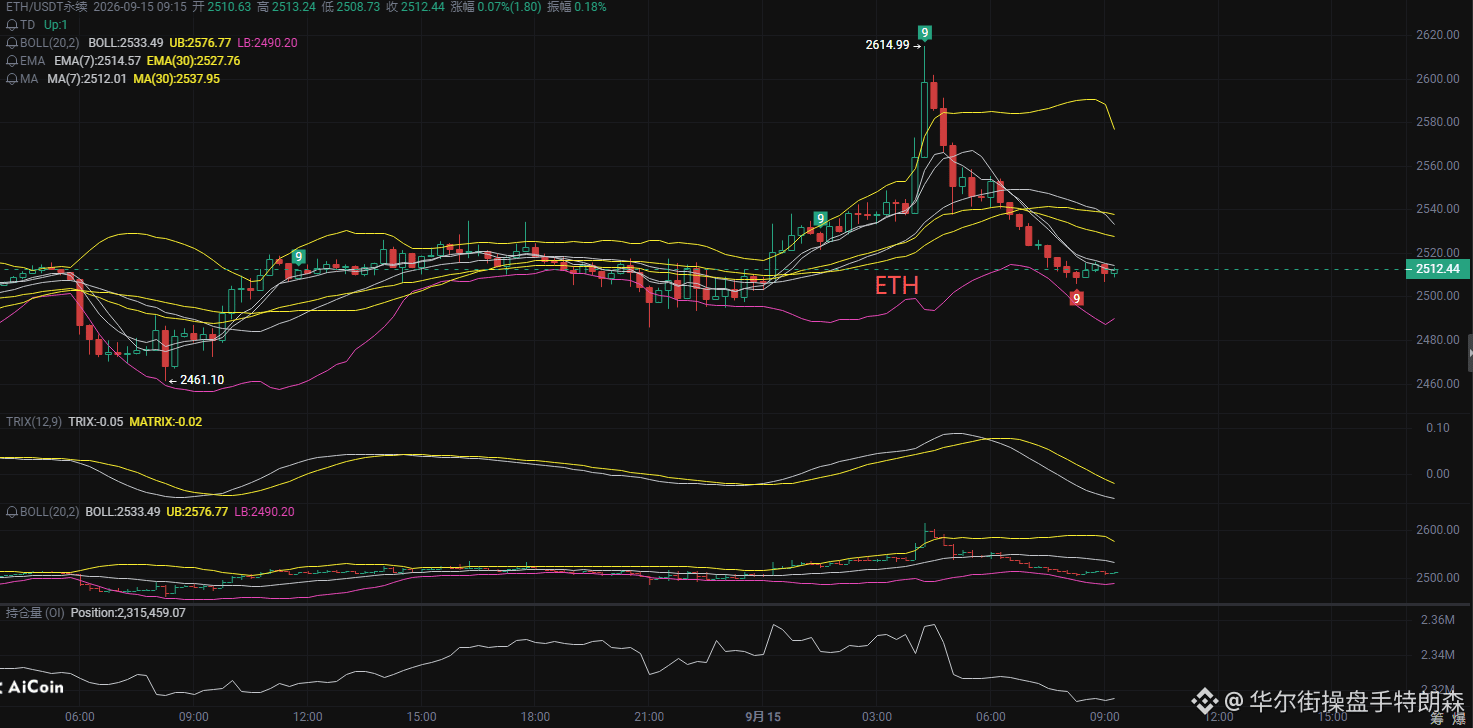
$ETH This pullback looks like a good opportunity for the bulls to pick up a bargain. The current price is around 2500. Seeing several consecutive bearish candles is scary, but support below is already very close.
Why am I confident to go long here? Let’s be practical: after the earlier rally to the 2614 high, it pulled back and is now exactly pressing around the lower Bollinger Band—about just above 2500. It hasn’t broken down on the daily timeframe structure yet, so this is just a normal shakeout. From the moving averages: the 30-day MA is around 2550 and acting as resistance, but the 7-day MA at about 2515 is already very close, suggesting the market may be stabilizing in the short term. As for the TRIX indicator, although it’s still moving downward, when the price made a new low, the indicator didn’t follow through with a new low—there’s a hint of bullish divergence. It’s starting to look like it won’t fall much further. The open interest is still around 2.31 million. During the decline, there hasn’t been a major drop in positions, which means traders aren’t panicking and fleeing; the main participants are still in.
For execution: consider adding longs in batches within the 2510–2485 range. Place a stop-loss below 2400; if it breaks down, admit you’re wrong. The first target is 2700—when it reaches there, take some profit. The second target is 2950, which is the upper edge of the previous dense positioning zone. Right now, it’s about trading time for space: enter with a light position and let the profits run. The market never lacks opportunities, but at this level the risk-reward ratio is genuinely good. Professional traders understand this: when the odds are in your favor, place the bet.
#美联储加息概率升至89% #比特币涨1.64%突破78000美元
$ETH This pullback looks like a good opportunity for the bulls to pick up a bargain. The current price is around 2500. Seeing several consecutive bearish candles is scary, but support below is already very close.
Why am I confident to go long here? Let’s be practical: after the earlier rally to the 2614 high, it pulled back and is now exactly pressing around the lower Bollinger Band—about just above 2500. It hasn’t broken down on the daily timeframe structure yet, so this is just a normal shakeout. From the moving averages: the 30-day MA is around 2550 and acting as resistance, but the 7-day MA at about 2515 is already very close, suggesting the market may be stabilizing in the short term. As for the TRIX indicator, although it’s still moving downward, when the price made a new low, the indicator didn’t follow through with a new low—there’s a hint of bullish divergence. It’s starting to look like it won’t fall much further. The open interest is still around 2.31 million. During the decline, there hasn’t been a major drop in positions, which means traders aren’t panicking and fleeing; the main participants are still in.
For execution: consider adding longs in batches within the 2510–2485 range. Place a stop-loss below 2400; if it breaks down, admit you’re wrong. The first target is 2700—when it reaches there, take some profit. The second target is 2950, which is the upper edge of the previous dense positioning zone. Right now, it’s about trading time for space: enter with a light position and let the profits run. The market never lacks opportunities, but at this level the risk-reward ratio is genuinely good. Professional traders understand this: when the odds are in your favor, place the bet.
#美联储加息概率升至89% #比特币涨1.64%突破78000美元
Why am I confident to go long here? Let’s be practical: after the earlier rally to the 2614 high, it pulled back and is now exactly pressing around the lower Bollinger Band—about just above 2500. It hasn’t broken down on the daily timeframe structure yet, so this is just a normal shakeout. From the moving averages: the 30-day MA is around 2550 and acting as resistance, but the 7-day MA at about 2515 is already very close, suggesting the market may be stabilizing in the short term. As for the TRIX indicator, although it’s still moving downward, when the price made a new low, the indicator didn’t follow through with a new low—there’s a hint of bullish divergence. It’s starting to look like it won’t fall much further. The open interest is still around 2.31 million. During the decline, there hasn’t been a major drop in positions, which means traders aren’t panicking and fleeing; the main participants are still in.
For execution: consider adding longs in batches within the 2510–2485 range. Place a stop-loss below 2400; if it breaks down, admit you’re wrong. The first target is 2700—when it reaches there, take some profit. The second target is 2950, which is the upper edge of the previous dense positioning zone. Right now, it’s about trading time for space: enter with a light position and let the profits run. The market never lacks opportunities, but at this level the risk-reward ratio is genuinely good. Professional traders understand this: when the odds are in your favor, place the bet.
#美联储加息概率升至89% #比特币涨1.64%突破78000美元
1
724
·
--
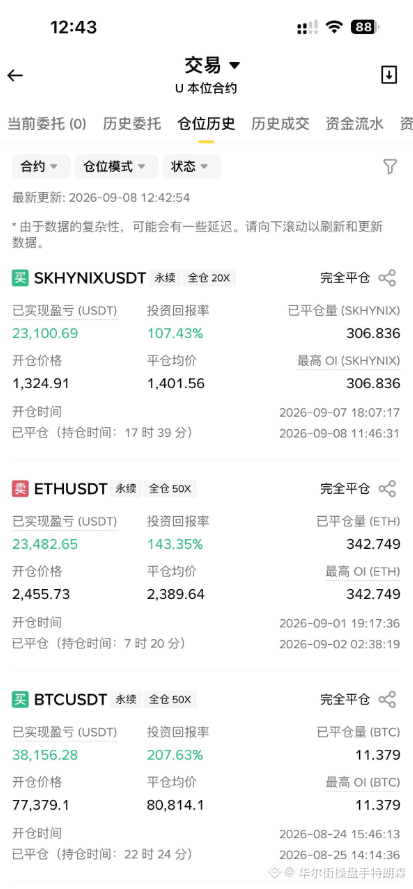
With the same 3000U, why can some people reach 30,000, while others are wiped out in three days? $ETH
Many people think that losing money in trading is because the market conditions are bad.
Actually, what truly creates the gap is never the market—it’s how you use leverage. $TUT
With a 3000U principal, some people use 300U to open a 10x position, while others use 150U to open 20x.
It looks like the leverage differs by just a factor of two, but what really determines whether your account can survive is your position sizing and risk control. $VELVET
The most dangerous thing isn’t high leverage by itself—it’s high leverage combined with heavy position sizing, plus no stop-loss.
When the market moves in your favor, you feel invincible. But once it reverses, you start holding the position, averaging down, and adding more.
In the end, one last fluctuation wipes the account out completely.
The people who truly know how to use leverage don’t use 50x to gamble on doubling. They use low positions to amplify efficiency and leave themselves enough room to make mistakes.
If they get the direction right, they add as the trend continues. If they’re wrong, they pull out immediately—never let a single error destroy the principal.
At the end of the day, trading isn’t about who has the biggest nerve—it’s about who can control themselves better.
Don’t mess up your position sizing. Don’t delay your stop-loss. Don’t panic in execution.
Pros make money with rules and probability; ordinary people rely on luck and gamble on hope. #比特币守稳77000美元上方
Whether 3000U can be scaled up—what truly determines the outcome is never the leverage number, but your mindset and discipline.
If you’re still confused, you’re welcome to chat. I’m always here. If you want to make progress, I’ll go forward with you. #AnthropicCEO呼吁放缓AI发展
With the same 3000U, why can some people reach 30,000, while others are wiped out in three days? $ETH
Many people think that losing money in trading is because the market conditions are bad.
Actually, what truly creates the gap is never the market—it’s how you use leverage. $TUT
With a 3000U principal, some people use 300U to open a 10x position, while others use 150U to open 20x.
It looks like the leverage differs by just a factor of two, but what really determines whether your account can survive is your position sizing and risk control. $VELVET
The most dangerous thing isn’t high leverage by itself—it’s high leverage combined with heavy position sizing, plus no stop-loss.
When the market moves in your favor, you feel invincible. But once it reverses, you start holding the position, averaging down, and adding more.
In the end, one last fluctuation wipes the account out completely.
The people who truly know how to use leverage don’t use 50x to gamble on doubling. They use low positions to amplify efficiency and leave themselves enough room to make mistakes.
If they get the direction right, they add as the trend continues. If they’re wrong, they pull out immediately—never let a single error destroy the principal.
At the end of the day, trading isn’t about who has the biggest nerve—it’s about who can control themselves better.
Don’t mess up your position sizing. Don’t delay your stop-loss. Don’t panic in execution.
Pros make money with rules and probability; ordinary people rely on luck and gamble on hope. #比特币守稳77000美元上方
Whether 3000U can be scaled up—what truly determines the outcome is never the leverage number, but your mindset and discipline.
If you’re still confused, you’re welcome to chat. I’m always here. If you want to make progress, I’ll go forward with you. #AnthropicCEO呼吁放缓AI发展
Many people think that losing money in trading is because the market conditions are bad.
Actually, what truly creates the gap is never the market—it’s how you use leverage. $TUT
With a 3000U principal, some people use 300U to open a 10x position, while others use 150U to open 20x.
It looks like the leverage differs by just a factor of two, but what really determines whether your account can survive is your position sizing and risk control. $VELVET
The most dangerous thing isn’t high leverage by itself—it’s high leverage combined with heavy position sizing, plus no stop-loss.
When the market moves in your favor, you feel invincible. But once it reverses, you start holding the position, averaging down, and adding more.
In the end, one last fluctuation wipes the account out completely.
The people who truly know how to use leverage don’t use 50x to gamble on doubling. They use low positions to amplify efficiency and leave themselves enough room to make mistakes.
If they get the direction right, they add as the trend continues. If they’re wrong, they pull out immediately—never let a single error destroy the principal.
At the end of the day, trading isn’t about who has the biggest nerve—it’s about who can control themselves better.
Don’t mess up your position sizing. Don’t delay your stop-loss. Don’t panic in execution.
Pros make money with rules and probability; ordinary people rely on luck and gamble on hope. #比特币守稳77000美元上方
Whether 3000U can be scaled up—what truly determines the outcome is never the leverage number, but your mindset and discipline.
If you’re still confused, you’re welcome to chat. I’m always here. If you want to make progress, I’ll go forward with you. #AnthropicCEO呼吁放缓AI发展
377
·
--
People in the crypto space who are in debt must first understand these points.$ETH
Many people enter the crypto market not to invest, but hoping to quickly turn things around.
As a result, they borrow money to top up, keep increasing leverage, and in the end their debt grows larger and larger.
To get out of this predicament, the first step is not to make money, but to stop losing.$TUT
First: Cut off the source of the debt
Stop credit cards, online loans, and any borrowing-for-trading transactions—completely.
Don’t use new debt to fill the holes created by earlier debt.
Even if the principal is gone, you can rebuild it gradually. Letting debt compound is the real pressure.$VELVET
Second: Build a safe position
You must allocate funds; don’t put all your money into a single trade.
Set aside part for low-risk operations; part to allocate to major assets like BTC ("the big pie") and ETH; keep the remaining funds as reserves.
Don’t touch high-multiplier leverage—it amplifies not only returns, but also risk.
Third: Accumulate slowly with small positions
Don’t expect to turn things around in a single day.
Make only a small number of trades each day, and strictly set stop-loss and take-profit.
When you reach your target, stop. If losses hit your plan, exit.
The real profitable traders aren’t the ones who trade the most every day, but the ones with the best discipline.
Remember: what crypto traders fear most isn’t losing once—it’s being controlled by emotions.
Stop making mistakes first, then build rules.
Debt isn’t scary. What’s scary is continuing to solve problems with the wrong methods.
Stay calm, control risk, and keep executing.
As the principal comes back little by little, life will gradually get back on track too.
If you’re still chasing pumps and selling dumps, or you don’t know how to judge entry and exit points, come to the chat room to talk with me.
#特朗普就CLARITY法案条款存疑
People in the crypto space who are in debt must first understand these points.$ETH
Many people enter the crypto market not to invest, but hoping to quickly turn things around.
As a result, they borrow money to top up, keep increasing leverage, and in the end their debt grows larger and larger.
To get out of this predicament, the first step is not to make money, but to stop losing.$TUT
First: Cut off the source of the debt
Stop credit cards, online loans, and any borrowing-for-trading transactions—completely.
Don’t use new debt to fill the holes created by earlier debt.
Even if the principal is gone, you can rebuild it gradually. Letting debt compound is the real pressure.$VELVET
Second: Build a safe position
You must allocate funds; don’t put all your money into a single trade.
Set aside part for low-risk operations; part to allocate to major assets like BTC ("the big pie") and ETH; keep the remaining funds as reserves.
Don’t touch high-multiplier leverage—it amplifies not only returns, but also risk.
Third: Accumulate slowly with small positions
Don’t expect to turn things around in a single day.
Make only a small number of trades each day, and strictly set stop-loss and take-profit.
When you reach your target, stop. If losses hit your plan, exit.
The real profitable traders aren’t the ones who trade the most every day, but the ones with the best discipline.
Remember: what crypto traders fear most isn’t losing once—it’s being controlled by emotions.
Stop making mistakes first, then build rules.
Debt isn’t scary. What’s scary is continuing to solve problems with the wrong methods.
Stay calm, control risk, and keep executing.
As the principal comes back little by little, life will gradually get back on track too.
If you’re still chasing pumps and selling dumps, or you don’t know how to judge entry and exit points, come to the chat room to talk with me.
#特朗普就CLARITY法案条款存疑
Many people enter the crypto market not to invest, but hoping to quickly turn things around.
As a result, they borrow money to top up, keep increasing leverage, and in the end their debt grows larger and larger.
To get out of this predicament, the first step is not to make money, but to stop losing.$TUT
First: Cut off the source of the debt
Stop credit cards, online loans, and any borrowing-for-trading transactions—completely.
Don’t use new debt to fill the holes created by earlier debt.
Even if the principal is gone, you can rebuild it gradually. Letting debt compound is the real pressure.$VELVET
Second: Build a safe position
You must allocate funds; don’t put all your money into a single trade.
Set aside part for low-risk operations; part to allocate to major assets like BTC ("the big pie") and ETH; keep the remaining funds as reserves.
Don’t touch high-multiplier leverage—it amplifies not only returns, but also risk.
Third: Accumulate slowly with small positions
Don’t expect to turn things around in a single day.
Make only a small number of trades each day, and strictly set stop-loss and take-profit.
When you reach your target, stop. If losses hit your plan, exit.
The real profitable traders aren’t the ones who trade the most every day, but the ones with the best discipline.
Remember: what crypto traders fear most isn’t losing once—it’s being controlled by emotions.
Stop making mistakes first, then build rules.
Debt isn’t scary. What’s scary is continuing to solve problems with the wrong methods.
Stay calm, control risk, and keep executing.
As the principal comes back little by little, life will gradually get back on track too.
If you’re still chasing pumps and selling dumps, or you don’t know how to judge entry and exit points, come to the chat room to talk with me.
#特朗普就CLARITY法案条款存疑
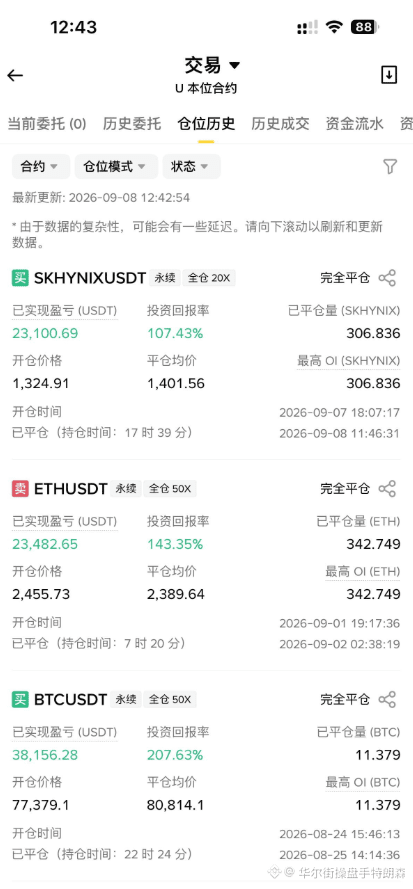
458
·
--
The spot position that had been set up for two months has now been found $ETH
The spot position that had been set up for two months has now been found $ETH
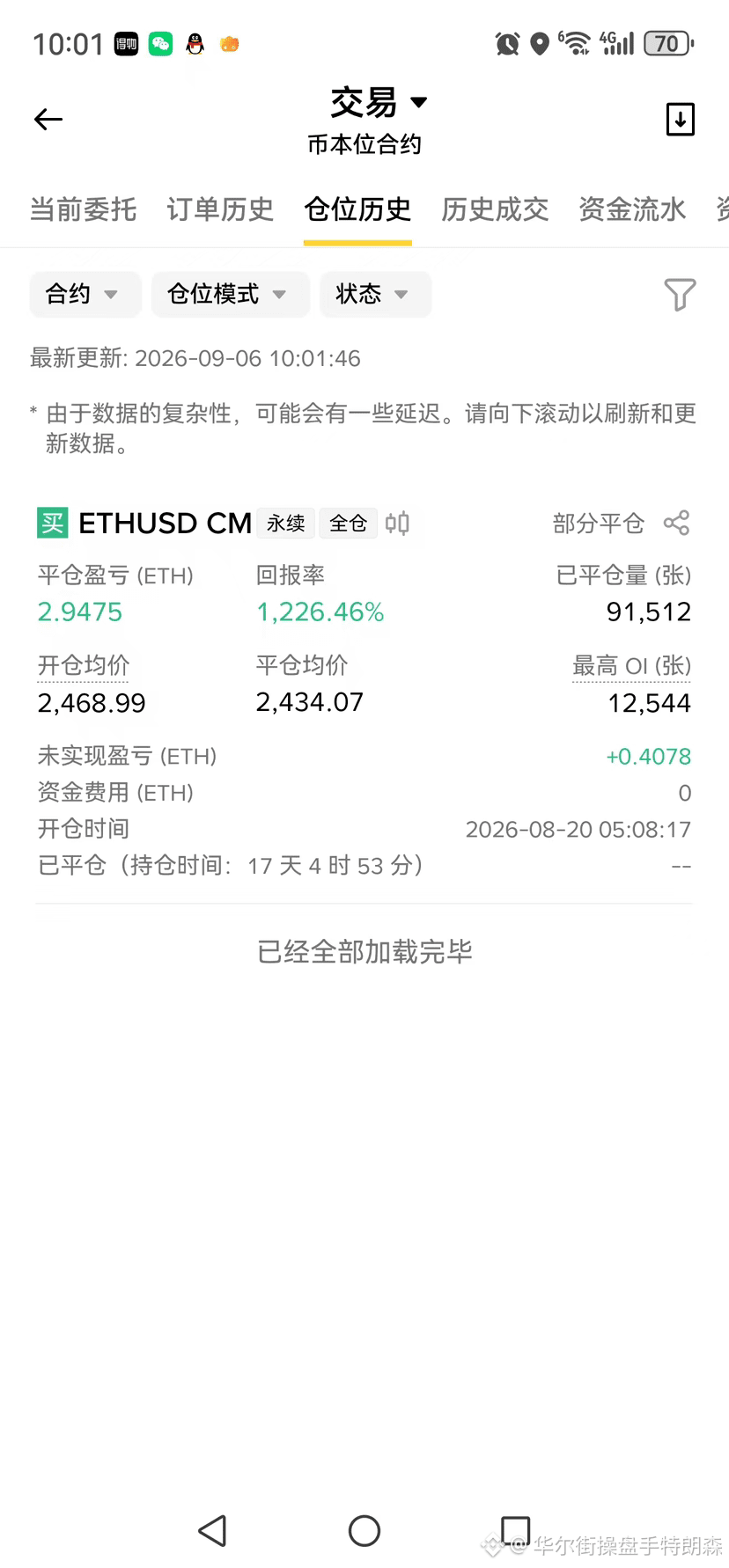
565
·
--
I just remembered—I've got it all. I'm not some “Wall Street wolf” at all. I’m a minor, so I’m applying for a refund(笑)。So how exactly do contract trading work to actually bite into the meat?$ETH
The most deadly line in any trade is: “Don’t be greedy with small money; don’t lose with big money.”$UAI
Sounds simple, but when you do it, it’s like walking a tightrope.$BEAT
You open a long with 20,000, it rises to 21,000, you feel great and dump it, taking 5%. Then it directly runs to 30,000—you can only stare at the following 50% as it goes to someone else. Then you slap your thigh and swear: “Next time I’ll tighten my grip and never let go!”
Second time, you open a long with 20,000 again. It rises to 21,000—you stubbornly refuse to sell, holding tight. Then the market flips and smacks you back down to 19,000. You cut it with tears. Sold too early and you slap your thigh; held too long and you want to slap yourself even more—this is the dead loop that most traders spin in for a lifetime.
Is there a perfect strategy that can both finish small swings and also bite down on the big trend? No. In the end, trading is all about trade-offs—you have to choose one side. My choice: it’s better to let a bit of small profit slip, and put most of my energy into catching the big trend.
Because the only things that truly make your account climb and roll forward are never the little scraps of a few points every day—it’s the handful of truly major moves.
No matter how much you chew on small fluctuations, one big drawdown can wipe you back to square one; but a correctly-timed big trend often more than makes up for dozens of small, hurried trades you were busy stacking.
Of course, I can’t be accurate on every single step either—no one can. What we can do is shift the odds little by little toward the right side: less impulse, more discipline; less fantasy, more execution; less “this time it’s definitely different,” and more “cut when it hits the level—no more blah blah.”
At the end of grinding trading, it’s not about who guessed the most right—it’s about who can stay stable long-term: when losing, lose small; when winning, win big
#美国10年期国债收益率创2023年11月新高 #英伟达129亿美元收购HuggingFace
I just remembered—I've got it all. I'm not some “Wall Street wolf” at all. I’m a minor, so I’m applying for a refund(笑)。So how exactly do contract trading work to actually bite into the meat?$ETH
The most deadly line in any trade is: “Don’t be greedy with small money; don’t lose with big money.”$UAI
Sounds simple, but when you do it, it’s like walking a tightrope.$BEAT
You open a long with 20,000, it rises to 21,000, you feel great and dump it, taking 5%. Then it directly runs to 30,000—you can only stare at the following 50% as it goes to someone else. Then you slap your thigh and swear: “Next time I’ll tighten my grip and never let go!”
Second time, you open a long with 20,000 again. It rises to 21,000—you stubbornly refuse to sell, holding tight. Then the market flips and smacks you back down to 19,000. You cut it with tears. Sold too early and you slap your thigh; held too long and you want to slap yourself even more—this is the dead loop that most traders spin in for a lifetime.
Is there a perfect strategy that can both finish small swings and also bite down on the big trend? No. In the end, trading is all about trade-offs—you have to choose one side. My choice: it’s better to let a bit of small profit slip, and put most of my energy into catching the big trend.
Because the only things that truly make your account climb and roll forward are never the little scraps of a few points every day—it’s the handful of truly major moves.
No matter how much you chew on small fluctuations, one big drawdown can wipe you back to square one; but a correctly-timed big trend often more than makes up for dozens of small, hurried trades you were busy stacking.
Of course, I can’t be accurate on every single step either—no one can. What we can do is shift the odds little by little toward the right side: less impulse, more discipline; less fantasy, more execution; less “this time it’s definitely different,” and more “cut when it hits the level—no more blah blah.”
At the end of grinding trading, it’s not about who guessed the most right—it’s about who can stay stable long-term: when losing, lose small; when winning, win big
#美国10年期国债收益率创2023年11月新高 #英伟达129亿美元收购HuggingFace
The most deadly line in any trade is: “Don’t be greedy with small money; don’t lose with big money.”$UAI
Sounds simple, but when you do it, it’s like walking a tightrope.$BEAT
You open a long with 20,000, it rises to 21,000, you feel great and dump it, taking 5%. Then it directly runs to 30,000—you can only stare at the following 50% as it goes to someone else. Then you slap your thigh and swear: “Next time I’ll tighten my grip and never let go!”
Second time, you open a long with 20,000 again. It rises to 21,000—you stubbornly refuse to sell, holding tight. Then the market flips and smacks you back down to 19,000. You cut it with tears. Sold too early and you slap your thigh; held too long and you want to slap yourself even more—this is the dead loop that most traders spin in for a lifetime.
Is there a perfect strategy that can both finish small swings and also bite down on the big trend? No. In the end, trading is all about trade-offs—you have to choose one side. My choice: it’s better to let a bit of small profit slip, and put most of my energy into catching the big trend.
Because the only things that truly make your account climb and roll forward are never the little scraps of a few points every day—it’s the handful of truly major moves.
No matter how much you chew on small fluctuations, one big drawdown can wipe you back to square one; but a correctly-timed big trend often more than makes up for dozens of small, hurried trades you were busy stacking.
Of course, I can’t be accurate on every single step either—no one can. What we can do is shift the odds little by little toward the right side: less impulse, more discipline; less fantasy, more execution; less “this time it’s definitely different,” and more “cut when it hits the level—no more blah blah.”
At the end of grinding trading, it’s not about who guessed the most right—it’s about who can stay stable long-term: when losing, lose small; when winning, win big
#美国10年期国债收益率创2023年11月新高 #英伟达129亿美元收购HuggingFace
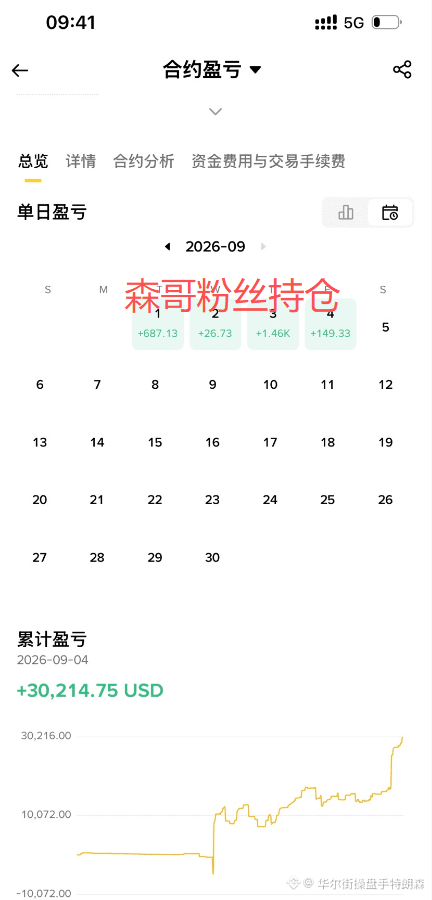
560
·
--
1200U想蹭到几十万,怎么走?我就给你三条"死规矩"。先亮底牌:我不是什么带单大神,也不卖课,就是个在这盘面摔过无数跤的老油子$AKE
去年有个兜里只剩1200U的兄弟来找我,说想翻身。我给他撂了三句,他照着走了121天,账户蹭到5万U上下,中间没蹦过一次强平。今天把这三句写给你,能咂摸出多少全看你自己$SNDK
I. Cut the money into three parts first—learn “cut off the finger to save your life”
Split 1200U into three portions of 400U each, under separate names; no one is allowed to cross-transfer or move funds.
Short-term blade: 400U. No more than two cuts per day; cut, finish, and stop.$BMT Trend cannon: 400U. Don’t expect anything unless you see the “rabbit”; if the weekly chart won’t lift its head, just play dead and don’t move. Life-saving money: 400U. Specifically reserved to be the sacrificial offering for that sudden pinprick insertion; on the liquidation day, immediately top up and take over to ensure you’re still sitting at the table. Full allocation? Forget it. If you get liquidated, treat it like “a severed finger”—the finger can regrow; lose your head and it’s truly gone.
II. Only bite the fattest trend; the rest of the time, act like a turtle with its head tucked in
That sideways range is a meat grinder—nine out of ten times it slices your flesh. My signals are brutally simple:
When the daily moving averages don’t line up into a bullish stack, stay in cash—don’t trade. Break through the prior high with volume + a daily close for confirmation = first entry. When profit brushes up to 30% of the principal, immediately take half off the table; the remaining portion goes with a 10% trailing take-profit. Remember this: there’s always the next train on the market. Don’t rush for the door-slam moment—just ride the tailwind.#美国初请失业金人数升至20.6万
III. Seal emotions in the cage; just press the buttons exactly as instructed
Before entering, write your “death contract”:
Stop loss at 3%—once it hits, cut automatically; no excuses, no discussion. When profit reaches 10%, move the stop loss to the cost line. After that, the remaining portion is basically free money from the market. Every day at 23:00 sharp, close the software on time. No matter how beautiful the candles look, don’t stare at them—if you can’t sleep, uninstall the app. Mechanical to the point of boredom—that’s what lets you last long here.
From 1200U to 50,000U isn’t about getting rich from one strike; it’s about “committing fewer stupid mistakes.” There are always burrs in the process, but capital is rare.
First, engrave these three hard rules into your bones—then go study all that fancy stuff like waves, indicators, and funding rates.
Survive first; then you’re qualified to talk about getting rich. If you don’t survive, you’ll just be the trading fee inside someone else’s account
#日经225指数上涨1.26%
1200U想蹭到几十万,怎么走?我就给你三条"死规矩"。先亮底牌:我不是什么带单大神,也不卖课,就是个在这盘面摔过无数跤的老油子$AKE
去年有个兜里只剩1200U的兄弟来找我,说想翻身。我给他撂了三句,他照着走了121天,账户蹭到5万U上下,中间没蹦过一次强平。今天把这三句写给你,能咂摸出多少全看你自己$SNDK
I. Cut the money into three parts first—learn “cut off the finger to save your life”
Split 1200U into three portions of 400U each, under separate names; no one is allowed to cross-transfer or move funds.
Short-term blade: 400U. No more than two cuts per day; cut, finish, and stop.$BMT Trend cannon: 400U. Don’t expect anything unless you see the “rabbit”; if the weekly chart won’t lift its head, just play dead and don’t move. Life-saving money: 400U. Specifically reserved to be the sacrificial offering for that sudden pinprick insertion; on the liquidation day, immediately top up and take over to ensure you’re still sitting at the table. Full allocation? Forget it. If you get liquidated, treat it like “a severed finger”—the finger can regrow; lose your head and it’s truly gone.
II. Only bite the fattest trend; the rest of the time, act like a turtle with its head tucked in
That sideways range is a meat grinder—nine out of ten times it slices your flesh. My signals are brutally simple:
When the daily moving averages don’t line up into a bullish stack, stay in cash—don’t trade. Break through the prior high with volume + a daily close for confirmation = first entry. When profit brushes up to 30% of the principal, immediately take half off the table; the remaining portion goes with a 10% trailing take-profit. Remember this: there’s always the next train on the market. Don’t rush for the door-slam moment—just ride the tailwind.#美国初请失业金人数升至20.6万
III. Seal emotions in the cage; just press the buttons exactly as instructed
Before entering, write your “death contract”:
Stop loss at 3%—once it hits, cut automatically; no excuses, no discussion. When profit reaches 10%, move the stop loss to the cost line. After that, the remaining portion is basically free money from the market. Every day at 23:00 sharp, close the software on time. No matter how beautiful the candles look, don’t stare at them—if you can’t sleep, uninstall the app. Mechanical to the point of boredom—that’s what lets you last long here.
From 1200U to 50,000U isn’t about getting rich from one strike; it’s about “committing fewer stupid mistakes.” There are always burrs in the process, but capital is rare.
First, engrave these three hard rules into your bones—then go study all that fancy stuff like waves, indicators, and funding rates.
Survive first; then you’re qualified to talk about getting rich. If you don’t survive, you’ll just be the trading fee inside someone else’s account
#日经225指数上涨1.26%
去年有个兜里只剩1200U的兄弟来找我,说想翻身。我给他撂了三句,他照着走了121天,账户蹭到5万U上下,中间没蹦过一次强平。今天把这三句写给你,能咂摸出多少全看你自己$SNDK
I. Cut the money into three parts first—learn “cut off the finger to save your life”
Split 1200U into three portions of 400U each, under separate names; no one is allowed to cross-transfer or move funds.
Short-term blade: 400U. No more than two cuts per day; cut, finish, and stop.$BMT Trend cannon: 400U. Don’t expect anything unless you see the “rabbit”; if the weekly chart won’t lift its head, just play dead and don’t move. Life-saving money: 400U. Specifically reserved to be the sacrificial offering for that sudden pinprick insertion; on the liquidation day, immediately top up and take over to ensure you’re still sitting at the table. Full allocation? Forget it. If you get liquidated, treat it like “a severed finger”—the finger can regrow; lose your head and it’s truly gone.
II. Only bite the fattest trend; the rest of the time, act like a turtle with its head tucked in
That sideways range is a meat grinder—nine out of ten times it slices your flesh. My signals are brutally simple:
When the daily moving averages don’t line up into a bullish stack, stay in cash—don’t trade. Break through the prior high with volume + a daily close for confirmation = first entry. When profit brushes up to 30% of the principal, immediately take half off the table; the remaining portion goes with a 10% trailing take-profit. Remember this: there’s always the next train on the market. Don’t rush for the door-slam moment—just ride the tailwind.#美国初请失业金人数升至20.6万
III. Seal emotions in the cage; just press the buttons exactly as instructed
Before entering, write your “death contract”:
Stop loss at 3%—once it hits, cut automatically; no excuses, no discussion. When profit reaches 10%, move the stop loss to the cost line. After that, the remaining portion is basically free money from the market. Every day at 23:00 sharp, close the software on time. No matter how beautiful the candles look, don’t stare at them—if you can’t sleep, uninstall the app. Mechanical to the point of boredom—that’s what lets you last long here.
From 1200U to 50,000U isn’t about getting rich from one strike; it’s about “committing fewer stupid mistakes.” There are always burrs in the process, but capital is rare.
First, engrave these three hard rules into your bones—then go study all that fancy stuff like waves, indicators, and funding rates.
Survive first; then you’re qualified to talk about getting rich. If you don’t survive, you’ll just be the trading fee inside someone else’s account
#日经225指数上涨1.26%
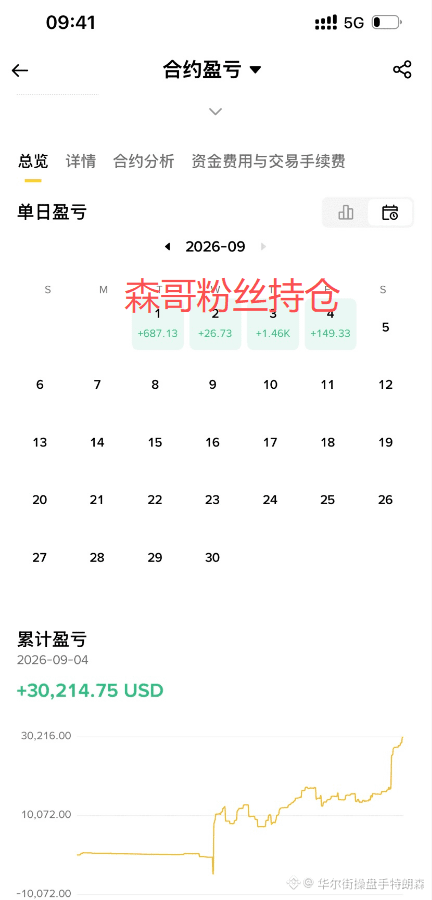
557
·
--
Newly arrived brothers, today Brother Ge will give you something real to get started with.$AKE
First, make it clear: this isn’t telling you to take 1,000 RMB and YOLO to multiply it by the dozen. It’s a path for growing your principal that you can follow step by step.$UAI
With 1,000 RMB (about 150 U), your first goal isn’t to rush straight into 100,000, but to grind your principal up to 10,000 first.$SNDK
In the early stage, use small amounts to trade contracts and roll over positions. Keep each entry around 30 U, and look for opportunities in the market’s hottest coins. Place take-profit and stop-loss in advance—make them automatic.150 U→300 U, 300 U→600 U, 600 U→1200 U.
But remember: opportunities can be seized, and your hands can’t get shaky. The biggest advantage of small capital is you can turn around quickly. The biggest pitfall is going all-in and topping up recklessly. It’s normal to keep chewing successfully on a few good trades in a row, but if one trade goes wrong and you lose control, it can be wiped down to zero in an instant.
Once you’ve ground the principal up, switch to the steadier playbook:
First, the ultra-short-term trades. Only touch big-cap coins like BTC and ETH that have real trading volume. Use 15-minute timeframe fast in and fast out—scraping those tiny ups and downs from the order book “noise.”
Second, strategy orders. Use a small position to trade 4-hour-level trends. When profits are there, take them off the table in time. At the same time, keep DCAing into the big BTC bag at the bottom of larger cycles.#美国初请失业金人数升至20.6万
Third, trend-following orders. This is the section that truly lets you bite into bigger numbers. Enter at positions with high cost-effectiveness, set your take-profit and stop-loss orders well in advance, and bite down on the big trend with one committed move. It could even keep you busy “only once,” while you’re still sitting there the next half year watching the market.
Brother Ge himself also melted up from scraps step by step. What really pulls people apart isn’t how much you start with in your pocket—it’s whether you have a set of rules you can follow consistently without trembling.
From 150 U to 100,000 depends on discipline. From 100,000 to 1,000,000 depends on staying able to sit still.
This circle is always full of the next wave. What’s missing are people who can hold down risk and survive—without turning everything into zero—until the next signal comes.
If you’re still confused, you’re welcome to chat. I’m always here. If you want to improve, I’ll walk forward with you.#英伟达129亿美元收购HuggingFace
Newly arrived brothers, today Brother Ge will give you something real to get started with.$AKE
First, make it clear: this isn’t telling you to take 1,000 RMB and YOLO to multiply it by the dozen. It’s a path for growing your principal that you can follow step by step.$UAI
With 1,000 RMB (about 150 U), your first goal isn’t to rush straight into 100,000, but to grind your principal up to 10,000 first.$SNDK
In the early stage, use small amounts to trade contracts and roll over positions. Keep each entry around 30 U, and look for opportunities in the market’s hottest coins. Place take-profit and stop-loss in advance—make them automatic.150 U→300 U, 300 U→600 U, 600 U→1200 U.
But remember: opportunities can be seized, and your hands can’t get shaky. The biggest advantage of small capital is you can turn around quickly. The biggest pitfall is going all-in and topping up recklessly. It’s normal to keep chewing successfully on a few good trades in a row, but if one trade goes wrong and you lose control, it can be wiped down to zero in an instant.
Once you’ve ground the principal up, switch to the steadier playbook:
First, the ultra-short-term trades. Only touch big-cap coins like BTC and ETH that have real trading volume. Use 15-minute timeframe fast in and fast out—scraping those tiny ups and downs from the order book “noise.”
Second, strategy orders. Use a small position to trade 4-hour-level trends. When profits are there, take them off the table in time. At the same time, keep DCAing into the big BTC bag at the bottom of larger cycles.#美国初请失业金人数升至20.6万
Third, trend-following orders. This is the section that truly lets you bite into bigger numbers. Enter at positions with high cost-effectiveness, set your take-profit and stop-loss orders well in advance, and bite down on the big trend with one committed move. It could even keep you busy “only once,” while you’re still sitting there the next half year watching the market.
Brother Ge himself also melted up from scraps step by step. What really pulls people apart isn’t how much you start with in your pocket—it’s whether you have a set of rules you can follow consistently without trembling.
From 150 U to 100,000 depends on discipline. From 100,000 to 1,000,000 depends on staying able to sit still.
This circle is always full of the next wave. What’s missing are people who can hold down risk and survive—without turning everything into zero—until the next signal comes.
If you’re still confused, you’re welcome to chat. I’m always here. If you want to improve, I’ll walk forward with you.#英伟达129亿美元收购HuggingFace
First, make it clear: this isn’t telling you to take 1,000 RMB and YOLO to multiply it by the dozen. It’s a path for growing your principal that you can follow step by step.$UAI
With 1,000 RMB (about 150 U), your first goal isn’t to rush straight into 100,000, but to grind your principal up to 10,000 first.$SNDK
In the early stage, use small amounts to trade contracts and roll over positions. Keep each entry around 30 U, and look for opportunities in the market’s hottest coins. Place take-profit and stop-loss in advance—make them automatic.150 U→300 U, 300 U→600 U, 600 U→1200 U.
But remember: opportunities can be seized, and your hands can’t get shaky. The biggest advantage of small capital is you can turn around quickly. The biggest pitfall is going all-in and topping up recklessly. It’s normal to keep chewing successfully on a few good trades in a row, but if one trade goes wrong and you lose control, it can be wiped down to zero in an instant.
Once you’ve ground the principal up, switch to the steadier playbook:
First, the ultra-short-term trades. Only touch big-cap coins like BTC and ETH that have real trading volume. Use 15-minute timeframe fast in and fast out—scraping those tiny ups and downs from the order book “noise.”
Second, strategy orders. Use a small position to trade 4-hour-level trends. When profits are there, take them off the table in time. At the same time, keep DCAing into the big BTC bag at the bottom of larger cycles.#美国初请失业金人数升至20.6万
Third, trend-following orders. This is the section that truly lets you bite into bigger numbers. Enter at positions with high cost-effectiveness, set your take-profit and stop-loss orders well in advance, and bite down on the big trend with one committed move. It could even keep you busy “only once,” while you’re still sitting there the next half year watching the market.
Brother Ge himself also melted up from scraps step by step. What really pulls people apart isn’t how much you start with in your pocket—it’s whether you have a set of rules you can follow consistently without trembling.
From 150 U to 100,000 depends on discipline. From 100,000 to 1,000,000 depends on staying able to sit still.
This circle is always full of the next wave. What’s missing are people who can hold down risk and survive—without turning everything into zero—until the next signal comes.
If you’re still confused, you’re welcome to chat. I’m always here. If you want to improve, I’ll walk forward with you.#英伟达129亿美元收购HuggingFace
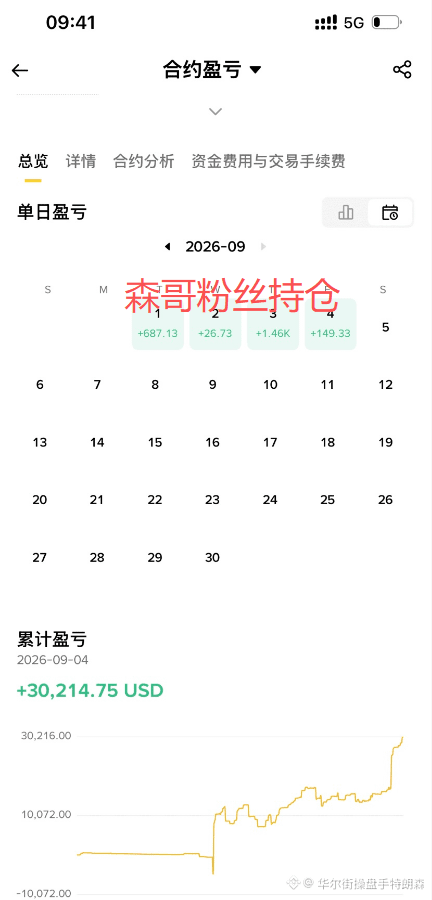
324
·
--
Brothers with less than 10k U in your pocket—put on a super-minimal trading routine for daily rules. Don’t keep getting fooled into believing in that “get rich overnight” dream and ending up crippled!
If you’re a coin buddy with only a few hundred or a few thousand in change, listen to Big Brother: stop obsessing over trying to turn a profit by several times in one night. This market can grind small capital into bigger amounts—but it’s done through compounding and a set of strict, boring rules.
What this chart loves to cut the most is that group of people who are restless and itching to go all-in. The thinner your principal, the more likely you are to get itchy and poke every day. The more you want to double fast, the easier it becomes to hand over your old money entirely. $SNDK
But opportunities always come the next day. Every year, this circle brings out a few rounds of decent行情 (market moves). Many people around me—just by using a dirt-simple strategy that’s about as plain as it gets—slowly rolled their loose change into thicker stacks. No flashy indicators, no so-called insider news. Just that bit of execution power, welded in place and never loosened.
Step 1: Pick coins using only the daily MACD golden cross. Block out all that noise and “messages” from various groups. Focus only on the daily timeframe—especially the segment where the golden cross just happens above the zero line. That kind of signal is the hardest to fool.
Step 2: For entries and exits, watch the 20-day moving average. If price is above it, hold patiently. If it breaks through the moving average, don’t guess the bottom—don’t fantasize about it bouncing back—and don’t hold through. Dump it by rule.
Step 3: Only add positions when volume and price cooperate. When price reclaims the 20-day moving average and the成交量 (trading volume) also shows up, then consider setting up. If it turns green by 40%, cut off a portion first. When it climbs to 80%, keep taking profit in stages and landing it. If the trend goes bad, clear everything in one go.
Step 4: Execute the stop-loss based on the closing price. If the close breaks and drops through the moving average that day, then on the next day—whether you’re up or down—you follow the plan. I’d rather miss that one step, than let one bit of luck turn into a big loss.
This system looks painfully stupid, but the truth is, the boring rules are often exactly what you need to keep chewing profit out of this market for the long run.
This circle never lacks the next wave. What’s missing is people who can follow the lines, keep walking straight, and never stop.
A lot of people always slap their thighs after the market runs out and say, “If only I had followed the rules earlier.” But real old hands who actually figured out the craft had already prepared that system before the signal even arrived.
For small capital to turn things around, you don’t need a hundred tricks. The hardest—and most effective—way is to repeat one simple thing until it doesn’t shake.
In a dumb strategy, the most reliable “meat” is often hidden. Rules are the biggest life-saving charm for capital under 10k U. If you’re still confused, you’re welcome to come chat.
Brothers with less than 10k U in your pocket—put on a super-minimal trading routine for daily rules. Don’t keep getting fooled into believing in that “get rich overnight” dream and ending up crippled!
If you’re a coin buddy with only a few hundred or a few thousand in change, listen to Big Brother: stop obsessing over trying to turn a profit by several times in one night. This market can grind small capital into bigger amounts—but it’s done through compounding and a set of strict, boring rules.
What this chart loves to cut the most is that group of people who are restless and itching to go all-in. The thinner your principal, the more likely you are to get itchy and poke every day. The more you want to double fast, the easier it becomes to hand over your old money entirely. $SNDK
But opportunities always come the next day. Every year, this circle brings out a few rounds of decent行情 (market moves). Many people around me—just by using a dirt-simple strategy that’s about as plain as it gets—slowly rolled their loose change into thicker stacks. No flashy indicators, no so-called insider news. Just that bit of execution power, welded in place and never loosened.
Step 1: Pick coins using only the daily MACD golden cross. Block out all that noise and “messages” from various groups. Focus only on the daily timeframe—especially the segment where the golden cross just happens above the zero line. That kind of signal is the hardest to fool.
Step 2: For entries and exits, watch the 20-day moving average. If price is above it, hold patiently. If it breaks through the moving average, don’t guess the bottom—don’t fantasize about it bouncing back—and don’t hold through. Dump it by rule.
Step 3: Only add positions when volume and price cooperate. When price reclaims the 20-day moving average and the成交量 (trading volume) also shows up, then consider setting up. If it turns green by 40%, cut off a portion first. When it climbs to 80%, keep taking profit in stages and landing it. If the trend goes bad, clear everything in one go.
Step 4: Execute the stop-loss based on the closing price. If the close breaks and drops through the moving average that day, then on the next day—whether you’re up or down—you follow the plan. I’d rather miss that one step, than let one bit of luck turn into a big loss.
This system looks painfully stupid, but the truth is, the boring rules are often exactly what you need to keep chewing profit out of this market for the long run.
This circle never lacks the next wave. What’s missing is people who can follow the lines, keep walking straight, and never stop.
A lot of people always slap their thighs after the market runs out and say, “If only I had followed the rules earlier.” But real old hands who actually figured out the craft had already prepared that system before the signal even arrived.
For small capital to turn things around, you don’t need a hundred tricks. The hardest—and most effective—way is to repeat one simple thing until it doesn’t shake.
In a dumb strategy, the most reliable “meat” is often hidden. Rules are the biggest life-saving charm for capital under 10k U. If you’re still confused, you’re welcome to come chat.
If you’re a coin buddy with only a few hundred or a few thousand in change, listen to Big Brother: stop obsessing over trying to turn a profit by several times in one night. This market can grind small capital into bigger amounts—but it’s done through compounding and a set of strict, boring rules.
What this chart loves to cut the most is that group of people who are restless and itching to go all-in. The thinner your principal, the more likely you are to get itchy and poke every day. The more you want to double fast, the easier it becomes to hand over your old money entirely. $SNDK
But opportunities always come the next day. Every year, this circle brings out a few rounds of decent行情 (market moves). Many people around me—just by using a dirt-simple strategy that’s about as plain as it gets—slowly rolled their loose change into thicker stacks. No flashy indicators, no so-called insider news. Just that bit of execution power, welded in place and never loosened.
Step 1: Pick coins using only the daily MACD golden cross. Block out all that noise and “messages” from various groups. Focus only on the daily timeframe—especially the segment where the golden cross just happens above the zero line. That kind of signal is the hardest to fool.
Step 2: For entries and exits, watch the 20-day moving average. If price is above it, hold patiently. If it breaks through the moving average, don’t guess the bottom—don’t fantasize about it bouncing back—and don’t hold through. Dump it by rule.
Step 3: Only add positions when volume and price cooperate. When price reclaims the 20-day moving average and the成交量 (trading volume) also shows up, then consider setting up. If it turns green by 40%, cut off a portion first. When it climbs to 80%, keep taking profit in stages and landing it. If the trend goes bad, clear everything in one go.
Step 4: Execute the stop-loss based on the closing price. If the close breaks and drops through the moving average that day, then on the next day—whether you’re up or down—you follow the plan. I’d rather miss that one step, than let one bit of luck turn into a big loss.
This system looks painfully stupid, but the truth is, the boring rules are often exactly what you need to keep chewing profit out of this market for the long run.
This circle never lacks the next wave. What’s missing is people who can follow the lines, keep walking straight, and never stop.
A lot of people always slap their thighs after the market runs out and say, “If only I had followed the rules earlier.” But real old hands who actually figured out the craft had already prepared that system before the signal even arrived.
For small capital to turn things around, you don’t need a hundred tricks. The hardest—and most effective—way is to repeat one simple thing until it doesn’t shake.
In a dumb strategy, the most reliable “meat” is often hidden. Rules are the biggest life-saving charm for capital under 10k U. If you’re still confused, you’re welcome to come chat.
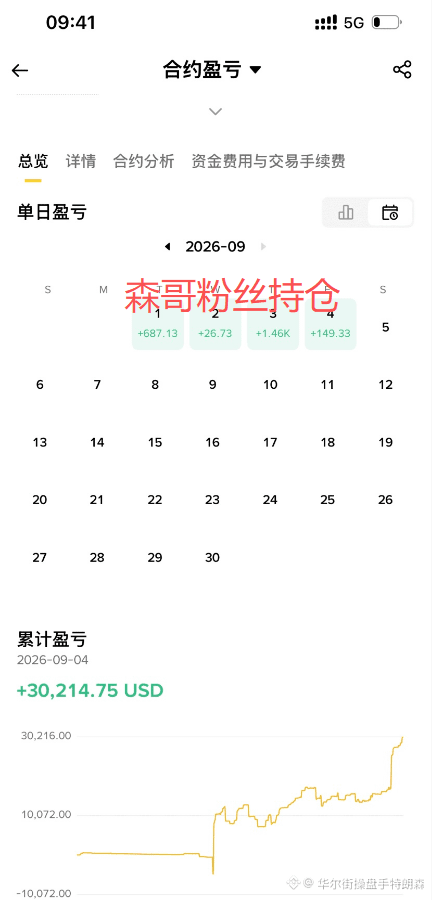
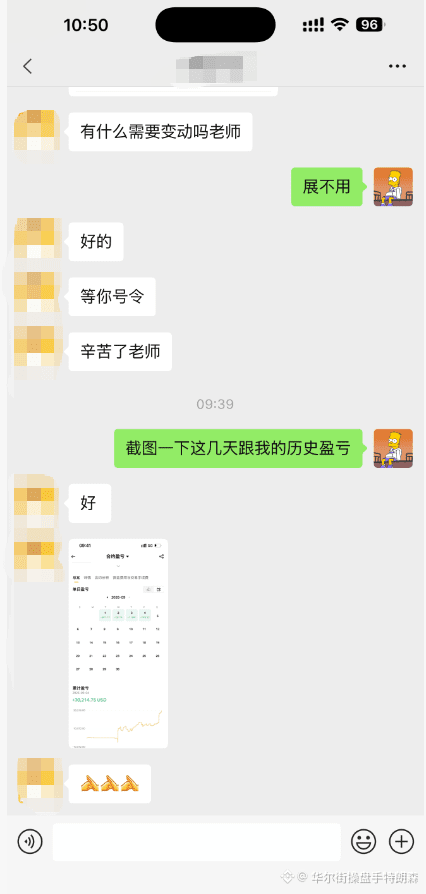
74
·
--
When you’ve got time to idle and just stare off into space, your brain turns and turns, and somehow you end up picking up a pretty interesting set of principles: $UAI
Those who dig deepest into the technical side don’t necessarily end up eating the meat. Those who scramble the hardest to study the news side don’t necessarily end up with a full bag. But those who never “hold on no matter what” almost all managed to last until the end without zeroing out. $MarsCoin
In real life, I’ve got a buddy who traded one contract for five years—he never once held a losing position through. $BMT
One time he opened a big, bullish position on momentum, and as soon as he entered, a huge bullish candle shot out—straight up sweeping his stop-loss. He didn’t even blink; he cut it and left. Now guess what happened? After the stop-loss got hit and pierced, the market turned down and dumped ten points in a row. He missed a big chunk of meat.
Someone asked him: “Aren’t you in pain about that?”
He said: “No. The stop-loss is the line I welded shut for myself. If I can’t even keep that line, then I’m useless too.”
Later, he took another entry. After entering, it went sideways for three days with no movement. On the fourth day it suddenly plunged down, and again it swept his stop-loss. Two losing trades in a row—anyone else would’ve already panicked, exploded, and rushed back in trying to make up for it. He didn’t. He closed the app and went for a five-kilometer run. When he came back, the chart had moved out in the smooth direction it was meant to go. He re-entered, and within a week he not only recovered all the earlier losses, he even doubled.
#英伟达129亿美元收购HuggingFace
He told me: “Losing in this pool is part of trading. You can’t get every footstep right, but you can make sure you don’t stubbornly hold on. When the ‘hold no matter what’ crowd gets one foot off—one entry skewed—they can end up giving back everything they built up from ten previous steps.” $USELESS
Not holding on no matter what isn’t admitting defeat—it’s saving yourself a breath, waiting for the next leg that’s supposed to be yours. People who’ve survived holding through trades all understand this. It’s just that some people don’t get a next round anymore. If you’re still lost, you’re welcome to chat—I’m always here. If you want to make progress, I’ll walk forward with you. #美国续请失业金人数降至177.9万
When you’ve got time to idle and just stare off into space, your brain turns and turns, and somehow you end up picking up a pretty interesting set of principles: $UAI
Those who dig deepest into the technical side don’t necessarily end up eating the meat. Those who scramble the hardest to study the news side don’t necessarily end up with a full bag. But those who never “hold on no matter what” almost all managed to last until the end without zeroing out. $MarsCoin
In real life, I’ve got a buddy who traded one contract for five years—he never once held a losing position through. $BMT
One time he opened a big, bullish position on momentum, and as soon as he entered, a huge bullish candle shot out—straight up sweeping his stop-loss. He didn’t even blink; he cut it and left. Now guess what happened? After the stop-loss got hit and pierced, the market turned down and dumped ten points in a row. He missed a big chunk of meat.
Someone asked him: “Aren’t you in pain about that?”
He said: “No. The stop-loss is the line I welded shut for myself. If I can’t even keep that line, then I’m useless too.”
Later, he took another entry. After entering, it went sideways for three days with no movement. On the fourth day it suddenly plunged down, and again it swept his stop-loss. Two losing trades in a row—anyone else would’ve already panicked, exploded, and rushed back in trying to make up for it. He didn’t. He closed the app and went for a five-kilometer run. When he came back, the chart had moved out in the smooth direction it was meant to go. He re-entered, and within a week he not only recovered all the earlier losses, he even doubled.
#英伟达129亿美元收购HuggingFace
He told me: “Losing in this pool is part of trading. You can’t get every footstep right, but you can make sure you don’t stubbornly hold on. When the ‘hold no matter what’ crowd gets one foot off—one entry skewed—they can end up giving back everything they built up from ten previous steps.” $USELESS
Not holding on no matter what isn’t admitting defeat—it’s saving yourself a breath, waiting for the next leg that’s supposed to be yours. People who’ve survived holding through trades all understand this. It’s just that some people don’t get a next round anymore. If you’re still lost, you’re welcome to chat—I’m always here. If you want to make progress, I’ll walk forward with you. #美国续请失业金人数降至177.9万
Those who dig deepest into the technical side don’t necessarily end up eating the meat. Those who scramble the hardest to study the news side don’t necessarily end up with a full bag. But those who never “hold on no matter what” almost all managed to last until the end without zeroing out. $MarsCoin
In real life, I’ve got a buddy who traded one contract for five years—he never once held a losing position through. $BMT
One time he opened a big, bullish position on momentum, and as soon as he entered, a huge bullish candle shot out—straight up sweeping his stop-loss. He didn’t even blink; he cut it and left. Now guess what happened? After the stop-loss got hit and pierced, the market turned down and dumped ten points in a row. He missed a big chunk of meat.
Someone asked him: “Aren’t you in pain about that?”
He said: “No. The stop-loss is the line I welded shut for myself. If I can’t even keep that line, then I’m useless too.”
Later, he took another entry. After entering, it went sideways for three days with no movement. On the fourth day it suddenly plunged down, and again it swept his stop-loss. Two losing trades in a row—anyone else would’ve already panicked, exploded, and rushed back in trying to make up for it. He didn’t. He closed the app and went for a five-kilometer run. When he came back, the chart had moved out in the smooth direction it was meant to go. He re-entered, and within a week he not only recovered all the earlier losses, he even doubled.
#英伟达129亿美元收购HuggingFace
He told me: “Losing in this pool is part of trading. You can’t get every footstep right, but you can make sure you don’t stubbornly hold on. When the ‘hold no matter what’ crowd gets one foot off—one entry skewed—they can end up giving back everything they built up from ten previous steps.” $USELESS
Not holding on no matter what isn’t admitting defeat—it’s saving yourself a breath, waiting for the next leg that’s supposed to be yours. People who’ve survived holding through trades all understand this. It’s just that some people don’t get a next round anymore. If you’re still lost, you’re welcome to chat—I’m always here. If you want to make progress, I’ll walk forward with you. #美国续请失业金人数降至177.9万
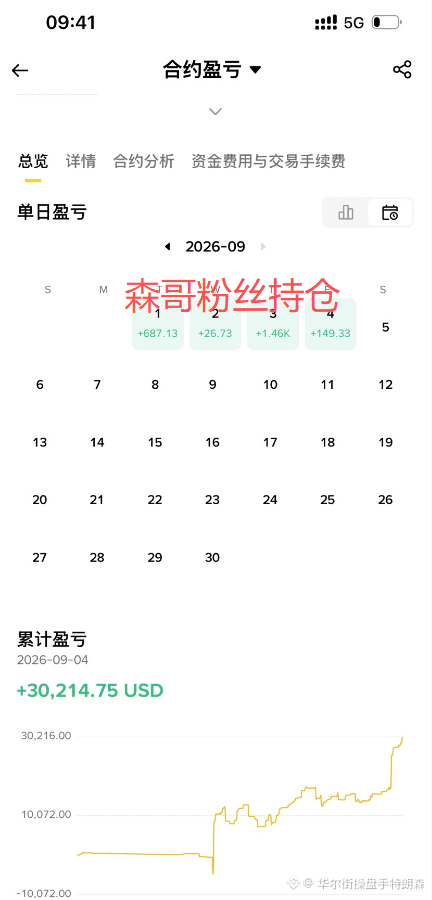
412
·
--
That set of “dirt-simple” trades for starting with a small amount—every sentence is a practical tip, no fluff.
Step one: start with 100U to probe the way and train your nerve with it$ETH
When I first started, I thought: even if I lose all 100U, it won’t hurt me. So I gave myself five chances to try and fail.
1. Focus on only one coin: pick the big pie ($BTC ). The order book is thick, not easy for the whales to squeeze you around casually—so your nerves stay steady.
2. Don’t chase too high a multiplier: use 20x. 100x is way too stimulating; I’m afraid my mindset would break first. 20x is enough to amplify your gains, and the risk is still controllable.$SNDK
3. Don’t max out your position: open with only half your principal each time—50U. Keep the other 50U as your backup, in case one sudden needle-jab sweeps you out.
4. Nail the rules down: take profit at 10% and leave—no emotional attachment to the candlesticks. Cut at -5%—no holding, no averaging down. Trade at most two orders per day. No matter whether it’s green or red, you stop there. That’s how I ground it for a month: from 500U up to 3000U. It doesn’t feel fast, but every step was solid.
Step two: let profits compound and grind the “snowball” bigger slowly
Once I had 3000U, I adjusted the strategy, but those hard-and-fast rules didn’t move.
1. Still trade half a position: when I had 3000U, I opened with 1500U each time.
2. Add when you’re right: for example, if 1500U earns 10% and becomes 1650U, then total funds become 3150U. The next entry uses half of that—1575U.
3. Pull back when you’re wrong: once a stop loss happens on any leg, immediately reduce the position back to the original 500U. Wait for a streak of correct trades, then increase slowly again. The hardest thing in this phase is that bit of patience. I spent four months—stacking small “meat” with one trade after another—to roll 500U up to 100k U.
Step three: wait for a big market move, then kick up in one leap
By the fifth month—early July last year—the chart finally put on a decent rally.
1. Increase your position size: because I had already built up profits and confidence, my single-entry ratio was raised to 70%.#以太坊XRPETF连涨终结
2. Hold on to it: earlier, I would run when I made 10%. This time, seeing the trend go smoothly, I raised the take-profit line to 30%.
3. Tighten the stop loss even more: at the same time, I narrowed the stop-loss level to ensure that if I misread the direction, it still won’t “break my bones.” In that one wave, I jumped straight from 25k U to 100k U.
This circle is never short of the next wave—what’s missing is the person who can hold themselves in check and not end up at zero. Remember it: slowly getting rich is the fastest way
#美国续请失业金人数降至177.9万
That set of “dirt-simple” trades for starting with a small amount—every sentence is a practical tip, no fluff.
Step one: start with 100U to probe the way and train your nerve with it$ETH
When I first started, I thought: even if I lose all 100U, it won’t hurt me. So I gave myself five chances to try and fail.
1. Focus on only one coin: pick the big pie ($BTC ). The order book is thick, not easy for the whales to squeeze you around casually—so your nerves stay steady.
2. Don’t chase too high a multiplier: use 20x. 100x is way too stimulating; I’m afraid my mindset would break first. 20x is enough to amplify your gains, and the risk is still controllable.$SNDK
3. Don’t max out your position: open with only half your principal each time—50U. Keep the other 50U as your backup, in case one sudden needle-jab sweeps you out.
4. Nail the rules down: take profit at 10% and leave—no emotional attachment to the candlesticks. Cut at -5%—no holding, no averaging down. Trade at most two orders per day. No matter whether it’s green or red, you stop there. That’s how I ground it for a month: from 500U up to 3000U. It doesn’t feel fast, but every step was solid.
Step two: let profits compound and grind the “snowball” bigger slowly
Once I had 3000U, I adjusted the strategy, but those hard-and-fast rules didn’t move.
1. Still trade half a position: when I had 3000U, I opened with 1500U each time.
2. Add when you’re right: for example, if 1500U earns 10% and becomes 1650U, then total funds become 3150U. The next entry uses half of that—1575U.
3. Pull back when you’re wrong: once a stop loss happens on any leg, immediately reduce the position back to the original 500U. Wait for a streak of correct trades, then increase slowly again. The hardest thing in this phase is that bit of patience. I spent four months—stacking small “meat” with one trade after another—to roll 500U up to 100k U.
Step three: wait for a big market move, then kick up in one leap
By the fifth month—early July last year—the chart finally put on a decent rally.
1. Increase your position size: because I had already built up profits and confidence, my single-entry ratio was raised to 70%.#以太坊XRPETF连涨终结
2. Hold on to it: earlier, I would run when I made 10%. This time, seeing the trend go smoothly, I raised the take-profit line to 30%.
3. Tighten the stop loss even more: at the same time, I narrowed the stop-loss level to ensure that if I misread the direction, it still won’t “break my bones.” In that one wave, I jumped straight from 25k U to 100k U.
This circle is never short of the next wave—what’s missing is the person who can hold themselves in check and not end up at zero. Remember it: slowly getting rich is the fastest way
#美国续请失业金人数降至177.9万
Step one: start with 100U to probe the way and train your nerve with it$ETH
When I first started, I thought: even if I lose all 100U, it won’t hurt me. So I gave myself five chances to try and fail.
1. Focus on only one coin: pick the big pie ($BTC ). The order book is thick, not easy for the whales to squeeze you around casually—so your nerves stay steady.
2. Don’t chase too high a multiplier: use 20x. 100x is way too stimulating; I’m afraid my mindset would break first. 20x is enough to amplify your gains, and the risk is still controllable.$SNDK
3. Don’t max out your position: open with only half your principal each time—50U. Keep the other 50U as your backup, in case one sudden needle-jab sweeps you out.
4. Nail the rules down: take profit at 10% and leave—no emotional attachment to the candlesticks. Cut at -5%—no holding, no averaging down. Trade at most two orders per day. No matter whether it’s green or red, you stop there. That’s how I ground it for a month: from 500U up to 3000U. It doesn’t feel fast, but every step was solid.
Step two: let profits compound and grind the “snowball” bigger slowly
Once I had 3000U, I adjusted the strategy, but those hard-and-fast rules didn’t move.
1. Still trade half a position: when I had 3000U, I opened with 1500U each time.
2. Add when you’re right: for example, if 1500U earns 10% and becomes 1650U, then total funds become 3150U. The next entry uses half of that—1575U.
3. Pull back when you’re wrong: once a stop loss happens on any leg, immediately reduce the position back to the original 500U. Wait for a streak of correct trades, then increase slowly again. The hardest thing in this phase is that bit of patience. I spent four months—stacking small “meat” with one trade after another—to roll 500U up to 100k U.
Step three: wait for a big market move, then kick up in one leap
By the fifth month—early July last year—the chart finally put on a decent rally.
1. Increase your position size: because I had already built up profits and confidence, my single-entry ratio was raised to 70%.#以太坊XRPETF连涨终结
2. Hold on to it: earlier, I would run when I made 10%. This time, seeing the trend go smoothly, I raised the take-profit line to 30%.
3. Tighten the stop loss even more: at the same time, I narrowed the stop-loss level to ensure that if I misread the direction, it still won’t “break my bones.” In that one wave, I jumped straight from 25k U to 100k U.
This circle is never short of the next wave—what’s missing is the person who can hold themselves in check and not end up at zero. Remember it: slowly getting rich is the fastest way
#美国续请失业金人数降至177.9万
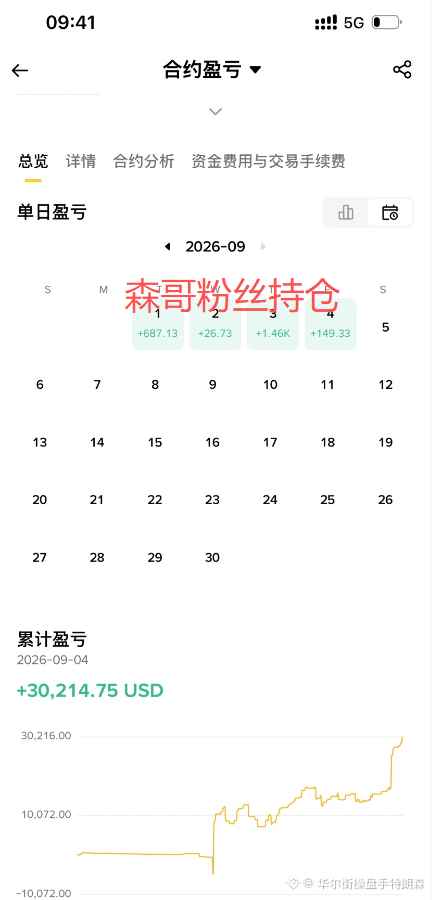
17
·
--
Let's talk about how beginners who just entered the market can avoid losses. Back in the day, I relied on this exact method to turn 2,000 yuan into nearly a million. The core is all about futures! $ETH
With 2,000 yuan in hand, converted to about 300U, you need to figure out how to increase your initial leverage. The most direct, no-frills way is to use contracts to amplify returns. $CHIP
First, we need to build up the principal step by step. Each time, put 100U into chasing that hot token, and set take-profit and stop-loss orders in advance. If you catch it right, you double and keep rolling it up—100 becomes 200, 200 becomes 400, and so on, step by step. But remember, at most three consecutive rounds, because luck plays a big part in this. You might get a few wins in a row, or you might fall into a ditch on the very first step. So keep your hand steady and don’t get carried away.
Second, once the principal gets to around 1100U, you can start using a more sophisticated combination strategy, with three approaches at once: #以太坊XRPETF连涨终结
1️⃣ The ultra-short-term move: use 100U for a 15-minute quick trade. Take your profit and leave, no fighting the market. It’s fast, but the risk is also high, so it’s better to choose major coins like BTC or ETH for more stability.
2️⃣ The single-strategy part: use a small position, such as 15U, for 4-hour contracts. Don’t rush. Set up regular weekly buys into BTC; over time, that can also build into a hefty sum.
3️⃣ The trend trade: this is the main event. Once you judge the market direction correctly, go straight in. Big money is made from this step. But I need to remind you: this requires some market judgment. Figure out the risk-reward ratio before you act
$MarsCoin
In this game, trading contracts is not about blindly placing bets. You need a complete system, clear position sizing, and strict take-profit and stop-loss lines. Turning 2,000 yuan into nearly a million sounds outrageous, but if you sharpen these skills and follow the rules on every trade, that million-yuan door can slowly be pushed open over time, step by step!
#雪花公司财报超预期股价涨24%
Let's talk about how beginners who just entered the market can avoid losses. Back in the day, I relied on this exact method to turn 2,000 yuan into nearly a million. The core is all about futures! $ETH
With 2,000 yuan in hand, converted to about 300U, you need to figure out how to increase your initial leverage. The most direct, no-frills way is to use contracts to amplify returns. $CHIP
First, we need to build up the principal step by step. Each time, put 100U into chasing that hot token, and set take-profit and stop-loss orders in advance. If you catch it right, you double and keep rolling it up—100 becomes 200, 200 becomes 400, and so on, step by step. But remember, at most three consecutive rounds, because luck plays a big part in this. You might get a few wins in a row, or you might fall into a ditch on the very first step. So keep your hand steady and don’t get carried away.
Second, once the principal gets to around 1100U, you can start using a more sophisticated combination strategy, with three approaches at once: #以太坊XRPETF连涨终结
1️⃣ The ultra-short-term move: use 100U for a 15-minute quick trade. Take your profit and leave, no fighting the market. It’s fast, but the risk is also high, so it’s better to choose major coins like BTC or ETH for more stability.
2️⃣ The single-strategy part: use a small position, such as 15U, for 4-hour contracts. Don’t rush. Set up regular weekly buys into BTC; over time, that can also build into a hefty sum.
3️⃣ The trend trade: this is the main event. Once you judge the market direction correctly, go straight in. Big money is made from this step. But I need to remind you: this requires some market judgment. Figure out the risk-reward ratio before you act
$MarsCoin
In this game, trading contracts is not about blindly placing bets. You need a complete system, clear position sizing, and strict take-profit and stop-loss lines. Turning 2,000 yuan into nearly a million sounds outrageous, but if you sharpen these skills and follow the rules on every trade, that million-yuan door can slowly be pushed open over time, step by step!
#雪花公司财报超预期股价涨24%
With 2,000 yuan in hand, converted to about 300U, you need to figure out how to increase your initial leverage. The most direct, no-frills way is to use contracts to amplify returns. $CHIP
First, we need to build up the principal step by step. Each time, put 100U into chasing that hot token, and set take-profit and stop-loss orders in advance. If you catch it right, you double and keep rolling it up—100 becomes 200, 200 becomes 400, and so on, step by step. But remember, at most three consecutive rounds, because luck plays a big part in this. You might get a few wins in a row, or you might fall into a ditch on the very first step. So keep your hand steady and don’t get carried away.
Second, once the principal gets to around 1100U, you can start using a more sophisticated combination strategy, with three approaches at once: #以太坊XRPETF连涨终结
1️⃣ The ultra-short-term move: use 100U for a 15-minute quick trade. Take your profit and leave, no fighting the market. It’s fast, but the risk is also high, so it’s better to choose major coins like BTC or ETH for more stability.
2️⃣ The single-strategy part: use a small position, such as 15U, for 4-hour contracts. Don’t rush. Set up regular weekly buys into BTC; over time, that can also build into a hefty sum.
3️⃣ The trend trade: this is the main event. Once you judge the market direction correctly, go straight in. Big money is made from this step. But I need to remind you: this requires some market judgment. Figure out the risk-reward ratio before you act
$MarsCoin
In this game, trading contracts is not about blindly placing bets. You need a complete system, clear position sizing, and strict take-profit and stop-loss lines. Turning 2,000 yuan into nearly a million sounds outrageous, but if you sharpen these skills and follow the rules on every trade, that million-yuan door can slowly be pushed open over time, step by step!
#雪花公司财报超预期股价涨24%
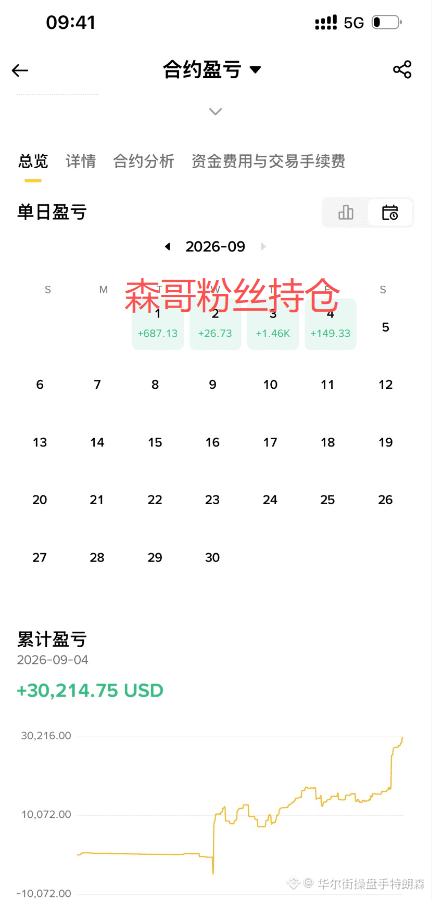
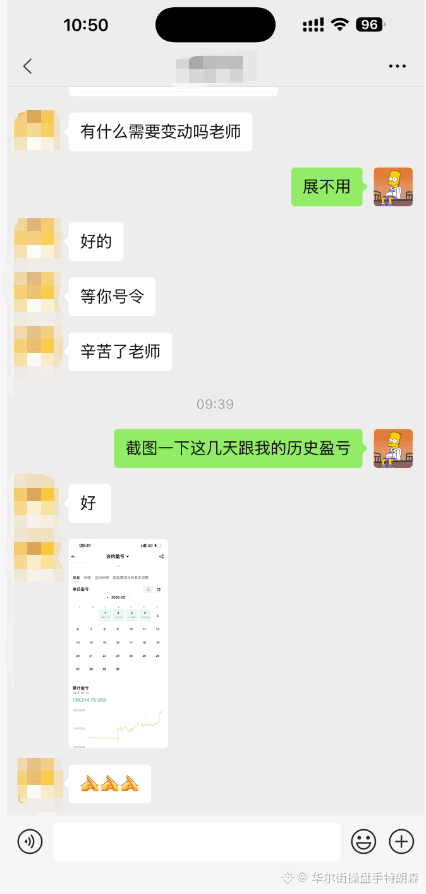
21
·
--
Brothers with less than 1000U in the pocket—don’t rush to try to turn it into multiple times. The first move is simply staying alive and not going to zero.
If your principal is still stuck within 1000U, then let me hit you with something that doesn’t sound nice but is the most real: $CHIP .
What you need to grind right now isn’t how to chew through profits faster—it’s how not to get sliced out by the order book like it’s fuel.
Before, there was an old fan who started with 900U and, in 5 months, scratched his way up to 38,000U. Not a single liquidation event the whole time, not even once did he suffer a major drawdown. It wasn’t luck—just a “looks kind of dumb” strategy. Step one: you must split the money. Don’t go all-in at the top.
Split the 900U into three parts: 300U to trade intraday—wait for that visible, high-confidence setup. One order a day at most; don’t always chase for “market feel.” 300U to grind the swing—just wait, dead-still, for the trend to show itself before entering; it might take ten days or half a month before that entry comes. Leave the remaining 300U as a back-up card, welded and unmoving. That’s the confidence to get stabbed and still be able to stand back up and keep working.
Remember this: going all-in isn’t “big courage,” it’s using old capital to risk your life by gambling on the size of the move.
Step two: only trade the slice you can actually understand. Don’t touch the sideways-chop part. If the direction is blurry, just wait and act when it’s clear.
A lot of people don’t lose because they can’t read charts—it’s because they want to reach out and catch every kind of volatility. The market shakes up and down every day, but not every day has the bite that belongs to you.
Step three: weld the rules in advance—don’t let emotions drag you around when you place trades. Lose 2%? Cut immediately with eyes closed; treat the stop-loss as the ticket price. If you’re up 4% green? Dump a portion and lock it away. Once your account profit has clawed past 20% of your principal, transfer some out to your wallet right away—don’t let the meat you’ve bitten into get spit back into the market.
The worst thing you can do is to lose and then average down, then harden up and refuse to cut, telling yourself “it’s definitely going to come back.”
Now that brother’s account has been ground up to 50,000U. Even more important: he doesn’t have to weld himself to the screen every night for big-night stress. He just spends a dozen minutes checking the position, then presses the buttons according to the plan.
In this circle, the real way to help you move fast isn’t chasing doubles every day—it’s first ensuring that whatever small amount of money you have in your pocket keeps existing.
Split your funds, wait for signals, lock the pace. It doesn’t sound exciting, but it can help you avoid countless dead-end turns.
For small capital, the first goal is never “how much to win.” It’s to survive long enough in this grind without going to zero. No hype, no empty promises. If you’re stuck in that loop—losing back and forth, getting liquidated, averaging back, and then sending it away again—come talk to me. I’ll help you reduce trading to the most “earthy,” least-deadly version.
Brothers with less than 1000U in the pocket—don’t rush to try to turn it into multiple times. The first move is simply staying alive and not going to zero.
If your principal is still stuck within 1000U, then let me hit you with something that doesn’t sound nice but is the most real: $CHIP .
What you need to grind right now isn’t how to chew through profits faster—it’s how not to get sliced out by the order book like it’s fuel.
Before, there was an old fan who started with 900U and, in 5 months, scratched his way up to 38,000U. Not a single liquidation event the whole time, not even once did he suffer a major drawdown. It wasn’t luck—just a “looks kind of dumb” strategy. Step one: you must split the money. Don’t go all-in at the top.
Split the 900U into three parts: 300U to trade intraday—wait for that visible, high-confidence setup. One order a day at most; don’t always chase for “market feel.” 300U to grind the swing—just wait, dead-still, for the trend to show itself before entering; it might take ten days or half a month before that entry comes. Leave the remaining 300U as a back-up card, welded and unmoving. That’s the confidence to get stabbed and still be able to stand back up and keep working.
Remember this: going all-in isn’t “big courage,” it’s using old capital to risk your life by gambling on the size of the move.
Step two: only trade the slice you can actually understand. Don’t touch the sideways-chop part. If the direction is blurry, just wait and act when it’s clear.
A lot of people don’t lose because they can’t read charts—it’s because they want to reach out and catch every kind of volatility. The market shakes up and down every day, but not every day has the bite that belongs to you.
Step three: weld the rules in advance—don’t let emotions drag you around when you place trades. Lose 2%? Cut immediately with eyes closed; treat the stop-loss as the ticket price. If you’re up 4% green? Dump a portion and lock it away. Once your account profit has clawed past 20% of your principal, transfer some out to your wallet right away—don’t let the meat you’ve bitten into get spit back into the market.
The worst thing you can do is to lose and then average down, then harden up and refuse to cut, telling yourself “it’s definitely going to come back.”
Now that brother’s account has been ground up to 50,000U. Even more important: he doesn’t have to weld himself to the screen every night for big-night stress. He just spends a dozen minutes checking the position, then presses the buttons according to the plan.
In this circle, the real way to help you move fast isn’t chasing doubles every day—it’s first ensuring that whatever small amount of money you have in your pocket keeps existing.
Split your funds, wait for signals, lock the pace. It doesn’t sound exciting, but it can help you avoid countless dead-end turns.
For small capital, the first goal is never “how much to win.” It’s to survive long enough in this grind without going to zero. No hype, no empty promises. If you’re stuck in that loop—losing back and forth, getting liquidated, averaging back, and then sending it away again—come talk to me. I’ll help you reduce trading to the most “earthy,” least-deadly version.
If your principal is still stuck within 1000U, then let me hit you with something that doesn’t sound nice but is the most real: $CHIP .
What you need to grind right now isn’t how to chew through profits faster—it’s how not to get sliced out by the order book like it’s fuel.
Before, there was an old fan who started with 900U and, in 5 months, scratched his way up to 38,000U. Not a single liquidation event the whole time, not even once did he suffer a major drawdown. It wasn’t luck—just a “looks kind of dumb” strategy. Step one: you must split the money. Don’t go all-in at the top.
Split the 900U into three parts: 300U to trade intraday—wait for that visible, high-confidence setup. One order a day at most; don’t always chase for “market feel.” 300U to grind the swing—just wait, dead-still, for the trend to show itself before entering; it might take ten days or half a month before that entry comes. Leave the remaining 300U as a back-up card, welded and unmoving. That’s the confidence to get stabbed and still be able to stand back up and keep working.
Remember this: going all-in isn’t “big courage,” it’s using old capital to risk your life by gambling on the size of the move.
Step two: only trade the slice you can actually understand. Don’t touch the sideways-chop part. If the direction is blurry, just wait and act when it’s clear.
A lot of people don’t lose because they can’t read charts—it’s because they want to reach out and catch every kind of volatility. The market shakes up and down every day, but not every day has the bite that belongs to you.
Step three: weld the rules in advance—don’t let emotions drag you around when you place trades. Lose 2%? Cut immediately with eyes closed; treat the stop-loss as the ticket price. If you’re up 4% green? Dump a portion and lock it away. Once your account profit has clawed past 20% of your principal, transfer some out to your wallet right away—don’t let the meat you’ve bitten into get spit back into the market.
The worst thing you can do is to lose and then average down, then harden up and refuse to cut, telling yourself “it’s definitely going to come back.”
Now that brother’s account has been ground up to 50,000U. Even more important: he doesn’t have to weld himself to the screen every night for big-night stress. He just spends a dozen minutes checking the position, then presses the buttons according to the plan.
In this circle, the real way to help you move fast isn’t chasing doubles every day—it’s first ensuring that whatever small amount of money you have in your pocket keeps existing.
Split your funds, wait for signals, lock the pace. It doesn’t sound exciting, but it can help you avoid countless dead-end turns.
For small capital, the first goal is never “how much to win.” It’s to survive long enough in this grind without going to zero. No hype, no empty promises. If you’re stuck in that loop—losing back and forth, getting liquidated, averaging back, and then sending it away again—come talk to me. I’ll help you reduce trading to the most “earthy,” least-deadly version.
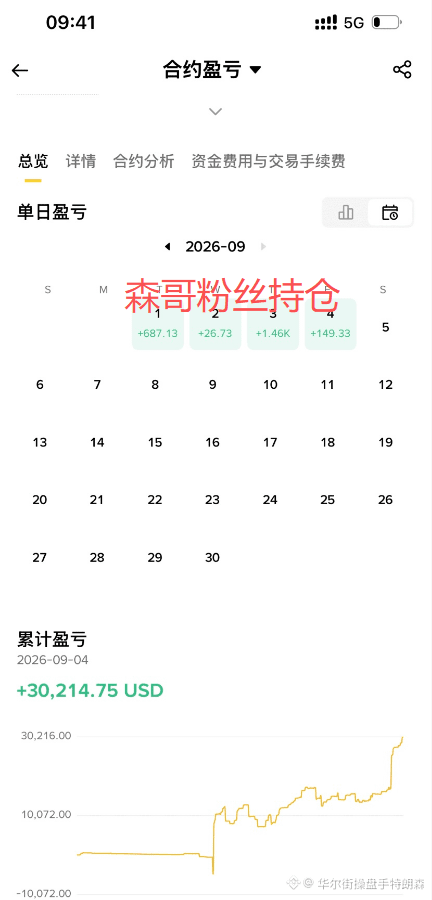
1
190
·
--
$CHIP This coin this round should be able to ride up to 0.95!
It falls under the AI concept category!
The fundamentals are still pretty solid!
This year, as a dark horse, it’ll most likely be it—no question!
$CHIP This coin this round should be able to ride up to 0.95!
It falls under the AI concept category!
The fundamentals are still pretty solid!
This year, as a dark horse, it’ll most likely be it—no question!
It falls under the AI concept category!
The fundamentals are still pretty solid!
This year, as a dark horse, it’ll most likely be it—no question!
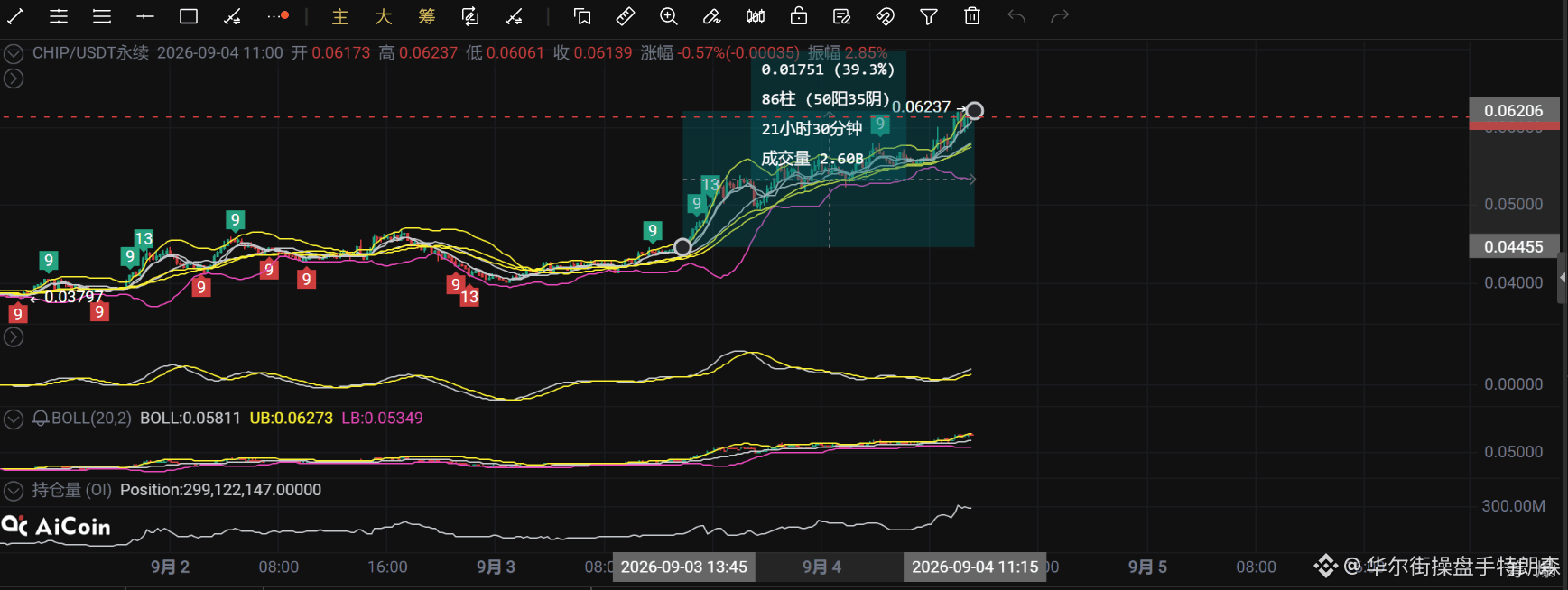
186
·
--
There’s no finish line on this board—only step by step, you have to re-start with every move.$BICO
If you still don’t have 5,000U in your pocket, yet you keep calculating every day, “Go all-in and flip it back,” I suggest you close the app and take a couple of days off first. This isn’t a casino where you come to guess the big or small—it’s a place for strategy, patience, and hard endurance under rules.
The thinner your principal, the more you need to hold down that impulse to get swept up. Last year, I led a brand-new newcomer. He went in with 700U right from the start and, after four months, he skimmed his way up to 17,000U. After another half year, he stabilized at 26,000U. Throughout the entire time, he never once triggered a liquidation pop-up—this wasn’t luck. It was those “dead rules” welded into his bones.
$ETH
First rule: Split your money.
Small capital fears the most is going all-in on a single bet. I made him cut the money in his pocket into three parts: one part to trade intraday—only trade those two big benchmarks, BTC and ETH. Once he’s shaken enough, he exits. One part to grind through swing trades—when the trend shows up, he enters; he takes profit by pulling back the original principal once he’s bitten into real gains. Finally, the last part is the ace, sealed in place—no matter how crazy the chart gets, you don’t move it. The security that lets you sleep at night isn’t having your position “barely not full”—it’s keeping that segment of bullets in your pocket, never firing it all out.$TUT
Second rule: Control the rhythm.#CLARITY法案2026年立法概率15%
Eighty percent of the time you do one thing—do nothing. The other twenty percent: when signals arrive, you bite hard. If you don’t have the mindset, just lie low and wait; set your stop-loss early to guard against that tiny “hair-trigger” spike. Only when the direction truly appears—when key moving averages get pierced, when money starts flowing in—then you take your step. If you’ve bitten through 10%, pull back the principal first; let the rest of that remaining slice roll forward with the floating profit. When the money is locked in, your heart won’t be jittery.
Third rule: Use lines to lock in your emotions
If a single-leg loss doesn’t exceed 1%, then if you got it wrong, close your eyes and cut it—no excuses. When you reach the goal, reduce by a portion and tuck it back into your pocket. The most crucial one: do not add to the position after you’ve lost. You’re not losing to the line on the chart—you’re losing to that little “what if it rebounds” luck and unwillingness in your mind.
Opportunities on this board will always be tomorrow. But the people who fire all their bullets with the first step don’t even have the qualification to sit at the next round. Trading 700U up to 26,000U—what you won wasn’t guessing which one bullish candle to catch. It was the discipline that stays steady and doesn’t wobble under rules. If you’re still lost, you’re also welcome to come chat.
I’ve been here. As long as you want to improve, I’ll go forward with you. In the coin world, to stay alive—you only then deserve the next chance.
#SEC新规拟吸引加密企业回流美国
There’s no finish line on this board—only step by step, you have to re-start with every move.$BICO
If you still don’t have 5,000U in your pocket, yet you keep calculating every day, “Go all-in and flip it back,” I suggest you close the app and take a couple of days off first. This isn’t a casino where you come to guess the big or small—it’s a place for strategy, patience, and hard endurance under rules.
The thinner your principal, the more you need to hold down that impulse to get swept up. Last year, I led a brand-new newcomer. He went in with 700U right from the start and, after four months, he skimmed his way up to 17,000U. After another half year, he stabilized at 26,000U. Throughout the entire time, he never once triggered a liquidation pop-up—this wasn’t luck. It was those “dead rules” welded into his bones.
$ETH
First rule: Split your money.
Small capital fears the most is going all-in on a single bet. I made him cut the money in his pocket into three parts: one part to trade intraday—only trade those two big benchmarks, BTC and ETH. Once he’s shaken enough, he exits. One part to grind through swing trades—when the trend shows up, he enters; he takes profit by pulling back the original principal once he’s bitten into real gains. Finally, the last part is the ace, sealed in place—no matter how crazy the chart gets, you don’t move it. The security that lets you sleep at night isn’t having your position “barely not full”—it’s keeping that segment of bullets in your pocket, never firing it all out.$TUT
Second rule: Control the rhythm.#CLARITY法案2026年立法概率15%
Eighty percent of the time you do one thing—do nothing. The other twenty percent: when signals arrive, you bite hard. If you don’t have the mindset, just lie low and wait; set your stop-loss early to guard against that tiny “hair-trigger” spike. Only when the direction truly appears—when key moving averages get pierced, when money starts flowing in—then you take your step. If you’ve bitten through 10%, pull back the principal first; let the rest of that remaining slice roll forward with the floating profit. When the money is locked in, your heart won’t be jittery.
Third rule: Use lines to lock in your emotions
If a single-leg loss doesn’t exceed 1%, then if you got it wrong, close your eyes and cut it—no excuses. When you reach the goal, reduce by a portion and tuck it back into your pocket. The most crucial one: do not add to the position after you’ve lost. You’re not losing to the line on the chart—you’re losing to that little “what if it rebounds” luck and unwillingness in your mind.
Opportunities on this board will always be tomorrow. But the people who fire all their bullets with the first step don’t even have the qualification to sit at the next round. Trading 700U up to 26,000U—what you won wasn’t guessing which one bullish candle to catch. It was the discipline that stays steady and doesn’t wobble under rules. If you’re still lost, you’re also welcome to come chat.
I’ve been here. As long as you want to improve, I’ll go forward with you. In the coin world, to stay alive—you only then deserve the next chance.
#SEC新规拟吸引加密企业回流美国
If you still don’t have 5,000U in your pocket, yet you keep calculating every day, “Go all-in and flip it back,” I suggest you close the app and take a couple of days off first. This isn’t a casino where you come to guess the big or small—it’s a place for strategy, patience, and hard endurance under rules.
The thinner your principal, the more you need to hold down that impulse to get swept up. Last year, I led a brand-new newcomer. He went in with 700U right from the start and, after four months, he skimmed his way up to 17,000U. After another half year, he stabilized at 26,000U. Throughout the entire time, he never once triggered a liquidation pop-up—this wasn’t luck. It was those “dead rules” welded into his bones.
$ETH
First rule: Split your money.
Small capital fears the most is going all-in on a single bet. I made him cut the money in his pocket into three parts: one part to trade intraday—only trade those two big benchmarks, BTC and ETH. Once he’s shaken enough, he exits. One part to grind through swing trades—when the trend shows up, he enters; he takes profit by pulling back the original principal once he’s bitten into real gains. Finally, the last part is the ace, sealed in place—no matter how crazy the chart gets, you don’t move it. The security that lets you sleep at night isn’t having your position “barely not full”—it’s keeping that segment of bullets in your pocket, never firing it all out.$TUT
Second rule: Control the rhythm.#CLARITY法案2026年立法概率15%
Eighty percent of the time you do one thing—do nothing. The other twenty percent: when signals arrive, you bite hard. If you don’t have the mindset, just lie low and wait; set your stop-loss early to guard against that tiny “hair-trigger” spike. Only when the direction truly appears—when key moving averages get pierced, when money starts flowing in—then you take your step. If you’ve bitten through 10%, pull back the principal first; let the rest of that remaining slice roll forward with the floating profit. When the money is locked in, your heart won’t be jittery.
Third rule: Use lines to lock in your emotions
If a single-leg loss doesn’t exceed 1%, then if you got it wrong, close your eyes and cut it—no excuses. When you reach the goal, reduce by a portion and tuck it back into your pocket. The most crucial one: do not add to the position after you’ve lost. You’re not losing to the line on the chart—you’re losing to that little “what if it rebounds” luck and unwillingness in your mind.
Opportunities on this board will always be tomorrow. But the people who fire all their bullets with the first step don’t even have the qualification to sit at the next round. Trading 700U up to 26,000U—what you won wasn’t guessing which one bullish candle to catch. It was the discipline that stays steady and doesn’t wobble under rules. If you’re still lost, you’re also welcome to come chat.
I’ve been here. As long as you want to improve, I’ll go forward with you. In the coin world, to stay alive—you only then deserve the next chance.
#SEC新规拟吸引加密企业回流美国
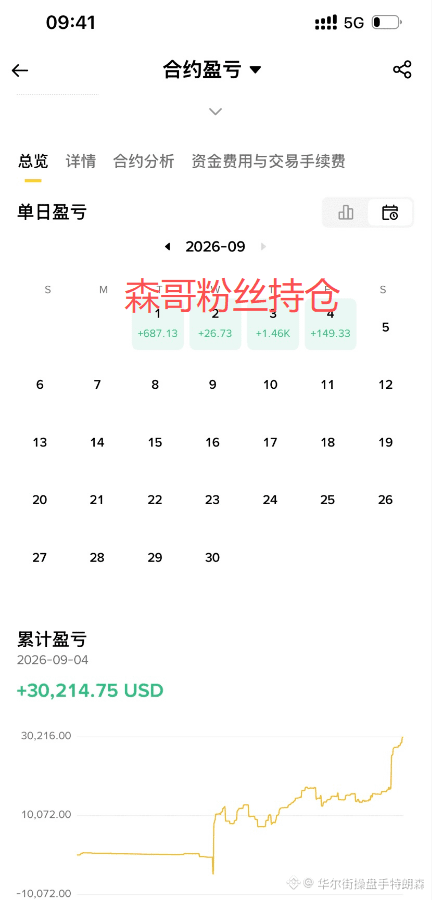
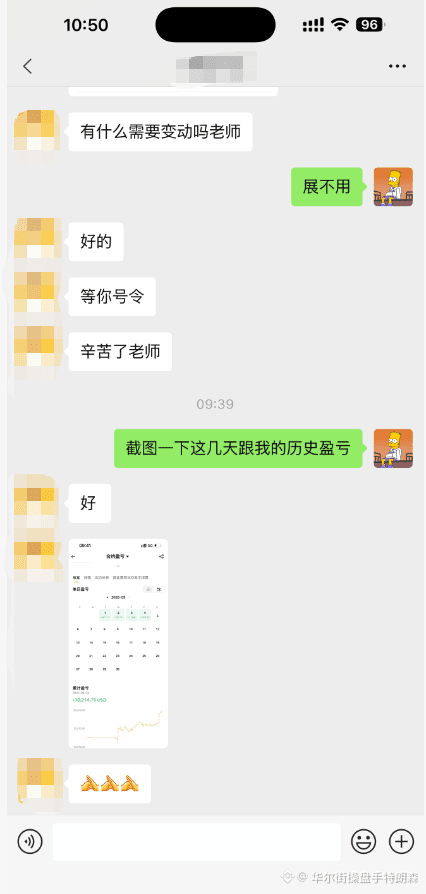
19
·
--
If your principal in your pocket is stuck within 100,000, there’s a very old-school trading method that can keep you from blowing up in this market! $TUT
An unflashy but effective dumb method that almost never kills you! Brothers who followed it have already made seven figures! $BMT
This method has only four steps. It’s not complicated, but it can really carve out some meat. $UAI
Step 1: Pick the target. Open the daily chart and only look at coins whose MACD has just formed a golden cross. Prioritize the ones where the golden cross is above the zero line—that’s the strongest condition for a high hit rate!
Step 2: Entry and exit signals. Switch to the daily chart and watch just one line—the daily moving average. The rule is fixed: if the price is above the line, buy in and hold; once it breaks below the daily moving average, sell everything immediately without hesitation.
Step 3: Position sizing. After buying in, watch price and volume: if the coin price breaks above the daily moving average and trading volume is also above the daily average volume, go in with full position. For selling, do it like this: after a gain of more than 40%, sell one-third first; after a gain of more than 80%, sell another one-third; if it breaks below the daily moving average, clear out the rest in one go. #美国续请失业金人数降至177.9万
Step 4: Stop loss like a steel plate. The daily moving average is our lifeline. If the next day it suddenly breaks below the daily moving average, no matter the reason, sell everything and don’t make excuses! Although the chance of missing out when screening this way is very low, risk awareness cannot be relaxed. After selling, wait; once the price stabilizes again above the daily moving average, buy back in.
This method is easy to learn and is best for people who want to steadily take profits. Remember, whether it works depends entirely on whether you can follow the steps you’ve set and not get dragged around by emotions!!
If you’re still stuck in that vicious cycle of chasing highs and selling lows, or you simply can’t tell when to enter or when to sell, come chat with me and I’ll explain it to you face to face.
#美国初请失业金人数升至20.6万
If your principal in your pocket is stuck within 100,000, there’s a very old-school trading method that can keep you from blowing up in this market! $TUT
An unflashy but effective dumb method that almost never kills you! Brothers who followed it have already made seven figures! $BMT
This method has only four steps. It’s not complicated, but it can really carve out some meat. $UAI
Step 1: Pick the target. Open the daily chart and only look at coins whose MACD has just formed a golden cross. Prioritize the ones where the golden cross is above the zero line—that’s the strongest condition for a high hit rate!
Step 2: Entry and exit signals. Switch to the daily chart and watch just one line—the daily moving average. The rule is fixed: if the price is above the line, buy in and hold; once it breaks below the daily moving average, sell everything immediately without hesitation.
Step 3: Position sizing. After buying in, watch price and volume: if the coin price breaks above the daily moving average and trading volume is also above the daily average volume, go in with full position. For selling, do it like this: after a gain of more than 40%, sell one-third first; after a gain of more than 80%, sell another one-third; if it breaks below the daily moving average, clear out the rest in one go. #美国续请失业金人数降至177.9万
Step 4: Stop loss like a steel plate. The daily moving average is our lifeline. If the next day it suddenly breaks below the daily moving average, no matter the reason, sell everything and don’t make excuses! Although the chance of missing out when screening this way is very low, risk awareness cannot be relaxed. After selling, wait; once the price stabilizes again above the daily moving average, buy back in.
This method is easy to learn and is best for people who want to steadily take profits. Remember, whether it works depends entirely on whether you can follow the steps you’ve set and not get dragged around by emotions!!
If you’re still stuck in that vicious cycle of chasing highs and selling lows, or you simply can’t tell when to enter or when to sell, come chat with me and I’ll explain it to you face to face.
#美国初请失业金人数升至20.6万
An unflashy but effective dumb method that almost never kills you! Brothers who followed it have already made seven figures! $BMT
This method has only four steps. It’s not complicated, but it can really carve out some meat. $UAI
Step 1: Pick the target. Open the daily chart and only look at coins whose MACD has just formed a golden cross. Prioritize the ones where the golden cross is above the zero line—that’s the strongest condition for a high hit rate!
Step 2: Entry and exit signals. Switch to the daily chart and watch just one line—the daily moving average. The rule is fixed: if the price is above the line, buy in and hold; once it breaks below the daily moving average, sell everything immediately without hesitation.
Step 3: Position sizing. After buying in, watch price and volume: if the coin price breaks above the daily moving average and trading volume is also above the daily average volume, go in with full position. For selling, do it like this: after a gain of more than 40%, sell one-third first; after a gain of more than 80%, sell another one-third; if it breaks below the daily moving average, clear out the rest in one go. #美国续请失业金人数降至177.9万
Step 4: Stop loss like a steel plate. The daily moving average is our lifeline. If the next day it suddenly breaks below the daily moving average, no matter the reason, sell everything and don’t make excuses! Although the chance of missing out when screening this way is very low, risk awareness cannot be relaxed. After selling, wait; once the price stabilizes again above the daily moving average, buy back in.
This method is easy to learn and is best for people who want to steadily take profits. Remember, whether it works depends entirely on whether you can follow the steps you’ve set and not get dragged around by emotions!!
If you’re still stuck in that vicious cycle of chasing highs and selling lows, or you simply can’t tell when to enter or when to sell, come chat with me and I’ll explain it to you face to face.
#美国初请失业金人数升至20.6万
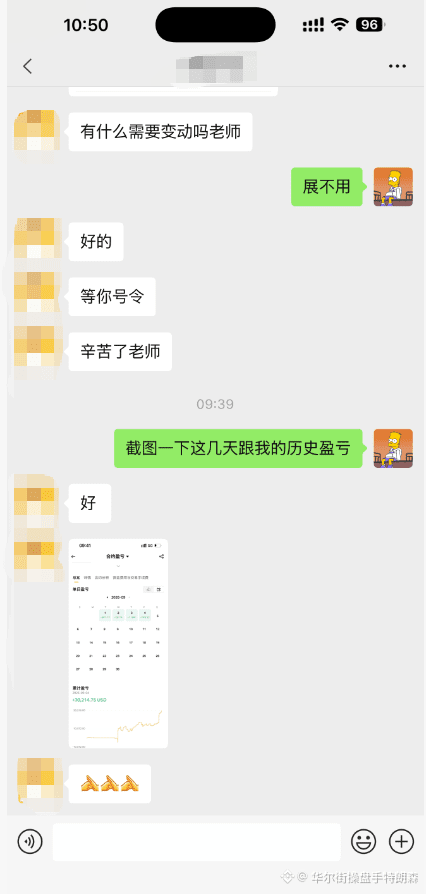
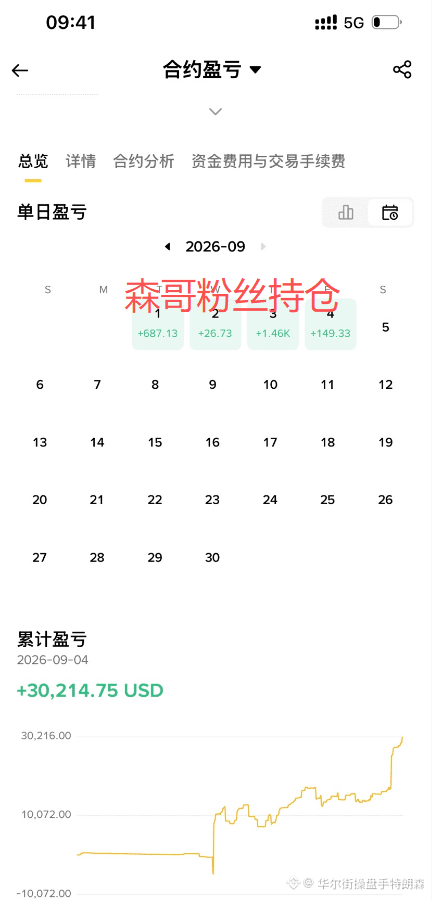
45
·
--
Can you break out 1 million in this kind of market in a year? $BICO
Let me be blunt—yes, but you have to lock in the trade plan and not just make random moves. I’ll give everyone a simple single-leg playbook, no flash:
Split the money in your pocket into five equal parts. If you have 10,000, split it into five lots, and each time you only throw out 2,000. $TUT
Use that first portion to buy one coin at the current price.
When the coin price drops by 10%, add in another portion. $ETH
When it rebounds and bumps up by 10% again, sell off that portion and take it back to your pocket.
Repeat that back-and-forth grind on the swings until either all five portions are spent or the coins in your hand are completely dumped.
Run this loop and once the money is in, even if the market keeps sinking you won’t panic, because the deeper it falls, the more chances you have to keep picking up cheap. Plainly speaking: if all five portions get used up, the coin’s price will have already “scraped off” nearly half of the move. This isn’t that kind of extreme “big chart waterfall” scenario where it immediately collapses overnight. Do the math and you’ll get it—each time you dump out, you reliably bite 10% of the gain. Take a total position of 100,000 as an example: you push out 20,000 each time, so each step locks in about 2,000U into your pocket.
Of course, this strategy has its awkward sides too. A 10% swing is a bit wide—it can get stuck and not fill, wasting time. The money just sits there doing nothing, or gets tied up by a coin that won’t free up, and then efficiency gets ground away. #美国初请失业金人数升至20.6万
But that part is easy to fix—just tighten the volatility threshold a bit. For example, pick assets that move steadily. When that frees up some cash, you can casually park it in an interest-earning product (like Binance’s financial options) to get a little yield, so you’re not completely idle while waiting for the market to shift.
If you keep doing random pokes on your own, you’ll never find the door. Tap follow and stick close—let me show you the real picks that you can pull out of the mud with real upside. If you’ve got a top-tier route in hand,回血 and turning a loss into a profit can be set up anytime—Big Brother Sen is here waiting for you, come say a couple words. #美国续请失业金人数降至177.9万
Can you break out 1 million in this kind of market in a year? $BICO
Let me be blunt—yes, but you have to lock in the trade plan and not just make random moves. I’ll give everyone a simple single-leg playbook, no flash:
Split the money in your pocket into five equal parts. If you have 10,000, split it into five lots, and each time you only throw out 2,000. $TUT
Use that first portion to buy one coin at the current price.
When the coin price drops by 10%, add in another portion. $ETH
When it rebounds and bumps up by 10% again, sell off that portion and take it back to your pocket.
Repeat that back-and-forth grind on the swings until either all five portions are spent or the coins in your hand are completely dumped.
Run this loop and once the money is in, even if the market keeps sinking you won’t panic, because the deeper it falls, the more chances you have to keep picking up cheap. Plainly speaking: if all five portions get used up, the coin’s price will have already “scraped off” nearly half of the move. This isn’t that kind of extreme “big chart waterfall” scenario where it immediately collapses overnight. Do the math and you’ll get it—each time you dump out, you reliably bite 10% of the gain. Take a total position of 100,000 as an example: you push out 20,000 each time, so each step locks in about 2,000U into your pocket.
Of course, this strategy has its awkward sides too. A 10% swing is a bit wide—it can get stuck and not fill, wasting time. The money just sits there doing nothing, or gets tied up by a coin that won’t free up, and then efficiency gets ground away. #美国初请失业金人数升至20.6万
But that part is easy to fix—just tighten the volatility threshold a bit. For example, pick assets that move steadily. When that frees up some cash, you can casually park it in an interest-earning product (like Binance’s financial options) to get a little yield, so you’re not completely idle while waiting for the market to shift.
If you keep doing random pokes on your own, you’ll never find the door. Tap follow and stick close—let me show you the real picks that you can pull out of the mud with real upside. If you’ve got a top-tier route in hand,回血 and turning a loss into a profit can be set up anytime—Big Brother Sen is here waiting for you, come say a couple words. #美国续请失业金人数降至177.9万
Let me be blunt—yes, but you have to lock in the trade plan and not just make random moves. I’ll give everyone a simple single-leg playbook, no flash:
Split the money in your pocket into five equal parts. If you have 10,000, split it into five lots, and each time you only throw out 2,000. $TUT
Use that first portion to buy one coin at the current price.
When the coin price drops by 10%, add in another portion. $ETH
When it rebounds and bumps up by 10% again, sell off that portion and take it back to your pocket.
Repeat that back-and-forth grind on the swings until either all five portions are spent or the coins in your hand are completely dumped.
Run this loop and once the money is in, even if the market keeps sinking you won’t panic, because the deeper it falls, the more chances you have to keep picking up cheap. Plainly speaking: if all five portions get used up, the coin’s price will have already “scraped off” nearly half of the move. This isn’t that kind of extreme “big chart waterfall” scenario where it immediately collapses overnight. Do the math and you’ll get it—each time you dump out, you reliably bite 10% of the gain. Take a total position of 100,000 as an example: you push out 20,000 each time, so each step locks in about 2,000U into your pocket.
Of course, this strategy has its awkward sides too. A 10% swing is a bit wide—it can get stuck and not fill, wasting time. The money just sits there doing nothing, or gets tied up by a coin that won’t free up, and then efficiency gets ground away. #美国初请失业金人数升至20.6万
But that part is easy to fix—just tighten the volatility threshold a bit. For example, pick assets that move steadily. When that frees up some cash, you can casually park it in an interest-earning product (like Binance’s financial options) to get a little yield, so you’re not completely idle while waiting for the market to shift.
If you keep doing random pokes on your own, you’ll never find the door. Tap follow and stick close—let me show you the real picks that you can pull out of the mud with real upside. If you’ve got a top-tier route in hand,回血 and turning a loss into a profit can be set up anytime—Big Brother Sen is here waiting for you, come say a couple words. #美国续请失业金人数降至177.9万
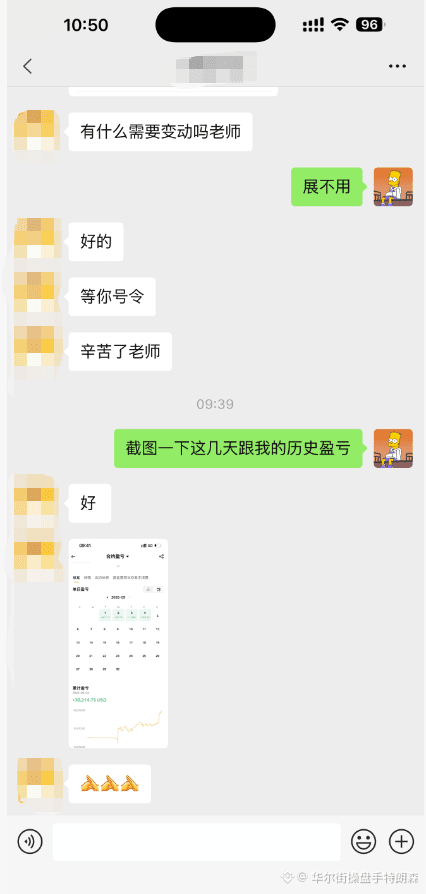
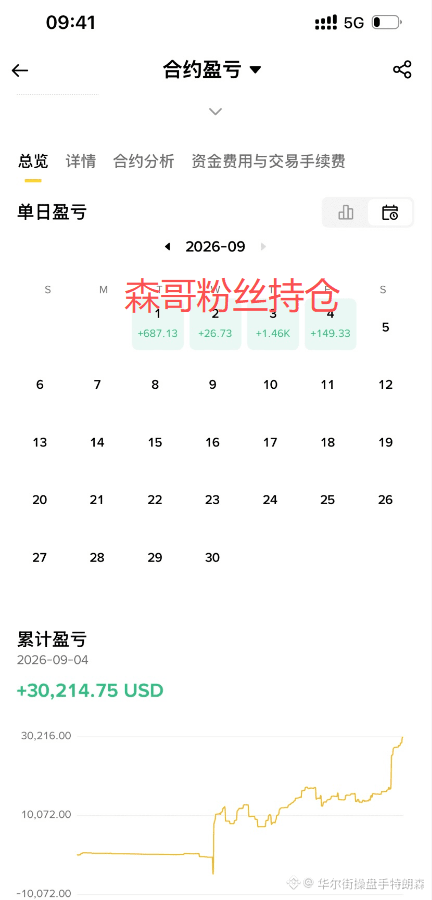
32
·
--
Can you make 1 million from this market in a year? $BMT
I’ll be blunt — yes, but you have to get the right approach and not charge in blindly. Let me lay out a simple, no-frills trading method for everyone: $龙虾
Split the money in your pocket into five equal parts. If you have 10,000, break it into five parts and only put out 2,000 at a time. $GUA
Use one of those parts to buy a coin at the current price.
If the coin price drops 10%, add another part.
If it then turns around and rises 10%, sell that part and take the profit.
Repeat this back-and-forth until all five parts are used up or all the coins in hand are sold out.
With this method, as long as you’ve entered a position, even if the market keeps falling you won’t panic, because the lower it goes, the more cheaply you keep adding. Put simply, if all five parts are used up, the coin price has already been chopped down by nearly half. Unless the whole market suddenly waterfalls, it usually won’t collapse all the way to the bottom that fast. Do the math and you’ll get it — every time you sell that chunk, you steadily lock in 10% profit. Using a total capital of 100,000 as an example, if you use 20,000 each time, every round nets 2,000U.
Of course, this strategy has its awkward side too. That 10% swing range is a bit wide, so it can be hard to get filled, and you end up waiting around and wasting time. The money just sits there idle, or gets stuck in one coin and can’t be moved, so efficiency drops away.
But that can be fixed pretty easily — just narrow the volatility range a bit. For example, pick a stable asset to enter, and while the cash is freed up, park it in Binance Earn or something similar to earn a bit of interest, so it doesn’t sit there doing nothing while the market is shifting.
If you’re still stuck in that vicious cycle of chasing highs and selling lows, or you just can’t figure out when to buy and when to sell, come chat with me and I’ll explain it face-to-face.
#美国续请失业金人数降至177.9万 #原油三日上涨后企稳
Can you make 1 million from this market in a year? $BMT
I’ll be blunt — yes, but you have to get the right approach and not charge in blindly. Let me lay out a simple, no-frills trading method for everyone: $龙虾
Split the money in your pocket into five equal parts. If you have 10,000, break it into five parts and only put out 2,000 at a time. $GUA
Use one of those parts to buy a coin at the current price.
If the coin price drops 10%, add another part.
If it then turns around and rises 10%, sell that part and take the profit.
Repeat this back-and-forth until all five parts are used up or all the coins in hand are sold out.
With this method, as long as you’ve entered a position, even if the market keeps falling you won’t panic, because the lower it goes, the more cheaply you keep adding. Put simply, if all five parts are used up, the coin price has already been chopped down by nearly half. Unless the whole market suddenly waterfalls, it usually won’t collapse all the way to the bottom that fast. Do the math and you’ll get it — every time you sell that chunk, you steadily lock in 10% profit. Using a total capital of 100,000 as an example, if you use 20,000 each time, every round nets 2,000U.
Of course, this strategy has its awkward side too. That 10% swing range is a bit wide, so it can be hard to get filled, and you end up waiting around and wasting time. The money just sits there idle, or gets stuck in one coin and can’t be moved, so efficiency drops away.
But that can be fixed pretty easily — just narrow the volatility range a bit. For example, pick a stable asset to enter, and while the cash is freed up, park it in Binance Earn or something similar to earn a bit of interest, so it doesn’t sit there doing nothing while the market is shifting.
If you’re still stuck in that vicious cycle of chasing highs and selling lows, or you just can’t figure out when to buy and when to sell, come chat with me and I’ll explain it face-to-face.
#美国续请失业金人数降至177.9万 #原油三日上涨后企稳
I’ll be blunt — yes, but you have to get the right approach and not charge in blindly. Let me lay out a simple, no-frills trading method for everyone: $龙虾
Split the money in your pocket into five equal parts. If you have 10,000, break it into five parts and only put out 2,000 at a time. $GUA
Use one of those parts to buy a coin at the current price.
If the coin price drops 10%, add another part.
If it then turns around and rises 10%, sell that part and take the profit.
Repeat this back-and-forth until all five parts are used up or all the coins in hand are sold out.
With this method, as long as you’ve entered a position, even if the market keeps falling you won’t panic, because the lower it goes, the more cheaply you keep adding. Put simply, if all five parts are used up, the coin price has already been chopped down by nearly half. Unless the whole market suddenly waterfalls, it usually won’t collapse all the way to the bottom that fast. Do the math and you’ll get it — every time you sell that chunk, you steadily lock in 10% profit. Using a total capital of 100,000 as an example, if you use 20,000 each time, every round nets 2,000U.
Of course, this strategy has its awkward side too. That 10% swing range is a bit wide, so it can be hard to get filled, and you end up waiting around and wasting time. The money just sits there idle, or gets stuck in one coin and can’t be moved, so efficiency drops away.
But that can be fixed pretty easily — just narrow the volatility range a bit. For example, pick a stable asset to enter, and while the cash is freed up, park it in Binance Earn or something similar to earn a bit of interest, so it doesn’t sit there doing nothing while the market is shifting.
If you’re still stuck in that vicious cycle of chasing highs and selling lows, or you just can’t figure out when to buy and when to sell, come chat with me and I’ll explain it face-to-face.
#美国续请失业金人数降至177.9万 #原油三日上涨后企稳
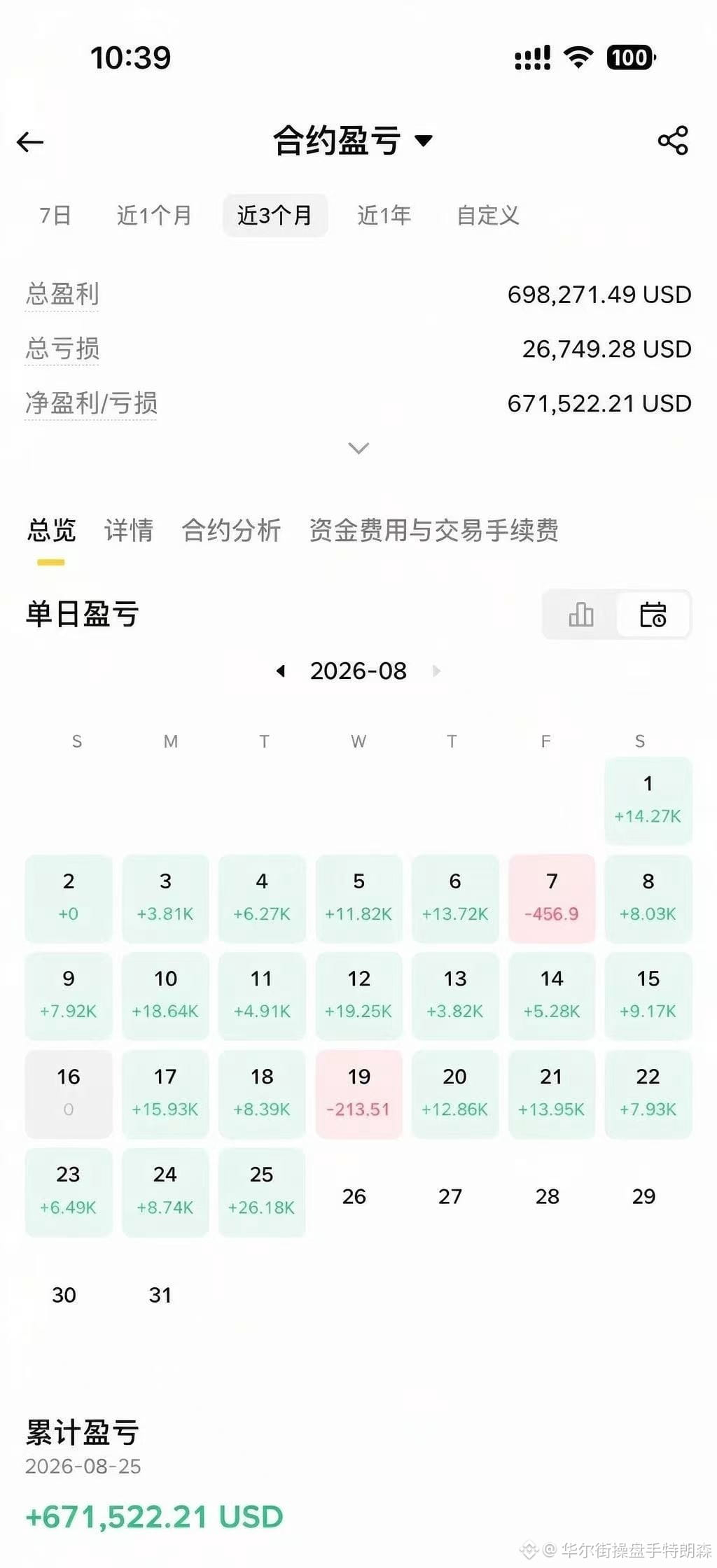
137
·
--
After playing with this chart for so long without even touching the 1-million mark—let me tell you one thing. Follow these ten rules below. If there’s no movement, come smash my door directly!$TUT
1、If you don’t have much in your pocket, don’t乱撒. In a year, just catch a solid opportunity. Don’t keep going all-in and topping up every time. Always leave a slice of cash in your pocket as a backup—if any line is wrong, you can breathe.$GUA
2、With the small amount you’ve got in your head, what ceiling can it really break? If you can’t understand that part, that money isn’t yours. Messing around with a simulated account is fine, but when you really put your own U in, the psychological pressure can make your hands sweat. $BANK
3、If the good news comes out and you didn’t dump it that day, then the next day when it gaps up—sell off quickly right then. Once the message explodes, everyone is looking for the next bag holder. The price turns around and drops—don’t be greedy for that last bite.
4、When you’re about to hit the holiday period, reduce your position one week early, or just clear everything out first. During holidays, there’s no one taking orders in the market. The wicks on both sides can whip you around until you’re dazed.
5、For long-to-medium term trades, you must always keep “ammo” in your pocket. When it rises, take profit in portions. When it falls, buy one more step. The more you wear down the cost, the thinner it becomes—and if you want to change your style later, you can turn around anytime.$UAI
6、That kind of intraday poke only picks coins that have real trades. If there aren’t many orders in half a day, dead coins—once you jab in, you get stuck inside. When you want to run, no one is there to take your coins.
7、Remember this rule: for those that drift down slowly and grind, later they’ll usually creep back slowly too; for those that get smashed through with a big bearish candle, the rebound is usually the strongest and the fastest.
8、When it comes to stop-loss, don’t make excuses. If you bought it wrong, admit it, cut it quickly. Don’t hold on to the thought of “what if it pulls back.” Keeping your principal from going to zero is the real principle.
9、For intraday analysis, only look at the 15-minute K line, then combine it with KDJ to decide your entry and exit points. Especially when KDJ hits the overbought/oversold zone—that’s where the signal is least likely to fool you. Also casually check MACD and RSI—don’t place everything on one single bet.
10、Don’t get greedy with technical analysis—don’t cram too much into your head. Understand two or three things well and that’s enough. Better to master a few than to be half-competent at everything. Keep grinding until your hands are steady.#美国10年期美债收益率触及2023年11月来最高
Going solo and blindly following that “random poking” method will never get you through that door. Hit follow and stick close to me—I'll take you out from the dirt and show you the real ones that can bring ten times. If you’ve got top-tier routes in hand, recovery and flipping your account into a new position can start the table anytime. Big Brother Sen is here, waiting for you to come and say a couple words.
#伊朗导弹无人机袭击科威特基地
After playing with this chart for so long without even touching the 1-million mark—let me tell you one thing. Follow these ten rules below. If there’s no movement, come smash my door directly!$TUT
1、If you don’t have much in your pocket, don’t乱撒. In a year, just catch a solid opportunity. Don’t keep going all-in and topping up every time. Always leave a slice of cash in your pocket as a backup—if any line is wrong, you can breathe.$GUA
2、With the small amount you’ve got in your head, what ceiling can it really break? If you can’t understand that part, that money isn’t yours. Messing around with a simulated account is fine, but when you really put your own U in, the psychological pressure can make your hands sweat. $BANK
3、If the good news comes out and you didn’t dump it that day, then the next day when it gaps up—sell off quickly right then. Once the message explodes, everyone is looking for the next bag holder. The price turns around and drops—don’t be greedy for that last bite.
4、When you’re about to hit the holiday period, reduce your position one week early, or just clear everything out first. During holidays, there’s no one taking orders in the market. The wicks on both sides can whip you around until you’re dazed.
5、For long-to-medium term trades, you must always keep “ammo” in your pocket. When it rises, take profit in portions. When it falls, buy one more step. The more you wear down the cost, the thinner it becomes—and if you want to change your style later, you can turn around anytime.$UAI
6、That kind of intraday poke only picks coins that have real trades. If there aren’t many orders in half a day, dead coins—once you jab in, you get stuck inside. When you want to run, no one is there to take your coins.
7、Remember this rule: for those that drift down slowly and grind, later they’ll usually creep back slowly too; for those that get smashed through with a big bearish candle, the rebound is usually the strongest and the fastest.
8、When it comes to stop-loss, don’t make excuses. If you bought it wrong, admit it, cut it quickly. Don’t hold on to the thought of “what if it pulls back.” Keeping your principal from going to zero is the real principle.
9、For intraday analysis, only look at the 15-minute K line, then combine it with KDJ to decide your entry and exit points. Especially when KDJ hits the overbought/oversold zone—that’s where the signal is least likely to fool you. Also casually check MACD and RSI—don’t place everything on one single bet.
10、Don’t get greedy with technical analysis—don’t cram too much into your head. Understand two or three things well and that’s enough. Better to master a few than to be half-competent at everything. Keep grinding until your hands are steady.#美国10年期美债收益率触及2023年11月来最高
Going solo and blindly following that “random poking” method will never get you through that door. Hit follow and stick close to me—I'll take you out from the dirt and show you the real ones that can bring ten times. If you’ve got top-tier routes in hand, recovery and flipping your account into a new position can start the table anytime. Big Brother Sen is here, waiting for you to come and say a couple words.
#伊朗导弹无人机袭击科威特基地
1、If you don’t have much in your pocket, don’t乱撒. In a year, just catch a solid opportunity. Don’t keep going all-in and topping up every time. Always leave a slice of cash in your pocket as a backup—if any line is wrong, you can breathe.$GUA
2、With the small amount you’ve got in your head, what ceiling can it really break? If you can’t understand that part, that money isn’t yours. Messing around with a simulated account is fine, but when you really put your own U in, the psychological pressure can make your hands sweat. $BANK
3、If the good news comes out and you didn’t dump it that day, then the next day when it gaps up—sell off quickly right then. Once the message explodes, everyone is looking for the next bag holder. The price turns around and drops—don’t be greedy for that last bite.
4、When you’re about to hit the holiday period, reduce your position one week early, or just clear everything out first. During holidays, there’s no one taking orders in the market. The wicks on both sides can whip you around until you’re dazed.
5、For long-to-medium term trades, you must always keep “ammo” in your pocket. When it rises, take profit in portions. When it falls, buy one more step. The more you wear down the cost, the thinner it becomes—and if you want to change your style later, you can turn around anytime.$UAI
6、That kind of intraday poke only picks coins that have real trades. If there aren’t many orders in half a day, dead coins—once you jab in, you get stuck inside. When you want to run, no one is there to take your coins.
7、Remember this rule: for those that drift down slowly and grind, later they’ll usually creep back slowly too; for those that get smashed through with a big bearish candle, the rebound is usually the strongest and the fastest.
8、When it comes to stop-loss, don’t make excuses. If you bought it wrong, admit it, cut it quickly. Don’t hold on to the thought of “what if it pulls back.” Keeping your principal from going to zero is the real principle.
9、For intraday analysis, only look at the 15-minute K line, then combine it with KDJ to decide your entry and exit points. Especially when KDJ hits the overbought/oversold zone—that’s where the signal is least likely to fool you. Also casually check MACD and RSI—don’t place everything on one single bet.
10、Don’t get greedy with technical analysis—don’t cram too much into your head. Understand two or three things well and that’s enough. Better to master a few than to be half-competent at everything. Keep grinding until your hands are steady.#美国10年期美债收益率触及2023年11月来最高
Going solo and blindly following that “random poking” method will never get you through that door. Hit follow and stick close to me—I'll take you out from the dirt and show you the real ones that can bring ten times. If you’ve got top-tier routes in hand, recovery and flipping your account into a new position can start the table anytime. Big Brother Sen is here, waiting for you to come and say a couple words.
#伊朗导弹无人机袭击科威特基地
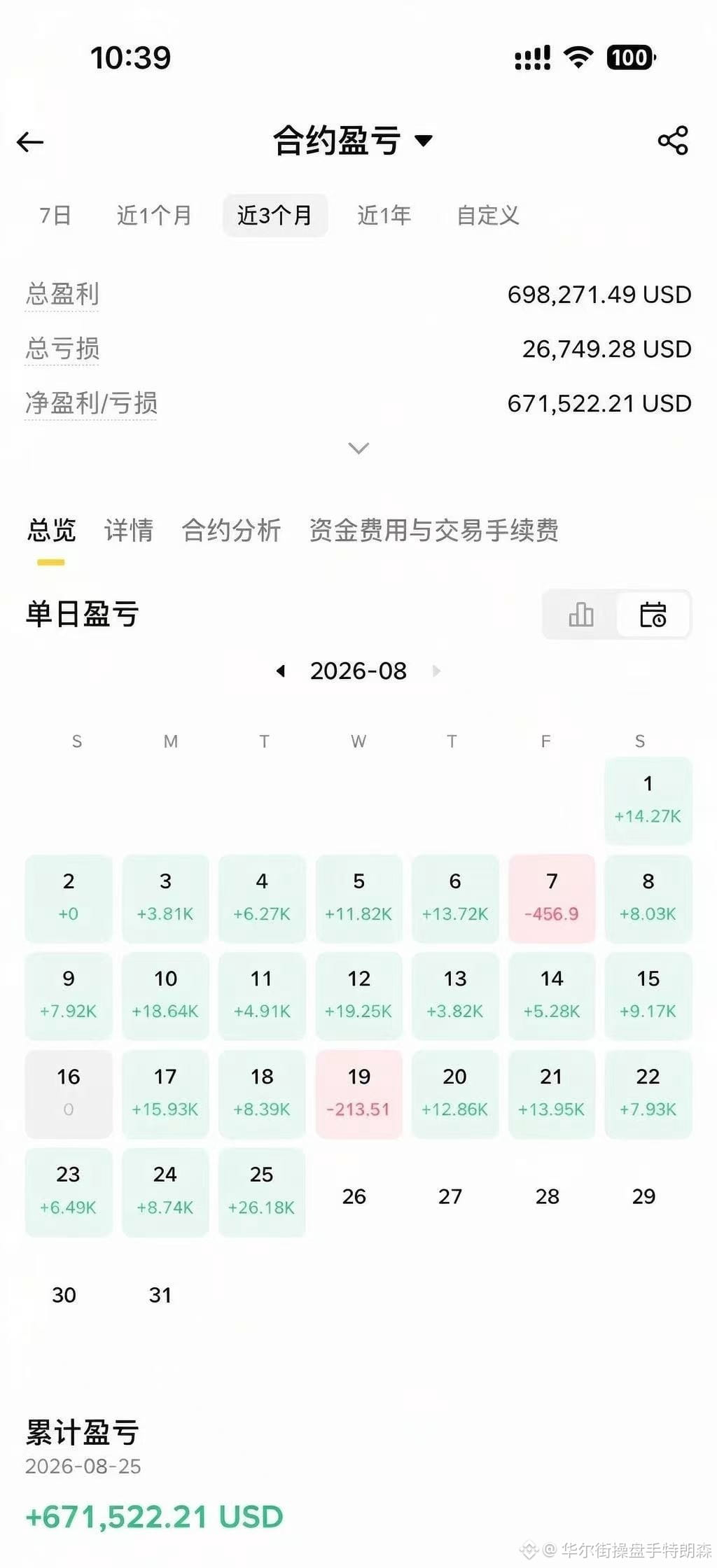
1
20
Log in to explore more content
Join global crypto users on Binance Square
⚡️ Get latest and useful information about crypto.
💬 Trusted by the world’s largest crypto exchange.
👍 Discover real insights from verified creators.
Email / Phone number
Trending Topics
BitcoinSurpasses$77000
13,812 views
203 Discussing
$BTC is ripping higher despite it all. 🚀
Today marked the first rate hike in over 3 years, while the CLARITY Act stalled again yesterday.
Setup big long again - thank me later
Entry : $75500 - $76500
Stoploss : $74900
Take profit : $77000 - $78000
Get ready for a crazy growth cycle. 🔥
TF_bnb
·16 Likes
·6.8k views
ParadigmDisclosesZECHolding
53,572 views
920 Discussing
BitcoinETFsShed$450M
23,139 views
207 Discussing