Brothers with less than 1000U in the pocket—don’t rush to try to turn it into multiple times. The first move is simply staying alive and not going to zero.
If your principal is still stuck within 1000U, then let me hit you with something that doesn’t sound nice but is the most real: $CHIP .
What you need to grind right now isn’t how to chew through profits faster—it’s how not to get sliced out by the order book like it’s fuel.
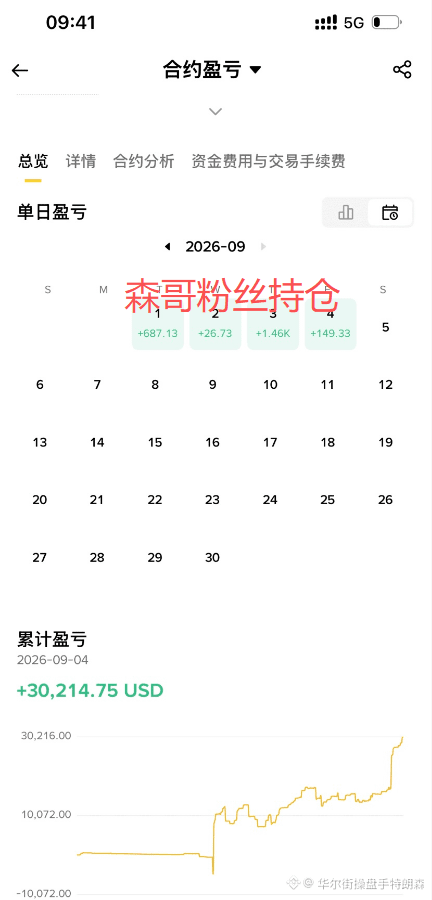
Before, there was an old fan who started with 900U and, in 5 months, scratched his way up to 38,000U. Not a single liquidation event the whole time, not even once did he suffer a major drawdown. It wasn’t luck—just a “looks kind of dumb” strategy. Step one: you must split the money. Don’t go all-in at the top.
Split the 900U into three parts: 300U to trade intraday—wait for that visible, high-confidence setup. One order a day at most; don’t always chase for “market feel.” 300U to grind the swing—just wait, dead-still, for the trend to show itself before entering; it might take ten days or half a month before that entry comes. Leave the remaining 300U as a back-up card, welded and unmoving. That’s the confidence to get stabbed and still be able to stand back up and keep working.
Remember this: going all-in isn’t “big courage,” it’s using old capital to risk your life by gambling on the size of the move.
Step two: only trade the slice you can actually understand. Don’t touch the sideways-chop part. If the direction is blurry, just wait and act when it’s clear.
A lot of people don’t lose because they can’t read charts—it’s because they want to reach out and catch every kind of volatility. The market shakes up and down every day, but not every day has the bite that belongs to you.
Step three: weld the rules in advance—don’t let emotions drag you around when you place trades. Lose 2%? Cut immediately with eyes closed; treat the stop-loss as the ticket price. If you’re up 4% green? Dump a portion and lock it away. Once your account profit has clawed past 20% of your principal, transfer some out to your wallet right away—don’t let the meat you’ve bitten into get spit back into the market.
The worst thing you can do is to lose and then average down, then harden up and refuse to cut, telling yourself “it’s definitely going to come back.”
Now that brother’s account has been ground up to 50,000U. Even more important: he doesn’t have to weld himself to the screen every night for big-night stress. He just spends a dozen minutes checking the position, then presses the buttons according to the plan.
In this circle, the real way to help you move fast isn’t chasing doubles every day—it’s first ensuring that whatever small amount of money you have in your pocket keeps existing.
Split your funds, wait for signals, lock the pace. It doesn’t sound exciting, but it can help you avoid countless dead-end turns.
For small capital, the first goal is never “how much to win.” It’s to survive long enough in this grind without going to zero. No hype, no empty promises. If you’re stuck in that loop—losing back and forth, getting liquidated, averaging back, and then sending it away again—come talk to me. I’ll help you reduce trading to the most “earthy,” least-deadly version.
If your principal is still stuck within 1000U, then let me hit you with something that doesn’t sound nice but is the most real: $CHIP .
What you need to grind right now isn’t how to chew through profits faster—it’s how not to get sliced out by the order book like it’s fuel.
Before, there was an old fan who started with 900U and, in 5 months, scratched his way up to 38,000U. Not a single liquidation event the whole time, not even once did he suffer a major drawdown. It wasn’t luck—just a “looks kind of dumb” strategy. Step one: you must split the money. Don’t go all-in at the top.
Split the 900U into three parts: 300U to trade intraday—wait for that visible, high-confidence setup. One order a day at most; don’t always chase for “market feel.” 300U to grind the swing—just wait, dead-still, for the trend to show itself before entering; it might take ten days or half a month before that entry comes. Leave the remaining 300U as a back-up card, welded and unmoving. That’s the confidence to get stabbed and still be able to stand back up and keep working.
Remember this: going all-in isn’t “big courage,” it’s using old capital to risk your life by gambling on the size of the move.
Step two: only trade the slice you can actually understand. Don’t touch the sideways-chop part. If the direction is blurry, just wait and act when it’s clear.
A lot of people don’t lose because they can’t read charts—it’s because they want to reach out and catch every kind of volatility. The market shakes up and down every day, but not every day has the bite that belongs to you.
Step three: weld the rules in advance—don’t let emotions drag you around when you place trades. Lose 2%? Cut immediately with eyes closed; treat the stop-loss as the ticket price. If you’re up 4% green? Dump a portion and lock it away. Once your account profit has clawed past 20% of your principal, transfer some out to your wallet right away—don’t let the meat you’ve bitten into get spit back into the market.
The worst thing you can do is to lose and then average down, then harden up and refuse to cut, telling yourself “it’s definitely going to come back.”
Now that brother’s account has been ground up to 50,000U. Even more important: he doesn’t have to weld himself to the screen every night for big-night stress. He just spends a dozen minutes checking the position, then presses the buttons according to the plan.
In this circle, the real way to help you move fast isn’t chasing doubles every day—it’s first ensuring that whatever small amount of money you have in your pocket keeps existing.
Split your funds, wait for signals, lock the pace. It doesn’t sound exciting, but it can help you avoid countless dead-end turns.
For small capital, the first goal is never “how much to win.” It’s to survive long enough in this grind without going to zero. No hype, no empty promises. If you’re stuck in that loop—losing back and forth, getting liquidated, averaging back, and then sending it away again—come talk to me. I’ll help you reduce trading to the most “earthy,” least-deadly version.