
低吸猎手
18 Posts

低吸猎手
Report
Block User
0 Following
3 Followers
5 Liked
Posts
·
--
Verified
Article
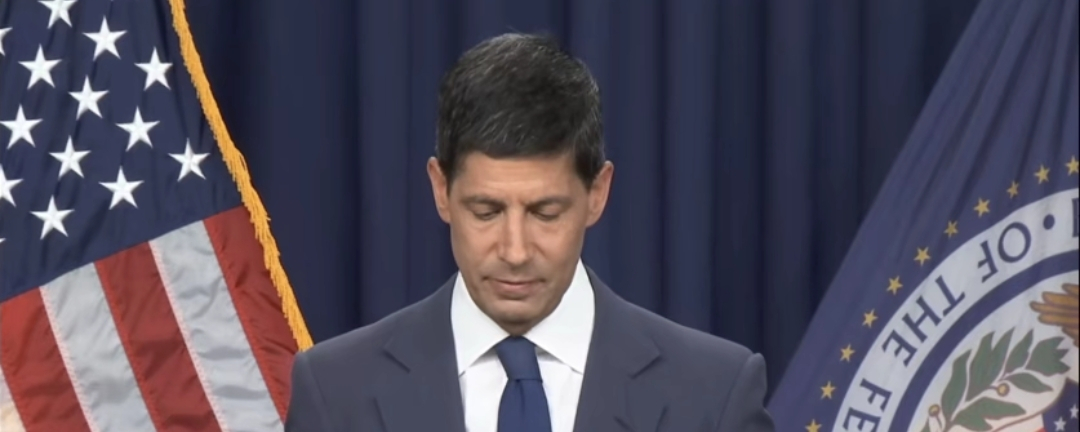
Wosh has put it in stone: Inflation has been too high for too long, and the Federal Reserve is done pretending
Federal Reserve Chair Kevin Wosh has just finished a press conference. If you only looked at the headline about a 25-basis-point rate hike, you missed something far more important than the rate itself.What did Wosh say?
In short, there are three key points.
The first sentence: “Inflation is too high, and it’s been too high for too long. The inflation data this summer hasn’t told me that there’s been a substantive improvement in the underlying trend.”
Sentence two: “We do not intend to provide forward guidance.” This is not a technical statement—it’s dismantling the “signposts” the market relies on to judge the direction of policy.
Sentence three: Financial conditions “are not particularly restrictive.” Translated, it means: the current rates are not high enough yet, and there is still room to tighten.
Why is this time different?
The Federal Reserve raised the interest rate from 3.5%–3.75% to 3.75%–4%. This was the first rate hike since July 2023. It was approved unanimously by all 12 votes, with zero opposition.
Wosh has put it in stone: Inflation has been too high for too long, and the Federal Reserve is done pretending Federal Reserve Chair Kevin Wosh has just finished a press conference. If you only looked at the headline about a 25-basis-point rate hike, you missed something far more important than the rate itself.
What did Wosh say?
In short, there are three key points.
The first sentence: “Inflation is too high, and it’s been too high for too long. The inflation data this summer hasn’t told me that there’s been a substantive improvement in the underlying trend.”
Sentence two: “We do not intend to provide forward guidance.” This is not a technical statement—it’s dismantling the “signposts” the market relies on to judge the direction of policy.
Sentence three: Financial conditions “are not particularly restrictive.” Translated, it means: the current rates are not high enough yet, and there is still room to tighten.
Why is this time different?
The Federal Reserve raised the interest rate from 3.5%–3.75% to 3.75%–4%. This was the first rate hike since July 2023. It was approved unanimously by all 12 votes, with zero opposition.
In short, there are three key points.
The first sentence: “Inflation is too high, and it’s been too high for too long. The inflation data this summer hasn’t told me that there’s been a substantive improvement in the underlying trend.”
Sentence two: “We do not intend to provide forward guidance.” This is not a technical statement—it’s dismantling the “signposts” the market relies on to judge the direction of policy.
Sentence three: Financial conditions “are not particularly restrictive.” Translated, it means: the current rates are not high enough yet, and there is still room to tighten.
Why is this time different?
The Federal Reserve raised the interest rate from 3.5%–3.75% to 3.75%–4%. This was the first rate hike since July 2023. It was approved unanimously by all 12 votes, with zero opposition.
280
·
--
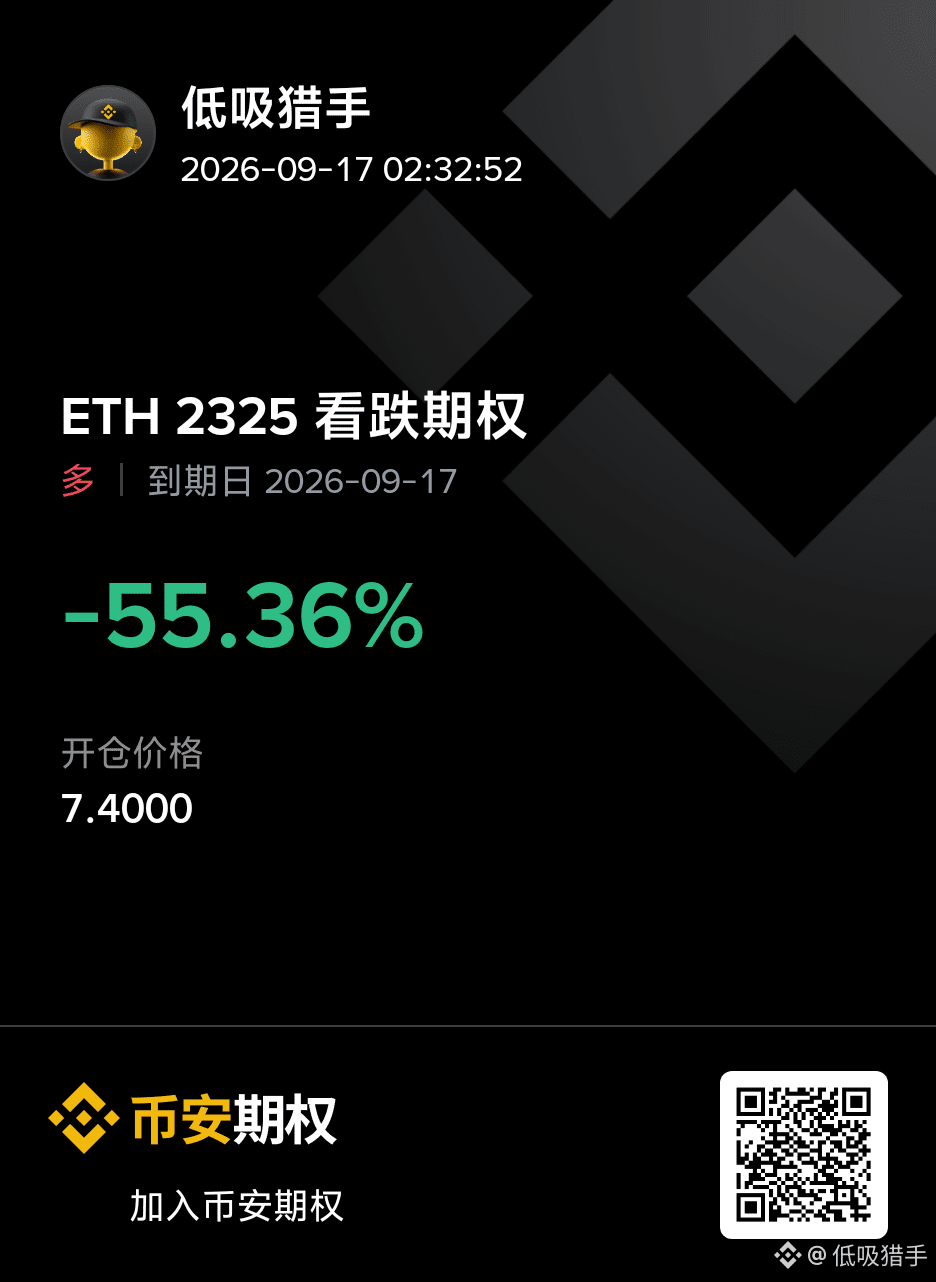
How much I loved you—and yet you hurt me so deeply. Next time, come back and love me.
How much I loved you—and yet you hurt me so deeply. Next time, come back and love me.
365
·
--
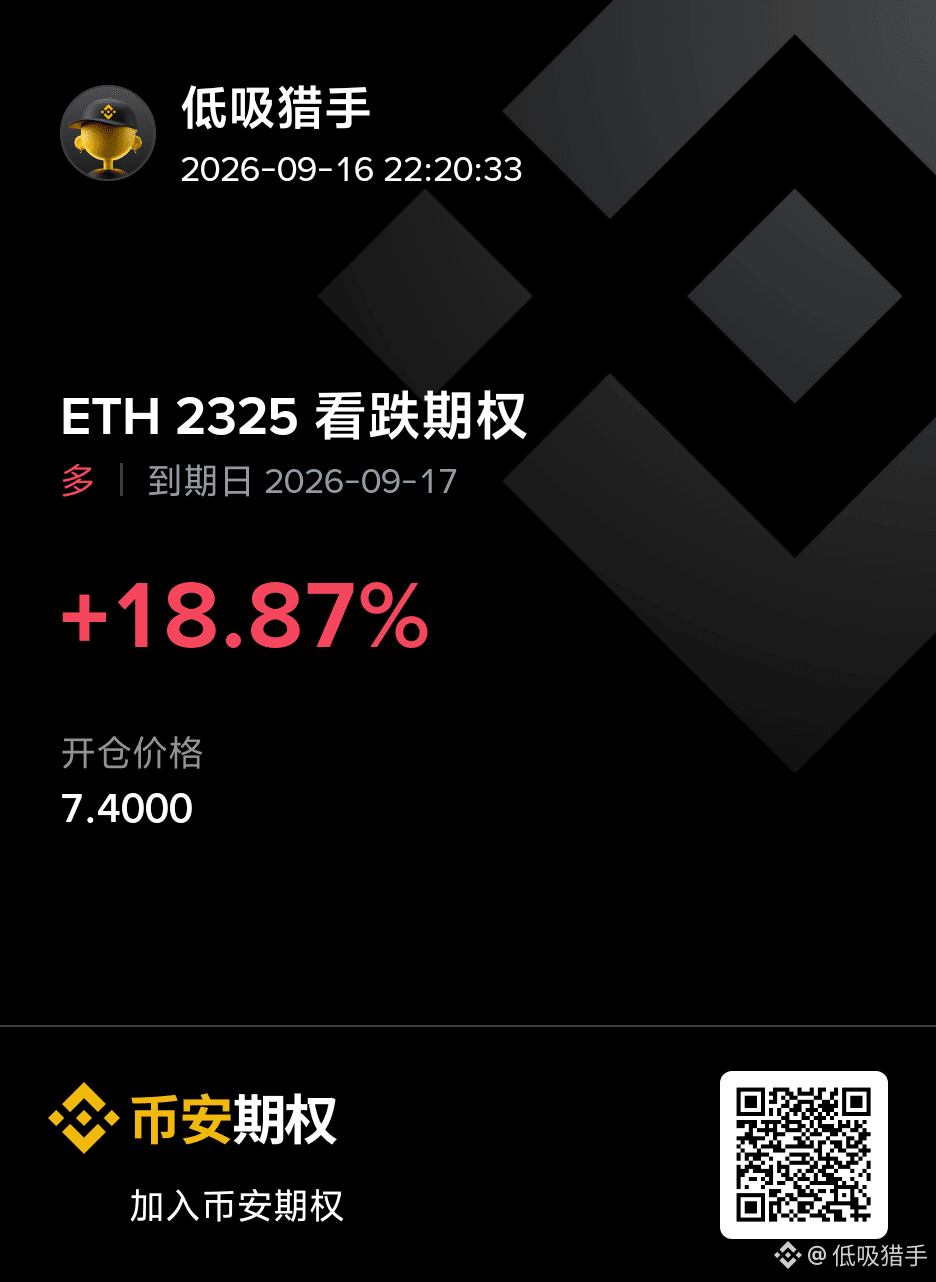
I won’t close the position until it dumps hard 10x — $ETH
I won’t close the position until it dumps hard 10x — $ETH
180
·
--
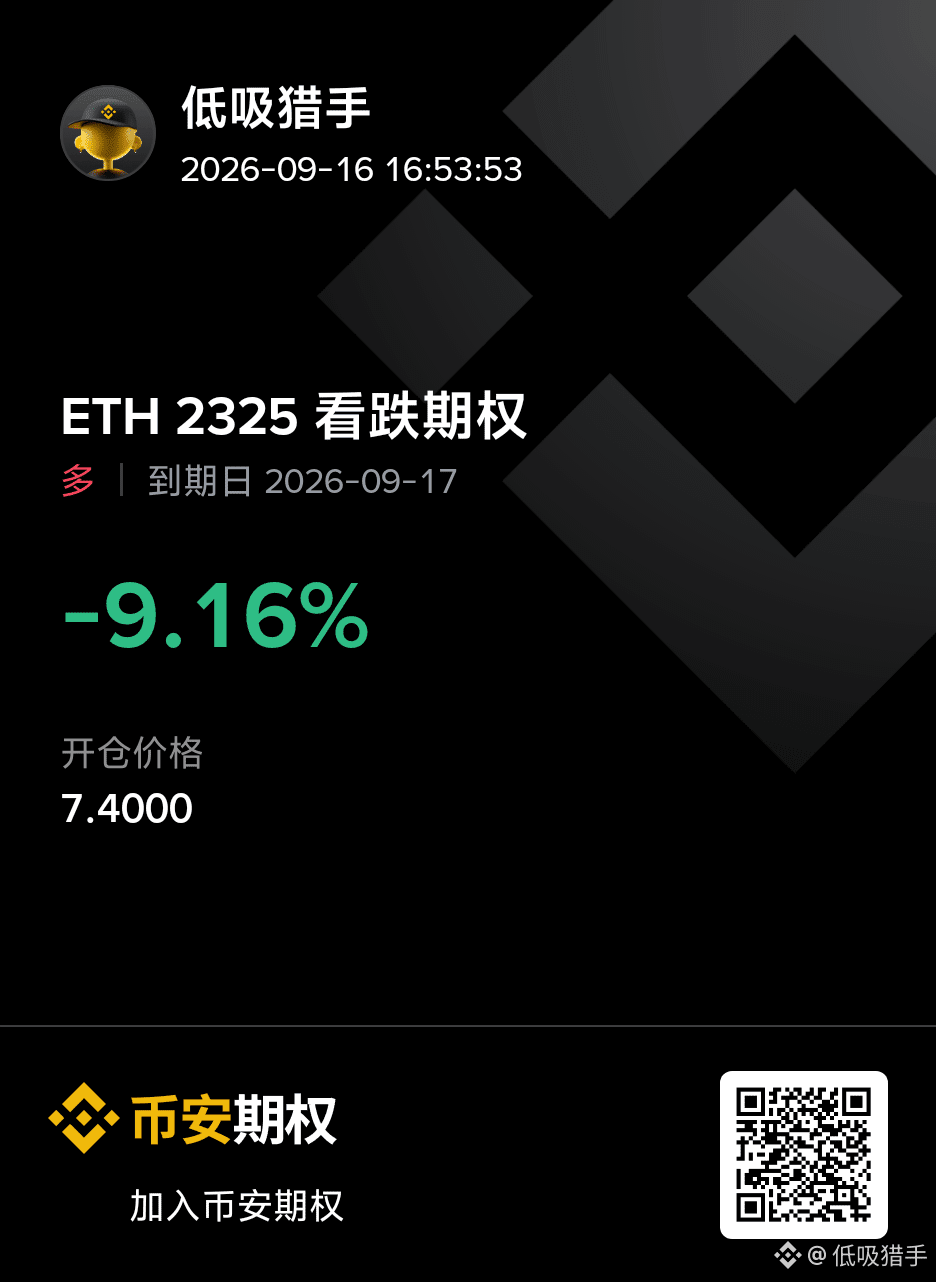
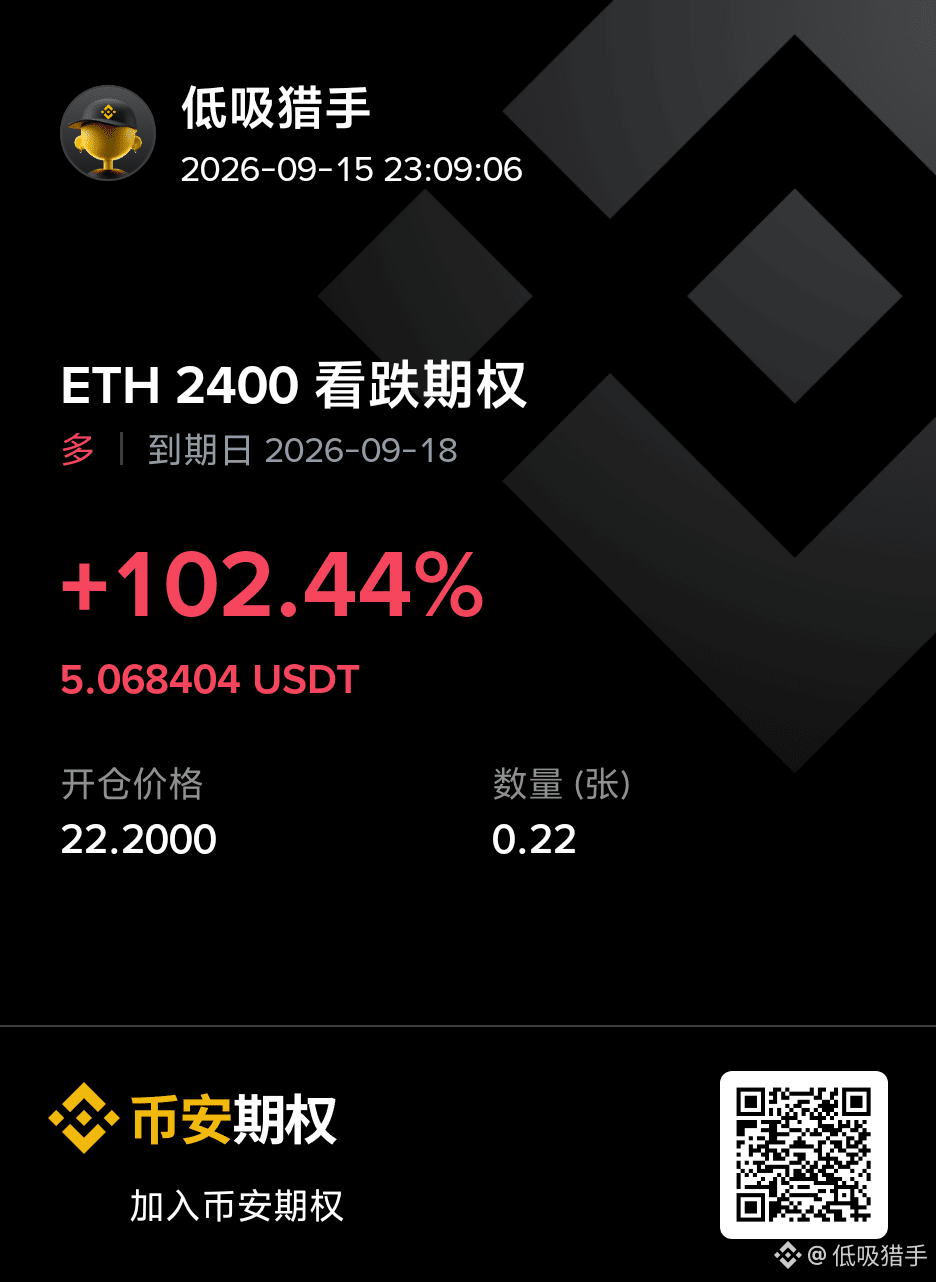
When everyone was bullish on $BTC and $ETH , I knew again that I could go short and make money.
When everyone was bullish on $BTC and $ETH , I knew again that I could go short and make money.
201
·
--
The more it rises, the more it will collapse—its luck has run out.
The more it rises, the more it will collapse—its luck has run out.
45
·
--
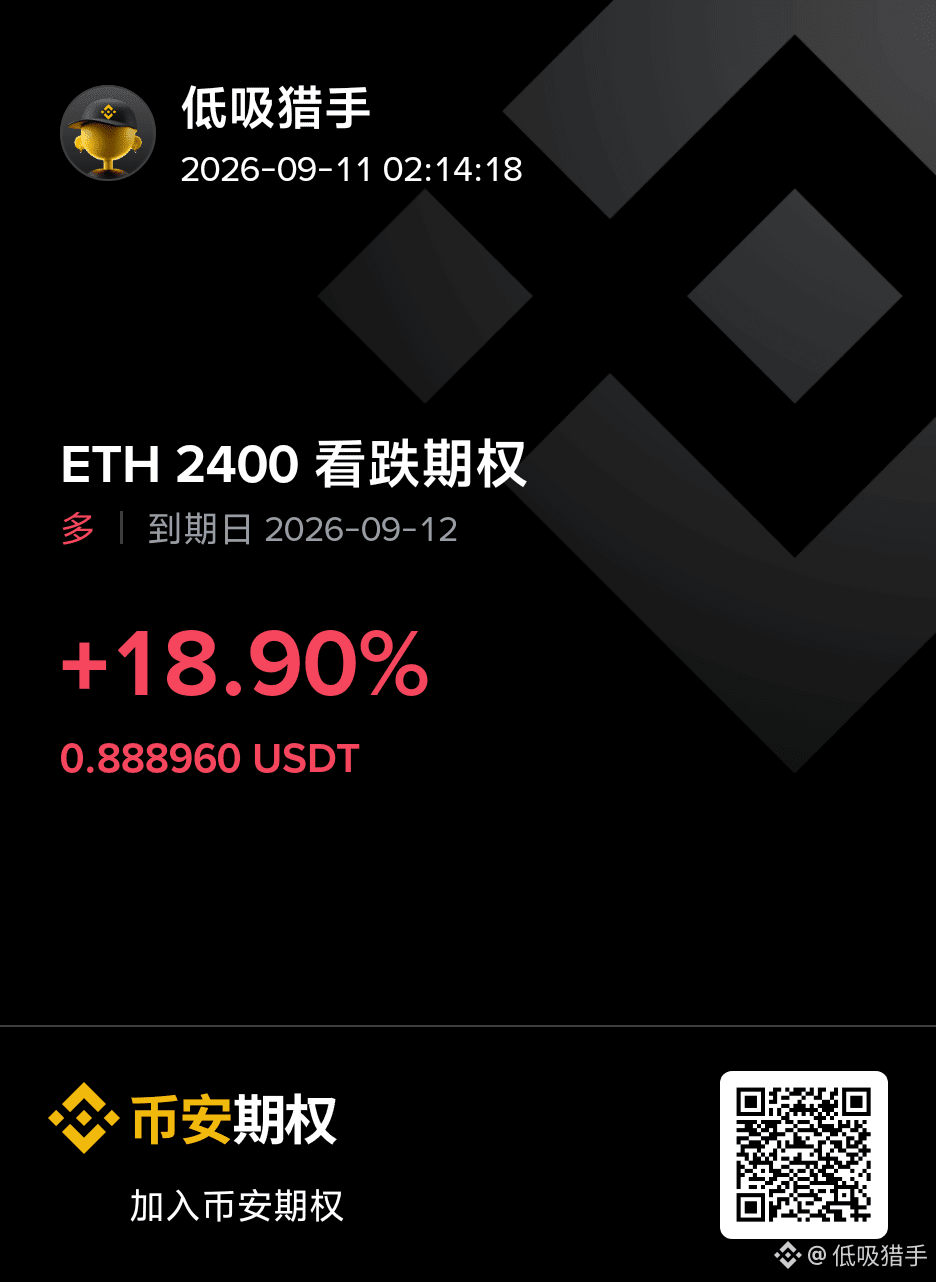
Just waiting for tomorrow’s crash—drawdowns won’t break me
Just waiting for tomorrow’s crash—drawdowns won’t break me
260
·
--
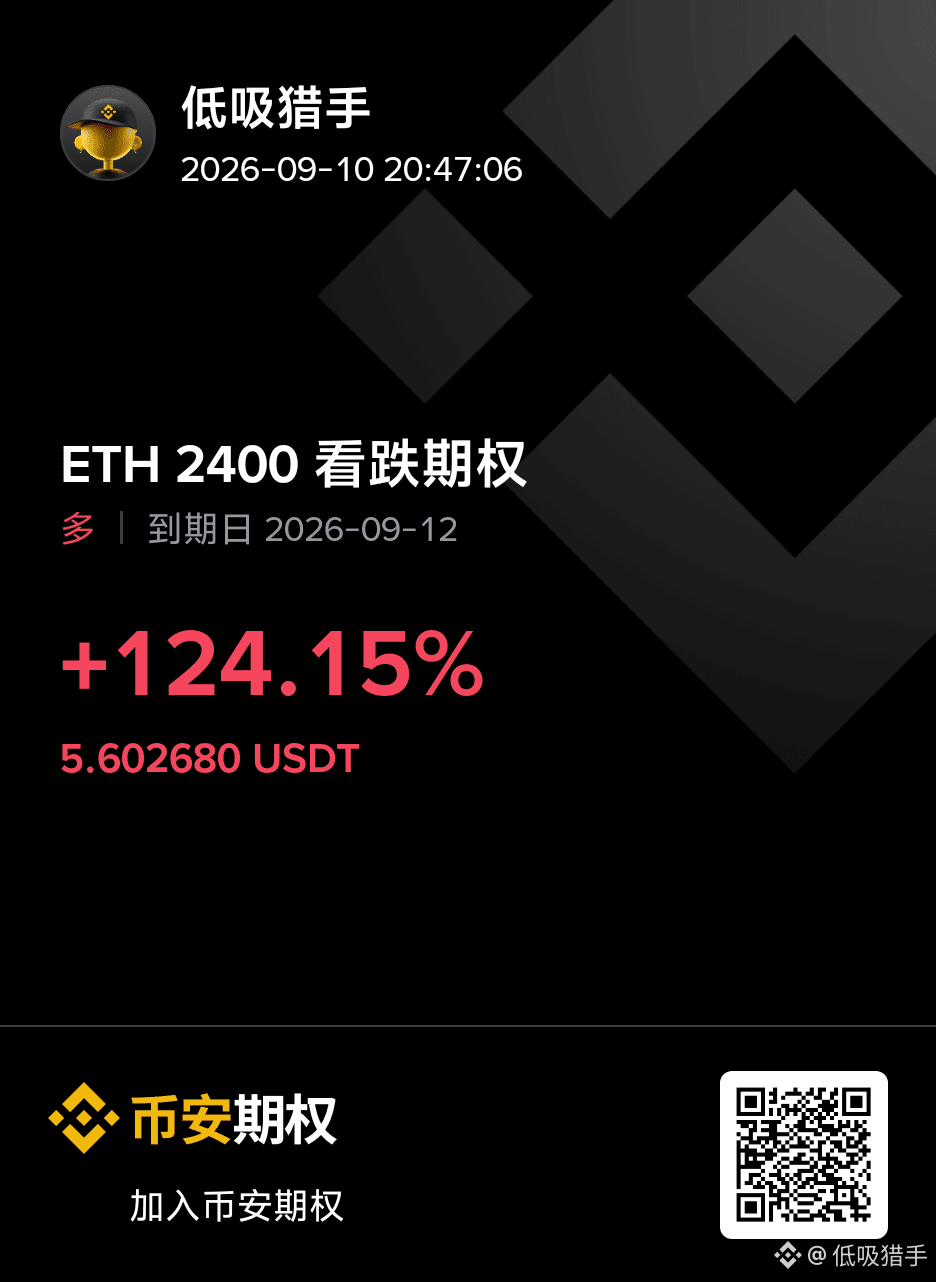
Crash after crash—ten times down, I’m locked in, I’m taking it.
Crash after crash—ten times down, I’m locked in, I’m taking it.
2
2
733
·
--
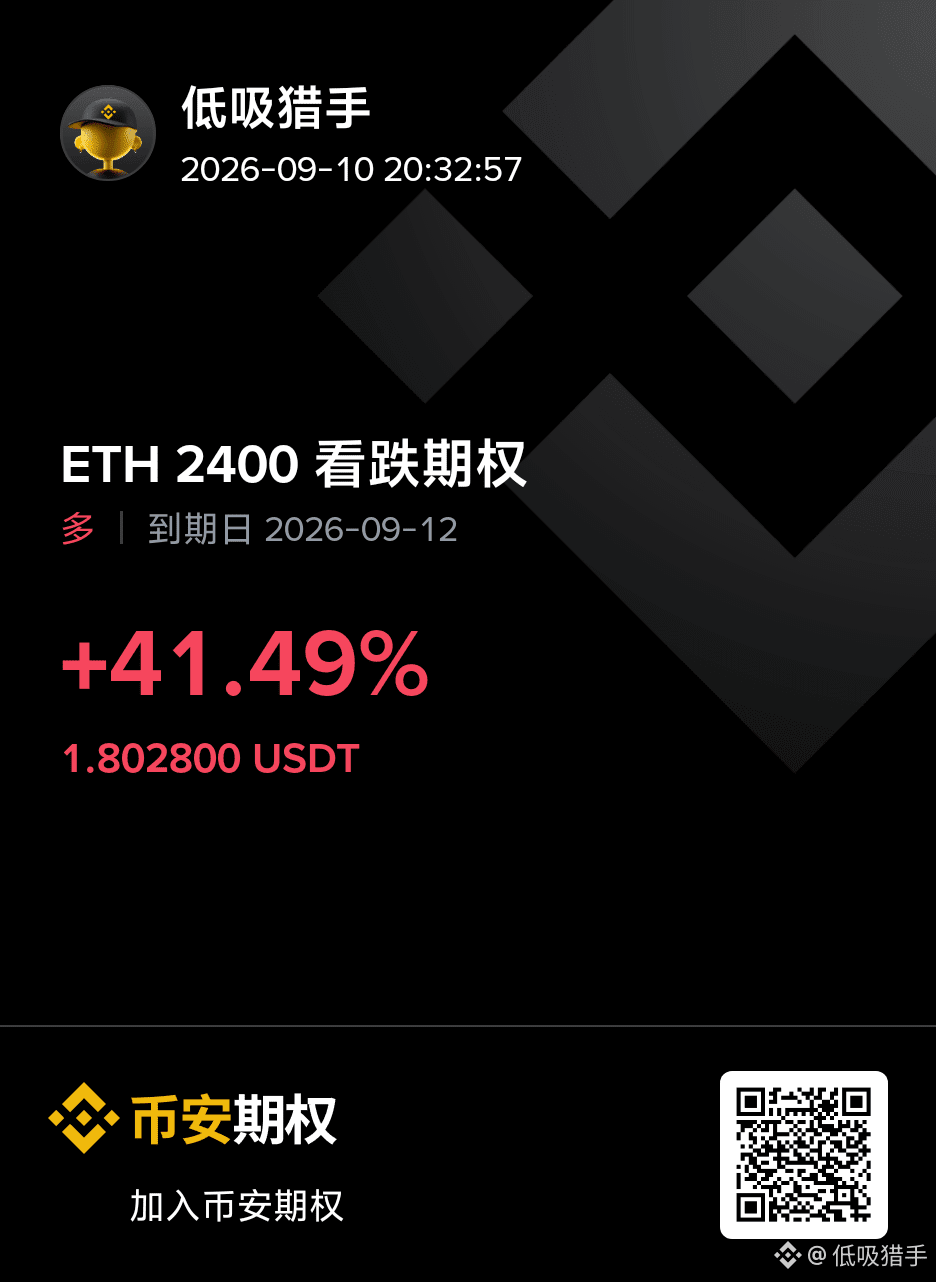
Stocks plunge as tomorrow's inflation hits—what can you do?
Stocks plunge as tomorrow's inflation hits—what can you do?
476
·
--
$ORCL Oracle earnings report good news brought forward likely will not exceed expectations; short positions should be the primary strategy
$ORCL Oracle earnings report good news brought forward likely will not exceed expectations; short positions should be the primary strategy
254
·
--
$SOPH The short position was closed and then immediately went long, shaking out the market for so long. Buy orders are so strong.
$SOPH The short position was closed and then immediately went long, shaking out the market for so long. Buy orders are so strong.
151
·
--

Article
Xiaomi launch event countdown: smartphones, cars, and AIoT all in on one bet—what hard-hitting products can Lei Jun bring tonight to electrify the market?
Xiaomi’s launch event is here again. As usual, Lei Jun will most likely take the stage in person and, with his signature enthusiast tone, present the new products one by one as if taking them out of his pocket.This time, market expectations are higher than ever—because Xiaomi is in a unique position: its smartphone business needs to prove it can still deliver, its automotive business needs to present a second card to play, and its AIoT ecosystem needs to tell a genuinely new story that capital is willing to pay for. Tonight’s launch event is less a product showcase and more a concentrated briefing from Xiaomi to the capital markets and consumers.
Spotlight 1: Xiaomi 16 series—can it hold the high end?
The core product of any autumn launch event is always the digital flagship. The Xiaomi 16 series will most likely debut tonight, and the first release of Qualcomm’s next-generation flagship chip is almost a certainty. What really deserves attention are three details: Has the imaging system achieved a breakthrough? Over the past two years, Xiaomi has benefited from premiumization through its Leica partnership, but competitors have caught up, and brand tie-ins alone are no longer enough. Will the starting price move up? If the Xiaomi 16 standard edition continues to see a higher starting price, it would show that Lei Jun is very confident in the premium strategy—but it could also squeeze the space for mid-range users. How will AI capabilities be implemented? On-device large models, system-level AI assistants, and cross-device collaboration are not new terms, but whether they can go from "usable" to "easy to use" will determine Xiaomi’s place in the AI phone era.
Xiaomi launch event countdown: smartphones, cars, and AIoT all in on one bet—what hard-hitting products can Lei Jun bring tonight to electrify the market? Xiaomi’s launch event is here again. As usual, Lei Jun will most likely take the stage in person and, with his signature enthusiast tone, present the new products one by one as if taking them out of his pocket.
This time, market expectations are higher than ever—because Xiaomi is in a unique position: its smartphone business needs to prove it can still deliver, its automotive business needs to present a second card to play, and its AIoT ecosystem needs to tell a genuinely new story that capital is willing to pay for. Tonight’s launch event is less a product showcase and more a concentrated briefing from Xiaomi to the capital markets and consumers.
Spotlight 1: Xiaomi 16 series—can it hold the high end?
The core product of any autumn launch event is always the digital flagship. The Xiaomi 16 series will most likely debut tonight, and the first release of Qualcomm’s next-generation flagship chip is almost a certainty. What really deserves attention are three details: Has the imaging system achieved a breakthrough? Over the past two years, Xiaomi has benefited from premiumization through its Leica partnership, but competitors have caught up, and brand tie-ins alone are no longer enough. Will the starting price move up? If the Xiaomi 16 standard edition continues to see a higher starting price, it would show that Lei Jun is very confident in the premium strategy—but it could also squeeze the space for mid-range users. How will AI capabilities be implemented? On-device large models, system-level AI assistants, and cross-device collaboration are not new terms, but whether they can go from "usable" to "easy to use" will determine Xiaomi’s place in the AI phone era.
Spotlight 1: Xiaomi 16 series—can it hold the high end?
The core product of any autumn launch event is always the digital flagship. The Xiaomi 16 series will most likely debut tonight, and the first release of Qualcomm’s next-generation flagship chip is almost a certainty. What really deserves attention are three details: Has the imaging system achieved a breakthrough? Over the past two years, Xiaomi has benefited from premiumization through its Leica partnership, but competitors have caught up, and brand tie-ins alone are no longer enough. Will the starting price move up? If the Xiaomi 16 standard edition continues to see a higher starting price, it would show that Lei Jun is very confident in the premium strategy—but it could also squeeze the space for mid-range users. How will AI capabilities be implemented? On-device large models, system-level AI assistants, and cross-device collaboration are not new terms, but whether they can go from "usable" to "easy to use" will determine Xiaomi’s place in the AI phone era.
97
·
--
Perfect storm made by shrinking refining capacity, resilient demand, and regulatory costs: U.S. retail diesel prices hit a record highAccording to the latest data from the American Automobile Association (AAA), U.S. retail diesel prices have quietly risen to a record high. The impact of this data is far greater than ordinary fluctuations in gasoline prices, because diesel is the “lifeblood” of truck transport, agricultural machinery, industrial equipment, and the construction industry. As diesel prices rise, the increase is quickly transmitted through logistics costs to the entire economic system. This latest surge in diesel prices is not caused by a single factor; rather, it is the inevitable result of the combined pressure from supply, demand, and policy.
I. Refining capacity shrinking: the bitter fruit of years of underinvestment
Perfect storm made by shrinking refining capacity, resilient demand, and regulatory costs: U.S. retail diesel prices hit a record high
According to the latest data from the American Automobile Association (AAA), U.S. retail diesel prices have quietly risen to a record high. The impact of this data is far greater than ordinary fluctuations in gasoline prices, because diesel is the “lifeblood” of truck transport, agricultural machinery, industrial equipment, and the construction industry. As diesel prices rise, the increase is quickly transmitted through logistics costs to the entire economic system. This latest surge in diesel prices is not caused by a single factor; rather, it is the inevitable result of the combined pressure from supply, demand, and policy.
I. Refining capacity shrinking: the bitter fruit of years of underinvestment
I. Refining capacity shrinking: the bitter fruit of years of underinvestment
63
·
--
2
992
Log in to explore more content
Join global crypto users on Binance Square
⚡️ Get latest and useful information about crypto.
💬 Trusted by the world’s largest crypto exchange.
👍 Discover real insights from verified creators.
Email / Phone number
Trending Topics
ElSalvadorBTCHoldingsRiseTo7777
1,983 views
82 Discussing
$BTC #ElSalvadorBTCHoldingsRiseTo7777
El Salvador's Bitcoin stash hits 7,777 BTC — up $162M on paper
El Salvador's government holdings have grown to 7,777 BTC, worth roughly $594 million at today's prices. The country's been buying 1 BTC every single day since March 16, 2024 — that's 916 straight days of accumulation, no breaks.
Average cost basis sits at $55,718 per BTC, putting the government's unrealized gain at $162 million, a 37% return.
This is disciplined dollar-cost averaging at a national level — no panic selling through crypto winters, no chasing tops. Whatever your view on El Salvador's broader Bitcoin experiment, the accumulation strategy itself has been remarkably consistent.
$BTC #ElSalvador #Bitcoin
Top Hatter 09
·1 Likes
·4 views
MemeLaunchpads82%OfArcDayOneVolume
10,748 views
307 Discussing
OstiumLoanDisputeHearingSetInNYFederalCourt
10,939 views
261 Discussing