
Daft Punk–不是反指版
3.5k Posts

Daft Punk–不是反指版
 Square Verified+
Report
Block User
马无夜草不肥,人无横财不富。
Open Trade
Frequent Trader
1.6 Years
310 Following
48.4K+ Followers
43.4K+ Liked
Posts
Portfolio
All
Quotes
Live
PINNED
Hilarious—those old brothers who are still stubbornly holding long positions at $SPCX . I genuinely can’t believe it. You rushed in when the IPO was $135, it went up to $225 but you wouldn’t sell, and now it’s down to $110—you’re still there talking about “long-termism” and “Mars faith.” Can faith fill your stomach? Can a tweet from Musk make your account recover?
Look at this chart. It’s only been a little over a month since listing, and it’s been cut in half straight from $225. Short positions have piled up to 32% of the float. And there’s $25.0 billion worth of “ammo” blasting right in your face, yet you’re still there “buying the dip” and “adding to your position.” When the lockup expiration wave hits on August 6, 900 million shares will directly dump onto the market—that’s $116.0 billion of sell pressure. How do you expect to catch all that? The float is less than 5%—if any major shareholder wants to cash out, the stock price basically falls freely.
Even if Musk comes, it won’t help. I’ll tell you: even if Musk really shows up, it still won’t help. This stock is valued at over 100x sales and has been losing money consistently. ROE is -33%. The valuation is propped up entirely by the “space + AI” story. Once the story ends, where’s the money?
Starlink does make money, but can it support this big family—rockets, AI, and Twitter? What came out of that $60 billion Cursor acquisition deal? What’s the integration actually produced?
I’ll be blunt: SPCX will hit double digits. Under $100 is basically a lock. My short position is already maxed out, and I’ve got plenty of leverage. This lockup expiration wave is when I get rich. You longs keep chanting your mantras—I’ll keep counting my money. Later, when SPCX drops to $80 or $90, don’t blame me—I warned you. This isn’t Tesla—there’s no retail crowd saving the day. Only institutions dumping.
Musk? If he comes, he’ll end up crying too.
{future}(SPCXUSDT)
Hilarious—those old brothers who are still stubbornly holding long positions at $SPCX . I genuinely can’t believe it. You rushed in when the IPO was $135, it went up to $225 but you wouldn’t sell, and now it’s down to $110—you’re still there talking about “long-termism” and “Mars faith.” Can faith fill your stomach? Can a tweet from Musk make your account recover?
Look at this chart. It’s only been a little over a month since listing, and it’s been cut in half straight from $225. Short positions have piled up to 32% of the float. And there’s $25.0 billion worth of “ammo” blasting right in your face, yet you’re still there “buying the dip” and “adding to your position.” When the lockup expiration wave hits on August 6, 900 million shares will directly dump onto the market—that’s $116.0 billion of sell pressure. How do you expect to catch all that? The float is less than 5%—if any major shareholder wants to cash out, the stock price basically falls freely.
Even if Musk comes, it won’t help. I’ll tell you: even if Musk really shows up, it still won’t help. This stock is valued at over 100x sales and has been losing money consistently. ROE is -33%. The valuation is propped up entirely by the “space + AI” story. Once the story ends, where’s the money?
Starlink does make money, but can it support this big family—rockets, AI, and Twitter? What came out of that $60 billion Cursor acquisition deal? What’s the integration actually produced?
I’ll be blunt: SPCX will hit double digits. Under $100 is basically a lock. My short position is already maxed out, and I’ve got plenty of leverage. This lockup expiration wave is when I get rich. You longs keep chanting your mantras—I’ll keep counting my money. Later, when SPCX drops to $80 or $90, don’t blame me—I warned you. This isn’t Tesla—there’s no retail crowd saving the day. Only institutions dumping.
Musk? If he comes, he’ll end up crying too.
Look at this chart. It’s only been a little over a month since listing, and it’s been cut in half straight from $225. Short positions have piled up to 32% of the float. And there’s $25.0 billion worth of “ammo” blasting right in your face, yet you’re still there “buying the dip” and “adding to your position.” When the lockup expiration wave hits on August 6, 900 million shares will directly dump onto the market—that’s $116.0 billion of sell pressure. How do you expect to catch all that? The float is less than 5%—if any major shareholder wants to cash out, the stock price basically falls freely.
Even if Musk comes, it won’t help. I’ll tell you: even if Musk really shows up, it still won’t help. This stock is valued at over 100x sales and has been losing money consistently. ROE is -33%. The valuation is propped up entirely by the “space + AI” story. Once the story ends, where’s the money?
Starlink does make money, but can it support this big family—rockets, AI, and Twitter? What came out of that $60 billion Cursor acquisition deal? What’s the integration actually produced?
I’ll be blunt: SPCX will hit double digits. Under $100 is basically a lock. My short position is already maxed out, and I’ve got plenty of leverage. This lockup expiration wave is when I get rich. You longs keep chanting your mantras—I’ll keep counting my money. Later, when SPCX drops to $80 or $90, don’t blame me—I warned you. This isn’t Tesla—there’s no retail crowd saving the day. Only institutions dumping.
Musk? If he comes, he’ll end up crying too.
51
37
90.4k
PINNED
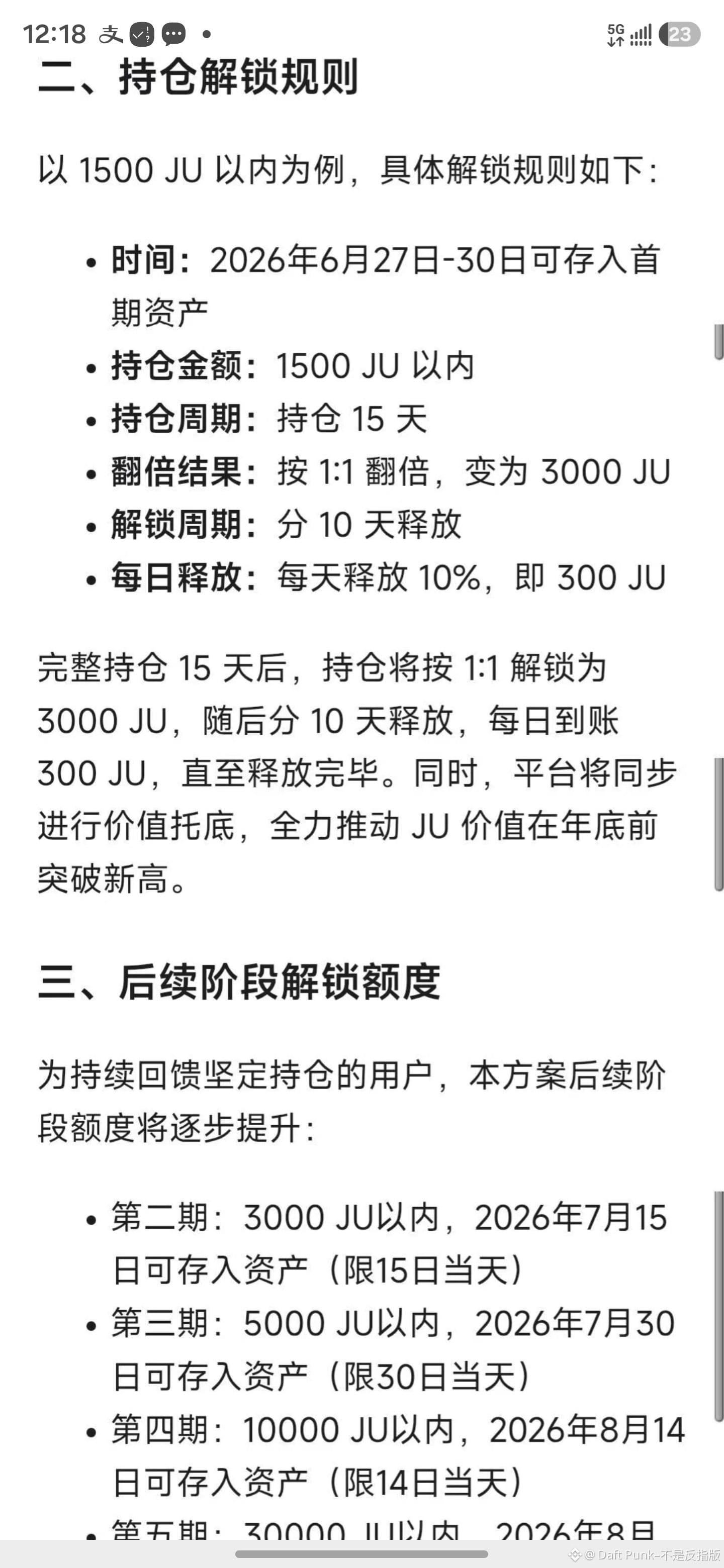
LOL, even the neighbor’s withdrawal feature costs money to purchase. It’s trash.
LOL, even the neighbor’s withdrawal feature costs money to purchase. It’s trash.
124
1
135
217k
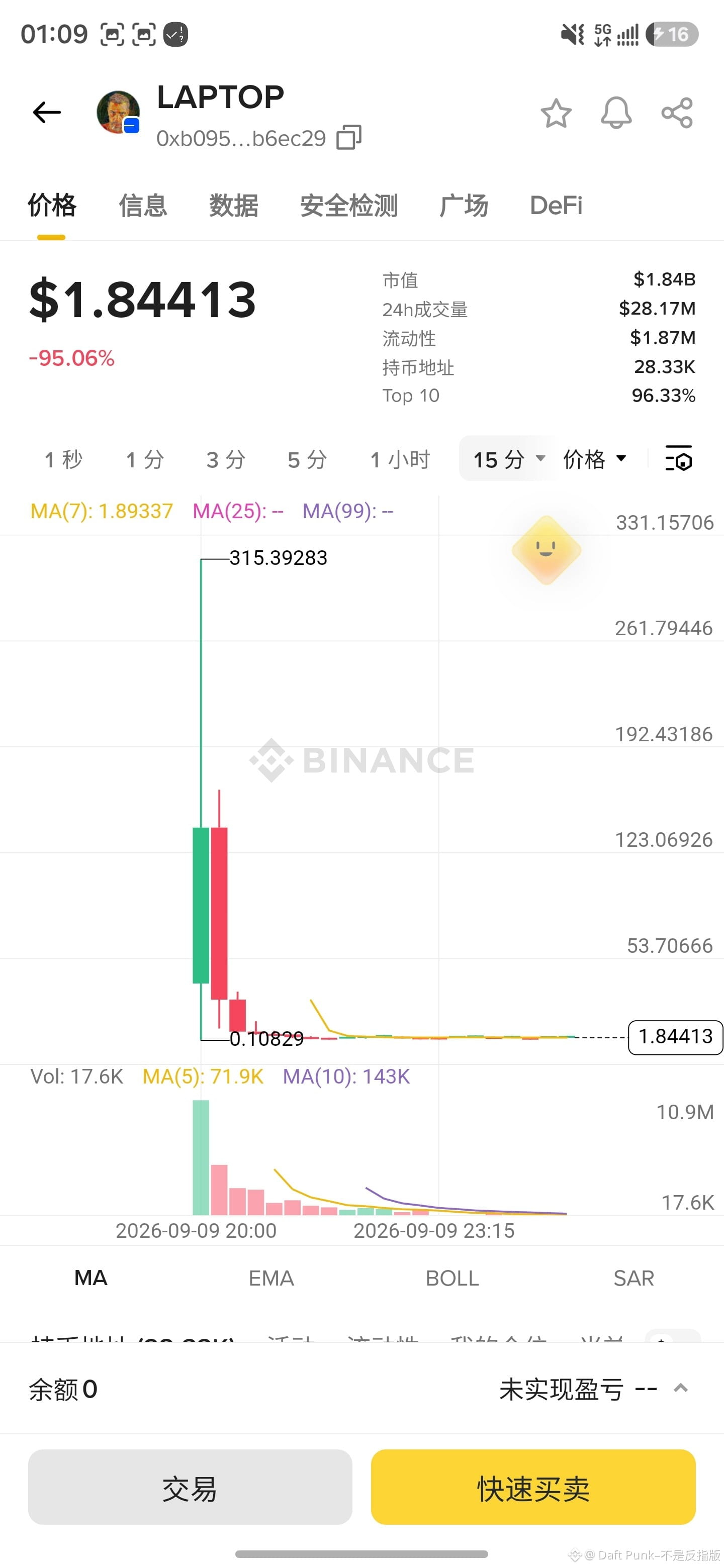
$LAPTOP I get it—Old Biden never planned to rely on this to win votes. He’s planning to make the final cut and go home to retire, and his supporters are turning into a blood bank 🤣👉🏾
$LAPTOP I get it—Old Biden never planned to rely on this to win votes. He’s planning to make the final cut and go home to retire, and his supporters are turning into a blood bank 🤣👉🏾
4
7k
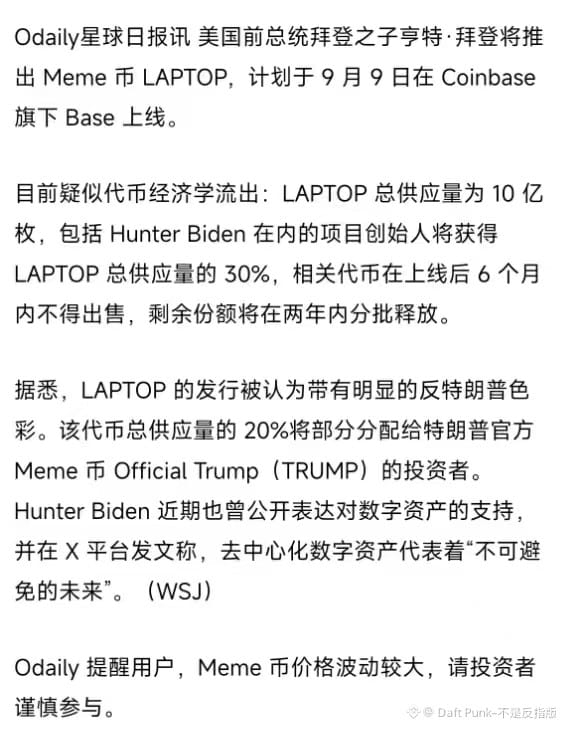
$LAPTOP and next, one word that cuts the soul, Biden will be remembered for a late-life loss of honor 😅
$LAPTOP and next, one word that cuts the soul, Biden will be remembered for a late-life loss of honor 😅
1
2
3k
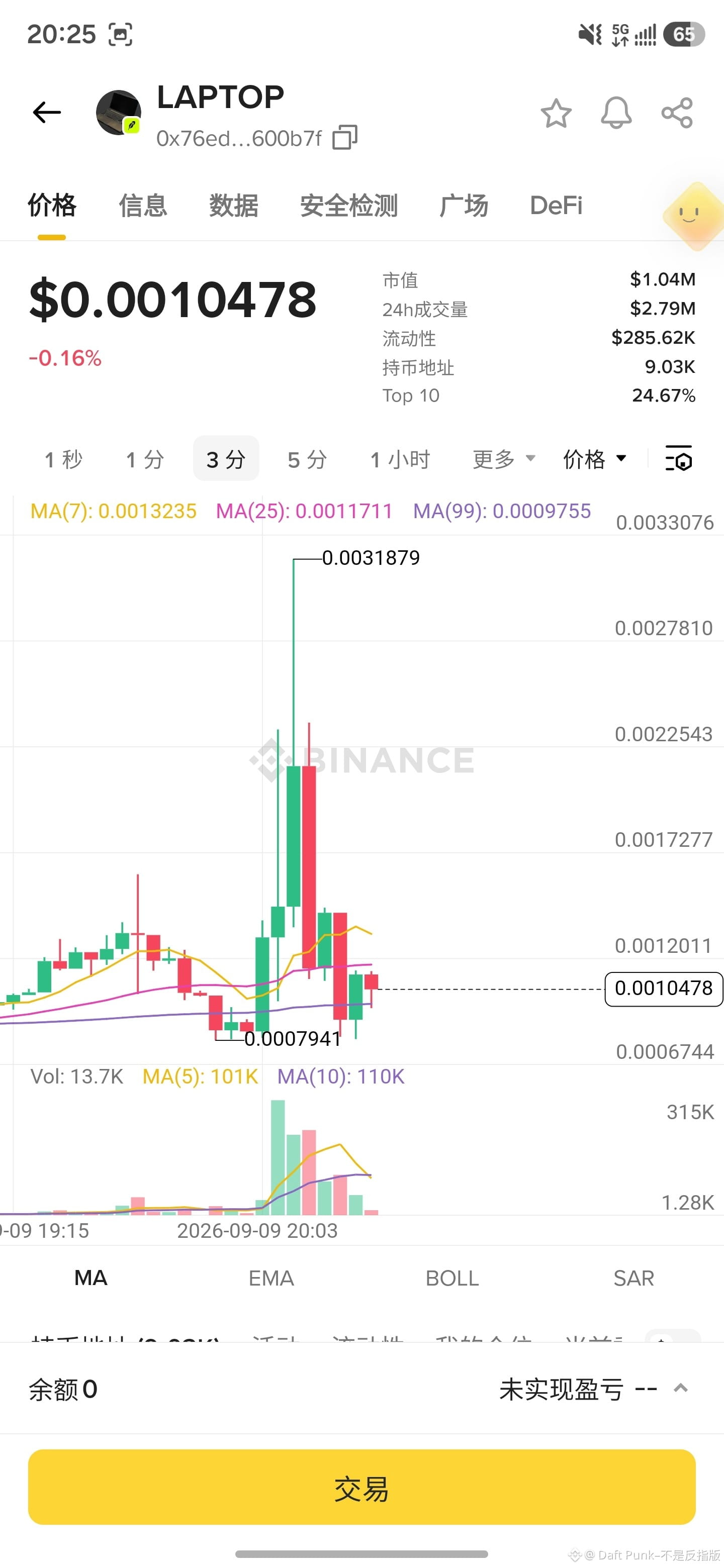
Died laughing—did someone go in here because they couldn't find Biden's son?😂$TRUMP
{future}(TRUMPUSDT)
Died laughing—did someone go in here because they couldn't find Biden's son?😂$TRUMP
3
1
3k
Verified
Five-day countdown: Dogecoin is about to receive a tangible, visible piece of good news.
On September 14, DOGE-1 will launch aboard Falcon 9—not just a slogan. It’s SpaceX’s first commercial order ever paid entirely with cryptocurrency throughout the entire transaction. The name “DOGE” will follow the satellite into lunar orbit. For an asset driven by narrative, this kind of global media spotlight is the toughest, most solid fundamental support.
Look closer, and you’ll see the chips have been reacting in advance. The closer the launch window, the hotter the discussion on social platforms—funds tend to rush in before the good news actually lands. DOGE-1 has been fermenting for five years since the official announcement, and the accumulated expectations will be released in a concentrated burst during the final week. On the other side, Musk’s “DogeFather” persona has been reignited, and the X Money payment integration is also moving forward. Having a rocket actually go to space at this moment is the perfect way to add another concrete puzzle piece to the story that “Dogecoin = a payment currency.”
What’s even more rare is the scarcity: crypto sponsoring a space mission has never happened before in history. There’s no second asset in the same category that can replicate this narrative, and $DOGE has exclusive access to this news line. If the launch succeeds, it’s like issuing holders an “I’ve been to the moon” identity badge. After that, every media report becomes free advertising.
Emotion, traffic, and narrative—three forces are moving in the same direction. Under this kind of globally watched, event-driven setup, DOGE on the short term is worth watching for a slightly higher upside.
{future}(DOGEUSDT)
Five-day countdown: Dogecoin is about to receive a tangible, visible piece of good news.
On September 14, DOGE-1 will launch aboard Falcon 9—not just a slogan. It’s SpaceX’s first commercial order ever paid entirely with cryptocurrency throughout the entire transaction. The name “DOGE” will follow the satellite into lunar orbit. For an asset driven by narrative, this kind of global media spotlight is the toughest, most solid fundamental support.
Look closer, and you’ll see the chips have been reacting in advance. The closer the launch window, the hotter the discussion on social platforms—funds tend to rush in before the good news actually lands. DOGE-1 has been fermenting for five years since the official announcement, and the accumulated expectations will be released in a concentrated burst during the final week. On the other side, Musk’s “DogeFather” persona has been reignited, and the X Money payment integration is also moving forward. Having a rocket actually go to space at this moment is the perfect way to add another concrete puzzle piece to the story that “Dogecoin = a payment currency.”
What’s even more rare is the scarcity: crypto sponsoring a space mission has never happened before in history. There’s no second asset in the same category that can replicate this narrative, and $DOGE has exclusive access to this news line. If the launch succeeds, it’s like issuing holders an “I’ve been to the moon” identity badge. After that, every media report becomes free advertising.
Emotion, traffic, and narrative—three forces are moving in the same direction. Under this kind of globally watched, event-driven setup, DOGE on the short term is worth watching for a slightly higher upside.
On September 14, DOGE-1 will launch aboard Falcon 9—not just a slogan. It’s SpaceX’s first commercial order ever paid entirely with cryptocurrency throughout the entire transaction. The name “DOGE” will follow the satellite into lunar orbit. For an asset driven by narrative, this kind of global media spotlight is the toughest, most solid fundamental support.
Look closer, and you’ll see the chips have been reacting in advance. The closer the launch window, the hotter the discussion on social platforms—funds tend to rush in before the good news actually lands. DOGE-1 has been fermenting for five years since the official announcement, and the accumulated expectations will be released in a concentrated burst during the final week. On the other side, Musk’s “DogeFather” persona has been reignited, and the X Money payment integration is also moving forward. Having a rocket actually go to space at this moment is the perfect way to add another concrete puzzle piece to the story that “Dogecoin = a payment currency.”
What’s even more rare is the scarcity: crypto sponsoring a space mission has never happened before in history. There’s no second asset in the same category that can replicate this narrative, and $DOGE has exclusive access to this news line. If the launch succeeds, it’s like issuing holders an “I’ve been to the moon” identity badge. After that, every media report becomes free advertising.
Emotion, traffic, and narrative—three forces are moving in the same direction. Under this kind of globally watched, event-driven setup, DOGE on the short term is worth watching for a slightly higher upside.
1
1
1.5k
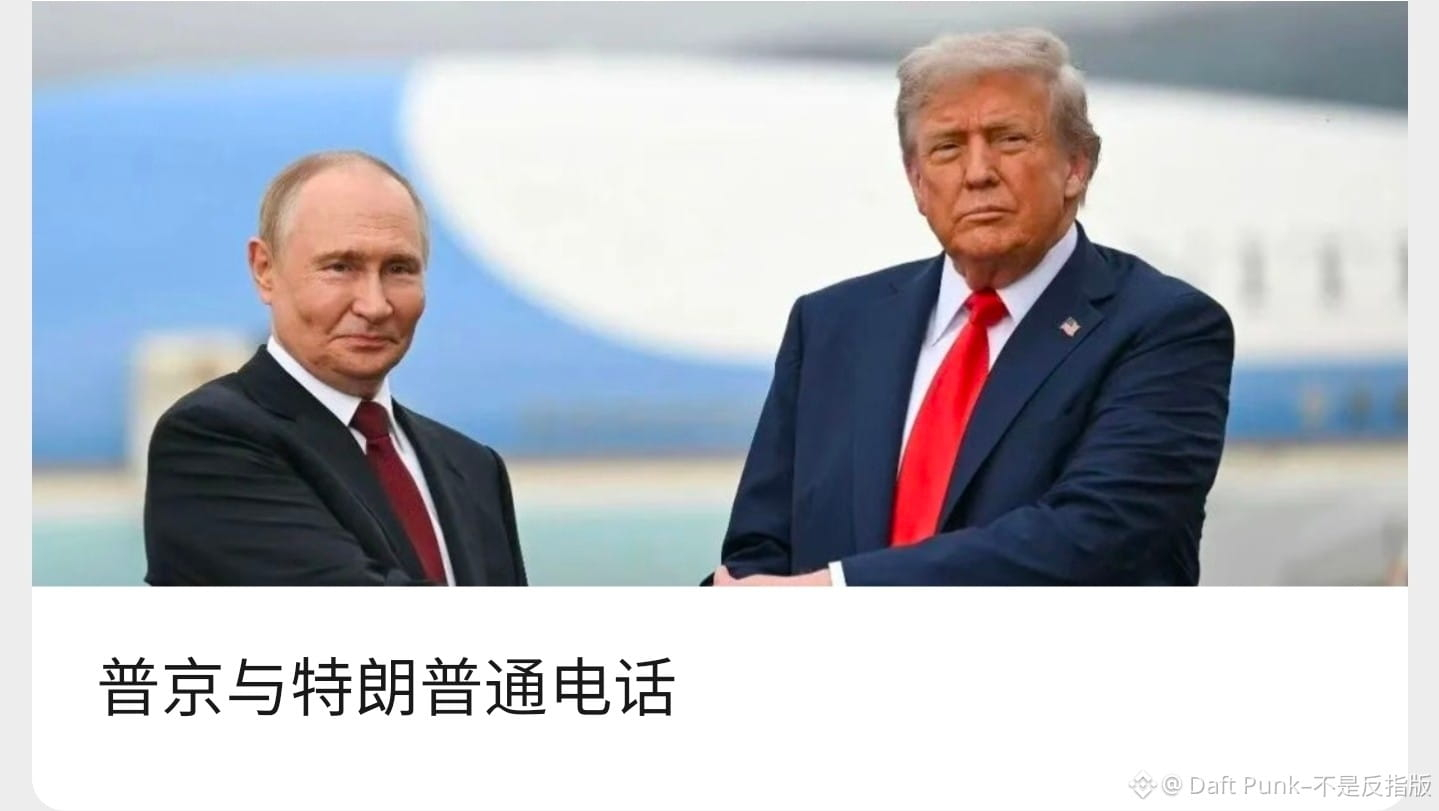
Listen, let me give you some advice: don’t fight anymore. Just be sensible and focus on developing human civilization. Every time you keep fighting, my money just disappears out of thin air.$TRUMP
{future}(TRUMPUSDT)
Listen, let me give you some advice: don’t fight anymore. Just be sensible and focus on developing human civilization. Every time you keep fighting, my money just disappears out of thin air.$TRUMP
6
5
8.1k
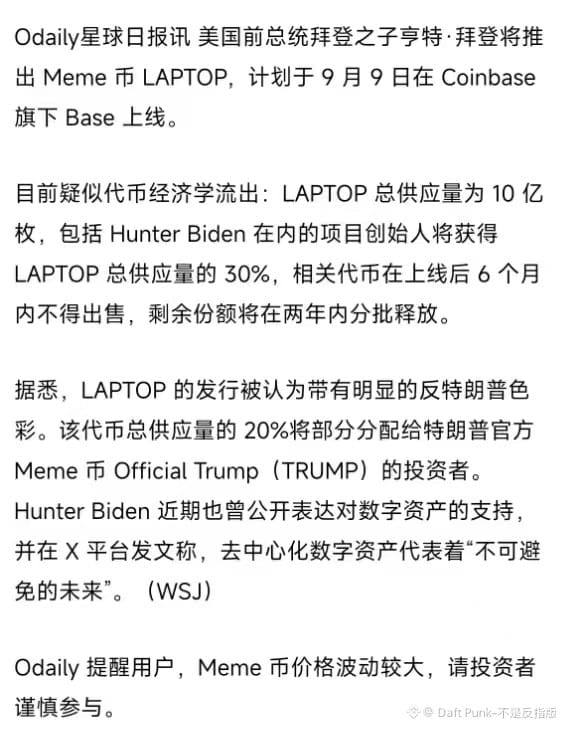
More children bring more blessings—it’s really been interpreted by the U.S. president: one son gets one, and the money with a red circle is used for the election. Once elected, keep distributing, keep adding red-circle money. The holder of $TRUMP directly sold and then turned around to add to the position.
{future}(TRUMPUSDT)
More children bring more blessings—it’s really been interpreted by the U.S. president: one son gets one, and the money with a red circle is used for the election. Once elected, keep distributing, keep adding red-circle money. The holder of $TRUMP directly sold and then turned around to add to the position.
4
3
3.3k
I woke up from a nap and got stabbed by $DOGE with a needle, just as it exploded the position and then went down again 😓
I woke up from a nap and got stabbed by $DOGE with a needle, just as it exploded the position and then went down again 😓
6
4
1.8k
Holding $APR 655.6 USDT
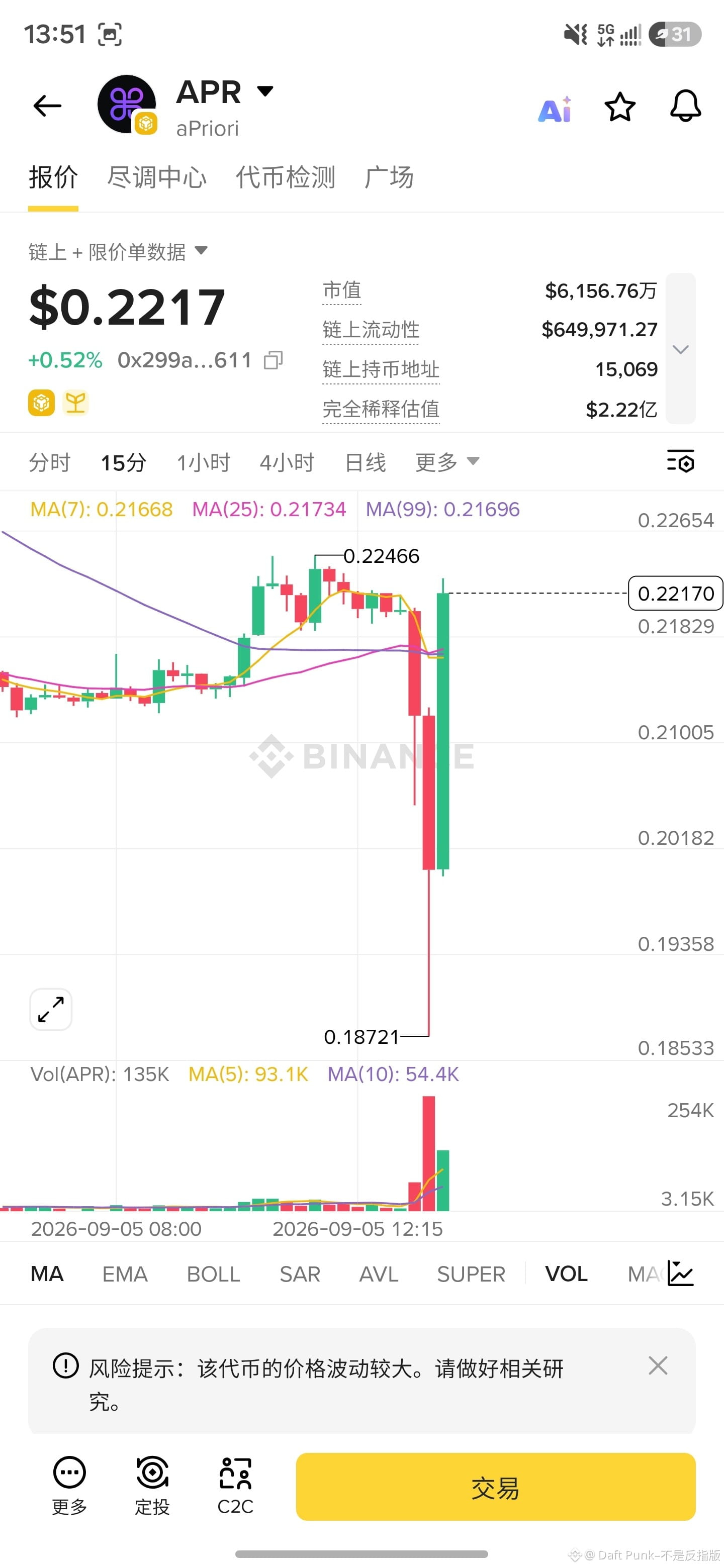
$APR Don’t make a contract for this thing. It goes sideways for a few hours, then within 10 minutes—天地针. Anyone who comes will blow up.
$APR Don’t make a contract for this thing. It goes sideways for a few hours, then within 10 minutes—天地针. Anyone who comes will blow up.
1
1.1k
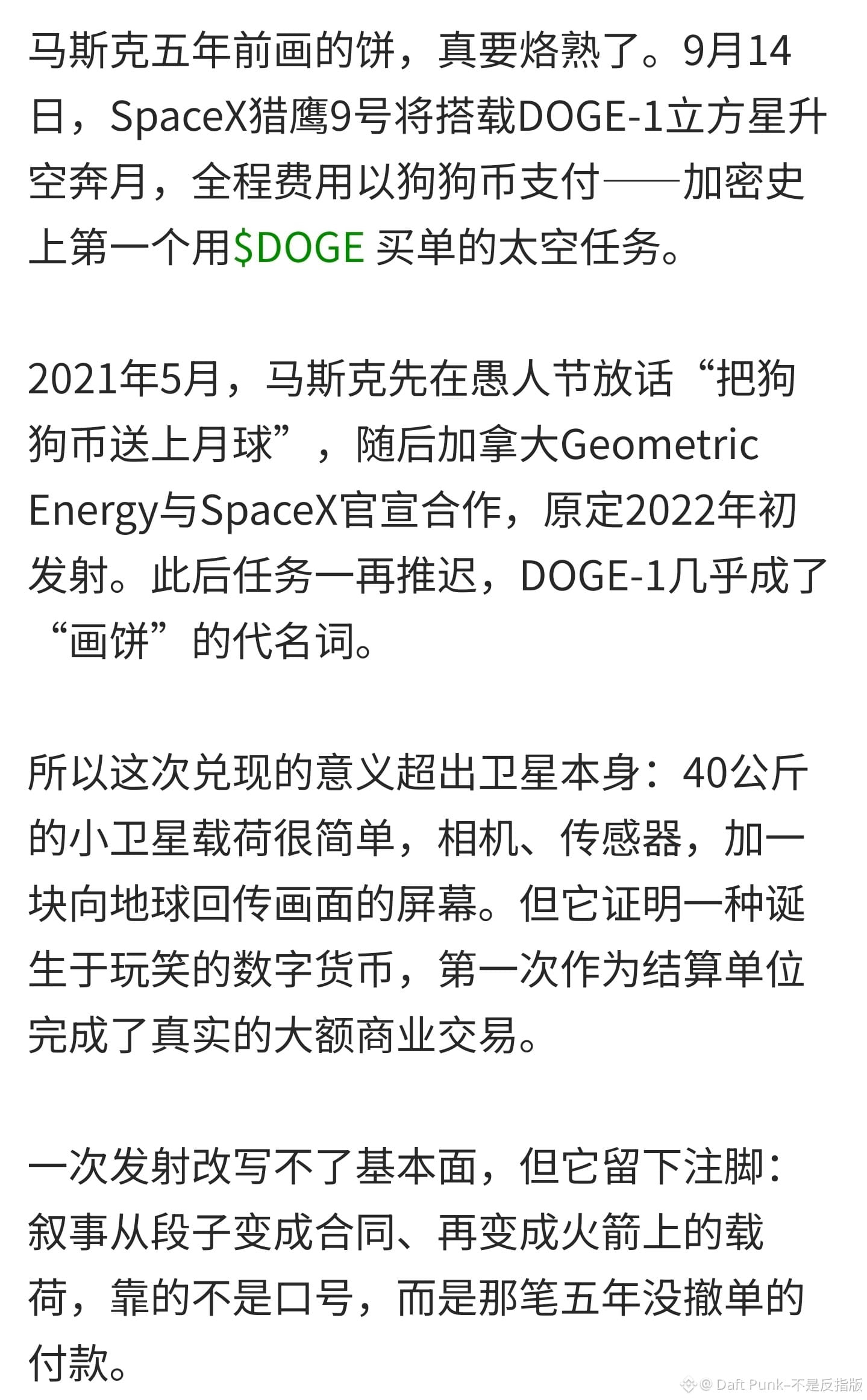
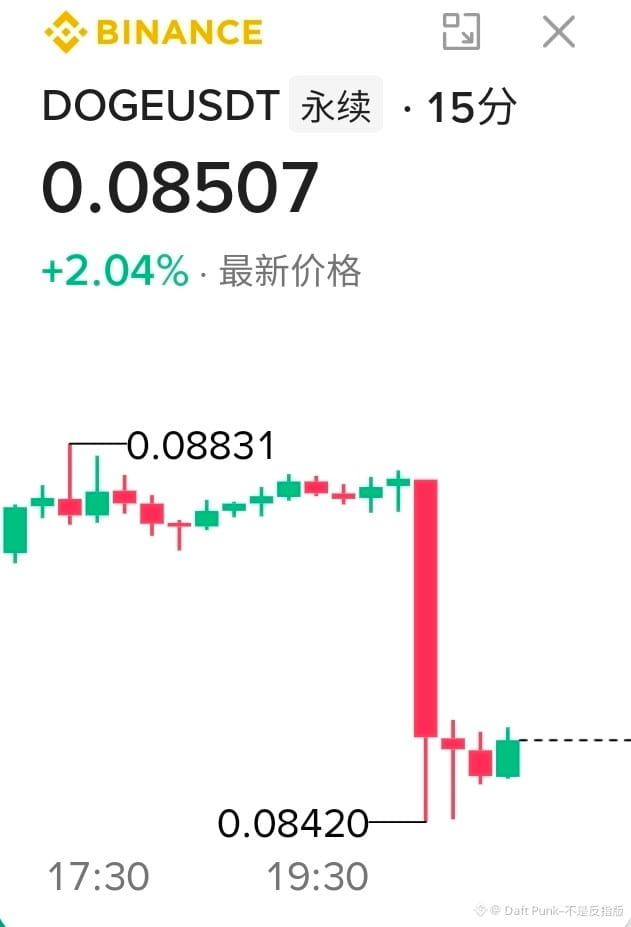
Will this thing turn from a positive once implemented into a negative, or do I need to close my short position of $DOGE before the 14th? 🤔
Will this thing turn from a positive once implemented into a negative, or do I need to close my short position of $DOGE before the 14th? 🤔
7
1
2.7k
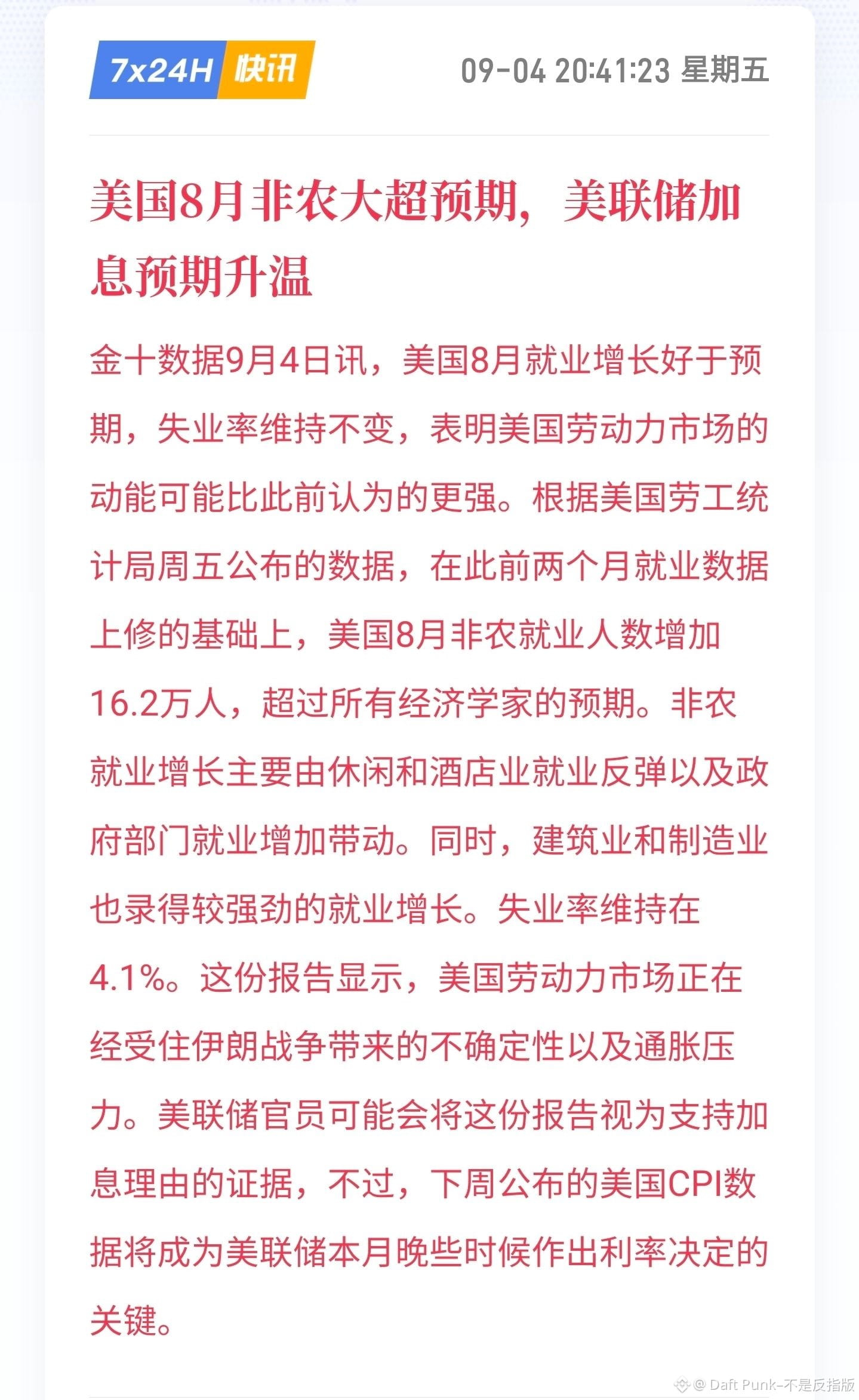
If you’re going to save the air force, can’t you save it more thoroughly 😂 The gap between the small and big nonfarm payrolls is so huge, I don’t believe you didn’t make up the data.
If you’re going to save the air force, can’t you save it more thoroughly 😂 The gap between the small and big nonfarm payrolls is so huge, I don’t believe you didn’t make up the data.
1
1
942
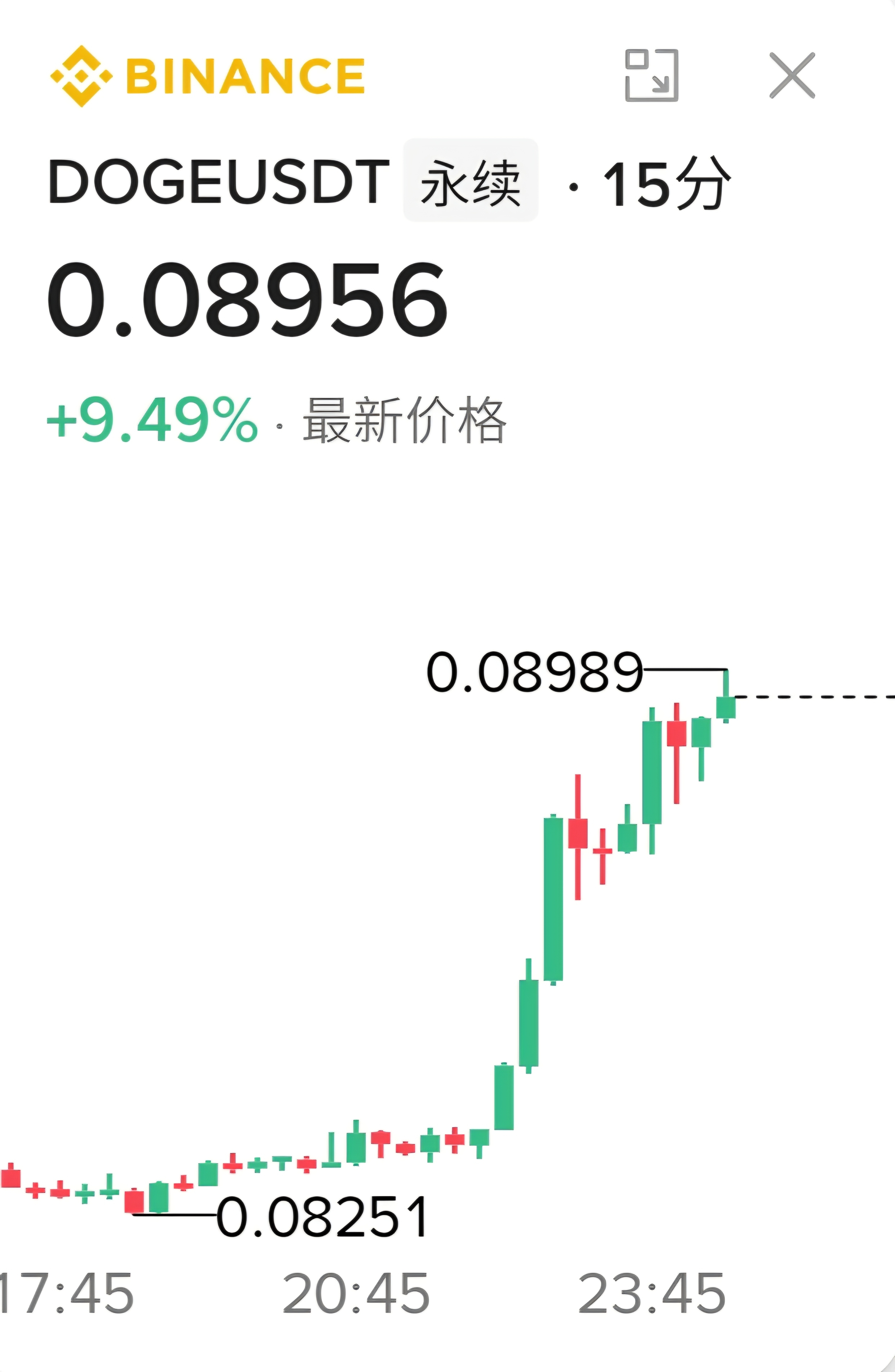
Suddenly you're enjoying good fortune again—just added to your short at $DOGE today
Suddenly you're enjoying good fortune again—just added to your short at $DOGE today
3
3
4.5k
I wonder if anyone else is like 🤤$APR
{alpha}(560x299ad4299da5b2b93fba4c96967b040c7f611099)
I wonder if anyone else is like 🤤$APR
Daft Punk–不是反指版
·
--
$APR came back to chase dreams again, $DEBIT flew away; this time, I’ll definitely not be a paper-hand.
5
1
344
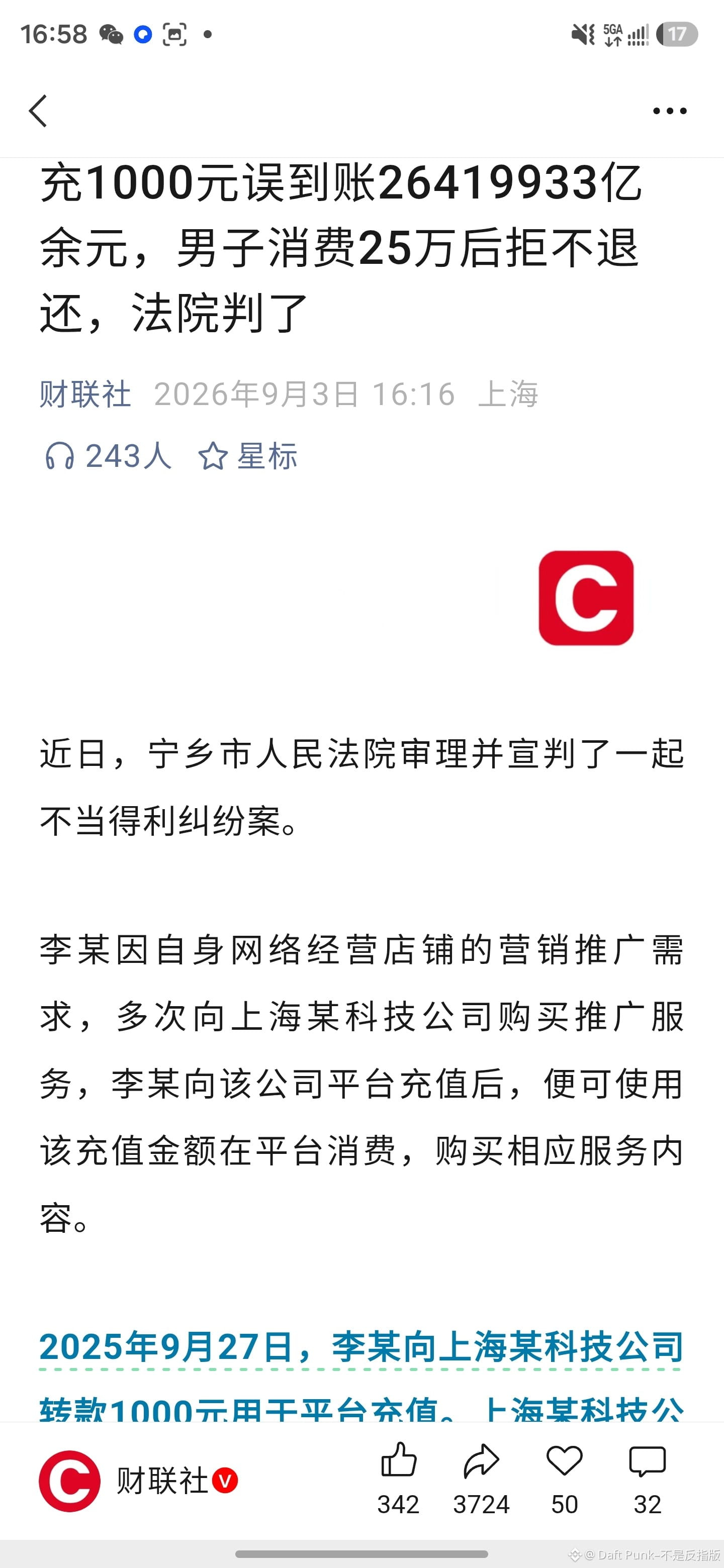
PDD, you don’t have to tell me your name—I can still recognize you. Anzi, can you also send me this many?☺️$PDD
{future}(PDDUSDT)
PDD, you don’t have to tell me your name—I can still recognize you. Anzi, can you also send me this many?☺️$PDD
1
2
3k
I thought I only earned this much haha, but when I checked it only counts tips. Maybe other things can’t be quantified well. $BTC
{spot}(BTCUSDT)
I thought I only earned this much haha, but when I checked it only counts tips. Maybe other things can’t be quantified well. $BTC


4
6
1.5k
$APR came back to chase dreams again, $DEBIT flew away; this time, I’ll definitely not be a paper-hand.
$APR came back to chase dreams again, $DEBIT flew away; this time, I’ll definitely not be a paper-hand.
5
1
3
1.2k
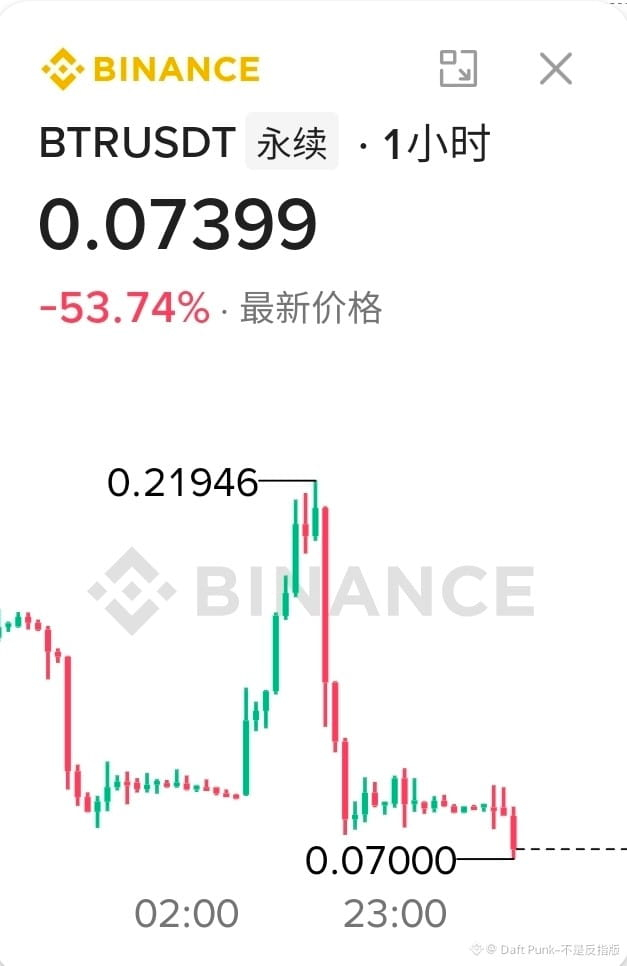
$BTR still hackers attacked, still closed spot, still high platform diving, can these dog gangs do something new?
{future}(BTRUSDT)
$BTR still hackers attacked, still closed spot, still high platform diving, can these dog gangs do something new?
2
2
2.7k
The master says Sun Ge this year hasn’t been going too smoothly $TRX
{future}(TRXUSDT)
The master says Sun Ge this year hasn’t been going too smoothly $TRX


3
2
1.7k
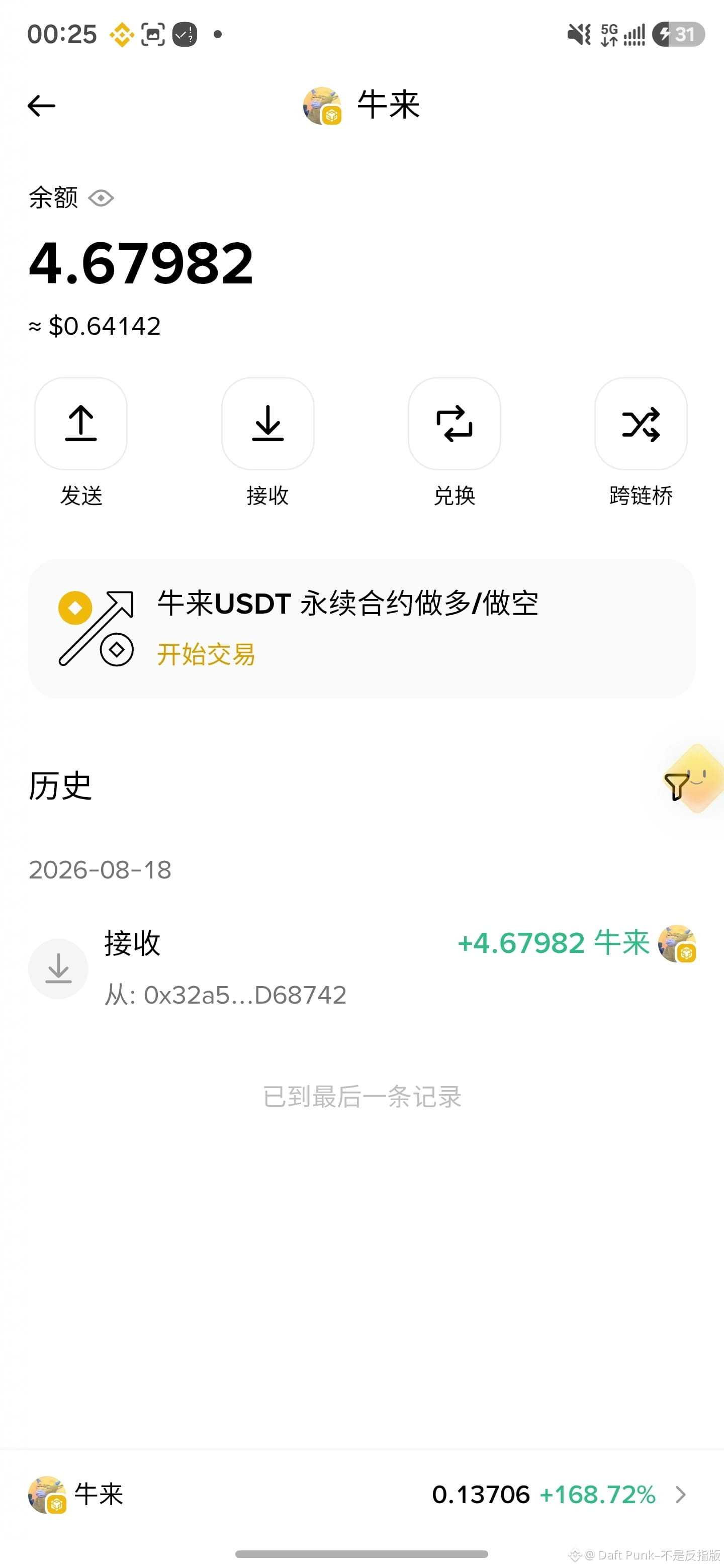
$牛来 Zhuangdang rubbish shoved into my pocket—my coins are enough to buy a big bottle of iced tea.
{future}(牛来USDT)
$牛来 Zhuangdang rubbish shoved into my pocket—my coins are enough to buy a big bottle of iced tea.
3
3
2.1k
Log in to explore more content
Join global crypto users on Binance Square
⚡️ Get latest and useful information about crypto.
💬 Trusted by the world’s largest crypto exchange.
👍 Discover real insights from verified creators.
Email / Phone number
Trending Topics
US10YTreasuryYieldHitsHighestSinceNov2023
0 views
13 Discussing
🚨 $METAB Looks Ready for the Next Move! Will Bulls Defend Support? 👀
📍 Entry: 643 – 646
🛑 Stop Loss: 638
🎯 TP1: 652
🎯 TP2: 657
🎯 TP3: 665
📊 Strong bullish structure remains intact, and the current pullback appears to be healthy consolidation rather than a trend reversal. A bounce from support could fuel the next leg higher.
⚠️ Wait for bullish confirmation before entering. Always manage your risk.
Trade Here 👇
#meta #US10YTreasuryYieldHitsHighestSinceNov2023 #BinanceSquareTalks #USADPWeeklyEmploymentRises12000 $IOST
Adeem Jutt
·1 Likes
·18 views
USTreasuryToBuyBackUpTo$6BLongDatedDebt
7,087 views
121 Discussing
BitcoinSurpasses$79K
48,957 views
244 Discussing