

FeryX Trades
21.6k Posts

FeryX Trades
 Square Verified+
Report
Block User
فريال | متداولة شرسة لا تعرف التراجع 📊
أحلل بذكاء، أقتنص الفرص، وأبني نجاحي بثقة.
هدفي الحرية المالية وصناعة اسمي بقوة في عالم التداول.
4.3K+ Following
38.1K+ Followers
36.6K+ Liked
Posts
All
Quotes
Live
PINNED
·
--
Bullish
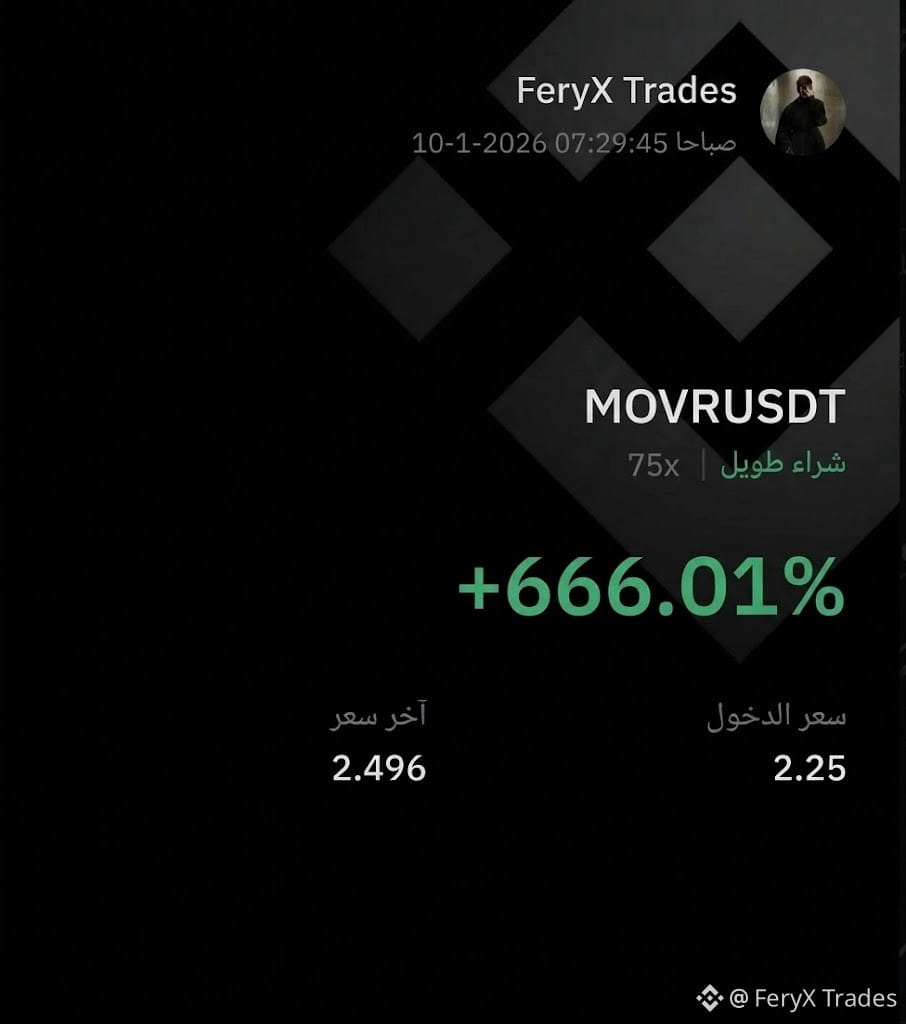
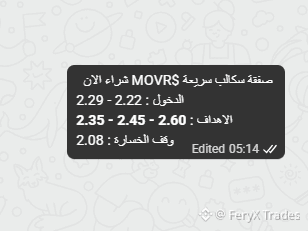
The third knockout blow and the third target of the coin operation to hit its head! 🤣🔥
Coin $MOVR was blown up, with the accuracy of a sniper from the entry point, and with zero “jajfla”! 🤩🔥
If you’re not following me, you’re missing rocket opportunities 😎👏
The third knockout blow and the third target of the coin operation to hit its head! 🤣🔥
Coin $MOVR was blown up, with the accuracy of a sniper from the entry point, and with zero “jajfla”! 🤩🔥
If you’re not following me, you’re missing rocket opportunities 😎👏
Coin $MOVR was blown up, with the accuracy of a sniper from the entry point, and with zero “jajfla”! 🤩🔥
If you’re not following me, you’re missing rocket opportunities 😎👏
1
4.4k
·
--
Bullish
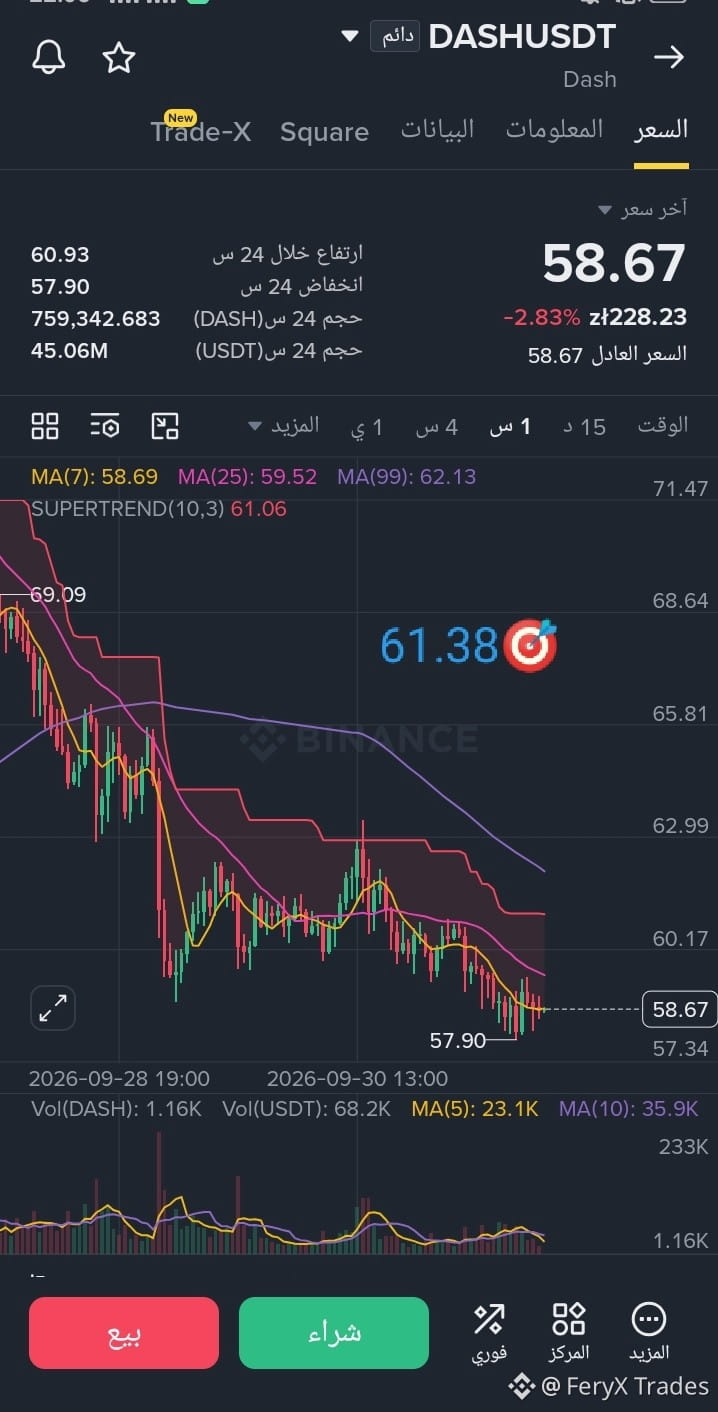
Enter a Buy (Long) trade on currency $DASH .
Entry range: 58.40 - 58.73
Take-profit (TP) range: 61.38 - 63.63
Stop-loss (SL): 56.65
DASH shows up before the decline below 57.90, where a strong and distinctive rebound occurred (forming a prominent lower wick), indicating buyers (bulls) entering the market!
Be cautious: the overall downtrend may resume on the 1-hour timeframe, which would invalidate the rebound scenario if the 57.50 stop-loss level is broken.
Never risk your entire capital; use a position size that matches your account size.
The setup looks ready. 👇👇👇
I’m closely monitoring the charts for currencies $GTC and $BTC C.
Enter a Buy (Long) trade on currency $DASH .
Entry range: 58.40 - 58.73
Take-profit (TP) range: 61.38 - 63.63
Stop-loss (SL): 56.65
DASH shows up before the decline below 57.90, where a strong and distinctive rebound occurred (forming a prominent lower wick), indicating buyers (bulls) entering the market!
Be cautious: the overall downtrend may resume on the 1-hour timeframe, which would invalidate the rebound scenario if the 57.50 stop-loss level is broken.
Never risk your entire capital; use a position size that matches your account size.
The setup looks ready. 👇👇👇
I’m closely monitoring the charts for currencies $GTC and $BTC C.
Entry range: 58.40 - 58.73
Take-profit (TP) range: 61.38 - 63.63
Stop-loss (SL): 56.65
DASH shows up before the decline below 57.90, where a strong and distinctive rebound occurred (forming a prominent lower wick), indicating buyers (bulls) entering the market!
Be cautious: the overall downtrend may resume on the 1-hour timeframe, which would invalidate the rebound scenario if the 57.50 stop-loss level is broken.
Never risk your entire capital; use a position size that matches your account size.
The setup looks ready. 👇👇👇
I’m closely monitoring the charts for currencies $GTC and $BTC C.
1
113
·
--
Bullish
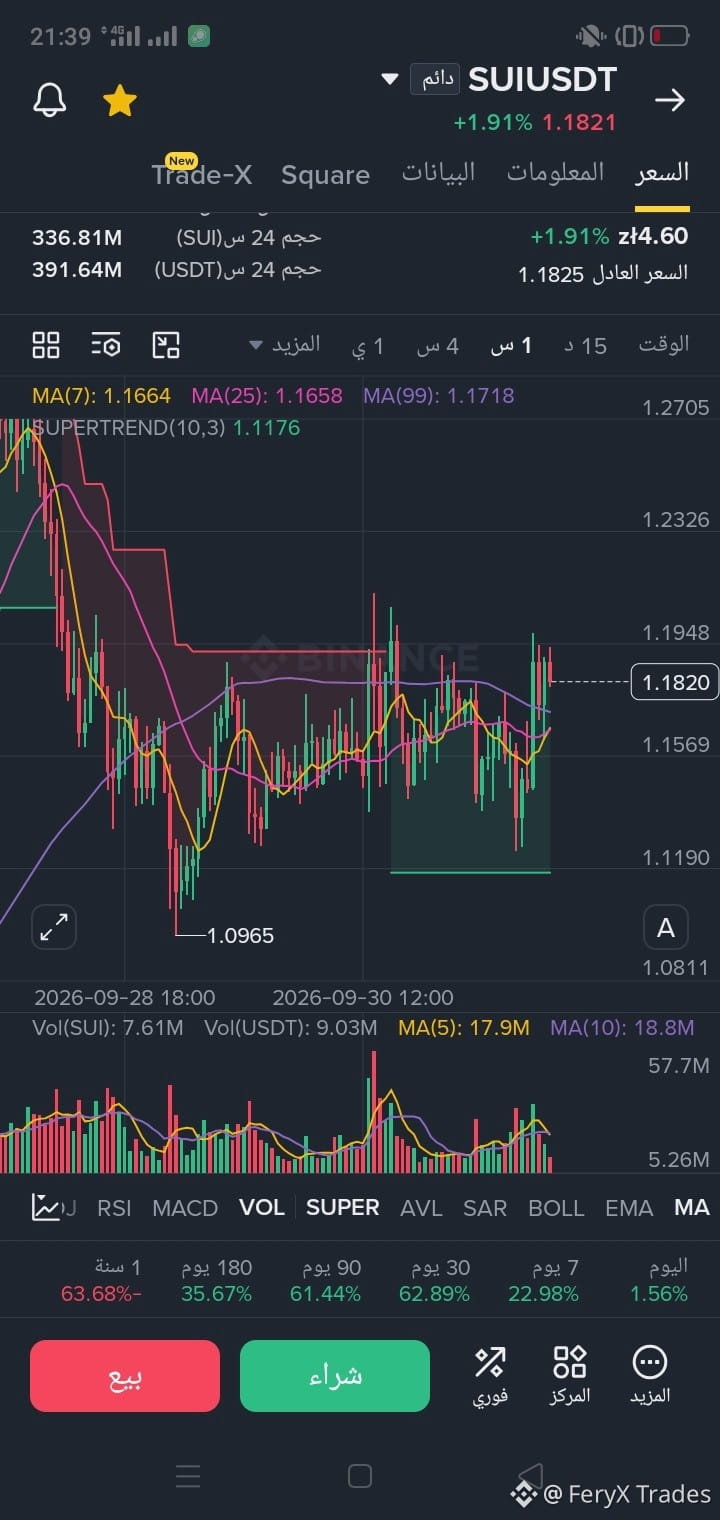
A new breakout for $SUI and a second rebound wave forming on the chart! ⚡📈
After our first trade hit all its targets completely with exceptional accuracy, the price is now showing a quick bullish reversal pattern, confirming that the mid-range timeframes are ready for a second round of upside. Technical consolidation above the support levels gives buyers the full advantage to renew momentum and continue along the main path, opening an ideal window to reposition before the candles surge toward higher levels.
We’re taking advantage of this price confirmation and opening a new buy trade (Long), with a calculated risk to follow the upcoming move:
← Entry range: 1.1890 – 1.1930 $
← Targets: 1.2000 $ 🎯 1.2050 $ 🎯 1.2100 $
❌ Stop Loss (SL): 1.1786 $
Secure your spots in the current accumulation zone, and ride the train before the momentum intensifies toward the first target! 📊🚀
{future}(SUIUSDT)
A new breakout for $SUI and a second rebound wave forming on the chart! ⚡📈
After our first trade hit all its targets completely with exceptional accuracy, the price is now showing a quick bullish reversal pattern, confirming that the mid-range timeframes are ready for a second round of upside. Technical consolidation above the support levels gives buyers the full advantage to renew momentum and continue along the main path, opening an ideal window to reposition before the candles surge toward higher levels.
We’re taking advantage of this price confirmation and opening a new buy trade (Long), with a calculated risk to follow the upcoming move:
← Entry range: 1.1890 – 1.1930 $
← Targets: 1.2000 $ 🎯 1.2050 $ 🎯 1.2100 $
❌ Stop Loss (SL): 1.1786 $
Secure your spots in the current accumulation zone, and ride the train before the momentum intensifies toward the first target! 📊🚀
After our first trade hit all its targets completely with exceptional accuracy, the price is now showing a quick bullish reversal pattern, confirming that the mid-range timeframes are ready for a second round of upside. Technical consolidation above the support levels gives buyers the full advantage to renew momentum and continue along the main path, opening an ideal window to reposition before the candles surge toward higher levels.
We’re taking advantage of this price confirmation and opening a new buy trade (Long), with a calculated risk to follow the upcoming move:
← Entry range: 1.1890 – 1.1930 $
← Targets: 1.2000 $ 🎯 1.2050 $ 🎯 1.2100 $
❌ Stop Loss (SL): 1.1786 $
Secure your spots in the current accumulation zone, and ride the train before the momentum intensifies toward the first target! 📊🚀
1
120
·
--
Bullish
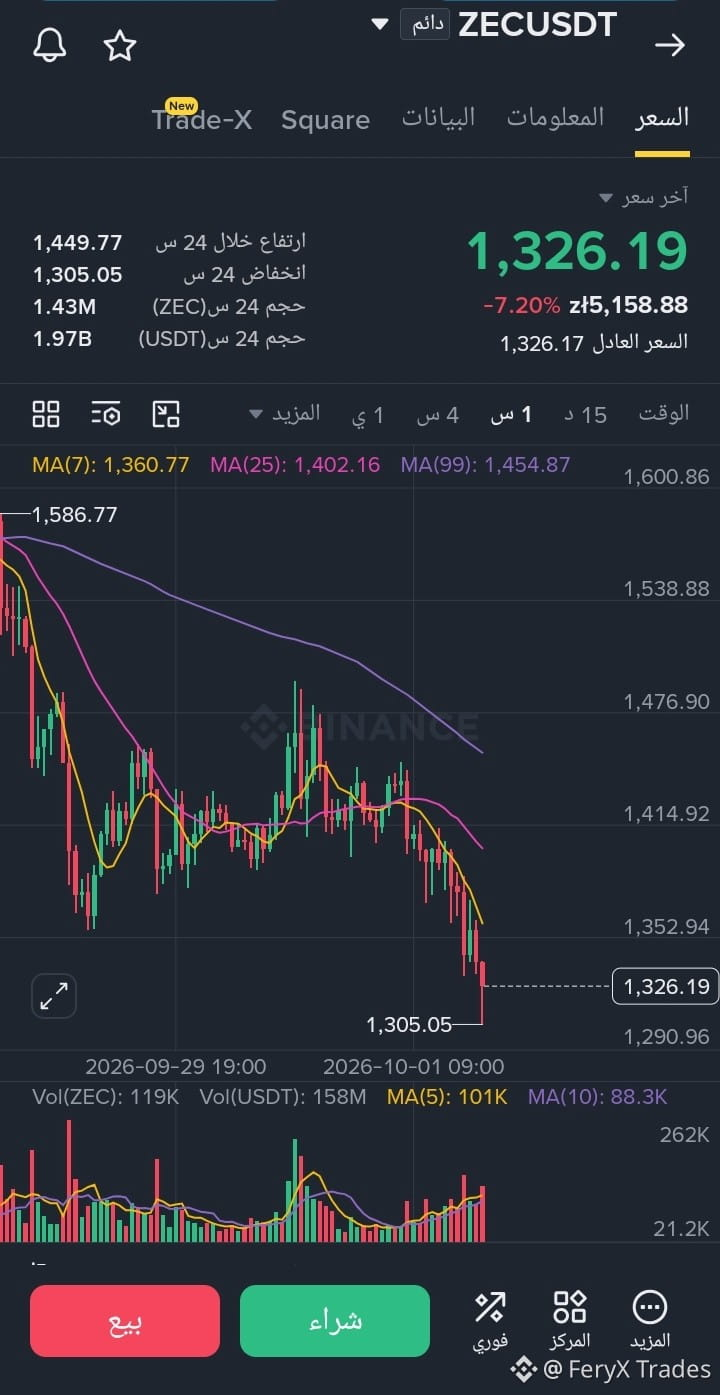
Cautious stability near key support zones; the intensity of the decline has started to ease gradually. An indication that a corrective rebound may be possible.
Buy trade on currency $ZEC .
Entry range: $1,330-$1,350
Targets: $1,390 / $1,430 / $1,480
Stop loss: $1,095
Note: The trend on the four-hour timeframe is still bearish; stay disciplined.
Don’t enter with your entire portfolio—allocate risk management wisely according to your account size.
I’m anticipating the rebound. 👇👇👇
Currencies $ZRO and $XRP
Within my watchlist.
Cautious stability near key support zones; the intensity of the decline has started to ease gradually. An indication that a corrective rebound may be possible.
Buy trade on currency $ZEC .
Entry range: $1,330-$1,350
Targets: $1,390 / $1,430 / $1,480
Stop loss: $1,095
Note: The trend on the four-hour timeframe is still bearish; stay disciplined.
Don’t enter with your entire portfolio—allocate risk management wisely according to your account size.
I’m anticipating the rebound. 👇👇👇
Currencies $ZRO and $XRP
Within my watchlist.
Buy trade on currency $ZEC .
Entry range: $1,330-$1,350
Targets: $1,390 / $1,430 / $1,480
Stop loss: $1,095
Note: The trend on the four-hour timeframe is still bearish; stay disciplined.
Don’t enter with your entire portfolio—allocate risk management wisely according to your account size.
I’m anticipating the rebound. 👇👇👇
Currencies $ZRO and $XRP
Within my watchlist.
1
278
·
--
Bullish
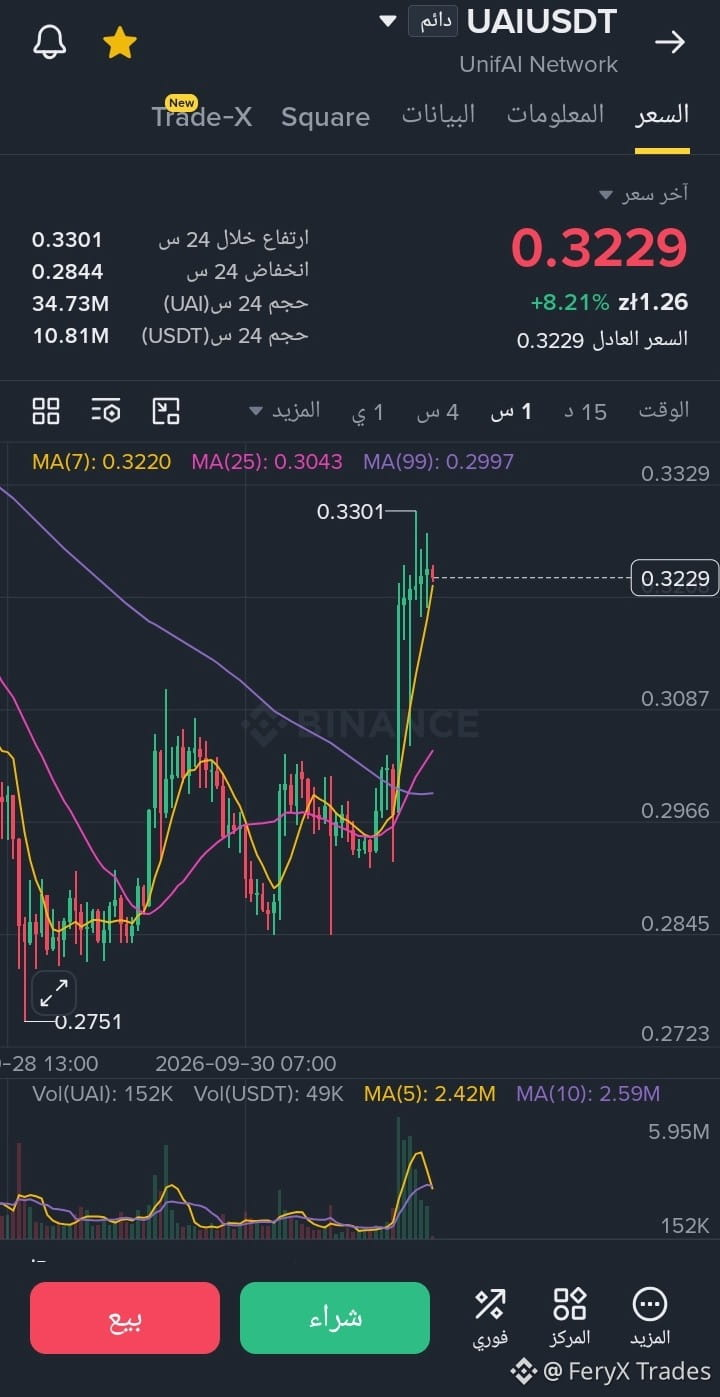
$UAI The price holds its base firmly and momentum starts building for an upward push. Let’s open a long between 0.318 - 0.328! Next targets: 0.334, then 0.343, and finally 0.350 (Stop loss: 0.295). Positivity continues as long as the price is above 0.315!
$UAI The price holds its base firmly and momentum starts building for an upward push. Let’s open a long between 0.318 - 0.328! Next targets: 0.334, then 0.343, and finally 0.350 (Stop loss: 0.295). Positivity continues as long as the price is above 0.315!
1
143
·
--
Come on, everyone, come!!
Come on, everyone, come!!
FeryX Trades
·
--
[Replay] 🎙️ The market is blazing! 🔥 | Fast scalping deals and instant profits 🤑
01 h 33 m 27 s · 142 listens
1
203
·
--
🎙️ The market is blazing! 🔥 | Fast scalping deals and instant profits 🤑
End
01 h 33 m 27 s
142
1
1
·
--
Bullish
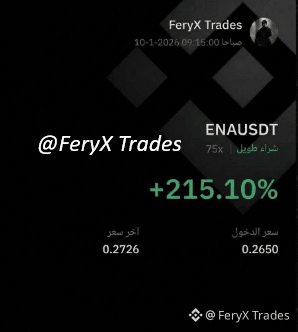
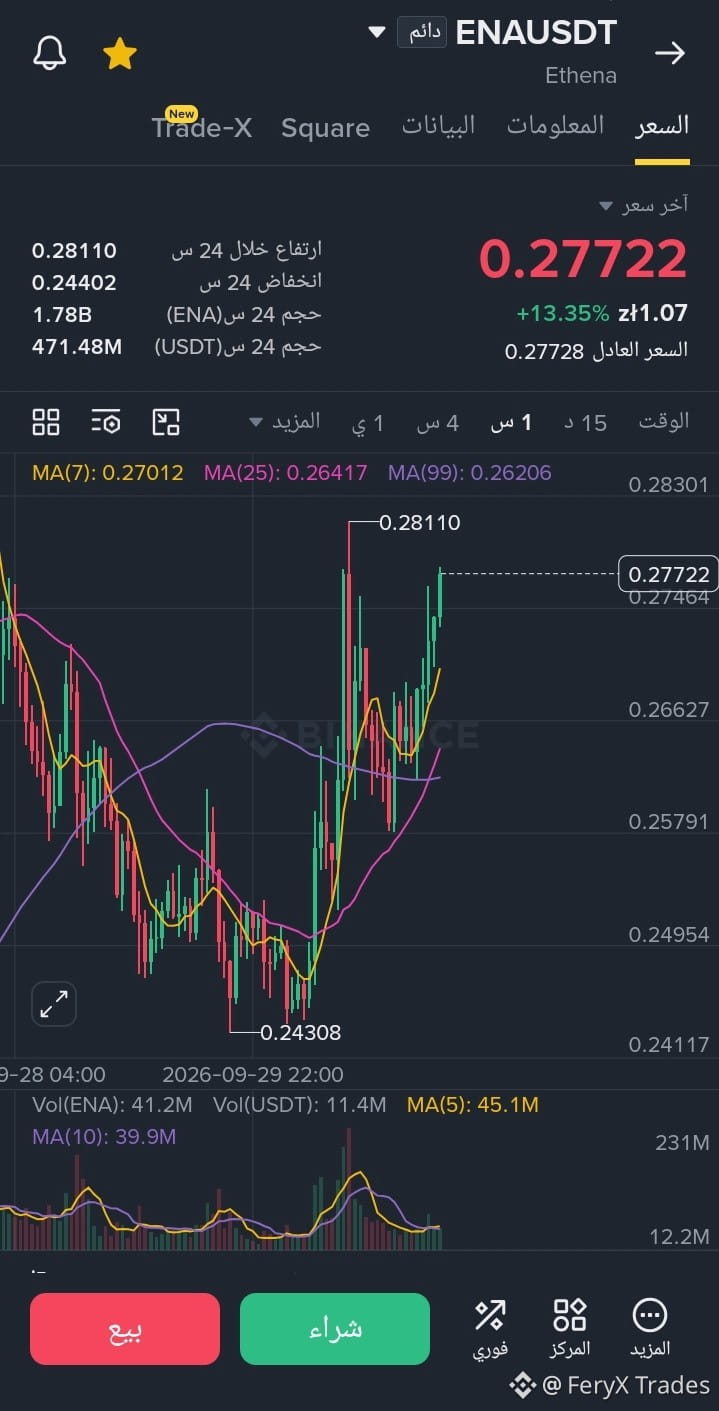
BOOOOM 😉🔥 The results speak
from the Long deal on $ENA
{future}(ENAUSDT)
BOOOOM 😉🔥 The results speak
from the Long deal on $ENA
from the Long deal on $ENA
1
145
·
--
Bullish
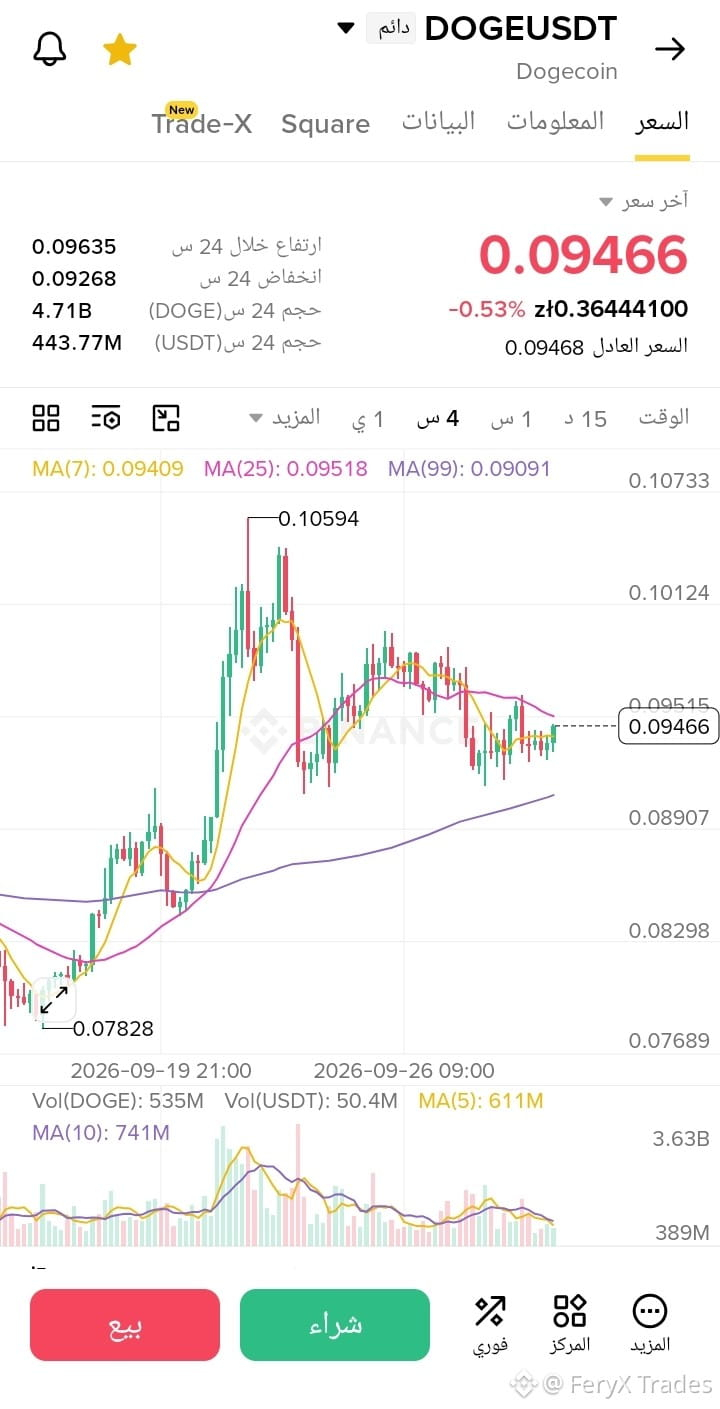
A huge accumulation opportunity is forming on the **$DOGE ** coin.
**Preparation Range:** 0.0880$– 0.0920$
**Profit-Gain Range:** 0.0950$ – 0.0980$– 0.1000$
**Stop-Loss:** 0.0850$
**Technical Analysis:** The price succeeded in re-testing a major pivot support area after the latest correction. The current consolidation paves the way for a bullish locomotive rebound and an anticipated structural breakout on the weekly timeframe.
**Warning:** A break of the main support and a close below 0.0850$ immediately invalidates the bullish outlook.
**Risk Management:** Support is excellent, but don’t put all your capital into one trade; stick to a safe position size.
Watch how the price responds at support. 👇👇👇
Follow the current ticker: **$DOGE**
A huge accumulation opportunity is forming on the **$DOGE ** coin.
**Preparation Range:** 0.0880$– 0.0920$
**Profit-Gain Range:** 0.0950$ – 0.0980$– 0.1000$
**Stop-Loss:** 0.0850$
**Technical Analysis:** The price succeeded in re-testing a major pivot support area after the latest correction. The current consolidation paves the way for a bullish locomotive rebound and an anticipated structural breakout on the weekly timeframe.
**Warning:** A break of the main support and a close below 0.0850$ immediately invalidates the bullish outlook.
**Risk Management:** Support is excellent, but don’t put all your capital into one trade; stick to a safe position size.
Watch how the price responds at support. 👇👇👇
Follow the current ticker: **$DOGE **
**Preparation Range:** 0.0880$– 0.0920$
**Profit-Gain Range:** 0.0950$ – 0.0980$– 0.1000$
**Stop-Loss:** 0.0850$
**Technical Analysis:** The price succeeded in re-testing a major pivot support area after the latest correction. The current consolidation paves the way for a bullish locomotive rebound and an anticipated structural breakout on the weekly timeframe.
**Warning:** A break of the main support and a close below 0.0850$ immediately invalidates the bullish outlook.
**Risk Management:** Support is excellent, but don’t put all your capital into one trade; stick to a safe position size.
Watch how the price responds at support. 👇👇👇
Follow the current ticker: **$DOGE **
3
2
204
·
--
Bearish
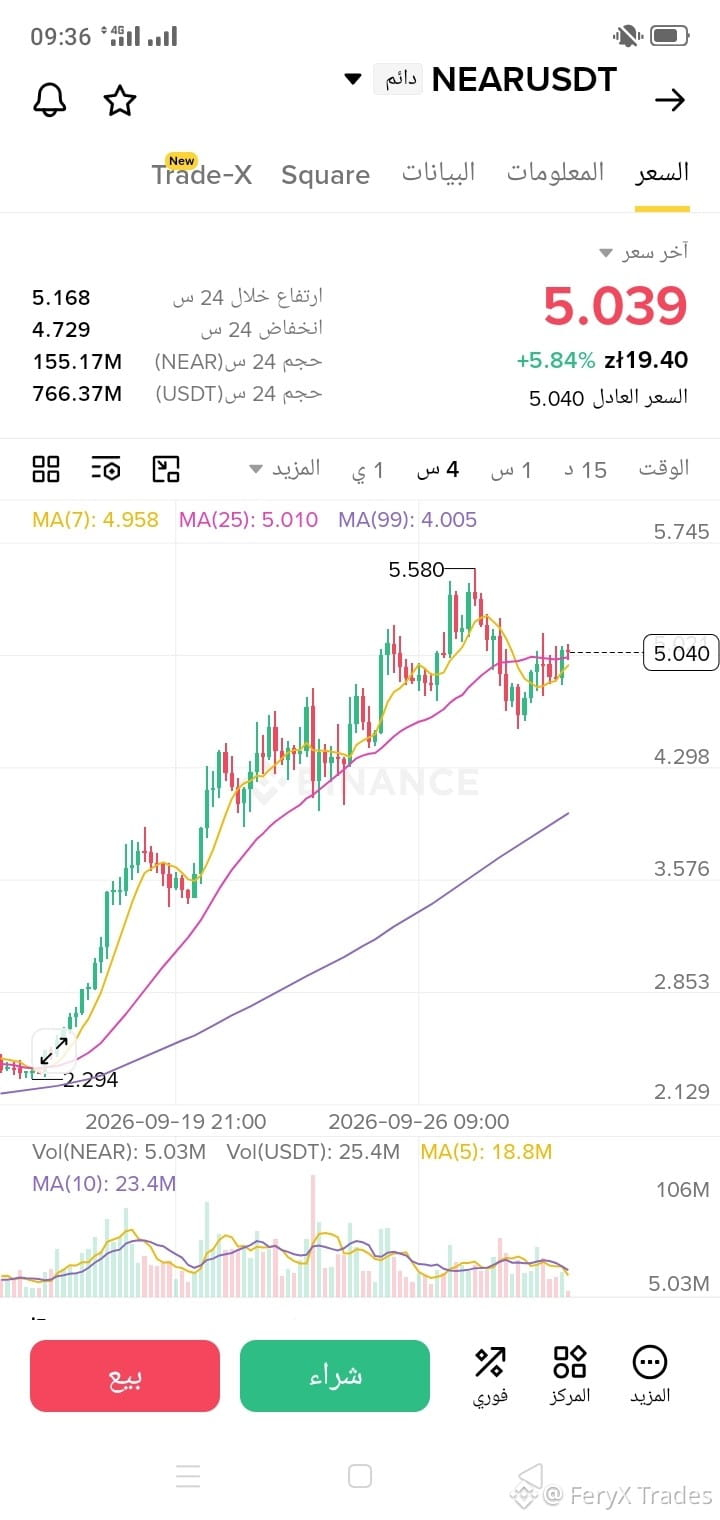
Excellent selling opportunity formed at **$NEAR ** after breaking the upward structure.
**Setup range:** $4.95–$5.08
**Profit-taking range:** $4.70 – $4.50 – $4.30
**Stop loss:** $5.20
**Technical analysis:** A clear structural break of the ascending channel on the 4-hour timeframe opens the door to a deep corrective wave, especially after the recent sharp rises and the depletion of buying momentum at the peaks.
**Warning:** If the price regains and holds above the 5.20$ level, the bearish outlook is invalidated and the downside idea is cancelled.
**Risk management:** Strong move corrections are fast and sharp—keep a balanced position size and do not over-leverage.
Watch the price drop by mentioning. 👇👇👇
Follow the current symbol: **$NEAR **
Excellent selling opportunity formed at **$NEAR ** after breaking the upward structure.
**Setup range:** $4.95–$5.08
**Profit-taking range:** $4.70 – $4.50 – $4.30
**Stop loss:** $5.20
**Technical analysis:** A clear structural break of the ascending channel on the 4-hour timeframe opens the door to a deep corrective wave, especially after the recent sharp rises and the depletion of buying momentum at the peaks.
**Warning:** If the price regains and holds above the 5.20$ level, the bearish outlook is invalidated and the downside idea is cancelled.
**Risk management:** Strong move corrections are fast and sharp—keep a balanced position size and do not over-leverage.
Watch the price drop by mentioning. 👇👇👇
Follow the current symbol: **$NEAR **
**Setup range:** $4.95–$5.08
**Profit-taking range:** $4.70 – $4.50 – $4.30
**Stop loss:** $5.20
**Technical analysis:** A clear structural break of the ascending channel on the 4-hour timeframe opens the door to a deep corrective wave, especially after the recent sharp rises and the depletion of buying momentum at the peaks.
**Warning:** If the price regains and holds above the 5.20$ level, the bearish outlook is invalidated and the downside idea is cancelled.
**Risk management:** Strong move corrections are fast and sharp—keep a balanced position size and do not over-leverage.
Watch the price drop by mentioning. 👇👇👇
Follow the current symbol: **$NEAR **
4
276
·
--
Bearish
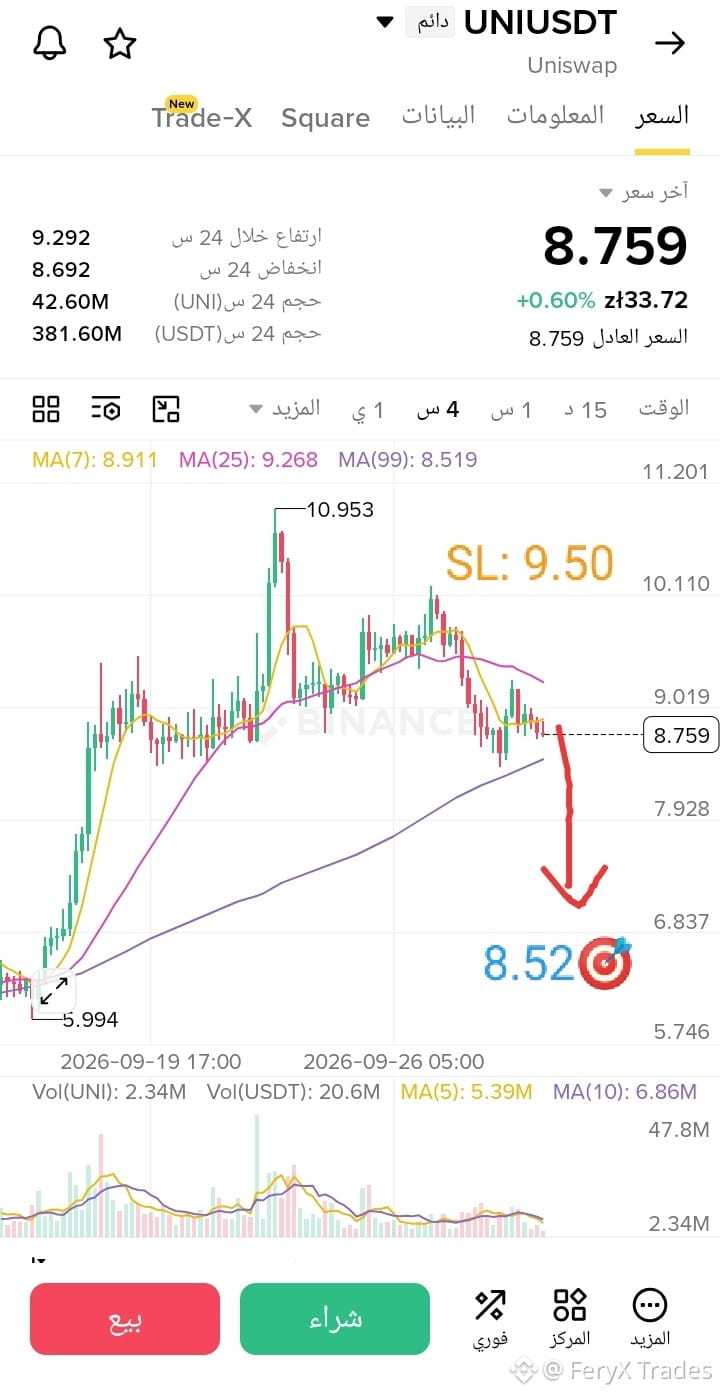
An upcoming selling opportunity for **$UNI **.
**Preparation range:** $8.65–$8.91
**Profit-taking range:** $8.52–$8.20–$7.90
**Stop-loss:** $9.50
**Technical analysis:** The price is experiencing severe difficulty in regaining key resistance zones, with momentum indicators turning negative. This price action reflects the depletion of buying power and increases the likelihood of a faster decline toward lower liquidity levels.
**Disclaimer:** A breakout and consolidation above $9.50 completely invalidates the technical analysis and ends the bearish idea.
**Risk management:** Keep a balanced position size that matches your capital and avoid high leverage.
Follow the live moves. 👇👇👇
Current symbol follow-up: $GRASS $NEAR
An upcoming selling opportunity for **$UNI **.
**Preparation range:** $8.65–$8.91
**Profit-taking range:** $8.52–$8.20–$7.90
**Stop-loss:** $9.50
**Technical analysis:** The price is experiencing severe difficulty in regaining key resistance zones, with momentum indicators turning negative. This price action reflects the depletion of buying power and increases the likelihood of a faster decline toward lower liquidity levels.
**Disclaimer:** A breakout and consolidation above $9.50 completely invalidates the technical analysis and ends the bearish idea.
**Risk management:** Keep a balanced position size that matches your capital and avoid high leverage.
Follow the live moves. 👇👇👇
Current symbol follow-up: $GRASS $NEAR
**Preparation range:** $8.65–$8.91
**Profit-taking range:** $8.52–$8.20–$7.90
**Stop-loss:** $9.50
**Technical analysis:** The price is experiencing severe difficulty in regaining key resistance zones, with momentum indicators turning negative. This price action reflects the depletion of buying power and increases the likelihood of a faster decline toward lower liquidity levels.
**Disclaimer:** A breakout and consolidation above $9.50 completely invalidates the technical analysis and ends the bearish idea.
**Risk management:** Keep a balanced position size that matches your capital and avoid high leverage.
Follow the live moves. 👇👇👇
Current symbol follow-up: $GRASS $NEAR
6
357
·
--
Bearish
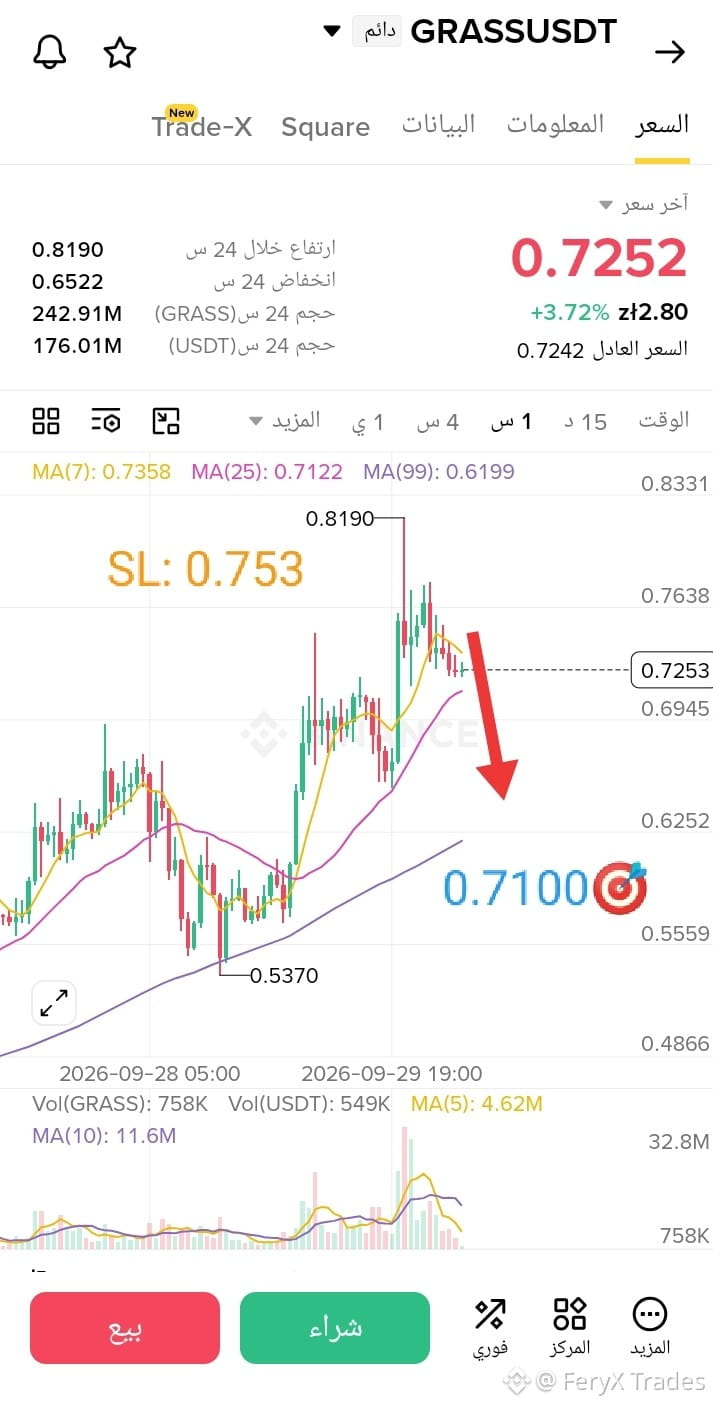
Enter a short at $GRASS immediately at 0.7225 - 0.7300; the downward move is coming strongly and will not be stopped, and the opportunity is golden!
Target 0.7100 then 0.6900 and finally 0.6700.
Set the stop loss at 0.753
Don’t hesitate—win now before everyone!
{future}(GRASSUSDT)
Enter a short at $GRASS immediately at 0.7225 - 0.7300; the downward move is coming strongly and will not be stopped, and the opportunity is golden!
Target 0.7100 then 0.6900 and finally 0.6700.
Set the stop loss at 0.753
Don’t hesitate—win now before everyone!
Target 0.7100 then 0.6900 and finally 0.6700.
Set the stop loss at 0.753
Don’t hesitate—win now before everyone!
3
209
·
--
Bullish
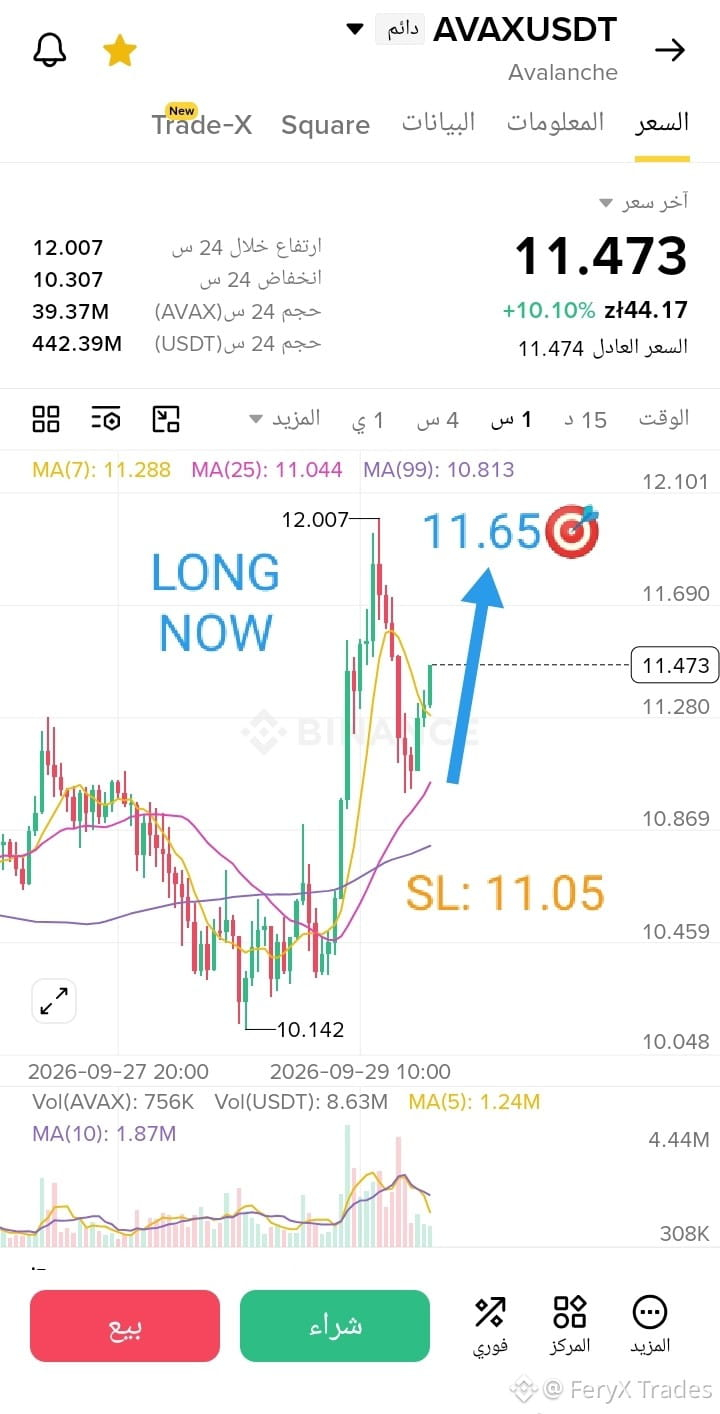
Enter a long on **$AVAX ** immediately at 11.39 - 11.45; the upward move is coming strong and unstoppable, and the opportunity is golden!
Target 11.65 then 11.82 and finally 12.02
Set stop loss at 11.05 only.
Don’t hesitate—win now before everyone else!
$AVAX
{future}(AVAXUSDT)
Enter a long on **$AVAX ** immediately at 11.39 - 11.45; the upward move is coming strong and unstoppable, and the opportunity is golden!
Target 11.65 then 11.82 and finally 12.02
Set stop loss at 11.05 only.
Don’t hesitate—win now before everyone else!
$AVAX
Target 11.65 then 11.82 and finally 12.02
Set stop loss at 11.05 only.
Don’t hesitate—win now before everyone else!
$AVAX
2
181
·
--
Bullish
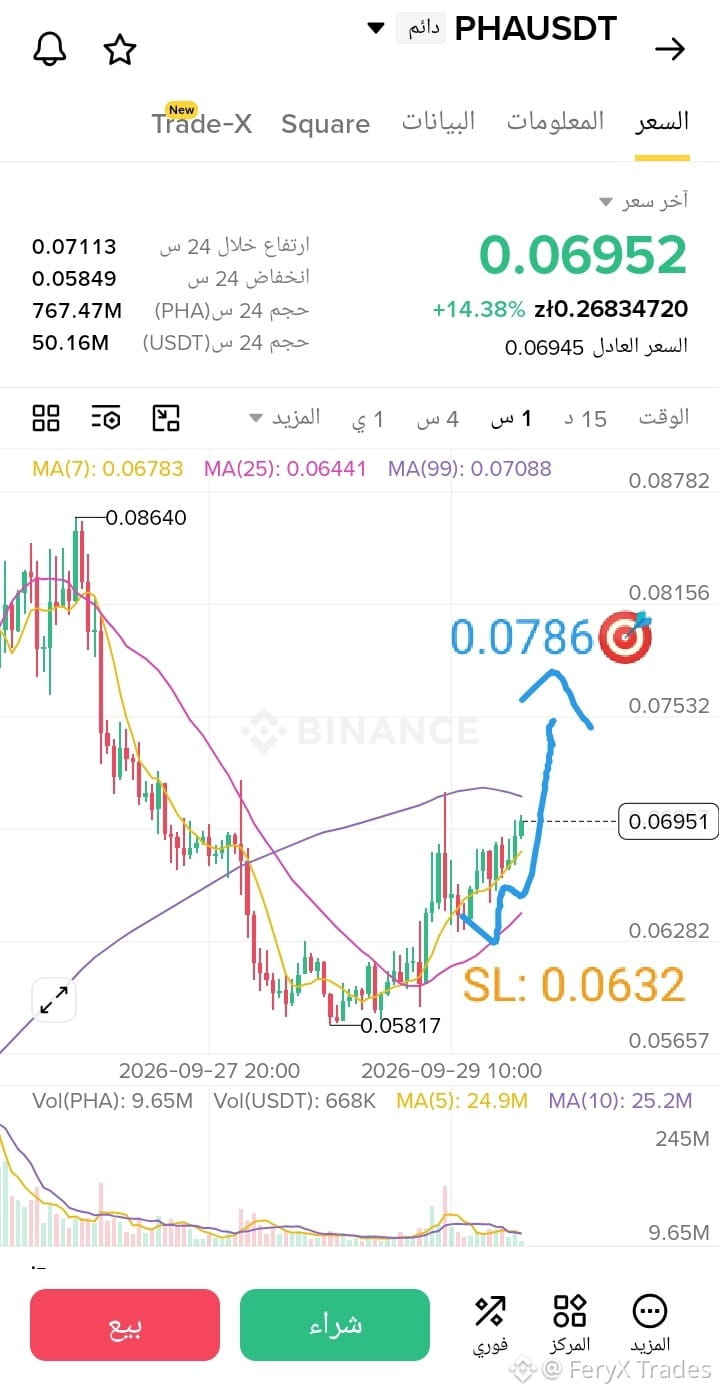
Positive momentum and strong consolidation for the $PHA coin above resistance levels.
Setup range: $0.0670 - $0.0694
Target: $0.0786
Stop loss: $0.0632
Technical analysis: The price’s successful breakout and trading above the 0.0686$ area indicates a stable recovery path, supporting the continuation of the upward wave and the testing of the next resistance targets.
Note: A drop below the support zone at 0.0633$ invalidates the bullish outlook and returns trading to the bearish range.
Risk management: Choose the appropriate lot size to avoid slippage, and maintain strict capital management.
Follow updates first-hand. 👇👇👇
Current symbol tracking: $ENA $BERA
{future}(BERAUSDT)
Positive momentum and strong consolidation for the $PHA coin above resistance levels.
Setup range: $0.0670 - $0.0694
Target: $0.0786
Stop loss: $0.0632
Technical analysis: The price’s successful breakout and trading above the 0.0686$ area indicates a stable recovery path, supporting the continuation of the upward wave and the testing of the next resistance targets.
Note: A drop below the support zone at 0.0633$ invalidates the bullish outlook and returns trading to the bearish range.
Risk management: Choose the appropriate lot size to avoid slippage, and maintain strict capital management.
Follow updates first-hand. 👇👇👇
Current symbol tracking: $ENA $BERA
Setup range: $0.0670 - $0.0694
Target: $0.0786
Stop loss: $0.0632
Technical analysis: The price’s successful breakout and trading above the 0.0686$ area indicates a stable recovery path, supporting the continuation of the upward wave and the testing of the next resistance targets.
Note: A drop below the support zone at 0.0633$ invalidates the bullish outlook and returns trading to the bearish range.
Risk management: Choose the appropriate lot size to avoid slippage, and maintain strict capital management.
Follow updates first-hand. 👇👇👇
Current symbol tracking: $ENA $BERA
2
195
·
--
Bearish
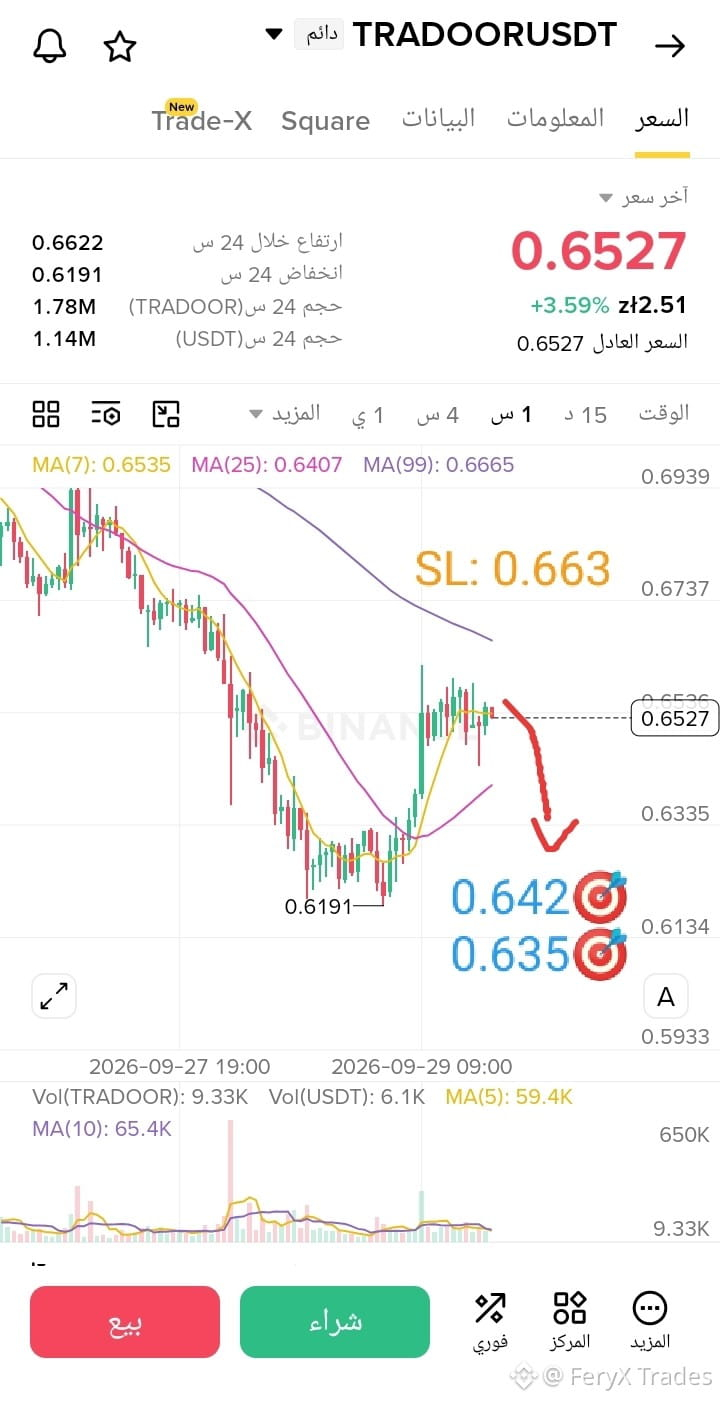
A possible bearish wave on **$TRADOOR **.
**Setup range:** 0.650$ - 0.655$
**Take-profit range:** 0.642$ - 0.635$ - 0.625$
**Stop-loss:** 0.663$
**Technical analysis:** A firm rejection at the local resistance peak confirms buyers have been depleted and the structure has shifted in favor of sellers, opening the way to target lower liquidity levels.
**Warning:** A breakout above the high level of 0.663$ absorbs the stop-loss and cancels the bearish scenario.
**Risk management:** Very tight risk (~1.2% - 1.6%) with an excellent reward-to-risk ratio reaching 1:3.7; stick to balanced entry proportions.
Track the price action. 👇👇👇
Your focus on $ZEC $NEAR
A possible bearish wave on **$TRADOOR **.
**Setup range:** 0.650$ - 0.655$
**Take-profit range:** 0.642$ - 0.635$ - 0.625$
**Stop-loss:** 0.663$
**Technical analysis:** A firm rejection at the local resistance peak confirms buyers have been depleted and the structure has shifted in favor of sellers, opening the way to target lower liquidity levels.
**Warning:** A breakout above the high level of 0.663$ absorbs the stop-loss and cancels the bearish scenario.
**Risk management:** Very tight risk (~1.2% - 1.6%) with an excellent reward-to-risk ratio reaching 1:3.7; stick to balanced entry proportions.
Track the price action. 👇👇👇
Your focus on $ZEC $NEAR
**Setup range:** 0.650$ - 0.655$
**Take-profit range:** 0.642$ - 0.635$ - 0.625$
**Stop-loss:** 0.663$
**Technical analysis:** A firm rejection at the local resistance peak confirms buyers have been depleted and the structure has shifted in favor of sellers, opening the way to target lower liquidity levels.
**Warning:** A breakout above the high level of 0.663$ absorbs the stop-loss and cancels the bearish scenario.
**Risk management:** Very tight risk (~1.2% - 1.6%) with an excellent reward-to-risk ratio reaching 1:3.7; stick to balanced entry proportions.
Track the price action. 👇👇👇
Your focus on $ZEC $NEAR
2
167
·
--
Bullish
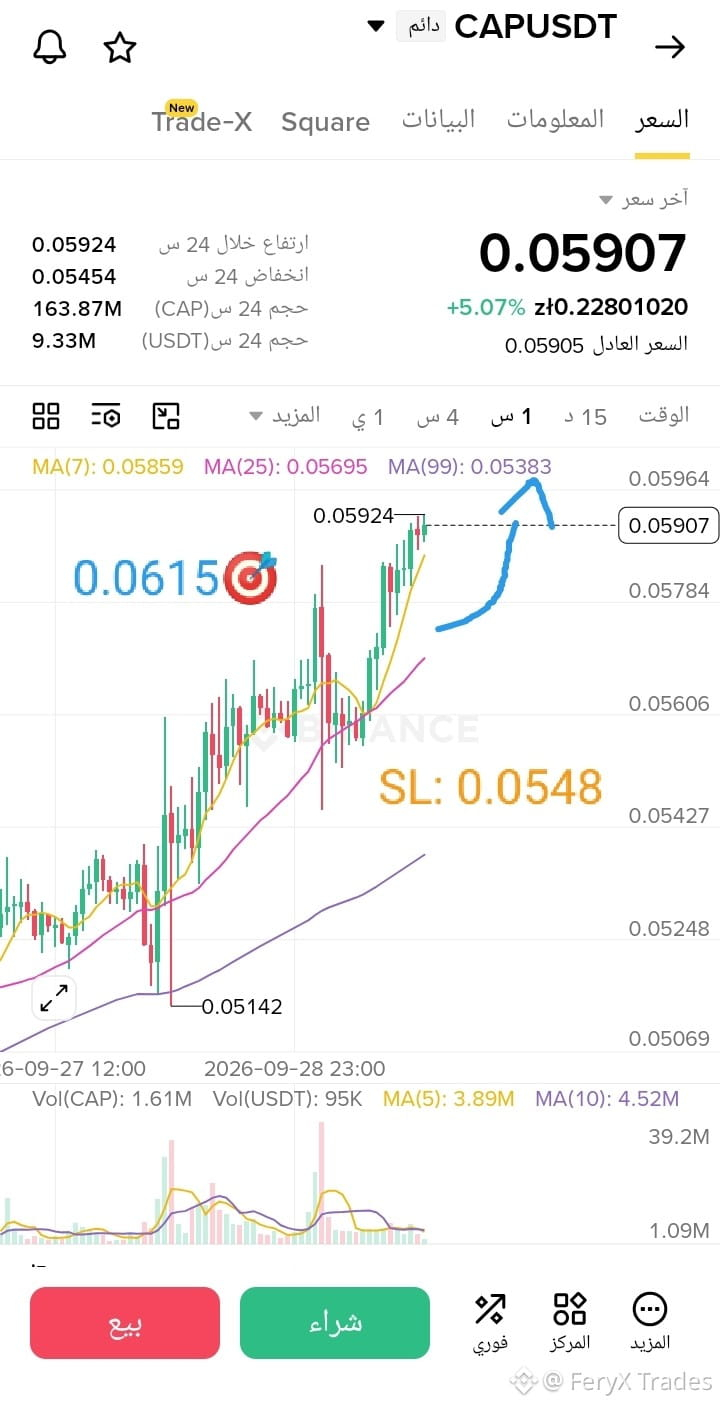
Get ready for the upcoming wave at $CAP .
**Preparation range:** 0.0575$- 0.0590$
**Take-profit range:** 0.0615$- 0.0670$
**Stop-loss:** 0.0548$
**Technical analysis:** Successful retest of the 0.0554$ range and the conversion of the previous resistance into a key support (S/R Flip) — an excellent bullish structure that supports price pushing toward the higher targets.
**Warning:** A close below the 0.0554$ level invalidates the bullish idea and indicates weak momentum.
**Risk management:** An excellent setup with risk-to-reward reaching up to 1:3.5, with a limited downside risk of ~4.7%; keep a balanced position size.
Watch for the targets to be reached. 👇👇👇
Follow the current pair: $BTW
{future}(BTWUSDT)
$0G
{future}(0GUSDT)
Get ready for the upcoming wave at $CAP .
**Preparation range:** 0.0575$- 0.0590$
**Take-profit range:** 0.0615$- 0.0670$
**Stop-loss:** 0.0548$
**Technical analysis:** Successful retest of the 0.0554$ range and the conversion of the previous resistance into a key support (S/R Flip) — an excellent bullish structure that supports price pushing toward the higher targets.
**Warning:** A close below the 0.0554$ level invalidates the bullish idea and indicates weak momentum.
**Risk management:** An excellent setup with risk-to-reward reaching up to 1:3.5, with a limited downside risk of ~4.7%; keep a balanced position size.
Watch for the targets to be reached. 👇👇👇
Follow the current pair: $BTW
$0G
**Preparation range:** 0.0575$- 0.0590$
**Take-profit range:** 0.0615$- 0.0670$
**Stop-loss:** 0.0548$
**Technical analysis:** Successful retest of the 0.0554$ range and the conversion of the previous resistance into a key support (S/R Flip) — an excellent bullish structure that supports price pushing toward the higher targets.
**Warning:** A close below the 0.0554$ level invalidates the bullish idea and indicates weak momentum.
**Risk management:** An excellent setup with risk-to-reward reaching up to 1:3.5, with a limited downside risk of ~4.7%; keep a balanced position size.
Watch for the targets to be reached. 👇👇👇
Follow the current pair: $BTW
$0G
2
478
·
--
Bullish
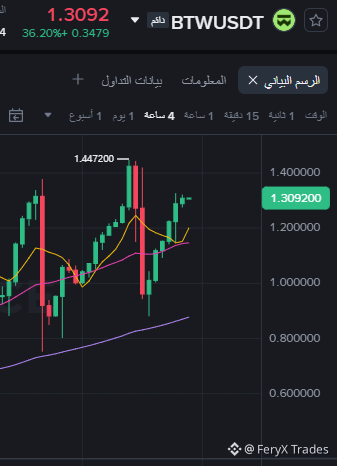
The $BTW pattern holds near its latest peak while maintaining the upward trendline. This technical compression reflects strong accumulation and absorption of sell orders before a potential breakout to initiate a new upward wave.
Trading levels:
• Entry: $1.29– $1.31
• First target: $1.34
• Second target: $1.38
• Third target: $1.42
• Stop loss: $1.25
Follow the account for updates and upcoming trades.
{future}(BTWUSDT)
The $BTW pattern holds near its latest peak while maintaining the upward trendline. This technical compression reflects strong accumulation and absorption of sell orders before a potential breakout to initiate a new upward wave.
Trading levels:
• Entry: $1.29– $1.31
• First target: $1.34
• Second target: $1.38
• Third target: $1.42
• Stop loss: $1.25
Follow the account for updates and upcoming trades.
Trading levels:
• Entry: $1.29– $1.31
• First target: $1.34
• Second target: $1.38
• Third target: $1.42
• Stop loss: $1.25
Follow the account for updates and upcoming trades.
3
288
·
--
Bullish
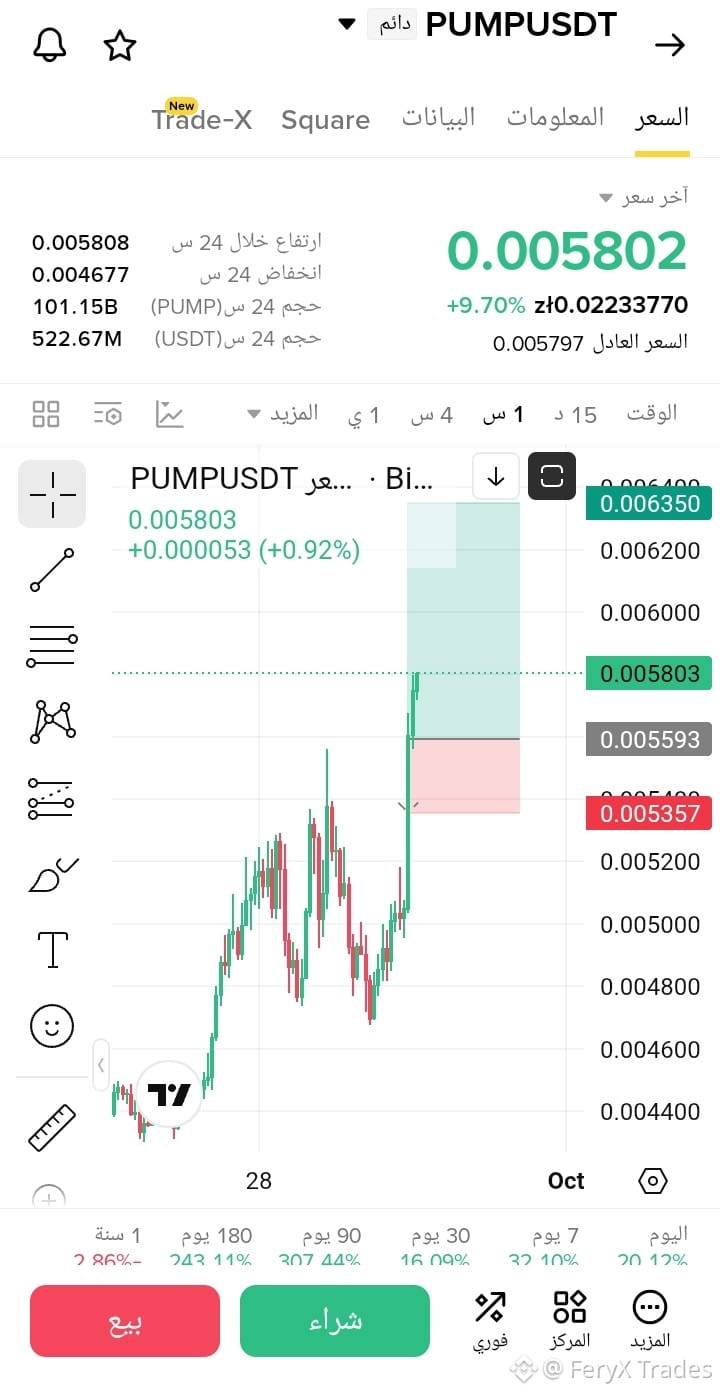
Excellent structural breach of code $PUMP after a clear accumulation period above the main support zones. The technical analysis shows an acceleration in upward momentum, supported by a noticeable increase in trading volumes, which enhances the chances of continued rise and testing successive resistance targets. The technical outlook remains bullish as long as the price trades above the idea-invalidating level represented by the stop-loss.
Trading levels:
• Entry zone: $0.00555–$0.00570
• First target: $0.00590
• Second target: $0.00610
• Third target: $0.00635
• Stop-loss: $0.00535
Follow the account for more technical analyses and live updates.
I am currently monitoring: $NEAR $0G
{future}(0GUSDT)
Excellent structural breach of code $PUMP after a clear accumulation period above the main support zones. The technical analysis shows an acceleration in upward momentum, supported by a noticeable increase in trading volumes, which enhances the chances of continued rise and testing successive resistance targets. The technical outlook remains bullish as long as the price trades above the idea-invalidating level represented by the stop-loss.
Trading levels:
• Entry zone: $0.00555–$0.00570
• First target: $0.00590
• Second target: $0.00610
• Third target: $0.00635
• Stop-loss: $0.00535
Follow the account for more technical analyses and live updates.
I am currently monitoring: $NEAR $0G
Trading levels:
• Entry zone: $0.00555–$0.00570
• First target: $0.00590
• Second target: $0.00610
• Third target: $0.00635
• Stop-loss: $0.00535
Follow the account for more technical analyses and live updates.
I am currently monitoring: $NEAR $0G
2
218
·
--
Bullish
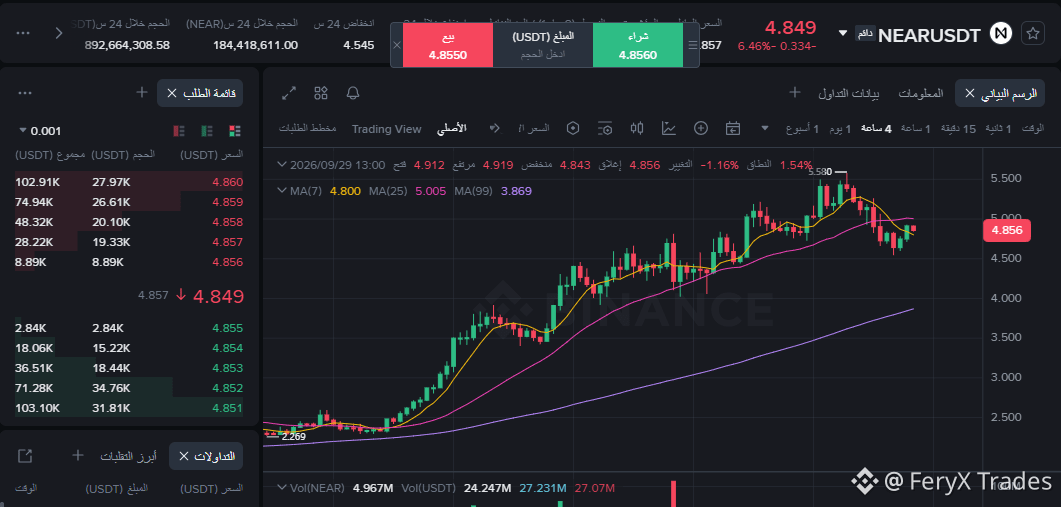
$NEAR These are the coins that jump strongly. When they drop a little more every time, you can bet on the rise (buy)! Because the plan manager (the Dog) can only push the price up to liquidate short positions (betting on the decline), and there are only a few people who are buying (betting on the rise)! Open the trade and set a stop-loss slightly larger!
{future}(NEARUSDT)
$NEAR These are the coins that jump strongly. When they drop a little more every time, you can bet on the rise (buy)! Because the plan manager (the Dog) can only push the price up to liquidate short positions (betting on the decline), and there are only a few people who are buying (betting on the rise)! Open the trade and set a stop-loss slightly larger!
2
202
·
--
Bearish
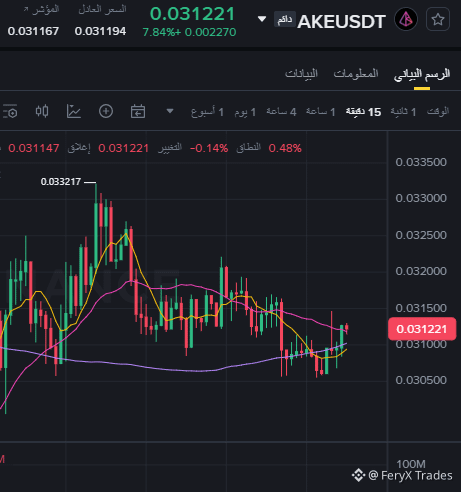
The market value of $AKE is still 20 billion, after it made a huge leap that exceeded one hundredfold! However, the price is witnessing a slow and ongoing decline, while trading volume has shrunk to only 5% of its previous level; no one is trading it anymore. An accelerated collapse is inevitable!
{future}(AKEUSDT)
The market value of $AKE is still 20 billion, after it made a huge leap that exceeded one hundredfold! However, the price is witnessing a slow and ongoing decline, while trading volume has shrunk to only 5% of its previous level; no one is trading it anymore. An accelerated collapse is inevitable!
2
254
Log in to explore more content
Join global crypto users on Binance Square
⚡️ Get latest and useful information about crypto.
💬 Trusted by the world’s largest crypto exchange.
👍 Discover real insights from verified creators.
Email / Phone number
Trending Topics
EtherGains70.9%InQ3
135,606 views
1,085 Discussing
One of the best third quarters in history 💰
September closed out last night, and with it, the quarter. For the quarter, BTC is up 42%—the second-best Q3 on record. ETH had a record-breaking Q3 overall, up 70%.
Looking at the chart, things are still looking good: we’re holding support, but we’re testing it more and more often. Plus, ETF momentum is weakening — inflows are gradually declining, and yesterday saw outflows for the first time in a long while.
Yes, historically, October has been a good month for crypto — it’s not called “Uptober” for nothing. But it’s also one of the most volatile months. Last year, for example, we managed to hit a new all-time high (ATH) and experience a flash crash.
🚀 High Accuracy Trades.
$BTC
$ETH
$SOL
#EtherGains70.9%InQ3 #DollarIndexHitsHighestSinceMay2025 #CFTCSubmitsTwoEventContractRulesToWhiteHouse #MicronBeatsEarningsLiftsGuidance
Knowledge is Power
·0 Likes
·223 views
TreasuryLetsStatesFileStablecoinCertificationsEarly
7,135 views
74 Discussing
US10YearYieldNears5.3%
141,973 views
1,098 Discussing