
BTC VIVA
14k Posts

BTC VIVA
 Square Verified+
CRYPTO MEN , BINANCER !
High-Frequency Trader
4.4 Years
1.4K+ Following
56.5K+ Followers
59.0K+ Liked
Posts
All
Quotes
Videos
Live
PINNED
Crypto is BULLISH 📈🔥🔥🔥🔥🔥🔥🔥
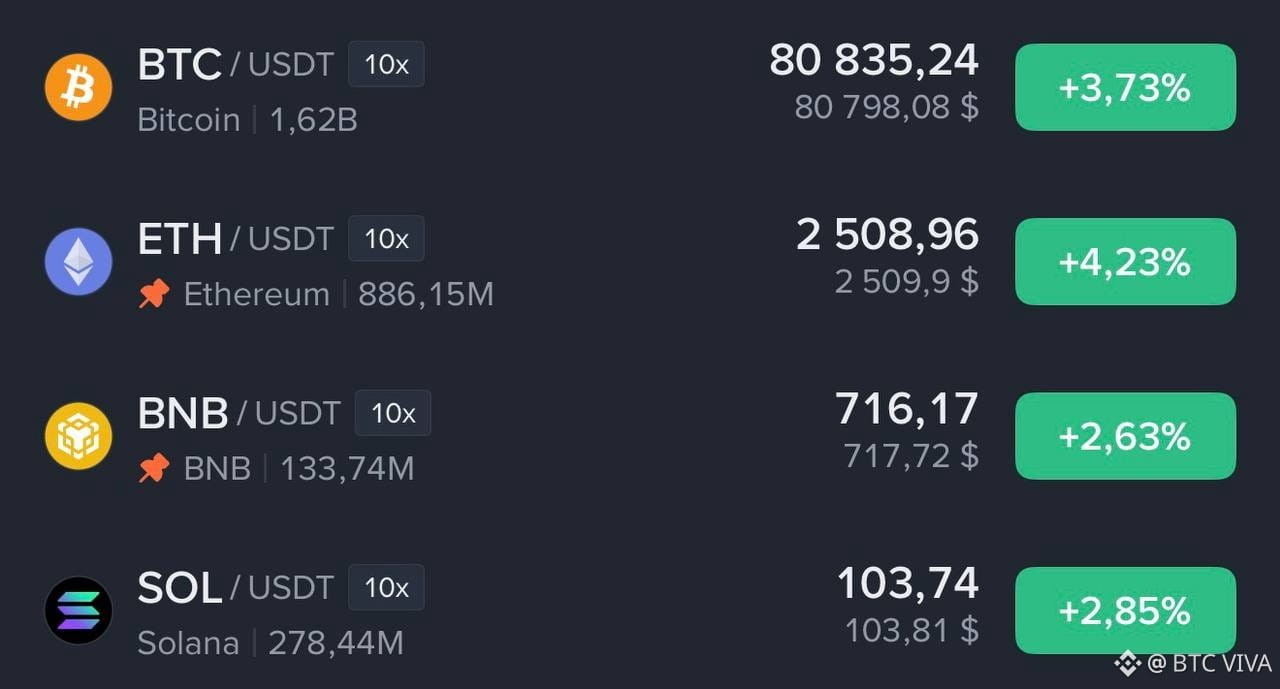
Overnight, BTC broke past $82,000 for the first time since May 11, and other top altcoins followed suit.
$550 million in short positions were liquidated over the last 24 hours, and the Fear & Greed Index stands at 74.
In other news:
• The US is expected to pass major crypto legislation—the Clarity Act—on September 15 (odds are high).
• September 16: Federal Reserve meeting and interest rate decision.
• Top DEX Uniswap purchased PONS tokens, causing the token's price to jump 14%.
• OpenAI unveiled GPT-6 Astra.
• Today, the National Bank of Ukraine is issuing a new 2,000-hryvnia banknote featuring V. Stus
.#BitcoinEthereumHitMultiMonthHighs
#HousePressesSenateOnCLARITYAct #比特币突破8万美元 #USWeeklyInitialJoblessClaimsRiseTo206000
#ukraine
$BNB
$BTC
Overnight, BTC broke past $82,000 for the first time since May 11, and other top altcoins followed suit.
$550 million in short positions were liquidated over the last 24 hours, and the Fear & Greed Index stands at 74.
In other news:
• The US is expected to pass major crypto legislation—the Clarity Act—on September 15 (odds are high).
• September 16: Federal Reserve meeting and interest rate decision.
• Top DEX Uniswap purchased PONS tokens, causing the token's price to jump 14%.
• OpenAI unveiled GPT-6 Astra.
• Today, the National Bank of Ukraine is issuing a new 2,000-hryvnia banknote featuring V. Stus
.#BitcoinEthereumHitMultiMonthHighs
#HousePressesSenateOnCLARITYAct #比特币突破8万美元 #USWeeklyInitialJoblessClaimsRiseTo206000
#ukraine
$BNB
$BTC
PINNED
A NOTE for holders
😱😱😱😱😱😱😱😱😱😱😱😱😱😱😱
😱😱😱😱😱😱😱😱😱😱😱😱😱😱
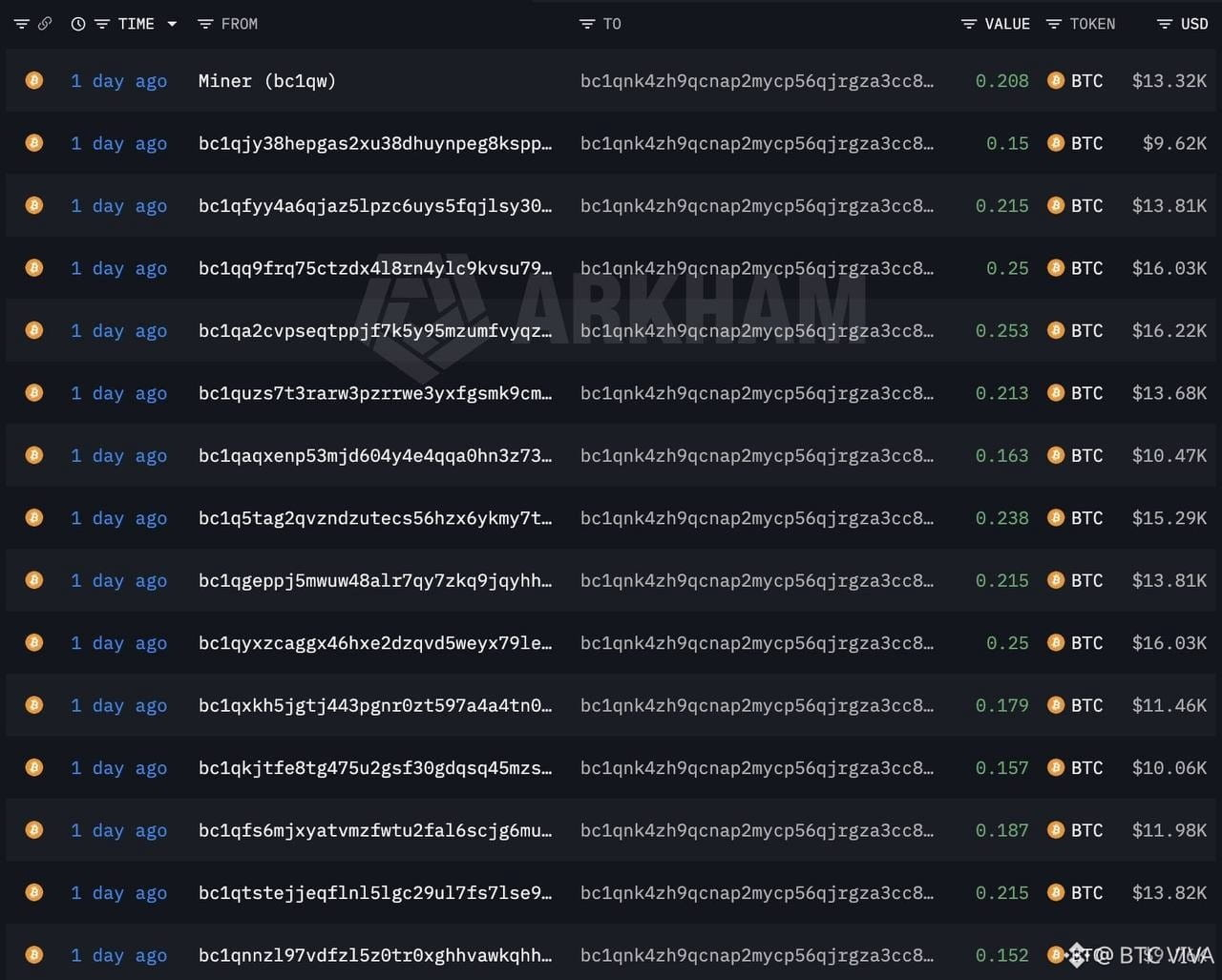
Hackers managed to steal 593 BTC (approximately $39 million) from Coldcard Mk3 cold wallets.
The cause was a bug related to seed phrase generation that allowed private keys to be derived.
Choose cold wallets that are well-established and time-tested.
#HackerAlert #Hacker #BTC
$BTC
$BNB
😱😱😱😱😱😱😱😱😱😱😱😱😱😱😱
😱😱😱😱😱😱😱😱😱😱😱😱😱😱
Hackers managed to steal 593 BTC (approximately $39 million) from Coldcard Mk3 cold wallets.
The cause was a bug related to seed phrase generation that allowed private keys to be derived.
Choose cold wallets that are well-established and time-tested.
#HackerAlert #Hacker #BTC
$BTC
$BNB
🚀 BTC breaks above $81K
On September 4, Bitcoin rose to $81.3K after breaking out of the $77–79K range.
📊 Muted expectations regarding the Fed and an inflow of $731 million into spot ETFs fueled demand.
Today's NFP report could determine the next momentum for BTC.
#BitcoinEthereumHitMultiMonthHighs
#ETFvsBTC #Fed
$BTC
On September 4, Bitcoin rose to $81.3K after breaking out of the $77–79K range.
📊 Muted expectations regarding the Fed and an inflow of $731 million into spot ETFs fueled demand.
Today's NFP report could determine the next momentum for BTC.
#BitcoinEthereumHitMultiMonthHighs
#ETFvsBTC #Fed
$BTC
🤑🤑🤑🤑🤑🤑🤑🤑🤑
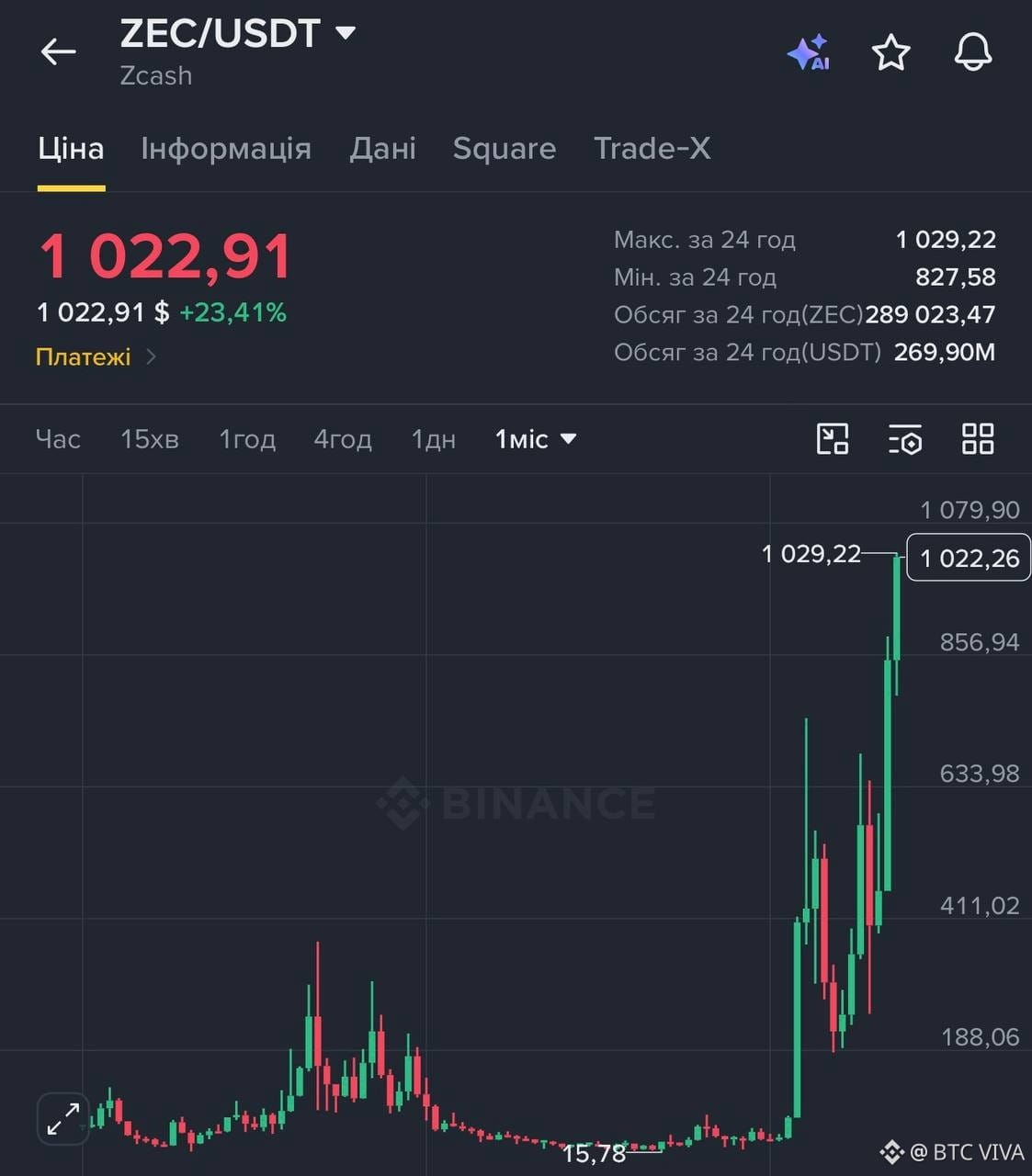
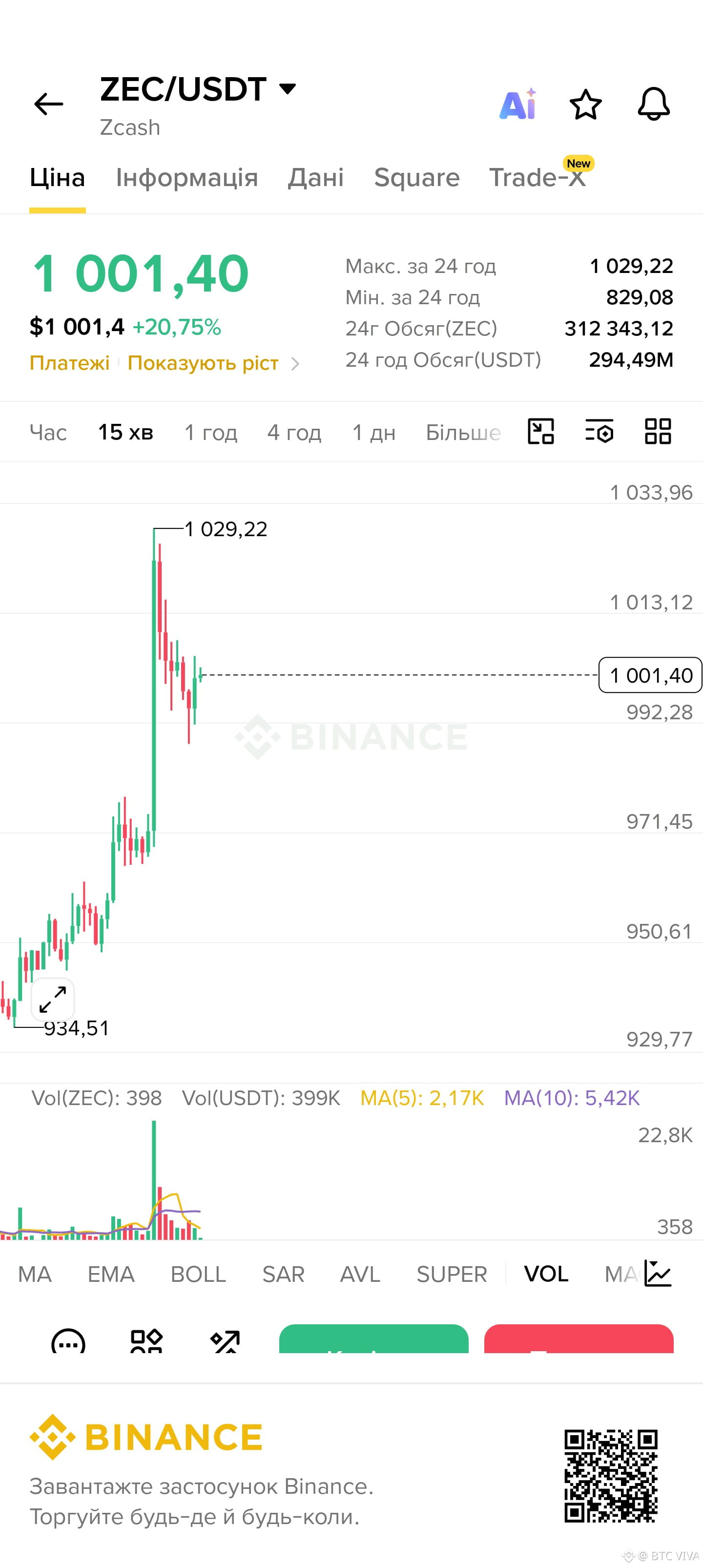
ZEC breaks the significant $1,000 per coin mark 🚀 Interesting facts:
• ATH — $5,942.5 in October 2016.
• Low — $15.97 in July 2024.
• The coin is down 76.9% from its ATH. - Latest update: ZEC mining profitability is at a peak (more profitable than BTC).
- The launch of a Grayscale ETF has boosted interest in this privacy coin. - A full transition to quantum-resistant wallets is planned by 2027.
#zcash
$ZEC
ZEC breaks the significant $1,000 per coin mark 🚀 Interesting facts:
• ATH — $5,942.5 in October 2016.
• Low — $15.97 in July 2024.
• The coin is down 76.9% from its ATH. - Latest update: ZEC mining profitability is at a peak (more profitable than BTC).
- The launch of a Grayscale ETF has boosted interest in this privacy coin. - A full transition to quantum-resistant wallets is planned by 2027.
#zcash
$ZEC
🌪 🌪🌪🌪🌪🌪🌪
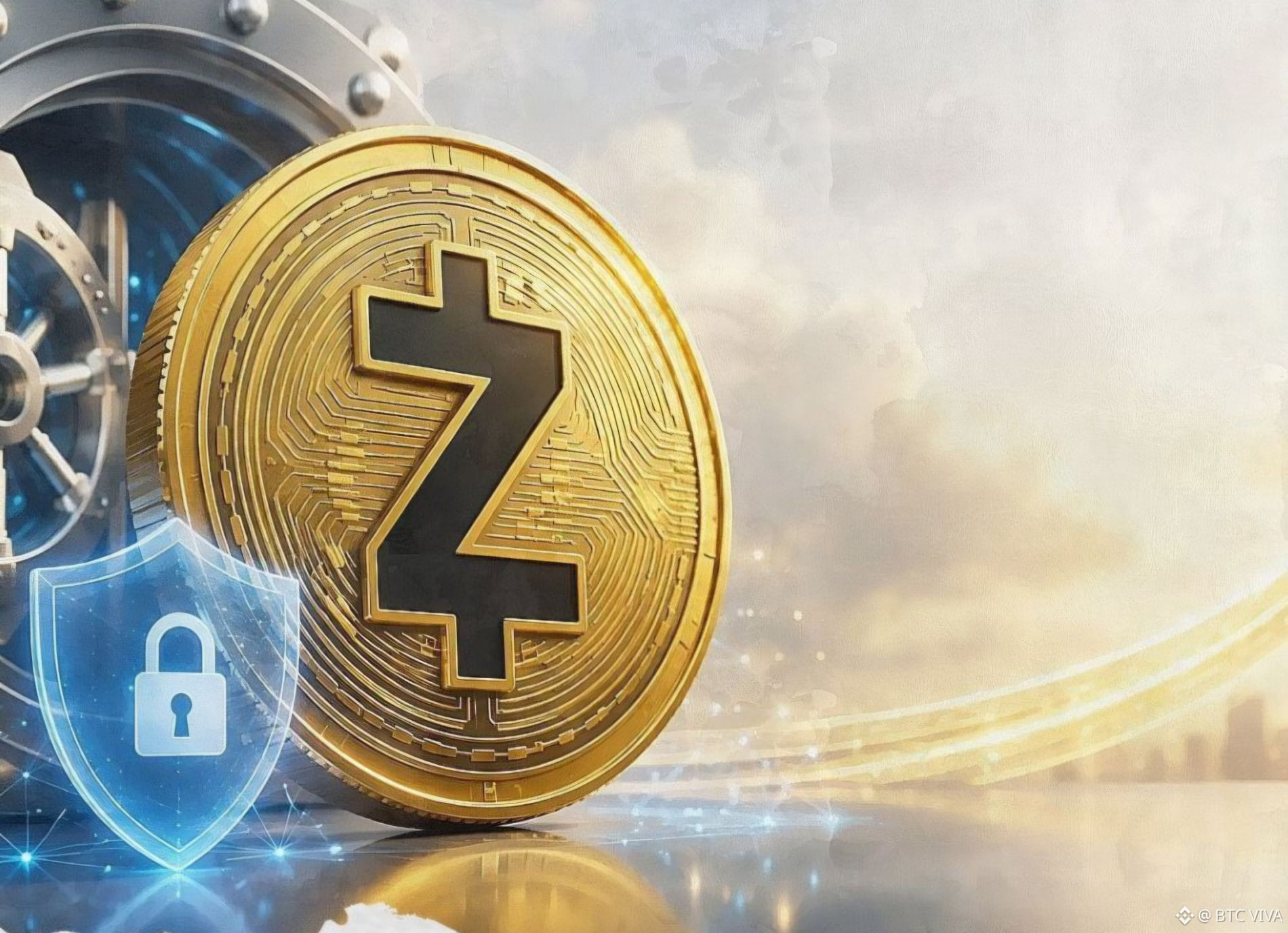
How TradFi is transforming the crypto market
Bitcoin is becoming increasingly intertwined with traditional finance. Banks are adopting blockchain technology, investors are seeking a hedge against currency devaluation, and tokenization is gradually reshaping financial infrastructure.
#TradFi #TradFiVsCrypto
$BNB
How TradFi is transforming the crypto market
Bitcoin is becoming increasingly intertwined with traditional finance. Banks are adopting blockchain technology, investors are seeking a hedge against currency devaluation, and tokenization is gradually reshaping financial infrastructure.
#TradFi #TradFiVsCrypto
$BNB

🚀🚀🚀🚀🚀🚀🚀
Zcash Nears $1,000
Zcash is surging and could test the key $1,000 level in the coming days.
📊 On-chain data shows an increase in shielded transactions and balances, supporting the ZEC rally.
The $1,000–$1,100 zone could mark the peak of the momentum before profit-taking sets in.
#zcash #Onchain
$ZEC
Zcash Nears $1,000
Zcash is surging and could test the key $1,000 level in the coming days.
📊 On-chain data shows an increase in shielded transactions and balances, supporting the ZEC rally.
The $1,000–$1,100 zone could mark the peak of the momentum before profit-taking sets in.
#zcash #Onchain
$ZEC
🔥 Solana back above $103
SOL has rebounded above $103 after testing the $97.38 level, driven by network updates.
📊 Solana has launched Payment Channels and reduced rent costs on the mainnet, strengthening its fundamentals.
A drop below $103 could quickly push the price back toward the $100 zone.*
#solana #Solana
$SOL
SOL has rebounded above $103 after testing the $97.38 level, driven by network updates.
📊 Solana has launched Payment Channels and reduced rent costs on the mainnet, strengthening its fundamentals.
A drop below $103 could quickly push the price back toward the $100 zone.*
#solana #Solana
$SOL

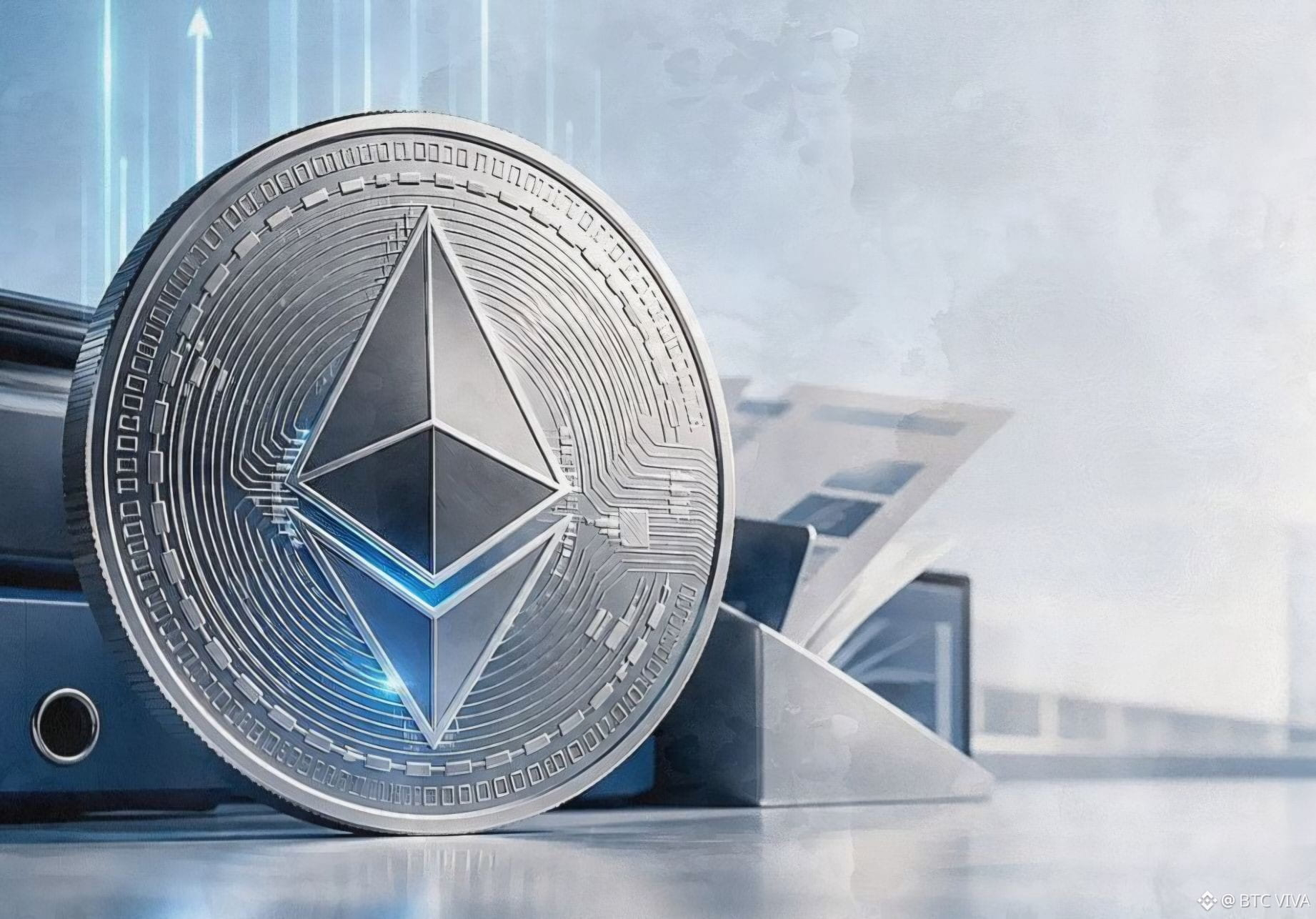
🔥 ETH back above $2,500 Ethereum has recovered above $2,500 following a strong inflow of $141.4 million into US spot ETFs.
📊 At the same time, the transfer of 167,855 ETH to exchanges maintains the risk of selling pressure from large holders.
A breakout above $2,550 would pave the way to the $2,600–$2,700 zone.
#BitcoinEthereumHitMultiMonthHighs
#ETFEthereum #ETH #ETHETFsApproved
$ETH
📊 At the same time, the transfer of 167,855 ETH to exchanges maintains the risk of selling pressure from large holders.
A breakout above $2,550 would pave the way to the $2,600–$2,700 zone.
#BitcoinEthereumHitMultiMonthHighs
#ETFEthereum #ETH #ETHETFsApproved
$ETH
🔥 Bitcoin hits the $81,000 mark
Bitcoin rose above $81,000 following a decline in expectations for a Federal Reserve rate hike.
📊 Spot Bitcoin ETFs in the US attracted $277 million, though there is no consistent streak of inflows yet.
Investors are watching to see if Bitcoin can maintain its momentum amidst geopolitical risks.#BitcoinEthereumHitMultiMonthHighs
#Fed
#BTC #ETFvsBTC
$BTC
Bitcoin rose above $81,000 following a decline in expectations for a Federal Reserve rate hike.
📊 Spot Bitcoin ETFs in the US attracted $277 million, though there is no consistent streak of inflows yet.
Investors are watching to see if Bitcoin can maintain its momentum amidst geopolitical risks.#BitcoinEthereumHitMultiMonthHighs
#Fed
#BTC #ETFvsBTC
$BTC

🔥 Bitcoin moves closer to gold
Bitcoin's correlation with gold has surged to a near six-year high.
📊 In August, Bitcoin rose by 22.4%, while gold gained about 5%.
Bitcoin is increasingly viewed as a more volatile version of gold.
#GOLD #BTCVSGOLD
$XAU
$BTC
Bitcoin's correlation with gold has surged to a near six-year high.
📊 In August, Bitcoin rose by 22.4%, while gold gained about 5%.
Bitcoin is increasingly viewed as a more volatile version of gold.
#GOLD #BTCVSGOLD
$XAU
$BTC

Verified
🚀 HYPE Near All-Time Highs
HYPE is consolidating near its peaks following the August rally, amidst a tug-of-war between whale demand and profit-taking.
📊 Hashdex has added HYPE to its NCIQ ETF, expanding institutional access to Hyperliquid.
Holding the $77 level will maintain the bullish structure, while a drop below it would increase the risk of a deeper correction.
#hype #Hyperliquid #etf
$HYPE
HYPE is consolidating near its peaks following the August rally, amidst a tug-of-war between whale demand and profit-taking.
📊 Hashdex has added HYPE to its NCIQ ETF, expanding institutional access to Hyperliquid.
Holding the $77 level will maintain the bullish structure, while a drop below it would increase the risk of a deeper correction.
#hype #Hyperliquid #etf
$HYPE

Verified
⚖️ $42 Million Lawsuit Against Tether
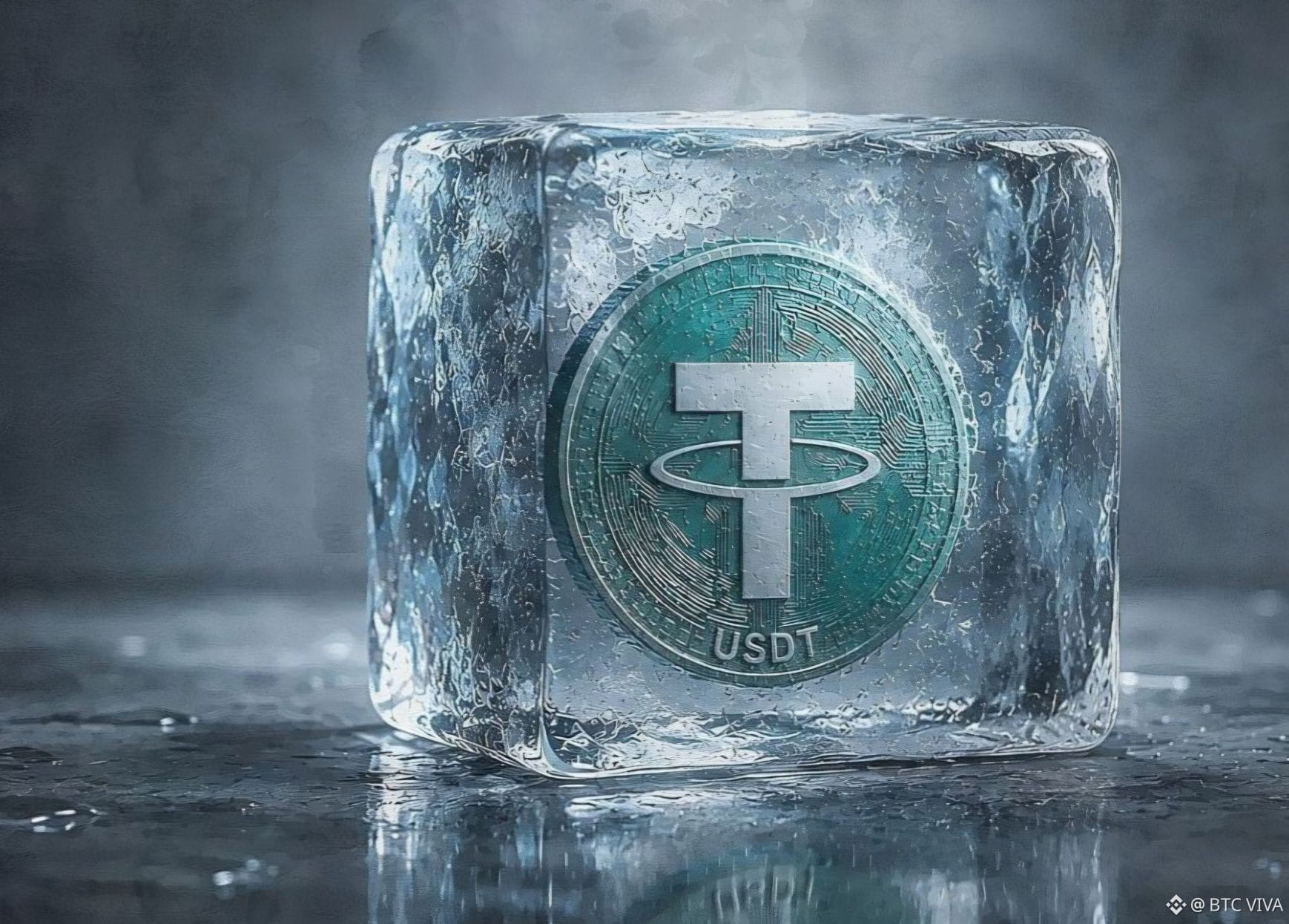
Thai businessmen have filed a lawsuit against Tether over the freezing of 42.4 million USDT without a warrant.
📌 The plaintiffs claim that US authorities obtained a warrant only after more than three months had passed.
This case could define the limits of Tether's control over private wallets.
#Tether #USDT
$USDT
Thai businessmen have filed a lawsuit against Tether over the freezing of 42.4 million USDT without a warrant.
📌 The plaintiffs claim that US authorities obtained a warrant only after more than three months had passed.
This case could define the limits of Tether's control over private wallets.
#Tether #USDT
$USDT
🔥 Ethereum under pressure near $2,370
On September 2, US spot Ethereum ETFs saw outflows of $48 million, snapping a 12-day streak of inflows.
📊 ETH is retesting the $2,370 support level ahead of key US data and the September Fed decision.
Losing the $2,370 level could quickly pave the way to $2,200.*
#ETFEthereum #ETH #Ethereum #Fed
$ETH
On September 2, US spot Ethereum ETFs saw outflows of $48 million, snapping a 12-day streak of inflows.
📊 ETH is retesting the $2,370 support level ahead of key US data and the September Fed decision.
Losing the $2,370 level could quickly pave the way to $2,200.*
#ETFEthereum #ETH #Ethereum #Fed
$ETH

Verified

Verified
🤣🤣🤣🤣🤣🤣🤣🤣
📉 Strategy explained its Bitcoin sale Strategy sold approximately 7,000 BTC prior to the price surge due to the cost of capital, rather than market conditions.
💰 The company used the proceeds to fund dividends and reduced its net debt to zero within 10 weeks. Strategy remains a net accumulator and is prepared to buy Bitcoin even at prices above $100,000.
#strategy #Saylor
$BTC
📉 Strategy explained its Bitcoin sale Strategy sold approximately 7,000 BTC prior to the price surge due to the cost of capital, rather than market conditions.
💰 The company used the proceeds to fund dividends and reduced its net debt to zero within 10 weeks. Strategy remains a net accumulator and is prepared to buy Bitcoin even at prices above $100,000.
#strategy #Saylor
$BTC
✍️ Who will write the rules for the global crypto market? For a long time, the crypto market operated under "Wild West" conditions. Over time, various countries began bringing order to the industry, yet a unified set of rules has yet to emerge.
Now, the G20 is attempting to coordinate approaches to digital assets. However, achieving global consensus may prove far more difficult than simply taming the crypto chaos.
#G20 #Market_Update
$BNB
Now, the G20 is attempting to coordinate approaches to digital assets. However, achieving global consensus may prove far more difficult than simply taming the crypto chaos.
#G20 #Market_Update
$BNB

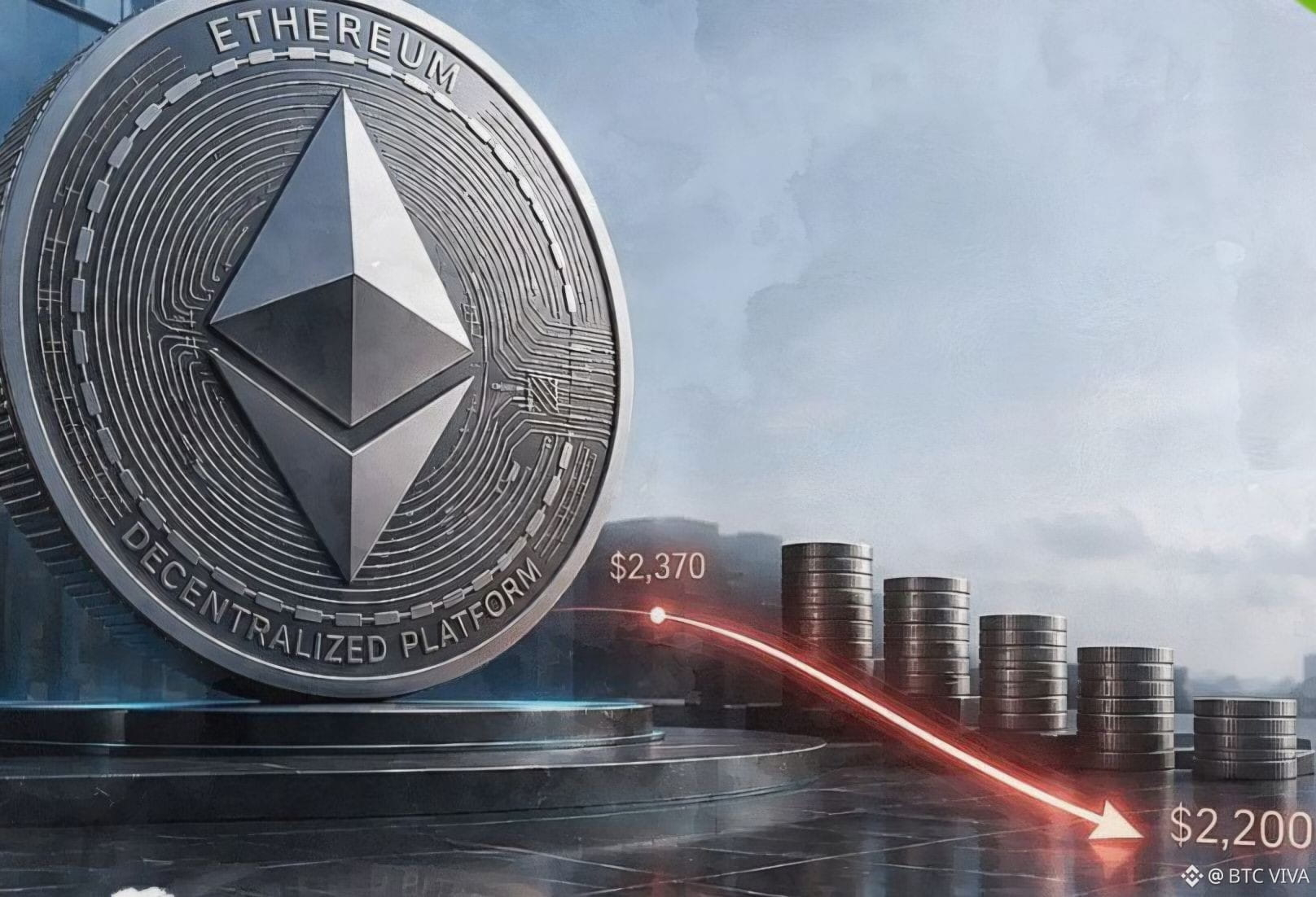
📉 Ethereum Under Selling Pressure Ethereum is holding within the $2,370–$2,550 range, but the risk of a drop to $2,200 has increased.
📊 Inflows into US spot ETFs plummeted on September 1, while large ETH transfers to exchanges intensified the pressure. A drop below $2,370 could pave the way to $2,200.*
#ETH #ETFEthereum
#Ethereum
$ETH
📊 Inflows into US spot ETFs plummeted on September 1, while large ETH transfers to exchanges intensified the pressure. A drop below $2,370 could pave the way to $2,200.*
#ETH #ETFEthereum
#Ethereum
$ETH
Log in to explore more content