

合约赌神高进
23 Posts

合约赌神高进
Report
Block User
深耕合约交易多年,专抓高胜率优质行情,精准预判多空拐点,正式开启10U本金复利冲击100万U挑战,稳扎稳打以复利持续放大本金。
Open Trade
High-Frequency Trader
3.6 Months
1.5K+ Following
3.1K+ Followers
3.6K+ Liked
Posts
Portfolio
PINNED
·
--

Article
My personal trading system (don’t do it)Reference principal: 1000U (all position ratios are based on this; when account funds change, recalculate at the same proportion).
I. Rules for perpetual contract trading
1. Trading mode: use only the isolated margin mode throughout.
Original intention: isolate the risk of each individual trade. Even if this position suffers a loss or gets liquidated, the account will only lose the funds of that position, preserving the remaining principal. Avoid emotional loss of control that can happen in cross-margin mode, where stop-losses are loosened manually, leading to large losses and even a total liquidation of the account.
2. Leverage limit: maximum 3x leverage; do not blindly max out leverage.
3. Base position sizing: the initial opening uses one-tenth of the principal. For example, with 1000U as the baseline, the first position is 100U. Subsequent capital changes are recalculated using the same proportion, and the position size must not be increased arbitrarily based on subjective judgment.
My personal trading system (don’t do it)
Reference principal: 1000U (all position ratios are based on this; when account funds change, recalculate at the same proportion).
I. Rules for perpetual contract trading
1. Trading mode: use only the isolated margin mode throughout.
Original intention: isolate the risk of each individual trade. Even if this position suffers a loss or gets liquidated, the account will only lose the funds of that position, preserving the remaining principal. Avoid emotional loss of control that can happen in cross-margin mode, where stop-losses are loosened manually, leading to large losses and even a total liquidation of the account.
2. Leverage limit: maximum 3x leverage; do not blindly max out leverage.
3. Base position sizing: the initial opening uses one-tenth of the principal. For example, with 1000U as the baseline, the first position is 100U. Subsequent capital changes are recalculated using the same proportion, and the position size must not be increased arbitrarily based on subjective judgment.
I. Rules for perpetual contract trading
1. Trading mode: use only the isolated margin mode throughout.
Original intention: isolate the risk of each individual trade. Even if this position suffers a loss or gets liquidated, the account will only lose the funds of that position, preserving the remaining principal. Avoid emotional loss of control that can happen in cross-margin mode, where stop-losses are loosened manually, leading to large losses and even a total liquidation of the account.
2. Leverage limit: maximum 3x leverage; do not blindly max out leverage.
3. Base position sizing: the initial opening uses one-tenth of the principal. For example, with 1000U as the baseline, the first position is 100U. Subsequent capital changes are recalculated using the same proportion, and the position size must not be increased arbitrarily based on subjective judgment.
156
PINNED
·
--
Article
Hello everyone! I’m the “God of Gamblers” Gao Jin. The ultimate challenge is officially starting: compounding with a 10U capital to hit 1,000,000U!I’ve been deeply focused on contract trading for many years. I love finding high-win-rate, quality market setups, accurately catching the turning points between long and short positions, and I have my own trading system. Whether I’m doing well or not isn’t up to me—everything is result-oriented.
Every trade is publicly recorded; every step of compounding can be genuinely seen. The entire process is open, transparent, real, and absolutely without gimmicks!
The goal is to use compounding from a 10U starting capital, rolling it over, to surge all the way to 1,000,000U. I won’t chase too fast or make promises without consistency—I rely on growth to scale the capital.
You are cordially invited to witness a miracle of turning a small capital into a comeback for all the internet. Let’s evolve together, and let’s turn the tables together!
Hello everyone! I’m the “God of Gamblers” Gao Jin. The ultimate challenge is officially starting: compounding with a 10U capital to hit 1,000,000U!
I’ve been deeply focused on contract trading for many years. I love finding high-win-rate, quality market setups, accurately catching the turning points between long and short positions, and I have my own trading system. Whether I’m doing well or not isn’t up to me—everything is result-oriented.
Every trade is publicly recorded; every step of compounding can be genuinely seen. The entire process is open, transparent, real, and absolutely without gimmicks!
The goal is to use compounding from a 10U starting capital, rolling it over, to surge all the way to 1,000,000U. I won’t chase too fast or make promises without consistency—I rely on growth to scale the capital.
You are cordially invited to witness a miracle of turning a small capital into a comeback for all the internet. Let’s evolve together, and let’s turn the tables together!
Every trade is publicly recorded; every step of compounding can be genuinely seen. The entire process is open, transparent, real, and absolutely without gimmicks!
The goal is to use compounding from a 10U starting capital, rolling it over, to surge all the way to 1,000,000U. I won’t chase too fast or make promises without consistency—I rely on growth to scale the capital.
You are cordially invited to witness a miracle of turning a small capital into a comeback for all the internet. Let’s evolve together, and let’s turn the tables together!
159
·
--
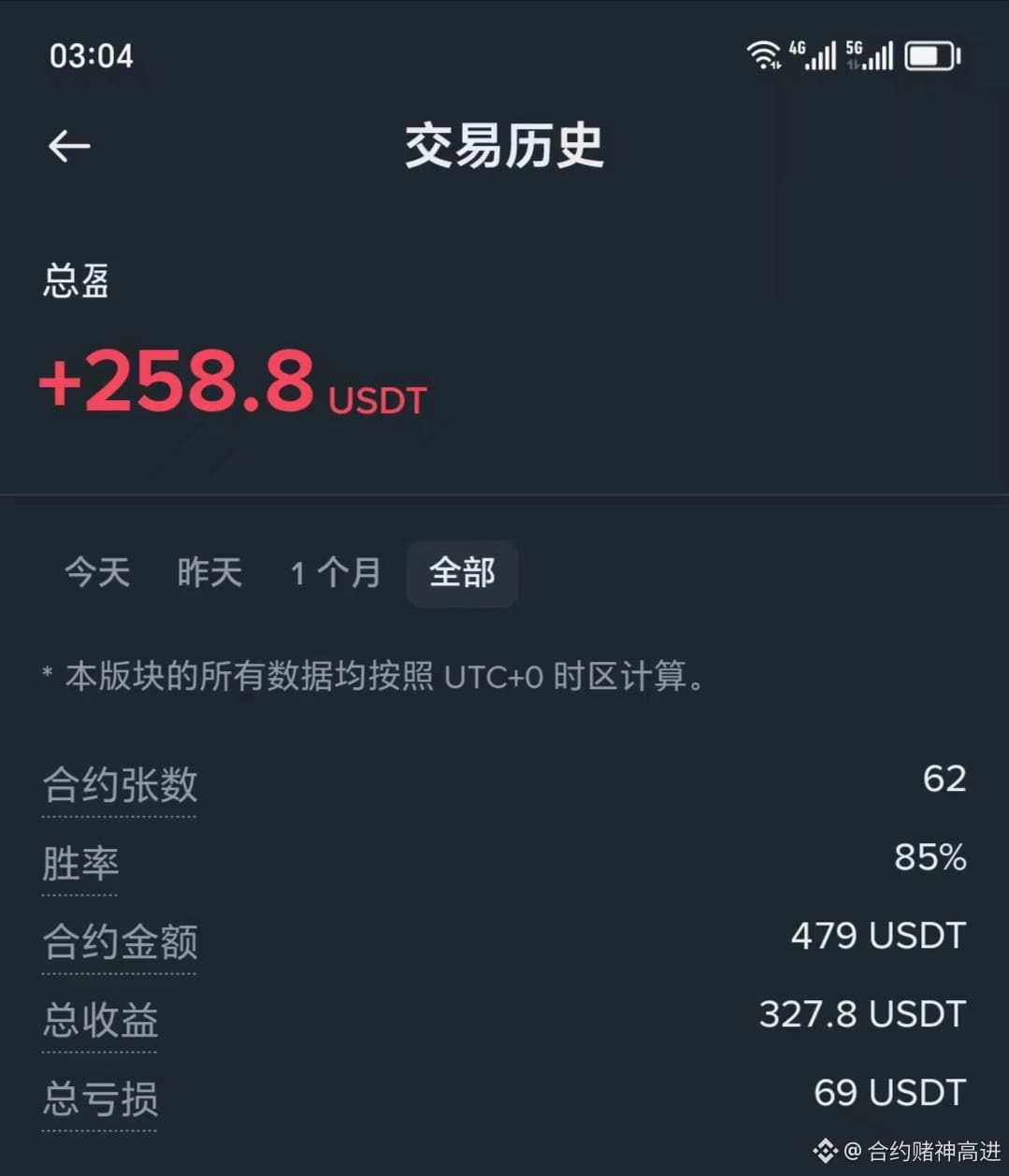
For more than a decade, I’ve cultivated order-book trading. Previously, I had long-term hands-on experience trading perpetual contracts; in the past month, I transitioned to studying event contracts. After reviewing more than 60 trades, my overall win rate remains solid at 85%. Supported by a mature order-book analysis mindset and a risk-control system, I’m steadily compounding.
I plan to start a live stream to analyze market conditions in real time, call trade entries aligned with the moment based on key price levels on the spot. It’s mainly about exchanging trading ideas to make friends who share the same interests. If you’d like to learn and study the order book together, feel free to leave a comment—once there are enough people, I’ll go live on time.
For more than a decade, I’ve cultivated order-book trading. Previously, I had long-term hands-on experience trading perpetual contracts; in the past month, I transitioned to studying event contracts. After reviewing more than 60 trades, my overall win rate remains solid at 85%. Supported by a mature order-book analysis mindset and a risk-control system, I’m steadily compounding.
I plan to start a live stream to analyze market conditions in real time, call trade entries aligned with the moment based on key price levels on the spot. It’s mainly about exchanging trading ideas to make friends who share the same interests. If you’d like to learn and study the order book together, feel free to leave a comment—once there are enough people, I’ll go live on time.
I plan to start a live stream to analyze market conditions in real time, call trade entries aligned with the moment based on key price levels on the spot. It’s mainly about exchanging trading ideas to make friends who share the same interests. If you’d like to learn and study the order book together, feel free to leave a comment—once there are enough people, I’ll go live on time.
281
·
--
Article
Binance Event Contract High-Profit Practical Trading Playbook|Small-Capital Compounding MindsetMany people lose money continuously trading Binance event contracts because the root cause is blindly opening trades too frequently, without a standardized trading system.
Binance event contract timeframes: 10 minutes, 30 minutes, 1 hour, and 1 day—no shorter cycles, which places greater emphasis on trend judgment.
Advantages of event contracts: you can see profit/loss at a glance before opening positions—no risk of liquidation, and the maximum loss is limited to the initial capital invested.
Sharing the complete hands-on trading approach:
✅ The target only trades BTC and ETH. Liquidity is sufficient to reduce the impact of abnormal needle-like spikes.
✅ Prefer longer periods: 10 minutes and 30 minutes—suitable for intraday swings. In a range-bound market, give up 10-minute shorter cycles.
Binance Event Contract High-Profit Practical Trading Playbook|Small-Capital Compounding Mindset
Many people lose money continuously trading Binance event contracts because the root cause is blindly opening trades too frequently, without a standardized trading system.
Binance event contract timeframes: 10 minutes, 30 minutes, 1 hour, and 1 day—no shorter cycles, which places greater emphasis on trend judgment.
Advantages of event contracts: you can see profit/loss at a glance before opening positions—no risk of liquidation, and the maximum loss is limited to the initial capital invested.
Sharing the complete hands-on trading approach:
✅ The target only trades BTC and ETH. Liquidity is sufficient to reduce the impact of abnormal needle-like spikes.
✅ Prefer longer periods: 10 minutes and 30 minutes—suitable for intraday swings. In a range-bound market, give up 10-minute shorter cycles.
Binance event contract timeframes: 10 minutes, 30 minutes, 1 hour, and 1 day—no shorter cycles, which places greater emphasis on trend judgment.
Advantages of event contracts: you can see profit/loss at a glance before opening positions—no risk of liquidation, and the maximum loss is limited to the initial capital invested.
Sharing the complete hands-on trading approach:
✅ The target only trades BTC and ETH. Liquidity is sufficient to reduce the impact of abnormal needle-like spikes.
✅ Prefer longer periods: 10 minutes and 30 minutes—suitable for intraday swings. In a range-bound market, give up 10-minute shorter cycles.
1
350
·
--

Article
A Complete Set of Strategies for Stable Profit with Event Contracts|Avoid the Mindset Mistakes of 90% of TradersMany people keep losing money with event contracts, and it’s not because they can’t read the market—it’s because they directly apply the trading mindset of perpetual contracts. The way they play is completely misaligned. Today, I’m sharing a trading approach that has been verified through long-term real-world practice. Beginners can refer to it directly, while experienced traders can use it to optimize their trading system.
1. First, understand the platform’s basic rules and eliminate cognitive biases.
Binance event contracts currently only offer two trading underlyings: BTC and ETH. There are no other small coins available to choose from.
There is an essential difference between event contracts and perpetual contracts:
After an order is opened and filled, the position can’t be closed, can’t be stopped out, and can’t have additional funds added. You must wait until the end of the cycle for a unified settlement. In the end, the order has only two possible outcomes: profit, or a loss equal to the capital you投入 (invested).
A Complete Set of Strategies for Stable Profit with Event Contracts|Avoid the Mindset Mistakes of 90% of Traders
Many people keep losing money with event contracts, and it’s not because they can’t read the market—it’s because they directly apply the trading mindset of perpetual contracts. The way they play is completely misaligned. Today, I’m sharing a trading approach that has been verified through long-term real-world practice. Beginners can refer to it directly, while experienced traders can use it to optimize their trading system.
1. First, understand the platform’s basic rules and eliminate cognitive biases.
Binance event contracts currently only offer two trading underlyings: BTC and ETH. There are no other small coins available to choose from.
There is an essential difference between event contracts and perpetual contracts:
After an order is opened and filled, the position can’t be closed, can’t be stopped out, and can’t have additional funds added. You must wait until the end of the cycle for a unified settlement. In the end, the order has only two possible outcomes: profit, or a loss equal to the capital you投入 (invested).
1. First, understand the platform’s basic rules and eliminate cognitive biases.
Binance event contracts currently only offer two trading underlyings: BTC and ETH. There are no other small coins available to choose from.
There is an essential difference between event contracts and perpetual contracts:
After an order is opened and filled, the position can’t be closed, can’t be stopped out, and can’t have additional funds added. You must wait until the end of the cycle for a unified settlement. In the end, the order has only two possible outcomes: profit, or a loss equal to the capital you投入 (invested).
18
2
211
·
--
Article
Trading experts who are consistently profitable never win because of technique alone—they win because of mindset!The longer you trade, the more you understand one truth:
Markets never lack people who can read candlestick charts and find good entry points; what they lack are those who can steady their mindset and execute strictly.
Most people’s losses are never because they don’t understand the market or because their skills aren’t good enough.
it’s that the mindset breaks—greed goes too far, panic panics the wrong way, and you end up losing your bet out of luck and superstition.
Technique determines your ceiling; mindset determines whether you can survive.
People who can consistently and stably profit never rely on extraordinary luck or windfalls. Instead, they follow a set of trading mindsets that are extremely restrained and extremely clear-headed.
Today, I’ll explain once and for all the “stable, profitable mindset” that top traders universally use. For ordinary people, practicing it in the right way can fix 80% of the root causes of losses.
Trading experts who are consistently profitable never win because of technique alone—they win because of mindset!
The longer you trade, the more you understand one truth:
Markets never lack people who can read candlestick charts and find good entry points; what they lack are those who can steady their mindset and execute strictly.
Most people’s losses are never because they don’t understand the market or because their skills aren’t good enough.
it’s that the mindset breaks—greed goes too far, panic panics the wrong way, and you end up losing your bet out of luck and superstition.
Technique determines your ceiling; mindset determines whether you can survive.
People who can consistently and stably profit never rely on extraordinary luck or windfalls. Instead, they follow a set of trading mindsets that are extremely restrained and extremely clear-headed.
Today, I’ll explain once and for all the “stable, profitable mindset” that top traders universally use. For ordinary people, practicing it in the right way can fix 80% of the root causes of losses.
Markets never lack people who can read candlestick charts and find good entry points; what they lack are those who can steady their mindset and execute strictly.
Most people’s losses are never because they don’t understand the market or because their skills aren’t good enough.
it’s that the mindset breaks—greed goes too far, panic panics the wrong way, and you end up losing your bet out of luck and superstition.
Technique determines your ceiling; mindset determines whether you can survive.
People who can consistently and stably profit never rely on extraordinary luck or windfalls. Instead, they follow a set of trading mindsets that are extremely restrained and extremely clear-headed.
Today, I’ll explain once and for all the “stable, profitable mindset” that top traders universally use. For ordinary people, practicing it in the right way can fix 80% of the root causes of losses.
223
1
25
223
·
--
Article
🔥 In trading, learning to use stop-loss is the ordinary person’s only life-saving trump card!After trading for a long time, you’ll discover a hard truth that stings: most people lose money not because they misread the market, but because they refuse to stop-loss and keep holding on.
The market will never give you any leniency because you’re stubborn, unwilling to give up, or because of your entry cost. Beginners think a stop-loss means admitting defeat—losing money. Experienced traders know: a stop-loss isn’t a loss; it’s risk control. Without stop-losses, that’s the real disaster.
Many people’s trading tragedies follow the exact same script.
When you’re down a little, you keep hoping for a lucky break—telling yourself to wait a bit longer, that it will bounce back, that you’ll get back to even. You’re reluctant to cut the unrealized loss. When the market only fluctuates slightly, you comfort yourself that it’s just a pullback; when the trend fully reverses, you still blindly try to bottom-fish and add more to lower your average cost.
🔥 In trading, learning to use stop-loss is the ordinary person’s only life-saving trump card!
After trading for a long time, you’ll discover a hard truth that stings: most people lose money not because they misread the market, but because they refuse to stop-loss and keep holding on.
The market will never give you any leniency because you’re stubborn, unwilling to give up, or because of your entry cost. Beginners think a stop-loss means admitting defeat—losing money. Experienced traders know: a stop-loss isn’t a loss; it’s risk control. Without stop-losses, that’s the real disaster.
Many people’s trading tragedies follow the exact same script.
When you’re down a little, you keep hoping for a lucky break—telling yourself to wait a bit longer, that it will bounce back, that you’ll get back to even. You’re reluctant to cut the unrealized loss. When the market only fluctuates slightly, you comfort yourself that it’s just a pullback; when the trend fully reverses, you still blindly try to bottom-fish and add more to lower your average cost.
The market will never give you any leniency because you’re stubborn, unwilling to give up, or because of your entry cost. Beginners think a stop-loss means admitting defeat—losing money. Experienced traders know: a stop-loss isn’t a loss; it’s risk control. Without stop-losses, that’s the real disaster.
Many people’s trading tragedies follow the exact same script.
When you’re down a little, you keep hoping for a lucky break—telling yourself to wait a bit longer, that it will bounce back, that you’ll get back to even. You’re reluctant to cut the unrealized loss. When the market only fluctuates slightly, you comfort yourself that it’s just a pullback; when the trend fully reverses, you still blindly try to bottom-fish and add more to lower your average cost.
997
2
76
997
·
--
Article
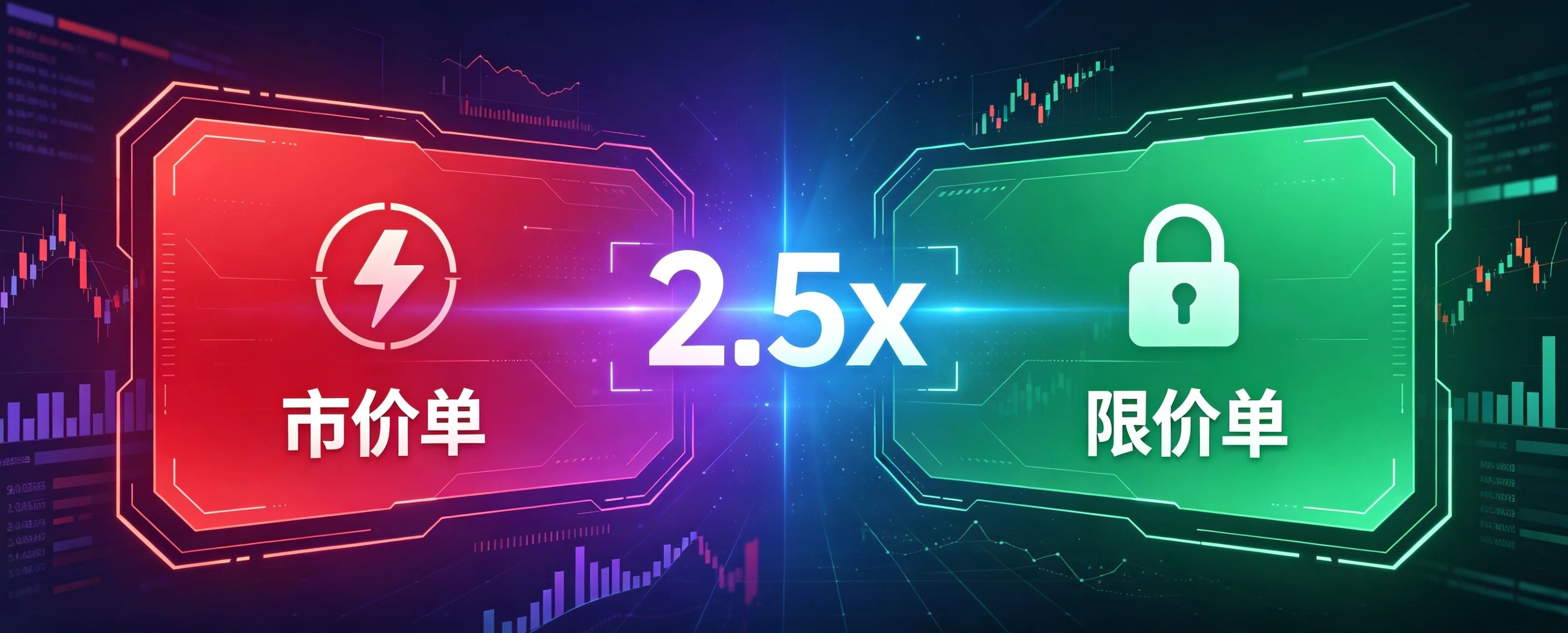
Market Order vs Limit Order: The Complete Breakdown | Fee Difference of 2.5x! Avoid Order Pitfalls!Trading on Binance spot/contracts, 90% of newbies end up in the red; the first issue is slippage, and the second is that market orders have fees 2.5 times higher than limit orders (contracts). High-frequency trading can lead to significant losses over time! This article breaks down the core differences between market orders and limit orders, fee multipliers, pros and cons, and suitable scenarios—perfect for beginners to understand and avoid mistakes when placing orders✅
1. A core sentence to distinguish + upfront fee multipliers.
✅Market Order (Taker): No price considerations, just looking for instant execution; the U-based contract fees are 2.5 times higher than limit orders, while for regular retail traders on the spot market, there’s no price difference. For high VIPs, market orders ≈ limit orders at 2 times the fee.
Market Order vs Limit Order: The Complete Breakdown | Fee Difference of 2.5x! Avoid Order Pitfalls!
Trading on Binance spot/contracts, 90% of newbies end up in the red; the first issue is slippage, and the second is that market orders have fees 2.5 times higher than limit orders (contracts). High-frequency trading can lead to significant losses over time! This article breaks down the core differences between market orders and limit orders, fee multipliers, pros and cons, and suitable scenarios—perfect for beginners to understand and avoid mistakes when placing orders✅
1. A core sentence to distinguish + upfront fee multipliers.
✅Market Order (Taker): No price considerations, just looking for instant execution; the U-based contract fees are 2.5 times higher than limit orders, while for regular retail traders on the spot market, there’s no price difference. For high VIPs, market orders ≈ limit orders at 2 times the fee.
1. A core sentence to distinguish + upfront fee multipliers.
✅Market Order (Taker): No price considerations, just looking for instant execution; the U-based contract fees are 2.5 times higher than limit orders, while for regular retail traders on the spot market, there’s no price difference. For high VIPs, market orders ≈ limit orders at 2 times the fee.
1.2k
4
58
1.2k
·
--

Article
Test yourself: are you truly suitable for trading? 90% of retail traders lose money—the real reason is that their nature doesn’t match the market
!🚨Many people enter the market, looking only at price action, learning technical analysis, and finding indicators—yet they never examine themselves: does your personality, mindset, and values truly fit trading?
Trading is never about making money just by understanding candlestick charts. It’s a practice of overcoming human nature. Skills can be learned later, and capital can be built slowly—but foundational personality shortcomings are hard to reverse.
A compilation of the most widely recognized and accurate [trading compatibility self-test] from across the internet—no gimmicks, purely from the heart. Give yourself honest scores. After you finish, you’ll see clearly who you are—and avoid three years of detours ✅
Part 1: 10 questions to test your true intentions (answer honestly; choose Yes/No)
Test yourself: are you truly suitable for trading? 90% of retail traders lose money—the real reason is that their nature doesn’t match the market !🚨
Many people enter the market, looking only at price action, learning technical analysis, and finding indicators—yet they never examine themselves: does your personality, mindset, and values truly fit trading?
Trading is never about making money just by understanding candlestick charts. It’s a practice of overcoming human nature. Skills can be learned later, and capital can be built slowly—but foundational personality shortcomings are hard to reverse.
A compilation of the most widely recognized and accurate [trading compatibility self-test] from across the internet—no gimmicks, purely from the heart. Give yourself honest scores. After you finish, you’ll see clearly who you are—and avoid three years of detours ✅
Part 1: 10 questions to test your true intentions (answer honestly; choose Yes/No)
Trading is never about making money just by understanding candlestick charts. It’s a practice of overcoming human nature. Skills can be learned later, and capital can be built slowly—but foundational personality shortcomings are hard to reverse.
A compilation of the most widely recognized and accurate [trading compatibility self-test] from across the internet—no gimmicks, purely from the heart. Give yourself honest scores. After you finish, you’ll see clearly who you are—and avoid three years of detours ✅
Part 1: 10 questions to test your true intentions (answer honestly; choose Yes/No)
67
1
16
164
·
--
Article
Trading Mastery: Fast is Slow, Slow is Fast, Have You Gotten It?The longer you hang out in the trading market, the more you understand the old saying: fast is slow, and slow is fast.
These eight characters are the root cause of losses for most traders and the foundational mindset for stable profits.
What does 'fast' mean in trading?
Most newbies get it fast:
Frequent entries, chasing pumps and dumps, going all-in during the day, jumping in at every fluctuation, cashing out at the slightest profit, holding on at the first sign of a loss, always wanting to catch every market wave, itching to trade ten times a day, doubling overnight.
This rush for profit, craving speed, and ignoring the rules is essentially greed and impatience.
Trading Mastery: Fast is Slow, Slow is Fast, Have You Gotten It?
The longer you hang out in the trading market, the more you understand the old saying: fast is slow, and slow is fast.
These eight characters are the root cause of losses for most traders and the foundational mindset for stable profits.
What does 'fast' mean in trading?
Most newbies get it fast:
Frequent entries, chasing pumps and dumps, going all-in during the day, jumping in at every fluctuation, cashing out at the slightest profit, holding on at the first sign of a loss, always wanting to catch every market wave, itching to trade ten times a day, doubling overnight.
This rush for profit, craving speed, and ignoring the rules is essentially greed and impatience.
These eight characters are the root cause of losses for most traders and the foundational mindset for stable profits.
What does 'fast' mean in trading?
Most newbies get it fast:
Frequent entries, chasing pumps and dumps, going all-in during the day, jumping in at every fluctuation, cashing out at the slightest profit, holding on at the first sign of a loss, always wanting to catch every market wave, itching to trade ten times a day, doubling overnight.
This rush for profit, craving speed, and ignoring the rules is essentially greed and impatience.
136
3
29
136
Log in to explore more content
Join global crypto users on Binance Square
⚡️ Get latest and useful information about crypto.
💬 Trusted by the world’s largest crypto exchange.
👍 Discover real insights from verified creators.
Email / Phone number
Trending Topics
BNBSurpasses$790
8,156 views
70 Discussing
$BNB strategic long plan -> FOCUS NOW
BNB has created 2 strong lows after taking out internal liquidity
I'm expecting a move towards swing high $815-$830 and looking for a long on a retest of the green box
#BNBSurpasses$790 #bnb
Ghost Writer
·3 Likes
·3.5k views
ZamaRises15.99%ToIntradayHigh$0.09
2,343 views
63 Discussing
BitcoinSpotETFsDraw$6.34BInflowsInQ3
3,028 views
52 Discussing