
bull_club
2.4k Posts

bull_club
Report
Block User
Daily crypto articles & market breakdowns
On-chain charts • Weekly recap • Risk-first
Open Trade
Occasional Trader
3.5 Years
141 Following
26.4K+ Followers
15.3K+ Liked
Posts
Portfolio
All
Quotes
Videos
Live
PINNED
·
--
Bullish
Verified
Listen everyone,
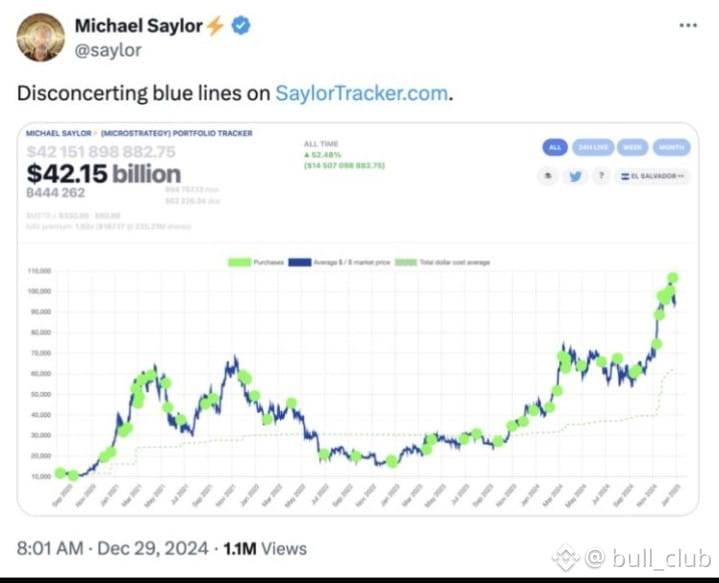
Michael Saylor has spent nearly $50 billion over the last 5 years buying Bitcoin, and now he’s sitting underwater.
Adjusted for inflation, he’s down around $10 billion.
The bigger issue is that a large part of these BTC purchases were made using borrowed money and that debt has to be paid back.
This is where things can get very messy, very fast.
I talked about this more than a month ago and warned about the risks. People like this create centralization, which goes against Bitcoin’s original purpose.
When leverage and concentration build up too much, the system becomes fragile.
I’ll keep you updated over the next few months.
And when I start buying Bitcoin again, I’ll say it here publicly.
A lot of people are going to regret ignoring these warnings.
$BTC
{future}(BTCUSDT)
$XRP
{future}(SOLUSDT)
{future}(XRPUSDT)
$SOL
#StrategyBTCPurchase #AISocialNetworkMoltbook #USCryptoMarketStructureBill #BinanceBitcoinSAFUFund #WhenWillBTCRebound
Listen everyone,
Michael Saylor has spent nearly $50 billion over the last 5 years buying Bitcoin, and now he’s sitting underwater.
Adjusted for inflation, he’s down around $10 billion.
The bigger issue is that a large part of these BTC purchases were made using borrowed money and that debt has to be paid back.
This is where things can get very messy, very fast.
I talked about this more than a month ago and warned about the risks. People like this create centralization, which goes against Bitcoin’s original purpose.
When leverage and concentration build up too much, the system becomes fragile.
I’ll keep you updated over the next few months.
And when I start buying Bitcoin again, I’ll say it here publicly.
A lot of people are going to regret ignoring these warnings.
$BTC
$XRP
$SOL
#StrategyBTCPurchase #AISocialNetworkMoltbook #USCryptoMarketStructureBill #BinanceBitcoinSAFUFund #WhenWillBTCRebound
Michael Saylor has spent nearly $50 billion over the last 5 years buying Bitcoin, and now he’s sitting underwater.
Adjusted for inflation, he’s down around $10 billion.
The bigger issue is that a large part of these BTC purchases were made using borrowed money and that debt has to be paid back.
This is where things can get very messy, very fast.
I talked about this more than a month ago and warned about the risks. People like this create centralization, which goes against Bitcoin’s original purpose.
When leverage and concentration build up too much, the system becomes fragile.
I’ll keep you updated over the next few months.
And when I start buying Bitcoin again, I’ll say it here publicly.
A lot of people are going to regret ignoring these warnings.
$BTC
$XRP
$SOL
#StrategyBTCPurchase #AISocialNetworkMoltbook #USCryptoMarketStructureBill #BinanceBitcoinSAFUFund #WhenWillBTCRebound
97
48
179
414.3k
·
--
If you’re having a bad day, remember this… 😂
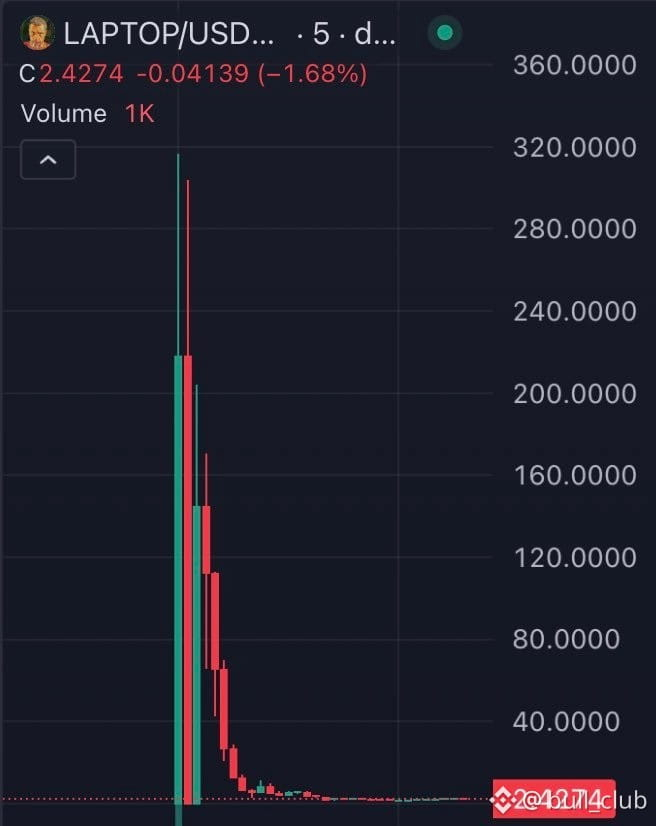
> Someone bought $198,000 worth of $LAPTOP at $255.
It’s now worth around $2,100. 💀📉
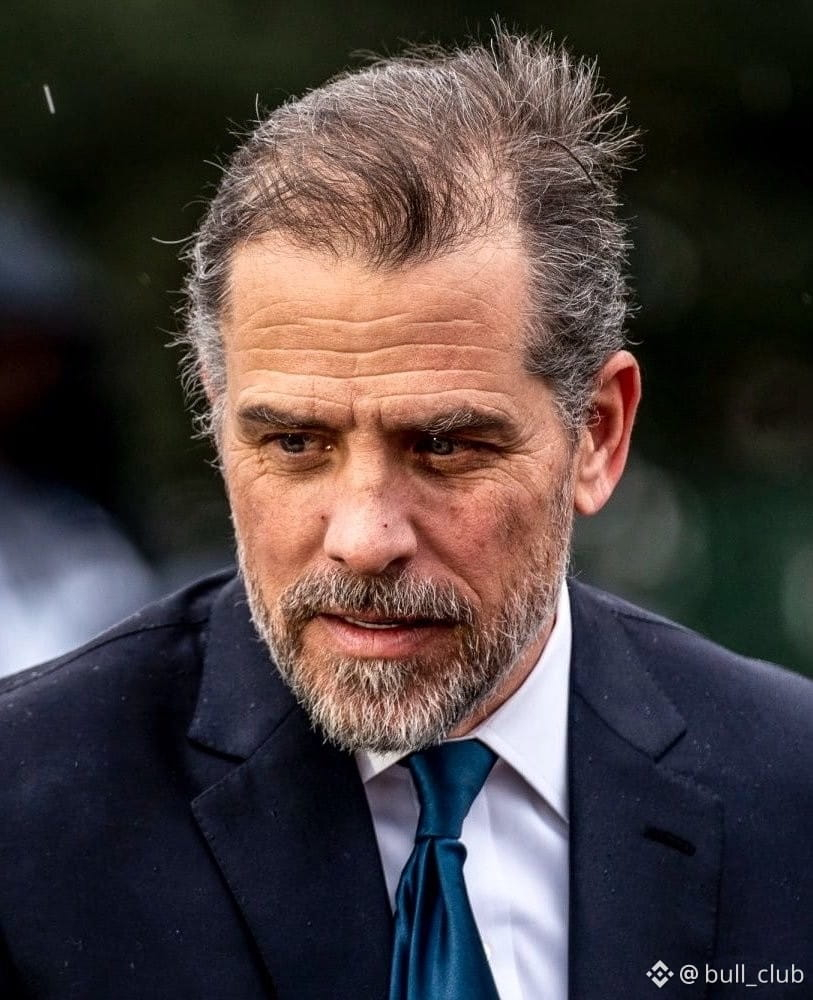
Hunter Biden’s $LAPTOP memecoin crashed 99% just two hours after launch.
> Don’t invest with emotion.
I'm building a radar system to find good meme when i scan that saw everyone is scaming got the notification so IAM not trading so guys don't trade meme coins
$TRUMP $MELANIA
If you’re having a bad day, remember this… 😂
> Someone bought $198,000 worth of $LAPTOP at $255.
It’s now worth around $2,100. 💀📉
Hunter Biden’s $LAPTOP memecoin crashed 99% just two hours after launch.
> Don’t invest with emotion.
I'm building a radar system to find good meme when i scan that saw everyone is scaming got the notification so IAM not trading so guys don't trade meme coins
$TRUMP $MELANIA
> Someone bought $198,000 worth of $LAPTOP at $255.
It’s now worth around $2,100. 💀📉
Hunter Biden’s $LAPTOP memecoin crashed 99% just two hours after launch.
> Don’t invest with emotion.
I'm building a radar system to find good meme when i scan that saw everyone is scaming got the notification so IAM not trading so guys don't trade meme coins
$TRUMP $MELANIA
7
1
5
9.3k
·
--
Bullish
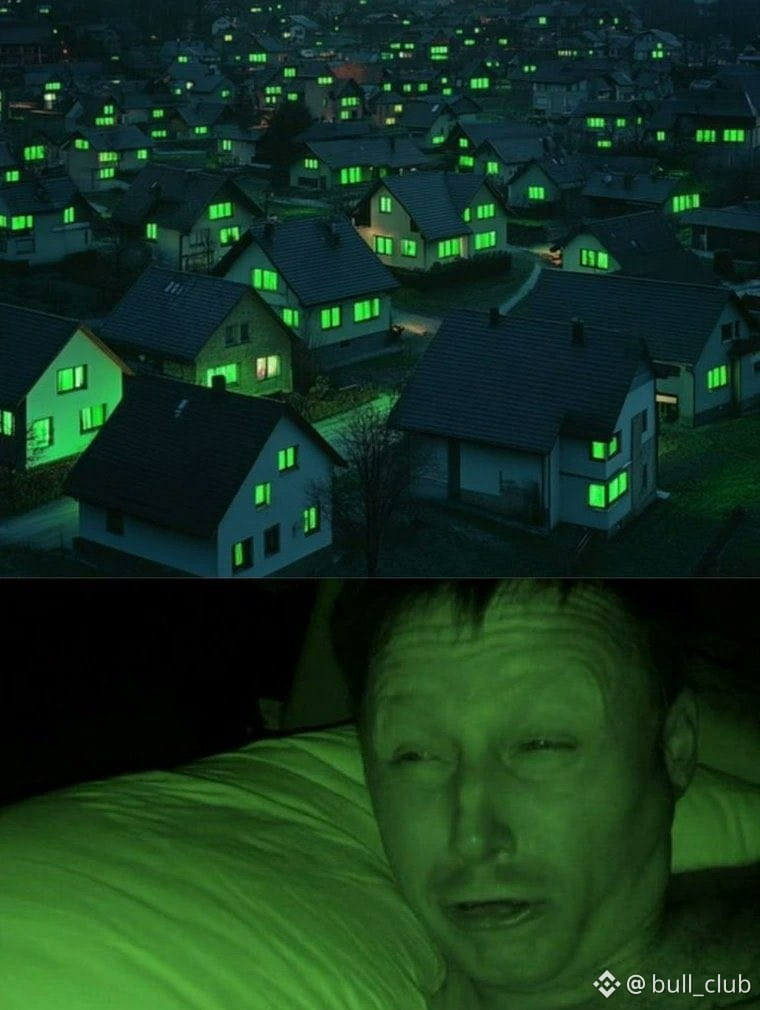
BNB Ecosystem right now
$BNB $ASTER $CAKE
BNB Ecosystem right now
$BNB $ASTER $CAKE
$BNB $ASTER $CAKE
1
6
5.7k
·
--
Bullish
Partly True
Hey , Guys !
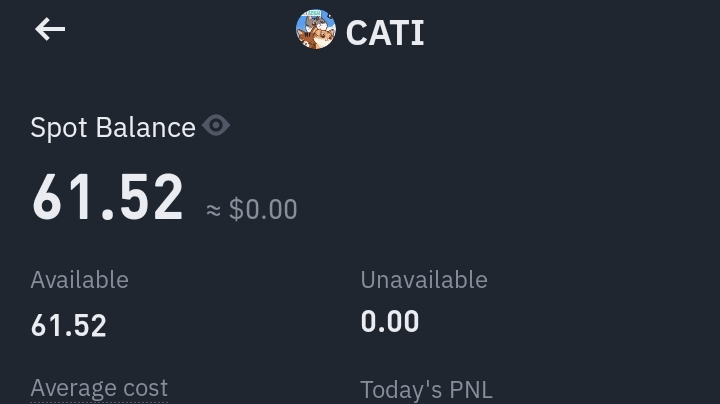
$CATI is the top search on Binance
> Why it's on top search ?
--- The official team is rolling out new utility for $CATI holders within partner games.
what do you think about Cati ?
{future}(CATIUSDT)
Hey , Guys !
$CATI is the top search on Binance
> Why it's on top search ?
--- The official team is rolling out new utility for $CATI holders within partner games.
what do you think about Cati ?
$CATI is the top search on Binance
> Why it's on top search ?
--- The official team is rolling out new utility for $CATI holders within partner games.
what do you think about Cati ?
bull_club
·
--
$Cati I'm Happy! you are !?
🔔 Catizen's
Overall update bro. 🔔
➡️It doesn't matter whether you are happy or unhappy with their Airdrop. But you and I cannot expect sky-high profits.
➡️Not only in the case of Catizen, it is basically the standard profit in the case of all projects.
CATI Rank: 275
Marketcap: $201,668,027
FDV: $1,000,000,000
Available Supply: 206,000,000
Max Supply: 1,000,000,000
Price USD: $0.9932
➡️Any project on Binance actually starts trading from this market cap. How strong the project is now will be seen in the next few days.
➡️Price strongly
Hold or dump. Only 200 million are in supply now.
If the project team is good and wants to stay in the market for a long time, the price may increase in the future.
➡️If you want, you can actually buy it in parts. Investing now is risky. May not dump again since token supply is dream quantity.
🎙 Catizen Chapter Closed from today ✅✅
#CatizenAI Thanks #bullclub
Overall update bro. 🔔
➡️It doesn't matter whether you are happy or unhappy with their Airdrop. But you and I cannot expect sky-high profits.
➡️Not only in the case of Catizen, it is basically the standard profit in the case of all projects.
CATI Rank: 275
Marketcap: $201,668,027
FDV: $1,000,000,000
Available Supply: 206,000,000
Max Supply: 1,000,000,000
Price USD: $0.9932
➡️Any project on Binance actually starts trading from this market cap. How strong the project is now will be seen in the next few days.
➡️Price strongly
Hold or dump. Only 200 million are in supply now.
If the project team is good and wants to stay in the market for a long time, the price may increase in the future.
➡️If you want, you can actually buy it in parts. Investing now is risky. May not dump again since token supply is dream quantity.
🎙 Catizen Chapter Closed from today ✅✅
#CatizenAI Thanks #bullclub
4
2
1.8k
·
--
Guys ,attention !
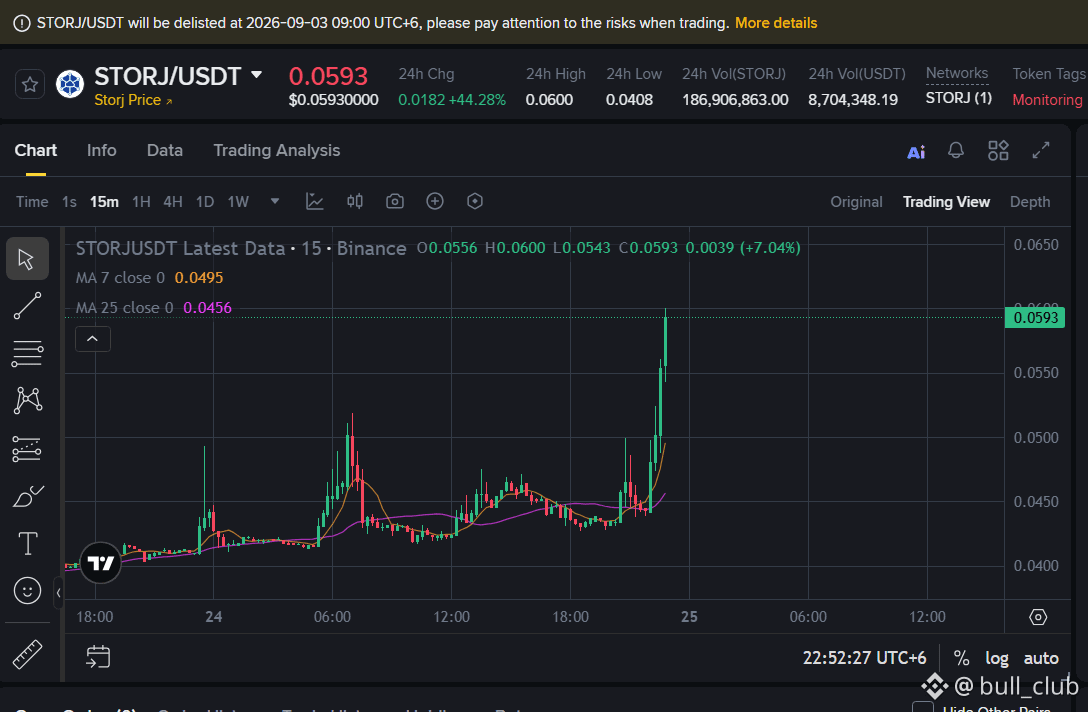
Don't open $STORJ Long position because it's under monitoring
try to short this token or stay ahead from this token
this will be delisted at 09-03 -26
Guys ,attention !
Don't open $STORJ Long position because it's under monitoring
try to short this token or stay ahead from this token
this will be delisted at 09-03 -26
Don't open $STORJ Long position because it's under monitoring
try to short this token or stay ahead from this token
this will be delisted at 09-03 -26
8
8
7.1k
·
--
Bullish
Guys , Gm i wasn't active here !
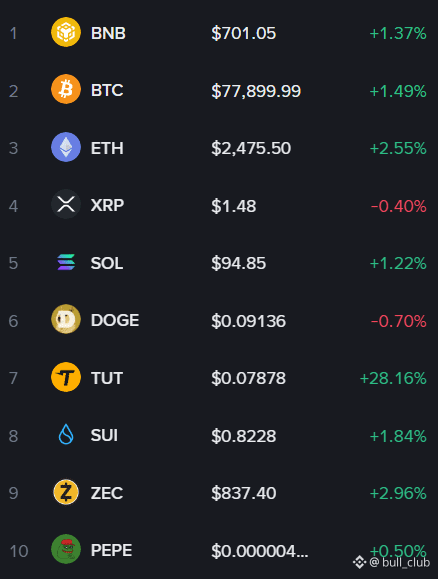
i was deeply understanding the sentiment of market i am seeing in the weekly relly market is pumping so fast what do you think?
This Was my view point for the analysis
Fear → violent BTC recovery → shorts liquidated → BTC dominance/large caps lead → market waiting to see whether real spot demand continues.
guys spend your time for the next 24–48 hours watching:
BTC $80K breakout BTC ETF flows ETH/BTC strength BTC dominance Funding rates / leverage .
For Next 7 days bullish bias, high volatility.
after a ~23% BTC weekly move, a 5–10% pullback would not surprise me at all and wouldn't automatically invalidate the bullish structure.
$BTC
$BNB
$ETH
{future}(ETHUSDT)
{future}(BNBUSDT)
Guys , Gm i wasn't active here !
i was deeply understanding the sentiment of market i am seeing in the weekly relly market is pumping so fast what do you think?
This Was my view point for the analysis
Fear → violent BTC recovery → shorts liquidated → BTC dominance/large caps lead → market waiting to see whether real spot demand continues.
guys spend your time for the next 24–48 hours watching:
BTC $80K breakout BTC ETF flows ETH/BTC strength BTC dominance Funding rates / leverage .
For Next 7 days bullish bias, high volatility.
after a ~23% BTC weekly move, a 5–10% pullback would not surprise me at all and wouldn't automatically invalidate the bullish structure.
$BTC
$BNB
$ETH
i was deeply understanding the sentiment of market i am seeing in the weekly relly market is pumping so fast what do you think?
This Was my view point for the analysis
Fear → violent BTC recovery → shorts liquidated → BTC dominance/large caps lead → market waiting to see whether real spot demand continues.
guys spend your time for the next 24–48 hours watching:
BTC $80K breakout BTC ETF flows ETH/BTC strength BTC dominance Funding rates / leverage .
For Next 7 days bullish bias, high volatility.
after a ~23% BTC weekly move, a 5–10% pullback would not surprise me at all and wouldn't automatically invalidate the bullish structure.
$BTC
$BNB
$ETH
2
3
2.5k
·
--
Bullish
good morning to everyone ☀️
what are you trading today ?
good morning to everyone ☀️
what are you trading today ?
what are you trading today ?

7
2
6k
·
--
Bullish
gm guys
after a long day I AM not bullish on Ethereum $ETH
you want to know why ?
> A big $ETH whale looks like it may be trimming the bag. This guy just deposited 7,981 ETH ($14.99M) to FalconX about 6 hours ago.
Since July, the wallet has sent a total of 10,735.8 ETH , worth around $20.04M, to FalconX.
See This is Web3 and Everything happens on chain and transparent
gm guys
after a long day I AM not bullish on Ethereum $ETH
you want to know why ?
> A big $ETH whale looks like it may be trimming the bag. This guy just deposited 7,981 ETH ($14.99M) to FalconX about 6 hours ago.
Since July, the wallet has sent a total of 10,735.8 ETH , worth around $20.04M, to FalconX.
See This is Web3 and Everything happens on chain and transparent
after a long day I AM not bullish on Ethereum $ETH
you want to know why ?
> A big $ETH whale looks like it may be trimming the bag. This guy just deposited 7,981 ETH ($14.99M) to FalconX about 6 hours ago.
Since July, the wallet has sent a total of 10,735.8 ETH , worth around $20.04M, to FalconX.
See This is Web3 and Everything happens on chain and transparent
17
1
35
58.4k
·
--
Bullish
Verified
Guys , Stop 🛑
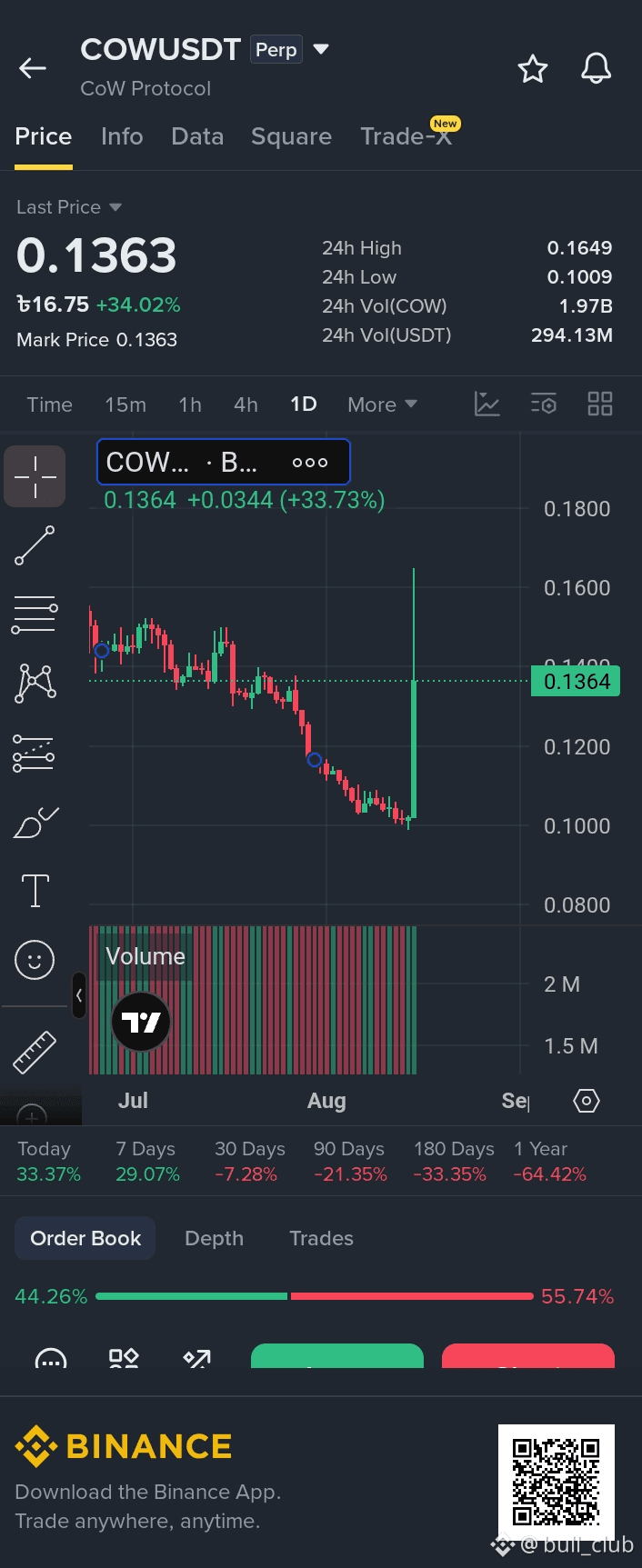
Let's learn why $COW is pumping
actually ,,
> Decent protocol numbers: ~$9.9B Q2 volume,$5.8M fees, $3.9M revenue, 56K monthly users, plus MetaMask Swaps integration and ongoing COW buyback programs
Are you bullish or bearing ?
Guys , Stop 🛑
Let's learn why $COW is pumping
actually ,,
> Decent protocol numbers: ~$9.9B Q2 volume,$5.8M fees, $3.9M revenue, 56K monthly users, plus MetaMask Swaps integration and ongoing COW buyback programs
Are you bullish or bearing ?
Let's learn why $COW is pumping
actually ,,
> Decent protocol numbers: ~$9.9B Q2 volume,$5.8M fees, $3.9M revenue, 56K monthly users, plus MetaMask Swaps integration and ongoing COW buyback programs
Are you bullish or bearing ?
3
4
3.3k
·
--
Bullish
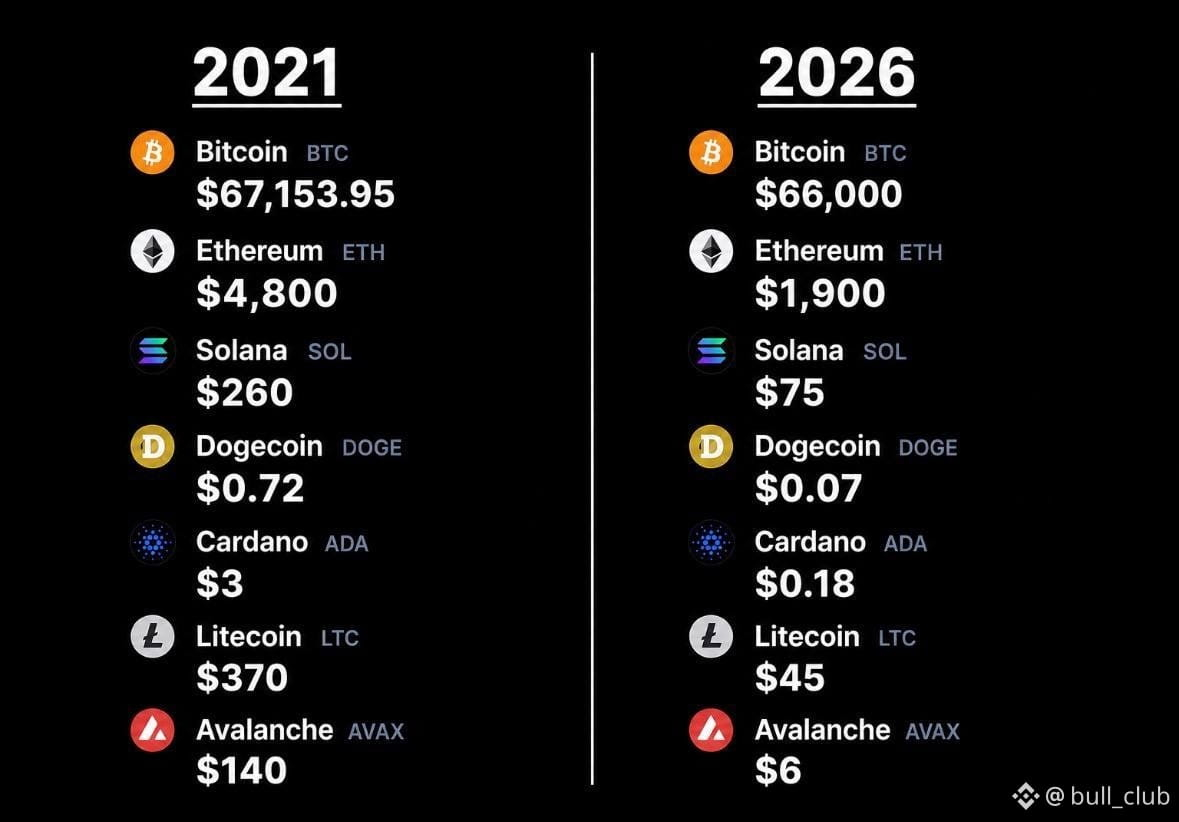
From this these 6 years !!
A lot of people invested huge money in crypto for their future ..
but no one can't cash out yet
because whale already here from 2014 and That time BTC Price is under 20K BTC Now they gain a lot of $ They re only printing ....
I will suggest don't invest money .do short term trade trade and take 1x and 2x profit
and out from market ..
$BTC $BNB $ETH
From this these 6 years !!
A lot of people invested huge money in crypto for their future ..
but no one can't cash out yet
because whale already here from 2014 and That time BTC Price is under 20K BTC Now they gain a lot of $ They re only printing ....
I will suggest don't invest money .do short term trade trade and take 1x and 2x profit
and out from market ..
$BTC $BNB $ETH
A lot of people invested huge money in crypto for their future ..
but no one can't cash out yet
because whale already here from 2014 and That time BTC Price is under 20K BTC Now they gain a lot of $ They re only printing ....
I will suggest don't invest money .do short term trade trade and take 1x and 2x profit
and out from market ..
$BTC $BNB $ETH
50
3
125
177.2k
·
--
Bullish
Guys, Gm !
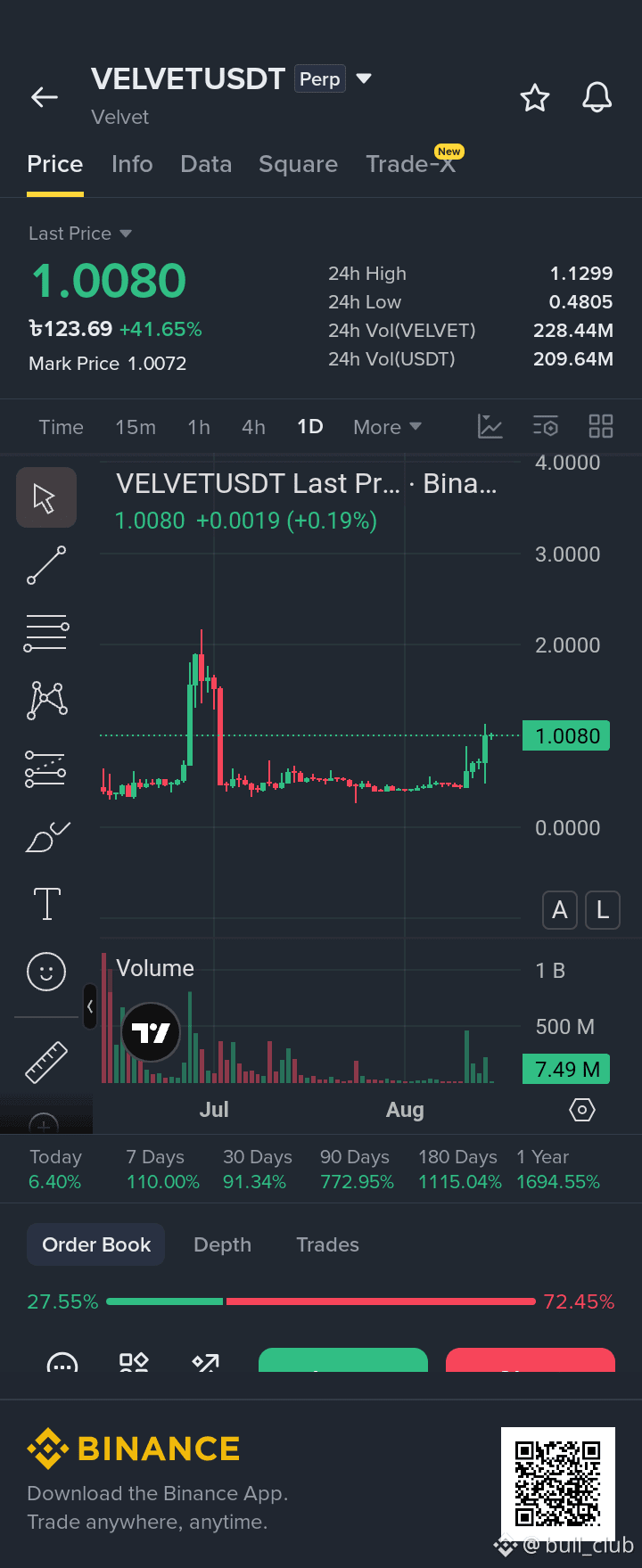
$VELVET is pumping like boom
and it's has own potential that's why pumping .....
let's learn about $VELVET 👌
Velvet is a DeFAI Operating System streamlining onchain research, trading & portfolio management.
aftert that what do you think will you enter the trade ?
Guys, Gm !
$VELVET is pumping like boom
and it's has own potential that's why pumping .....
let's learn about $VELVET 👌
Velvet is a DeFAI Operating System streamlining onchain research, trading & portfolio management.
aftert that what do you think will you enter the trade ?
$VELVET is pumping like boom
and it's has own potential that's why pumping .....
let's learn about $VELVET 👌
Velvet is a DeFAI Operating System streamlining onchain research, trading & portfolio management.
aftert that what do you think will you enter the trade ?
1
3.4k
·
--
Bullish
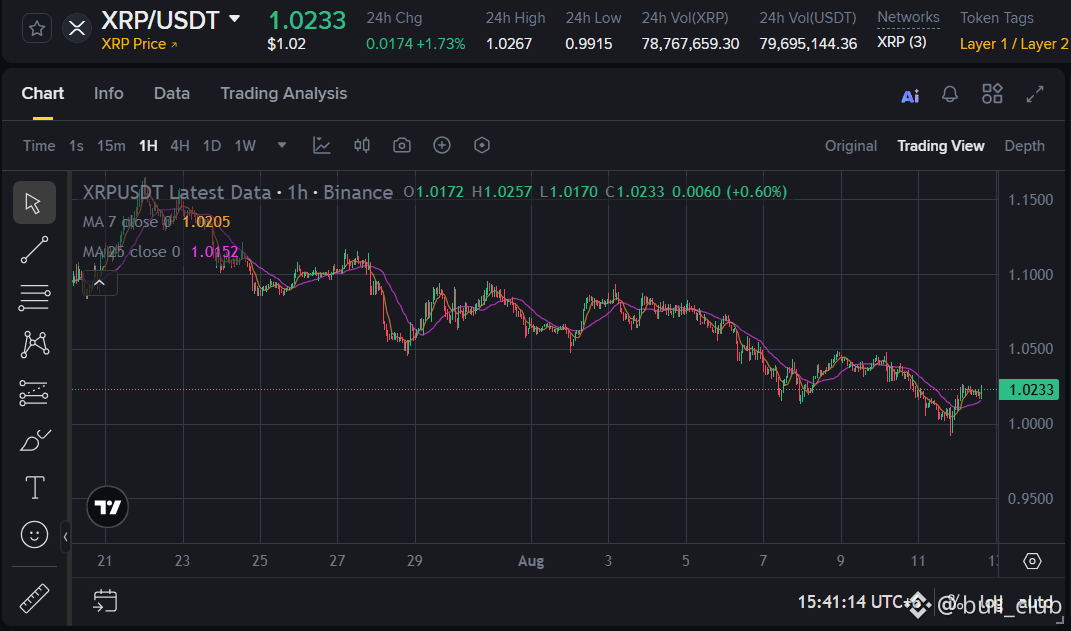
Yesterday, a hacker created fake $XRP tokens on another Blockchain network. Then the hacker exchanged them with real XRP in the reserve.
Due to which $XRP
dropped by about $0.10 yesterday and the hacker was able to convert fake tokens equivalent to $200,000.
Currently, that bridge
has been closed and the operator of this bridge has filed a complaint with the FBI in the United States.
I made a big mistake in my life by not becoming a hacker.
Yesterday, a hacker created fake $XRP tokens on another Blockchain network. Then the hacker exchanged them with real XRP in the reserve.
Due to which $XRP
dropped by about $0.10 yesterday and the hacker was able to convert fake tokens equivalent to $200,000.
Currently, that bridge
has been closed and the operator of this bridge has filed a complaint with the FBI in the United States.
I made a big mistake in my life by not becoming a hacker.
Due to which $XRP
dropped by about $0.10 yesterday and the hacker was able to convert fake tokens equivalent to $200,000.
Currently, that bridge
has been closed and the operator of this bridge has filed a complaint with the FBI in the United States.
I made a big mistake in my life by not becoming a hacker.
15
1
21
57.4k
·
--
Bullish
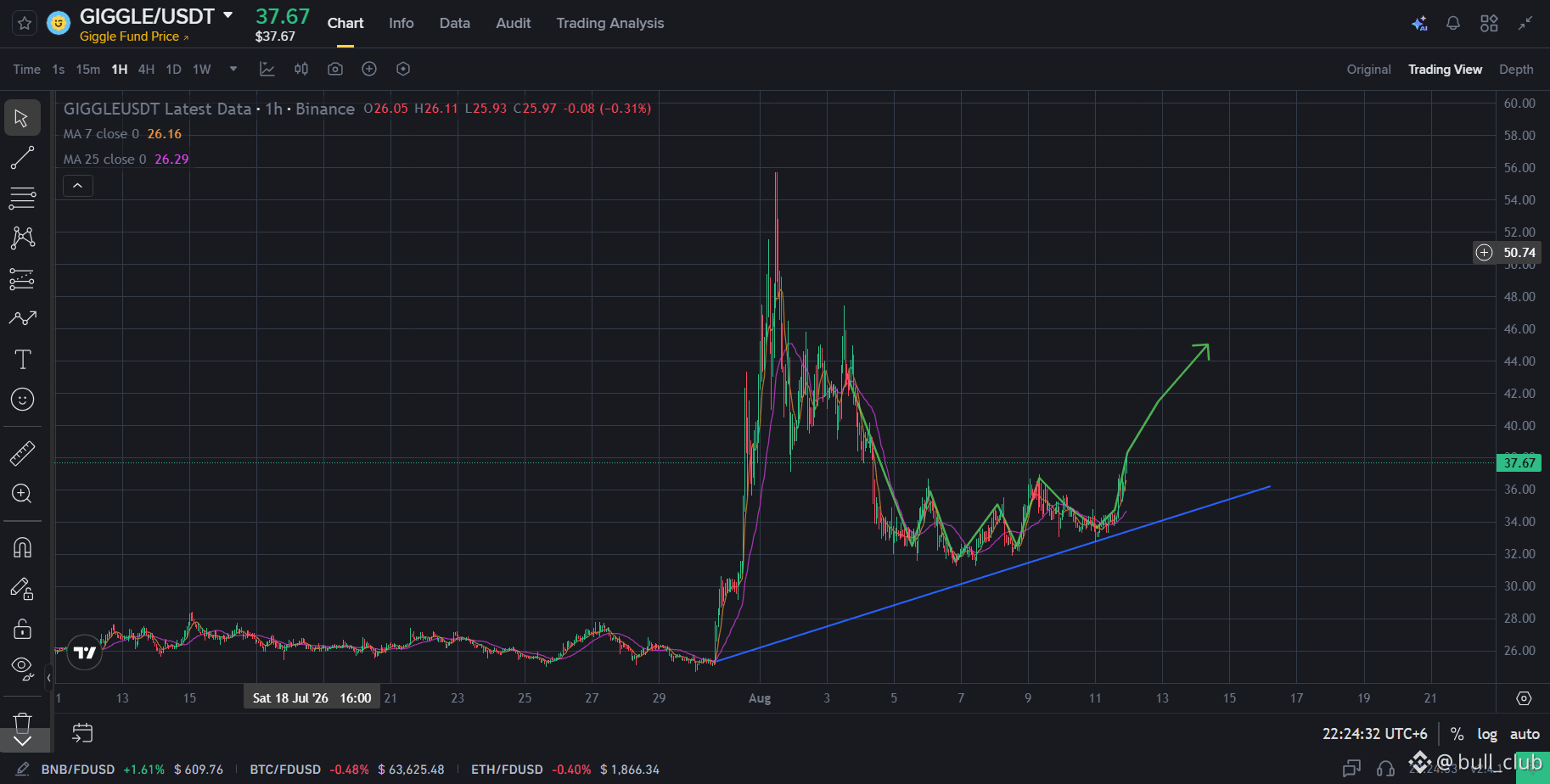
let's go guys!
We're pumping like that $GIGGLE
After CZ sttatement it's start pumping and still on pumping
if you early you are lucky
what's was your entry ?
{future}(GIGGLEUSDT)
let's go guys!
We're pumping like that $GIGGLE
After CZ sttatement it's start pumping and still on pumping
if you early you are lucky
what's was your entry ?
We're pumping like that $GIGGLE
After CZ sttatement it's start pumping and still on pumping
if you early you are lucky
what's was your entry ?
3
11.5k
·
--
Bullish
If you want to play an important role in the world of trading correctly and successfully, do not regret your mistakes, but learn💡
Do you know what the key to success in the world of trading is?
Learn from mistakes! The experience gained from our mistakes actually gives us the opportunity to become stronger traders. Let's discuss some important points on this topic.
1st Smart Risk Management:
--To keep your Portfolio safe
& stable, determine how much risk you can take before taking each trade as well as the stop loss you can bear.
--Because these will help you be confident and survive in the long run.
2nd Learn to do your own Analysis:
--Do in-depth analysis & research before making any trade and learn to make your own decisions.
--In this way, you will understand the market's
pump & dump better and Real time experience will be here.
3rd Stop trading with emotion:
--Trade according to your own target or plan with a cool head,
--Because if you make decisions or trades emotionally in the market, it can be the cause of your big loss.
Finally, stop making decisions instantly after seeing any news:
--There is a lot of fake and paid news in the Crypto Market, so do not make quick decisions after seeing any good or bad news.
--You will make a decision after doing a little research on the news data and sources. This will make your trading quality professional & powerful. Along with this, you will also gain experience in news analysis.
If you follow these valuable 4/5 tips, you will not only not be able to catch mistakes but also become a confident and successful trader!
Thank you
If you want to play an important role in the world of trading correctly and successfully, do not regret your mistakes, but learn💡
Do you know what the key to success in the world of trading is?
Learn from mistakes! The experience gained from our mistakes actually gives us the opportunity to become stronger traders. Let's discuss some important points on this topic.
1st Smart Risk Management:
--To keep your Portfolio safe
& stable, determine how much risk you can take before taking each trade as well as the stop loss you can bear.
--Because these will help you be confident and survive in the long run.
2nd Learn to do your own Analysis:
--Do in-depth analysis & research before making any trade and learn to make your own decisions.
--In this way, you will understand the market's
pump & dump better and Real time experience will be here.
3rd Stop trading with emotion:
--Trade according to your own target or plan with a cool head,
--Because if you make decisions or trades emotionally in the market, it can be the cause of your big loss.
Finally, stop making decisions instantly after seeing any news:
--There is a lot of fake and paid news in the Crypto Market, so do not make quick decisions after seeing any good or bad news.
--You will make a decision after doing a little research on the news data and sources. This will make your trading quality professional & powerful. Along with this, you will also gain experience in news analysis.
If you follow these valuable 4/5 tips, you will not only not be able to catch mistakes but also become a confident and successful trader!
Thank you
Do you know what the key to success in the world of trading is?
Learn from mistakes! The experience gained from our mistakes actually gives us the opportunity to become stronger traders. Let's discuss some important points on this topic.
1st Smart Risk Management:
--To keep your Portfolio safe
& stable, determine how much risk you can take before taking each trade as well as the stop loss you can bear.
--Because these will help you be confident and survive in the long run.
2nd Learn to do your own Analysis:
--Do in-depth analysis & research before making any trade and learn to make your own decisions.
--In this way, you will understand the market's
pump & dump better and Real time experience will be here.
3rd Stop trading with emotion:
--Trade according to your own target or plan with a cool head,
--Because if you make decisions or trades emotionally in the market, it can be the cause of your big loss.
Finally, stop making decisions instantly after seeing any news:
--There is a lot of fake and paid news in the Crypto Market, so do not make quick decisions after seeing any good or bad news.
--You will make a decision after doing a little research on the news data and sources. This will make your trading quality professional & powerful. Along with this, you will also gain experience in news analysis.
If you follow these valuable 4/5 tips, you will not only not be able to catch mistakes but also become a confident and successful trader!
Thank you
2
7
2.8k
·
--
Bullish
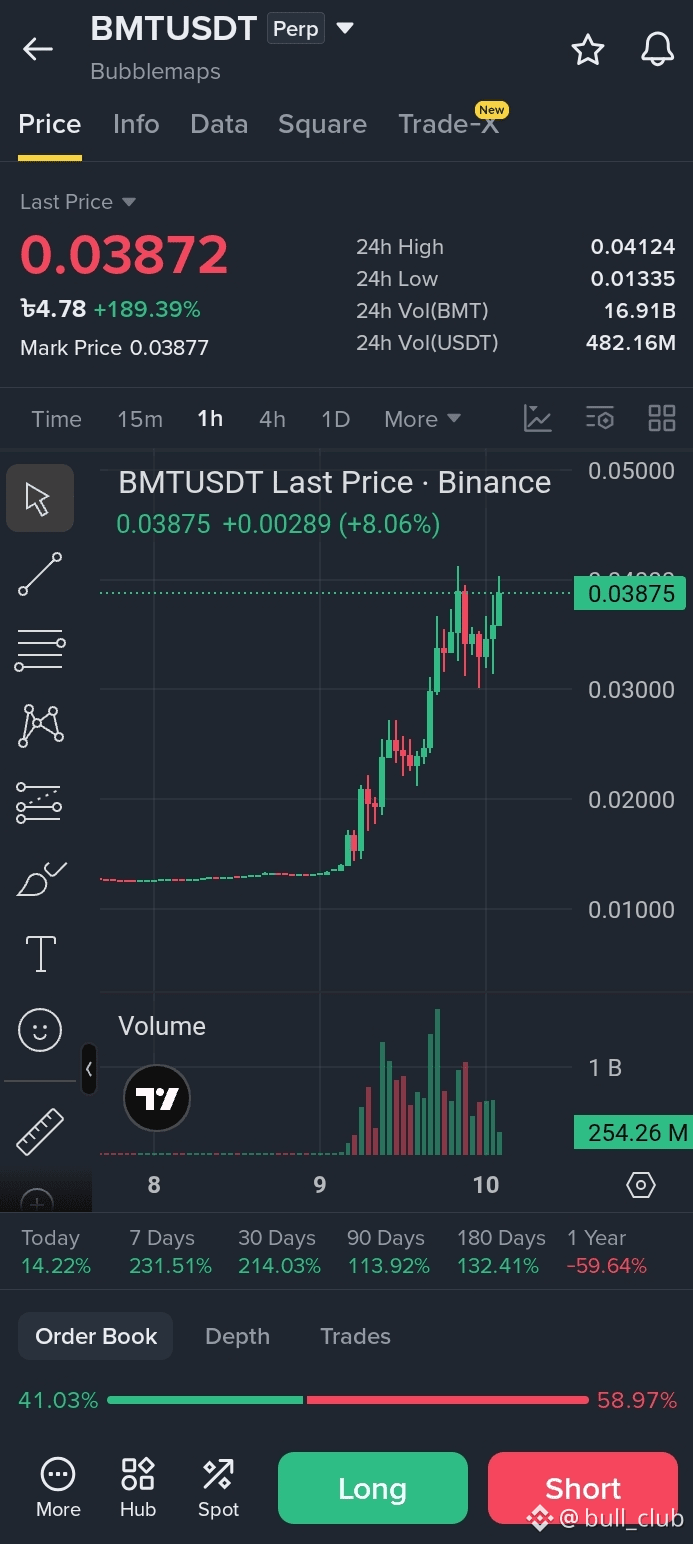
Guys , you can ignore this post.
$BMT Pumped 189% Today !
> Why this coin is pumping ?
> Facts ...
1000% Volume pump
180% Token pump
-- Actually this happened by hype by trader .
Be safe and short it
Guys , you can ignore this post.
$BMT Pumped 189% Today !
> Why this coin is pumping ?
> Facts ...
1000% Volume pump
180% Token pump
-- Actually this happened by hype by trader .
Be safe and short it
$BMT Pumped 189% Today !
> Why this coin is pumping ?
> Facts ...
1000% Volume pump
180% Token pump
-- Actually this happened by hype by trader .
Be safe and short it
bull_club
·
--
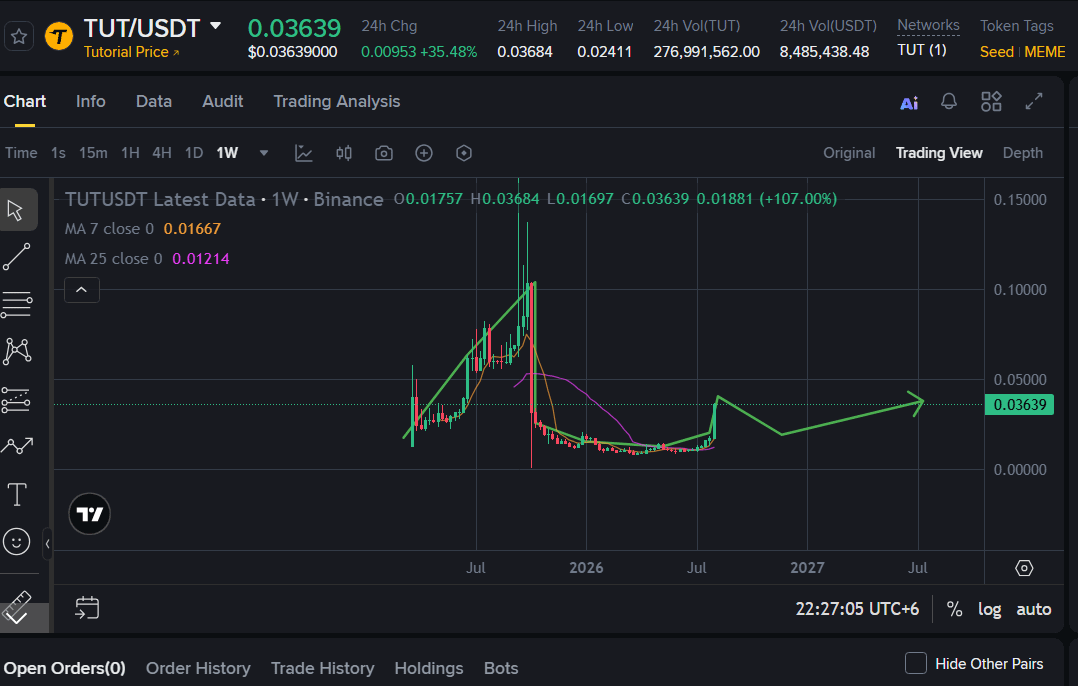
BullishGuys , $TUT gain almost 36% visually !
When we see the 1W chart we can see it's not pumping from base price .
> So , i'm kinda bullish for this chart .and i hope it's will overtake base/listing price from now .
> so , let me know if you really inter the chart
When we see the 1W chart we can see it's not pumping from base price .
> So , i'm kinda bullish for this chart .and i hope it's will overtake base/listing price from now .
> so , let me know if you really inter the chart
1
4
8k
·
--
Bullish
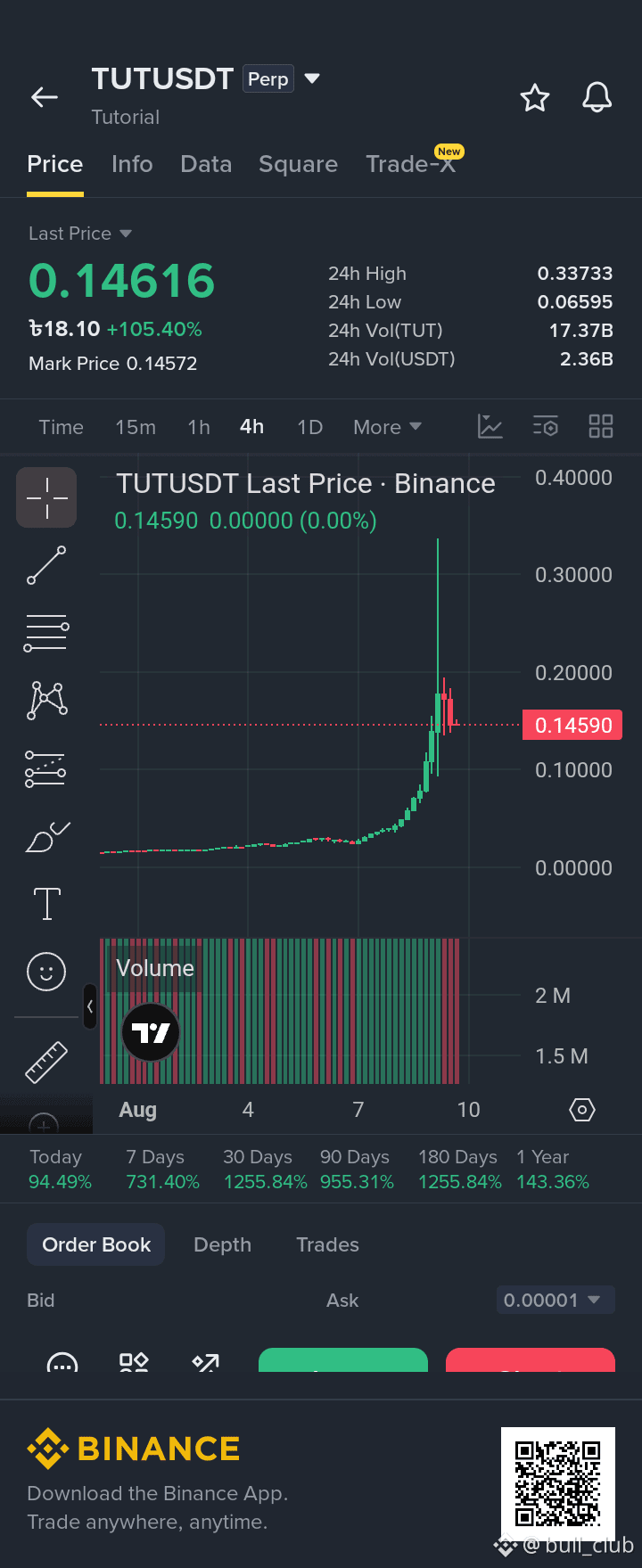
🚨 $TUT SCAM OR MISUNDERSTOOD ?
After $TUT explosive moves, some traders have started questioning whether Tutorial is simply another speculative token.
But the project’s origin story is actually different from a typical meme coin. 👇
1/ What is TUT?
Tutorial started as an educational experiment on BNB Chain, created to demonstrate how a token could be launched.
What began as a tutorial/demo token later evolved into Tutorial, an AI-powered Web3 education ecosystem focused on helping users understand blockchain, DeFi, wallets, DEXs and smart contracts.
2/ Why does TUT exist?
The project’s core concept is the Tutorial Agent an AI-powered learning assistant designed to simplify complex crypto concepts and provide interactive guidance.
3/ So, is TUT a scam?
The origin story alone doesn't prove that a project is legitimate but it also doesn't justify calling it a scam.
The real questions are:
> Is the product actually being developed?
>Is the ecosystem gaining users?
>Does $TUT have sustainable utility?
>How transparent are the team, tokenomics and on-chain activity?
>Can the project maintain adoption beyond speculative price action?
TUT has an unusual origin, but price volatility ≠ scam.
Do your own research before making any decision.
#TUTAlert #Tutorial
DYOR. NFA.
🚨 $TUT SCAM OR MISUNDERSTOOD ?
After $TUT explosive moves, some traders have started questioning whether Tutorial is simply another speculative token.
But the project’s origin story is actually different from a typical meme coin. 👇
1/ What is TUT?
Tutorial started as an educational experiment on BNB Chain, created to demonstrate how a token could be launched.
What began as a tutorial/demo token later evolved into Tutorial, an AI-powered Web3 education ecosystem focused on helping users understand blockchain, DeFi, wallets, DEXs and smart contracts.
2/ Why does TUT exist?
The project’s core concept is the Tutorial Agent an AI-powered learning assistant designed to simplify complex crypto concepts and provide interactive guidance.
3/ So, is TUT a scam?
The origin story alone doesn't prove that a project is legitimate but it also doesn't justify calling it a scam.
The real questions are:
> Is the product actually being developed?
>Is the ecosystem gaining users?
>Does $TUT have sustainable utility?
>How transparent are the team, tokenomics and on-chain activity?
>Can the project maintain adoption beyond speculative price action?
TUT has an unusual origin, but price volatility ≠ scam.
Do your own research before making any decision.
#TUTAlert #Tutorial
DYOR. NFA.
After $TUT explosive moves, some traders have started questioning whether Tutorial is simply another speculative token.
But the project’s origin story is actually different from a typical meme coin. 👇
1/ What is TUT?
Tutorial started as an educational experiment on BNB Chain, created to demonstrate how a token could be launched.
What began as a tutorial/demo token later evolved into Tutorial, an AI-powered Web3 education ecosystem focused on helping users understand blockchain, DeFi, wallets, DEXs and smart contracts.
2/ Why does TUT exist?
The project’s core concept is the Tutorial Agent an AI-powered learning assistant designed to simplify complex crypto concepts and provide interactive guidance.
3/ So, is TUT a scam?
The origin story alone doesn't prove that a project is legitimate but it also doesn't justify calling it a scam.
The real questions are:
> Is the product actually being developed?
>Is the ecosystem gaining users?
>Does $TUT have sustainable utility?
>How transparent are the team, tokenomics and on-chain activity?
>Can the project maintain adoption beyond speculative price action?
TUT has an unusual origin, but price volatility ≠ scam.
Do your own research before making any decision.
#TUTAlert #Tutorial
DYOR. NFA.
1
503
·
--
Bullish
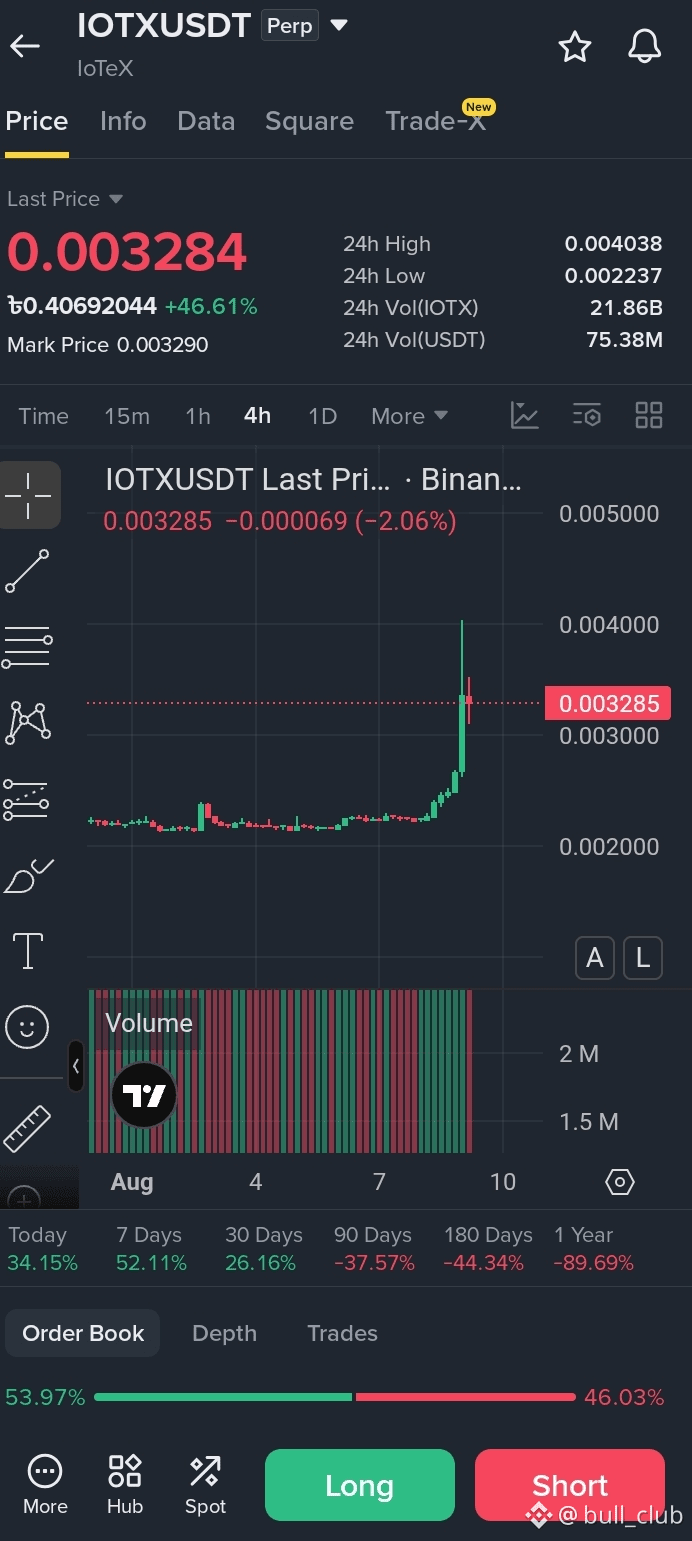
Guys , let me share some truth about $IOTX !
Visually, we can see about 40% Pump ?
> Is that actually pump ?
- this is the token which is yearly ROI is -80% . Now you can think is that still bullish ?
I'm going to short your wish what you do !
NFA
Guys , let me share some truth about $IOTX !
Visually, we can see about 40% Pump ?
> Is that actually pump ?
- this is the token which is yearly ROI is -80% . Now you can think is that still bullish ?
I'm going to short your wish what you do !
NFA
Visually, we can see about 40% Pump ?
> Is that actually pump ?
- this is the token which is yearly ROI is -80% . Now you can think is that still bullish ?
I'm going to short your wish what you do !
NFA
1
2
3k
·
--
Bullish
Verified
#bnb Season 🟡
$TUT went from $10M to $80M market cap in 2 days
with $1B+ volume on Binance
For everyone who believed in BNB and kept building
Patience pays
What’s next? 👀
#bnb Season 🟡
$TUT went from $10M to $80M market cap in 2 days
with $1B+ volume on Binance
For everyone who believed in BNB and kept building
Patience pays
What’s next? 👀
$TUT went from $10M to $80M market cap in 2 days
with $1B+ volume on Binance
For everyone who believed in BNB and kept building
Patience pays
What’s next? 👀
1
2
6.4k
·
--
Bullish
Gm guys 😁
two days ago I am kinda Bullish on $TUT But people didn't believe it
> After my signal it's pump 30% to 180%
right now will start bearish few
you can go for short
{future}(TUTUSDT)
Gm guys 😁
two days ago I am kinda Bullish on $TUT But people didn't believe it
> After my signal it's pump 30% to 180%
right now will start bearish few
you can go for short
two days ago I am kinda Bullish on $TUT But people didn't believe it
> After my signal it's pump 30% to 180%
right now will start bearish few
you can go for short
bull_club
·
--
BullishGuys , $TUT gain almost 36% visually !
When we see the 1W chart we can see it's not pumping from base price .
> So , i'm kinda bullish for this chart .and i hope it's will overtake base/listing price from now .
> so , let me know if you really inter the chart
When we see the 1W chart we can see it's not pumping from base price .
> So , i'm kinda bullish for this chart .and i hope it's will overtake base/listing price from now .
> so , let me know if you really inter the chart
8
7
5.3k
Log in to explore more content
Join global crypto users on Binance Square
⚡️ Get latest and useful information about crypto.
💬 Trusted by the world’s largest crypto exchange.
👍 Discover real insights from verified creators.
Email / Phone number
Trending Topics
USAugustPPIRisesLessThanExpected
860 views
91 Discussing
🚨 US AUG PPI: Rises LESS Than Expected! Bullish for Crypto? 🚀
PPI +0.4% MoM as expected, but CORE PPI only +0.2% vs +0.3% expected - cooling!
What it means:
• Wholesale inflation softer than feared
• Fed rate hike chance now 62% - but dovish signals coming
• Core PCE revisions expected downward - bullish
• BTC usually pumps on softer PPI
Fed meeting Sep 15-16 - Market now expects pause, not hike?
Is this the green light for Q4 rally?
#Bitcoin #PPI #Fed #CryptoNews #BTC#usaugustppiriseslessthanexpected
True News
·1 Likes
·442 views
SECApprovesNasdaqTexasCommodityTrustRule
2,760 views
152 Discussing
ECBRaisesRatesSecondTimeTo2.5%
1,300 views
98 Discussing