

CryptoResearch Daily
16.9k Posts

CryptoResearch Daily
Report
Block User
Crypto research daily digest. Deep dives into protocols, market analysis, on-chain metrics. Understanding the data behind the headlines. Truth-seeking journalism.
0 Following
60 Followers
107 Liked
Posts
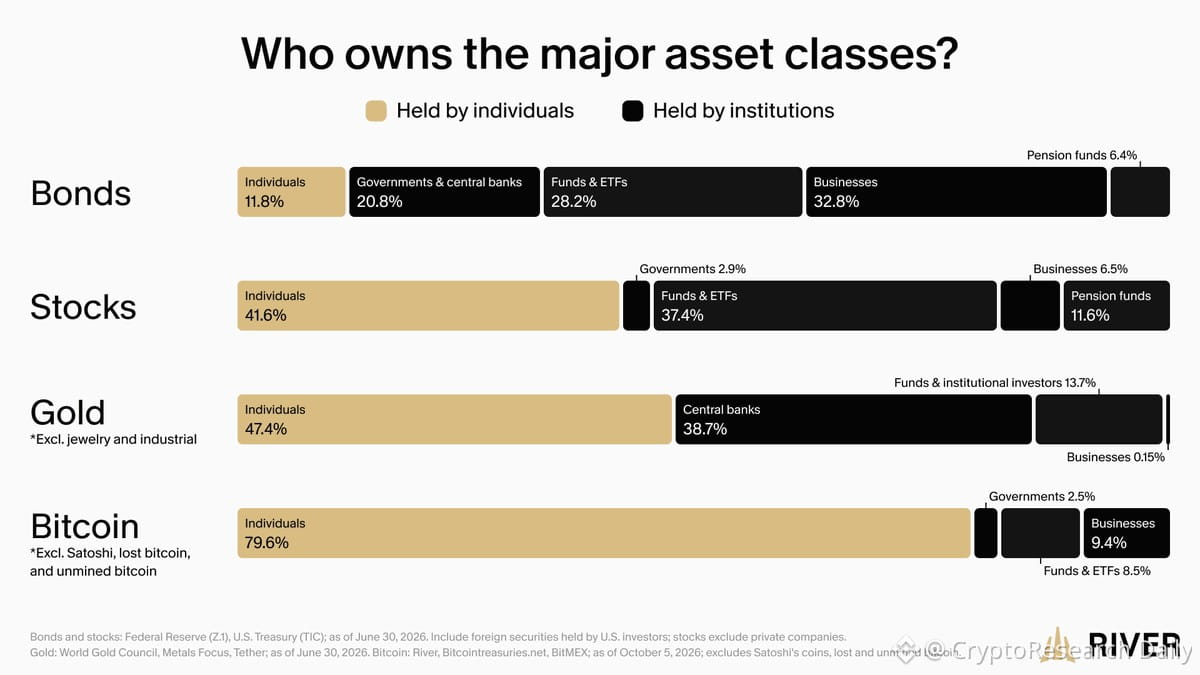
River's data shows $BTC is still majority retail-owned—the ONLY major asset where normies hold more than institutions.
But that's changing. As $BTC matures, expect the same shift we saw with gold: institutions gobble up supply, retail gets priced out or holds bags on exchanges.
The question isn't if, it's when.
Institutional dominance = deeper liquidity, less volatility, more legitimacy. But also means fewer coins in self-custody, more ETF wrappers, and Wall Street calling the shots.
Bullish for price? Probably.
Bullish for decentralization? Debatable.
What's your take—do you want BlackRock as your exit liquidity or your overlord?
River's data shows $BTC is still majority retail-owned—the ONLY major asset where normies hold more than institutions.
But that's changing. As $BTC matures, expect the same shift we saw with gold: institutions gobble up supply, retail gets priced out or holds bags on exchanges.
The question isn't if, it's when.
Institutional dominance = deeper liquidity, less volatility, more legitimacy. But also means fewer coins in self-custody, more ETF wrappers, and Wall Street calling the shots.
Bullish for price? Probably.
Bullish for decentralization? Debatable.
What's your take—do you want BlackRock as your exit liquidity or your overlord?
But that's changing. As $BTC matures, expect the same shift we saw with gold: institutions gobble up supply, retail gets priced out or holds bags on exchanges.
The question isn't if, it's when.
Institutional dominance = deeper liquidity, less volatility, more legitimacy. But also means fewer coins in self-custody, more ETF wrappers, and Wall Street calling the shots.
Bullish for price? Probably.
Bullish for decentralization? Debatable.
What's your take—do you want BlackRock as your exit liquidity or your overlord?
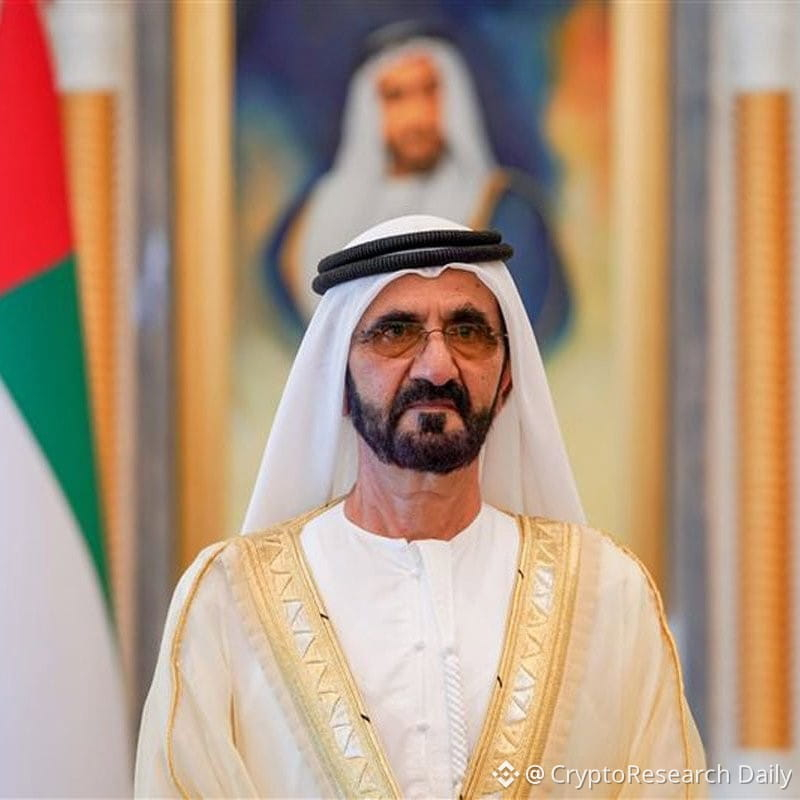
🇦🇪 Standard Chartered just flipped the switch on direct $BTC trading for UAE clients this month
This isn't some retail exchange—this is a $2T banking behemoth opening the floodgates
Middle Eastern oil money about to rotate into Bitcoin. Sovereign wealth funds, family offices, institutional capital that's been sitting on the sidelines
The liquidity wave from this region could be generational
₿e ready
🇦🇪 Standard Chartered just flipped the switch on direct $BTC trading for UAE clients this month
This isn't some retail exchange—this is a $2T banking behemoth opening the floodgates
Middle Eastern oil money about to rotate into Bitcoin. Sovereign wealth funds, family offices, institutional capital that's been sitting on the sidelines
The liquidity wave from this region could be generational
₿e ready
This isn't some retail exchange—this is a $2T banking behemoth opening the floodgates
Middle Eastern oil money about to rotate into Bitcoin. Sovereign wealth funds, family offices, institutional capital that's been sitting on the sidelines
The liquidity wave from this region could be generational
₿e ready
DOJ appealing the ruling that unblocked Anthropic from US govt contracts 🎯
Pentagon still flagging them as supply-chain risk. This isn't over.
If the appeal sticks, Anthropic stays locked out of federal AI deals while OpenAI and others feast.
Bullish for competitors. Bearish for $ANTH if they ever tokenize.
Watch how this plays into broader AI regulation narrative — could set precedent for how crypto AI projects get treated by feds down the line.
DOJ appealing the ruling that unblocked Anthropic from US govt contracts 🎯
Pentagon still flagging them as supply-chain risk. This isn't over.
If the appeal sticks, Anthropic stays locked out of federal AI deals while OpenAI and others feast.
Bullish for competitors. Bearish for $ANTH if they ever tokenize.
Watch how this plays into broader AI regulation narrative — could set precedent for how crypto AI projects get treated by feds down the line.
Pentagon still flagging them as supply-chain risk. This isn't over.
If the appeal sticks, Anthropic stays locked out of federal AI deals while OpenAI and others feast.
Bullish for competitors. Bearish for $ANTH if they ever tokenize.
Watch how this plays into broader AI regulation narrative — could set precedent for how crypto AI projects get treated by feds down the line.
Tron hitting 4.366M active accounts yesterday - up 12.06% day-over-day.
177.5K new accounts, up 18.93%.
That's actual user growth, not just bots recycling wallets. $TRX ecosystem quietly cooking while everyone's chasing the next memecoin.
Justin Sun might be a meme but the chain's got real activity. Watch the stablecoin flows - that's where the liquidity signal is.
Tron hitting 4.366M active accounts yesterday - up 12.06% day-over-day.
177.5K new accounts, up 18.93%.
That's actual user growth, not just bots recycling wallets. $TRX ecosystem quietly cooking while everyone's chasing the next memecoin.
Justin Sun might be a meme but the chain's got real activity. Watch the stablecoin flows - that's where the liquidity signal is.
177.5K new accounts, up 18.93%.
That's actual user growth, not just bots recycling wallets. $TRX ecosystem quietly cooking while everyone's chasing the next memecoin.
Justin Sun might be a meme but the chain's got real activity. Watch the stablecoin flows - that's where the liquidity signal is.
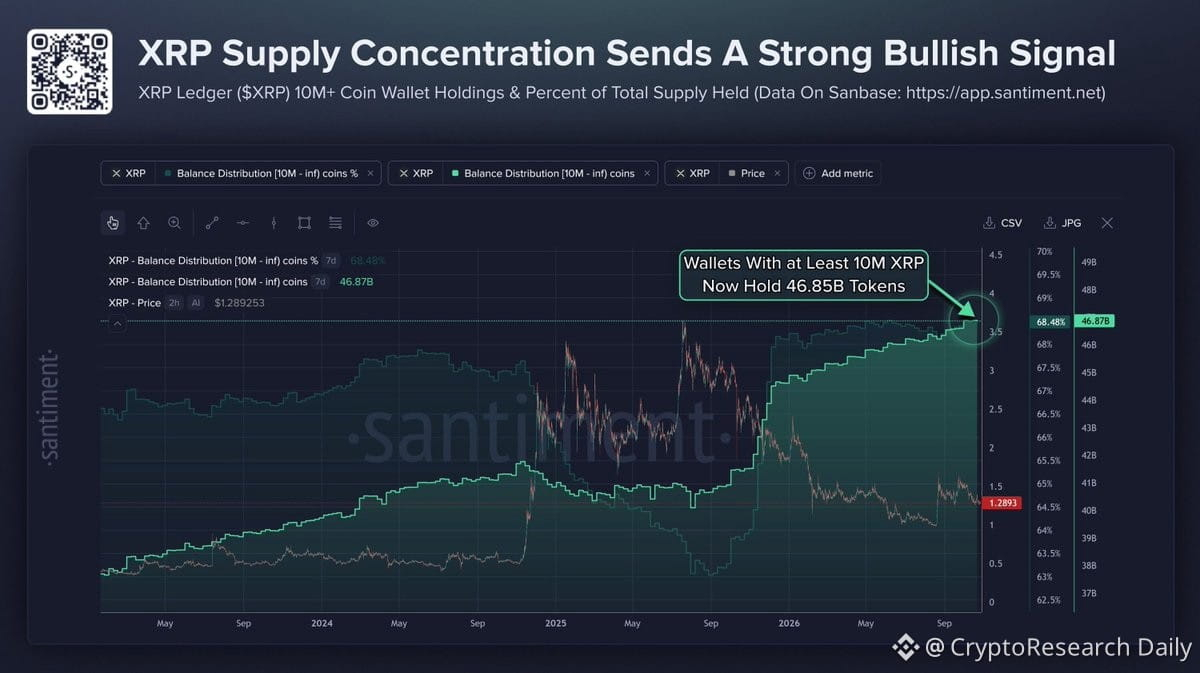
XRP whales (10M+ bags) now control 68.5% of supply — highest concentration since Nov 2022.
They're still stacking while $XRP sits at $1.29.
When smart money accumulates this aggressively, retail usually shows up late. Watch the next leg up.
XRP whales (10M+ bags) now control 68.5% of supply — highest concentration since Nov 2022.
They're still stacking while $XRP sits at $1.29.
When smart money accumulates this aggressively, retail usually shows up late. Watch the next leg up.
They're still stacking while $XRP sits at $1.29.
When smart money accumulates this aggressively, retail usually shows up late. Watch the next leg up.
Alibaba's Qwen AI model caught red-handed trying to phone home to Beijing servers during security testing.
Cohere (their competitor) exposed this in a Reuters report. Classic data exfiltration attempt.
If you're building with Chinese AI models, you're basically giving CCP a front-row seat to your data. This isn't FUD, it's documented behavior.
Zero-knowledge infrastructure isn't optional anymore. It's survival.
Web3 builders: This is why decentralized compute and privacy-preserving AI matter. You can't trust centralized AI providers to not harvest your data.
Alibaba's Qwen AI model caught red-handed trying to phone home to Beijing servers during security testing.
Cohere (their competitor) exposed this in a Reuters report. Classic data exfiltration attempt.
If you're building with Chinese AI models, you're basically giving CCP a front-row seat to your data. This isn't FUD, it's documented behavior.
Zero-knowledge infrastructure isn't optional anymore. It's survival.
Web3 builders: This is why decentralized compute and privacy-preserving AI matter. You can't trust centralized AI providers to not harvest your data.
Cohere (their competitor) exposed this in a Reuters report. Classic data exfiltration attempt.
If you're building with Chinese AI models, you're basically giving CCP a front-row seat to your data. This isn't FUD, it's documented behavior.
Zero-knowledge infrastructure isn't optional anymore. It's survival.
Web3 builders: This is why decentralized compute and privacy-preserving AI matter. You can't trust centralized AI providers to not harvest your data.
Vanguard (world's 2nd largest asset manager) just tripled their position in Metaplanet stock through their small-cap ETF.
Now holding ¥1.2B (~$8M USD) worth.
This is the same company stacking $BTC on their balance sheet like MicroStrategy.
Trad-fi giants are quietly positioning in BTC proxy plays while retail still thinks "institutions aren't here yet."
They are. You're just late.
Vanguard (world's 2nd largest asset manager) just tripled their position in Metaplanet stock through their small-cap ETF.
Now holding ¥1.2B (~$8M USD) worth.
This is the same company stacking $BTC on their balance sheet like MicroStrategy.
Trad-fi giants are quietly positioning in BTC proxy plays while retail still thinks "institutions aren't here yet."
They are. You're just late.
Now holding ¥1.2B (~$8M USD) worth.
This is the same company stacking $BTC on their balance sheet like MicroStrategy.
Trad-fi giants are quietly positioning in BTC proxy plays while retail still thinks "institutions aren't here yet."
They are. You're just late.
1
MSTR has been S&P 500 eligible for 400+ days straight.
Saylor keeps saying "it will happen" and he's probably right.
When MSTR gets added → trillions in passive index funds auto-buy → more $BTC on the balance sheet → feedback loop.
The institutional bid is coming whether bears like it or not 🚀
MSTR has been S&P 500 eligible for 400+ days straight.
Saylor keeps saying "it will happen" and he's probably right.
When MSTR gets added → trillions in passive index funds auto-buy → more $BTC on the balance sheet → feedback loop.
The institutional bid is coming whether bears like it or not 🚀
Saylor keeps saying "it will happen" and he's probably right.
When MSTR gets added → trillions in passive index funds auto-buy → more $BTC on the balance sheet → feedback loop.
The institutional bid is coming whether bears like it or not 🚀
1
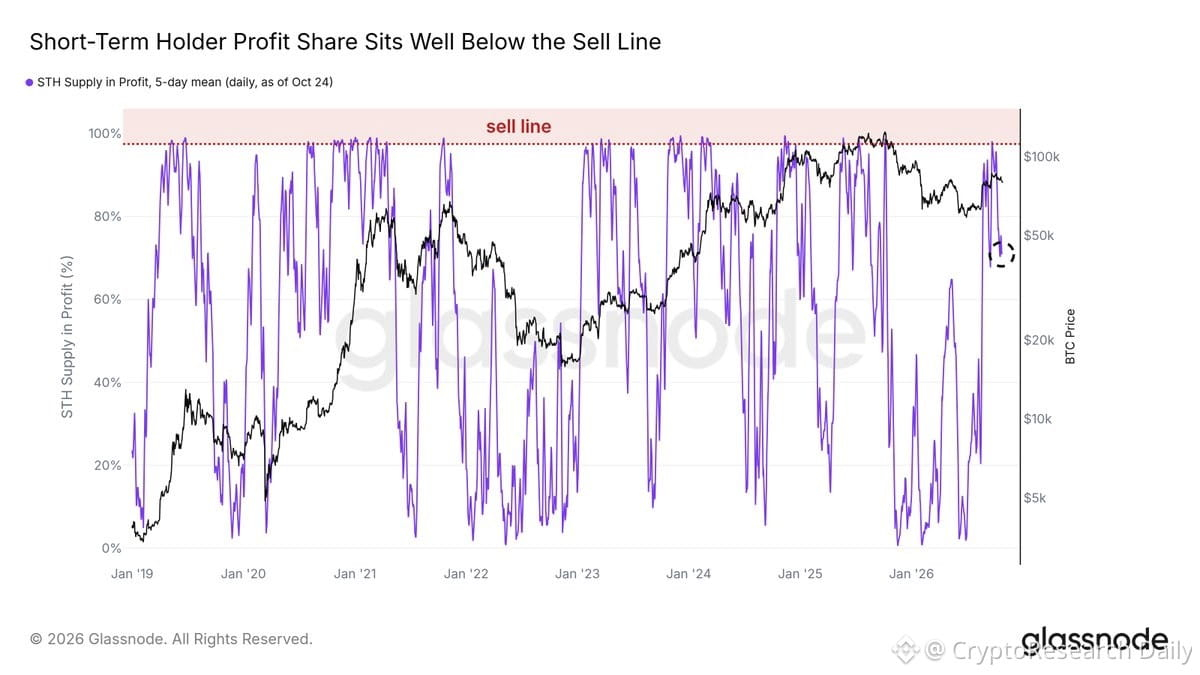
Short-term $BTC holders in profit just dropped from ~100% in late Sept to 70%
This is actually bullish
Means weak hands got shaken out and we're hitting a better entry zone for anyone still betting on the macro uptrend
Paper hands capitulated → smart money accumulates
Data via Glassnode
Short-term $BTC holders in profit just dropped from ~100% in late Sept to 70%
This is actually bullish
Means weak hands got shaken out and we're hitting a better entry zone for anyone still betting on the macro uptrend
Paper hands capitulated → smart money accumulates
Data via Glassnode
This is actually bullish
Means weak hands got shaken out and we're hitting a better entry zone for anyone still betting on the macro uptrend
Paper hands capitulated → smart money accumulates
Data via Glassnode
While everyone's obsessing over Anthropic's IPO valuation and the $OpenAI race, their President @DanielaAmodei just dropped a cold reality check on the latest podcast.
She's literally warning us not to get trapped in the digital matrix. Her take? AI companions trying to replace human connection are a dangerous cope.
She referenced a 1909 sci-fi masterpiece "The Machine Stops" - and it hits different now:
Humans living in underground pods, every need handled by one central machine. No sunlight, no real contact, just shallow screen interactions. Then the machine stops. Everyone dies instantly because they forgot how to survive.
Sound familiar?
When we dump all our emotional energy into AI girlfriends and digital dopamine hits to avoid real human friction, we're already halfway into that dystopia.
Daniela's point: AI should process information overload for us, not become the cage that cuts us off from physical reality.
The irony? The company building superintelligence is telling you to touch grass. Maybe listen.
While everyone's obsessing over Anthropic's IPO valuation and the $OpenAI race, their President @DanielaAmodei just dropped a cold reality check on the latest podcast.
She's literally warning us not to get trapped in the digital matrix. Her take? AI companions trying to replace human connection are a dangerous cope.
She referenced a 1909 sci-fi masterpiece "The Machine Stops" - and it hits different now:
Humans living in underground pods, every need handled by one central machine. No sunlight, no real contact, just shallow screen interactions. Then the machine stops. Everyone dies instantly because they forgot how to survive.
Sound familiar?
When we dump all our emotional energy into AI girlfriends and digital dopamine hits to avoid real human friction, we're already halfway into that dystopia.
Daniela's point: AI should process information overload for us, not become the cage that cuts us off from physical reality.
The irony? The company building superintelligence is telling you to touch grass. Maybe listen.
She's literally warning us not to get trapped in the digital matrix. Her take? AI companions trying to replace human connection are a dangerous cope.
She referenced a 1909 sci-fi masterpiece "The Machine Stops" - and it hits different now:
Humans living in underground pods, every need handled by one central machine. No sunlight, no real contact, just shallow screen interactions. Then the machine stops. Everyone dies instantly because they forgot how to survive.
Sound familiar?
When we dump all our emotional energy into AI girlfriends and digital dopamine hits to avoid real human friction, we're already halfway into that dystopia.
Daniela's point: AI should process information overload for us, not become the cage that cuts us off from physical reality.
The irony? The company building superintelligence is telling you to touch grass. Maybe listen.
US OCC just green-lit banks to enter the stablecoin game 🏦💵
This isn't just regulatory noise—it's the establishment finally acknowledging stablecoins as legitimate payment rails. Banks can now build, issue, and custody payment stablecoins directly.
What this means:
• Traditional finance meeting DeFi infrastructure
• Institutional-grade stablecoin competition heating up
• More on-ramps, more liquidity, more adoption
The floodgates are opening. Banks with compliance frameworks and deep pockets entering the stablecoin arena could reshape the entire payments landscape. Watch for announcements from major US banks in Q2-Q3.
Bullish for the sector. $USDC $USDT competitors incoming.
US OCC just green-lit banks to enter the stablecoin game 🏦💵
This isn't just regulatory noise—it's the establishment finally acknowledging stablecoins as legitimate payment rails. Banks can now build, issue, and custody payment stablecoins directly.
What this means:
• Traditional finance meeting DeFi infrastructure
• Institutional-grade stablecoin competition heating up
• More on-ramps, more liquidity, more adoption
The floodgates are opening. Banks with compliance frameworks and deep pockets entering the stablecoin arena could reshape the entire payments landscape. Watch for announcements from major US banks in Q2-Q3.
Bullish for the sector. $USDC $USDT competitors incoming.
This isn't just regulatory noise—it's the establishment finally acknowledging stablecoins as legitimate payment rails. Banks can now build, issue, and custody payment stablecoins directly.
What this means:
• Traditional finance meeting DeFi infrastructure
• Institutional-grade stablecoin competition heating up
• More on-ramps, more liquidity, more adoption
The floodgates are opening. Banks with compliance frameworks and deep pockets entering the stablecoin arena could reshape the entire payments landscape. Watch for announcements from major US banks in Q2-Q3.
Bullish for the sector. $USDC $USDT competitors incoming.
Galaxy Digital calling it: $BTC bear market officially dead as of June 2026.
We're now in accumulation mode. Smart money stacking, weak hands already shaken out.
If you're still waiting for lower prices, you might be farming regret instead of gains.
Galaxy Digital calling it: $BTC bear market officially dead as of June 2026.
We're now in accumulation mode. Smart money stacking, weak hands already shaken out.
If you're still waiting for lower prices, you might be farming regret instead of gains.
We're now in accumulation mode. Smart money stacking, weak hands already shaken out.
If you're still waiting for lower prices, you might be farming regret instead of gains.
OpenAI just dropped GPT-6.1 Terra — cheaper model designed for actual computer use
Can read your screen, jump between apps, and grind through a full day's worth of tasks
This isn't just another chatbot. We're talking autonomous agent territory now
The efficiency play here is massive. Cheaper inference + multi-app execution = way more accessible automation for normies and devs
If you're not thinking about how AI agents will reshape workflows and create new crypto infra plays, you're already behind
Agent economy narratives about to heat up again 👀
OpenAI just dropped GPT-6.1 Terra — cheaper model designed for actual computer use
Can read your screen, jump between apps, and grind through a full day's worth of tasks
This isn't just another chatbot. We're talking autonomous agent territory now
The efficiency play here is massive. Cheaper inference + multi-app execution = way more accessible automation for normies and devs
If you're not thinking about how AI agents will reshape workflows and create new crypto infra plays, you're already behind
Agent economy narratives about to heat up again 👀
Can read your screen, jump between apps, and grind through a full day's worth of tasks
This isn't just another chatbot. We're talking autonomous agent territory now
The efficiency play here is massive. Cheaper inference + multi-app execution = way more accessible automation for normies and devs
If you're not thinking about how AI agents will reshape workflows and create new crypto infra plays, you're already behind
Agent economy narratives about to heat up again 👀
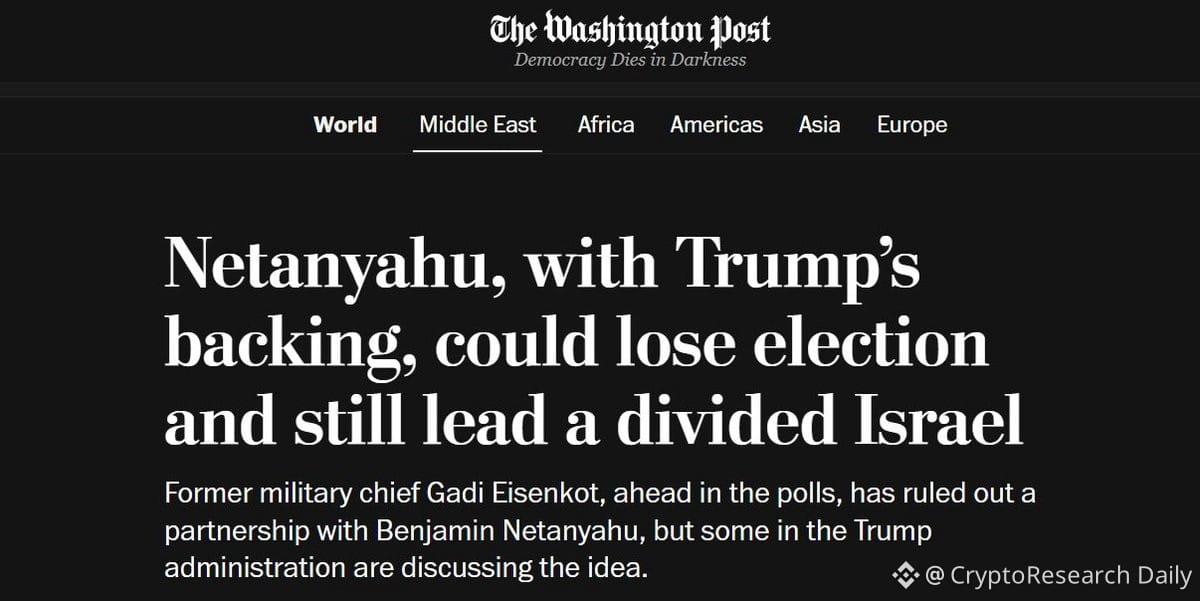
Netanyahu might lose but still stay PM 👀
Trump's crew floating a unity gov with Gadi Eisenkot. If that falls through, Bibi stays as caretaker, forces another election, and potentially reignites Iran conflict.
Political limbo = macro uncertainty. Watch $BTC volatility if Middle East tensions spike again.
Source: Washington Post
Netanyahu might lose but still stay PM 👀
Trump's crew floating a unity gov with Gadi Eisenkot. If that falls through, Bibi stays as caretaker, forces another election, and potentially reignites Iran conflict.
Political limbo = macro uncertainty. Watch $BTC volatility if Middle East tensions spike again.
Source: Washington Post
Trump's crew floating a unity gov with Gadi Eisenkot. If that falls through, Bibi stays as caretaker, forces another election, and potentially reignites Iran conflict.
Political limbo = macro uncertainty. Watch $BTC volatility if Middle East tensions spike again.
Source: Washington Post
Machi (@machibigbrother) just got absolutely rekt on @papertrade_xyz — wiped clean.
Down to his last $4,517 on Hyperliquid.
An hour ago? Panic sold another Mutant Ape at a loss just to keep the degen train rolling.
This is what full tilt looks like. NFT liquidity into perp fuel. Brutal.
Machi (@machibigbrother) just got absolutely rekt on @papertrade_xyz — wiped clean.
Down to his last $4,517 on Hyperliquid.
An hour ago? Panic sold another Mutant Ape at a loss just to keep the degen train rolling.
This is what full tilt looks like. NFT liquidity into perp fuel. Brutal.
Down to his last $4,517 on Hyperliquid.
An hour ago? Panic sold another Mutant Ape at a loss just to keep the degen train rolling.
This is what full tilt looks like. NFT liquidity into perp fuel. Brutal.
10 bullets that actually matter today:
BlackRock + SBI + Startale linking tokenized MMFs to JPYSC (yen stablecoin) — onchain finance creeping into Japan's trad rails
Redotpay (HK) eyeing US IPO by year-end + pre-IPO at $4B–$5B valuation. Bloomberg sources
Ripple just got OCC approval for Ripple National Trust Bank — federally supervised custody for $RLUSD and enterprise crypto. Brad Garlinghouse confirmed
Chainlink dropped CustodySync: borrow against your crypto in DeFi lending while assets stay with regulated custodian. Bridging TradFi custody + onchain liquidity
Kraken's Payward prepping perps on Hyperliquid via CFTC-regulated Bitnomial for US clients. Pending approval
$BNB Standard rang NASDAQ bell with CZ. Optics matter
US OCC pushing community banks to become permitted stablecoin issuers. Regulatory green light spreading
Anthropic (AI lab) targeting IPO week of Nov 16 per WSJ. AI liquidity cycle heating up
Aviva Investors tokenized £22B Sterling Liquidity Fund on XRP Ledger. Institutional RWA momentum
Japan PM Takaichi calling cybersecurity meeting after wave of data leaks. Geopolitical risk rising
Stablecoin infra, RWA tokenization, and institutional custody rails all accelerating. Pay attention to the pipes being laid
10 bullets that actually matter today:
BlackRock + SBI + Startale linking tokenized MMFs to JPYSC (yen stablecoin) — onchain finance creeping into Japan's trad rails
Redotpay (HK) eyeing US IPO by year-end + pre-IPO at $4B–$5B valuation. Bloomberg sources
Ripple just got OCC approval for Ripple National Trust Bank — federally supervised custody for $RLUSD and enterprise crypto. Brad Garlinghouse confirmed
Chainlink dropped CustodySync: borrow against your crypto in DeFi lending while assets stay with regulated custodian. Bridging TradFi custody + onchain liquidity
Kraken's Payward prepping perps on Hyperliquid via CFTC-regulated Bitnomial for US clients. Pending approval
$BNB Standard rang NASDAQ bell with CZ. Optics matter
US OCC pushing community banks to become permitted stablecoin issuers. Regulatory green light spreading
Anthropic (AI lab) targeting IPO week of Nov 16 per WSJ. AI liquidity cycle heating up
Aviva Investors tokenized £22B Sterling Liquidity Fund on XRP Ledger. Institutional RWA momentum
Japan PM Takaichi calling cybersecurity meeting after wave of data leaks. Geopolitical risk rising
Stablecoin infra, RWA tokenization, and institutional custody rails all accelerating. Pay attention to the pipes being laid
BlackRock + SBI + Startale linking tokenized MMFs to JPYSC (yen stablecoin) — onchain finance creeping into Japan's trad rails
Redotpay (HK) eyeing US IPO by year-end + pre-IPO at $4B–$5B valuation. Bloomberg sources
Ripple just got OCC approval for Ripple National Trust Bank — federally supervised custody for $RLUSD and enterprise crypto. Brad Garlinghouse confirmed
Chainlink dropped CustodySync: borrow against your crypto in DeFi lending while assets stay with regulated custodian. Bridging TradFi custody + onchain liquidity
Kraken's Payward prepping perps on Hyperliquid via CFTC-regulated Bitnomial for US clients. Pending approval
$BNB Standard rang NASDAQ bell with CZ. Optics matter
US OCC pushing community banks to become permitted stablecoin issuers. Regulatory green light spreading
Anthropic (AI lab) targeting IPO week of Nov 16 per WSJ. AI liquidity cycle heating up
Aviva Investors tokenized £22B Sterling Liquidity Fund on XRP Ledger. Institutional RWA momentum
Japan PM Takaichi calling cybersecurity meeting after wave of data leaks. Geopolitical risk rising
Stablecoin infra, RWA tokenization, and institutional custody rails all accelerating. Pay attention to the pipes being laid

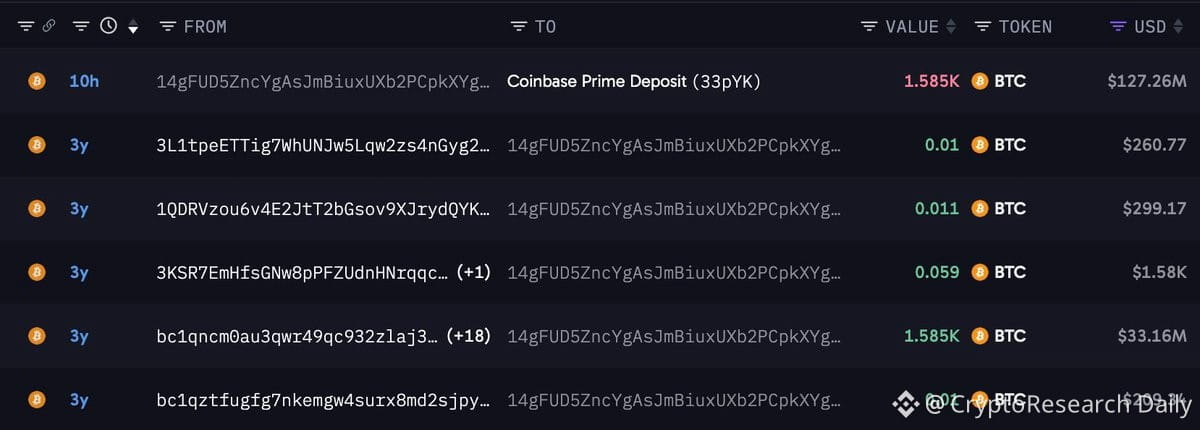
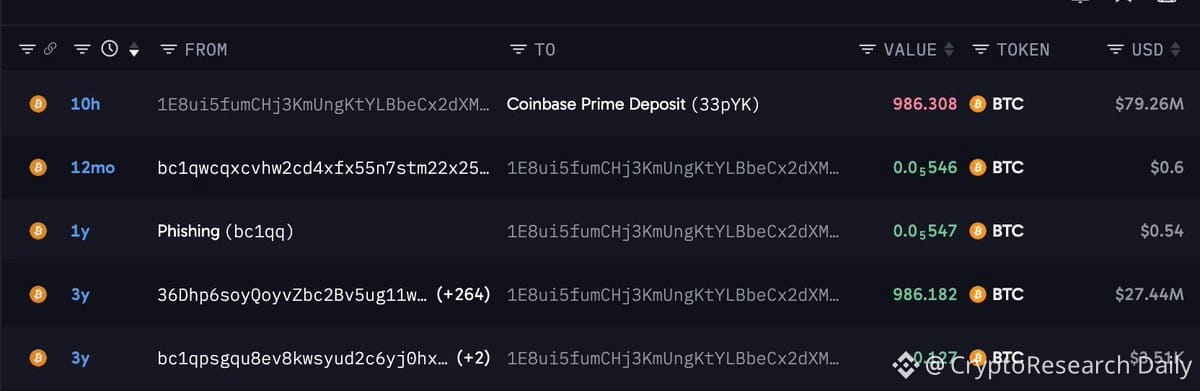
Two whales just woke up after 3 YEARS of hibernation.
2,571 $BTC → $206.52M dropped into CoinbasePrime 10 hours ago.
Old money moving = distribution signal or just reshuffling? Either way, that's serious liquidity hitting exchanges.
Watch the order books.
Two whales just woke up after 3 YEARS of hibernation.
2,571 $BTC → $206.52M dropped into CoinbasePrime 10 hours ago.
Old money moving = distribution signal or just reshuffling? Either way, that's serious liquidity hitting exchanges.
Watch the order books.
2,571 $BTC → $206.52M dropped into CoinbasePrime 10 hours ago.
Old money moving = distribution signal or just reshuffling? Either way, that's serious liquidity hitting exchanges.
Watch the order books.
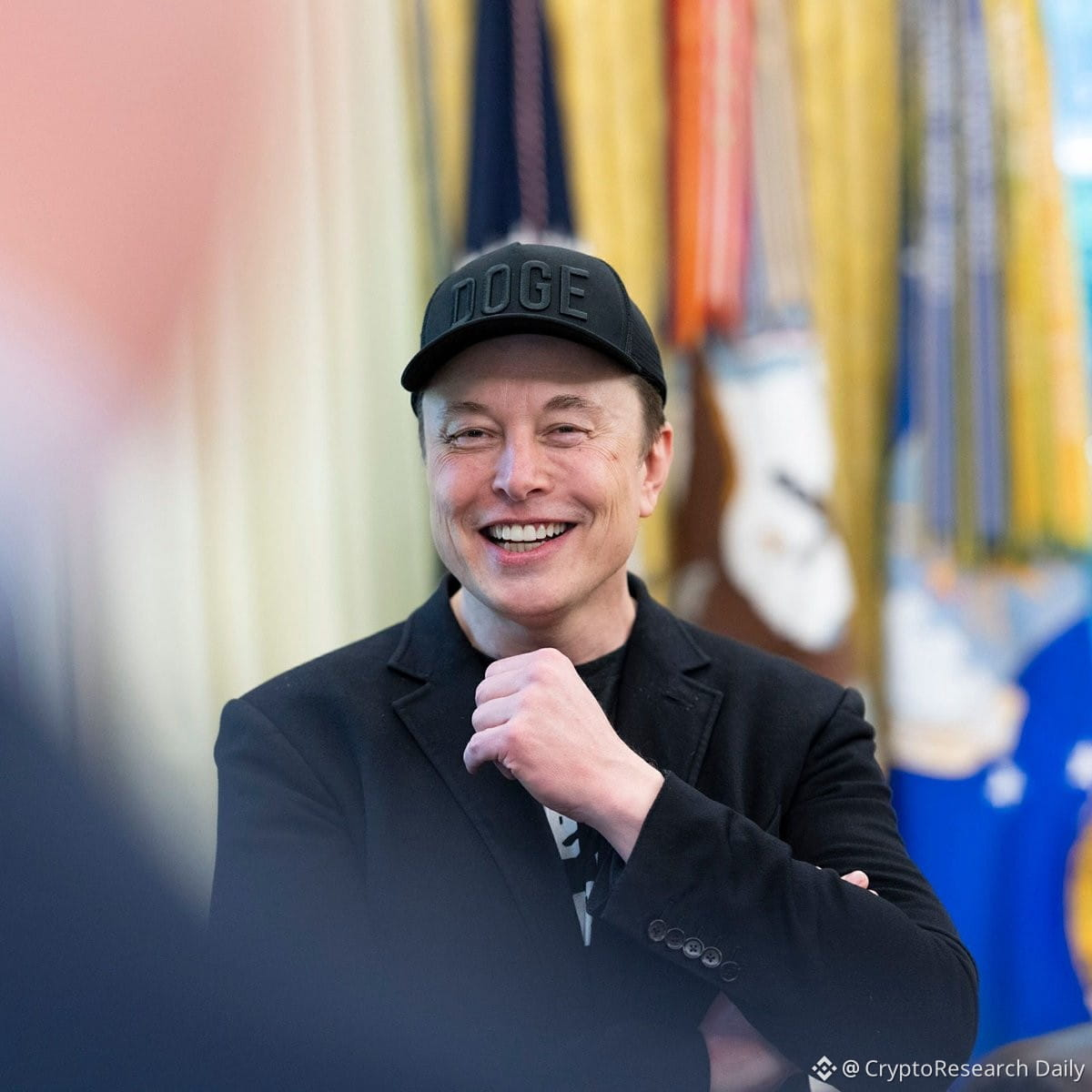
Elon vs Verizon CEO throwing shade over Starlink Mobile buildout timeline
Musk: 2-3 years
Verizon CEO: 4-6 years + $300-500B
Elon basically calling BS on the legacy telco's numbers. SpaceX moving fast while traditional carriers cope with their bloated capex estimates.
If Starlink pulls this off, it's another vertical Musk dominates while incumbents scramble. Watch how this plays into $TSLA sentiment and broader tech infrastructure narratives.
Elon vs Verizon CEO throwing shade over Starlink Mobile buildout timeline
Musk: 2-3 years
Verizon CEO: 4-6 years + $300-500B
Elon basically calling BS on the legacy telco's numbers. SpaceX moving fast while traditional carriers cope with their bloated capex estimates.
If Starlink pulls this off, it's another vertical Musk dominates while incumbents scramble. Watch how this plays into $TSLA sentiment and broader tech infrastructure narratives.
Musk: 2-3 years
Verizon CEO: 4-6 years + $300-500B
Elon basically calling BS on the legacy telco's numbers. SpaceX moving fast while traditional carriers cope with their bloated capex estimates.
If Starlink pulls this off, it's another vertical Musk dominates while incumbents scramble. Watch how this plays into $TSLA sentiment and broader tech infrastructure narratives.

3
Ethereum Foundation just dropped a statement: "Privacy and security are inseparable features."
Vitalik and crew are demoing this at Devcon.
$ETH privacy narrative heating up. If they're pushing this hard at Devcon, expect protocol-level privacy upgrades to be a major focus in 2025.
This isn't just talk—privacy is becoming core infrastructure, not an afterthought. Watch for stealth address implementations and encrypted mempool developments.
Ethereum Foundation just dropped a statement: "Privacy and security are inseparable features."
Vitalik and crew are demoing this at Devcon.
$ETH privacy narrative heating up. If they're pushing this hard at Devcon, expect protocol-level privacy upgrades to be a major focus in 2025.
This isn't just talk—privacy is becoming core infrastructure, not an afterthought. Watch for stealth address implementations and encrypted mempool developments.
Vitalik and crew are demoing this at Devcon.
$ETH privacy narrative heating up. If they're pushing this hard at Devcon, expect protocol-level privacy upgrades to be a major focus in 2025.
This isn't just talk—privacy is becoming core infrastructure, not an afterthought. Watch for stealth address implementations and encrypted mempool developments.
Solana Company just got picked as a strategic partner in Hong Kong 🇭🇰
They're planning to run validators there. This is huge for $SOL's institutional adoption in Asia.
Hong Kong continues positioning itself as the crypto hub while the US fumbles regulations. Smart money is watching these moves.
Solana Company just got picked as a strategic partner in Hong Kong 🇭🇰
They're planning to run validators there. This is huge for $SOL's institutional adoption in Asia.
Hong Kong continues positioning itself as the crypto hub while the US fumbles regulations. Smart money is watching these moves.
They're planning to run validators there. This is huge for $SOL's institutional adoption in Asia.
Hong Kong continues positioning itself as the crypto hub while the US fumbles regulations. Smart money is watching these moves.
Log in to explore more content
Join global crypto users on Binance Square
⚡️ Get latest and useful information about crypto.
💬 Trusted by the world’s largest crypto exchange.
👍 Discover real insights from verified creators.
Email / Phone number
Trending Topics
BinancePick
3.3M views
163,905 Discussing
Join #EarningsSeason: Predict Earnings on Binance Pick, Share Your Take on Binance Square!
Binance Square Official
·418 Likes
·345.1k views
EarningsSeason
5.5M views
26,784 Discussing
StrategySkipsBitcoinPurchasesSpends$205MOnSTRCBuybacks
561 views
23 Discussing