


Carefully! Lots of text.
When creating a new cryptocurrency, you must decide whether it will be a coin or a token. The coin is developed on its own blockchain, and the token is developed on an existing one. Blockchain technology ensures the security and decentralization of cryptocurrencies.
Creating a token requires less experience and knowledge than issuing a coin—usually requiring a team of developers and experts. To create a token, technical knowledge is required. However, the entire process can take a matter of minutes if you use blockchains such as Ethereum, Binance Smart Chain, Solana and Polygon.
The choice between a token and a coin depends on customization requirements and use cases for the asset. In general, the cost of creating a cryptocurrency depends on the amount of work, such as the cost of external developers and the time required.
Popular blockchains for creating digital currencies are Ethereum and Binance Smart Chain. You can create a token yourself using a template code, or use a paid service. Another popular option is to use sidechains, as they offer more flexibility in development but still have the benefits of the main blockchain.
Before you create your own cryptocurrency, you need to decide on its use cases, tokenomics, and legal status. Next, at the development stage, it is necessary to select a blockchain, consensus mechanism and architecture. Then you need to conduct a project audit and due diligence. Although almost anyone can create a cryptocurrency, developing a reliable project requires serious work and long-term commitment.
Introduction
Many crypto enthusiasts are excited about the idea of creating their own cryptocurrency, using scenarios and attracting an audience. What's the best place to start? There are many ways to create coins and tokens. Costs and entry threshold depend on the complexity of your project. If you're thinking about creating your own cryptocurrency, then read on—this article will lay out the basics to help you get started.

What is cryptocurrency
Cryptocurrency is a special type of digital asset with multiple use cases. First of all, it is necessary for the exchange of digital assets, including cash, ownership or even voting rights. Cryptocurrency differs from other digital payment systems in that it is based on blockchain technology. This ensures its independence from a single governing body, such as a government or a bank.
One of the most famous cryptocurrencies is Bitcoin. It is used to transfer funds around the world without intermediaries. The Bitcoin blockchain records all transactions and ensures the security and stability of the network.
Difference between cryptocurrency coins and tokens
Cryptocurrencies can be roughly divided into two categories: coins and tokens. The difference between them is simple. Coins have a native blockchain, like Bitcoin. Ether (ETH) launched on the Ethereum blockchain. Coins typically provide some kind of utility on the network, such as payment of transaction fees, staking, or participation in governance.
Tokens are built on already existing blockchains. They can serve roles similar to coins, but mostly have utility within their own projects. One example is CAKE from PancakeSwap on Binance Smart Chain. You can use these tokens to pay for certain activities in the PancakeSwap ecosystem, such as minting non-fungible tokens or participating in sweepstakes. However, CAKE does not have its own blockchain, so it cannot be used in all BSC applications. The same is true for the thousands of ERC-20 tokens issued on the Ethereum blockchain. Each token is part of a specific project with different use cases.
Difference between creating a coin and a token
As we already said, creating a token is much easier than creating a coin. Creating a coin requires the development and successful operation of a blockchain. You can fork (copy) an existing chain, but this will not solve the problem of finding users and validators who will help your network survive. However, the potential for success of a new coin may be higher than that of just a token. Here's a quick overview of both options:
Coin creation
If you develop your own blockchain, creating a new coin can take a long time. However, you can use a fork of an existing blockchain as the basis for your new coin. It's much faster. An example of a forked project is Bitcoin Cash (BCH). To create a fork, you also need a high level of technical knowledge and programming skills. The success of your project will also depend on attracting new users to the blockchain network, which is quite difficult.
Creation of tokens
The blockchain on which the token is created can improve the reputation and security of the new project. Although you won't have full control over all the characteristics of your token, you still have some room for customization. There are many sites and tools on the Internet for creating tokens, especially on BSC and Ethereum.
What to choose - a coin or a token
For decentralized finance (DeFi) applications and play-to-earn games, a token is usually sufficient. Both BSC and Ethereum offer greater flexibility and freedom for developers.
If you need many uses for a coin or blockchain, then it will likely be better to create a coin with its own blockchain. This is certainly more complicated than issuing a crypto token. But if you succeed, the project will bring a lot of innovation and new opportunities. Good examples are Binance Smart Chain, Ethereum, Solana and Polygon.
However, in both cases, success requires hard work, as well as an understanding of technology, economics and the market.
The best solutions for creating cryptocurrency
Some of the most popular solutions for creating cryptocurrencies are BSC, Ethereum and Solana. These networks provide ways to create multiple tokens based on pre-existing standards. The leading token standards BEP-20 and ERC-20 are supported by almost all cryptocurrency wallet providers.
ERC-20 refers to the Ethereum blockchain, while BEP-20 refers to the Binance Smart Chain (BSC). Both networks allow you to create and configure smart contracts, thanks to which you can issue your own tokens and decentralized applications (DApps). With DApps, you can create an ecosystem that realizes more use cases and functionality for your token.
You can also consider sidechains, which leverage the security of a larger chain like Ethereum or Polkadot but provide some customization options. Polygon Network is tied to Ethereum and provides the same functionality while being cheaper and faster to use.
After choosing a blockchain, you need to decide on the method for creating your token. If you are using BSC or other blockchains based on the Ethereum Virtual Machine, the process is relatively simple. Additionally, you can find ready-made tools that create tokens based on the parameters and rules you provide. They are usually paid, but this is the most convenient option for users who are not familiar with smart contracts.
If you want to create your own blockchain and coin, you will most likely need a team of blockchain developers and industry experts. Even if you're leaning towards forking a blockchain like Ethereum or Bitcoin, setting up your network still requires a huge amount of work. To maintain the operation of the blockchain, you will need to think about rewards for validators of your network and keep active nodes.
What you should pay attention to when developing cryptocurrency
Beyond the obvious choice between coin and token, the following key areas should be considered:
Usefulness of cryptocurrency
Cryptocurrencies can perform different functions. For example, these could be keys for accessing services; some cryptocurrencies represent shares and other financial assets. To understand and plan the process of creating your cryptocurrency, you need to define its functions from the very beginning.
Tokenomics
Tokenomics is the economics that governs your cryptocurrency and determines the total supply, distribution method, and initial price. If tokenomics is ineffective and users are not interested in buying cryptocurrency, a good idea will fail. For example, if you created a stablecoin but pegged it incorrectly, no one will want to buy or hold it.
Regulatory Compliance
Each country has its own laws and regulations regarding cryptocurrencies. In some jurisdictions, cryptocurrencies are completely prohibited. Review the legal obligations and compliance issues you may face.
7 stages of creating your own cryptocurrency
If you are only creating a token, some of the steps in the algorithm below will not be relevant. The three design steps mentioned above are most important. Most of our guidance will cover the process from creating a blockchain to minting a coin.
1. Selecting a suitable blockchain platform
If you create a token, you need to choose the blockchain on which it will be issued. Popular solutions are BSC and Ethereum, but there are also sidechains. To create a coin, you need to consider designing your own blockchain or hiring someone to do it for you.
2. Selecting a Consensus Mechanism
If you're creating your own blockchain or aren't sure which existing one to choose for your token, think about the consensus mechanism you'd like to implement. The consensus mechanism determines how participants confirm and validate transactions on the network. Most blockchains use a proof-of-stake consensus mechanism as it has lower node hardware requirements and is more variable. The proof of work used in Bitcoin is considered more secure, but is resource intensive and harmful to the environment.
3. Blockchain architecture design
This step is only necessary if you are creating a coin. Not every blockchain allows you to publicly validate transactions and run nodes. Therefore, it is important to determine whether your blockchain will be private, public, restricted, or public. The architecture of your blockchain will depend on the goals of your coin and project. For example, the company or country creating the coin can use a private blockchain for greater control.
4. Blockchain development
If you don't have development expertise, you'll need outside help to implement your ideas. It is very difficult to make changes to the key concepts and rules of a blockchain that is already operating in a live environment. To make sure everything works as planned, use a testnet and ideally create a development team.
5. Audit of cryptocurrency and its code
Auditing companies like Certik check your blockchain code and its cryptocurrency for vulnerabilities. You can publish the audit results publicly and then act on its findings. This process is a guarantee of security for you as the creator of the project and for all potential users and investors.
6. Re-check compliance
Now that your blockchain is live and you are ready to mint cryptocurrency, it is best to seek legal advice to check whether you need to apply for permission. Again, this test is difficult to do on your own, and you will most likely need outside help.
7. Cryptocurrency minting
Regardless of whether you are creating a token or a coin, you will need to generate cryptocurrency units. The exact method will depend on your tokenomics. For example, tokens with a fixed supply are usually minted in one go using a smart contract. Coins like Bitcoin are released gradually as miners validate new blocks of transactions.
How to create a BEP-20 token
To create a simple BEP-20 token, you will need basic programming skills to deploy a smart contract on the Binance Smart Chain. You will also need an installed MetaMask wallet and BNB to pay fees.
1. Make sure the BSC mainnet is added to your MetaMask wallet. Detailed instructions can be found in our guide Connecting MetaMask to Binance Smart Chain.
2. Go to Remix, an online application for developing and deploying smart contracts on blockchains compatible with the Ethereum Virtual Machine. Right-click on the Contracts folder and select New File.

3. Name the file “BEP20.sol”.

4. Make sure you have the Solidity programming language installed, otherwise your smart contract will not work. To install it, click on the highlighted icon.

5. Copy the BEP-20 smart contract code to your file. You can learn more about code options and functions on GitHub.

6. Change the name, symbol, number of decimal places and total Supply according to the parameters of your coin. As an example, we chose Binance Academy Coin (BAC) with 18 decimal places and a total supply of 100,000,000 tokens. Be sure to add zeros to cover the 18 decimal places.
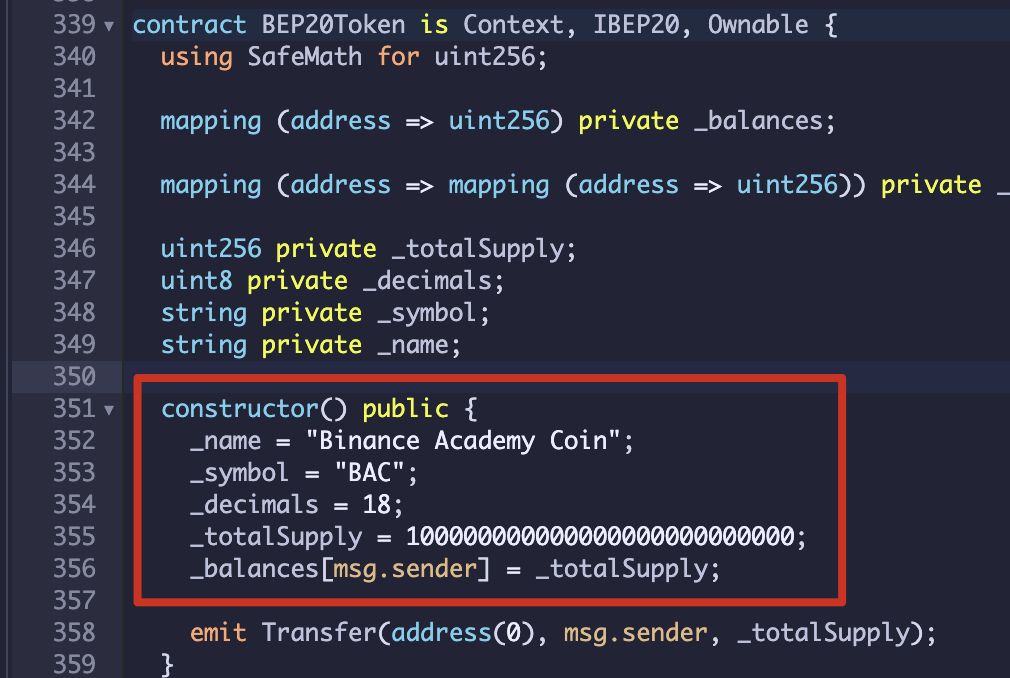
7. Next, you need to compile the smart contract. Click the icon on the left side of the screen as shown below, check the Auto compile and Enable optimization checkbox, then click the Compile button.

8. Click the ABI button to copy the contract ABI.

9. Click on the icon on the left side of the screen as shown below. Select Injected Web3 as your environment and then allow MetaMask to connect to Remix. Make sure you select the BEP20 contract and click Deploy.
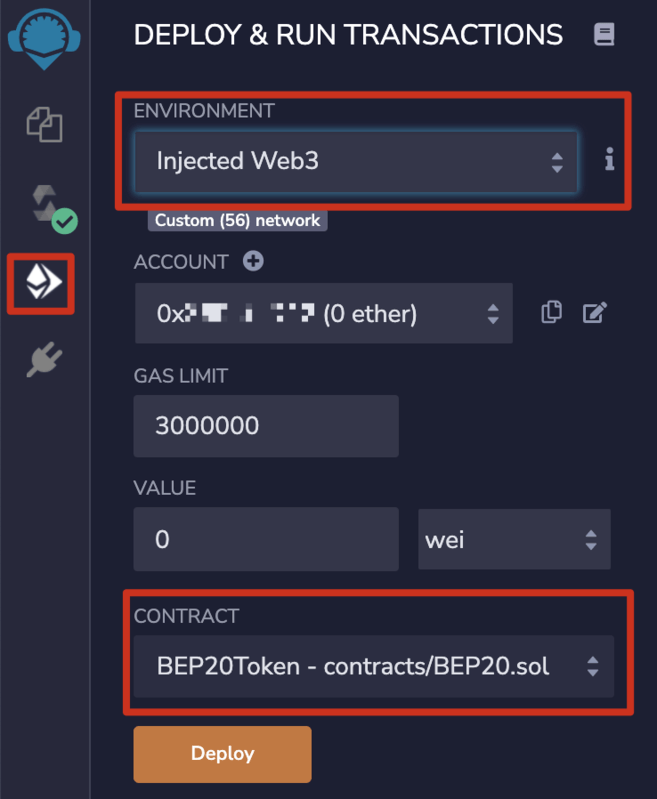
10. Now to deploy the contract on the blockchain, you will need to pay a transaction fee through MetaMask. Once the smart contract is live, you will need to review and publish its source code.
Copy the contract address into BscScan, select Solidity (Single) as the compiler type and specify the version used in step 7.

11. Next in Remix, right-click on BEP20.sol and select Flatten. You will then need to give Remix permission to optimize the code.
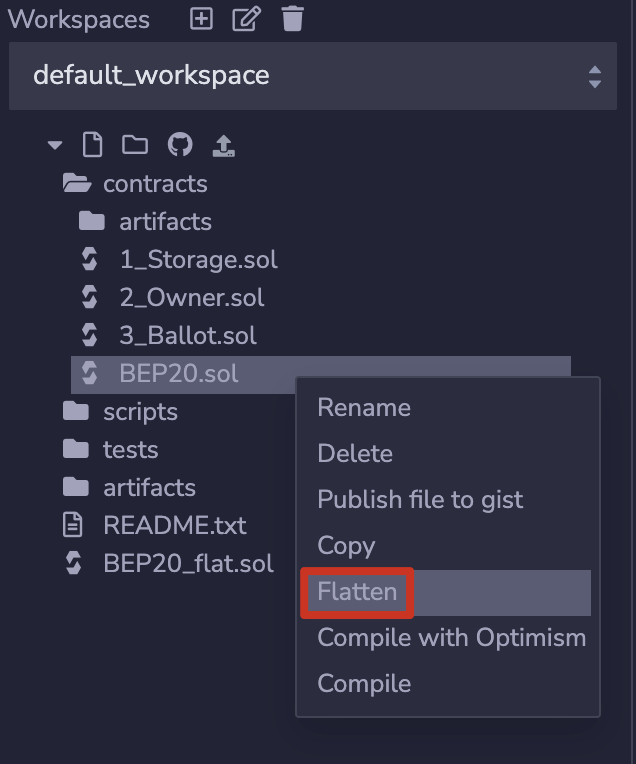
12. Copy the code from the BEP20_flat.sol file into the box and make sure the Optimization option is set to Yes. Click Verify and Publish at the bottom of the page.
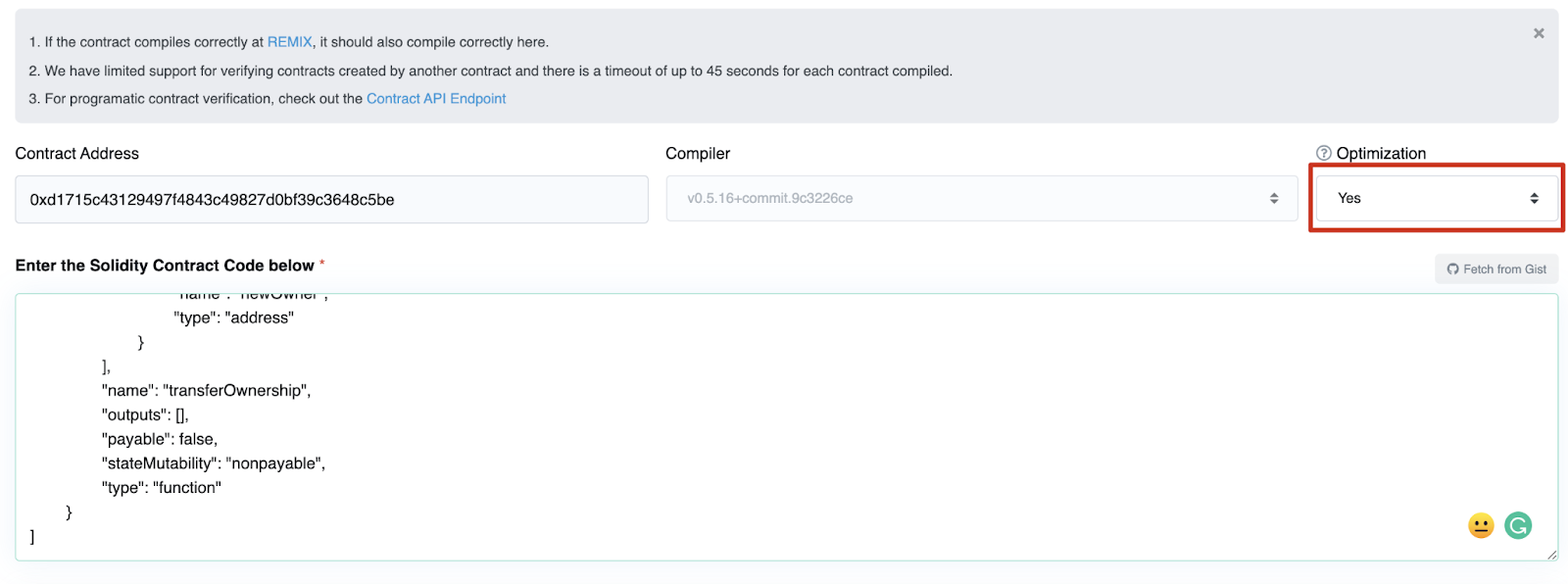
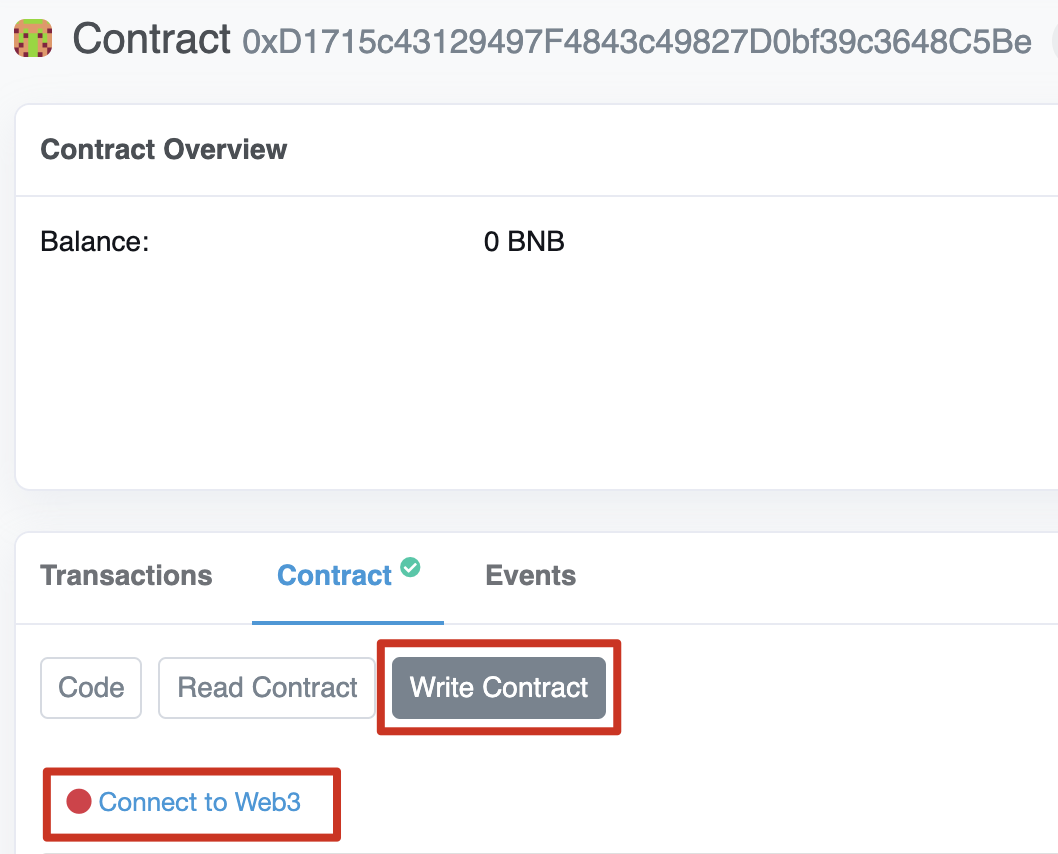
13. A pop-up window will appear indicating that you are ready. With a verified code, you can mint your token on BscScan by calling the _mint function implemented in the contract. Go to the contract address on BscScan and click Write Contract, then select Connect to Web3 to connect your MetaMask account.
14. Go to the Mint section at the bottom of the page and enter the number of tokens you want to issue. We will release 100,000,000 BACs. Don't forget to add decimal places, in this case 18. Click Write and pay the commission in MetaMask.
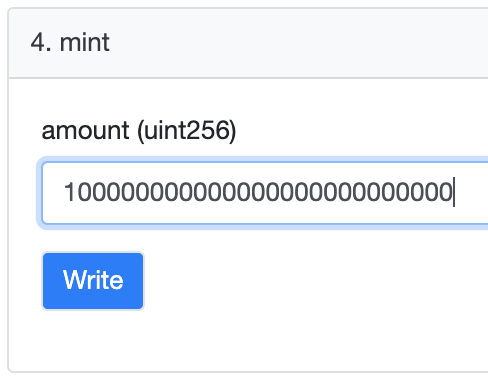
15. You will see that the tokens have been issued and sent to the wallet that created the smart contract.

How to add cryptocurrency to an exchange
If your coin or token is listed on a cryptocurrency exchange such as Binance, your project will be available to a wider audience in a secure and regulated manner. If you are able to conceive and develop a serious cryptocurrency project, you can fill out an online application form for listing and/or distribution on Binance or to have your project hosted on the Launchpad/Launchpool platform.
Each cryptocurrency undergoes a strict verification procedure. You will be required to regularly provide Binance with required information during the project review process. Additionally, your cryptocurrency ecosystem must accept BNB and BUSD in order to be provided as liquidity, listed during an Initial Coin Offering (ICO) or token sale.
Costs of creating a cryptocurrency
Cryptocurrency-related costs depend on the methods and settings you choose. If you create a coin and blockchain, you need to pay a whole team for several months. A code audit by a reliable team costs about $15,000 (USD). The cheapest option is a simple token on BSC, which can be created for $50. On average, to launch a cryptocurrency that has any chance of success, you will have to spend thousands of dollars on creation, marketing and community building.

Summary
If you decide to create your own cryptocurrency, then first use the information in this article. This is a deep topic that requires a lot of time to fully understand. In addition to creating a token or coin, you also need to think about how to make the project successful after launch. We recommend studying other projects and their launch processes. This way you can draw conclusions about which approaches are effective and which are not.