

Original title: The Best Cold Wallets in 2023
Written by: Decentralized Dog
Compiled by: DaLing Think Tank
A controversy about cold wallets
Recently, a new feature released by a cold wallet has attracted widespread attention.
It is reported that this feature is an ID-based "subscription-based" key recovery service. This feature divides the wallet mnemonics (keys) into three parts (encrypted sharding technology) and distributes them to three custodians: the cold wallet company, the crypto asset custody company, and the code custody company. If someone loses the key, two of the three shards can be combined to regain access to the locked funds. The price of subscribing to the service is US$9.99/month.
However, some users have expressed concerns that splitting private keys with a third party could lead to the leakage of private keys, thus undermining the ultimate purpose of cold wallets. In addition, if users use the service, they need to provide real-name authentication to the company, which some believe violates the privacy value of digital assets.
Critics have also raised concerns about the security of the cold wallet, citing a 2020 data breach that exposed the emails of nearly 10,000 customers. While no wallets were compromised, the incident also called the company's security into question.
This controversy has also sparked a lot of curiosity about digital asset wallets. So, what are the digital asset wallets? What is a cold wallet? What cold wallets are available on the market? This article will take you into the world of cold wallets.
Note: This article does not constitute and should not be considered as advice or recommendation for any purchase of products.
Table of contents
What is a digital asset wallet?
What is a cold wallet?
Why use a digital asset wallet?
The difference between cold wallets and hot wallets
Popular cold wallets
Ballet RealBitcoin
Ledger Nano X
Model T safe
CoolWallet Pro
KeepKey
Ellipal Titan
Safepal S1
SecuX V20
Keystone Pro
6. How to choose a wallet?
What is a digital asset wallet?
Unlike traditional wallets, which mostly carry cash, bank cards and other physical items, digital asset wallets are storage devices for digital assets.
Our digital assets are stored on the blockchain, and only the private key can help us access it, so the private key represents the ownership of the digital assets in the digital wallet. Therefore, it is very important to ensure the security of the private key. If the private key is lost, you will lose all the assets in the wallet.
Currently, there are two main forms of digital asset wallets: hardware wallets, or cold wallets; and software wallets, or hot wallets.
What is a cold wallet?
A cold wallet, also known as cold storage, is usually a physical device that protects assets from unauthorized access, that is, offline storage. Cold wallets are generally considered to be safer than hot wallets, because hot wallets are connected to the Internet and there is a risk of hackers stealing private keys. Cold wallets are usually hardware devices that generally look like a USB drive or other physical device.
Why do you have to use a digital asset wallet?
Digital asset wallets are considered a safe option for self-custody for digital asset holders.
Self-custody is very important for the security of digital assets. It allows asset owners to have full control over their own digital assets and avoid the risks of storing digital assets on centralized trading platforms.
Generally, holders store their digital assets on a centralized trading platform because they trust the third party to keep their assets safe at all times. However, various incidents in the past year have shown that centralized trading platforms are not safe - refer to the bankruptcy cases of FTX, Celsius, Voyager and other companies.
By owning your digital asset private keys through self-custody, you are able to store, send and receive digital assets without the permission of others.
At the same time, through strong passwords and other security precautions such as two-factor authentication (2FA), these settings can ensure that asset owners are the only ones who can access these funds, preventing assets from being stolen on the trading platform.
The difference between cold wallets and hot wallets
Hot wallets require an internet connection and do not require switching between offline and online modes to perform transactions. It is generally not recommended for users to store large amounts of digital assets in hot wallets.
Cold wallets, on the other hand, are specially produced hardware devices used to store various digital assets in physical form. The significant advantage of a cold wallet is that it stores private keys offline in a more secure environment. These wallets are usually small and easy to carry.
Popular cold wallets
Despite some recent controversies, it is still necessary to take a closer look at some of the popular cold wallets on the market. The following is ranked in no particular order.
Ballet RealBitcoin
RealBitcoin is the flagship product of BalletWallet and the world's first non-electronic physical wallet for storing digital assets. It supports all tokens on the chain, such as Erc-20, Trc-20, Bep-20, etc. It supports more than 200 mainstream tokens, and the number is still growing.
The RealBitcoin hardware itself does not contain any electronic components and is made of pure steel plates.
RealBitcoin uses the BIP38 protocol. Instead of traditional mnemonics, it uses a two-factor private key and has an anti-tampering design on the wallet to avoid second-hand or counterfeit products.
RealBitcoin is equipped with an application software - Ballet Crypto. The software itself does not store assets and private keys. It is mainly used to monitor assets and conduct digital asset transactions. The software does not require account registration and monthly fees.
Ledger Nano X
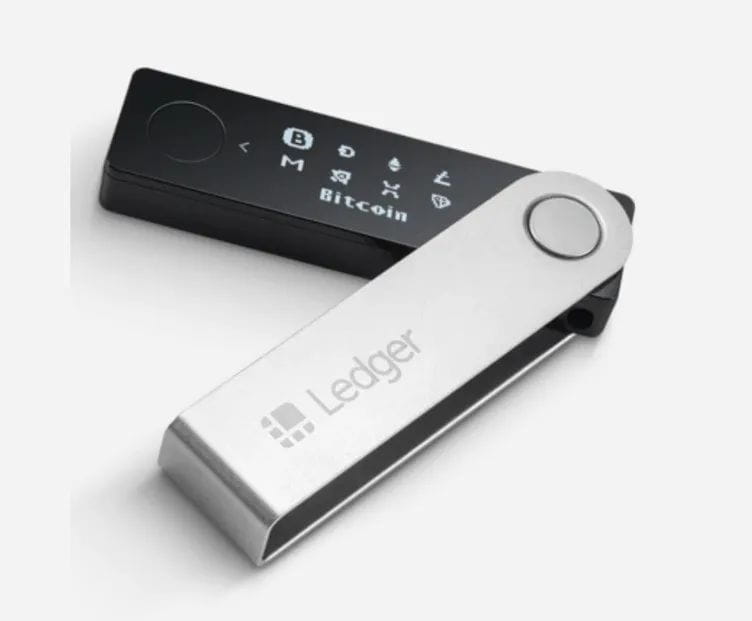
Ledger's second-generation cold wallet is called Nano X. It supports more than 5,500 digital assets, including Bitcoin, Ethereum, and Cardano, through the integrated Ledger Live platform. Support for additional digital assets is added to the Ledger Live platform every year in response to user requests.
Ledger Nano X connects to a computer using a USB cable, and also supports Bluetooth technology to connect it to Android and iOS mobile devices.
Ledger Live software is directly integrated into the Nano X cold wallet, which helps users manage all their digital assets through its simple user interface.
Model T safe
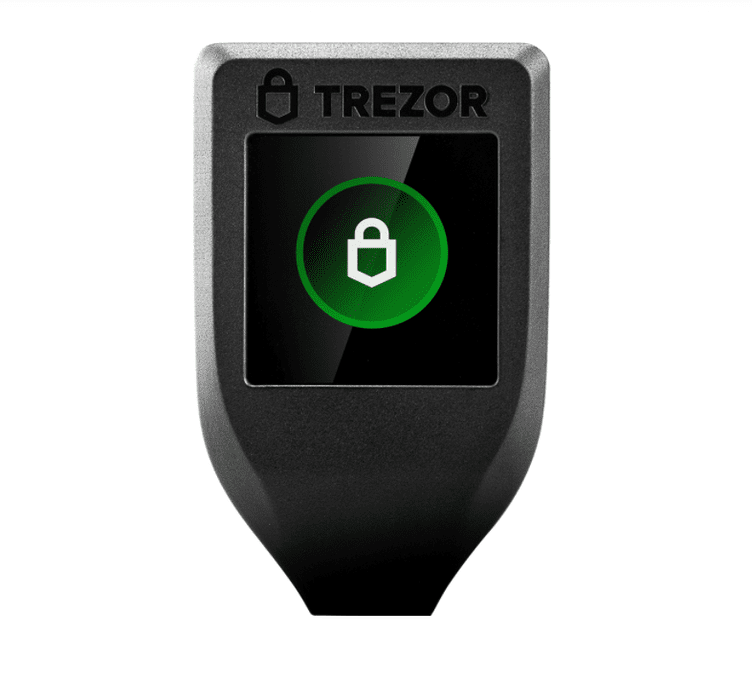
The Trezor Model T is the brand’s second-generation wallet and is similar to the Ledger, but with an added feature — it allows its users to access third-party exchanges such as Changelly and CoinSwitch from the Trezor website.
The Trezor Model T has a touchscreen and also features a MicroSD card port and can encrypt the PIN, making the wallet secure from cyberattacks.
Trezor T exclusive security features include Shamir Backup, which builds up to 16 shards of your private key for recovering your assets in the event of a problem with your device.
When using Trezor Model T, you can also use Trezor's QR button to view the QR code of the address, which the other party can scan to start transferring money to you. Once the payment is processed, it will be listed on the transaction page.
CoolWallet Pro
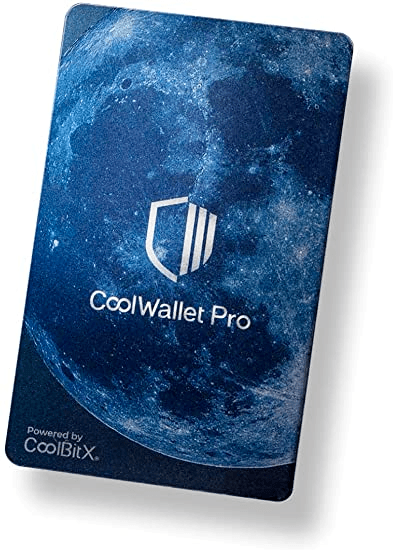
CoolWallet Pro is a new DeFi-focused cold wallet released in May 2021. It has a credit card form factor and encrypted Bluetooth communication, and has the ability to access DeFi.
The CoolWallet Pro comes with an eye-catching e-ink screen for intuitive viewing of data, and a sunken button to confirm all transactions.
CoolWallet Pro is the third product in the CoolWallet series, which dates back to 2016 and caters to DeFi users who want to use their assets on PoS (Proof-of-Stake) networks.
In addition to the existing mainstream product portfolio, Pro also provides support for Polkadot (DOT), Cosmos (ATOM), Tron (TRX) and TRC20, BNB Smart Chain’s BEP-20 assets, ETH, Cardano (ADA), and NFTs.
KeepKey
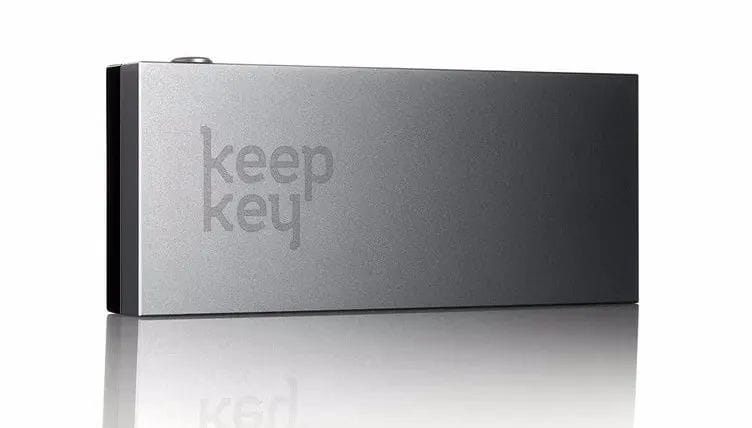
KeepKey is a cold wallet in the form of a pen disk. The wallet size is significantly larger than other well-known digital asset wallets. However, this does not hinder its use. It is still convenient to set it up and conduct digital asset transactions.
KeepKey can be password protected to prevent physical theft.
KeepKey uses offline cold storage technology to store your public and private keys, and uses backup mnemonics in case your KeepKey is lost or damaged.
KeepKey works in conjunction with the ShapeShift asset exchange platform to trade a variety of assets.
KeepKey’s software is completely open source and can also be viewed on GitHub to cross-validate it.
Ellipal Titan
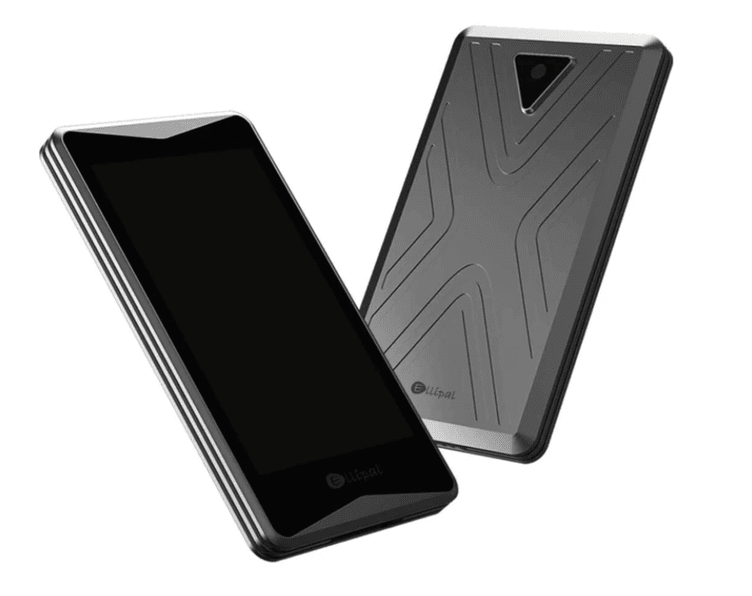
The Ellipal Titan includes a 4-inch color touchscreen for simple setup and monitoring of all live transactions.
Ellipal Titan does not utilize USB or Bluetooth to sign transactions, the Ellipal app simply uses QR codes.
The design of the Ellipal Titan circuit board disables all connectivity, including Wifi, Bluetooth, and cellular.
Ellipal Titan has a tamper-proof self-destruct feature that protects your device from both online and offline attacks. If it senses a forced intrusion, it will destroy all the information (private keys) contained in it.
Safe pal S1
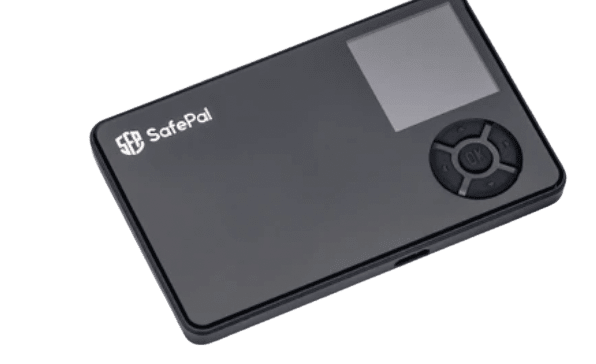
The SafePal S1 cold wallet was launched as early as 2019. It supports 54 chains and mainstream digital assets, including NFTs.
SafePal incorporates several features and security elements in terms of security, including recovery seed, two-factor authentication (2FA), setting a password, and private key deletion pool.
The SafePal S1 has a minimalist look that resembles an MP3 player with two unique seals on tamper-proof packaging. It has a sizable color screen, a QR code scanner, and a D-pad controller for navigating the wallet.
SafePal also comes with a SafePal Wallet software that you can use to monitor your digital asset balances and conduct digital asset transactions.
SecuX V20
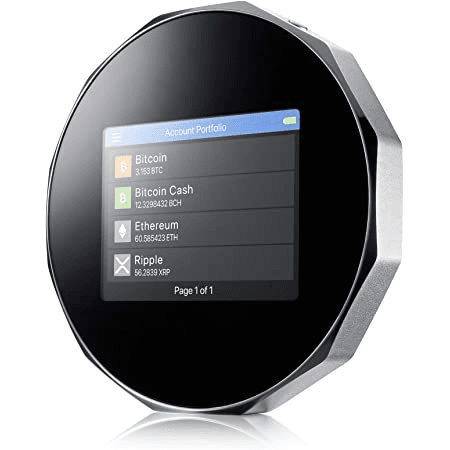
SecuX V20 is one of the very popular cold wallets from the SecuX series.
The SecuX V20 has a 2.8-inch color touchscreen display and a 6000mAH battery for offline/disconnected operation, which lasts for approximately 7 hours.
The SecuX V20 connects to a host computer via USB or Bluetooth, and it can be used on a desktop computer, laptop, iPhone, iPad, Android smartphone, tablet, or Chromebook.
SecuX V20 has a CC EAL5+ certified secure element chip from Infineon. SecuX V20 can be completely offline via low-energy Bluetooth connection to achieve data protection.
The QR code feature in the SecuX V20 wallet allows it to make simple fund transfers and transactions on the wallet device.
Keystone Pro
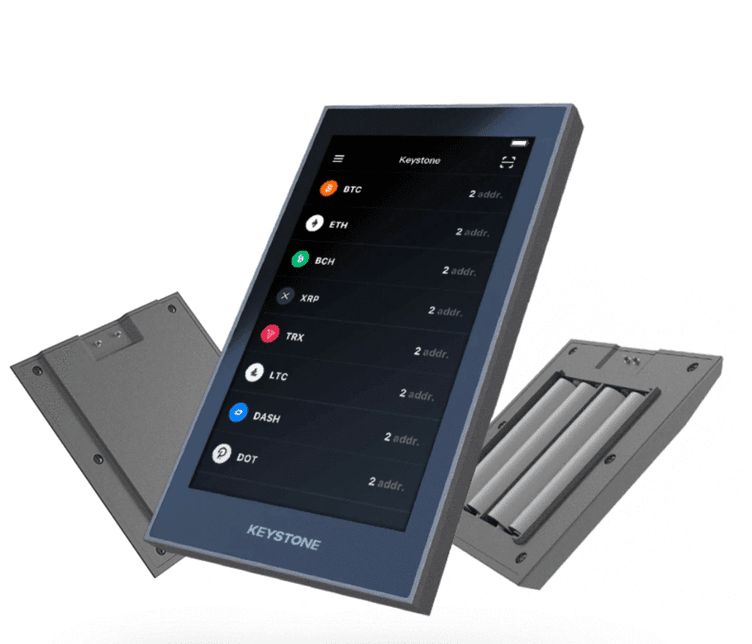
The Keystone Pro (formerly known as the Cobo Vault Pro) comes with a four-inch touchscreen, open-source firmware with a fingerprint sensor, and support for PSBT Bitcoin polynomials for added security against malicious attacks.
Keystone is a hierarchical deterministic (HD) cold wallet that complies with BIP 32/39/44 standards. By integrating QR codes for signing, Keystone reduces the risk of malware intrusion and enhances visibility.
The Keystone Pro's wallet battery is removable, and both the Essential and Pro versions are compatible with AAA batteries, and are also equipped with rechargeable batteries.
How to choose a wallet?
For people who interact frequently, hot wallets are simple and convenient. But if you are more concerned about asset security, cold wallets are the first choice. Of course, different cold wallets are suitable for different usage preferences.
Whether it is a cold wallet or a hot wallet, the ultimate goal is to store assets and protect the security of assets. Therefore, if only from this perspective, Ballet RealBitcoin, Trezor Model T and SafePal are all good choices.
In general, a good cold wallet should be easy to use, and the storage of private keys should not be too complicated, otherwise the security will be reduced. Most cold wallets have electronic components such as display screens and chips, which are prone to damage and repair, so the manufacturer's after-sales service support is also particularly important.