

1. Bitcoin: Bitcoin is the first widely accepted and used digital currency. It was proposed and launched by Satoshi Nakamoto in 2009, and its decentralized nature has made Bitcoin popular around the world. Bitcoin's market value and price have experienced several dramatic fluctuations, but it is regarded as a benchmark in the field of digital currencies and has paved the way for other subsequent digital currencies.

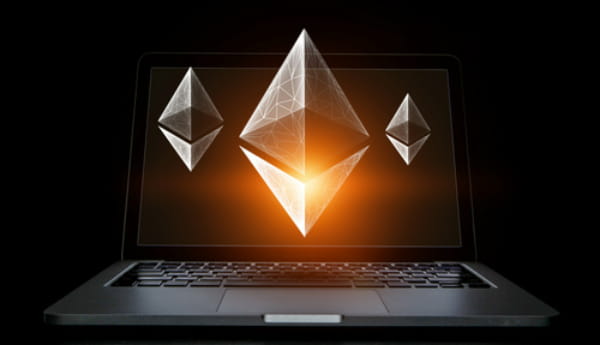
2. Ethereum: Ethereum is an open-source blockchain-based platform that can be used to build and deploy smart contracts. Ethereum was officially launched in 2015 and attracted a large number of developers and enterprises soon after its launch. Ethereum's success lies in the fact that it provides more functions and flexibility, allowing developers to use its platform to build more complex and innovative applications.
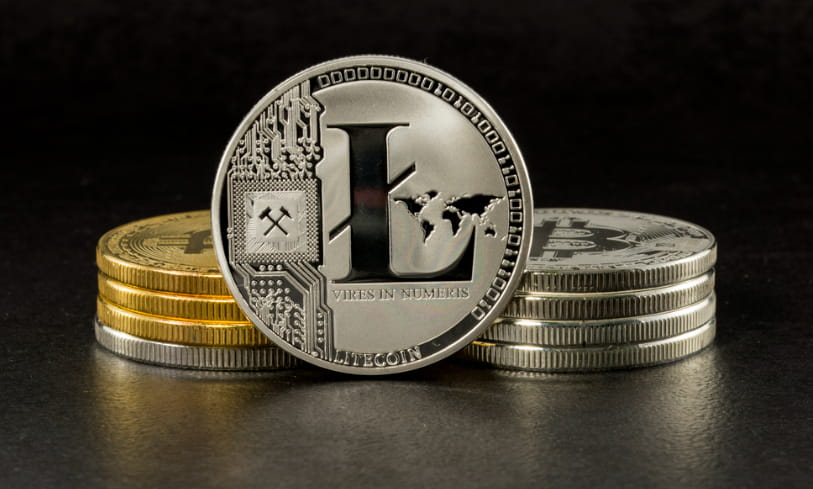
3. Litecoin: Litecoin is a derivative of Bitcoin, created by former Google engineer Charlie Lee in 2011. Litecoin is very similar to Bitcoin in technology, but it uses a different encryption algorithm, which makes transactions faster and with lower transaction fees. After its launch, Litecoin quickly gained widespread recognition and use, becoming one of the most popular digital currencies besides Bitcoin.
These success stories show that digital currency can bring positive impacts and opportunities by providing more efficient, secure and convenient payment and asset management methods, as well as creating new applications and business models. However, it should be noted that there are still many challenges and risks in the field of digital currency, including regulatory issues, security vulnerabilities and market fluctuations. Therefore, when investing and using digital currency, it is necessary to carefully assess the risks and ensure the security of your information and funds.