

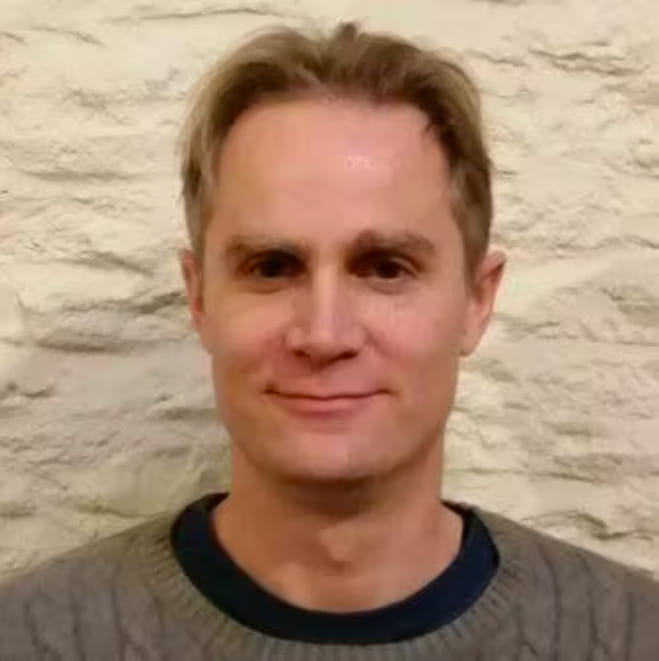
Matthew Grogan is the co-founder of OpenChat, one of the world’s first end-to-end decentralized platforms.
OpenChat has the potential to disrupt social media networks, and in addition, its utilization of the Internet computer blockchain makes it a fully decentralized, scalable, and secure platform for users.
Intrigued by how blockchain technology can offer internet users a higher level of security and complete custody of their data, I sat down with Matthew to discuss OpenChat and decentralization.
Mr. Grogan, can you share your back story as it relates to blockchain?
I’m a software developer first and kind of fell into the crypto space and being an entrepreneur.
I worked as a developer with Dominic Williams (founder of DFINITY, which is building the Internet Computer blockchain) on a range of software projects from the late 1990s and 2000s before we parted ways.
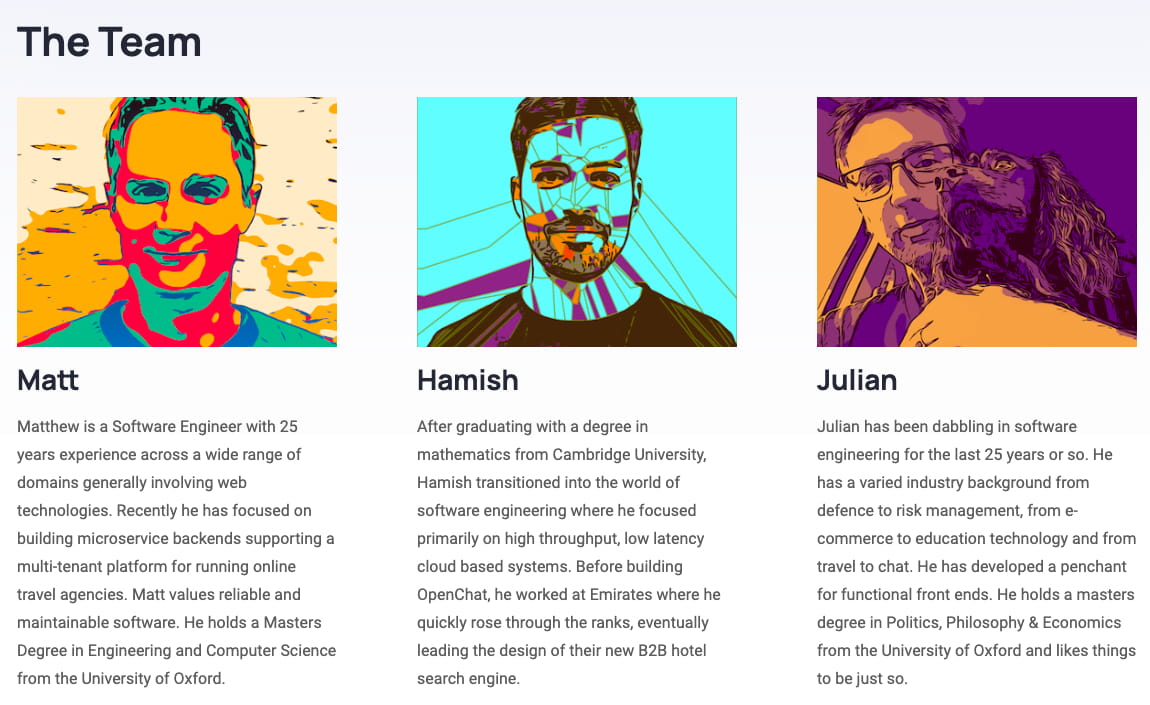
But about two and a half years ago, he asked me if I would like to build a dapp on the Internet Computer, and I jumped at the opportunity, first convincing Hamish Peebles, and a few months later Julian Jelfs founded a small company - incubated by DFINITY - and together we built OpenChat.
Despite being in crypto for a relatively short time, I’ve already embraced the ethos of decentralization and trustlessness, and I’m excited to be a part of this movement.
Decentralization is disrupting the internet. Can you review how we got to this stage?
In the early days of the internet, it was primarily used as a means of communication between centralized entities such as governments, companies, and individuals, however, as the internet has grown, so has the desire for more decentralized and democratic forms of communication and interaction.
This led to the creation of various decentralized technologies such as peer-to-peer file sharing, distributed computing, and eventually blockchain technology.
These technologies enable individuals and communities to interact and transact with each other in a trustless and decentralized manner, eliminating the need for intermediaries and centralized authorities.
The Internet Computer is so named because it is built on a decentralized internet, with a blockchain-based decentralized computing platform that can host dapps and services end-to-end.
Can you tell us about the founding of OpenChat and what was the inspiration behind it?
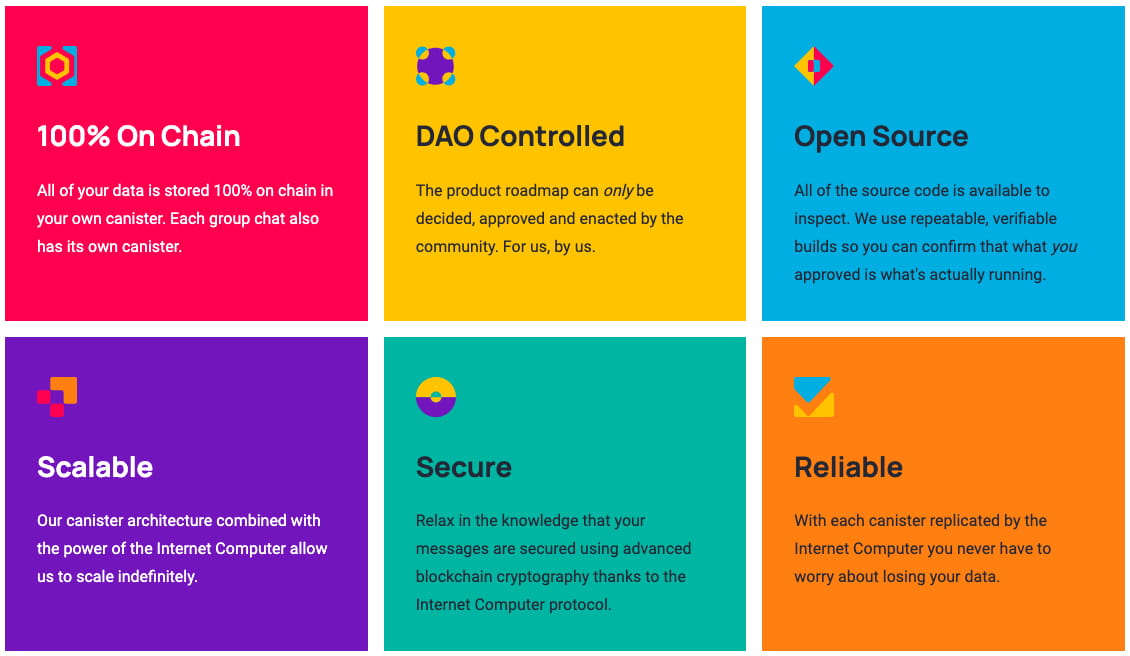
We had the opportunity to build a dapp that demonstrated the Internet Computer and quickly settled on an instant messaging app, inspired by the desire to build a full-featured chat app that was open to anyone, anywhere in the world, highly secure, not controlled by any central organization, and running only verifiable open source code.
I think OpenChat is arguably the world's first decentralized end-to-end messaging platform, what challenges is it solving?
I don’t think OpenChat can claim to be the first decentralized end-to-end messaging platform, but I can explain the challenges it is solving.
As a starting point, OpenChat is a powerful, high-performance chat application that rivals familiar web2 messaging applications.
It eliminates the need for centralized intermediaries and enables direct peer-to-peer transactions of various cryptocurrencies, making transactions between users easier and more efficient.
Its decentralized governance model ensures that users have a say in how the platform is run and evolves over time, rather than being at the mercy of centralized authorities, and user data remains secure and private in container smart contracts running transparent and verifiable source code.
Let’s talk about the recent Arbitrum fiasco, do you see how the lack of a DAO governance structure led to the crisis and could it have been avoided?
I’m not particularly familiar with the Arbitrum story, but from what I understand the founding team was able to transfer large amounts of tokens to a special treasury account to fund a massive airdrop without authorization from the Arbitrum DAO.
In the case of OpenChat, the DAO was automatically created at the end of a public decentralized exchange that provided the DAO with a treasury of ICP tokens in exchange for CHAT tokens, with the founding team never having access to the treasury.
The only way to transfer tokens from the treasury is through a majority vote of the DAO on a specific proposal that automatically performs the specified transfer when adopted, which in the near future will actually require a supermajority (66%), making a governance attack that exposes the treasury even less likely.
OpenChat prides itself on being highly decentralised, can you tell us about an example of how this works?
We have a blog post on our website that explains how OpenChat governance works. In short, users can stake their CHAT tokens as Neurons, which can be “time-locked” to gain voting rights and used to vote on proposals submitted to the SNS DAO.
Neurons can be made to follow each other in various ways so that they automatically vote, representing a form of liquid democracy.
If you look at the OpenChat Proposal Group, you can see all the proposals that have been made since the launch of the OpenChat SNS DAO, and as expected, the majority of proposals were made by the founding development team since our entire focus and purpose is to build and grow OpenChat.
The following is a list of proposals submitted by the community that have been adopted:
Add CHAT and ICP to the CHAT/ICP pools of two decentralized exchanges, ICPSwap and InfinitySwap, to enhance CHAT liquidity;
Integrate ChatGPT functionality into the OpenChat platform;
Create a "Diamond Membership" (Lifetime Edition) for users who prefer to pay a one-time membership fee instead of paying for membership through a subscription.

In your opinion, what are the biggest challenges facing DAO governance models?
I think one of the biggest challenges facing the DAO governance model is ensuring it remains truly decentralized and democratic.
While DAOs have great potential to enable collective decision-making and empower communities, they also face a number of potential pitfalls, for example, power may be concentrated in the hands of a small group of influential members, or malicious actors may attempt to hijack the platform and manipulate the decision-making process.
To address these challenges, it is important to ensure that DAOs are designed in a way that truly enables broad-based participation and democratic decision-making, which can be achieved through a variety of mechanisms, such as ensuring that voting power is fairly distributed among members, implementing a transparent decision-making process, and building in safeguards to prevent collusion or manipulation.
The SNS system that powers OpenChat DAO is very advanced:
With the exception of “motion” proposals, which express the will of the DAO, all other proposals are executable, meaning their adoption triggers specific actions specified in the smart contract, which includes actually updating the code that runs the OpenChat dapp.
Token holders can choose to vote on any given proposal, or follow others to vote on specific types of proposals, providing a complex mix of direct and representative democracy.
Voting rights are the product of stake value and stake duration, and token holders are rewarded for participating in governance based on their voting rights, which encourages participation and long-term engagement.
However, there is still some room for improvement, and as it stands, the larger your stake, the greater your voting power, which could lead to too much power in the hands of too few people.
DFINITY (developing the SNS) has plans to even out voting rights to get closer to one person one vote, but first, unique personhood needs to be demonstrated, which can otherwise be gamed by simply having lots of little neurons.
Whatsapp is closest to OpenChat, do you think the latter is better than the former?
I wouldn’t say WhatsApp is the closest thing to OpenChat, right now, we are more like Telegram combined with private chats and public groups, but soon we will introduce communities similar to Discord servers or Slack workspaces, which have use cases and revenue models that can work on a smaller scale.
However, we do have a strategy to grow OpenChat at scale, and we need to continually improve functionality and unique features through our roadmap.
But most importantly, the secret weapon is tokenization. We can directly incentivize user growth and engagement through algorithmic token rewards, and also build a team of user advocates who support OpenChat's success in the long term.
This is not realistically possible for web2 applications and services in the same way and will enable viral growth loops and network effects to drive adoption.
What else makes OpenChat unique and groundbreaking?
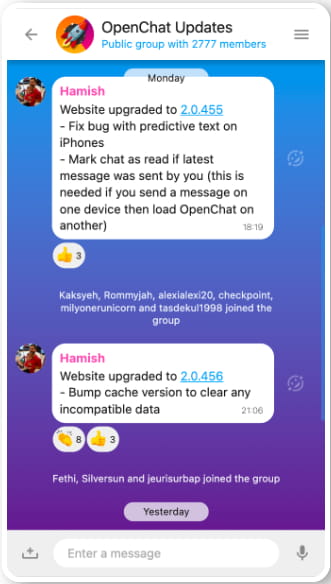
We’ve covered the most important areas, but smaller features coming soon include “Verified NFT Avatars” and “NFT Gated Groups and Communities” which have been highly requested by our users.
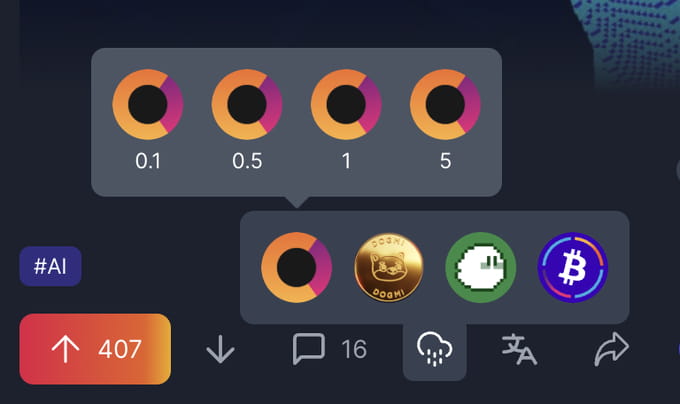
In general, tokenization allows the system to make micropayments, which is not possible in the web2 world or in most blockchains where transaction fees are much higher.
This allows users to pay for premium features or content on a pay-as-you-go basis rather than on a subscription basis, which is attractive because it requires no upfront financial commitment, and users can also pay other users small tips for posts they value.
Any instructions?
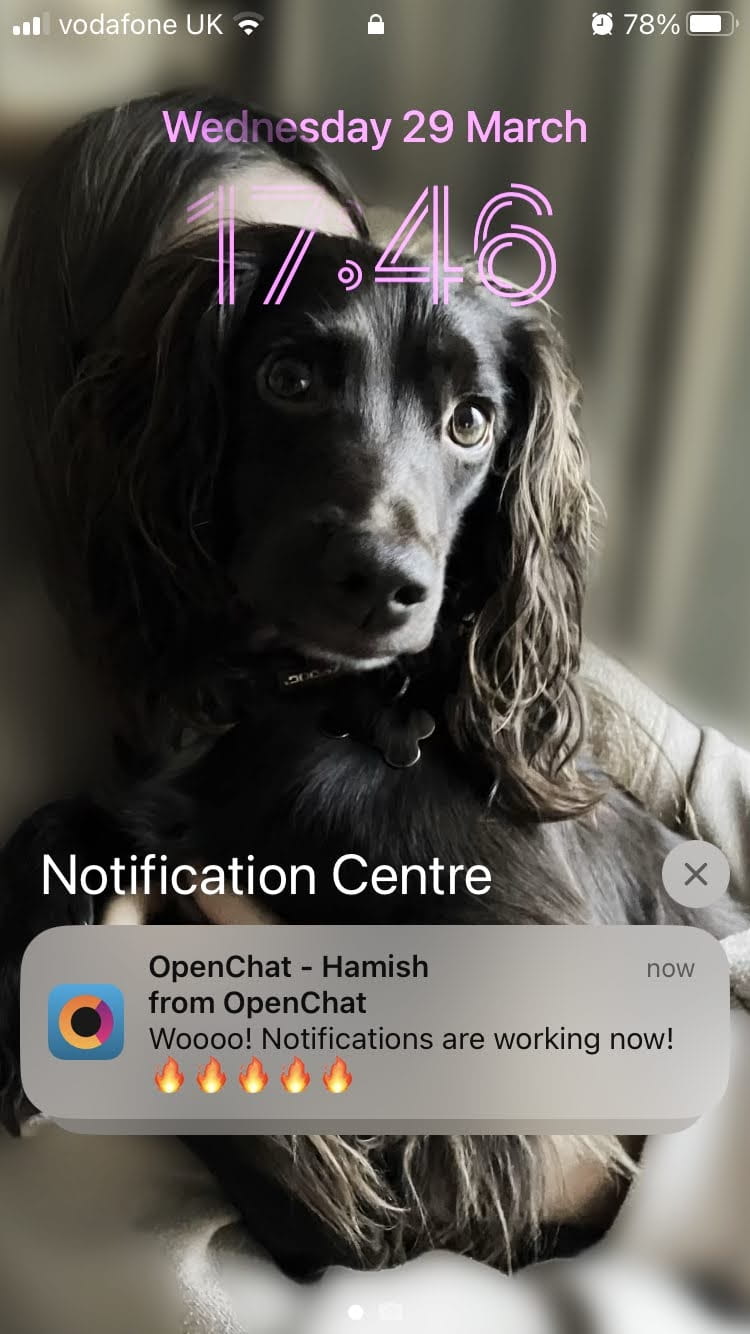
I invite your readers to try OpenChat for themselves, it is a responsive web app for all devices, and if you use it on your phone, add it to your home screen for a native app-like experience with push notifications.
IC content you care about
Technology Progress | Project Information | Global Activities

Collect and follow IC Binance Channel
Get the latest news