


Brief content
When creating a new cryptocurrency, you can choose a coin or a token. The coin has its own blockchain, and the token is built on an already existing network. Cryptocurrencies rely on blockchains for their security and decentralization.
Creating a token requires less experience and effort than creating a cryptocurrency. Creating a coin usually requires a team of developers and experts. The token also requires some technical knowledge, but can be created in minutes using other blockchains such as Ethereum, Binance Smart Chain, Solana, and Polygon.
The choice of token or coin depends on the desired customization and usage options. In general, the associated costs depend on the required amount of work, for example, on developers and time.
Ethereum and Binance Smart Chain are popular blockchains for creating digital currencies. You can use the installed code to generate tokens yourself or pay to use a coin generation service. Sidechains are another popular choice because they offer more customization options along with the main benefits of blockchain.
Before creating your own cryptocurrency, you need to think about its applications, tokennomics and legal status. After that, the development phase will require choosing a blockchain, consensus mechanism, and architecture. You can then consider an audit of your project and a final legal review. Although almost anyone can create a cryptocurrency, developing a solid project requires serious work and dedication.
Introduction
The idea of creating your own cryptocurrency, use cases, and audience excites many cryptocurrency advocates. But where is the best place to start? In fact, there are many ways to create coins and tokens. The cost and required knowledge also depend on the complexity of your project. If you're thinking about starting your own cryptocurrency, our article outlines the basics to get you started.

What is cryptocurrency?
Cryptocurrency is a type of digital asset with multiple uses. It is primarily a way of transferring value between people digitally, including monetary value, property rights or even voting rights. Cryptocurrency differs from other digital payment systems in that it is based on blockchain technology. This framework gives cryptocurrencies more freedom from centralized institutions such as governments or banks.
Bitcoin is the most famous example of cryptocurrency. It has a simple use case – transferring monetary value around the world without intermediaries. Its blockchain records all transactions, ensures the stability and security of the network.
The difference between coins and tokens
Cryptocurrencies can be conventionally divided into two categories: coins and tokens. The difference between them is simple. Coins have their own blockchain, such as Bitcoin. Ether (ETH) is built on the Ethereum blockchain. Coins usually have some network-wide utility, such as paying transaction fees, staking, or participating in governance.
Tokens are built on existing blockchains. They may have some roles similar to coins, but tokens are mostly useful in their projects. One example is PancakeSwap's CAKE on the Binance Smart Chain. You can also use it to pay for certain transactions in the PancakeSwap ecosystem, such as minting non-fungible tokens or participating in their lottery. However, CAKE does not have its own blockchain, so it cannot be used in all BSC applications. The same applies to the thousands of ERC-20 tokens issued on the Ethereum blockchain. Each token is part of a specific project with different usage options.
Creation of cryptocoins vs. creation of cryptotokens.
As mentioned earlier, creating a token is much easier than creating a coin. The coin requires blockchain development and successful support. You can fork (copy) another existing chain, but that doesn't solve the problem of finding users and validators to help your network survive. However, the potential for success with a new coin may be higher than simply creating a token. Here's a quick overview of the two ways:
Coin creation
Creating a new coin can take a long time if you develop your own blockchain. However, a fork of the previous blockchain can be done quickly and used as the basis for a new coin. Bitcoin Cash (BCH) is one example of a project fork. But for this you will still need a high level of technical knowledge and programming skills. The success of your project will also depend on attracting new users to the blockchain network, which can be difficult.
Creating a token
Creating a token on an existing blockchain can increase its reputation and security. While you won't have full control over every aspect of your token, there's still plenty of room for customization. There are many websites and tools to create your own token, especially on BSC and Ethereum.
What to choose for your own project?
A token is usually sufficient for a decentralized finance (DeFi) application or play-to-earn type of game. Both BSC and Ethereum offer enough flexibility and freedom for developers to work.
If you want to push the boundaries of what a coin or blockchain can do, creating a coin with your own blockchain is probably the best option. Creating a new blockchain and coin is definitely more difficult than issuing a crypto token. But if done right, it can lead to innovation and new opportunities. Good examples are Binance Smart Chain, Ethereum, Solana and Polygon.
However, both options will require hard work and technical, economic and market knowledge to succeed.
The best solutions for creating cryptocurrency
Some of the most popular cryptocurrency mining solutions are BSC, Ethereum, and Solana. These networks enable the creation of many tokens based on already existing standards. The BEP-20 and ERC-20 token standards are leading examples that almost any crypto wallet provider can support.
ERC-20 belongs to the Ethereum blockchain, while BEP-20 is part of the Binance Smart Chain (BSC). Both networks allow you to create and configure smart contracts, which in turn provide the ability to create your own tokens and decentralized applications (DApps). With a DApp, you can create an ecosystem that gives your token more uses and functionality.
You can also consider sidechains that use the security of a larger chain like Ethereum or Polkadot and also provide some customization options. The Polygon network is connected to Ethereum and provides a similar experience, but cheaper and faster to use.
After choosing a blockchain, you will need to choose a method for generating your token. With BSC and other blockchains based on the Ethereum Virtual Machine, the process is relatively simple. You can also find ready-made tools that generate tokens based on parameters and rules you provide. They are usually paid, but this is a more practical option for users new to smart contracts.
If you want to build your own blockchain and coin, you will probably need a team of blockchain developers and industry experts. Even if you're considering a fork of a blockchain like Ethereum or Bitcoin, setting up your network still requires a huge amount of work. This will include encouraging users to act as validators and run nodes to keep the blockchain running.
What to consider when developing a cryptocurrency
Aside from the obvious decisions about choosing a blockchain or creating a coin/token, there are a few other key decisions to consider:
Determine the utility of your cryptocurrency
Cryptocurrencies can play many roles. Some act as keys to access services. Others even represent stocks and financial assets. To understand and outline the process of creating your cryptocurrency, you need to first define its features.
Create your own Tokenomics
Tokenomics is the economy that drives your cryptocurrency. It includes the total offer, distribution method and starting price. A good idea can fail if the tokennomics are wrong and users are not interested in buying cryptocurrency. For example, if you create a stablecoin but can't peg it properly, no one will want to buy or hold it.
Check the legal compliance of the project
Countries around the world have their own laws and regulations regarding cryptocurrencies. Some jurisdictions may even prohibit the use of cryptocurrency. Take full account of your legal obligations and any compliance issues you may encounter.
Create your cryptocurrency in 7 steps
If you're just creating a token, not every step in the guide below will apply. More importantly, the three design steps described above. Most of our tutorials will cover the basics of building a blockchain before you start minting your coin.
1. Select the appropriate blockchain platform
For the token, you need to choose the blockchain on which you will mint your cryptocurrency. BSC and Ethereum are popular options, but sidechains can also be a good idea. To create your own coin, you need to consider designing or hiring someone to create a custom blockchain.
2. Choose a consensus mechanism
If you are building your own blockchain or not sure which one to choose for your token, think about the consensus you need. These mechanisms define how participants confirm and verify transactions in the network. Most blockchains use Proof of Stake because it has low hardware requirements and many different types. Proof of Work used in Bitcoin is considered more secure by some users, but often requires significant maintenance costs and is not as environmentally friendly.
3. Develop a blockchain architecture
This step is only necessary if you are creating a coin. Not every blockchain allows the community to verify transactions or run nodes. The choice between a private, public, exclusive or inclusive blockchain is very important. Your blockchain architecture will depend on what your coin and project are trying to do. For example, a company or country creating a coin could use a private blockchain for greater control.
4. Start blockchain development
If you don't have development expertise, you'll need outside help to bring your ideas to life. When the blockchain works in a real environment, it is very difficult to change its basic concepts and rules. Use a testnet to make sure everything is working as planned, and ideally work with the entire development team to build the blockchain.
5. Audit your cryptocurrency and its code
Auditing companies like Certik can audit your blockchain code and its cryptocurrency for vulnerabilities. You can then publish the audit publicly and develop based on its findings. This process provides some assurance of security for you as the creator and any potential users or investors.
6. Double-check the legal aspects
Now that your blockchain is up and running and you're ready to mint your cryptocurrency, it's best to seek legal advice to see if you need to apply for a permit. Again, this step is difficult to do on your own and requires assistance.
7. Mint your cryptocurrency
Whether you create a token or a coin, at some point you will need to mint cryptocurrency. The exact method will vary depending on your Tokenomics. For example, tokens with a fixed supply are usually minted one time using a smart contract. Coins like Bitcoin are minted incrementally as miners verify new blocks of transactions.
How to create a BEP-20 token
To create a simple BEP-20 token, you will need some basic programming skills to deploy a smart contract on the Binance Smart Chain. You also need to install MetaMask and have some BNB in your wallet to pay gas fees.
1. Make sure the BSC mainnet is added to MetaMask. You can find detailed instructions in our guide Connecting MetaMask to Binance Smart Chain.
2. Go to Remix, an online application for developing and deploying smart contracts on blockchains compatible with the Ethereum Virtual Machine. Right-click on the [contracts] folder and select [New File].

3. Name the file "BEP20.sol".

4. Make sure you have [Solidity] programming language installed, otherwise your smart contract will not work. You can do this by clicking on the icon shown below on the right.

5. Copy the BEP-20 smart contracts with the code to your file. More information about code options and functions can be found on GitHub.

6. Change the "name", "symbol", "decimal" and "totalSupply" fields for your coin. As an example, we chose Binance Academy Coin (BAC) with 18 decimal places and a total supply of 100,000,000. Remember to add enough zeros to fill the 18 decimal places.
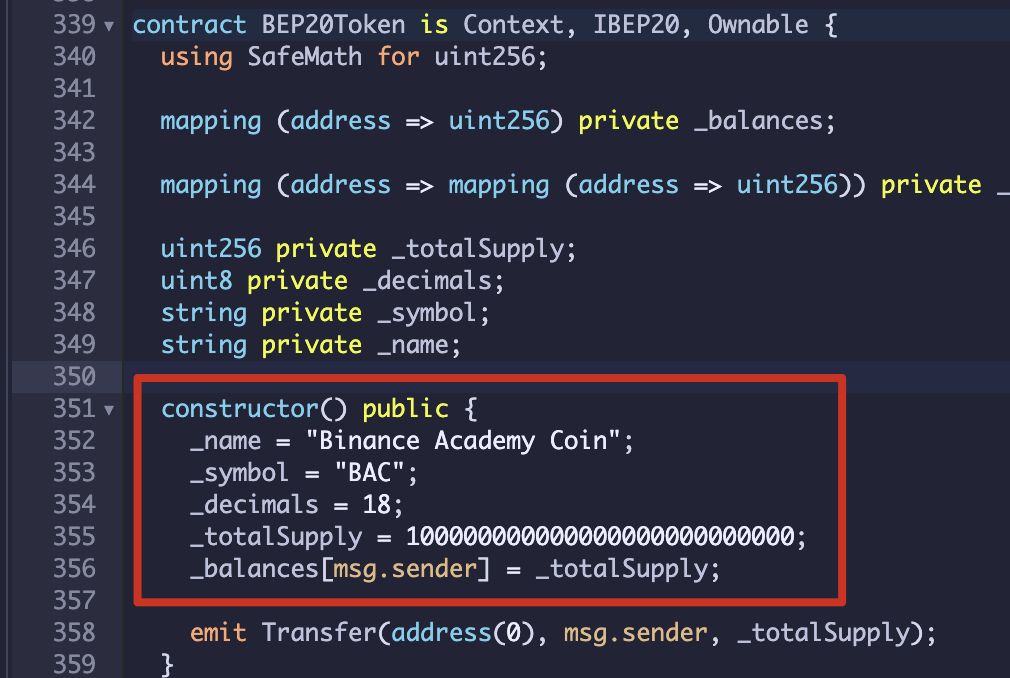
7. Then you need to compile the smart contract. Click the icon shown below on the left side of the screen, check the [Auto compile] and [Enable optimization] checkboxes, and then click the [Compile] button.

8. Click [ABI] to copy the ABI contract.

9. Click on the icon highlighted below on the left side of the screen. Select [Injected Web3] as the environment and then allow MetaMask to connect to Remix. Finally, make sure you select the BEP20 contract before clicking [Deploy].
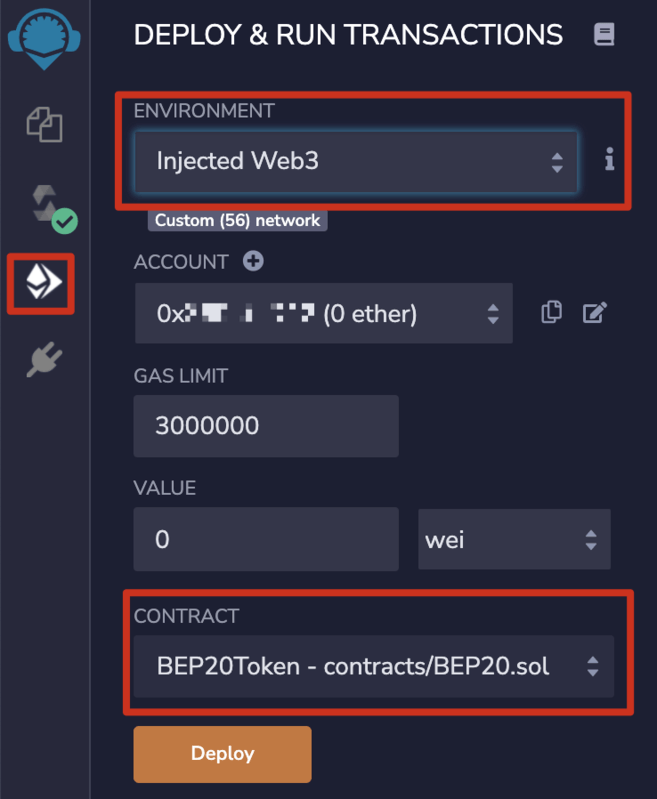
10. You will now need to pay a transaction fee through MetaMask to deploy the contract on the blockchain. Once the smart contract is running, you need to verify and publish the source code of your contract.
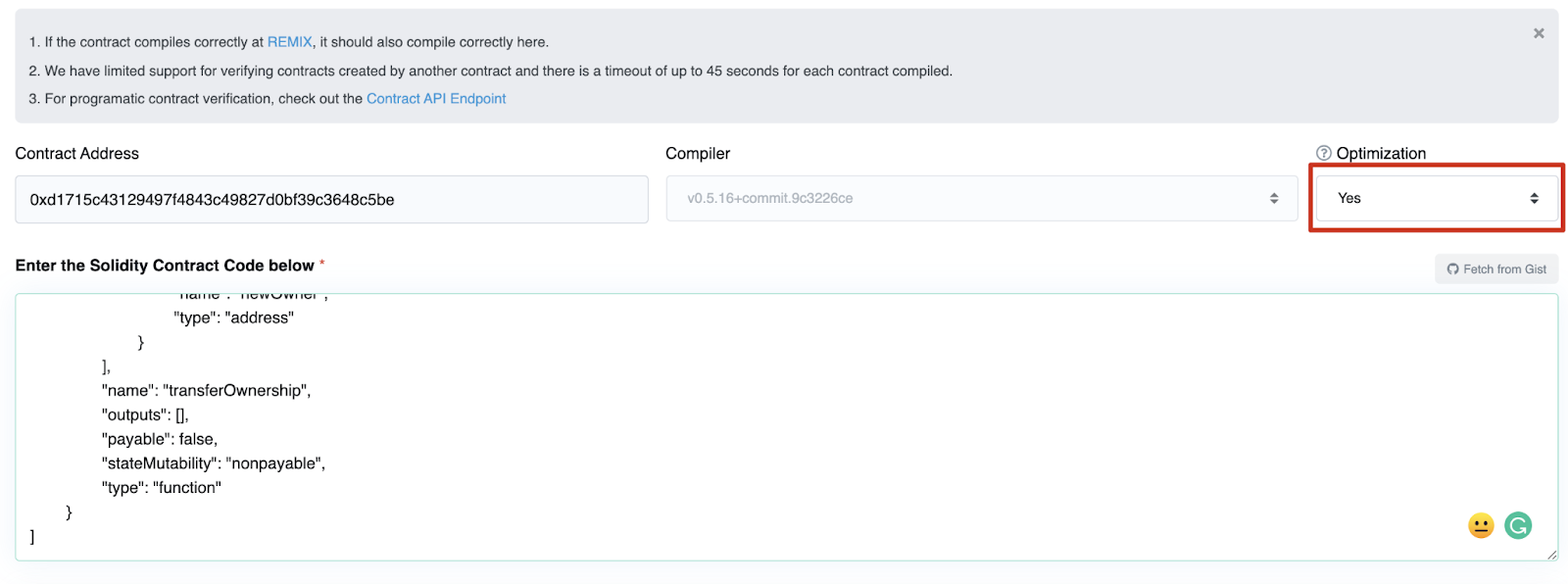
Copy the contract address into BscScan, select [Solidity (Single)] as the compiler type, and match the compiler version used in step 7.

11. Then right-click BEP20.sol in Remix and click [Flatten]. You will then need to give Remix permission to obfuscate the code.
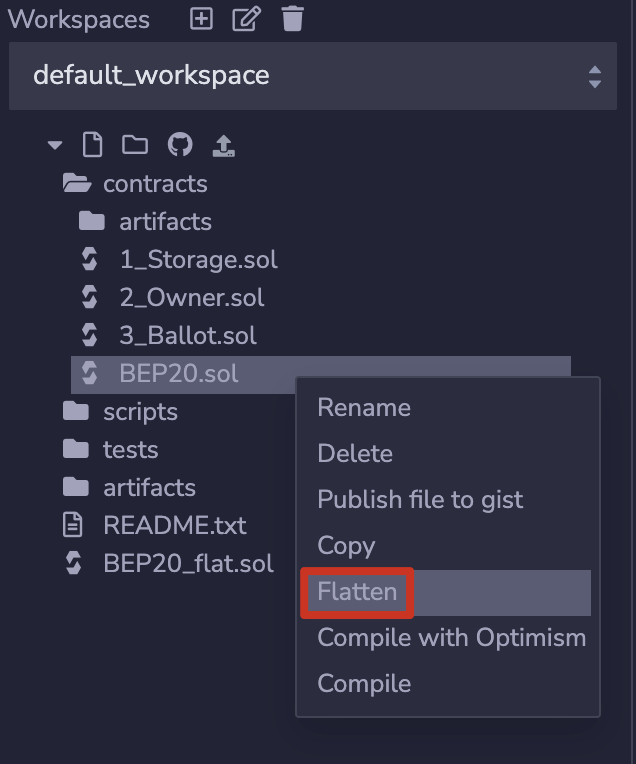
12. Copy the code from BEP20_flat.sol into the field and make sure the [Optimization] parameter is set to "Yes". Now click [Verify and Publish] at the bottom of the page.
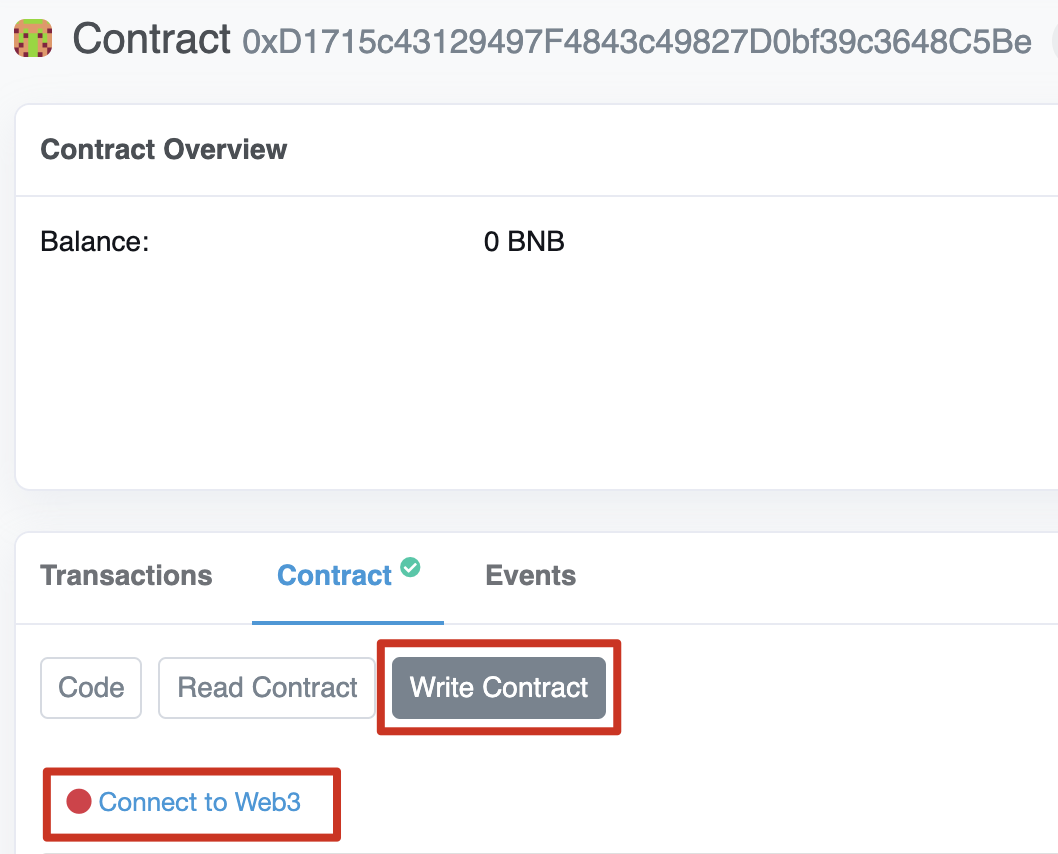
13. Now you will see a success icon on the screen. With the verified code, you can mint your token via BscScan using the "_mint call" function implemented in the contract. Go to the contract address on BscScan and click [Write Contract], then click [Connect to Web3] to connect your MetaMask account.
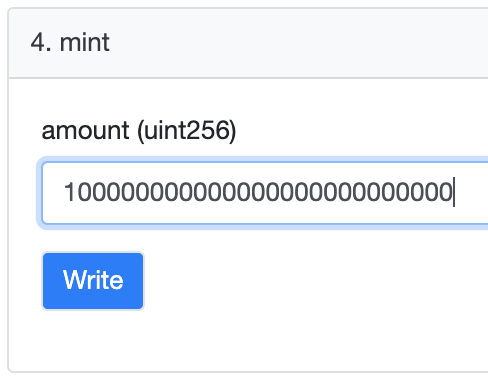
14. Scroll to the "Mint" section and enter the number of tokens you wish to mint. We are going to mint 100,000,000 BAC. Don't forget to add decimal places, in this case 18. Click [Write] and pay the fee to MetaMask.
15. You should now see that the tokens have been minted and sent to the wallet that created the smart contract.

How to list your cryptocurrency
Listing your coin or token on a cryptocurrency exchange like Binance can expose it to a wider audience in a secure and regulated way. If you are successful in creating and developing a solid cryptocurrency project, you can fill out Binance's online application forms for direct listing and/or distribution on Launchpad/Launchpool.
Each cryptocurrency goes through a thorough due diligence process, and you must regularly report your progress to Binance during your application. You will also need to accept BNB and BUSD in your cryptocurrency ecosystem, such as providing them as liquidity or accepting them during your initial coin offering (ICO) or token sale.
The cost of creating your own cryptocurrency
Costs are related to the methods and settings you choose. If you're building a coin and a blockchain, you'll likely have to pay the entire team over the course of several months. A code audit by a reliable team can cost around $15,000. The cheapest simple token on BSC can be made for $50. If you take the average price of creating a cryptocurrency with marketing and a community that will have some chance of success, you will probably have to spend more than one thousand dollars.

Results
If you decide to create your own cryptocurrency, use our information only as a starting point. This is a deep topic that takes a long time to fully understand. In addition to creating a token or coin, you also need to think about making the project successful after launch. Study other projects and startups to see what works well and what doesn't, which can help you build your own cryptocurrency.