


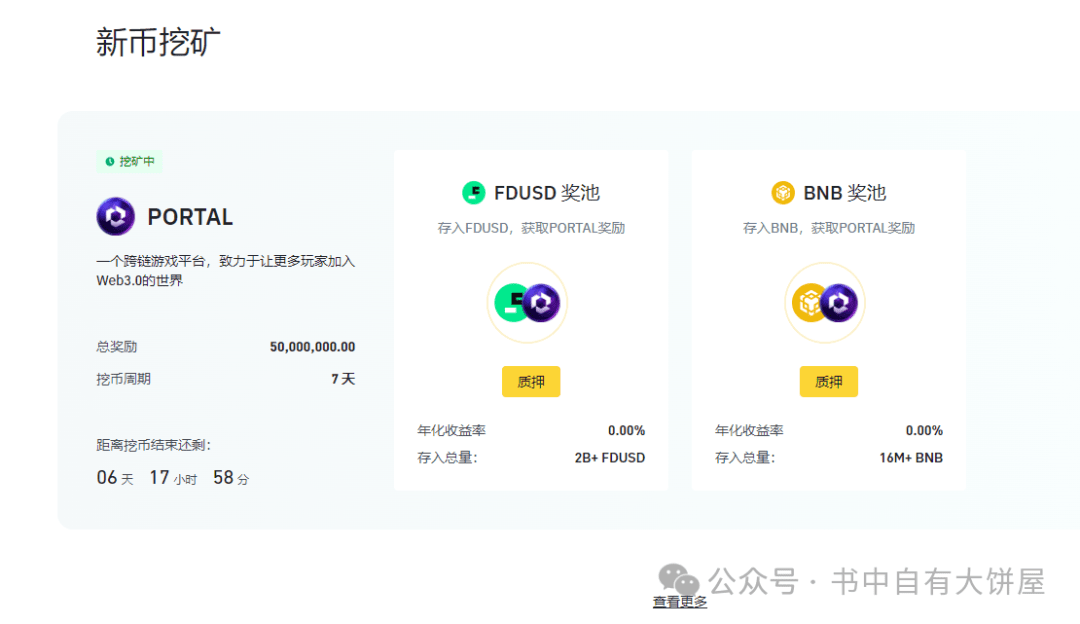
Today we are talking about the 47th phase of Binance’s new currency mining project - Portal (PORTAL), a cross-chain gaming platform dedicated to allowing more players to join the world of Web3.0. It is also a chain gaming platform built on Layerzero. Maximum supply of tokens: 1,000,000,000 PORTAL Initial circulation: 167,134,615 PORTAL (16.71% of the maximum supply of tokens) Total mining volume: 50,000,000 PORTAL (5% of the maximum supply of tokens) The mining period is 7 days time, and then we will also take a look at the project and analyze its reasonable currency price.
Introduction
Portal's goal is to unite games and players from different blockchain networks through its cross-chain token platform to build a unified Web3 gaming ecosystem.
Through its partnership with LayerZero, Portal provides players with a seamless multi-chain experience, a key feature of which is Portal Passport, a one-stop login solution for integrating player identities and assets. It also introduces a middleware to smoothly handle the game's on-chain transactions, improving the game experience and allowing players to participate without having to understand Web3 in depth.
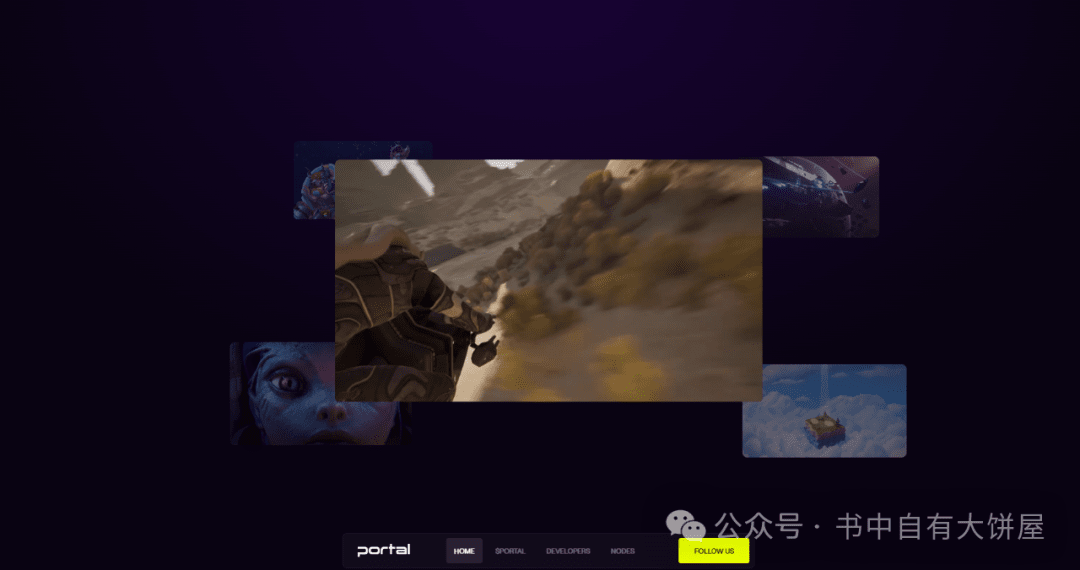
At present, the official website says that there are 200+ games, but I checked the entire official website and did not see the platform entrance or discord, so there is no way to ask the official. But because we know that layerzero is not online, so this game platform is not online. It's relatively normal, but the appearance is a bit ugly. There are no games on a gaming platform for everyone to play, and then they give out tokens to cut leeks, which is a bit unkind.
Features
1.Wallet
The Portal Wallet is designed to simplify players' transition to the Web3 gaming world, providing users with a unified identity that can be seamlessly integrated across all platform games.
Simple user onboarding is enabled through automated wallet services, eliminating complexities such as managing seed phrases and private keys, ensuring a secure and worry-free user experience. Users can quickly log in to Web3 with one click, compatible with major platforms like Discord and Google.
The platform’s user ID matching system synchronizes wallet addresses with unique IDs, enabling comprehensive collection of player data and analytics. Unlike centralized systems, Portal player data is controlled and monetized by players themselves, providing access to data and withdrawal of consent at any time based on their user ID.
2. Social applications
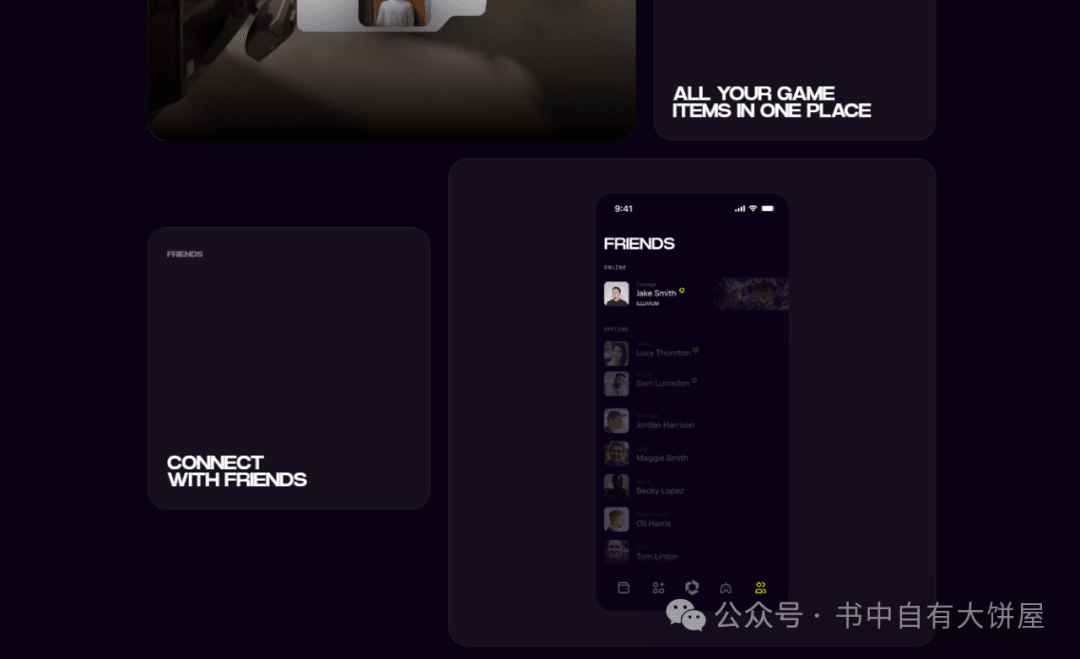
The Social App is an "always-on" player application that provides convenience and seamless connectivity to the Web3 gaming experience.
Players can use the app to:
- Discover. Users can browse featured games and content, constantly refreshed and kept up-to-date through cross-chain search and recommendation engines.
- Trade cross-chain assets. Ability to buy and sell game assets on-chain.
- social contact. Find friends to play with and chat with.
- Stake to expand. Participate in the visibility and attention of games on the Portal platform.
3. Cross-chain function
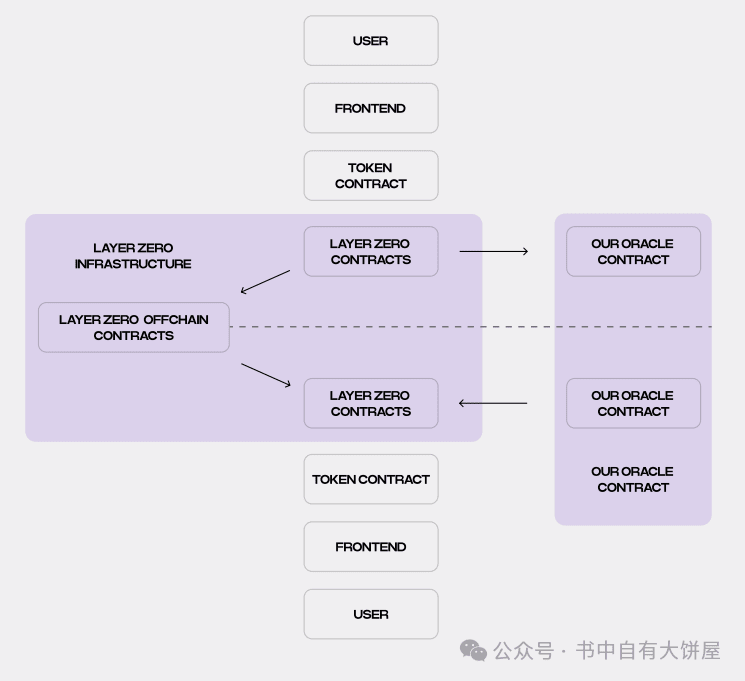
The Portal platform built the Portal token using the LayerZero protocol, aiming to connect games within the Portal network through a unified exchange system, with the potential to use $PORTAL as the default currency.
LayerZero offers a full-chain solution that stands out with its ultra-light node approach, combining security and cost-effectiveness for cross-chain data transfer.
In the gaming space, interoperability currently faces some limitations, but technologies like LayerZero can change this for Web3 platforms. Since different games have unique needs and no single blockchain can meet them all, an interoperable approach becomes the solution.
Because Portal has interoperability and cross-chain capabilities, it can interact with various blockchains.
This capability enables Portal to achieve scale in Web3 games and leverage the strengths of various chains to provide games with an ideal environment tailored to their needs.
Network node architecture
The "nodes" of the Portal network form a synchronization layer that combines the Portal Web3 engine and LayerZero Oracle/Relayers.
Nodes provide a second layer of verification for cross-chain transactions powered by distributed infrastructure owned and operated by the Portal community.
Nodes can run in the cloud or on-premises.
In return for providing verification services, nodes are eligible to accumulate network rewards and fees, which can be claimed at the end of the 24-hour period.
Token economy
The name of the token is $PORTAL, the total amount is 1 billion, and the initial circulation is 160 million. The specific token distribution has not been found.
Portal tokens serve multiple purposes within the network:
- Transaction fees: Portal is used to pay transaction fees and node verification services.
- Platform payments: Use Portals on marketplaces like MagicEden, or buy and sell in-game assets in platform games.
- Governance: Vote and influence the future development direction of the Portal token and platform.
- Staking: Stake the Portal to actively participate in game distribution and increase visibility on the platform.
- Exclusive Access: Access and purchase exclusive NFTs from our partner network.
- Node purchase: Purchase nodes to support core Portal infrastructure and platform.
Vote for the game
In practice, showing support for a game means that the game will receive increased visibility and attention on the Portal platform through rankings reflecting its relative staking levels (and other metrics), as well as more prominent visibility in the app. In turn, this allows games to attract Portal platform users, expand their player base, and launch new game assets with reduced friction.
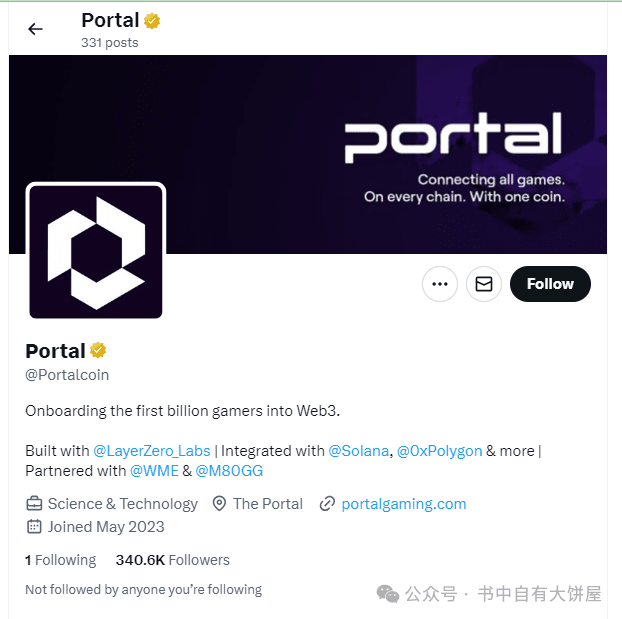
Regarding fan data, there is currently only one Twitter with about 34 fans, but we know that fans on Twitter can be purchased.
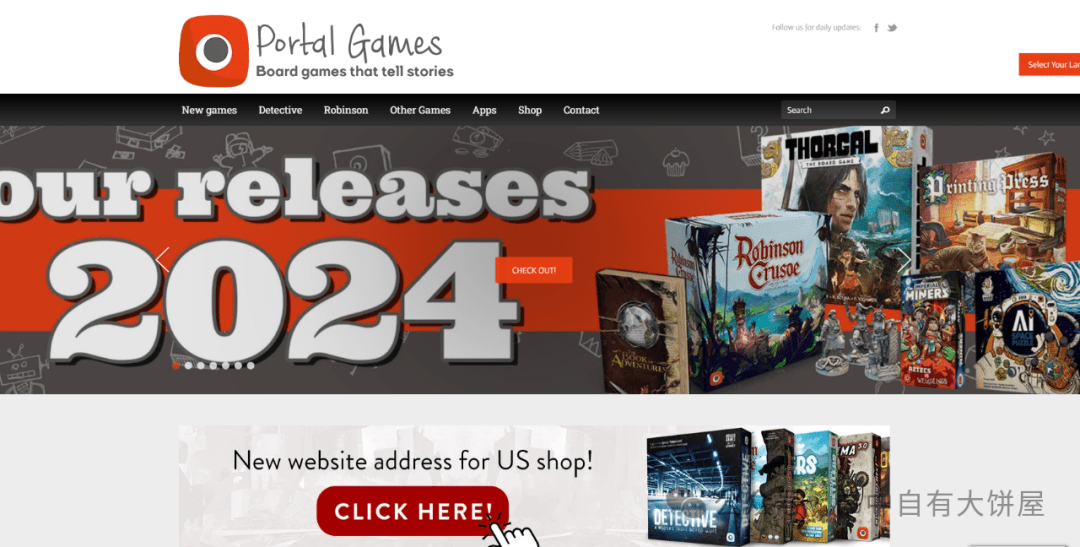
Then I searched the whole Internet for the platform of Portal Games, and there really is one. However, I looked carefully and the game does not match the games on its official website, so it should not be the same one, because these games are not developed by it, it is just a Platform, just connect games on other chains.
Finally, we summarize this project. The chain game platform based on the cross-chain protocol layerzero can indeed solve the problem of unifying games on different chains. Games on different chains can be played on one platform, which is indeed a good experience for users. Of course, the project team was too hasty and had no products. Even the official website design was very crude, and there was no discord. They rushed to list the currency, which was a bit excessive. So for the expectation of currency price, we can actually benchmark it against similar chain game platforms. We don’t need to benchmark the previous launchpool’s revenue at all, because different projects are different, so it is reliable to compare the same competing products. method, then gala is an on-chain gaming platform on the Ethereum chain. Its current market value is US$750 million, and FDV is around US$800 million. Magic is a gaming platform on the ARB chain, with a current market value of about US$400 million. Mobox, a gaming platform on the Binance chain, has a current market value of US$80 million, and FDV is US$300 million. Therefore, comparing the total FDV of the platforms of these chains is between US$300 million and US$1 billion, so the reasonable price range of the portal is between US$0.3-0.8. #Portal #内容挖矿 #lauchpool