

Summary
Etherscan is a blockchain browser for the Ethereum network. The website can be used to search transactions, blocks, wallet addresses, smart contracts and other on-chain data. It is one of the most popular Ethereum blockchain browsers and is free to users.
Use Etherscan to learn more about how to interact with the blockchain, other wallets, and DAapps. Having this expertise can help keep your accounts safe and detect suspicious behavior.
Paste your wallet address, transaction ID (TXID), contract address, or other identifier into the search box to start using Etherscan. Users can query what they need to know in the browser, but most of it is related information such as transactions, addresses, timestamps, and amounts.
In addition, Etherscan allows you to directly interact with smart contracts and make transactions, view gas fees, and search for airdrops.
Introduction
If you're using Ethereum for more than just holding it long term or sending a few transactions, it'll be helpful to learn how to navigate the blockchain. As one of the most popular choices, Etherscan is undoubtedly a great place to start learning the basics. There is no need to link a wallet or even open an account to use most of its features. Let’s take a look at the most common ways to use Etherscan and how to make use of the information found.

What is Etherscan?
Etherscan is a block explorer that can be used to view public transaction data in the Ethereum blockchain, interact with smart contracts, view addresses, etc. All interactions in Ethereum are public, and you can use Etherscan to browse it like a search engine. Use the transaction hash function (transaction ID) to view all related activity, including tokens, smart contracts, and wallet addresses.
Etherscan does not require registration, but you can create a personal account to use its additional features. For example, set alert notifications for queuing transactions, accessing developer tools, and creating data sources.
Etherscan does not activate the Ethereum wallet function or store private keys. Likewise, you cannot use it to conduct transactions. Etherscan can only be used as a blockchain information source and smart contract database. To trade or store cryptocurrencies, you need to have a cryptocurrency wallet such as Trust Wallet, MetaMask, Math Wallet or Binance Chain Wallet.
Why should you use Etherscan?
Etherscan is one of the most trusted and popular block explorers for Ethereum. However, it is more important to understand why you should use block explorers such as Etherscan to view on-chain information. Knowing the detailed methods of interacting with the blockchain will help you further understand DApps and transactions. Mastering this expertise will help you keep your account safe and detect suspicious behavior.
For example, with Whale Alerts, you will be notified when large amounts of cryptocurrencies are flooding into the trading platform. While speculation could be skewed, this could mean a massive sell-off for cryptocurrencies. You can also learn how the project founders use the project tokens. Being aware of when developers abandon projects and sell cryptocurrencies can alert you to potential fraud or run-and-gun scams.
How to view transactions and wallets in Etherscan
Tracking transactions is a basic function of Etherscan. Understanding how to track the movement of cryptocurrency is the key to unlocking everything else on the blockchain. For example, let's say 0.025 Ether (ETH) is sent from a wallet to the following public address: 0x480bbcb368197d44c6f54a738e59c33eff004b6a.
At the same time, a transaction fee of 0.001559212674537 Ethereum coins was also paid. After the transaction is completed, this transaction ID will be displayed in the wallet:
0x80a3cc0f344651b3de745b2f1efbe8d35d4f348e95b345c8a840ebf955414fa5
If you want to check the transaction confirmation amount and verify whether it has been successfully sent, you can do the following:
1. Go to the Etherscan homepage and look for the search box at the top of the page.

2. Next, copy and paste the Transaction ID (TXID) into the search box and press the search icon.

3. The screen will display all the details about the specific transaction:

4. Press the [Click to see more] button to get more detailed information. Now, let's take viewing the default display as an example:
Based on the above data, it can be seen at a glance whether the transaction has been successful and sufficient confirmation has been received. You can also check the transaction status by checking the receiving wallet.
Now, go back to the search box and paste the receiving wallet address:
0x480bbcb368197d44c6f54a738e59c33eff004b6a

A list of all transactions related to the address can be seen at the bottom of the page:

The red transaction is the initial 0.025 ether sent, marked as received to show that the address you are searching for is on the receiving end. The top of the page gives you an overview of your wallet balance.

How to view smart contracts in Etherscan
If you frequently interact with smart contracts in your DApp, you can try learning how to look them up in Etherscan. This allows you to check that funds are being sent to the correct contract.
If you add a new token to your wallet, you need to find the contract address of the token. The smart contract address contains the token logic, such as how to transfer tokens and other operations.
You can find the token address by going to CoinMarketCap, CoinGecko or the official website of the project. You can also view it by logging in to https://etherscan.io/tokens.
Be sure to double-check via the above website to make sure you added the correct token address. Let’s take a look at the Uniswap ERC-20 token in Ethereum:
0x1f9840a85d5af5bf1d1762f925bdaddc4201f984
1. Please copy and paste the smart contract address into the search box.

2. You can see details about the contract balance and other general information about the Uniswap (UNI) token contract.

3. You can also view more options below, including transactions, comment sections, and the smart contract itself. Click [Contract] next to it to view applicable interaction options and read Uniswap rules.

4. Under the [Read Contract] tab, view the general information of the contract. For example, you can query the specific address or wallet balance of the tokens in the wallet that you have permission to use.

Click [Write Contract] to directly interact with the contract. This method is particularly useful when DeFi platforms and DApps are unavailable due to technical issues or website outages. In addition, you can also try to interact with smart contracts without using the project API.
Click [Associate Web3] to associate a cryptocurrency wallet like MetaMask or Binance Chain wallet and interact with the contract.

The simplest operation here is cryptocurrency transfer. Use the [Transfer Out] tab to transfer tokens from authorized addresses to other addresses.
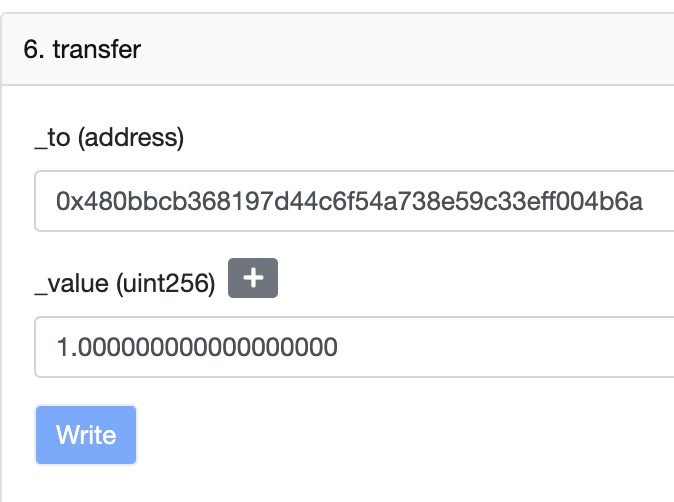
Use the [Transfer] tab to transfer contract-related tokens from the associated wallet. The following transaction will send 1 UNI from the associated wallet to the pasted receiving wallet address. Please make sure the amount to be transferred has the correct number of decimal places.
Most users will not need these features. However, a brief tour will help users understand how to access funds stored in smart contracts.
How to check gas price in Etherscan
The gas price is part of the Ethereum transaction fees. These fees are determined by the block in which the transaction occurs. Each block has its own fixed fee, which varies based on network traffic. The gas fee tracking page in Etherscan shows the amount and time changes of different gas fee prices. This is a very useful tool for roughly predicting network congestion and fees for simple transfers or complex smart contract interactions.


Summarize
If you want to learn more about a wallet or trading platform, Etherscan is a great tool that’s free and easy to use. Users can quickly master the most basic functions in a short period of time. Etherscan has the basic functions of other block explorers (such as BscScan), so similar operating techniques can be easily used on other platforms. Whether confirming transaction status or viewing smart contracts for DApps of interest, Etherscan is the perfect tool to get started.