AI may take down RSA encryption before quantum computers even arrive: should the crypto world be worried?
FT reports that AI could threaten RSA encryption before quantum computing does, creating short-term negative sentiment.
According to a report by Crypto Briefing citing the FT, advances in AI’s ability to solve complex mathematical problems could threaten mainstream encryption algorithms like RSA before quantum computers become viable. RSA is a foundation of internet security: banks, payment systems, and even the signature systems used by many cryptocurrencies rely on similar mathematical problems (integer factorization and discrete logarithms) to ensure security.
Put simply, people used to worry that “quantum supremacy” would arrive one day and render cryptography obsolete across the board. Now the FT’s point is: don’t wait for quantum computers—the pace at which AI’s problem-solving abilities are advancing could be faster, so the timeline may need to move up.
Of course, the report itself also says that “there is a great deal of uncertainty at present”—no specific model has been shown to crack any particular key. This is more a discussion of future risks. This kind of “shadow bearish catalyst” is the hardest to guard against because it can’t be disproven.
Market impact
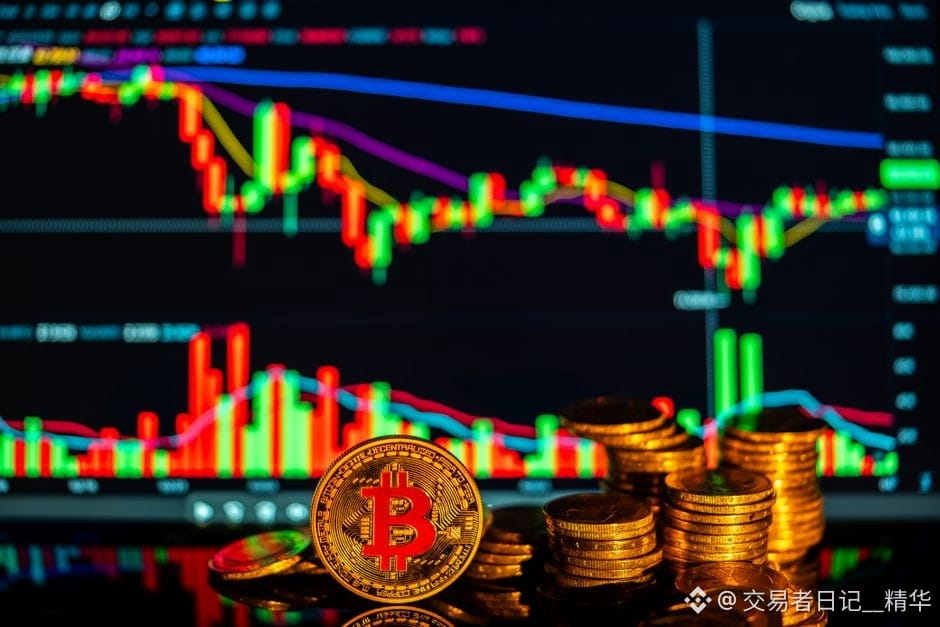
- Short term: A classic narrative-driven bearish catalyst. BTC is now $59,813.45, down 1.74% over 24 hours, and ETH is at $1,664.16, down 2.49%. The market is already weak, and reports that the “foundations of crypto technology could be shaken” will amplify fear. Investors may temporarily sit on the sidelines, while defensive assets strengthen. $\text{SOL } $71.99 is still managing to turn green, suggesting that altcoins’ own narratives are temporarily outweighing macro anxiety.
- Medium term: This could instead become an industry catalyst. Historically, every discussion about “cryptography being cracked” has ultimately accelerated the transition to post-quantum cryptography (PQC). If the RSA risk is confirmed, public blockchains that are first to adopt post-quantum signatures could command a valuation premium. It’s a narrative that could reshuffle the deck.
In a nutshell: this doesn’t mean cryptography has been cracked today. It means the “timeline for cracking it” has moved from science fiction to the news pages.
My take
Bearish in the short term; wait and see in the medium term. The market is in a downtrend, and reports about technological fears that can’t be immediately disproven are the perfect fuel for bears. BTC is likely to face pressure in the short term. But honestly, if AI really does crack RSA, the banking system would collapse before Bitcoin. Crypto assets might even be repriced thanks to their “decentralized and migratable” nature. I’m about 60% confident in this view; I’ll leave the remaining 40% to market sentiment. I’m only taking a small position to test the waters, so go easy on me if I’m wrong.
What do you think? Is the AI threat a real risk, or is the media rehashing an old story?
$BTC $ETH #BTC #ETH
⚠️ This is not investment advice
#CouldSpaceX’sOrbitalDataCentersBoostAIChipDemand?
$SOL