
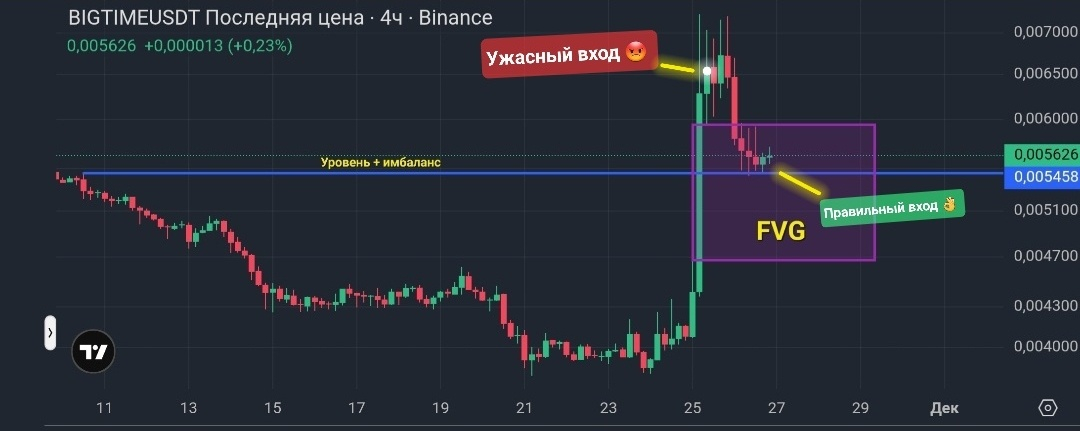

We’ve all been there, right? 🤔 You see the price shoot sharply upward, and that nagging feeling kicks in: “Damn, I missed it!” Your hand reaches for the “Buy” button almost by itself, ready to enter at market right at the very top.
⛔️ Stop. Take a breath and move your hand away from the mouse.
In trading, this is called FOMO (fear of missing out)—the biggest enemy of your trading account. Buying at the peak of a price surge is risky and unprofitable. Here’s why, in most cases, the price pulls back:
The market abhors a vacuum (Imbalance / FVG). When price rockets, only one side dominates the market—aggressive buyers. A price gap forms on the chart with no opposing orders. The market tends toward equilibrium, so price often pulls back to fill that void with orders.
A large player needs liquidity. Imagine a major fund wants to accumulate a huge position in an asset. It pushes the price up in one move, but hasn’t bought everything it needs yet. Buying more at higher prices isn’t profitable. To add to its position, it drives the price down: early buyers start to panic and sell, while latecomers open short positions. The large player simply takes their orders and continues the move.
Closing at breakeven. Those who shorted against this powerful move are deep in drawdown and waiting for a pullback. As soon as the chart returns to their entry point, they close their trades with relief, breaking even. And closing a short is a buy, which gives the price fresh fuel to rise.
Broken risk math (Risk/Reward). If you enter at the peak, you’ll have to place your stop-loss far away—below the base of the impulse. In the end, you’re risking 5% to make 1%. Over time, this kind of math leads to losing your account balance.
🛠 What do we do instead of buying at the peak? A step-by-step plan:
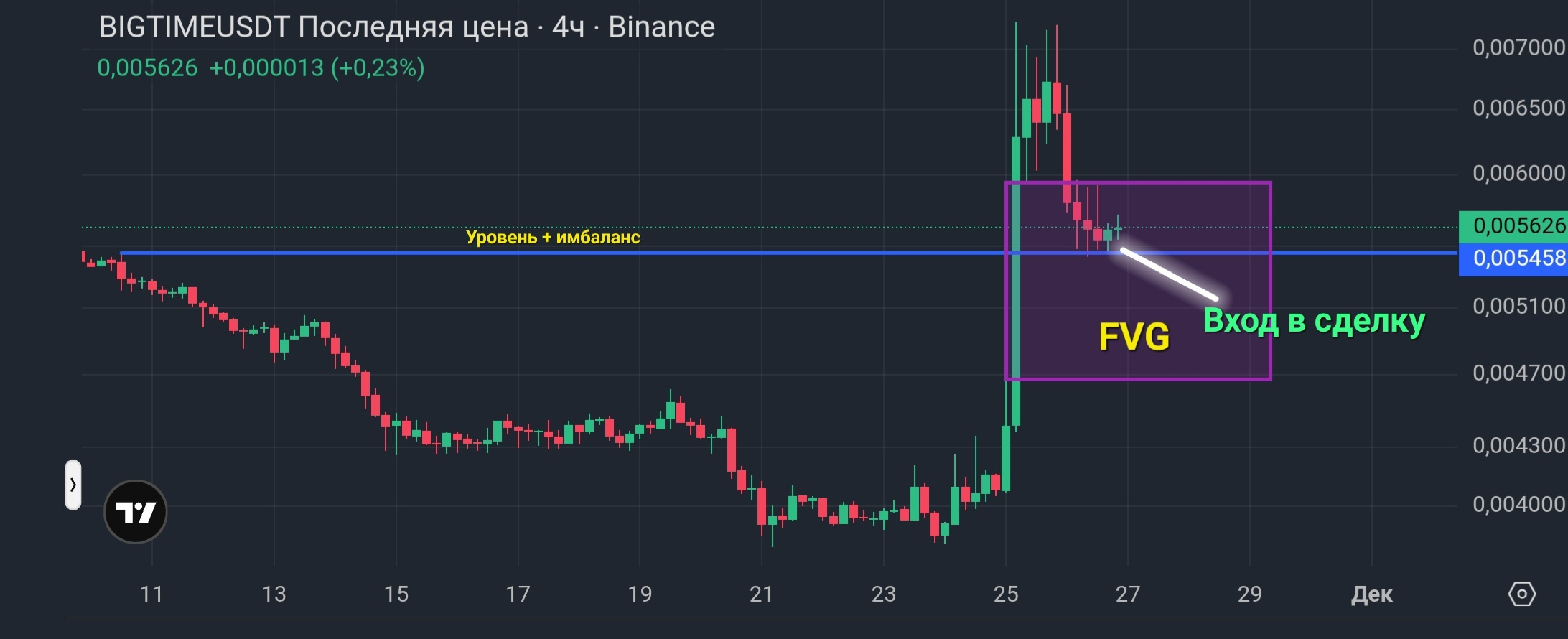
Find the broken level. Look at where the impulse began or which key resistance the price has just broken through. Ideally, this zone coincides with an imbalance (FVG)—that strengthens the entry point.
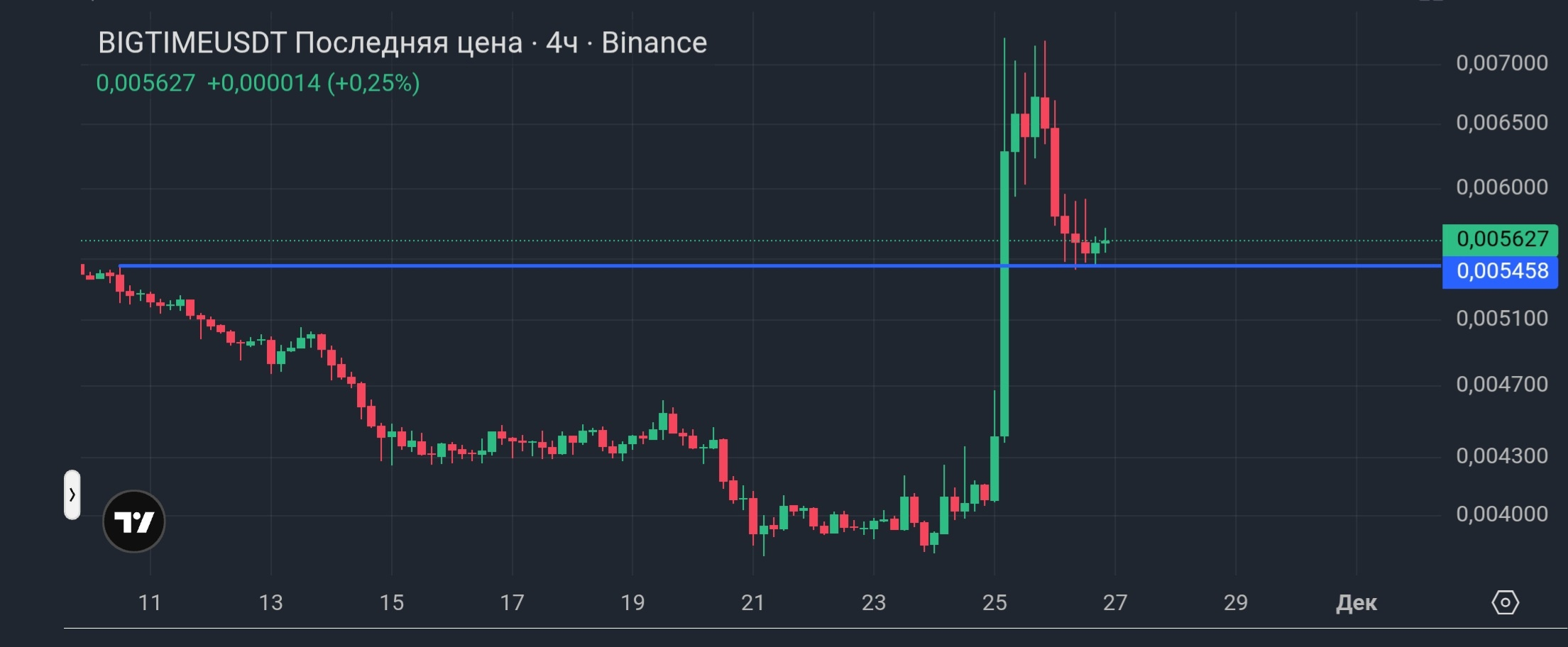
Wait for a pullback (retest). Don’t try to guess the reversal or place orders randomly in the middle of a move. Patiently wait for the price to come back down to our level.
Wait for buyers to react, then enter. When the price touches the level, don’t buy blindly—look to see whether buyers are defending it (buying candles, volume, a structure break on a lower timeframe). Enter in the direction of the trend only after confirmation.
💡 Remember the trader’s most important rule:
An impulse is the time for those who entered early to take profits, not an entry point for you. Enter the market deliberately, with a tight stop and clear upside potential. And if the price takes off without you, don’t worry—the market isn’t going anywhere and will offer another trade tomorrow.
Save this if you found it useful! 🫡