1 million satellites—all approved by the FCC at once
There are only 17,000 satellites in orbit today
One SpaceX filing could add another 1 million
Nearly 60 times the number of all the satellites ever launched in human history
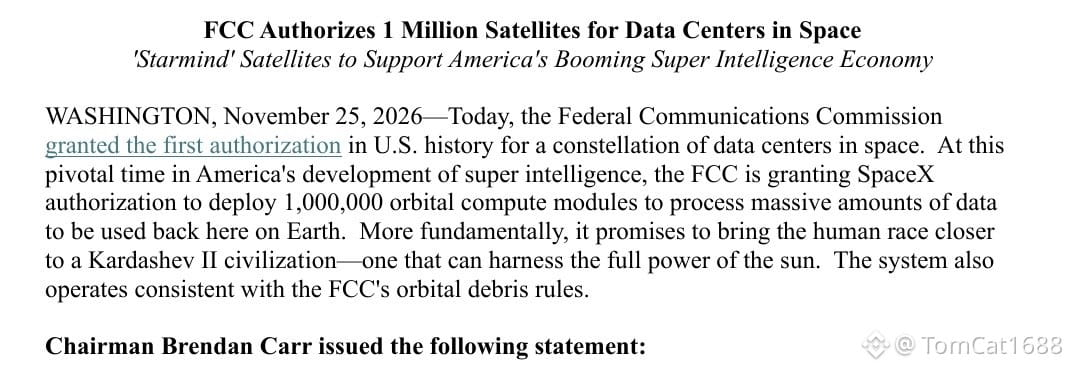
On November 25, the U.S. Federal Communications Commission conditionally approved SpaceX’s Starmind constellation
It’s the first time in U.S. history that a space data center has been approved
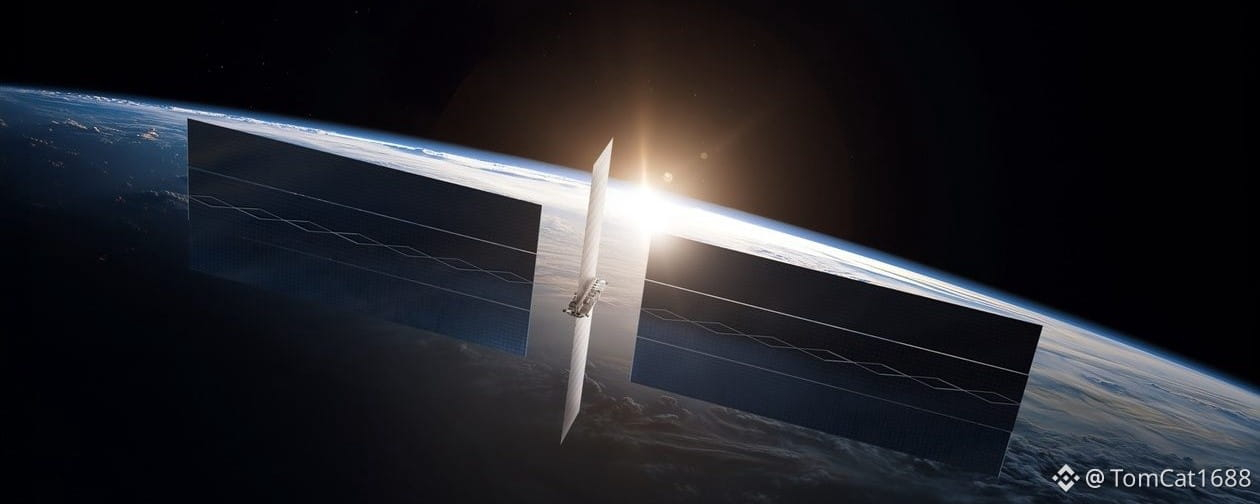
Each satellite is an AI data center in orbit, processing data and then sending the results back to Earth
Why move them into space?
The biggest constraints on ground-based data centers today aren’t chips, but electricity and cooling
In space, solar power is nearly uninterrupted, and the cold environment provides natural cooling
SpaceX’s plan is to sidestep three hurdles: land, power grids, and regulatory approvals
Here’s how to think about the chip numbers
SpaceX teamed up with Nvidia back in August this year
Each of the first Starmind satellites will be equipped with an Nvidia Rubin GPU and Vera CPU
1 million is the upper limit; the actual number launched will determine how many chip sets are needed
But this order won’t come this year or next
The timeline is much more relaxed than you might think
The FCC only requires the first satellite to be launched by November 2033
100,000 satellites by 2035, and all 1 million by 2040
SpaceX President Gwynne Shotwell told investors in October that launches would begin in 2027
Between approval and the first satellite, Starship still has to prove it can bring down launch costs
Opposition hasn’t let up, either
Amazon, Viasat, and the American Astronomical Society have all called for the application to be rejected
They’re concerned about orbital congestion, debris, and the destruction of the night sky
This time, the FCC only approved the portion below 600 kilometers
The debris mitigation plan for altitudes above 600 kilometers has yet to pass muster
The approval is real; 1 million satellites is the upper limit
The new growth driver for chip demand is real, too—but it will only materialize one satellite at a time, in line with the launch schedule
#SpaceX太空数据中心获批,AI芯片需求迎来新增长点? #SpaceX