
Jacob trade
9.1k Posts

Jacob trade
Report
Block User
Jacob Trade: Where trends are made, and profits never fade 💰💰
88 Following
496 Followers
3.3K+ Liked
Posts
All
Quotes
PINNED
·
--
#trumpmeetsonwideriranoffensive
The “Situation Room” meeting by Trump signals a new dangerous phase in Iran
war: “The objective now is to ...”
-
Trump mentioned a massive offensive against Iran
.
- The United States aims to damage
Iran
, and to open the Strait of Hormuz.
- Tensions are intensifying; an American blockade,
Iran strikes American bases.
#USUKTreasuriesRecommendStablecoinAlignment
#BinanceSquare #Trump #ChinaQ2GDPGrows4.3%MissingForecast
$BTC
{future}(BTCUSDT)
$ETH
{future}(ETHUSDT)
$BANK
{future}(BANKUSDT)
#trumpmeetsonwideriranoffensive
The “Situation Room” meeting by Trump signals a new dangerous phase in Iran
war: “The objective now is to ...”
-
Trump mentioned a massive offensive against Iran
.
- The United States aims to damage
Iran
, and to open the Strait of Hormuz.
- Tensions are intensifying; an American blockade,
Iran strikes American bases.
#USUKTreasuriesRecommendStablecoinAlignment
#BinanceSquare #Trump #ChinaQ2GDPGrows4.3%MissingForecast
$BTC
$ETH
$BANK

6
17
37.9k
PINNED
·
--
Verified
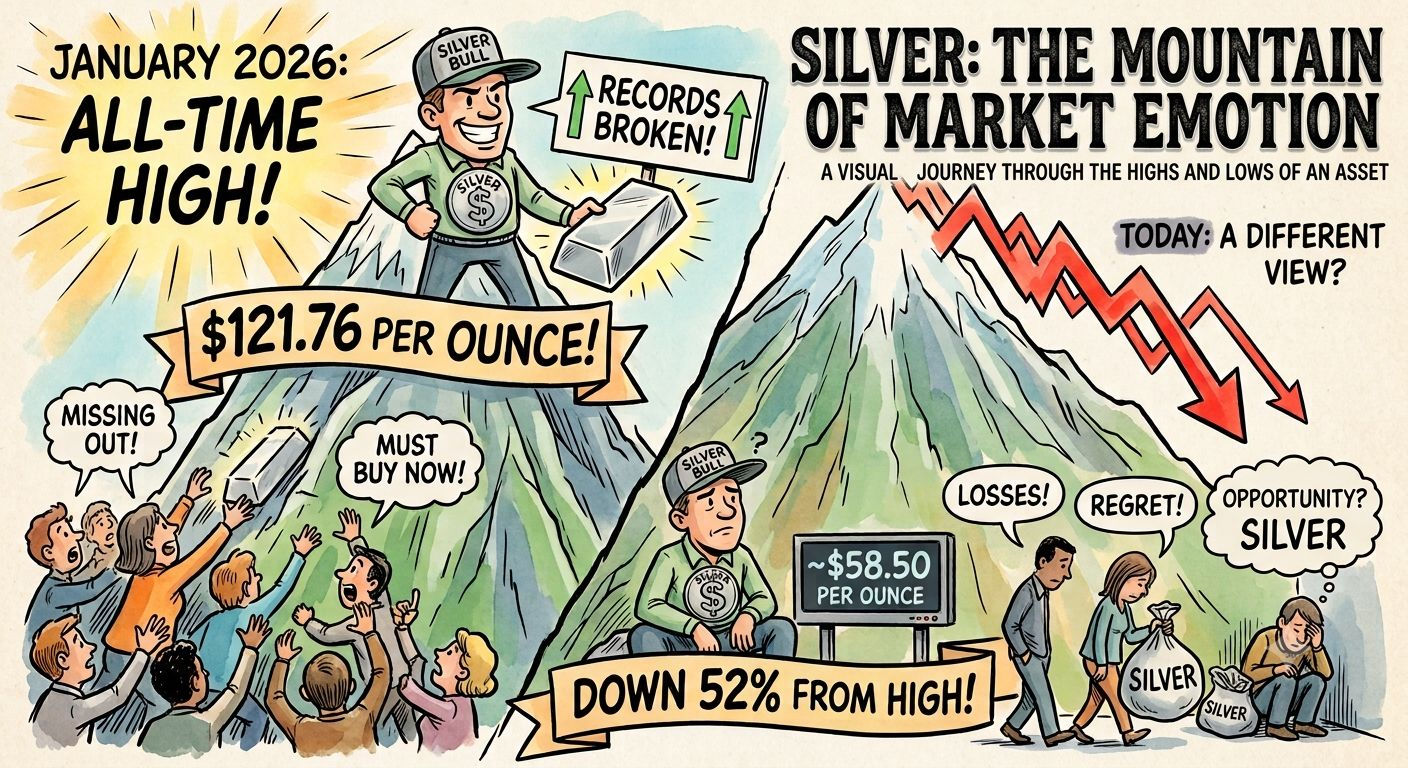
#silverdown52%fromjanuaryrecordhigh
Silver in free fall of 52%... Is this the opportunity everyone is missing?
💥 The price of silver hit its peak point in January 2026: it was worth $121.76. But today, it’s trading around $58.50. In other words, silver has lost more than half of its value. Many people who trade are wondering whether this is a major panic or if it’s the right time to buy silver for the long term.
#PreciousMetalsRally #silver #SilverDown52%FromJanuaryRecordHigh
#BinanceSquare
$XAG $XAUT $EVAA
13
25.3k
·
--
#CouldSpaceX’sOrbitalDataCentersBoostAIChipDemand? Will SpaceX’s orbital data centers send demand for AI chips soaring? 🚀🛰️
On Earth, AI is now hitting a physical wall: a lack of electricity and overloaded cooling networks. By sending its servers into orbit aboard Starship, SpaceX is opening up a new macroeconomic frontier: unlimited solar energy around the clock and free cooling in space.
The direct impact on markets:
Semiconductor supercycle: Giants like NVIDIA and SK Hynix will have to design radiation-hardened chips, creating a new, highly profitable market.
A rush toward decentralized compute: This infrastructure race directly benefits AI cryptos and DePIN, which optimize global computing power, as well as BTC amid the rising value of pure energy.
If Earth’s energy constraints disappear, demand for GPUs could theoretically become infinite.
What do you think: just a futuristic publicity stunt by Elon Musk, or the next major catalyst for tech stocks and AI tokens? Let us know in the comments! 👇
$BTC
{future}(BTCUSDT)
$SPCX
{future}(SPCXUSDT)
$BULLA
{future}(BULLAUSDT)
#CouldSpaceX’sOrbitalDataCentersBoostAIChipDemand? Will SpaceX’s orbital data centers send demand for AI chips soaring? 🚀🛰️
On Earth, AI is now hitting a physical wall: a lack of electricity and overloaded cooling networks. By sending its servers into orbit aboard Starship, SpaceX is opening up a new macroeconomic frontier: unlimited solar energy around the clock and free cooling in space.
The direct impact on markets:
Semiconductor supercycle: Giants like NVIDIA and SK Hynix will have to design radiation-hardened chips, creating a new, highly profitable market.
A rush toward decentralized compute: This infrastructure race directly benefits AI cryptos and DePIN, which optimize global computing power, as well as BTC amid the rising value of pure energy.
If Earth’s energy constraints disappear, demand for GPUs could theoretically become infinite.
What do you think: just a futuristic publicity stunt by Elon Musk, or the next major catalyst for tech stocks and AI tokens? Let us know in the comments! 👇
$BTC
$SPCX
$BULLA

19
·
--
#CouldSpaceX’sOrbitalDataCentersBoostAIChipDemand? 🚨 THE NEXT MACROECONOMIC SHOCK WON’T COME FROM CENTRAL BANKS… BUT FROM SPACE. 🛰️
What if SpaceX’s data centers in orbit became the new engine of global demand for AI chips?
On Earth, the expansion of artificial intelligence is running into two walls: overloaded power grids and server cooling. By moving computing to low Earth orbit using Starship and Starlink, SpaceX could bypass the terrestrial energy crisis while opening up a gigantic market for high-performance semiconductors.
The macroeconomic impact is colossal:
Infrastructure: Explosive demand for radiation-hardened chips, boosting tech giants and AI-related stocks.
Capital: A massive transfer of liquidity into the space economy and decentralized infrastructure.
Crypto & AI: AI and DePIN narratives have historically attracted speculative flows whenever a major Elon Musk breakthrough shakes up the tech world.
The lines between finance, energy, and space are fading before our eyes. 🚀
In your opinion, will this orbital pivot trigger the next supercycle for AI tokens? Let us know in the comments! 👇
$SPCX
{future}(SPCXUSDT)
$BULLA
{future}(BULLAUSDT)
$PIEVERSE
{future}(PIEVERSEUSDT)
#CouldSpaceX’sOrbitalDataCentersBoostAIChipDemand? 🚨 THE NEXT MACROECONOMIC SHOCK WON’T COME FROM CENTRAL BANKS… BUT FROM SPACE. 🛰️
What if SpaceX’s data centers in orbit became the new engine of global demand for AI chips?
On Earth, the expansion of artificial intelligence is running into two walls: overloaded power grids and server cooling. By moving computing to low Earth orbit using Starship and Starlink, SpaceX could bypass the terrestrial energy crisis while opening up a gigantic market for high-performance semiconductors.
The macroeconomic impact is colossal:
Infrastructure: Explosive demand for radiation-hardened chips, boosting tech giants and AI-related stocks.
Capital: A massive transfer of liquidity into the space economy and decentralized infrastructure.
Crypto & AI: AI and DePIN narratives have historically attracted speculative flows whenever a major Elon Musk breakthrough shakes up the tech world.
The lines between finance, energy, and space are fading before our eyes. 🚀
In your opinion, will this orbital pivot trigger the next supercycle for AI tokens? Let us know in the comments! 👇
$SPCX
$BULLA
$PIEVERSE

116
·
--
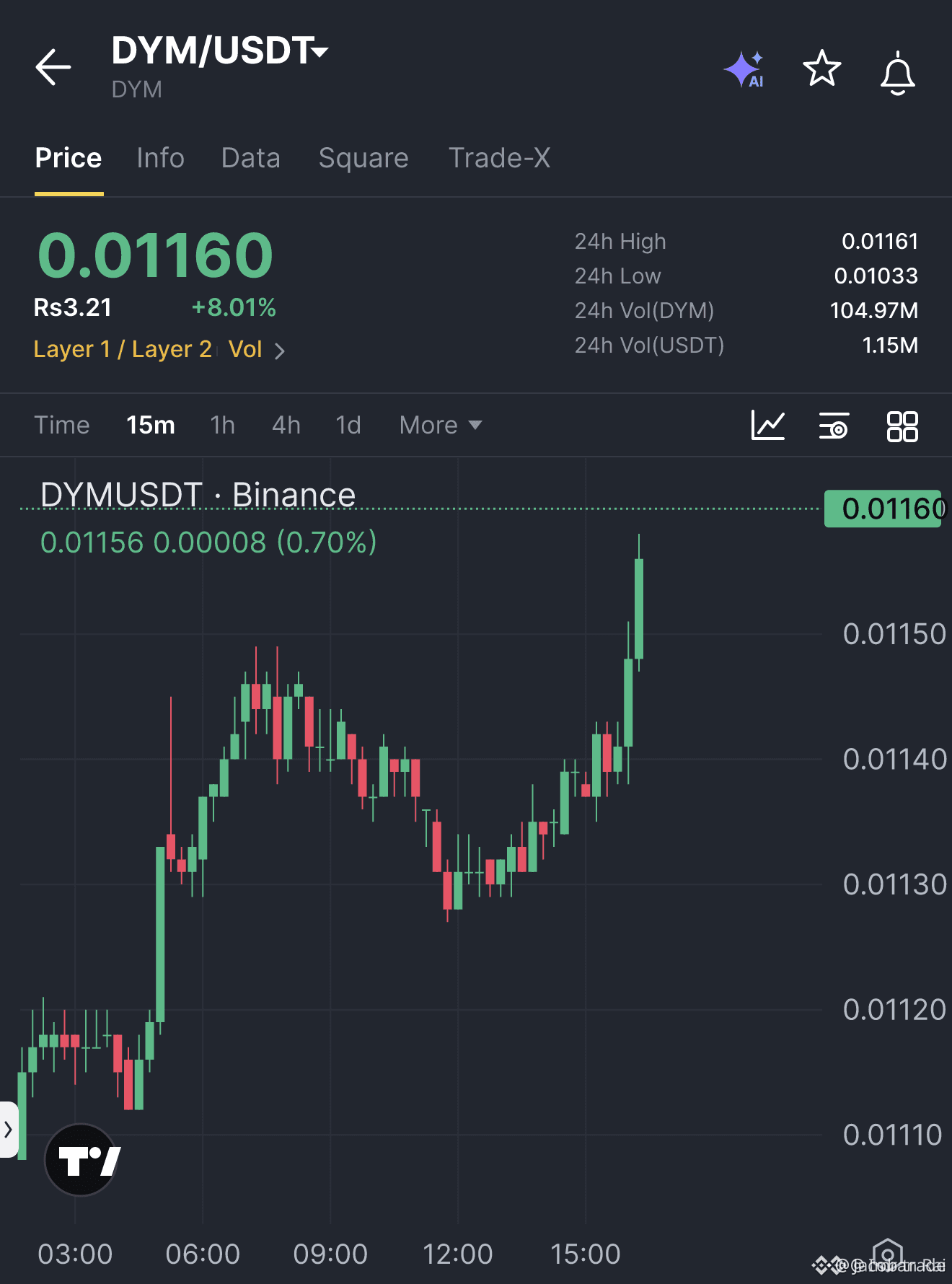
$DYM LONG
{future}(DYMUSDT)
Enter long: 0.0116
SL: 0.01136
TP1: 0.01196 |
TP2: 0.0122 |
TP3: 0.01256
$BULLA
{future}(BULLAUSDT)
$ELSA
{future}(ELSAUSDT)
$DYM LONG
Enter long: 0.0116
SL: 0.01136
TP1: 0.01196 |
TP2: 0.0122 |
TP3: 0.01256
$BULLA
$ELSA
Enter long: 0.0116
SL: 0.01136
TP1: 0.01196 |
TP2: 0.0122 |
TP3: 0.01256
$BULLA
$ELSA
201
·
--
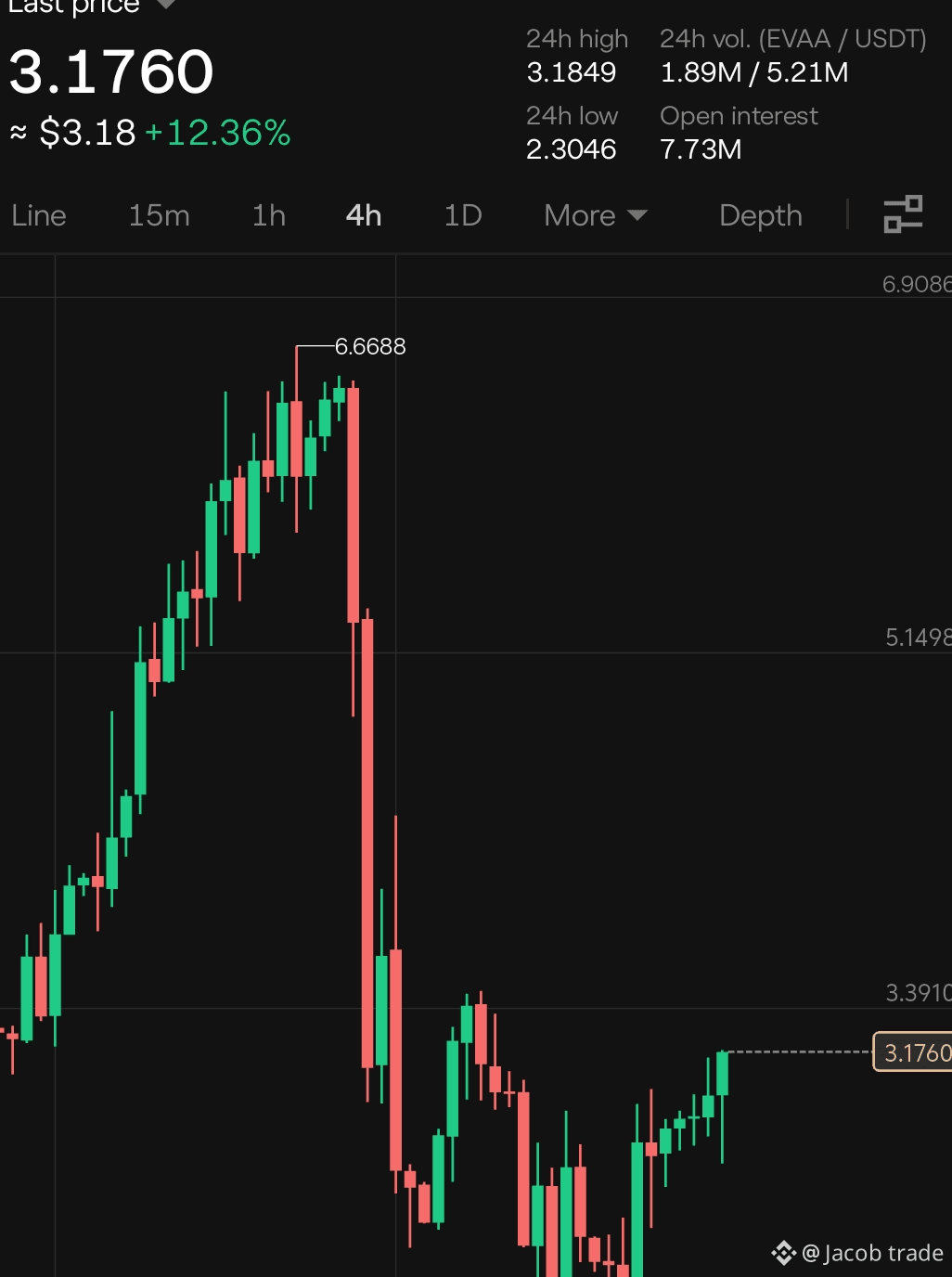
$EVAA LONG
{future}(EVAAUSDT)
Entry zone: 3.090 $ – 3.16
🎯 TP1: 3.27 $
🎯 TP2: 3.45 $
🛑 Stop-loss: 2.70 $
$BULLA
{future}(BULLAUSDT)
$PIEVERSE
{future}(PIEVERSEUSDT)
$EVAA LONG
Entry zone: 3.090 $ – 3.16
🎯 TP1: 3.27 $
🎯 TP2: 3.45 $
🛑 Stop-loss: 2.70 $
$BULLA
$PIEVERSE
Entry zone: 3.090 $ – 3.16
🎯 TP1: 3.27 $
🎯 TP2: 3.45 $
🛑 Stop-loss: 2.70 $
$BULLA
$PIEVERSE
113
·
--
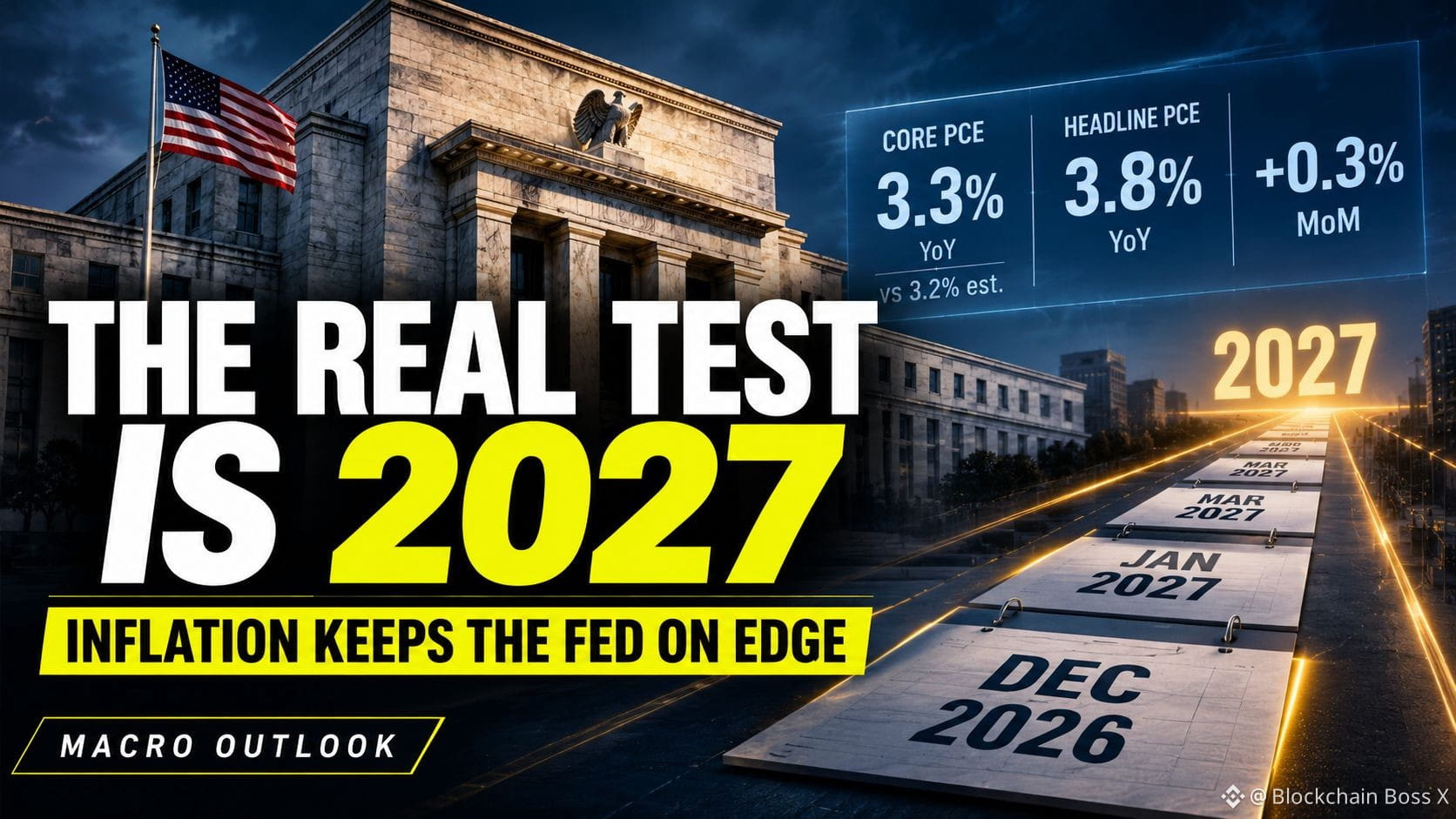
#corepcebeatliftsfedhikeodds
Slightly higher inflation barely changed the odds for December. The real question is 2027
When a decision is already priced in, even a higher-than-expected figure can seem insignificant.
Here are the figures released Wednesday: October’s core PCE index, the Fed’s preferred inflation gauge, rose 3.3% year over year, above the expected 3.2% and up from September’s 3.1%. That is its highest level in nearly three years. Headline PCE reached 3.8%, and both measures rose 0.3% month over month. Core inflation has remained at 3.0% or higher every month this year. Depending on the source and timing, the odds of a quarter-point increase at the December 8–9 meeting are around 94% to 98%, while prediction markets put them at about 92% to 94%. But traders had already priced in the increase before the data was released, so the move was modest. In October, the Fed held its rate at between 3.75% and 4.00%. Analysts say the focus has shifted: the question is no longer whether the Fed will raise rates, but how many more increases could follow in 2027. Both January and March are being discussed.
Why does this matter? An almost-certain increase may not trigger a reaction, while the pace of subsequent increases could move markets. Reports have also noted that new tariff proposals have increased uncertainty and that risk assets, including cryptocurrencies, remain sensitive to changes in interest rates.
When the next decision is already known, does the market react to the decision itself or to the Fed’s guidance on what comes next? 🤔
$PIEVERSE
{future}(PIEVERSEUSDT)
$BULLA
{future}(BULLAUSDT)
$SSV
{future}(SSVUSDT)
#corepcebeatliftsfedhikeodds
Slightly higher inflation barely changed the odds for December. The real question is 2027
When a decision is already priced in, even a higher-than-expected figure can seem insignificant.
Here are the figures released Wednesday: October’s core PCE index, the Fed’s preferred inflation gauge, rose 3.3% year over year, above the expected 3.2% and up from September’s 3.1%. That is its highest level in nearly three years. Headline PCE reached 3.8%, and both measures rose 0.3% month over month. Core inflation has remained at 3.0% or higher every month this year. Depending on the source and timing, the odds of a quarter-point increase at the December 8–9 meeting are around 94% to 98%, while prediction markets put them at about 92% to 94%. But traders had already priced in the increase before the data was released, so the move was modest. In October, the Fed held its rate at between 3.75% and 4.00%. Analysts say the focus has shifted: the question is no longer whether the Fed will raise rates, but how many more increases could follow in 2027. Both January and March are being discussed.
Why does this matter? An almost-certain increase may not trigger a reaction, while the pace of subsequent increases could move markets. Reports have also noted that new tariff proposals have increased uncertainty and that risk assets, including cryptocurrencies, remain sensitive to changes in interest rates.
When the next decision is already known, does the market react to the decision itself or to the Fed’s guidance on what comes next? 🤔
$PIEVERSE
$BULLA
$SSV
152
·
--
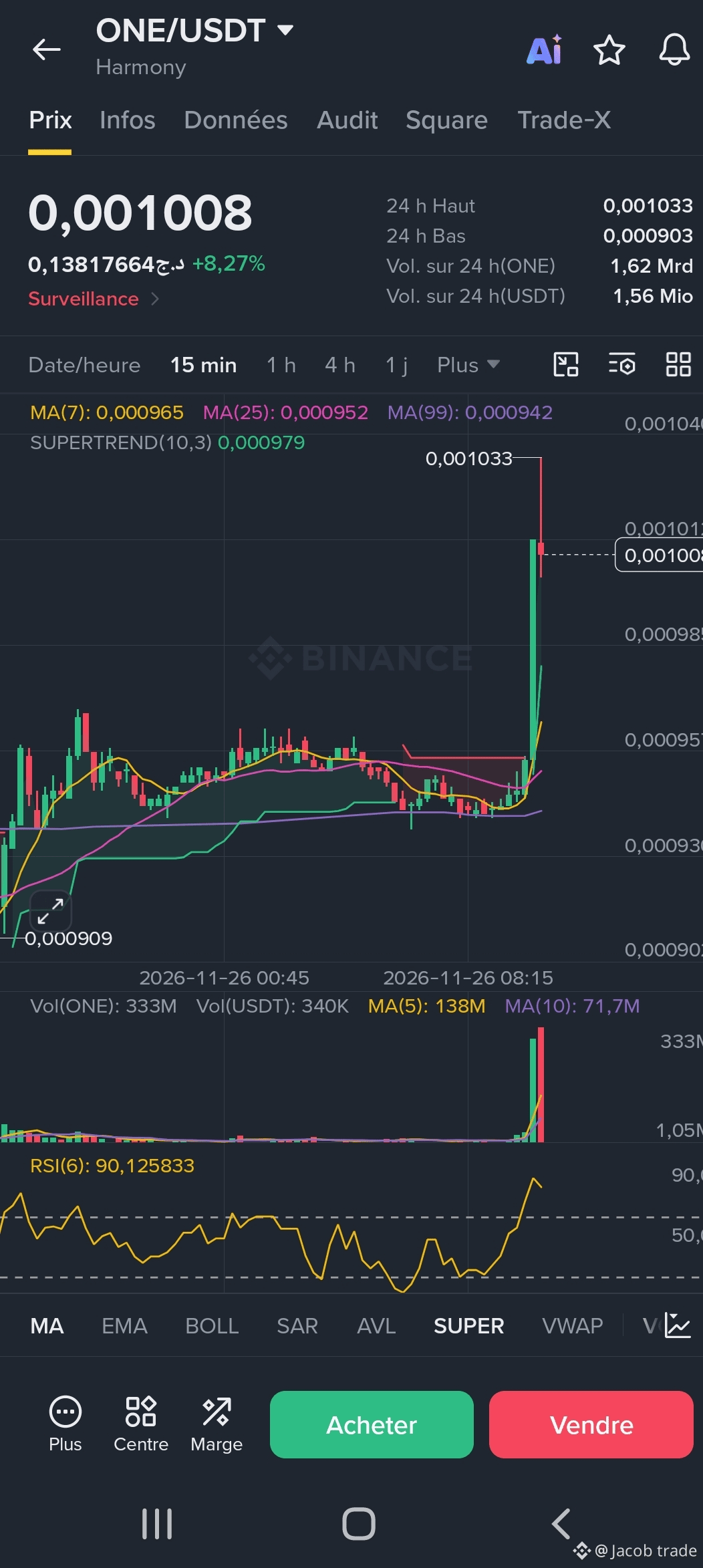
$ONE LONG
{future}(ONEUSDT)
Entry: 0.0009950
Stop-loss: 0.0009253
Target:
TP1: 0.00103480
$SSV
{future}(SSVUSDT)
$BULLA
{future}(BULLAUSDT)
$ONE LONG
Entry: 0.0009950
Stop-loss: 0.0009253
Target:
TP1: 0.00103480
$SSV
$BULLA
Entry: 0.0009950
Stop-loss: 0.0009253
Target:
TP1: 0.00103480
$SSV
$BULLA
102
·
--
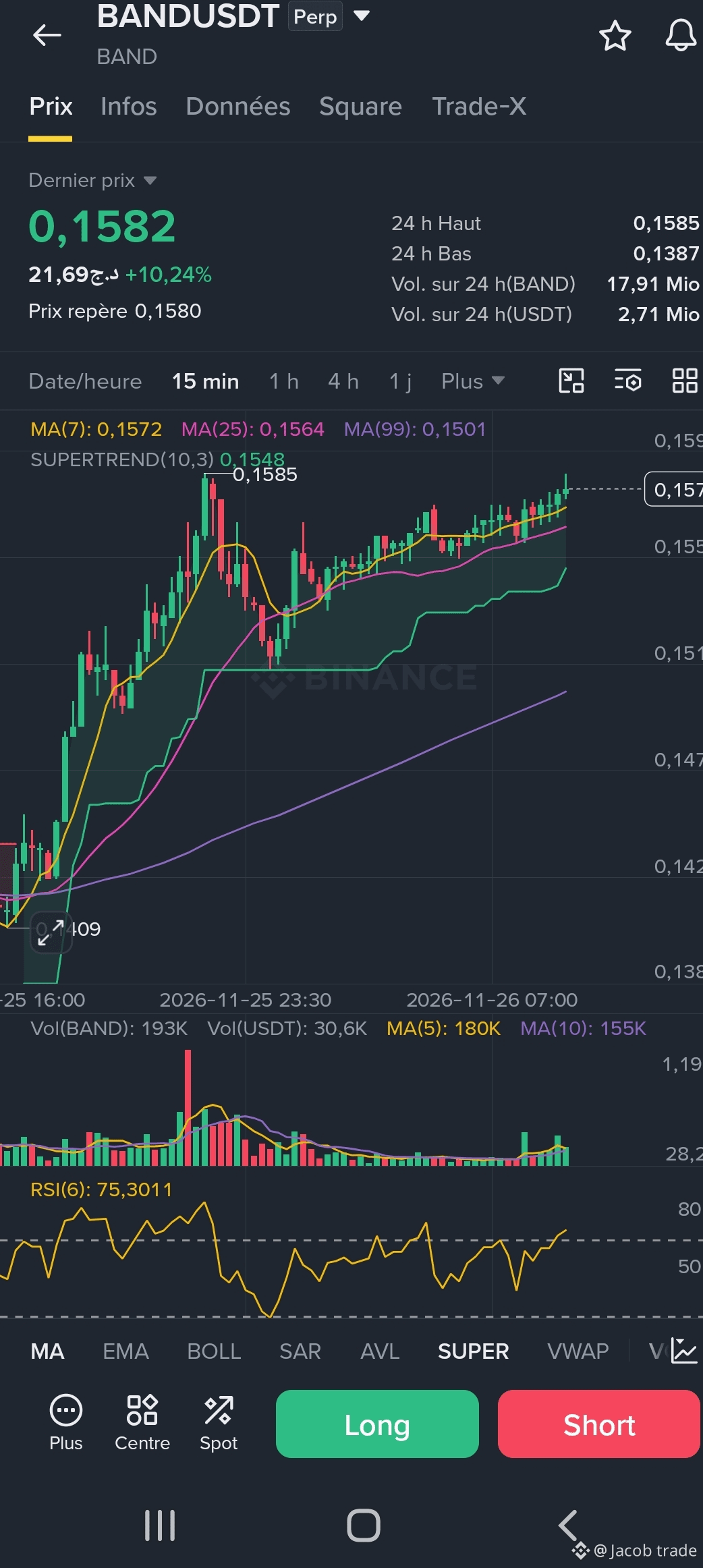
$BAND LONG
{future}(BANDUSDT)
Long entry: 0.1560–0.1585
SL: 0.1530
TP1: 0.1610
TP2: 0.1650
TP3: 0.1700
$EVAA
{future}(EVAAUSDT)
$BULLA
{future}(BULLAUSDT)
$BAND LONG
Long entry: 0.1560–0.1585
SL: 0.1530
TP1: 0.1610
TP2: 0.1650
TP3: 0.1700
$EVAA
$BULLA
Long entry: 0.1560–0.1585
SL: 0.1530
TP1: 0.1610
TP2: 0.1650
TP3: 0.1700
$EVAA
$BULLA
1
82
·
--
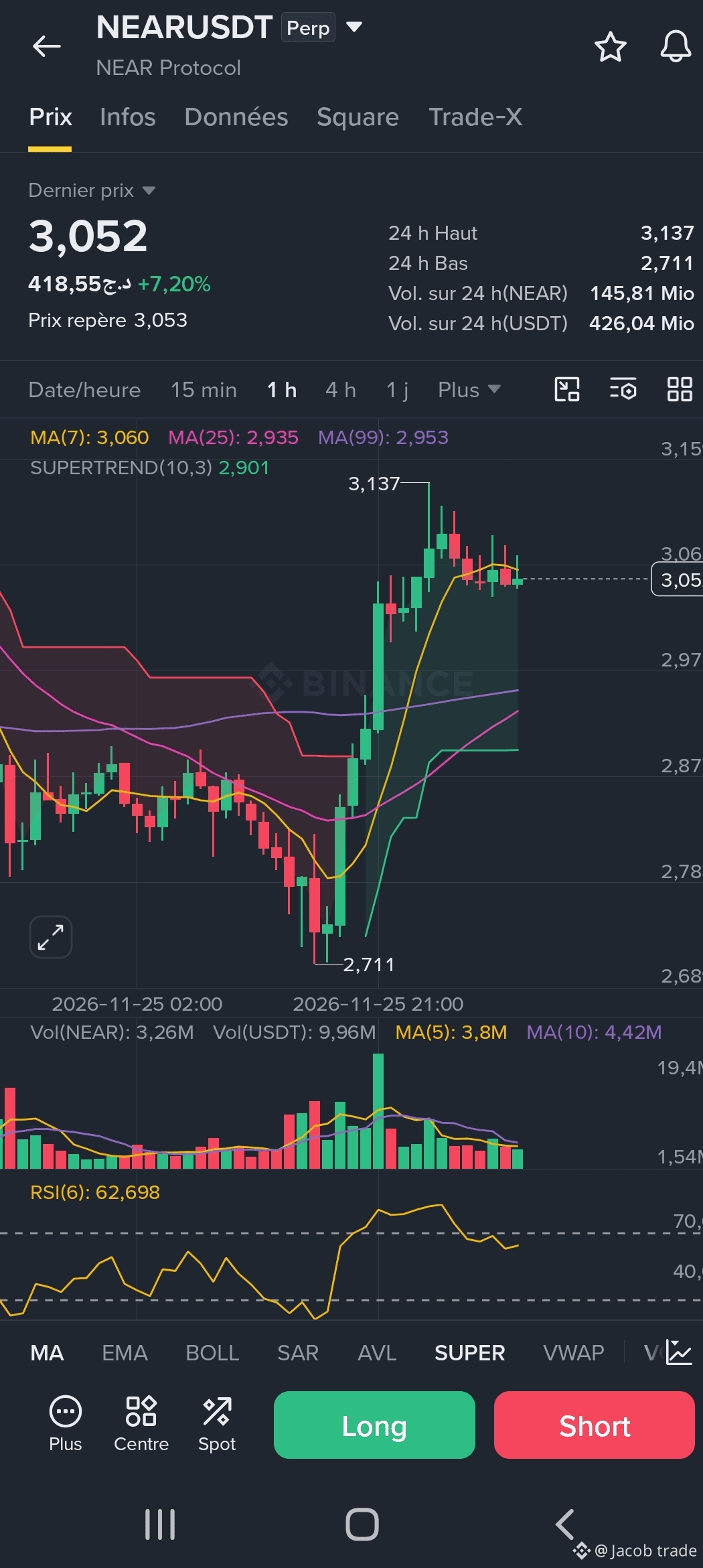
$NEAR LONG
{future}(NEARUSDT)
Entry zone: 3.015 - 3.085
Take profit:
🎯TP1: 3.175
🎯TP2: 3.295
🎯TP3: 3.435
Stop-loss: 2.905
$BULLA
{future}(BULLAUSDT)
$PIEVERSE
{future}(PIEVERSEUSDT)
$NEAR LONG
Entry zone: 3.015 - 3.085
Take profit:
🎯TP1: 3.175
🎯TP2: 3.295
🎯TP3: 3.435
Stop-loss: 2.905
$BULLA
$PIEVERSE
Entry zone: 3.015 - 3.085
Take profit:
🎯TP1: 3.175
🎯TP2: 3.295
🎯TP3: 3.435
Stop-loss: 2.905
$BULLA
$PIEVERSE
97
·
--
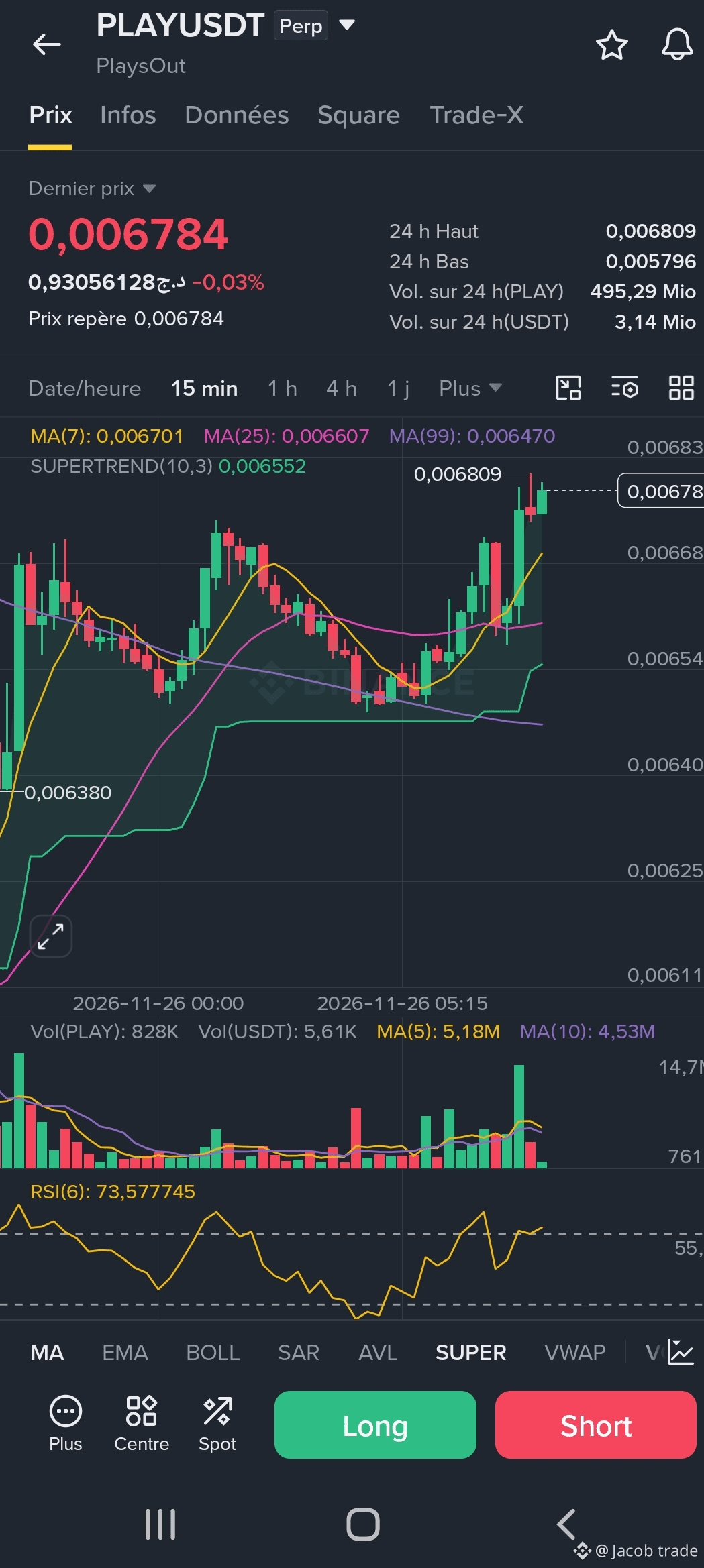
$PLAY LONG
{future}(PLAYUSDT)
Long entry : 0.006758
SL : 0.00657
TP1 : 0.00704 |
TP2 : 0.007228 |
TP3 : 0.00751
$BULLA
{future}(BULLAUSDT)
$PIEVERSE
{future}(PIEVERSEUSDT)
$PLAY LONG
Long entry : 0.006758
SL : 0.00657
TP1 : 0.00704 |
TP2 : 0.007228 |
TP3 : 0.00751
$BULLA
$PIEVERSE
Long entry : 0.006758
SL : 0.00657
TP1 : 0.00704 |
TP2 : 0.007228 |
TP3 : 0.00751
$BULLA
$PIEVERSE
136
·
--
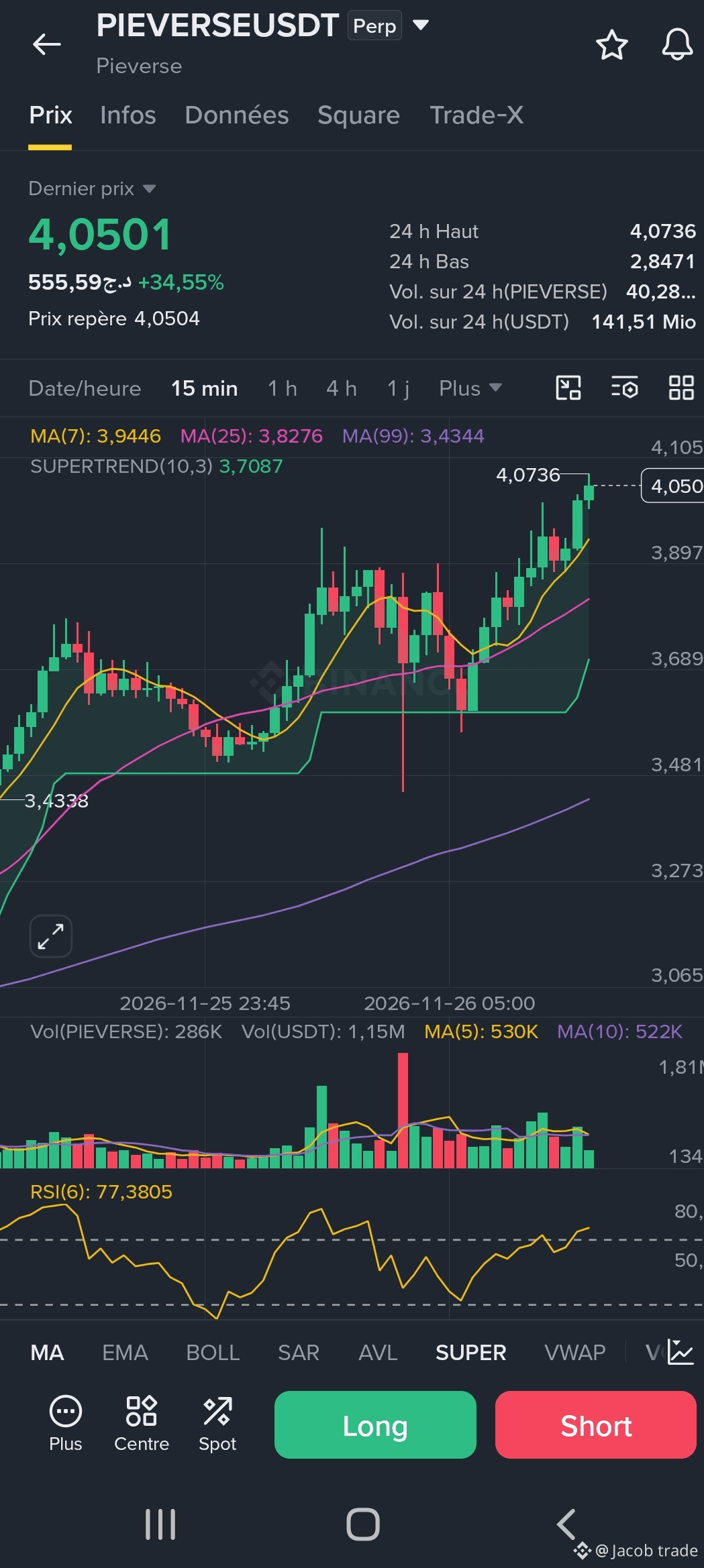
$PIEVERSE LONG
{future}(PIEVERSEUSDT)
Entry zone: 3,97 $ – 4,056 $
TP1: 4,16 $
TP2: 4,27 $
Stop-loss: 3,77 $
$BULLA
{future}(BULLAUSDT)
$EVAA
{future}(EVAAUSDT)
$PIEVERSE LONG
Entry zone: 3,97 $ – 4,056 $
TP1: 4,16 $
TP2: 4,27 $
Stop-loss: 3,77 $
$BULLA
$EVAA
Entry zone: 3,97 $ – 4,056 $
TP1: 4,16 $
TP2: 4,27 $
Stop-loss: 3,77 $
$BULLA
$EVAA
179
·
--
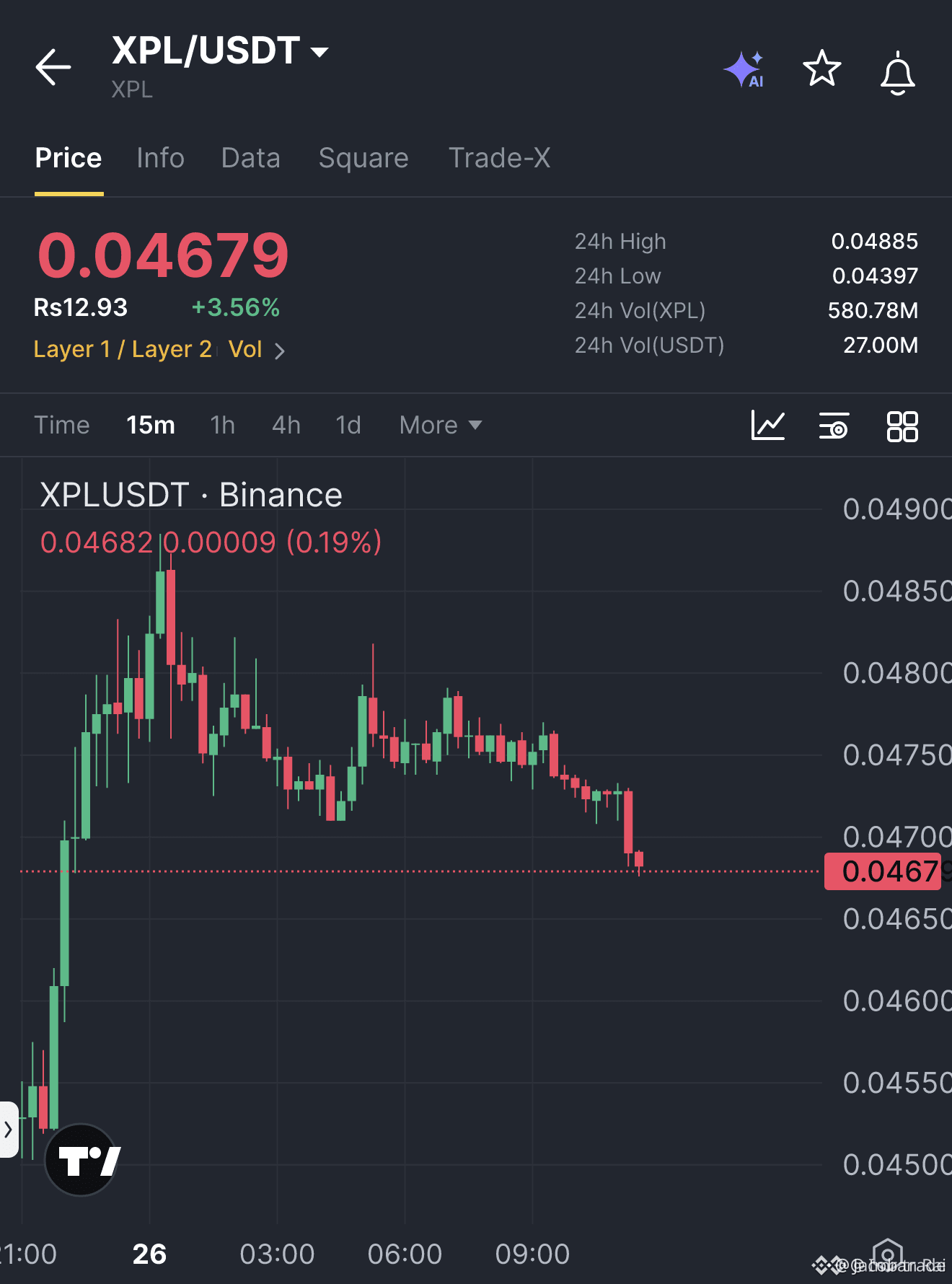
$XPL SHORT
{future}(XPLUSDT)
Enter short: 0.04679
SL: 0.04736
TP1: 0.04593 |
TP2: 0.04536 |
TP3: 0.04451
$EVAA
{future}(EVAAUSDT)
$MANTRA
{future}(MANTRAUSDT)
$XPL SHORT
Enter short: 0.04679
SL: 0.04736
TP1: 0.04593 |
TP2: 0.04536 |
TP3: 0.04451
$EVAA
$MANTRA
Enter short: 0.04679
SL: 0.04736
TP1: 0.04593 |
TP2: 0.04536 |
TP3: 0.04451
$EVAA
$MANTRA
484
·
--
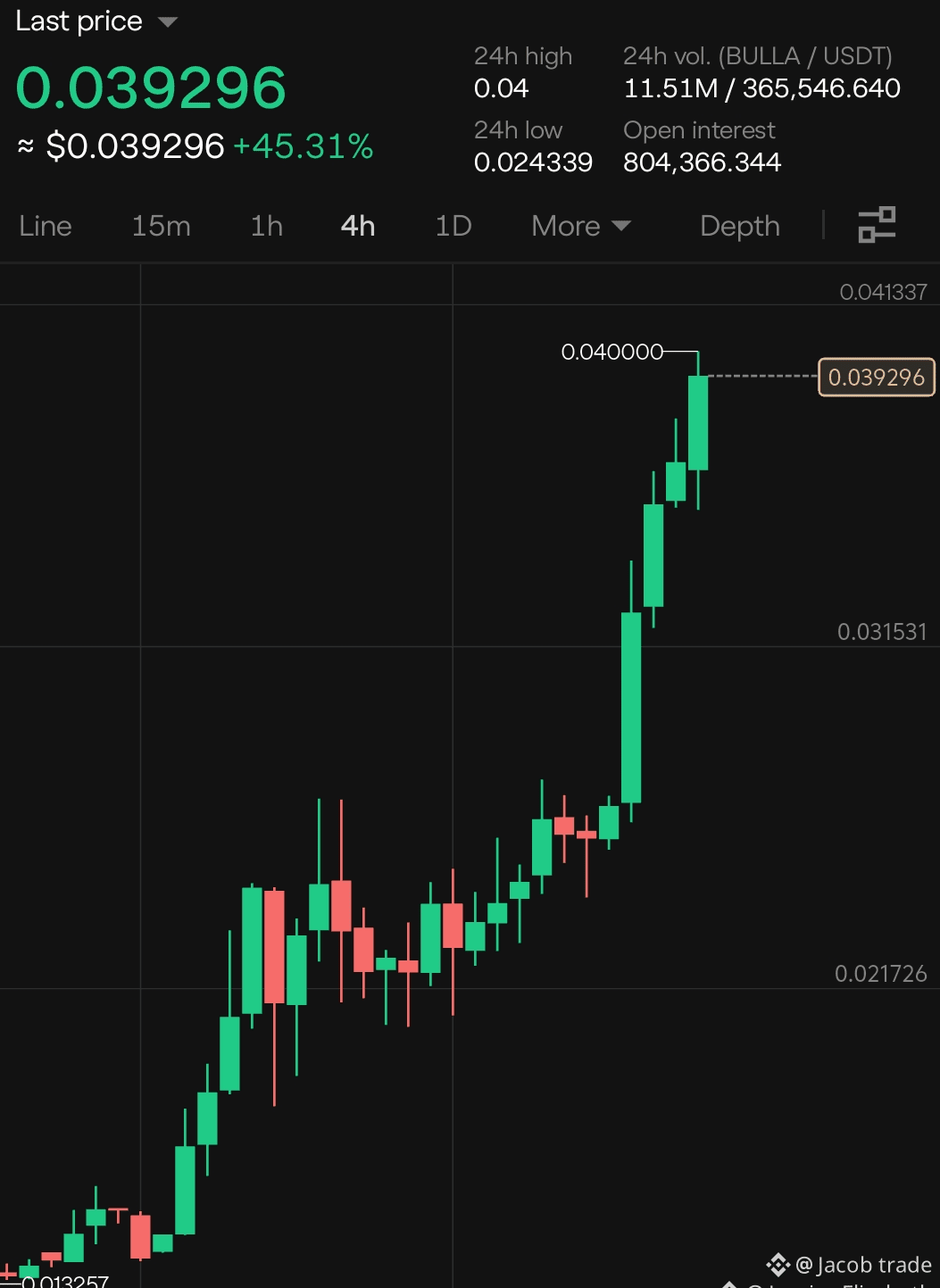
$BULLA LONG
{future}(BULLAUSDT)
Entry : 0.037 — 0.040
Take profit : 0.045
Take profit : 0.051
🛑 Stop-loss : $0.028
$EVAA
{future}(EVAAUSDT)
$PIEVERSE
{future}(PIEVERSEUSDT)
#CanMarketsReboundAfterThanksgiving? #NasdaqFuturesSlideMoreThan3%
$BULLA LONG
Entry : 0.037 — 0.040
Take profit : 0.045
Take profit : 0.051
🛑 Stop-loss : $0.028
$EVAA
$PIEVERSE
#CanMarketsReboundAfterThanksgiving? #NasdaqFuturesSlideMoreThan3%
Entry : 0.037 — 0.040
Take profit : 0.045
Take profit : 0.051
🛑 Stop-loss : $0.028
$EVAA
$PIEVERSE
#CanMarketsReboundAfterThanksgiving? #NasdaqFuturesSlideMoreThan3%
112
·
--
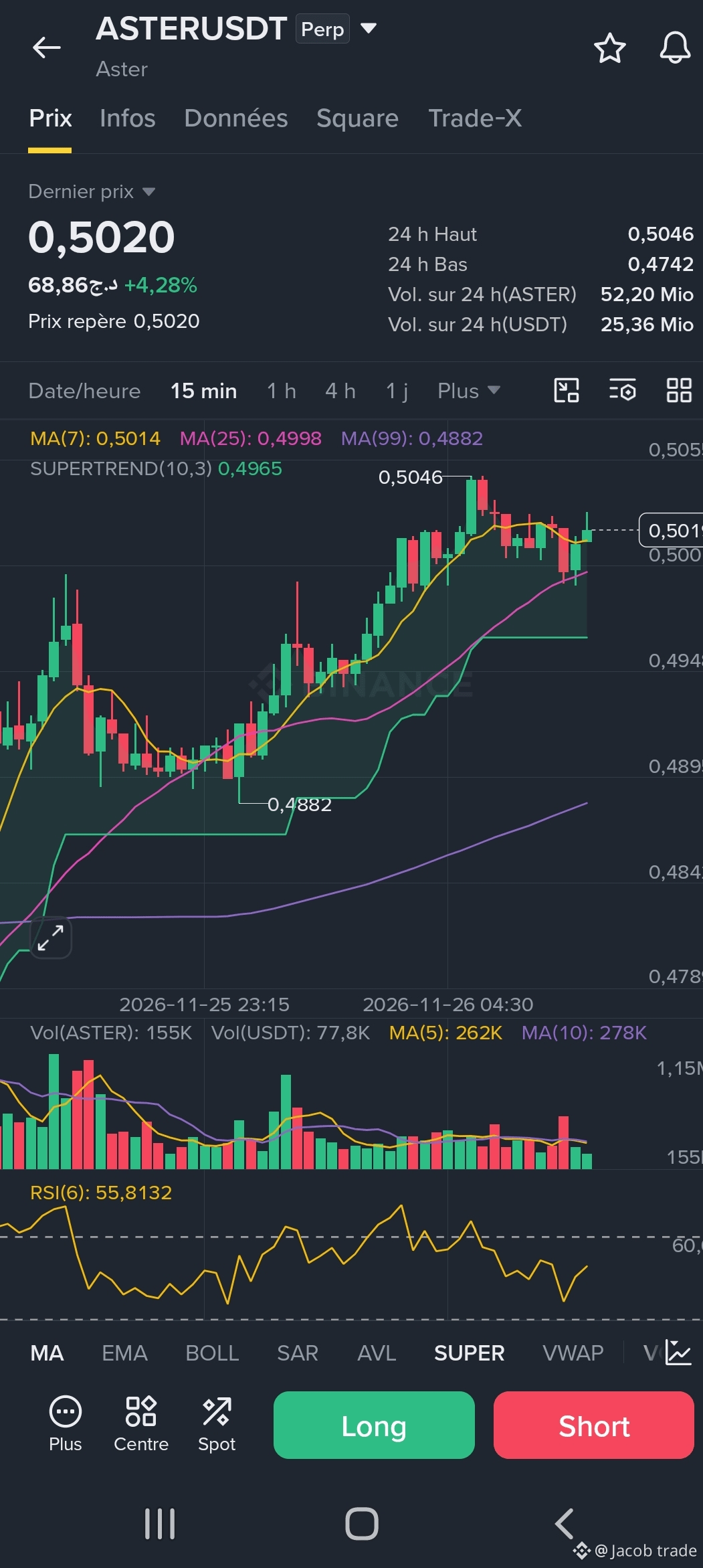
$ASTER LONG
{future}(ASTERUSDT)
Entry: 0.5029
Stop Loss: 0.4677
Target:
TP1: 0.5230
$EVAA
{future}(EVAAUSDT)
$PIEVERSE
{future}(PIEVERSEUSDT)
$ASTER LONG
Entry: 0.5029
Stop Loss: 0.4677
Target:
TP1: 0.5230
$EVAA
$PIEVERSE
Entry: 0.5029
Stop Loss: 0.4677
Target:
TP1: 0.5230
$EVAA
$PIEVERSE
715
·
--
Verified
#corepcebeatliftsfedhikeodds
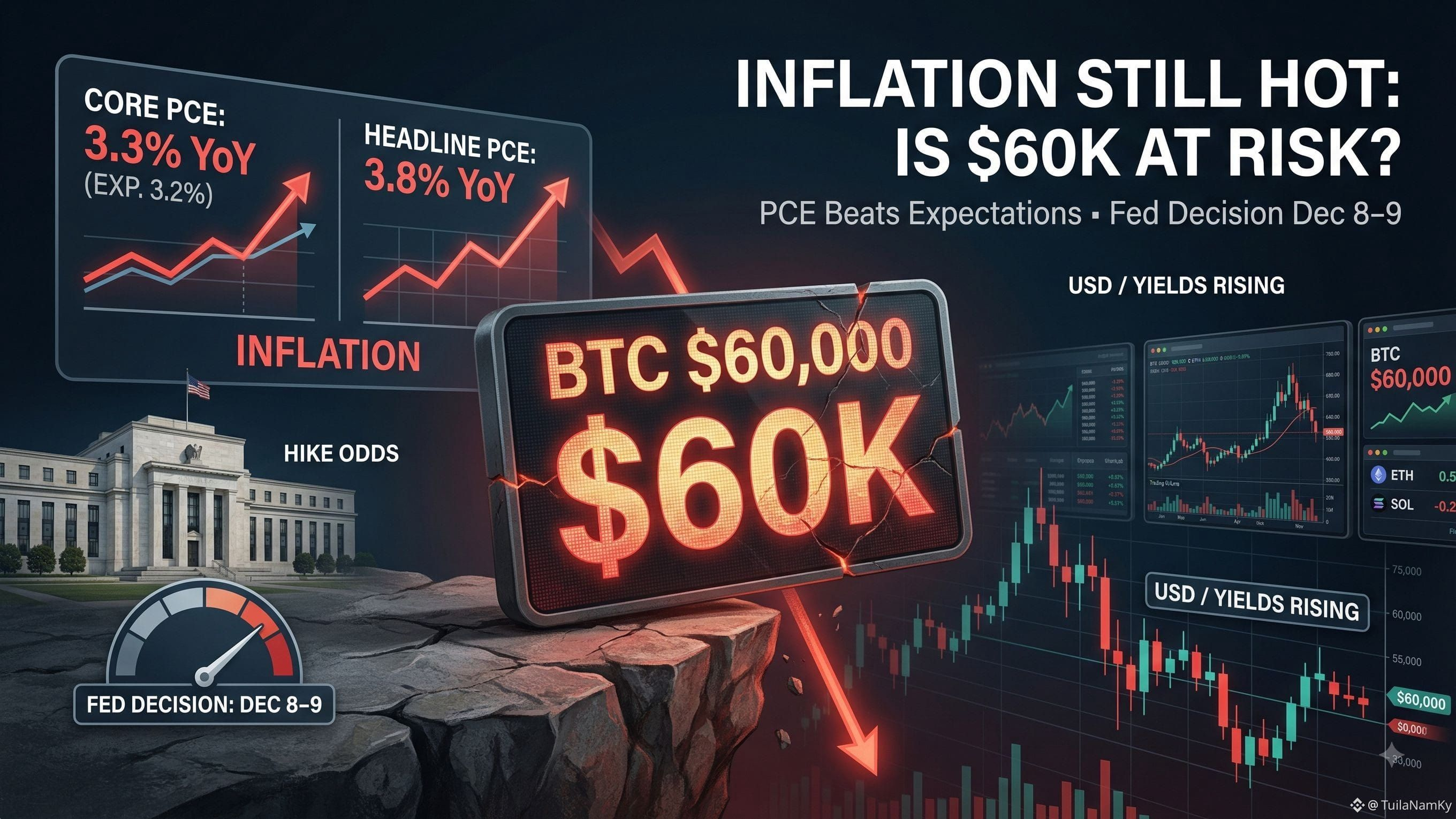
Inflation remains too high. Is $60,000 at risk?
The latest full inflation reading before the Fed meeting has been released, and it does not support an accommodative policy.
Due to the lack of CPI data last year, this PCE report is the last complete inflation indicator FOMC members will have before the December 8–9 meeting.
📊 The numbers:
Core PCE: 3.3% year over year versus 3.2% expected, still well above the Fed’s 2% target. +0.3% month over month.
Headline PCE: 3.8% year over year, up from 3.6% in September. Also +0.3% month over month.
📌 What this means for the Fed:
FOMC, December 8–9: rates remain at 3.75%–4.00%.
Higher-than-expected inflation, combined with inflation risks linked to new U.S. tariff plans, strengthens expectations of another 25-basis-point hike.
📉 What this means for crypto:
BTC is still hovering around $60,000.
Rising yields and a strengthening U.S. dollar are reducing global liquidity.
Risk assets and altcoins tend to feel this pressure first.
Square Analysis:
Don’t take a position against macro liquidity when yields are rising. Bounces in a low-liquidity environment can quickly be sold off.
Reduce leverage, protect your capital, and wait for a clear price reaction around key support levels before committing.
Do you think $60,000 will hold until the December 9 decision, or will a more hawkish Fed trigger another downward repricing?
$BTC
{future}(BTCUSDT)
$EVAA
{future}(EVAAUSDT)
$BULLA
{future}(BULLAUSDT)
#corepcebeatliftsfedhikeodds
Inflation remains too high. Is $60,000 at risk?
The latest full inflation reading before the Fed meeting has been released, and it does not support an accommodative policy.
Due to the lack of CPI data last year, this PCE report is the last complete inflation indicator FOMC members will have before the December 8–9 meeting.
📊 The numbers:
Core PCE: 3.3% year over year versus 3.2% expected, still well above the Fed’s 2% target. +0.3% month over month.
Headline PCE: 3.8% year over year, up from 3.6% in September. Also +0.3% month over month.
📌 What this means for the Fed:
FOMC, December 8–9: rates remain at 3.75%–4.00%.
Higher-than-expected inflation, combined with inflation risks linked to new U.S. tariff plans, strengthens expectations of another 25-basis-point hike.
📉 What this means for crypto:
BTC is still hovering around $60,000.
Rising yields and a strengthening U.S. dollar are reducing global liquidity.
Risk assets and altcoins tend to feel this pressure first.
Square Analysis:
Don’t take a position against macro liquidity when yields are rising. Bounces in a low-liquidity environment can quickly be sold off.
Reduce leverage, protect your capital, and wait for a clear price reaction around key support levels before committing.
Do you think $60,000 will hold until the December 9 decision, or will a more hawkish Fed trigger another downward repricing?
$BTC
$EVAA
$BULLA
562
·
--
#couldspacex’sorbitaldatacentersboostaichipdemand?
ELON IS SENDING DATA CENTERS INTO SPACE: WILL AI CHIPS EXPLODE? 🚀
The FCC has just authorized SpaceX to launch 1 million “Starmind” satellites to turn them into dedicated AI data centers in space! In practical terms, Elon wants to harness free solar energy in orbit to power AI, without having to worry about electricity costs or machines overheating on the ground.
1 million satellites means millions of specialized radiation-resistant AI chips will be needed. Chips are already scarce; with this additional “space order” (even if the timeline stretches to 2033–2038), the AI and computing infrastructure boom is sure to stay hot for a long time!
What should traders do? Don’t rush into FOMO toward Mars: keep a close eye on capital flows into AI and DePIN.
This is not financial advice
$SPCX
{future}(SPCXUSDT)
$EVAA
{future}(EVAAUSDT)
$SSV
{future}(SSVUSDT)
#couldspacex’sorbitaldatacentersboostaichipdemand?
ELON IS SENDING DATA CENTERS INTO SPACE: WILL AI CHIPS EXPLODE? 🚀
The FCC has just authorized SpaceX to launch 1 million “Starmind” satellites to turn them into dedicated AI data centers in space! In practical terms, Elon wants to harness free solar energy in orbit to power AI, without having to worry about electricity costs or machines overheating on the ground.
1 million satellites means millions of specialized radiation-resistant AI chips will be needed. Chips are already scarce; with this additional “space order” (even if the timeline stretches to 2033–2038), the AI and computing infrastructure boom is sure to stay hot for a long time!
What should traders do? Don’t rush into FOMO toward Mars: keep a close eye on capital flows into AI and DePIN.
This is not financial advice
$SPCX
$EVAA
$SSV

1
231
·
--
#canmarketsreboundafterthanksgiving?
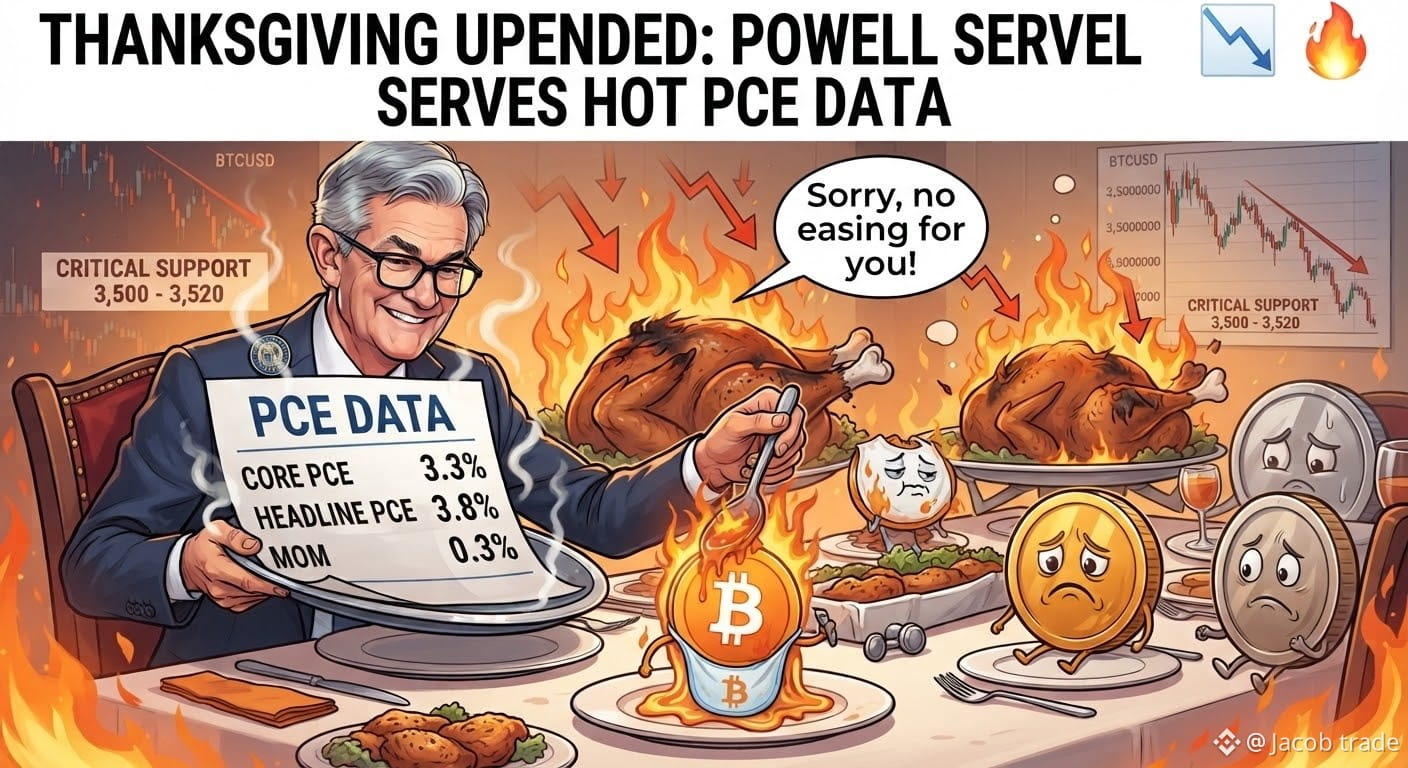
U.S. markets are closed for Thanksgiving and will close early on Friday, reducing liquidity just as traders wonder whether a genuine rebound is taking shape or whether the holiday green candles are just a trap.
Here’s what is currently pulling the market in opposite directions:
Macro and rate pressures: October core PCE inflation came in at 3.3% year over year, keeping expectations of a Fed rate hike in December alive, even as Q3 GDP growth was revised upward to an annualized rate of 4.3% and weekly jobless claims came in at 189,000, amid renewed tariff pressures.
Stocks and the AI pullback: stocks are moving in fits and starts, with AI-related names under pressure. Traders are wondering whether the pullback is finding a floor or whether a deeper revaluation is in store.
Crypto and liquidity: thin holiday volumes can trigger sharp false signals. BTC is hovering around the $60,000 to $61,000 range, sentiment is at extreme fear, and outflows from spot BTC ETFs are weighing on momentum unless volumes and flows pick up again.
Watch how Friday’s early close and Monday’s open unfold: is this the start of a post-Thanksgiving rebound, or simply a holiday-thin-liquidity trap before another drop?
$BTC
{future}(BTCUSDT)
$EVAA
{future}(EVAAUSDT)
$PIEVERSE
{future}(PIEVERSEUSDT)
#canmarketsreboundafterthanksgiving?
U.S. markets are closed for Thanksgiving and will close early on Friday, reducing liquidity just as traders wonder whether a genuine rebound is taking shape or whether the holiday green candles are just a trap.
Here’s what is currently pulling the market in opposite directions:
Macro and rate pressures: October core PCE inflation came in at 3.3% year over year, keeping expectations of a Fed rate hike in December alive, even as Q3 GDP growth was revised upward to an annualized rate of 4.3% and weekly jobless claims came in at 189,000, amid renewed tariff pressures.
Stocks and the AI pullback: stocks are moving in fits and starts, with AI-related names under pressure. Traders are wondering whether the pullback is finding a floor or whether a deeper revaluation is in store.
Crypto and liquidity: thin holiday volumes can trigger sharp false signals. BTC is hovering around the $60,000 to $61,000 range, sentiment is at extreme fear, and outflows from spot BTC ETFs are weighing on momentum unless volumes and flows pick up again.
Watch how Friday’s early close and Monday’s open unfold: is this the start of a post-Thanksgiving rebound, or simply a holiday-thin-liquidity trap before another drop?
$BTC
$EVAA
$PIEVERSE
383
·
--
🚨 INFLATION IS HIGHER THAN EXPECTED. BTC FALLS BELOW $58,000
#corepcebeatliftsfedhikeodds
As a result, the odds of a Fed rate hike on December 9 are now around 94%. Bitcoin has fallen more than 3%, to about $58,200.
What could this mean for BTC?
Higher rates = money becomes more expensive. People move away from risky assets first, and right now, Bitcoin is trading like a risky tech stock.
The good news, if there is any: the hike is now almost entirely priced in. Sometimes the market falls before the announcement, then calms down afterward.
The bad news: if they start talking about another hike in January, or a bigger hike, the pressure will continue.
I said $50,000 was back in play. Today’s data hasn’t changed my mind. The level to watch is $55,000.
Buy the fear or wait? Do your own research!
$BTC
{future}(BTCUSDT)
$MANTRA
{future}(MANTRAUSDT)
$MMT
{future}(MMTUSDT)
🚨 INFLATION IS HIGHER THAN EXPECTED. BTC FALLS BELOW $58,000
#corepcebeatliftsfedhikeodds
As a result, the odds of a Fed rate hike on December 9 are now around 94%. Bitcoin has fallen more than 3%, to about $58,200.
What could this mean for BTC?
Higher rates = money becomes more expensive. People move away from risky assets first, and right now, Bitcoin is trading like a risky tech stock.
The good news, if there is any: the hike is now almost entirely priced in. Sometimes the market falls before the announcement, then calms down afterward.
The bad news: if they start talking about another hike in January, or a bigger hike, the pressure will continue.
I said $50,000 was back in play. Today’s data hasn’t changed my mind. The level to watch is $55,000.
Buy the fear or wait? Do your own research!
$BTC
$MANTRA
$MMT

338
·
--
#USOctoberPCEPriceIndexAt0.3%MoM
🇺🇸 October U.S. PCE inflation: up 0.3% – What does this mean for crypto?
📊 A key indicator of U.S. inflation is drawing attention as crypto markets watch for the Federal Reserve’s next decision.
📰 Top story
The U.S. Personal Consumption Expenditures (PCE) price index rose 0.3% in October 2026 compared with the previous month, according to the latest report from the Bureau of Economic Analysis.
Key figures:
- 📈 Headline PCE (monthly): +0.3%
- 📈 Core PCE (monthly): +0.3%
- 📊 Headline PCE (year over year): +3.8%
- 📊 Core PCE (year over year): +3.3%
Annual inflation rose compared with September, signaling that price pressures remain a concern.
📉 Market impact analysis
The PCE report could influence expectations about the Federal Reserve’s interest rate decisions.
Possible consequences for crypto:
🔹 Bitcoin (BTC): could experience volatility as traders reassess their expectations for monetary policy.
🔹 Ethereum (ETH): could react to changes in market liquidity and overall risk sentiment.
🔹 Altcoins: could face additional pressure if expectations of tighter monetary policy strengthen.
🔹 U.S. dollar: persistent inflation could reinforce expectations of higher interest rates, potentially affecting risk assets.
⚠️ The key question is whether inflation will continue to rise or begin moving closer to the Fed’s 2% target.
💬 Join the discussion
Do you think persistent U.S. inflation will increase pressure on Bitcoin and the broader crypto market, or has the market already priced in these expectations?
$MANTRA
{future}(MANTRAUSDT)
#USOctoberPCEPriceIndexAt0.3%MoM
🇺🇸 October U.S. PCE inflation: up 0.3% – What does this mean for crypto?
📊 A key indicator of U.S. inflation is drawing attention as crypto markets watch for the Federal Reserve’s next decision.
📰 Top story
The U.S. Personal Consumption Expenditures (PCE) price index rose 0.3% in October 2026 compared with the previous month, according to the latest report from the Bureau of Economic Analysis.
Key figures:
- 📈 Headline PCE (monthly): +0.3%
- 📈 Core PCE (monthly): +0.3%
- 📊 Headline PCE (year over year): +3.8%
- 📊 Core PCE (year over year): +3.3%
Annual inflation rose compared with September, signaling that price pressures remain a concern.
📉 Market impact analysis
The PCE report could influence expectations about the Federal Reserve’s interest rate decisions.
Possible consequences for crypto:
🔹 Bitcoin (BTC): could experience volatility as traders reassess their expectations for monetary policy.
🔹 Ethereum (ETH): could react to changes in market liquidity and overall risk sentiment.
🔹 Altcoins: could face additional pressure if expectations of tighter monetary policy strengthen.
🔹 U.S. dollar: persistent inflation could reinforce expectations of higher interest rates, potentially affecting risk assets.
⚠️ The key question is whether inflation will continue to rise or begin moving closer to the Fed’s 2% target.
💬 Join the discussion
Do you think persistent U.S. inflation will increase pressure on Bitcoin and the broader crypto market, or has the market already priced in these expectations?
$MANTRA

1
225
Log in to explore more content
Join global crypto users on Binance Square
⚡️ Get latest and useful information about crypto.
💬 Trusted by the world’s largest crypto exchange.
👍 Discover real insights from verified creators.
Email / Phone number
Trending Topics
CanMarketsReboundAfterThanksgiving?
66,183 views
988 Discussing
Rate-Hike Bets Linger as US Markets Head Into Thanksgiving Closure
Binance News
·3 Likes
·2.7k views
CouldSpaceX’sOrbitalDataCentersBoostAIChipDemand?
34,716 views
615 Discussing
EvolveAtBinanceBlockchainWeek
715,658 views
8,358 Discussing