#corepcebeatliftsfedhikeodds
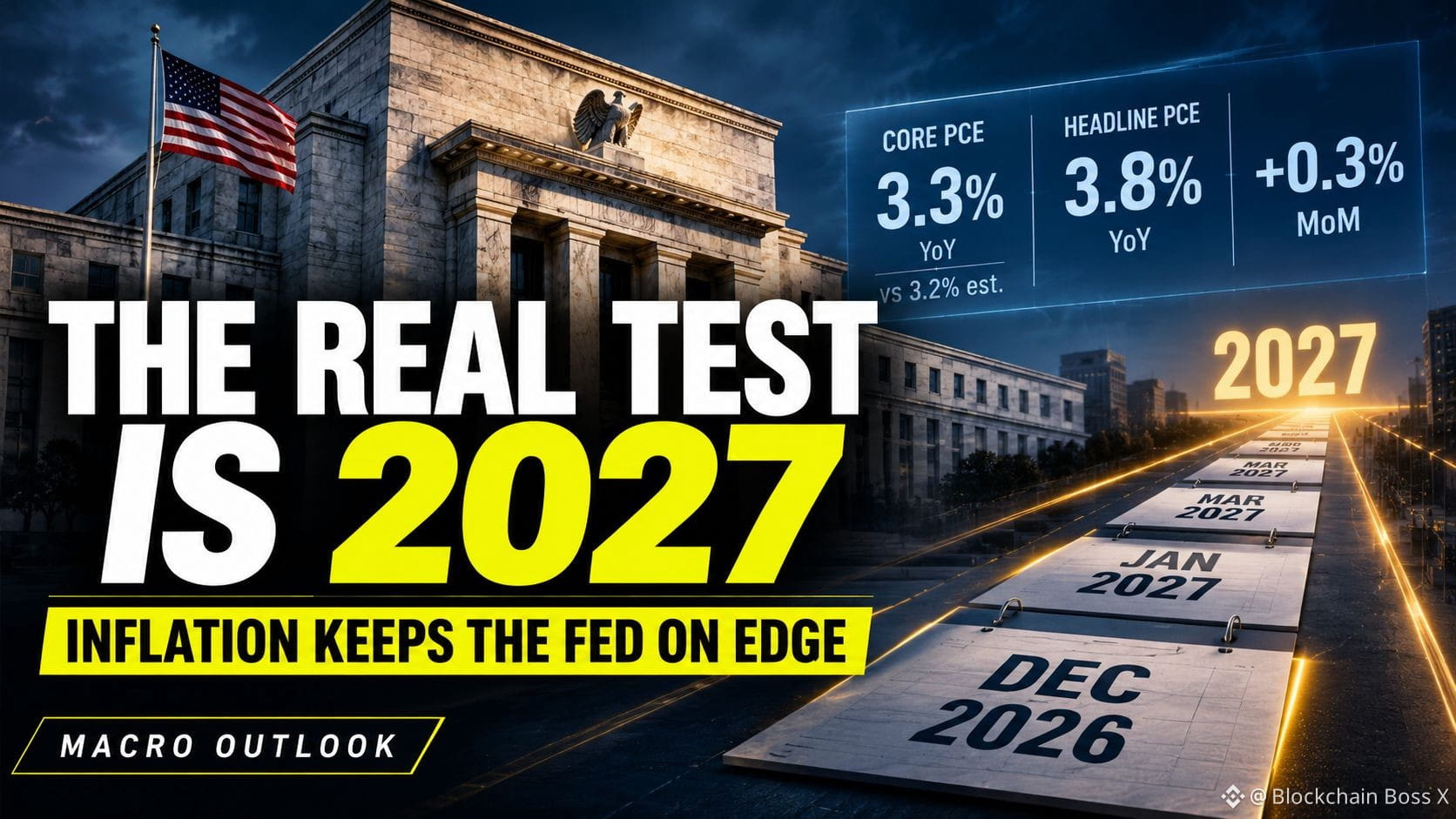
Slightly higher inflation barely changed the odds for December. The real question is 2027
When a decision is already priced in, even a higher-than-expected figure can seem insignificant.
Here are the figures released Wednesday: October’s core PCE index, the Fed’s preferred inflation gauge, rose 3.3% year over year, above the expected 3.2% and up from September’s 3.1%. That is its highest level in nearly three years. Headline PCE reached 3.8%, and both measures rose 0.3% month over month. Core inflation has remained at 3.0% or higher every month this year. Depending on the source and timing, the odds of a quarter-point increase at the December 8–9 meeting are around 94% to 98%, while prediction markets put them at about 92% to 94%. But traders had already priced in the increase before the data was released, so the move was modest. In October, the Fed held its rate at between 3.75% and 4.00%. Analysts say the focus has shifted: the question is no longer whether the Fed will raise rates, but how many more increases could follow in 2027. Both January and March are being discussed.
Why does this matter? An almost-certain increase may not trigger a reaction, while the pace of subsequent increases could move markets. Reports have also noted that new tariff proposals have increased uncertainty and that risk assets, including cryptocurrencies, remain sensitive to changes in interest rates.
When the next decision is already known, does the market react to the decision itself or to the Fed’s guidance on what comes next? 🤔
$PIEVERSE
$BULLA
$SSV