


Fear, overconfidence, FOMO, and the urge to recover losses can undermine even the most carefully structured strategies. Understanding your own behavior is a fundamental part of building consistency in the financial markets.
1. The adversary that doesn't appear on the chart
A trader may master technical analysis, understand economic fundamentals, know the indicators, and have a strategy with clearly defined entry, exit, and risk management criteria. Even so, their results can be undermined by a factor that doesn't appear on any trading platform: their own behavior.
A trader’s psychology is a fundamental dimension of activity in the financial markets. It influences how each individual interprets information, assesses risk, responds to losses, and makes decisions under pressure.
The problem is not feeling fear, anxiety, confidence, or enthusiasm. These emotions are part of the human experience. The difficulty arises when they start driving decisions that should follow criteria established in advance.
The market is constantly uncertain. Traders need to develop ways to deal with that uncertainty without turning every price move into an emotional reaction.
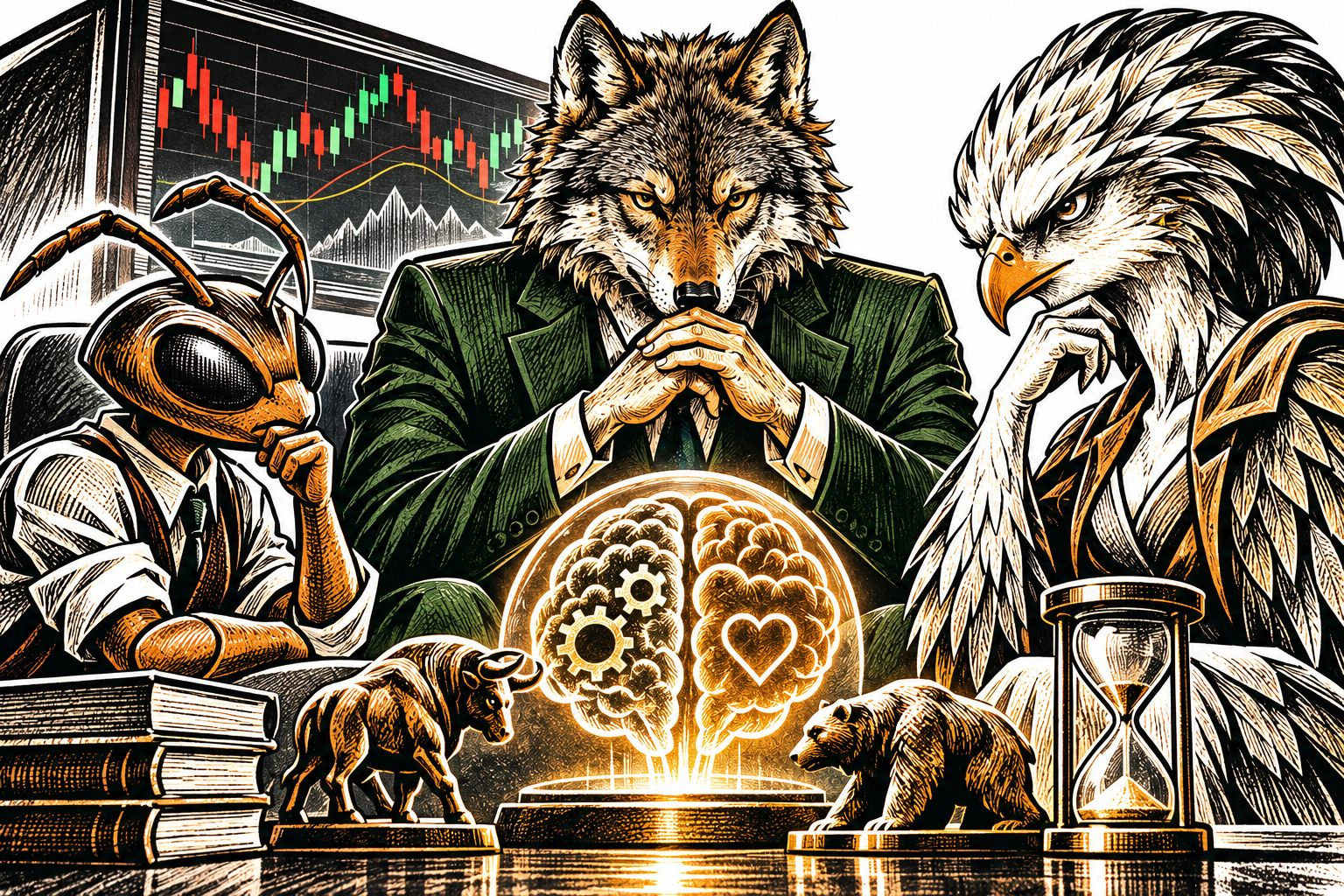
2. Loss aversion: when admitting a mistake becomes more difficult
One of the most extensively studied psychological mechanisms in behavioral finance is loss aversion. In certain circumstances, the pain associated with a financial loss tends to feel psychologically more intense than the satisfaction from an equivalent gain.
In practice, this can lead to harmful behavior. A trader holds on to a losing position because they cannot accept acknowledging the loss, moves their exit limit farther away, or increases exposure in the belief that the market will return to its starting point.
The problem is that the position is no longer managed based on the market scenario; it is being held because of the emotional need to avoid losing.
Discipline requires understanding that a loss anticipated in a trading plan is not necessarily an operational failure. Often, closing a position at the established limit means executing the method correctly.
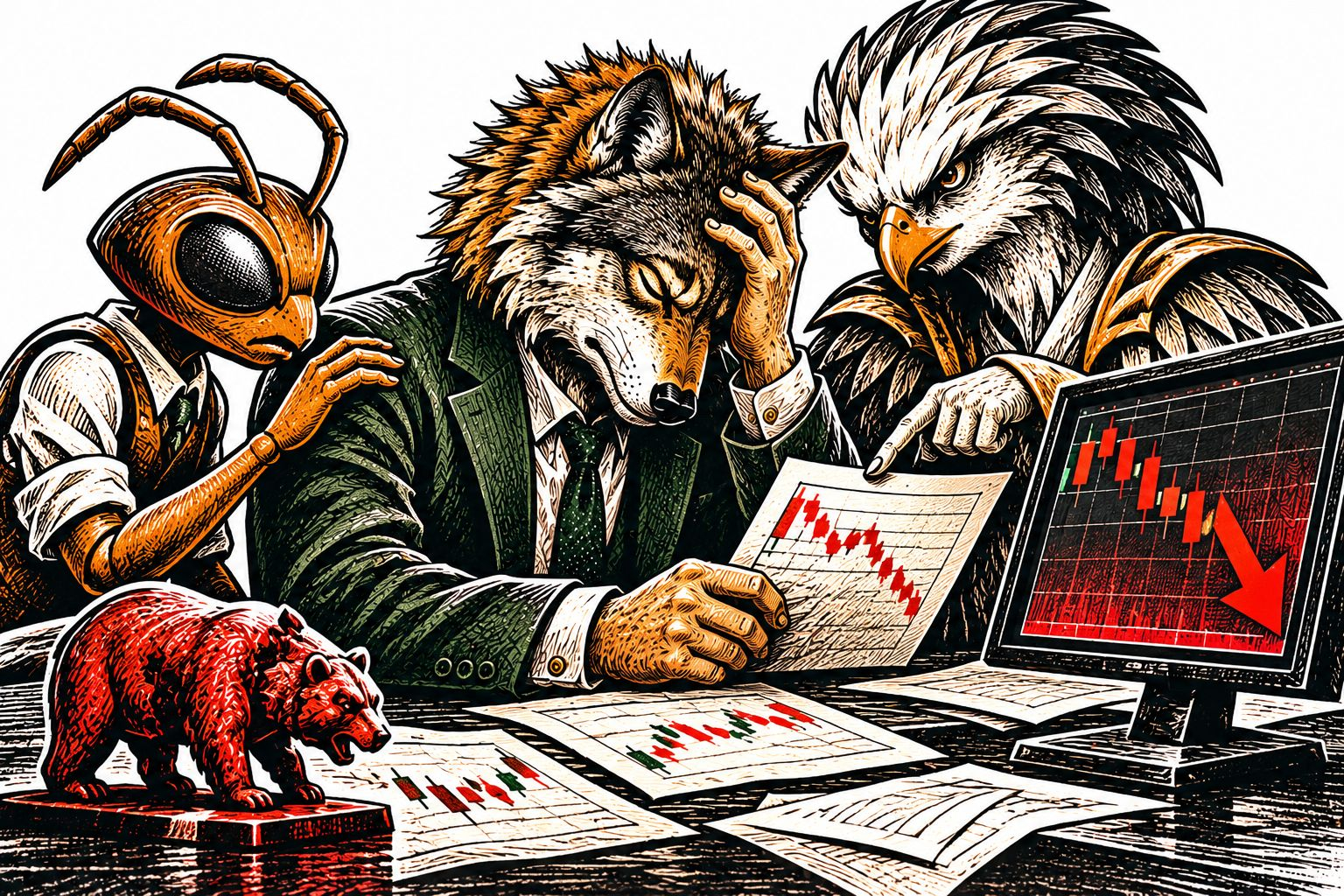
3. Overconfidence: when wins begin to distort perception
Winning streaks can also pose a psychological risk.
After several winning trades, a trader may start to believe they are better at anticipating market moves. This perception can lead them to increase position sizes, lower confirmation standards, and take on more risk than initially planned.
However, positive results are not exclusively the result of individual skill. The economic context, liquidity conditions, volatility, and randomness also play a part.
Traders need to distinguish skill from luck. A good trade should be evaluated by the quality of the process, not just by the financial result.
Healthy confidence comes from repeatedly making well-founded decisions with discipline, not from feeling invulnerable after a few wins.

4. Confirmation bias: seeing only what supports your thesis
Another important mechanism is confirmation bias. It occurs when people tend to seek out, interpret, and value information that reinforces their beliefs, while assigning less importance to data that presents contrary evidence.
Imagine a trader who believes a particular asset will rise. They start selecting positive news, interpret favorable indicators as confirmation, and disregard signs that the situation is deteriorating.
In this process, their conviction can grow even when the quality of the evidence does not justify that confidence.
An important practice is to deliberately look for arguments against your own position. Asking what would invalidate a thesis can be just as important as identifying reasons to act on it.
The goal of analysis should not be to prove that we are right, but to continually assess whether there are still grounds for supporting a particular decision.
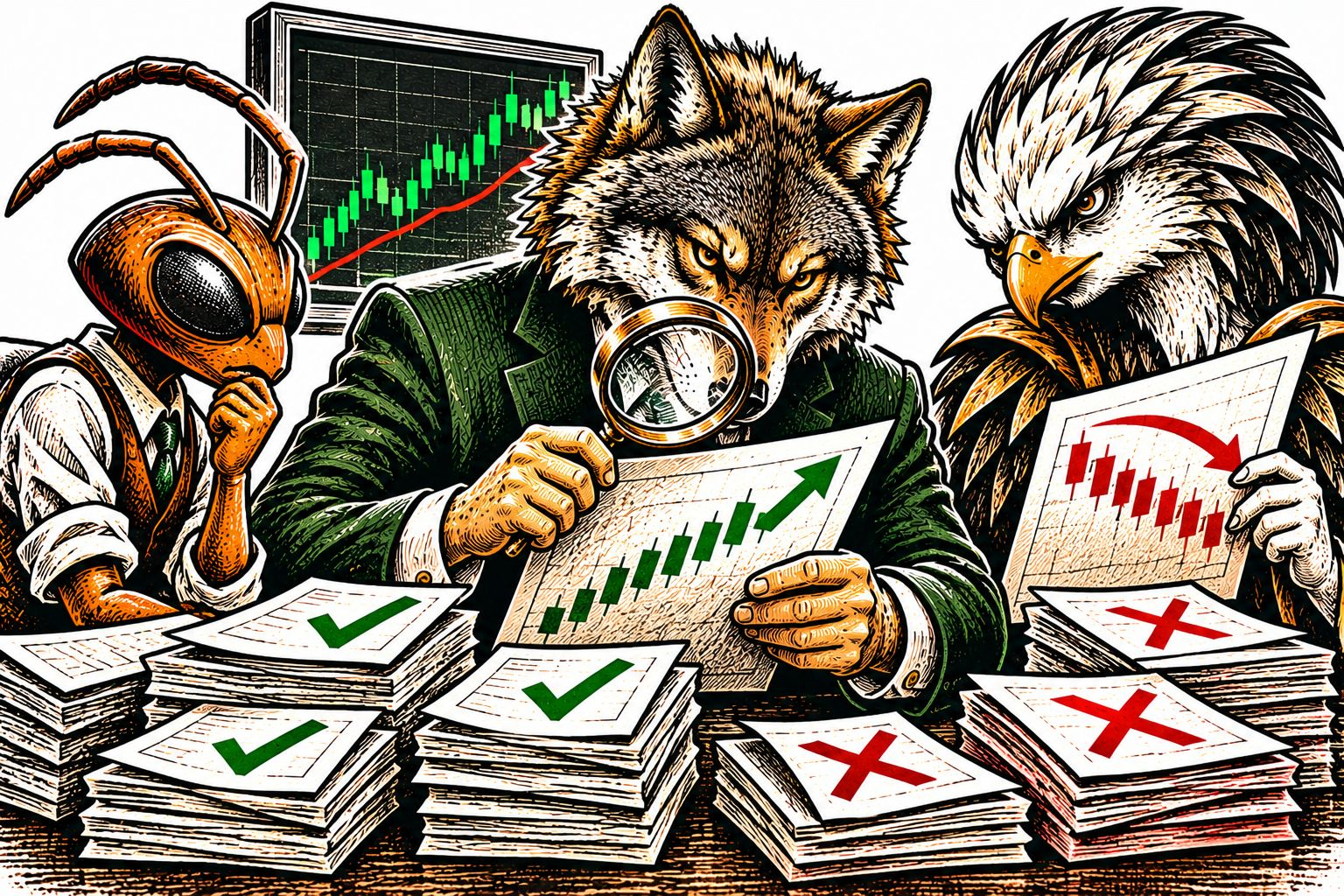
5. FOMO: the fear of missing out
FOMO, short for Fear of Missing Out, is the fear of missing an opportunity while other people apparently manage to take advantage of it.
In markets, this behavior often appears during rapid moves, price breakouts, and periods of intense exposure on social media.
The trader sees an asset rising rapidly and feels they need to get involved immediately. Analysis gives way to urgency, entry criteria are relaxed, and risk no longer receives the attention it needs.
However, not every move represents a suitable opportunity. A strategy does not need to capture every market fluctuation to produce consistent results.
Knowing how to wait is also an operational decision. Not entering a trade can be the right move when the established criteria are not met.
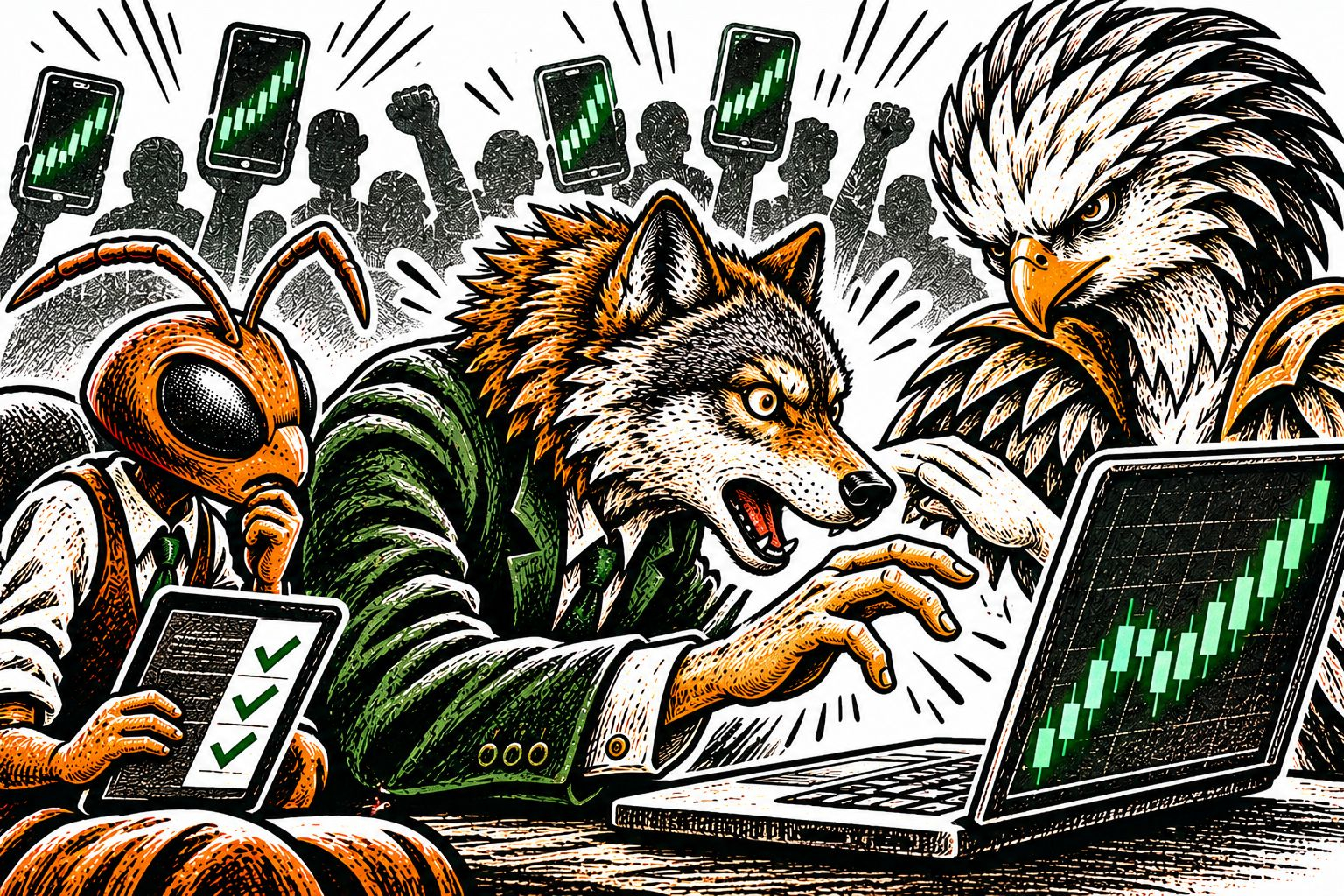
6. Revenge trading: when recovering money becomes the goal
One of the most dangerous behaviors is so-called revenge trading.
It occurs when a trader, after a loss, tries to recover the money quickly by placing new trades, often with greater exposure and less analytical rigor.
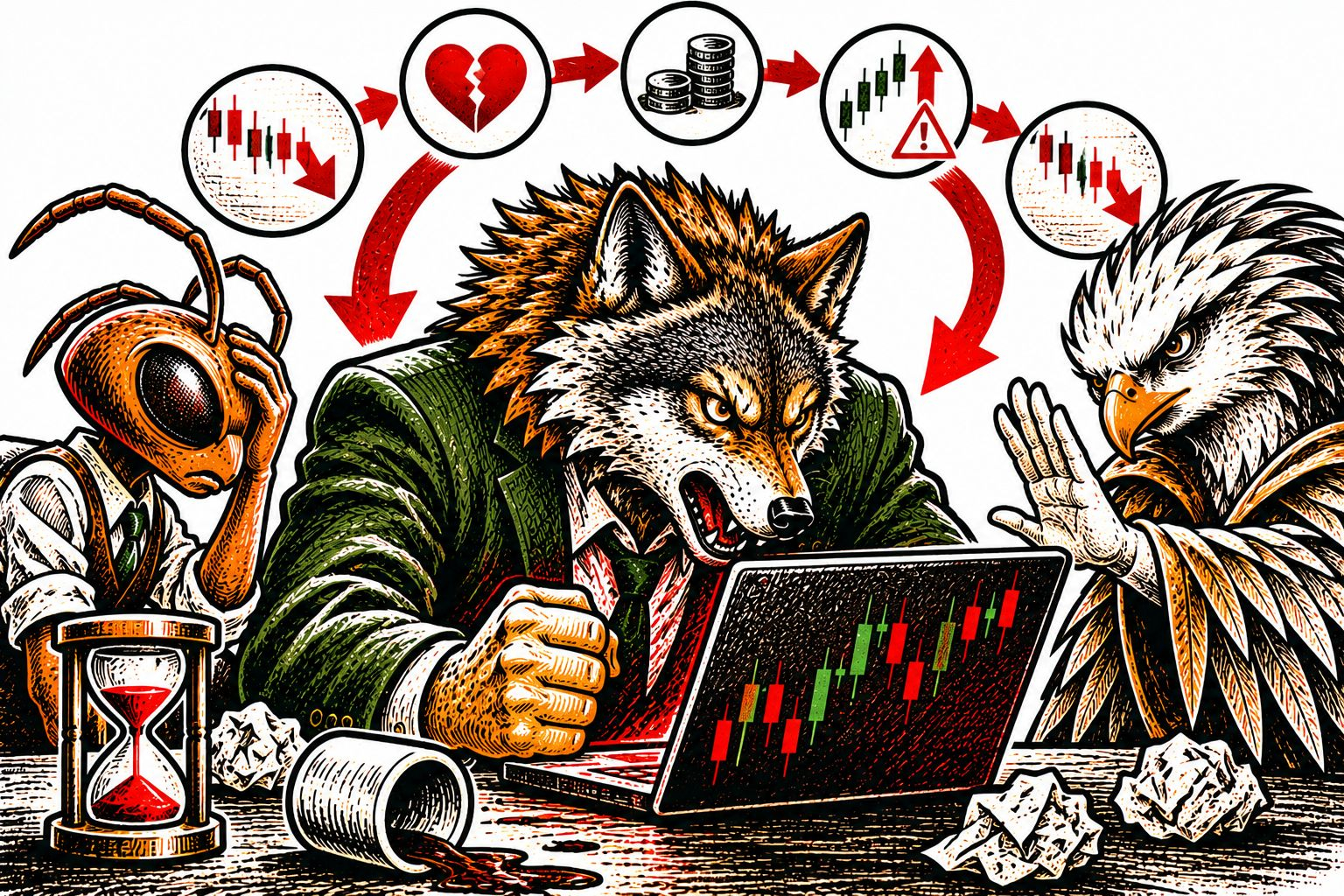
The cycle can be represented as follows:
Loss → Frustration → Need to recover → Increased risk → Another loss.
The decision is no longer guided by the quality of the opportunity, but is instead driven by the desire to emotionally compensate for the previous result.
One protective measure is to set daily loss limits, rules for stopping, and mandatory reassessment periods. After an emotionally draining trade, temporarily stopping activity can preserve both capital and the ability to make sound judgments.
7. Building psychological safeguards
Recognizing patterns is only the first step. Traders need to turn this knowledge into concrete procedures.
Another important tool is a trading journal. Recording not only entries, exits, and financial results, but also emotional state, reasons for each decision, and any deviations from the plan can help identify patterns that would be difficult to notice on their own.
Over time, traders begin to recognize recurring situations that undermine their execution.

8. Discipline as an operational advantage
Psychology does not replace technical knowledge, market analysis, or risk management. It complements these areas by helping traders execute what they have planned in advance.
Professional development requires understanding that not every trade will be a winner, not every scenario will present opportunities, and not every decision will produce immediate results.
Consistency does not mean always being right. It means maintaining decision-making criteria, controlling exposure, and evaluating results without letting a single trade determine the behavior of the next ones.
Traders do not need to eliminate their emotions. They need to build a process that keeps those emotions from taking control.
In the long run, knowing the market is essential. Knowing your own limits is also part of the job.
The question that remains is simple: when you make a decision, are you following your method or just reacting to what has just happened?


