On November 26, 2003, exactly 23 years ago today, the last Concorde landed. Humanity has yet to fly on a supersonic airliner again.
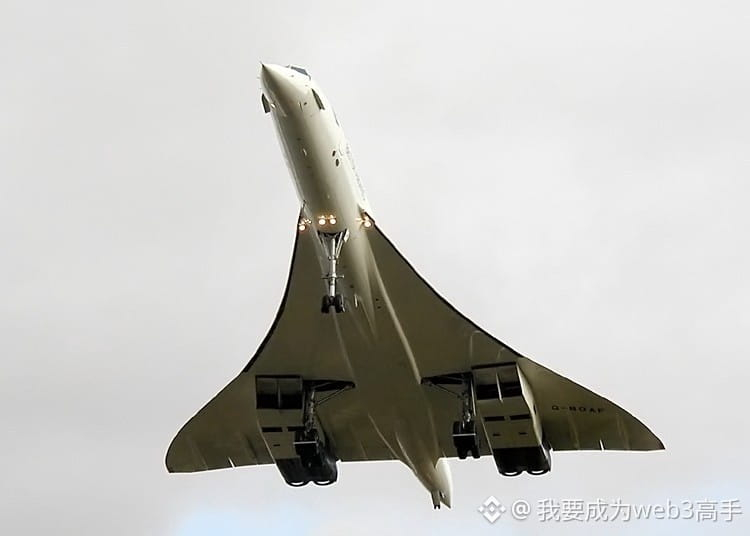
The aircraft that flew that day was British Airways’ G-BOAF, the last of the 20 Concordes to be built. It took off from London Heathrow, made a loop over the Bay of Biscay, skimmed low over Bristol, and finally landed at Filton Airport. Filton was where it had first taken off in 1979. It returned to where it started 24 years later, and no Concorde has flown since.
Concorde’s speed was astonishing: a cruising speed of Mach 2.04, around 2,179 kilometers per hour, at an altitude of 18,300 meters. A flight from London to New York took just three and a half hours, compared with seven hours on a regular airliner. On February 7, 1996, it set a record of 2 hours, 52 minutes, and 59 seconds—a record nobody has broken to this day. As the fuselage heated up in flight, it would stretch by about 25 centimeters, and passengers could see the curve of the Earth through the small windows.
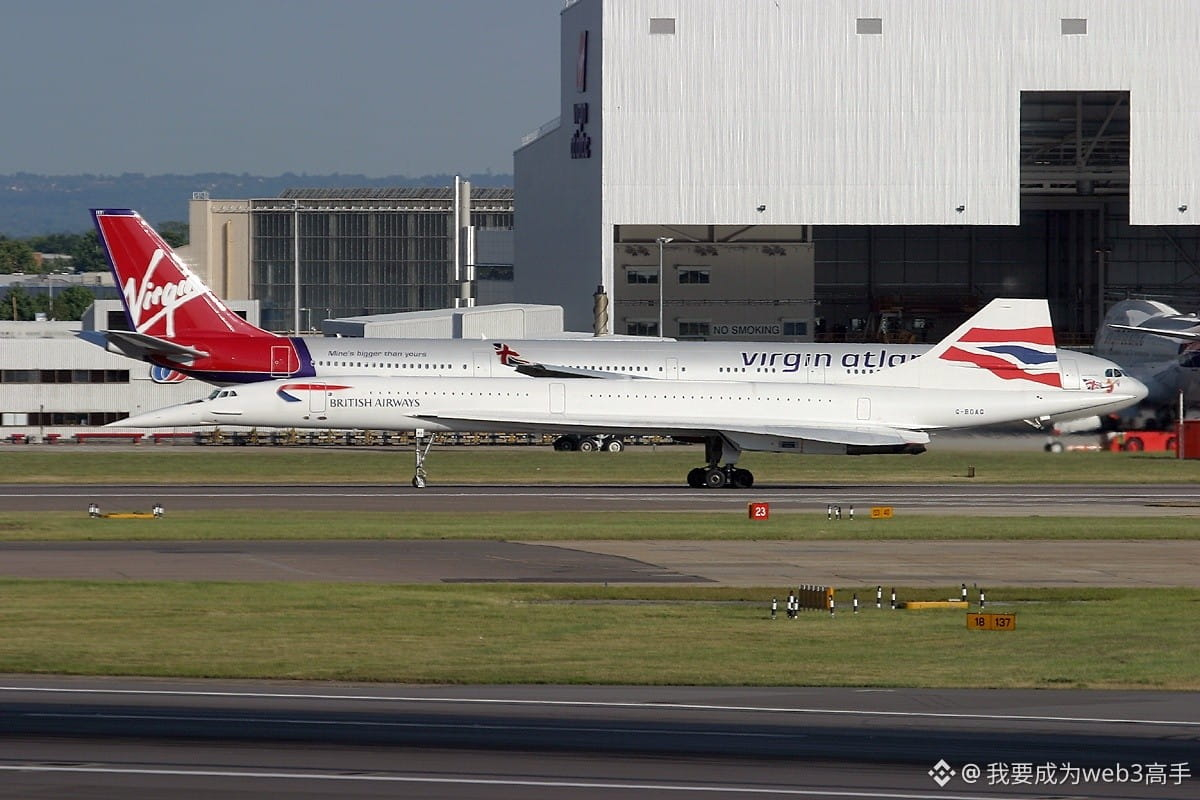
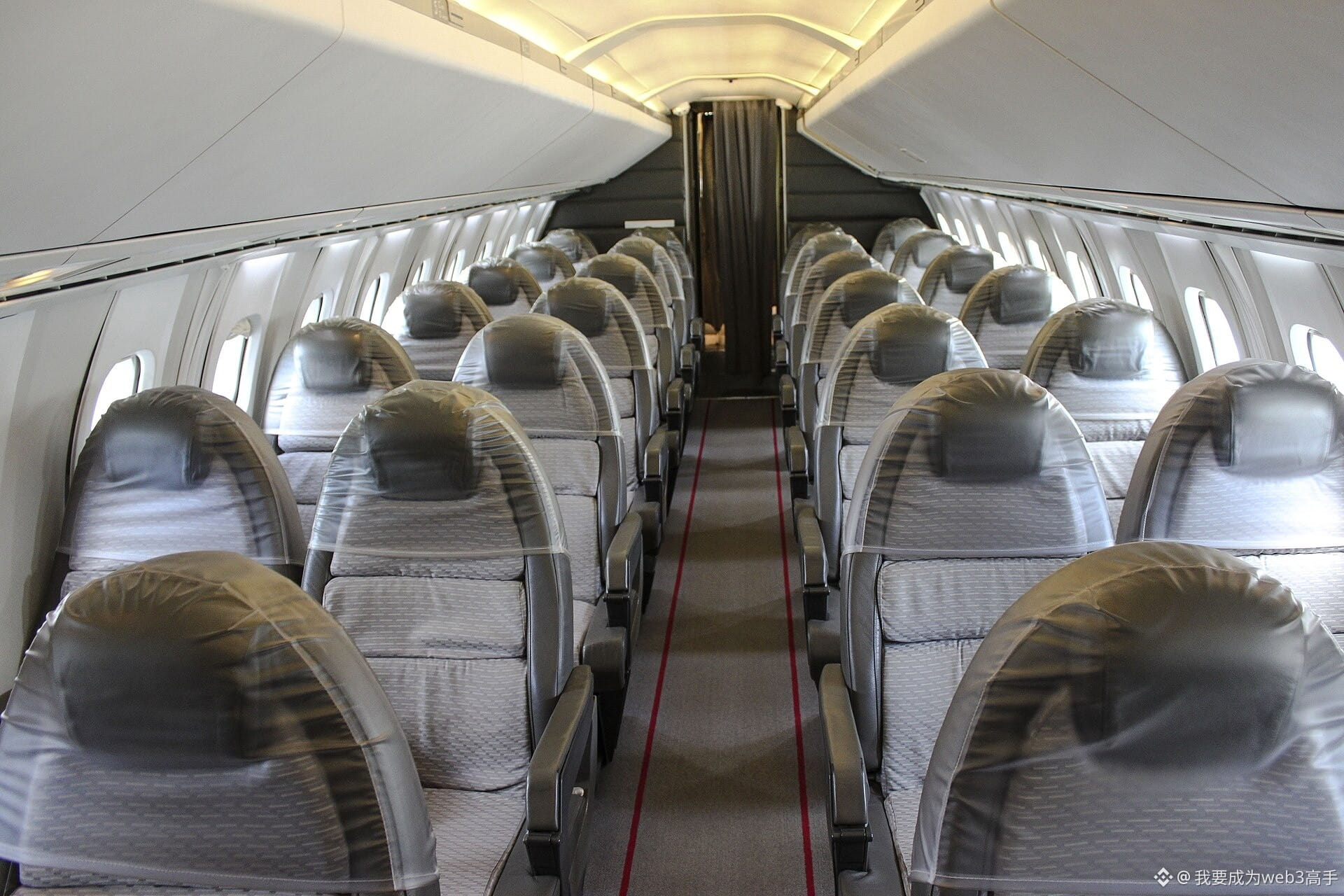
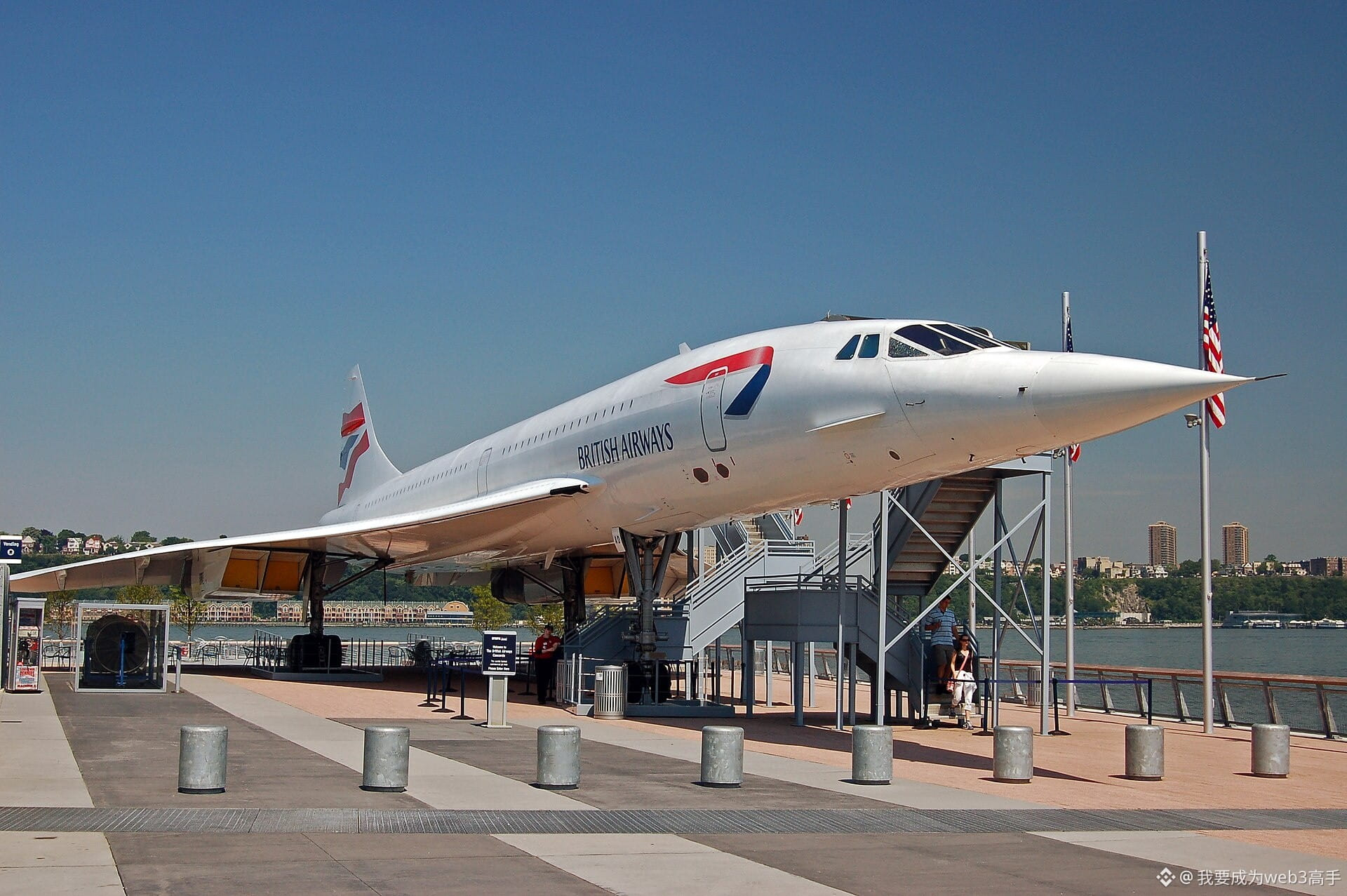
The costs were just as astonishing. The project was initially estimated to cost £70 million, but ended up costing £1.3 billion. The cabin could fit only about 100 seats, cramped like economy class. In 1997, a round-trip ticket from New York to London cost $7,995—equivalent to around $15,700 today, more than 30 times the price of the cheapest ticket. It made its first flight on March 2, 1969, began carrying fare-paying passengers on January 21, 1976, and flew for 27 years. Only two airlines ever operated it: British Airways and Air France.
The turning point came on July 25, 2000. As Air France Flight 4590 took off from Paris, it ran over a strip of metal on the runway. A tire burst, and debris punctured a fuel tank. The aircraft caught fire and crashed into a nearby hotel, killing all 109 people on board and four people on the ground—113 in total. It was the only fatal accident in Concorde’s 27-year history. On April 10, 2003, the two airlines announced its retirement. The final passenger flight landed on October 24, and a month later came that farewell flight on November 26.
People in crypto talk every day about how fast new chains are, how high their TPS is, and how they confirm in just seconds. Concorde was half a century ahead in speed, but in the end, cost beat it. Bitcoin takes 10 minutes to produce a block—slow as an old-fashioned train—and today it’s still hovering around $60,820, up 2.4% in 24 hours. Speed isn’t the only thing that matters. If the numbers don’t add up, no matter how fast you are, you still have to land.
$BTC $ETH $BNB