
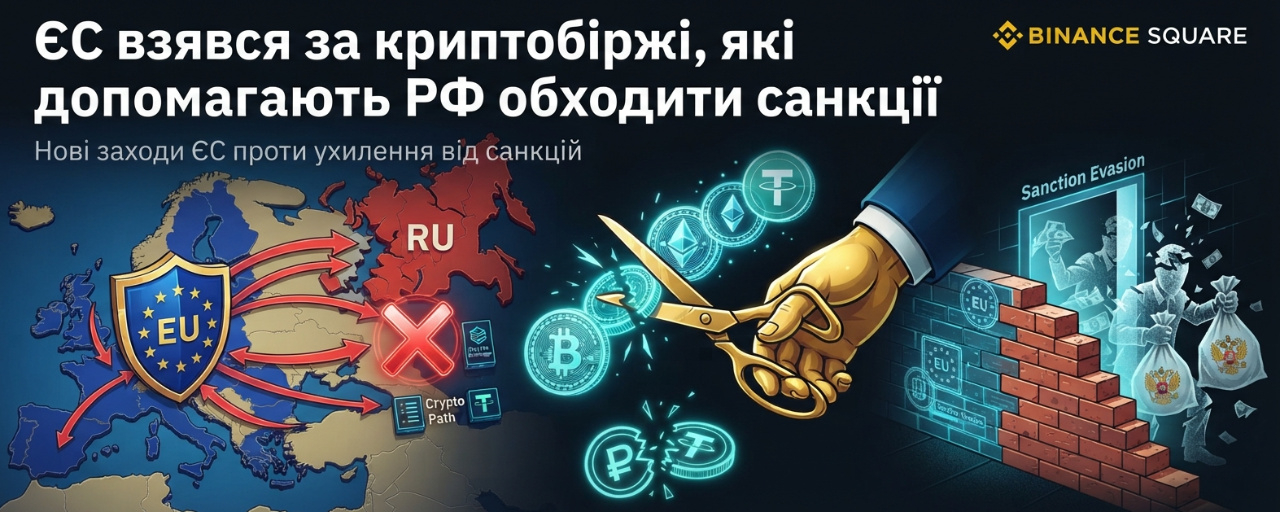

The European Union (EU) has proposed new measures targeting cryptocurrency platforms and international payment networks as part of its 22nd package of sanctions against Russia. European Commission President Ursula von der Leyen announced in an official statement made in Strasbourg on November 23, 2026, that approximately 60 Russian banks could be excluded from the SWIFT system. The Commission has also established a special task force to step up efforts to combat cryptocurrency-related sanctions evasion. The proposal could extend to financial networks in third countries that help Russia circumvent existing restrictions.
The European Union is focusing on cryptocurrency and payment networks
Cryptocurrency platforms feature prominently in the financial measures set out in the new sanctions proposal. Von der Leyen said the EU intends to increase pressure on the channels Russia uses to finance its war in Ukraine.
The European Commission’s approach is not limited to financial institutions based in Russia. Payment networks and cryptocurrency service providers operating through third countries could also face restrictions if they facilitate sanctions evasion.
To support these efforts, the Commission established a Crypto Sanctions Task Force, which will help identify and counter attempts to circumvent restrictions. Another stated priority is closer coordination with international partners.
However, the statement did not identify any specific cryptocurrency exchanges or payment platforms that would be included in the proposed sanctions. The direct impact on individual companies therefore remains unclear until more detailed measures become available.
Around 60 Russian banks could lose access to SWIFT
The second major component of the financial measures concerns restrictions on Russia’s banking system. The European Commission has proposed extending transaction bans to around 60 Russian banks and excluding these institutions from the SWIFT network.
SWIFT is a secure financial messaging infrastructure widely used by banks to transmit information related to international transactions. Losing access could complicate cross-border banking, although removal from the network alone does not make every possible financial transfer technically impossible.
The EU’s latest approach is notable for addressing traditional banking channels and alternative payment networks within a single sanctions framework.
Similarly, US financial restrictions against MEXC illustrate the growing importance of sanctions compliance and transaction monitoring in the global cryptocurrency industry.
Russia’s energy infrastructure and shadow fleet also targeted
The proposed 22nd sanctions package goes beyond financial services. The European Commission wants to expand restrictions barring EU companies from supporting the construction, operation, or repair of Russian energy infrastructure. For the first time, these measures would also extend to electricity services.
The Commission has also proposed restrictions targeting more than 70 vessels linked to Russia’s so-called shadow fleet, as well as a ban on oil tankers insured in Russia.
Other proposed measures include entry restrictions to the EU for former Russian combatants, bans on athletes competing under the Russian flag, and restrictions on financial flows from Russian sponsors to European sports and cultural organizations.
These measures have not yet been adopted. According to Reuters, the sanctions package requires unanimous approval by EU member states before it can take effect.