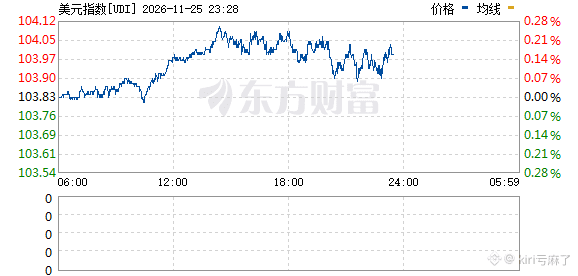
Another sleepless night as prices plunge 😭 BTC has fallen to around $58,000, while ETH is hovering around $1,640. The biggest macro news today was the US October PCE data: the headline annual rate rose to 3.8%, and core inflation reached 3.3%, locking in expectations of a Fed rate hike in December. Stocks fell in response, with the Nasdaq dragged down by AI stocks, and crypto naturally took a hit too. Tariff concerns and high oil prices have further dampened risk appetite across the board.
BTC is getting hit even harder. After briefly climbing to $64,000 on Monday, the price quickly gave back its gains and is now back around $58,000. It has fallen nearly 25% in November. ETFs continue to see significant outflows, selling pressure on exchanges remains strong, and the Fear & Greed Index has plunged into extreme fear. Technically, BTC is also oversold—but being oversold doesn't mean it has bottomed. Many people are still watching the $55,000 area as the next key level.
ETH is following BTC, but its losses are slightly larger. The price is still below all the major moving averages, with $1,500–$1,600 serving as key support. ETFs are also seeing outflows, and on-chain activity hasn't been enough to support the price for now. Ethereum's long-term narrative—security upgrades and real-world use cases—remains intact, but right now the market is focused only on capital flows and macro conditions. It isn't paying attention to those things at all. In the short term, macro factors are weighing on both assets. Hotter inflation reinforces rate-hike expectations, and as expectations for liquidity tighten, high-risk assets are the first to fall. Sentiment across the entire crypto market is terrible today. Many people are either trying to buy the dip or waiting for prices to go even lower.
Anyone in crypto knows this feeling well: the long-term story hasn't changed, but in the short term, macro conditions and sentiment are in control. BTC and ETH now look like the positions many people are holding—they're still there, but for now, the direction isn't in their hands. You can keep holding and trust that the rate-hiking cycle will eventually end; or you can admit that you can't stomach this volatility and move to a safer place for now. There's no one right answer—only whether you can sleep at night.
Markets are never linear. When prices fall, it feels like they'll never stop; when they rise, it feels like they should have gone up long ago. The truly difficult part isn't figuring out where the bottom is, but whether you can stay clear-headed while macro pressures are still mounting.
#美国核心PCE超预期,美联储加息预期增强