

New macroeconomic data: US inflation is higher than forecast, but the economy is also growing faster than forecast. The new data clearly strengthen the case for a tighter Fed policy.
As expected, a whole batch of US macroeconomic data was released today: the October PCE index, the second estimate of third-quarter GDP, and data on consumption and the labor market.
The results were mixed, but they contain unwelcome signals for risk markets.
Let’s start with the main indicator: the Personal Consumption Expenditures (PCE) Price Index. It’s the Fed’s primary benchmark for assessing inflation. The actual data for October:
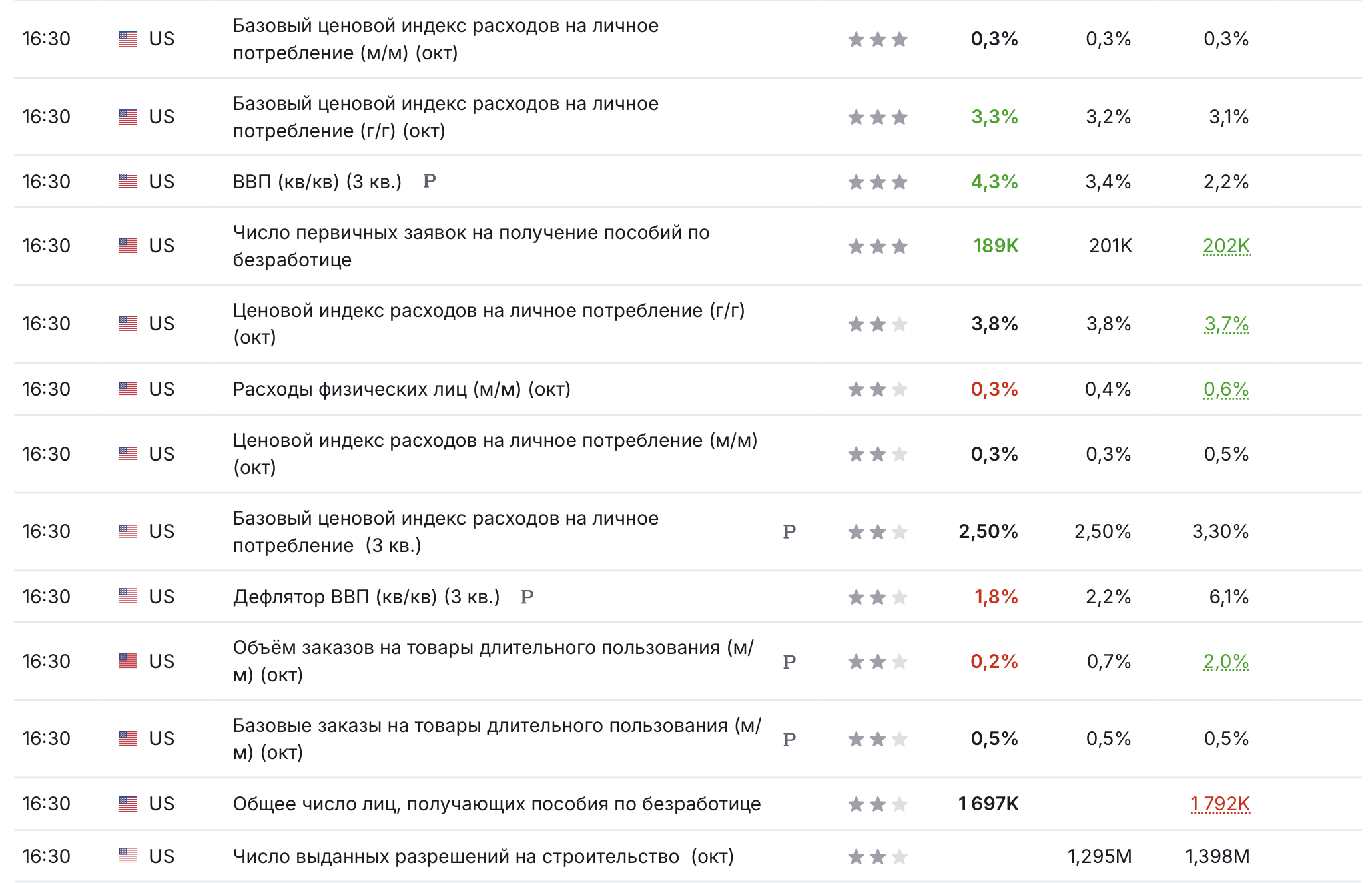
- Headline PCE (month over month): +0.3%, forecast +0.3%, previous +0.5%.
- Headline PCE (year over year): +3.8%, forecast +3.8%.
- Core PCE (month over month): +0.3%, forecast +0.3%, previous +0.3%.
- Core PCE (year over year): +3.3%, forecast +3.2%, previous +3.1%.
Monthly inflation matched expectations, but the annual core reading accelerated by 0.2 percentage points from September and exceeded the forecast by 0.1 percentage points. This isn’t a catastrophic surprise, but it’s certainly not the kind of result that would give the Fed confidence that inflation is returning to its 2% target.
AT THE SAME TIME, even more interesting data were released.
US GDP for the third quarter was revised up to +4.3% annualized, versus the expected +3.4%. That’s substantial growth. It’s also worth noting that the economy grew by 2.2% in the second quarter. This means economic growth was much stronger than the preliminary estimates suggested.
On the one hand, this is a positive signal for the US economy and corporate earnings. On the other, strong demand and economic activity reduce the need for the Fed to rush to end its policy tightening.
In addition, initial jobless claims fell noticeably amid this: 189K versus a forecast of 201K and a previous reading of 202K. We’re seeing layoffs remain at low levels.
As a result, economic growth and a strong labor market allow the Fed to focus on fighting inflation without fearing an immediate, sharp deterioration in employment. There’s a buffer.
BUT there are also signs of cooling consumer activity.
- Personal consumption expenditures rose by 0.3%, versus a forecast of +0.4% and a previous reading of +0.6%.
- Durable goods orders increased by 0.2%, versus the expected +0.7%.
In other words, the economy showed strong growth in the third quarter, but some October indicators point to slower spending and demand.
What does this mean for the Fed’s December decision?
Before the release, markets had almost fully priced in a 0.25-percentage-point rate hike at the December 8–9 meeting, and assigned a 0% probability to a 0.5-percentage-point hike. Today’s data don’t make an immediate 0.50-percentage-point hike the base case, but they certainly strengthen the case for those advocating a tighter policy.
The main problem for risk markets is the combination of three factors:
- Inflation remains significantly above the Fed’s target.
- The economy is growing faster than expected.
- The labor market shows no signs of a sharp deterioration.
If today’s data lead markets to price in a longer period of tightening, Treasury yields and the dollar could rise. This would tighten financial conditions and make yield-bearing instruments more attractive than risk assets.
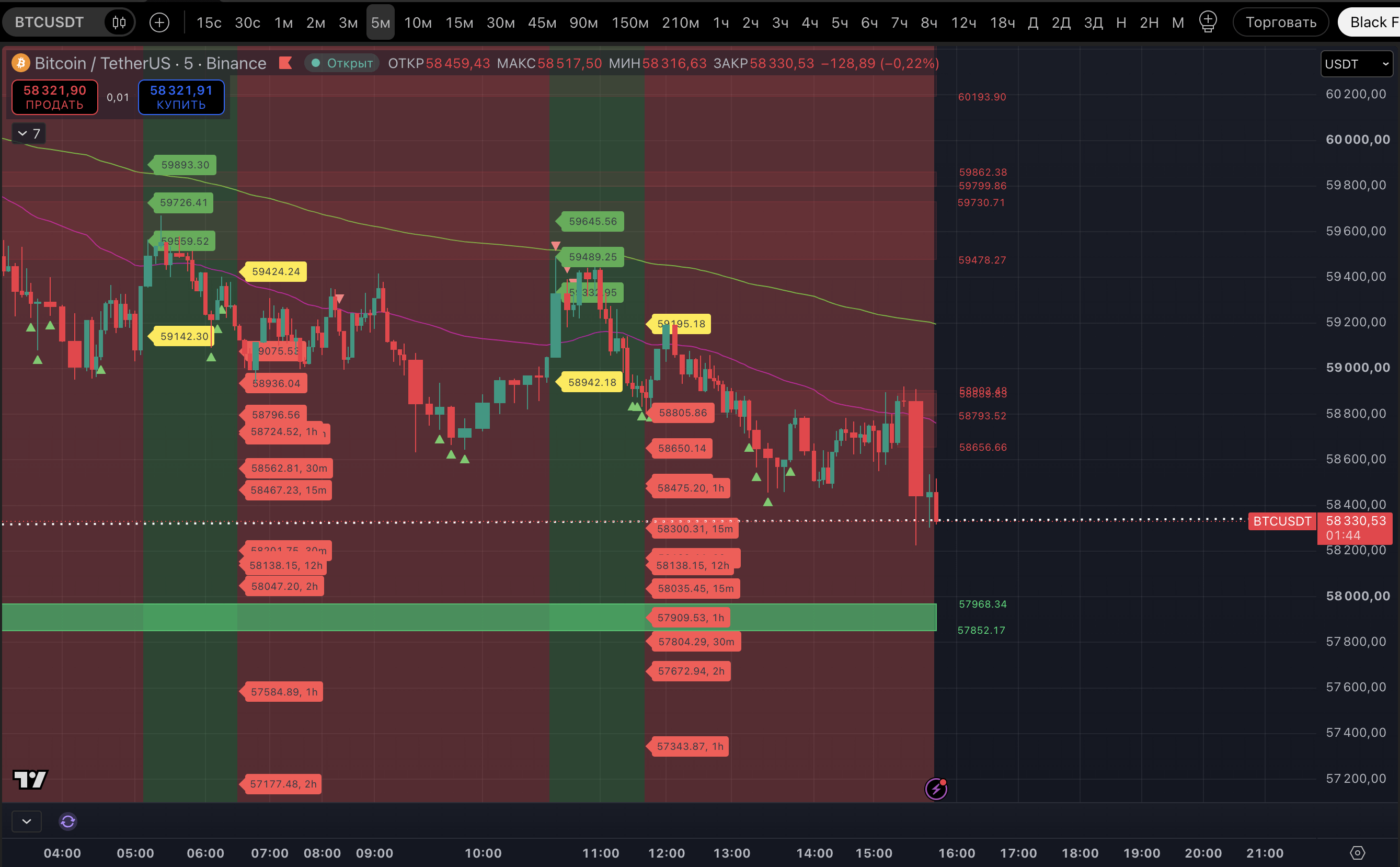
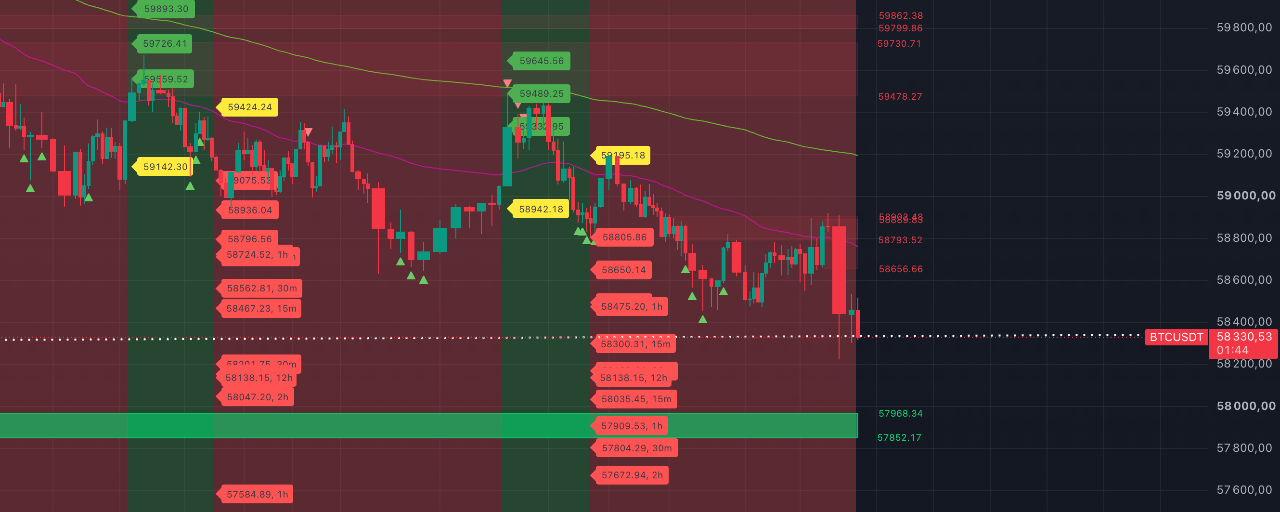
For stocks, BTC, and especially altcoins, this means additional pressure. In fact, we can already see it on the #BTC chart: the price is back below $58,500.