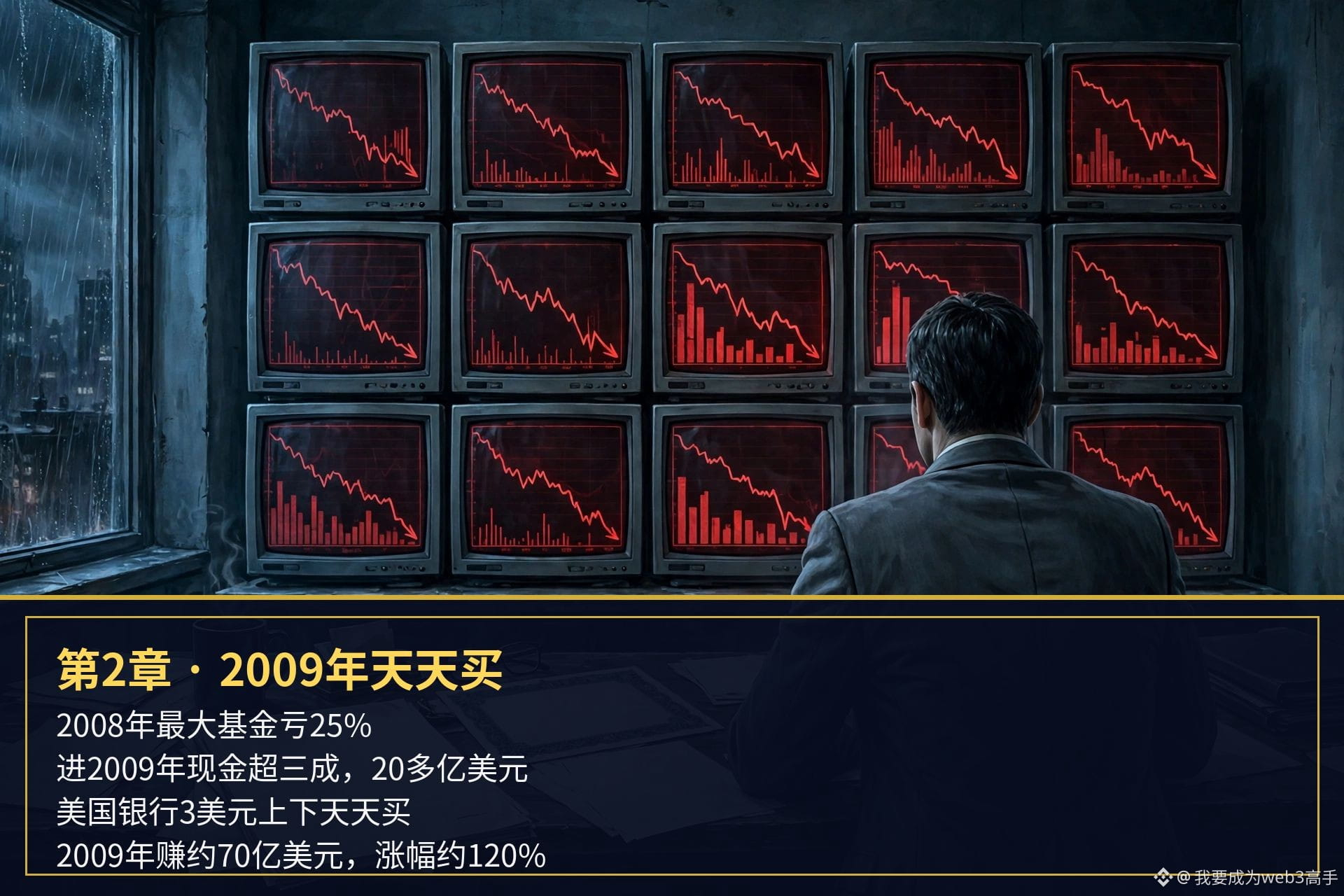
In February 2009, Bank of America’s stock fell below $3. David Tepper told his traders to buy every day.
Tepper was born in Pittsburgh on September 11, 1957. His father was an accountant and his mother an elementary school teacher. He studied economics at the University of Pittsburgh, graduating in 1978, and paid his tuition by working in the library. In 1982, he earned a master’s degree from Carnegie Mellon.
He joined Goldman Sachs in 1985 and became head trader of its high-yield bond desk just six months later, specializing in bankruptcies and special situations. After the 1987 crash, he bought bonds from battered financial institutions. Their recovery helped Goldman catch its breath. He was passed over for the partners list twice. In December 1992, he resigned, and in early 1993 he founded Appaloosa.
In 2008, his largest fund lost 25%. As 2009 began, more than 30% of his assets—over $2 billion—sat in cash. On February 10, the Treasury announced its Financial Stability Plan, signaling that it would inject capital by buying preferred shares in banks. After reading the announcement, he ordered his traders to buy bank stocks and bonds. From February to March, they bought Bank of America common stock every day at around $3, and Citigroup preferred shares below $1.
In 2009, Appaloosa made about $7 billion, a return of roughly 120%. Tepper became the year’s highest-earning hedge fund manager. In May 2018, he bought the NFL’s Carolina Panthers for $2.2 billion, then the highest price ever paid for a team in league history. On Forbes’ March 2024 list, his net worth was $20.6 billion, ranking him 94th.
Before buying bank stocks, he first took a look at what the Treasury had said. The government had already committed to capital injections in its plan, so whether banks would fail was no longer for the market to decide. Bitcoin is at $58,695 today, down 3.0% in a day. There’s no Treasury Department in crypto. When prices fall to the point where nobody dares to buy, anyone willing to step in has to work out for themselves whether the asset could go to zero—and how much they would lose if they were wrong. Tepper first lost 25% in 2008 before waiting for 2009. He had kept enough cash, which gave him the means to buy every day in February.
$BTC $ETH $BNB