

Real Market, Real Lessons
Gold has long been considered a safe-haven asset. But here's something every investor should understand:
Safe haven doesn't mean risk-free.
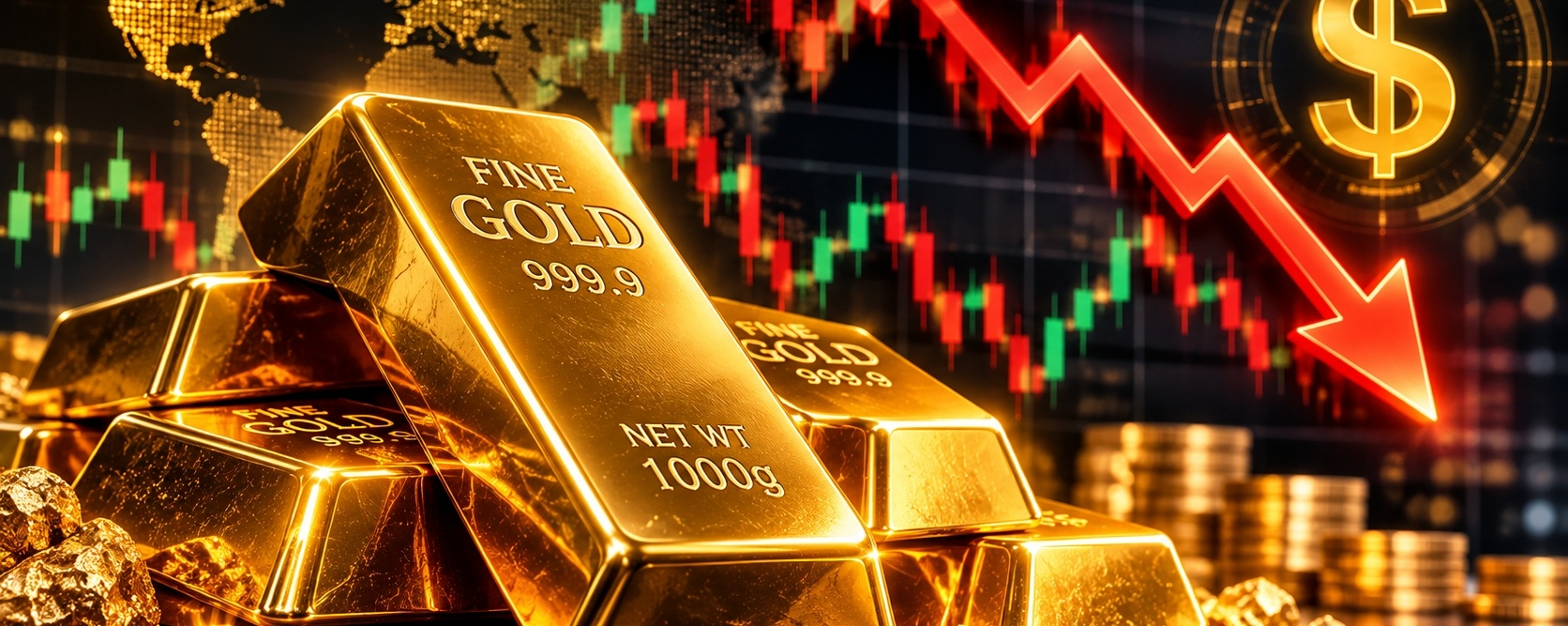
In November 2026, gold came under renewed selling pressure. On November 25, spot gold fell to around $3,524 per ounce, as a stronger US dollar and expectations of higher interest rates weighed on the market.
But what actually drives gold prices?
1. US Dollar Strength
A stronger dollar can make gold more expensive for international buyers, potentially reducing demand.
2. Interest Rates
When interest rates rise, interest-bearing assets can become more attractive than gold, which pays no interest.
3. Treasury Yields
Higher real yields can increase the opportunity cost of holding gold and put pressure on its price.
4. Market Sell-offs
When investors need cash to cover losses or margin calls, they may sell even gold holdings.
5. Central Bank Demand
Not all market signals are bearish. Central banks added around 321 tonnes of gold in Q3 2026, showing that long-term demand remains an important part of the market.
THE BIGGER LESSON
Gold is influenced by more than fear and uncertainty. The US dollar, interest rates, bond yields, liquidity and central bank demand all matter.
Don't buy gold simply because it is called a safe-haven asset. Understand the forces moving its price, manage your risk and make decisions based on evidence—not emotion.
Learn the market. Understand the risks. Invest wisely.
Educational content only. Not financial advice.