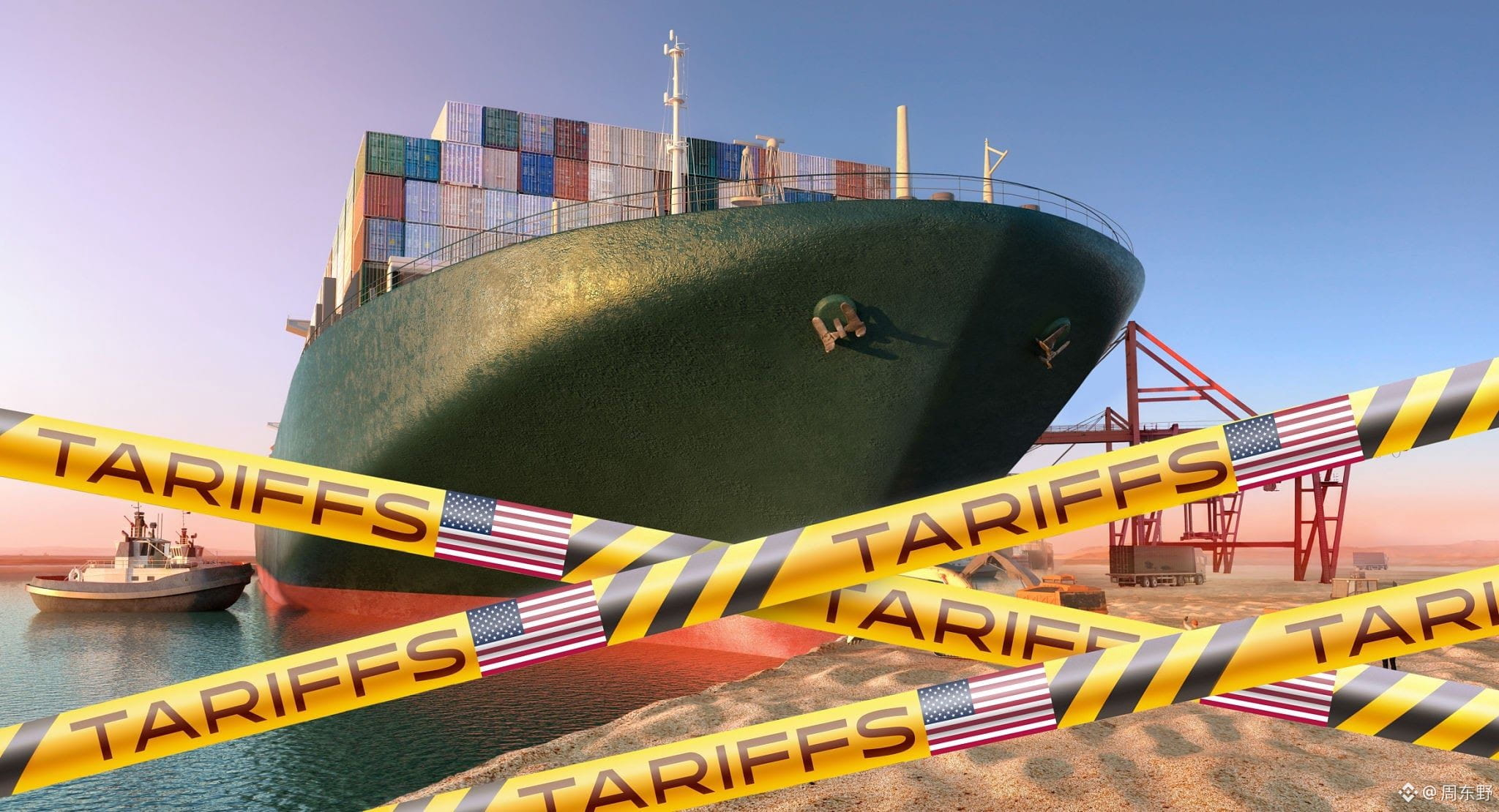
Every morning, I casually check the news on my phone, and every so often a pop-up appears on the screen: “The US is imposing more tariffs again.” After seeing it so often, it’s easy to become numb to it and think it just means a few more percentage points added to the rates.
But look beyond the headlines, and you’ll see that foreign trade businesses and cross-border sellers are facing something more than a simple cost adjustment this time: a set of long-term rules that will be much harder to overturn.
According to reports from several foreign media outlets, the Office of the United States Trade Representative (USTR) may announce the results of its Section 301 investigation into “state support and structural excess capacity” as early as this week. The list covers 16 economies, including China, Vietnam, India, the European Union, Japan, and South Korea.
The reason for the flurry of new investigations is that in February this year, the US Supreme Court ruled that the White House had exceeded its authority when it invoked emergency powers to impose tariffs. In July, the US switched to imposing tariffs of 10% to 12.5% under Section 301, which are now also facing a lawsuit in the US Court of International Trade. Essentially, this latest move is an attempt to give the tariffs a more robust legal foundation and prevent them from being halted in court again.
This restructuring of the rules brings two immediate, practical risks.
First, the tariff ceilings differ across economies.
The EU, Japan, and South Korea have protections under bilateral trade agreements. Even with the July tariffs added, their overall rates will most likely remain capped at 15%, and steel, aluminum, and automobiles that are already subject to separate duties may be excluded. China, Vietnam, India, and others without such protections, however, could face not only higher rates but also the risk of dynamic tariff increases linked to changes in production capacity.
Second, the rules for goods in transit and the details on stacking tariffs remain unclear. The investigation results have not yet been formally published in the Federal Register, and the scope and method for calculating stacked tariffs are still being negotiated.
When tariffs were raised in July this year, an exemption window was provided for goods in transit. It is still unknown whether that will be retained this time. If businesses ship goods blindly based on past experience, and the new tariffs are stacked on immediately with no transition period, already slim export margins could turn into losses in an instant.
#特朗普拟重启关税攻势,比特币和美股再度走弱