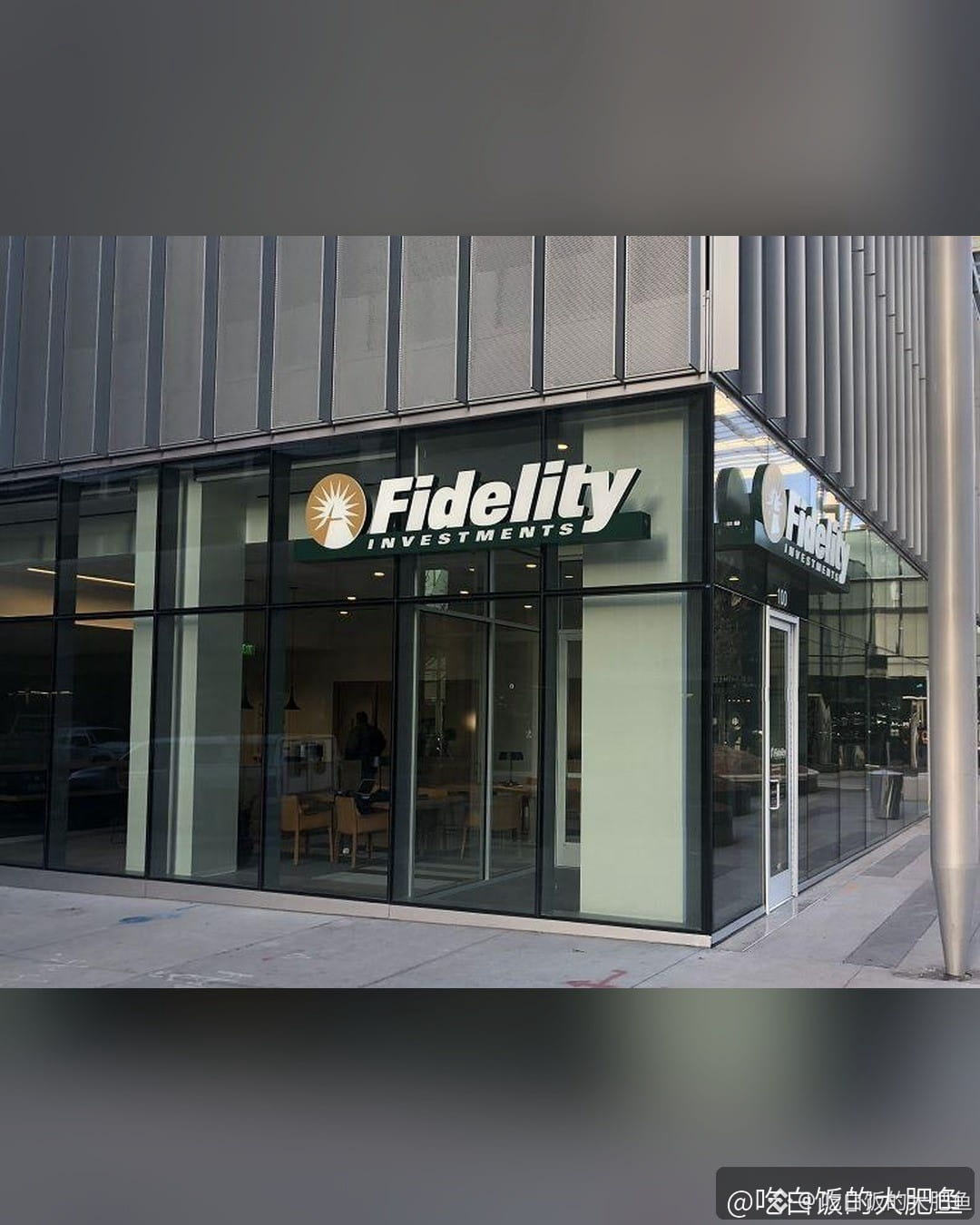
Fidelity just let three DeFi coins through the door, and all three promptly fell—the good news came, but prices weren’t impressed.
On Tuesday, U.S. asset management giant Fidelity announced that its retail crypto platform, Fidelity Crypto, had added $AAVE , $LINK , and $UNI . Eligible U.S. customers can now buy and sell them directly, and hold them in a crypto IRA (except in Oregon).
The platform has expanded from five coins to eight in one go. Previously, it offered only Bitcoin, Ethereum, Solana, Litecoin, and its own stablecoin. The number Fidelity added in a single day equals the total it added over the past four years—and they’re all leaders in their respective fields: Aave is a lending giant, Uniswap is the largest decentralized exchange by trading volume, and Chainlink is the leading oracle provider.
But there’s a catch: buying them doesn’t mean you actually own the protocol assets. Fidelity explicitly states that holding UNI gives you price exposure only, with no governance voting rights. None of the three coins supports staking. Coins bought in an IRA can’t be transferred out and can only be sold within the account. There’s a 1% fee on both buys and sells, with a $1 minimum investment.
The prices are interesting, too: Aave is around $92, down about 4% over 24 hours; Chainlink is around $8.70, down about 3.7%; and Uniswap is around $4.60, down about 5.5%.
This whale’s take: When a traditional asset manager the size of Fidelity puts the DeFi trio on its retail shelves, that signal matters more than the day’s price moves—it tells everyday investors that DeFi is no longer just a niche hobby. But don’t mistake a listing for a buy signal: Fidelity offers only price exposure, not the protocols’ core features like governance or staking, and a 1% fee each way isn’t cheap. All three coins fell on the day of the positive news, showing that the market isn’t buying the “backed by traditional institutions” narrative right now—it only cares whether money flows back in. Watch what happens next: Will Fidelity’s move prompt other major asset managers to list DeFi coins, and can the three assets first stabilize their respective downtrends? The narrative is long-term; the price is right now.