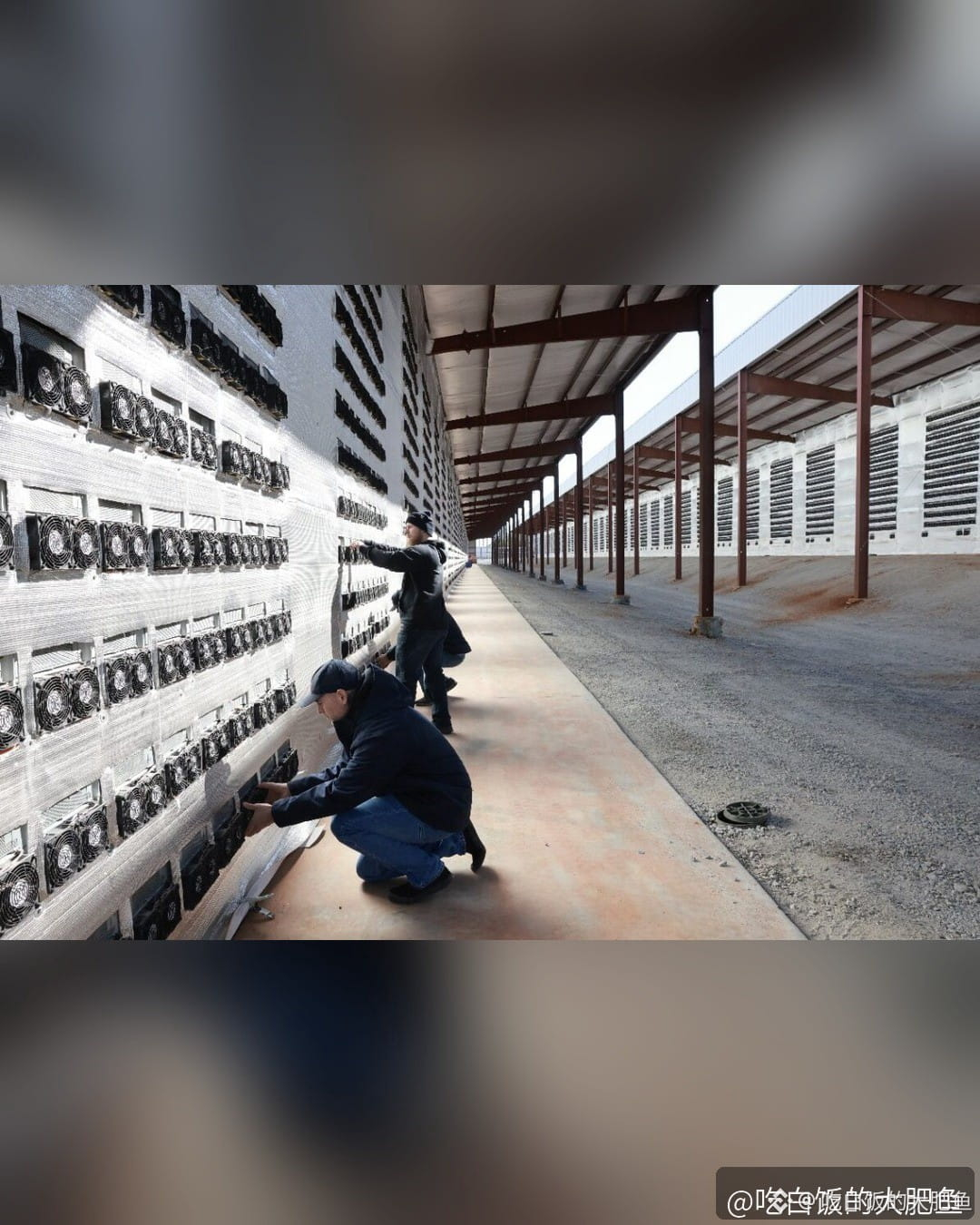
EPS went from a loss of $0.36 to a profit of $0.04, yet the stock fell 7.5% that day—the earnings line in CleanSpark’s report wasn’t what the market was watching.
CleanSpark FY2026 Q4 earnings (released after the U.S. market close on November 24):
Q4 revenue was $120.9 million, down 46% year over year—roughly cut in half. It just met Zacks’ consensus of about $120 million, but fell short of MarketBeat’s $130 million estimate;
Q4 EPS was $0.04 (net income of $9.8 million), versus consensus expectations for a loss of around $0.35 per share—an approximately $0.39 beat;
Full-year revenue was $576.5 million, down 25% year over year, with a net loss of $987.1 million ($3.74 per share). The previous fiscal year had posted a profit of about $365 million;
The company mined 7,253 BTC for the year, down 8% year over year. It held 13,530 BTC at quarter-end, worth about $1.1 billion then. At today’s BTC price of around $60,000, that value has shrunk to about $812 million.
The stock’s reaction was clear: after gaining 13% on Monday to close at $5.53, it fell 7.5% on Tuesday ahead of the earnings release, closing at $5.115, then dropped another 1% or so after hours. It’s now down about 55% year to date.
How this whale sees it: This “profit” was propped up by mark-to-market valuation gains, not mining profits. The nearly $1 billion full-year hole is what the market is really pricing in. A mining company’s fortunes are half-tied to the price of Bitcoin; its holdings have lost nearly $300 million in value, and earnings will be hard to make look good unless Bitcoin stabilizes. The AI story isn’t just talk: the 20-year, $6.6 billion lease for its Georgia data center is fully financed, and the first data hall is scheduled to go live in November 2027. But that’s too far off to solve the near-term problem. Just watch two numbers: whether mining gross margins can hold up next quarter, and whether the AI orders make tangible progress. $CLSK $BTC