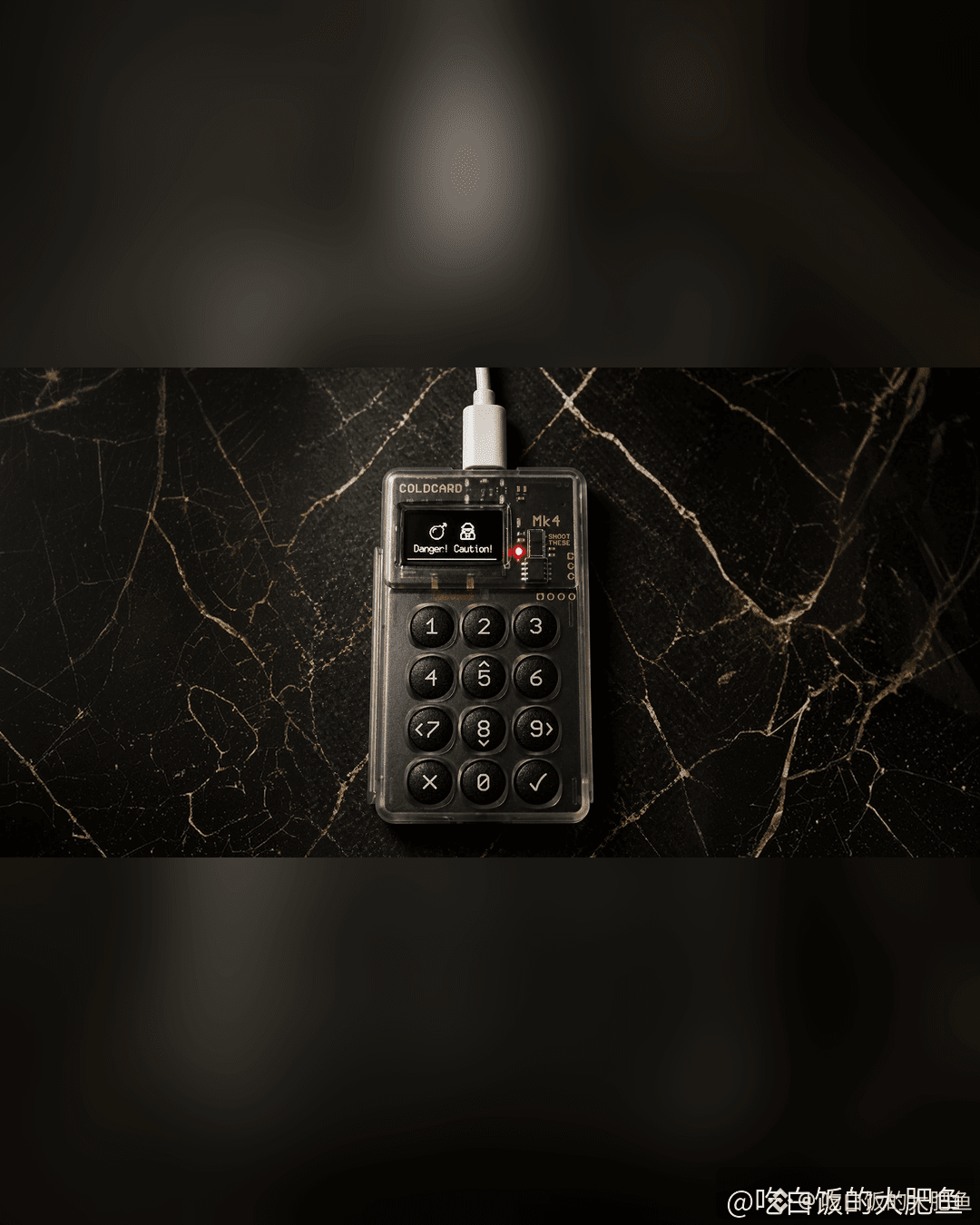
The cold wallet said to be the hardest to hack fell victim to its own random numbers—and nobody noticed for five years.
On November 23, Coinkite published an 18-page postmortem: a seed-generation flaw in Coldcard persisted from March 29, 2021, all the way to July 30, 2026. A firmware change disabled the hardware random number generator, silently causing seed generation to fall back to a predictable software pseudorandom number generator. Seeds on older Mk2/Mk3 models had only about 40 bits of effective entropy; newer Mk4/Mk5/Q models had about 72 bits—far short of the 128-bit design target.
Thieves didn’t need to touch the devices; they could reconstruct the private keys offline. The theft began on July 29. Galaxy Research counted a total of 1,778.84 bitcoin and more than 8,600 addresses drained, worth about $107 million. Coinkite identified the cause on July 30 and released patched firmware on the 31st. As of November 18, about 300 theft reports involved more than 200 accounts, around 0.2% of users. Compensation has yet to be determined.
The most painful part is how it happened: at least 15 independent reviews over five years failed to catch the flaw, including two paid third-party reviews and one AI review. The latter even produced 85 potential findings—just not this one. Coinkite admitted that each review answered questions about “nearby issues,” rather than the critical one.
This whale’s take: Cold wallets sell the promise that “offline means safe,” but this incident shows that going offline just changes the attack surface. If an invisible foundational component like a random number generator fails, even the sturdiest device is no use. The good news is that a fix is out, and a follow-up review by Keylabs in October confirmed the new firmware closed the vulnerability. Seeds generated by rolling dice were never affected. If you own a Coldcard, check your firmware version, update if needed, and replace your seed if necessary—don’t wait for the next postmortem to take action. $BTC