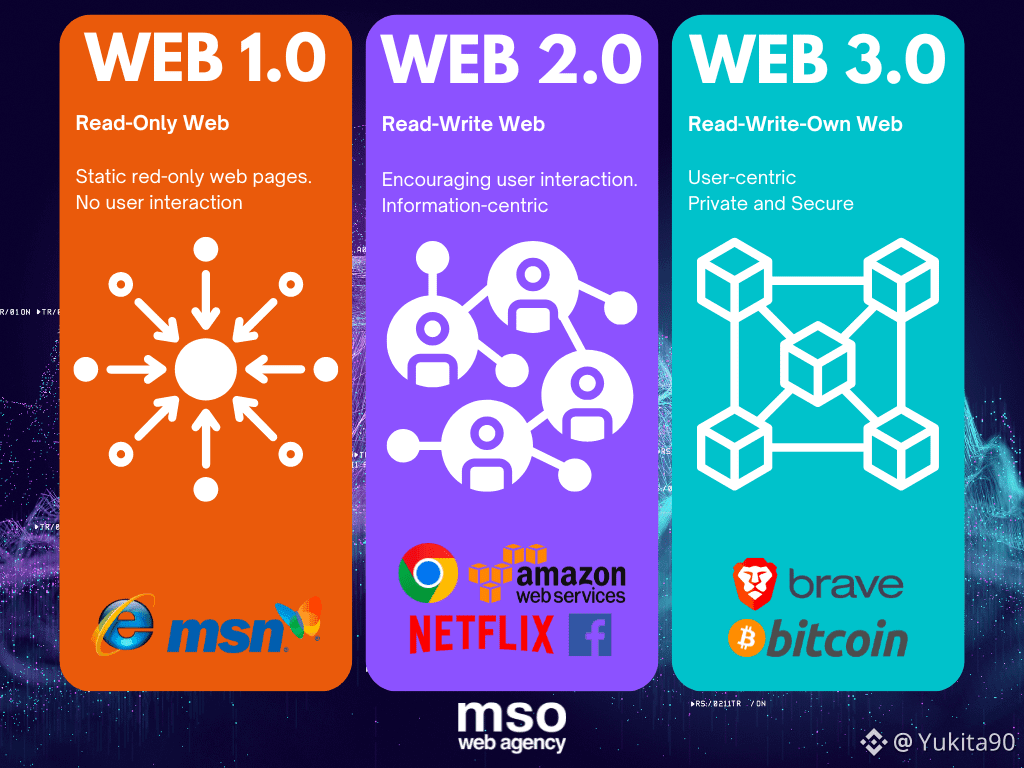
Web3 is the third generation of the internet, based on blockchain technology and cryptocurrencies, where users have real control over their data, digital assets, and identity without relying on large intermediaries. While Web1 was "read-only" and Web2 is "read-and-write" (dominated by social networks and centralized platforms), Web3 adds the ability to "read, write, and own."
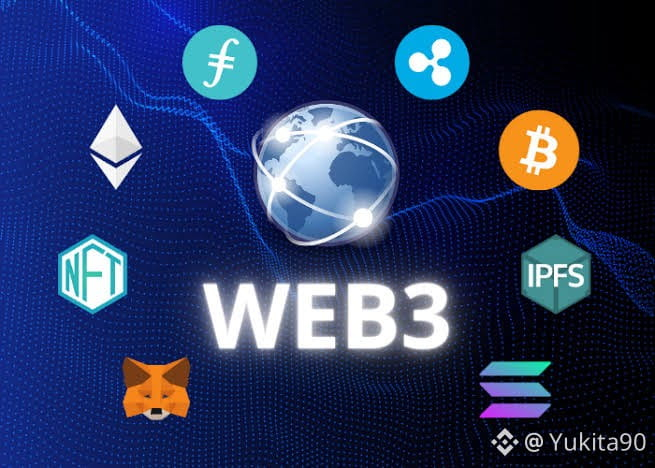
Decentralization: Instead of one company storing all the information on its servers, data is distributed across a network of computers (nodes) using blockchains such as Ethereum, Solana, or Bitcoin.
Digital ownership and wallets: Cryptocurrencies and tokens (such as NFTs or assets on networks) let users own their money or digital assets using their own wallet (such as Solflare or Binance's Web3 wallet) and private keys.
Smart contracts: These are programs that run automatically on the blockchain when certain rules are met, enabling loans, exchanges, or games without banks or middlemen.
DePIN and micro-rewards: Many Web3 networks reward users with points or tokens for contributing resources (such as bandwidth, data, or participation in communities), although it's a good idea to always check that a project is legitimate before connecting wallets or sharing data.
Identity and governance: Users can log in with their wallet and, in many projects (DAOs), vote on changes or network decisions. #Web3Payment
$BTC
$ETH
$BNB
#web3_binance