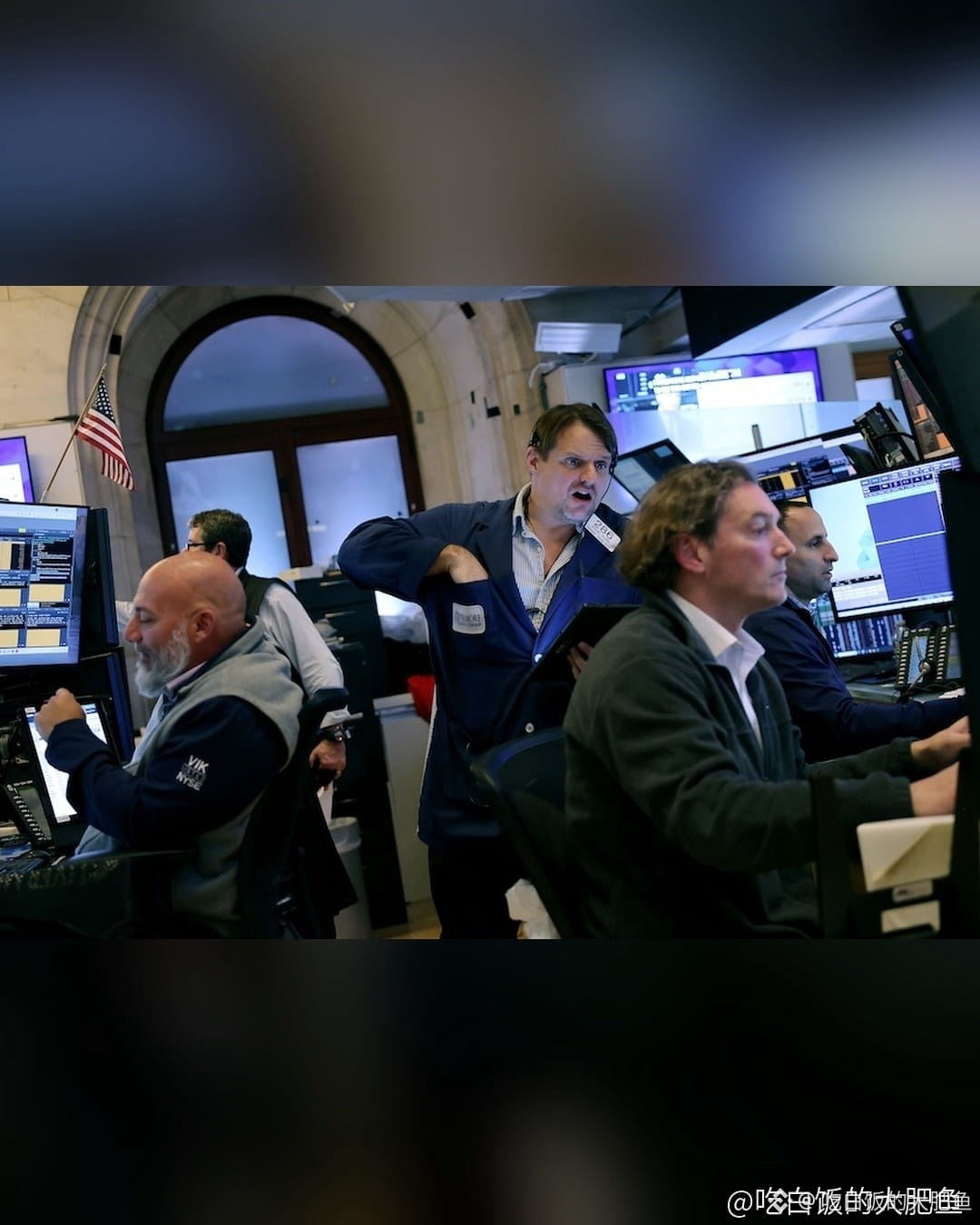
Bitcoin fell to $55,000 over the weekend, and it really wasn’t a crypto-specific problem—the U.S. stock market was closed, leaving it as the only thing people could sell.
In a November 23 report, trading firm QCP offered this explanation: the sharp weekend drop was mainly caused by macro hedging compounded by thin liquidity, not by any new deterioration in crypto fundamentals.
The timeline adds up:
1. During U.S. trading hours last Friday, $BTC fell below $60,000 for the first time (and the first time since July), closing at around $58,952;
2. It continued falling in early Asian trading on Saturday, touching $55,130 on Binance at around 06:00 UTC—about 4.5% below July’s low of $57,700;
3. But U.S. markets were closed that weekend, and Nasdaq futures on CME wouldn’t reopen until 23:00 UTC on Sunday. Investors worried about tech stocks could only sell Bitcoin, which trades 24/7, as a proxy. With order books thin, the drop was amplified.
The rebound didn’t wait for U.S. markets to open: Bitcoin was back above $60,000 by Saturday afternoon and around $61,000 on Sunday morning. It climbed toward $62,000 during Asian trading on Monday, even as Nasdaq futures were still falling. QCP says this is key evidence for the hedging thesis: the selling wasn’t aimed at crypto; crypto simply took a hit on behalf of U.S. stocks.
But the options market isn’t convinced yet: the 25-delta skew rose from 14.4% to 17.4%, its highest level since mid-July, as puts that protect against declines continued to get more expensive.
QCP laid out three conditions for a recovery: tech stocks stabilize, spot ETF flows stay positive, and implied volatility falls below 40. Monday’s scorecard: tech stocks passed, thanks to news of a leadership change at Nvidia; ETFs failed (another $569.7 million in outflows on Monday, the fifth consecutive day); and Bitcoin failed to hold up during U.S. trading hours.
Tuesday delivered another blow: the Nasdaq fell about 2.1% roughly an hour after the open, while Nvidia dropped about 7.5%. Bitcoin briefly fell to $59,260 and was around $60,218 as of 18:04 UTC, down about 2.38% on the day. The Wall Street Journal reported that the U.S. could announce a new round of tariff increases as soon as this week, pushing back a rebound that had just started to gain momentum.
My take: that weekend drop looks more like a liquidity accident than a collapse in crypto fundamentals, and QCP’s chain of evidence holds up. But “it’s not crypto’s fault” doesn’t mean prices can bounce back right away—ETFs are still bleeding, options markets are still hedging against downside, and October PCE data at 21:30 on Wednesday is the next wild card. Watch three signals: tech stocks stabilizing, daily ETF outflows narrowing, and Bitcoin holding up during U.S. trading hours. Until all three appear, treat any rebound as an oversold recovery and don’t chase it.