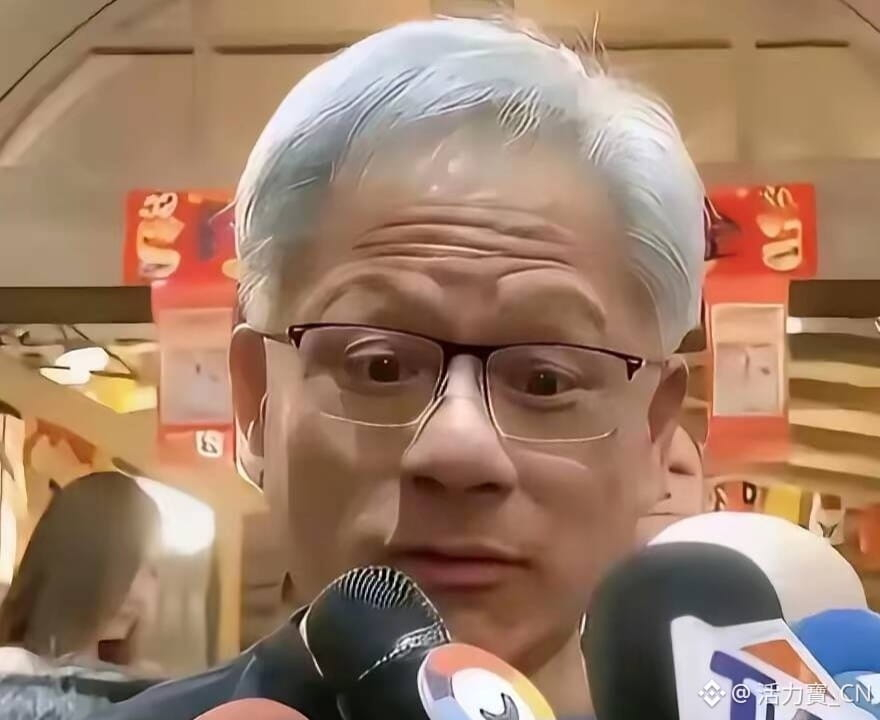
Jensen Huang’s “11-Day Lightning-Fast Comeback”: The Tech World’s Most Absurd Workplace Drama
The tech world has recently been treated to a drama more melodramatic than a short-form series, with twists coming so fast that the spectators couldn’t keep up.
On November 12, Huang suddenly announced his resignation, citing “personal conduct that did not meet the company’s standards”—a total blindsider for the market. Over the next seven trading days, the stock plunged 27.7%, wiping out more than a trillion dollars in market value—as if an entire U.S. state had vanished into thin air. More than 200,000 netizens urgently signed a petition, and even Elon Musk publicly weighed in to show his support.
It seemed like the outcome everyone wanted was in the cards. On the 17th, Huang said he was willing to return, only for the board to firmly reject him on the spot. The moment was intensely awkward.
But then the plot twisted faster than anyone expected. On November 20, Trump publicly called on Nvidia to keep the genius. Just three days later, the board made a lightning-fast about-face, unanimously voting to bring Huang back to his old role. The announcement even went out of its way to add that it had “heard the views of senior U.S. government officials, and that his return poses no national security risk.” The news sent the stock surging more than 30%. With all those swings hinging on Huang, the nerves of a whole crop of veteran retail investors were about to give out.
Put bluntly, the board had no choice: Huang’s personal brand had long been welded to Nvidia—and even to America’s AI narrative. His departure sent market confidence crashing. The White House stepped in personally to back him, and with the midterms just over, Trump was counting on AI to boost his record. In the end, both sides gave a little: the board put together a framework of “continuing the investigation + creating a new chief compliance officer” to give corporate governance a shred of cover.
But this is only a short-form drama with a costly victory for an ending; there may well be a second and third installment. Huang’s founder halo has been tarnished by this turmoil, and the company has been dragged right into the crossfire of partisan politics. Long-standing issues like regulatory pressure and returns on investment remain completely unresolved. Huang may seem to have steadied the ship again, but cracks have already quietly formed in the hull of this AI supertanker. #英伟达恢复黄仁勋CEO职务,市场吹响反攻号角 #感恩节交易周开启,市场能否迎来修复性反弹?