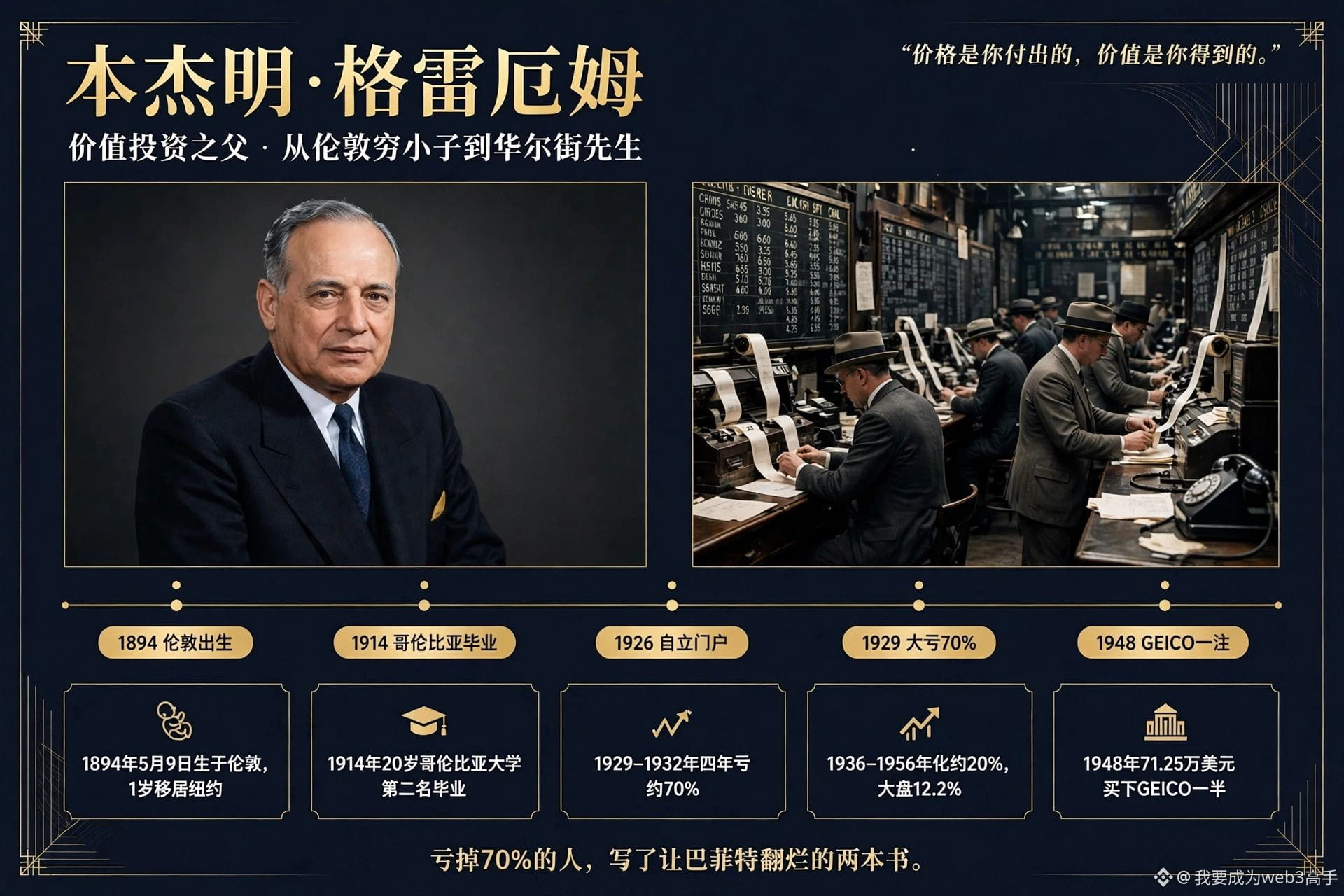
In 1929, a man who earned 25.7% in a year lost 70% over four years, then spent six years clawing his way back to where he started.
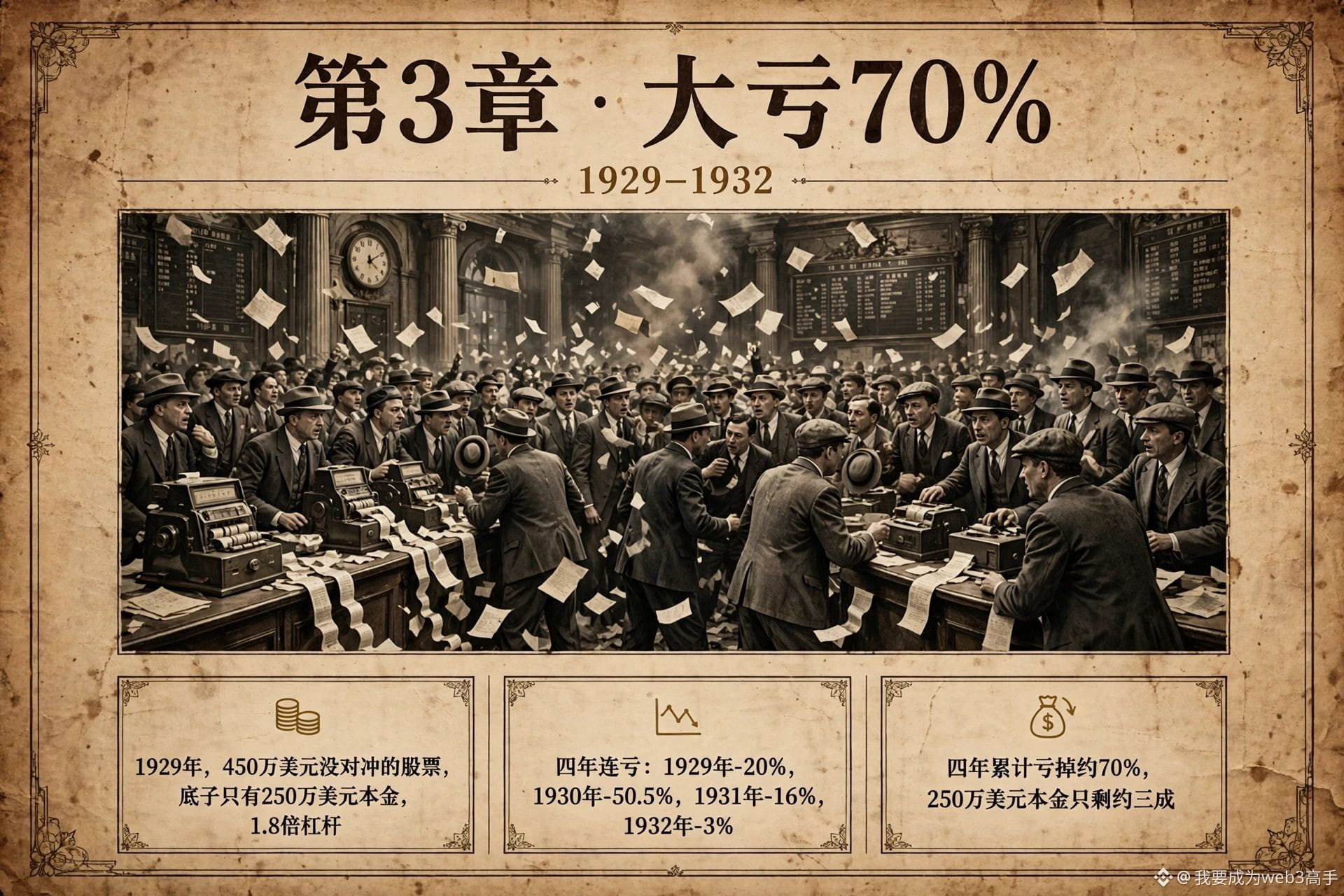
As mentioned in the previous post, in 1929 he held $4.5 million in unhedged stocks, backed by only $2.5 million in capital—a leverage ratio of 1.8 to 1.
He lost 20% in 1929. Then came the truly devastating year: in 1930, he lost 50.5%. He lost another 16% in 1931, and 3% in 1932. He jokingly called this a “relative victory.” After four years, only about 30% of his original $2.5 million remained. By his own calculations, he had lost 70%.
What’s more, he didn’t run. He and his partner, Newman, gritted their teeth and kept paying dividends every quarter, deducting the money from their own capital. By the end of 1932, only 22% remained in the account. Then, in 1935, the account was back to its 1929 level.
After losing that 70%, he began writing books. In 1934 came Security Analysis, coauthored with David Dodd. In 1949 came The Intelligent Investor. From 1936 to 1956, his Graham-Newman Corporation earned about 20% a year, while the broader market returned just 12.2%.
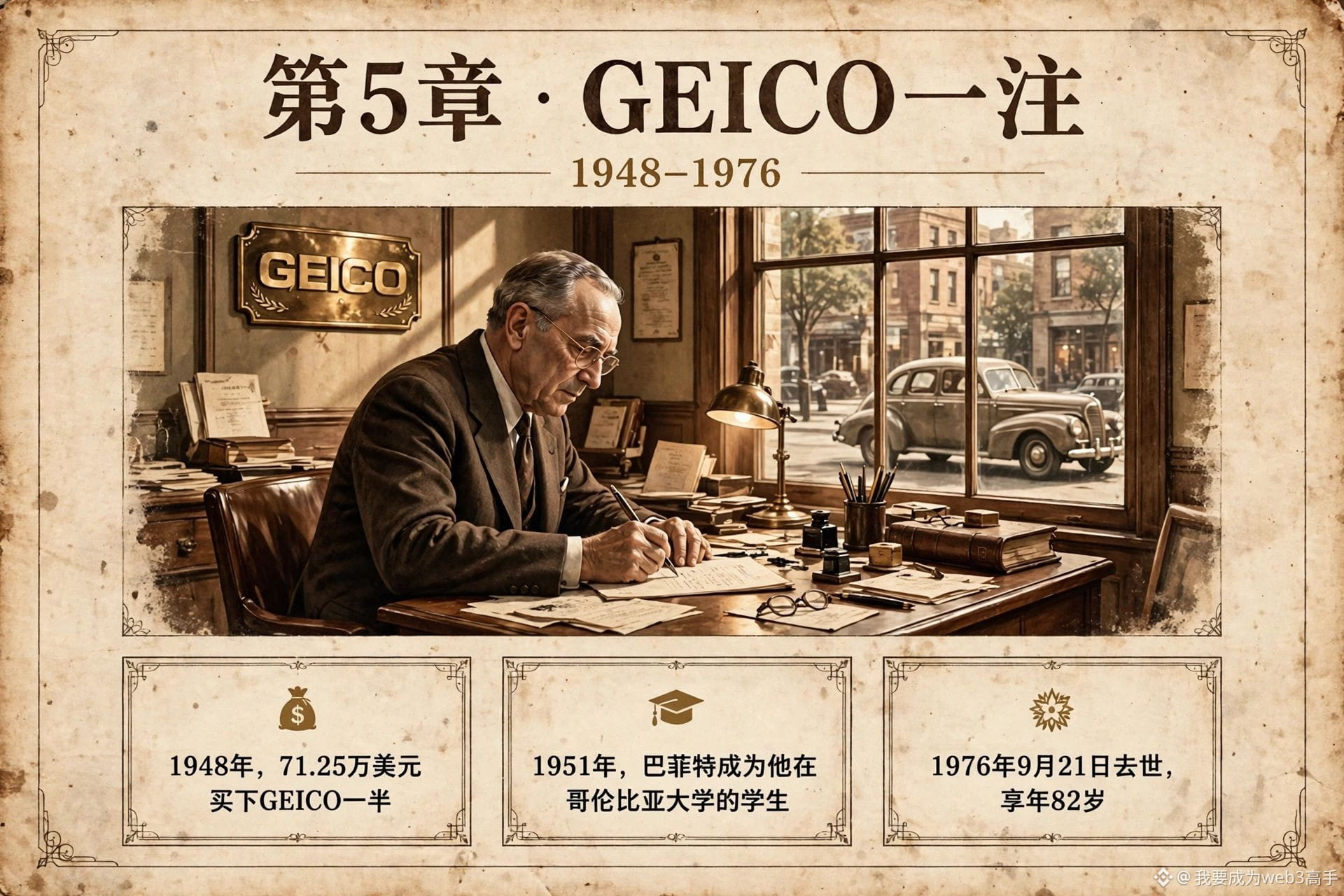
In 1948, he spent $712,500 to buy half of GEICO. In 1951, a young man named Buffett became his student at Columbia University. On September 21, 1976, he died at the age of 82.
How could a man who lost 70% go on to teach the world’s most successful investor?
$BTC $ETH $BNB