
What will save the AI trade now?
Bloomberg is also looking for answers after Anthropic’s IPO
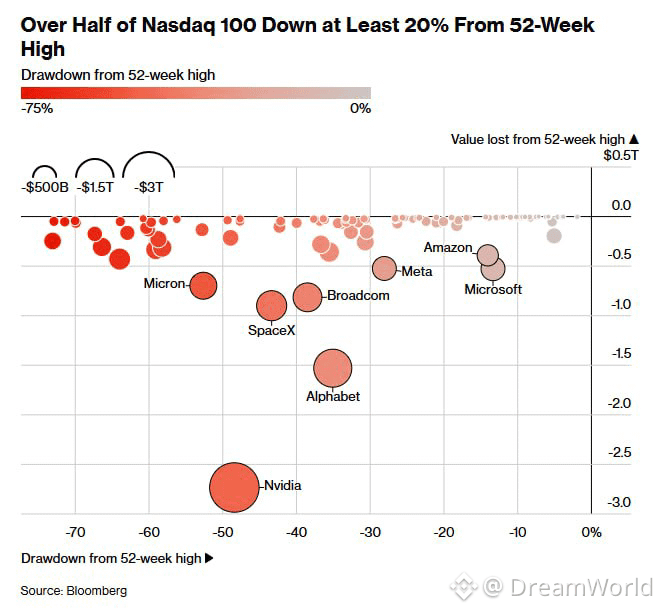
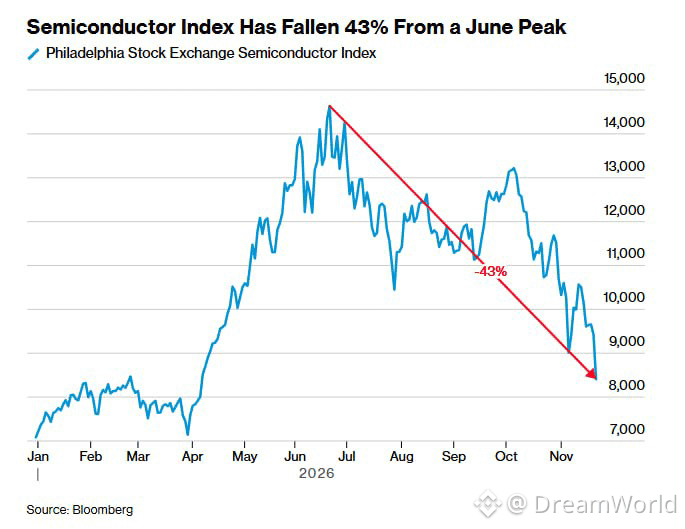
Anthropic’s record-breaking IPO was supposed to be the cleansing event that let the market breathe a sigh of relief. Somehow, the opposite happened: the Nasdaq 100 fell 10% in a week, and Bloomberg Economics spotted warning signs in the company’s filings. Demand for AI is enormous, but customers aren’t willing to pay enough to cover computing costs. The question now is no longer about the technology itself, but whether the money can sustain the pace of data-center construction as interest rates rise and Democrats could slow new projects after the elections.
✍️ Well, a rebound after Thanksgiving is entirely possible—both BofA and Goldman expect one—but a rebound isn’t the bottom. A real reversal, according to Hartnett of BofA, requires three conditions: the 10-year U.S. Treasury yield below 4.5% (currently 4.91%), WTI oil below $70 (currently $83), and the dollar peaking.
From here, everything hinges on the Fed. If it is still looking over its shoulder at Wall Street, it will stop raising rates as soon as the S&P 500 falls below 6845, meaning it will have given up all its gains for 2026. The index was just 1.2% above that level. But if the Fed is serious about inflation, don’t expect rate hikes to end before March or April—and with every meeting, the risk of recession increases.