Spending $10 million on 172.25 coins sounds like another buy-the-dip move. But put the two announcements side by side, and the first question is: after spending that money, how much did the numbers on the balance sheet actually move? $ETH
The first purchase was on November 16: $10 million for 154.32 coins, at an average price of $64,801. By the 20th, it was still $10 million, but that bought 172.25 coins at an average price of $58,054. Four days apart, the same amount of money bought 18 more coins. $SOL
Together, the two purchases came to 326.57 coins for $20 million. That sounds like a lot, but at the end of September the company had $102.8 million in cash alone. These two purchases accounted for less than a fifth of that. Per share, its BTC holdings went from 12,553 sats to 12,647, an increase of 0.75%. $CL
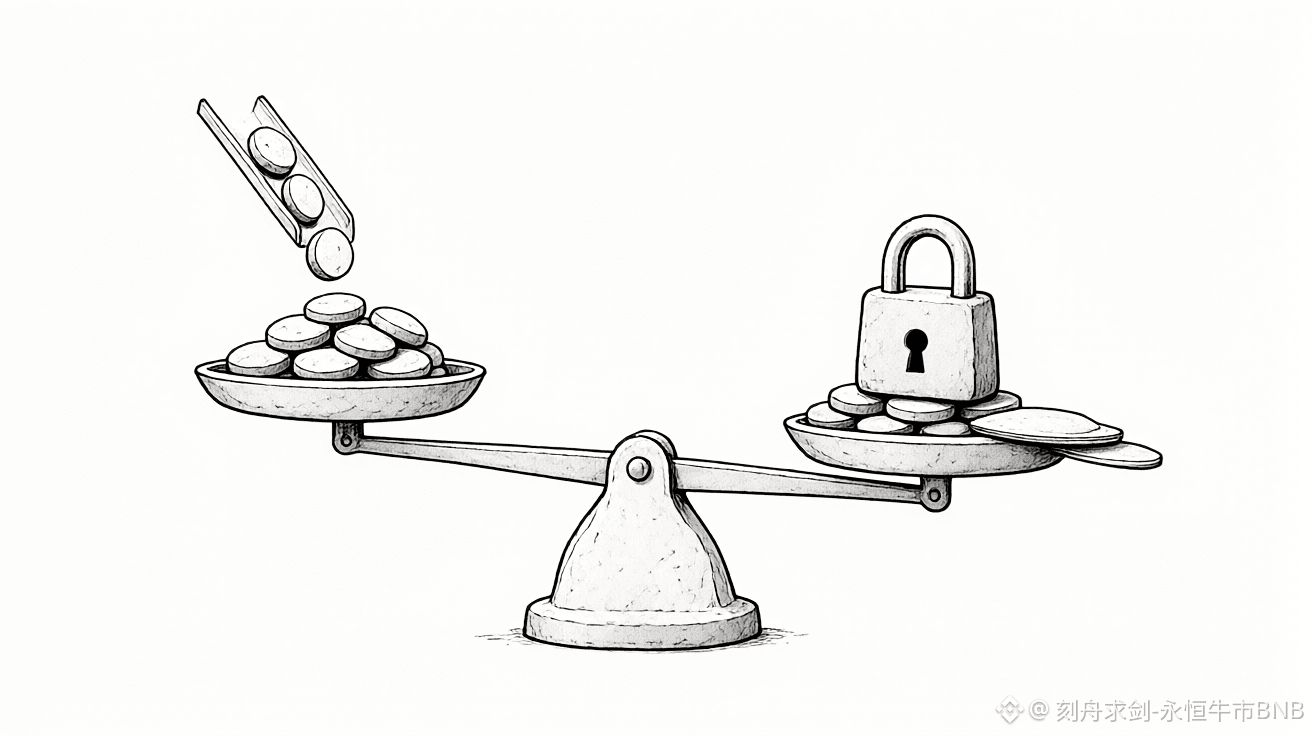
The other column is the one to watch. The company is carrying $486.5 million in convertible debt, backed by 16,116 coins as collateral. As the price falls, the cushion shrinks; and the cash it’s putting in now is going toward buying the very same asset. It’s easy to work out how lower prices let the same amount of money buy more coins. What’s harder is that the collateral column shrinks, too.
Then there’s the third-place holder. It has 43,841 coins, but the company ahead has 44,000—just 159 more. The one behind has 43,404, only 437 fewer. The rankings are separated by just a few hundred coins; two purchases could easily flip the order.
The market was unsettled at the time, with consecutive outflows from spot markets and leveraged positions getting liquidated across the board. The company chose that moment to act, saying the opportunity had arrived. That claim can’t be disproved: cash turns into coins, the coins back the collateral, and the collateral supports more borrowing—a cycle. From the outside, all we see is another purchase. Whether the books inside have become more strained will only become clear as the next market move plays out.
These are personal views, not investment advice. You are responsible for any gains or losses.
#TwentyOneCapital adds 172.25 BTC