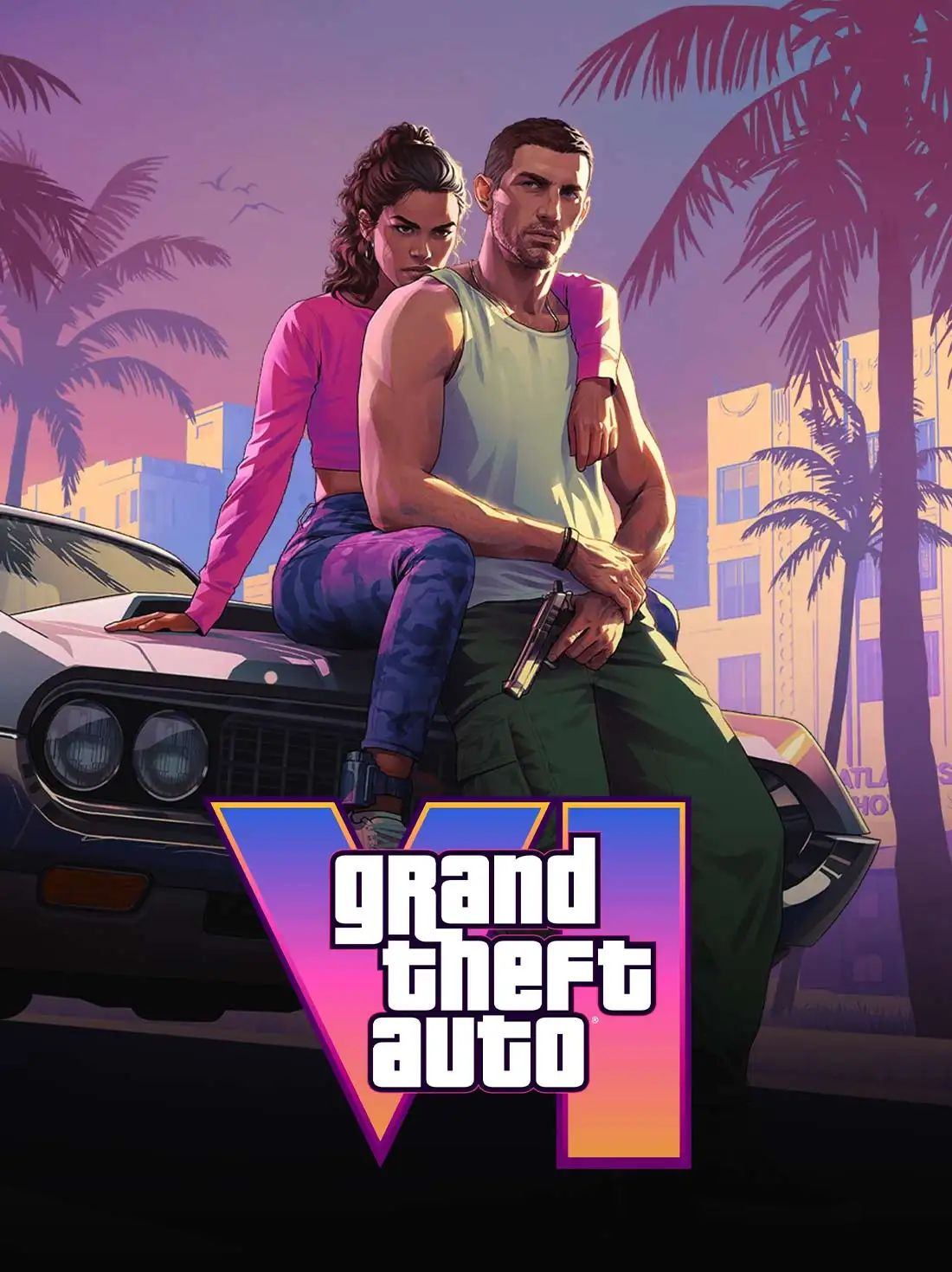


Modern Middle Class: A game company made more in a single day after launch than the blockbuster Avengers: Endgame earned at the box office over its entire run. The company calls it “an entertainment record across all media.” Even crazier, players around the world didn’t just think it was too expensive—they scrambled to take time off and spend their money. They’d waited 13 years for this day. On November 19, HR departments at companies across the U.S. began receiving leave requests for the same game. A PCMag survey found that about 12.5 million American adults planned to take the day off, or 8% of the population. A leading gaming peripherals company went one step further: all 7,000 employees worldwide got a paid day off.
One game company made more in a single day after launch than the total box office gross of the blockbuster Avengers: Endgame over its entire theatrical run. The company called it “an entertainment record across all forms of media.” The crazier part? Gamers around the world didn’t just think it was worth the price—they were scrambling to take time off and spend their money. They’d been waiting 13 years for this day.
On November 19, HR departments at companies across the US gradually started receiving leave requests for the same game. A PC Mag survey found that around 12.5 million adult American gamers planned to take the day off—8% of them. The leading gaming peripherals company went one step further: all 7,000 of its employees worldwide got a paid day off.
Schools in the UK even issued special notices urging students not to skip class for this game. One fan set his alarm for 5 a.m. and openly wrote “GTA 6” in the reason-for-leave box—and got his request approved. A player interviewed by the BBC said his wife and daughter had already signed a “do not disturb agreement” with him. On Twitch, just 30 minutes after the game went live, the single-player game viewership record was shattered.
The first figures came in that night: 24.58 million copies sold, bringing in about $2.36 billion—already three times what GTA 5 made on its first day. Everyone thought that had to be the limit. Then the company made an announcement the next day, and the numbers jumped to a whole new level: $3.79 billion in the first 24 hours. That works out to about $44,000 every second—by the time you finish reading this sentence, Rockstar has earned enough for another house.
How did one game make an entire country disappear for a day? The answer lies in the previous game in the series.
First, the long wait. GTA 6 didn’t just miss its release window—it pushed its own release date back twice. In May 2025, it was moved from “fall 2025” to May 2026; six months later, it was pushed back again to November 19. Both times, the reason was the same: to polish the game.
How can a publicly traded company dare to keep the whole world waiting for 13 years? The answer is a little counterintuitive: it could afford to wait because the previous game kept making money. GTA 5, released in 2013, has sold around 230 million copies and generated more than $10.78 billion in total revenue. Spanning three generations of consoles, it’s still selling today—around 5 million copies in a single quarter.
By 2018, it had already been called “the most profitable entertainment product in history.” The old game kept printing money up front while the new one was painstakingly made behind the scenes. That financial cushion funded the most expensive production in history: reportedly around $1.5 billion, with a team of more than 4,700—over twice the size of the team when production began. Rockstar had been scouting locations in Miami as early as 2015. The operation was like a medium-sized factory, with everyone working on a single product.
The most expensive game ever made, with the slowest development ever—and yet Wall Street doubled down on it the day the broader market plunged. What exactly were they buying?
They were buying pricing power. For 20 years, the price ladder for console games had barely moved, from $59.99 to $69.99. Nobody dared take the final step to $79.99. This time, the biggest game in history took that step itself. Rockstar earned the right to name its price through years of making players wait—something other publishers haven’t dared to do.
Based on sales and revenue, the BBC calculated an average price of around $96 per copy. Players weren’t buying a game; they were paying off the wait in one go. Marketing costs were kept to a minimum, too: the second trailer racked up 475 million views across all platforms in 24 hours, setting a record for a first-day release.
Before it even went on sale, 9.69 million digital pre-orders set a new record, and pre-sale revenue topped $1 billion. The reviews were just as impressive: Metacritic gave it a score of 99, tied for the highest in video game history.
Wall Street’s math was even more straightforward: analysts had forecast $1.85 billion in sales over the first three days. The game did that in a single day. Wells Fargo raised its sales forecast for the current fiscal year from 35 million copies to 65 million in one go. The broader US stock market plunged on launch day, but Take-Two closed higher against the trend.
That’s the story of the numbers and the scores. But the most valuable thing in all this waiting isn’t on Rockstar’s books.
For years, the whole industry has been chasing the next big thing, eager to release three games a year and switch directions every three months. Rockstar alone took its time and delivered its work. And somehow, the most powerful money-printing machine is the slowest one.
Quick money comes from riding a trend. Pricing power is earned by sticking it out. What players have been waiting for was never just a game—it was a promise that hadn’t let them down in 13 years. #GTA $BNB