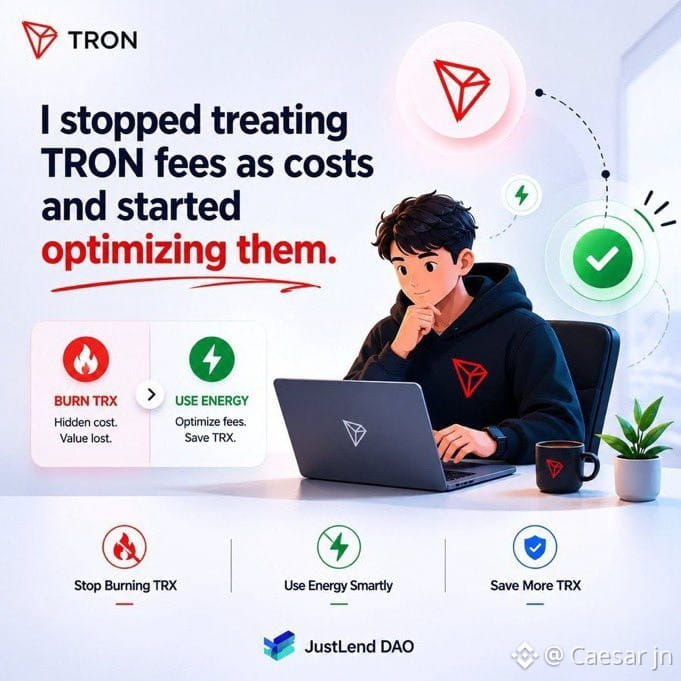
𝗧𝗥𝗢𝗡 𝗘𝗻𝗲𝗿𝗴𝘆 𝗔𝗻𝗱 𝗧𝗵𝗲 𝗖𝗼𝘀𝘁 𝗢𝗳 𝗨𝗦𝗗𝗗 𝗔𝗰𝘁𝗶𝘃𝗶𝘁𝘆
Stablecoin transfers and DeFi interactions require blockchain resources.
On TRON, two important resources are Bandwidth and Energy.
Bandwidth is used for transaction data, while Energy is consumed by smart-contract execution. The amount required depends on the operation.
This distinction matters because a simple token transfer and a more complex DeFi interaction do not necessarily consume the same resources.
TRON users can obtain resources through the network’s mechanisms, including freezing TRX for resource allocation, while eligible users may also access Energy through rental services.
This is relevant to USDD because the cost of interacting with a stablecoin includes more than its market value. Users also need to consider the network resources required to move or deploy it.
Understanding Energy helps users make better decisions about their transactions and DeFi activity.
It also demonstrates how TRON’s infrastructure complements the stablecoin layer.
USDD provides the digital asset. TRON provides the execution environment through which supported transactions take place.
@USDD - Decentralized USD @Justin Sun孙宇晨 @JUST DAO @TRON DAO #TRONEcoStar