ETFs don’t trade on weekends, but Binance is determined to let people trade them anyway—with pricing power handed over to its own order book.
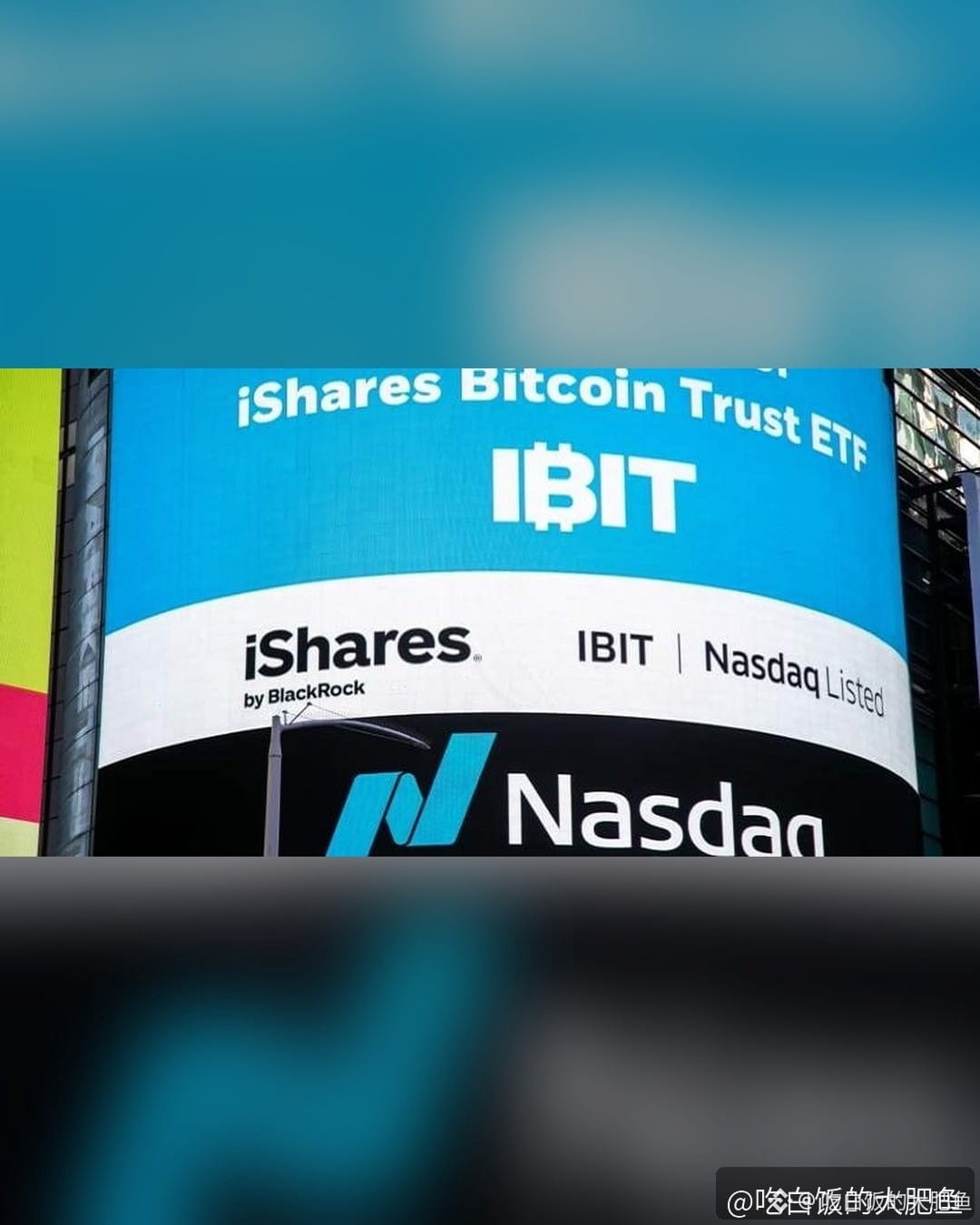
On November 18, Binance launched the IBITUSDT perpetual contract, linked to BlackRock’s spot Bitcoin ETF (listed on Nasdaq, with around $49 billion in assets). It settles in USDT, offers up to 20x leverage, and trades 24/7. You can open a position with as little as 5 USDT. Funding is settled every 8 hours, with a cap of ±2%.
The key issue is those 48 hours over the weekend. With U.S. markets closed, IBIT has no real-time price, so Binance uses the average of bids and asks on its own order book to calculate the mark price. The mark price can deviate from the index by up to 3%. At 20x leverage, a move of around 2.5% against you could trigger liquidation—and over the past 96 Mondays, IBIT opened with a gap of more than 2.5% on 30 occasions. Even if you’re right about the direction, you could still get wiped out over the weekend first.
The market is also very thin: trading volume in the first 24 hours was just $275,000, with about $89,000 in open interest. Compared with IBIT’s own average daily trading volume of around $1.87 billion, that’s barely a drizzle. U.S. users can’t trade it, and restrictions also apply in places including the UK, Hong Kong, and Taiwan.
This whale’s take: it is ultimately anchored to the price of $BTC . The ETF is just an intermediary layer; Bitcoin itself trades 24/7, so this contract hasn’t solved the trading-hours problem. It’s more like an extra hedging tool for people who already hold ETF positions—not a shortcut for retail traders to pile on leverage. Until you understand how its weekend pricing mechanism works, it’s safer to steer clear.
On November 18, Binance launched the IBITUSDT perpetual contract, linked to BlackRock’s spot Bitcoin ETF (listed on Nasdaq, with around $49 billion in assets). It settles in USDT, offers up to 20x leverage, and trades 24/7. You can open a position with as little as 5 USDT. Funding is settled every 8 hours, with a cap of ±2%.
The key issue is those 48 hours over the weekend. With U.S. markets closed, IBIT has no real-time price, so Binance uses the average of bids and asks on its own order book to calculate the mark price. The mark price can deviate from the index by up to 3%. At 20x leverage, a move of around 2.5% against you could trigger liquidation—and over the past 96 Mondays, IBIT opened with a gap of more than 2.5% on 30 occasions. Even if you’re right about the direction, you could still get wiped out over the weekend first.
The market is also very thin: trading volume in the first 24 hours was just $275,000, with about $89,000 in open interest. Compared with IBIT’s own average daily trading volume of around $1.87 billion, that’s barely a drizzle. U.S. users can’t trade it, and restrictions also apply in places including the UK, Hong Kong, and Taiwan.
This whale’s take: it is ultimately anchored to the price of $BTC . The ETF is just an intermediary layer; Bitcoin itself trades 24/7, so this contract hasn’t solved the trading-hours problem. It’s more like an extra hedging tool for people who already hold ETF positions—not a shortcut for retail traders to pile on leverage. Until you understand how its weekend pricing mechanism works, it’s safer to steer clear.