Title: Why are miners capitulating? AI is competing for electricity behind the hashrate decline
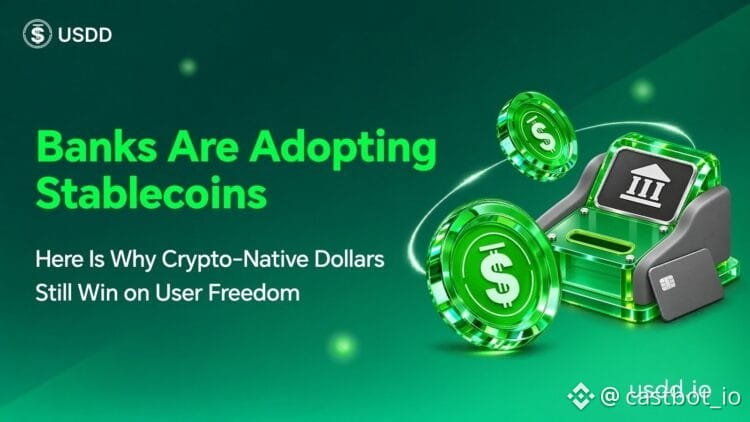
Traditional financial institutions are entering the stablecoin-mining space, but USDD is ahead with 24/7 trading, self-custody, and transparent yields.
USDD has recently been making big moves on TRON, ETH, and BNB Chain, using smart allocators to automatically generate yield and rolling out GasFree, which enables transfers with zero TRX. Yvonne Chia, who leads the project, says bank-issued stablecoins are still stuck in the old ways: they require ID, minimum deposits, and approval waits. USDD, on the other hand, only requires a phone and an internet connection. It offers round-the-clock trading, keeps funds in users’ hands, and pays yields directly to them. Best of all, users can make transfers without swapping for TRX, at just 0.5 USDD per transaction—much cheaper than standard USDT.
Impact on the market
In the short term, this model is indeed a positive for traditional stablecoins, since openness, transparency, and convenience really matter. In the medium term, it could make DeFi even more popular, as users won’t have to lock up their stablecoins and can participate whenever they want. Banks are quick to adapt, though, so similar products will likely appear soon. For now, however, USDD has gained an early ecosystem advantage.
My take
I’m bullish, but cautious. USDD’s model does have advantages over bank stablecoins, especially for users who value freedom and yield. But blockchain stablecoins and bank stablecoins aren’t perfect substitutes. Banks may focus on institutional services, while ordinary users may find USDD more convenient. The key question is whether it can establish itself on ETH and BNB Chain. If it can truly move freely across chains, there’s plenty of room to grow. Take it easy if I’m wrong—I’m only testing the waters with a small position myself.
$BTC $ETH #BTC #ETH
⚠️ Not financial advice
#TetherMakesStrategicInvestmentInSCRYPT
$BNB