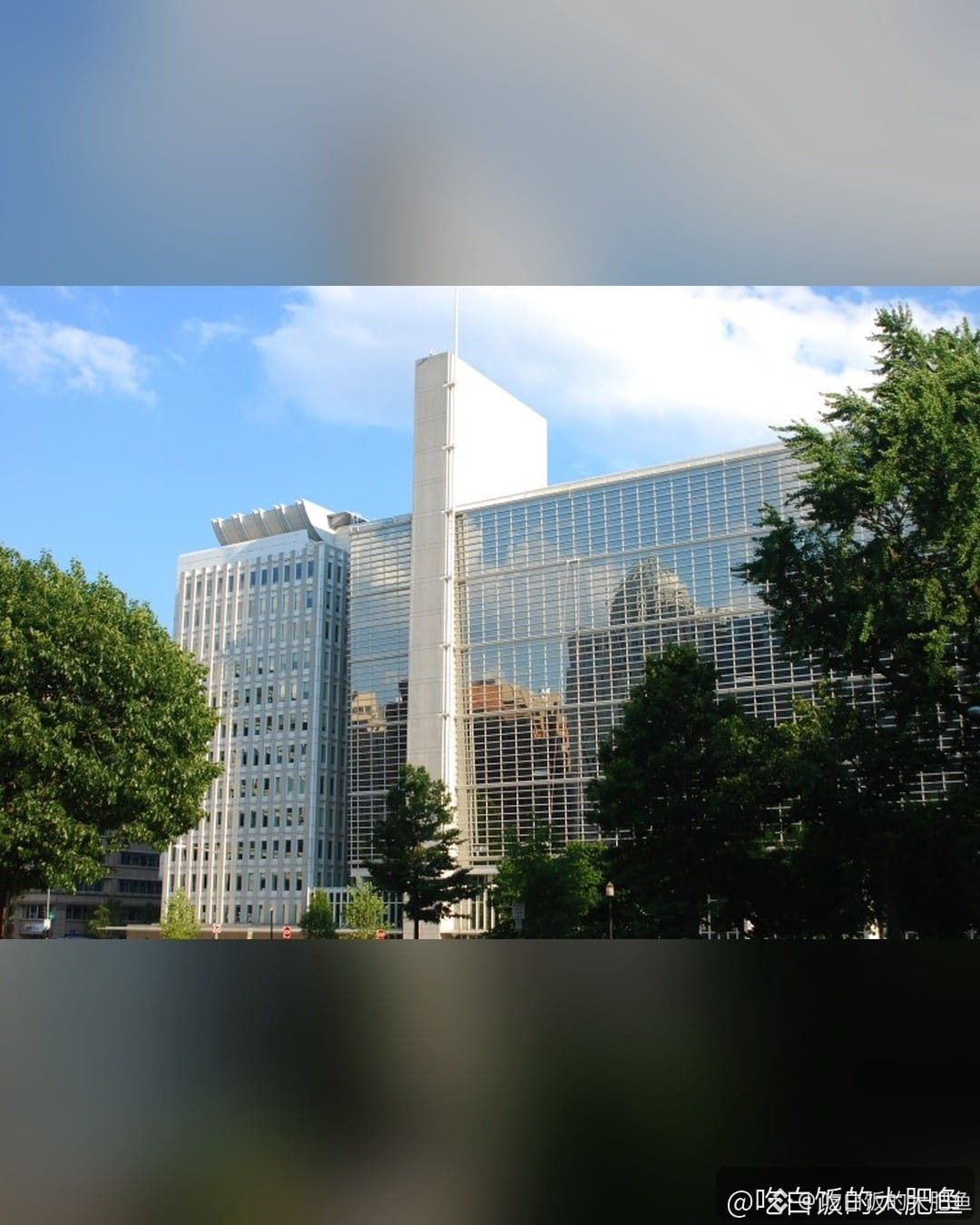
The World Bank is looking to use stablecoins to disburse funds—a lender that handles $123.5 billion a year is beginning to seriously test USDC.
On November 17, the World Bank Group announced that it is exploring the use of compliant, dollar-backed stablecoins to disburse development funds, together with Citi and Circle. The roles are clear: Citi will provide access to traditional banking settlement rails, while Circle will handle minting and settlement using $USDC . The pilot will start with borrowing countries that permit digital assets, testing a stablecoin payment model built around an intermediary and interoperability.
The significance isn’t in the word “exploring”—it’s in the scale. The World Bank Group has 189 member countries. In the fiscal year ending June 30 this year, it provided a total of $123.5 billion in loans, grants, and guarantees. Its existing blockchain platform, FundsChain, already tracks the flow of funds for more than 350 projects across 96 countries. Once stablecoins are connected to this pipeline, they’ll be more than a settlement tool on crypto exchanges—they’ll become a channel for disbursing development finance.
Circle was busy that same week, too: on November 18, it partnered with Singapore’s DBS Bank to expand direct USDC minting and redemption to institutional clients across Asia.
This whale’s take: stablecoins are being recast from “trading tools” as “fund-disbursement rails.” If an institution on the scale of the World Bank gets this up and running, USDC’s role will change. But this is still only at the exploration stage: there’s no amount, no specified blockchain, and no timeline. Don’t treat it as a confirmed development and trade on it as such. Keep an eye on two things: whether a list of pilot countries is announced, and when the first actual disbursement arrives. Only once both happen will stablecoins truly break into the mainstream.