
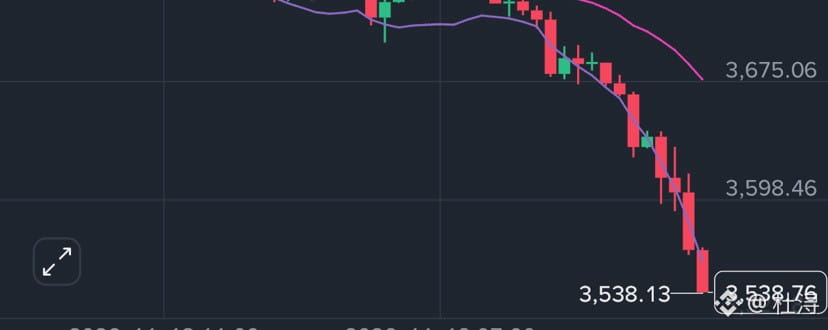

Hi everyone! I’m Du Xun! Gold and silver have taken a huge plunge recently! Today I’m going to talk about gold and silver. After all, I got into them 13 years ago, and they were how I earned my first big chunk of money!
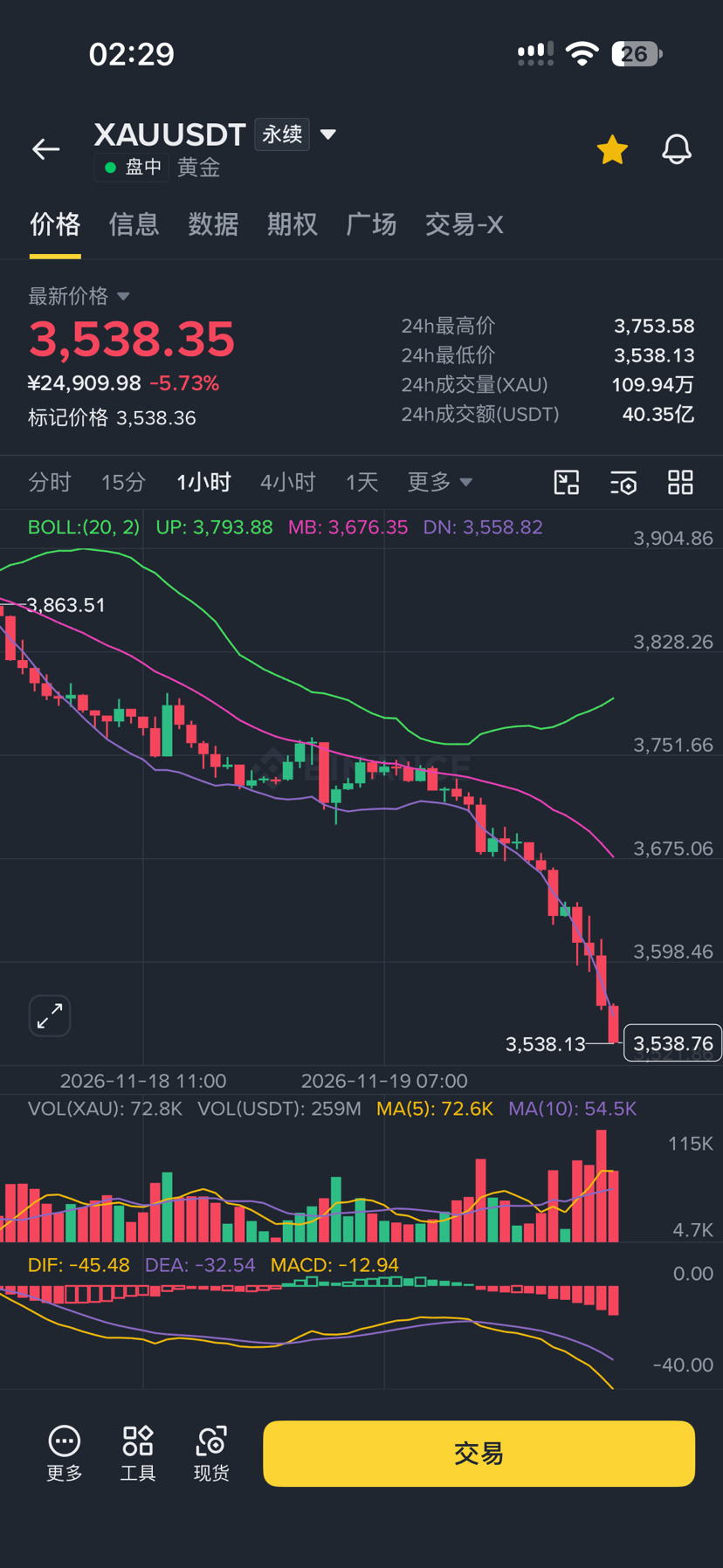
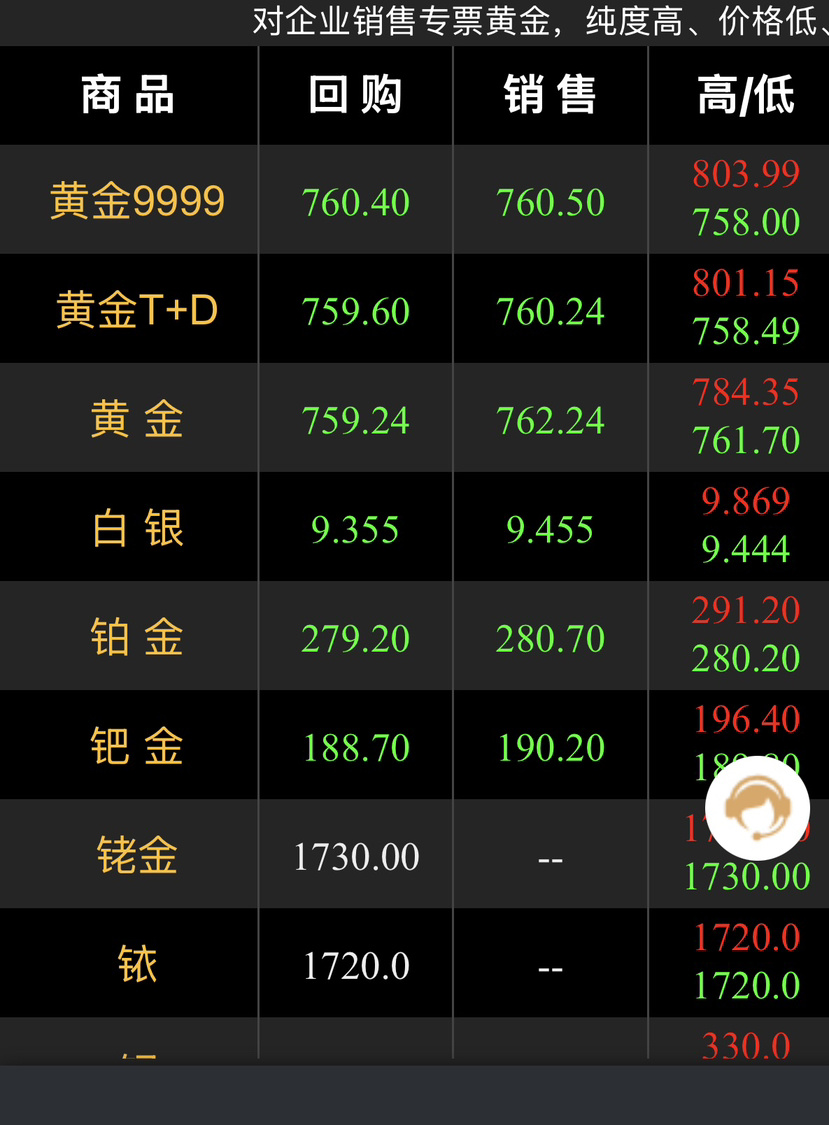 How much further does gold have to fall before it’s over? Should you cut your losses or buy the dip? Here’s the thing: anyone who gives you an answer is just guessing. There’s only one thing you don’t have to guess: the price you’re seeing now is already low enough, and the bubble has been squeezed out. But a lot of people are worrying about it all day long. I don’t get it—it’s as if what they’re holding isn’t gold anymore, but a piece of scrap metal. If that’s really how you think, you don’t understand gold at all. Let’s start with the most basic question: from an investment perspective, what exactly is gold? It doesn’t earn interest. If you put 1,000 yuan in the bank, you’ll earn interest after a year. If you use that 1,000 yuan to buy gold, ten years later you’ll still have a piece of gold. So gold has just one Achilles’ heel: interest rates. When rates are high, people sell their gold and put the money in the bank, so gold falls. When rates are low, saving money in the bank isn’t worth it, so money flows out and into gold. That’s why gold has been falling lately. U.S. inflation data for October came in stronger than expected, and the market started betting that the Federal Reserve would raise rates again in December. The U.S. Dollar Index climbed above 103. Treasury yields are also high. When the dollar and Treasuries are both strong, gold has the hardest time. But that’s only the first blow. Making matters worse is the second: a liquidity-driven sell-off. When cash is tight, people sell whatever they’re making a profit on. Gold is one of the easiest assets to turn into cash, so it’s the first to get hammered. So the decline you’re seeing now is the result of two forces piling up: interest rates are weighing on gold, and liquidity is giving it another kick.
 But is this the first time in history that gold has faced a situation like this? Absolutely not. Let’s take a longer view and see what happened each time gold fell 30–40% in the past. From 1974 to 1976, gold fell from $184 all the way to $103, a drop of 40%. Experts were unanimously bearish, and Citibank even forecast that gold would fall to $60. But what happened? After the second oil crisis began in 1978, gold reversed course and soared, reaching $850 in 1980. It rose more than sevenfold in four years. Then, during the 2008 subprime mortgage crisis, gold fell from $1,032 to $681 over seven months, a drop of more than 20%. Everyone said gold was no longer a safe haven. But what happened? Two years later, gold climbed back to $1,920, nearly tripling. In 2020, during the pandemic, gold plunged from $1,700 to $1,450 in five months, a drop of 15%. But what happened? Five months later, it surged to $2,075. Have you noticed the pattern? Whenever gold has fallen hardest, that’s when people have criticized it most harshly. And after each bout of harsh criticism, as long as the major underlying factors haven’t changed, gold has always recovered—and gone even higher.
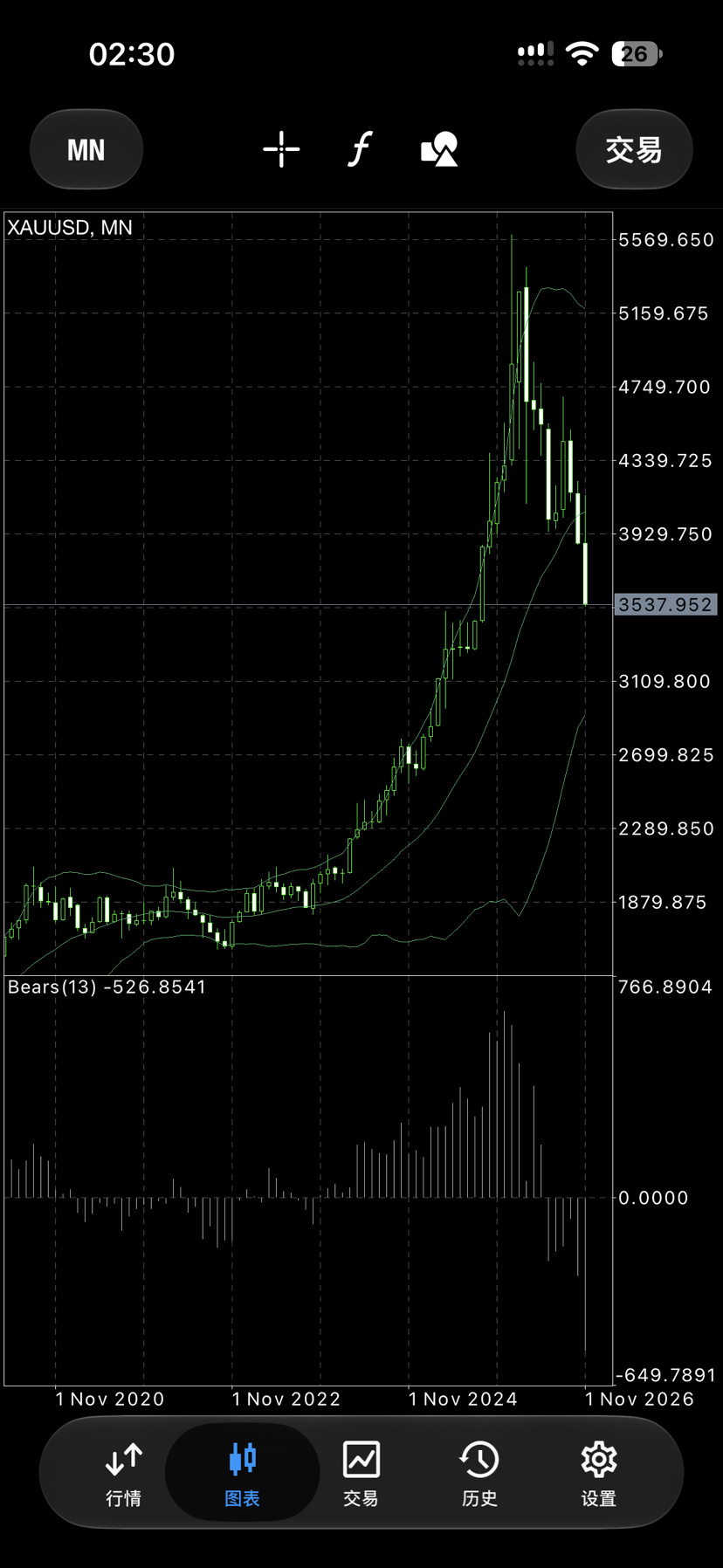 So the real question isn’t how much it has fallen. It’s whether the major factors supporting it have changed. Are central banks still buying? The truth is that central banks around the world have been buying about 1,000 tons of gold each year in recent years, while global annual gold production is only around 3,000 tons. That means central banks are effectively locking up one-third of the supply each year. Another factor is confidence in the US dollar. The dollar’s share of global foreign-exchange reserves has fallen to 56%, its lowest level in 30 years. De-dollarization isn’t just a slogan or a sentiment; it’s a trend. More importantly, US debt has reached $41 trillion. Using aggressive rate hikes to suppress gold would come at the cost of crushing its own finances. So the ceiling for rate hikes this time around is very low; in the end, there won’t be many more hikes. Since all three of these factors are still in place, does that mean I’m telling you to buy the dip? No. I’m telling you not to panic. In the short term, the Fed could certainly raise rates once or twice more to bring inflation down. But first, even if it raises rates again, gold won’t fall much further. How much room is there left to go down? The excess has already been squeezed out to this point; it has nothing left to lose. Second, how many more times can rates be raised? Until the debt blows up, or until the money taps are turned back on? Either way, gold is set to take off eventually. There has never been a ‘this time is different’ when it comes to gold. This time, its fall from $5,600 to around $3,500 looks scary, but in the context of its decades-long cycle, it’s just a typical deep squat. No one can know exactly how long this squat will last; it depends on inflation. The only thing you can do isn’t try to guess, but to start building a position when the price seems reasonable. You don’t have to hit the absolute bottom.
One more important point! A few days ago, Du Xun predicted that if gold broke below 3,840, it would head for 3,500. Today it’s close to 3,500, but this isn’t the bottom. Gold is different from Bitcoin. Bitcoin can rebound after becoming oversold, but gold may not move that way. I estimate the low could be around 3,200. Don’t rush to buy the dip! Silver usually falls more than gold. What do you think? Follow Du Xun! I’ll explain any developments as soon as they happen.