What exactly does “offline” protect you from? Two cases in Dubai have brought the question into the open: one device lost 1,300 SOL, while another had 507,000 USDT siphoned off—a combined loss of about $604,000. Both buyers say the recovery phrases were generated by the devices themselves and never entered anywhere else. $BTC
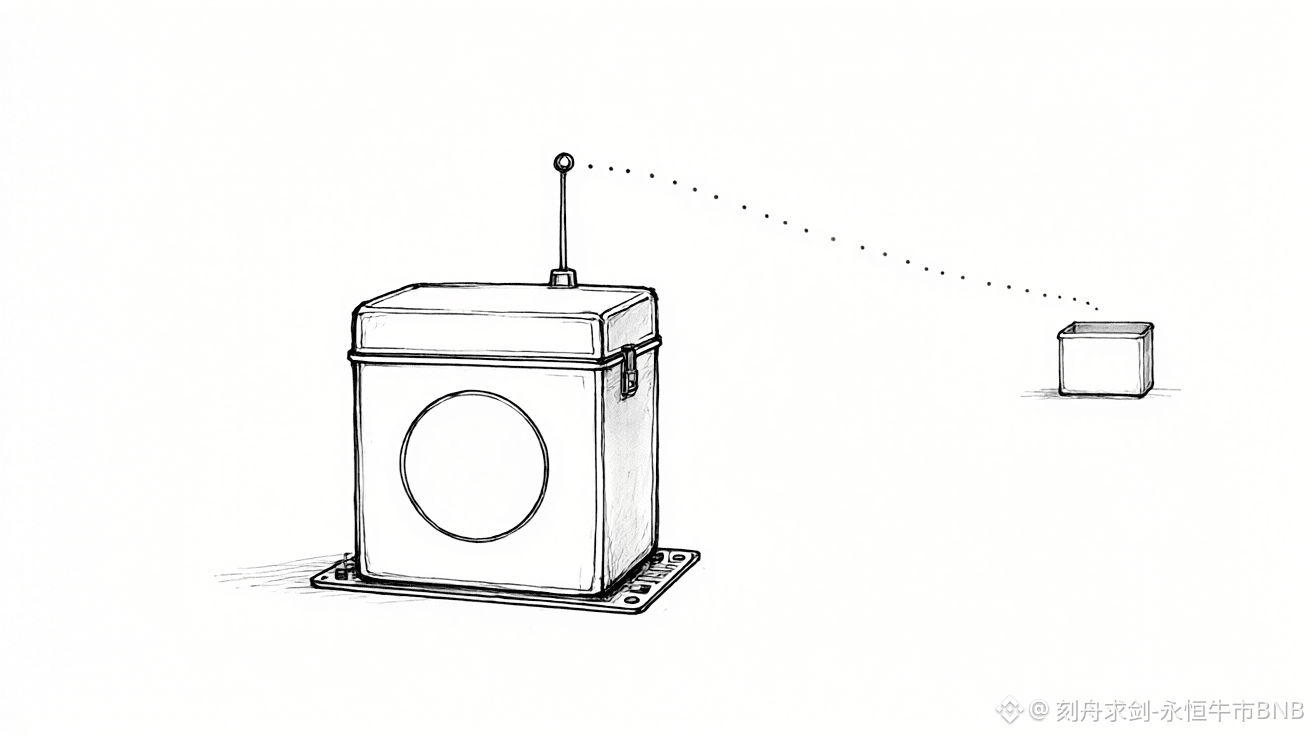
The problem arose in the few minutes after unboxing. In October, the manufacturer laid it out clearly: someone bought genuine devices, added a small circuit board and an antenna, then slipped them back into the distribution channel. The moment the device was powered on, the 24 words on the screen were photographed, then transmitted over a cellular signal via an internal card. The secure chip wasn’t breached, the system wasn’t modified, and the keys weren’t read. The manufacturer’s official inspection simply couldn’t detect this kind of add-on, so the devices still passed authentication. $BNB
The scope is also shifting. It first involved a distributor in Southeast Asia, then several devices were confirmed in Berlin, and now there are two cases in Dubai—all attributed by the manufacturer to the same issue. But the figures don’t line up: one side traced $87 million, while the other put the figure at $93.2 million—a gap of more than $6 million, with neither side conceding. A Singapore police notice in October was more cautious: at least two cases, totaling about 3.5 million Singapore dollars. $XAU
I’m not so concerned about how much was siphoned off. What concerns me is that the assumption “offline equals safe” has taken a hit. In the past, self-custody was priced on the assumption that money not connected to the internet was locked away for good. Now, someone got a look at the key to that lock at the moment the device was unboxed. That discount applies to the underlying assumption, not just to any one blockchain. The idea that holding it yourself is what makes it safe needs to be weighed again.
The retail counter is an even harder problem. A manufacturer can control its own distribution channels, but not someone else’s shelves: after the incident at one Southeast Asian retailer, seven Asian markets suspended sales; another manufacturer simply cut about 80% of its distributors. These points of sale can’t be audited from the outside, so the risk remains buried there. The manufacturer says the overall number is small, but also admits it fears the tally will keep growing.
The lock is still there. There are just more people watching it.
These are personal views and not investment advice. You are responsible for your own gains and losses.
#Ledger硬件植入报告延伸至迪拜