Circle’s USDC turnover reached $13.9 trillion last quarter, but for Asian institutions looking to exchange dollars for it at par, they had to find a counterparty in the secondary market. The news out of Singapore on the 18th changes that step: eligible institutions can go directly to DBS to mint and redeem, near-instantly, 24 hours a day, 365 days a year. $XAU
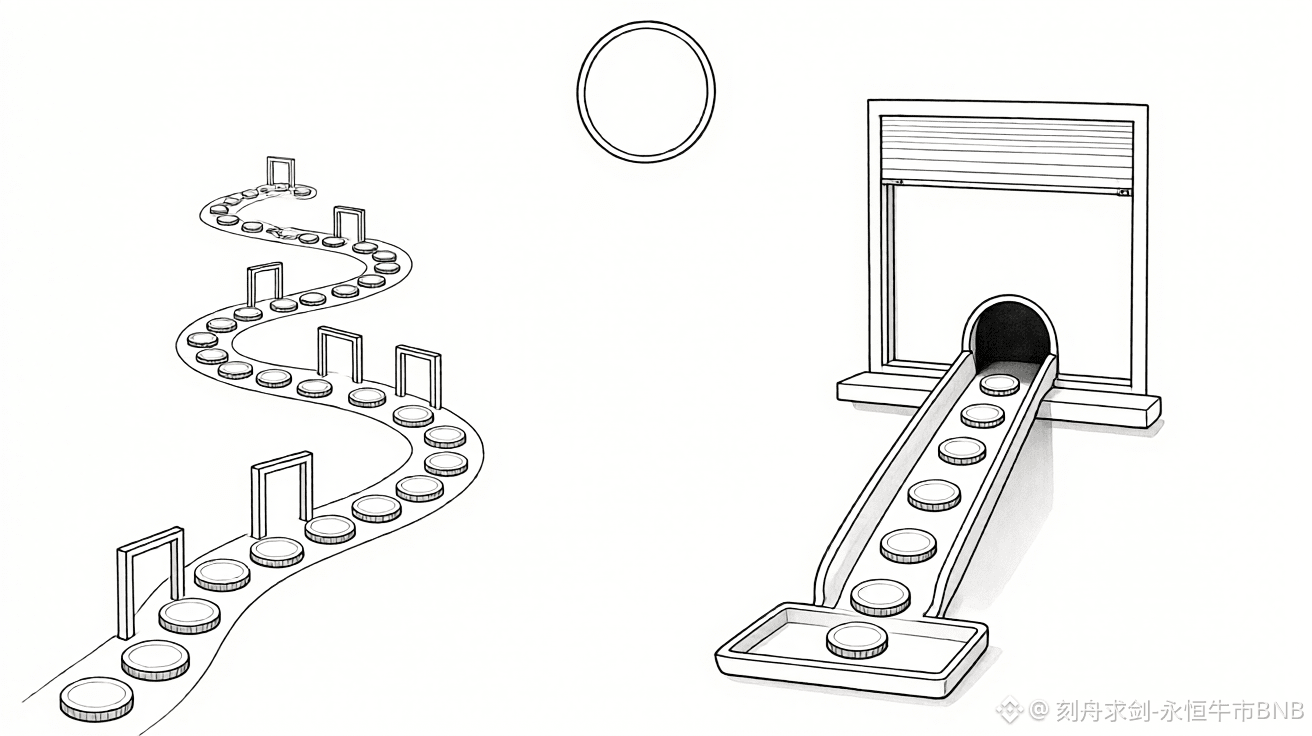
I read the official announcement twice. What stood out was the change to the settlement clock. Bank business hours still exist, but the dollar-to-USDC exchange window no longer watches the clock. Treasury operations across weekends, nights, and time zones no longer have to wait for those few hours when the doors are open. For treasury departments, it effectively eliminates the wait for the bank to open. $ETH
In DBS’s own survey, 422 executives across 11 markets, at companies with annual revenue above $500 million: 64% want banks to be a single access point for tokenized money, and 38% cite the ability to make payments outside business hours as a reason for adoption. The numbers point to the same counter: institutions want a place where they can manage different kinds of money together. $SOL
This access point already had a precedent. On November 16, the tokenized deposit transfer system from DBS and JPMorgan went live between Singapore and the United States, with Ant International as its first client. But that network has to stop for three hours on Saturdays. Now stablecoins are being connected to the same counter, with the two rails side by side. Whoever secures the exchange gate first collects the toll.
On the issuer’s side, Circle reported $864.9 million in revenue and reserve income last quarter, up 17% year over year, and an annualized payment network volume of $41.3 billion. It chose DBS for Southeast Asia’s largest bank’s infrastructure and its position in the Monetary Authority of Singapore’s interoperability initiative. Which rail the money takes depends first on how many kinds of money are available at the counter.
A dose of caution is in order: no launch date was given, eligible countries weren’t listed, and fees and limits weren’t specified. The infrastructure is in place, but that doesn’t mean money will switch rails that same day. The secondary market still has the depth; we’ll have to see how things run and then count again.
The shutters are up, but the line hasn’t formed yet.
These are personal opinions and do not constitute investment advice. You are responsible for any gains or losses.
#星展银行与Circle扩大亚洲机构USDC准入