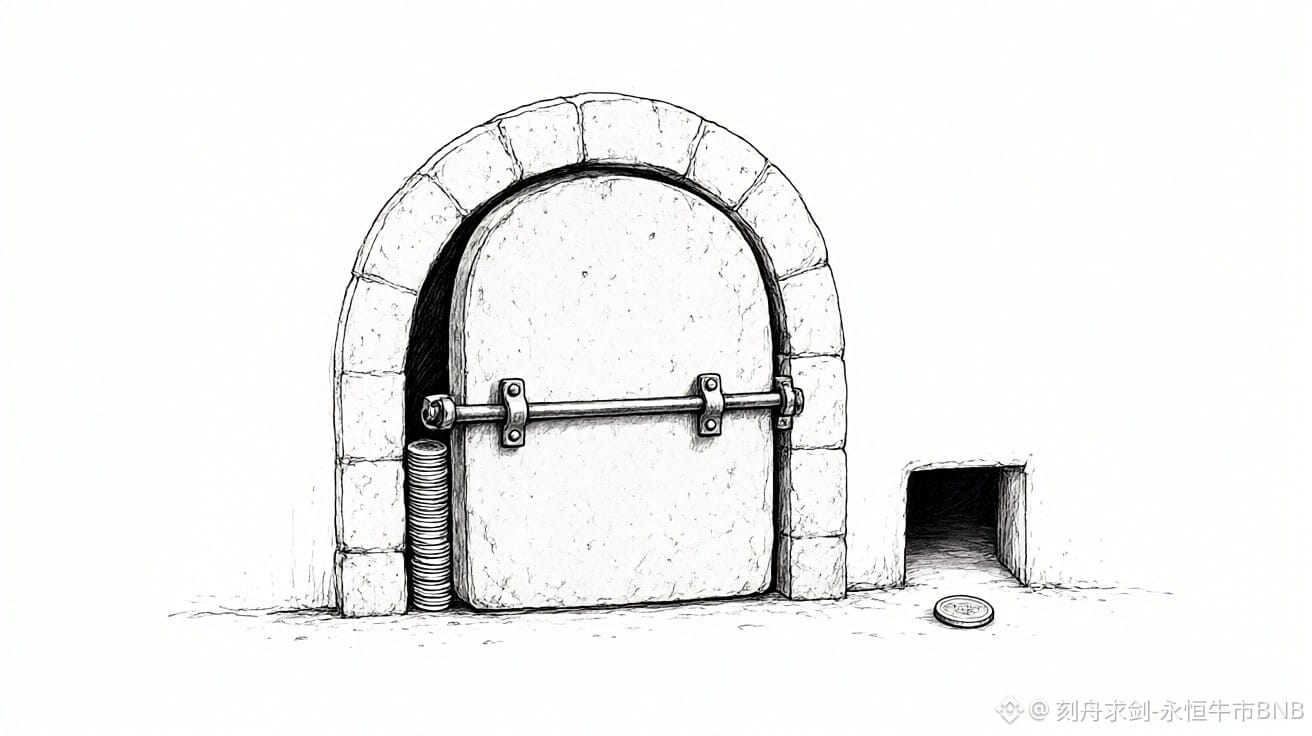
51.3% to 48.7%—California’s constitutional amendment barely passed. What really matters is the half-sentence it left unwritten: the door to taxing you based on “what you own” has been welded shut. $ETH
The list included 401(k)s, corporate equity, digital assets, intellectual property, and personal property, while real estate was specifically left out. Even tougher was the retroactivity clause: no reaching back to impose the new tax, even if you lived here last year. The only exception is that, if the governor declares a state of emergency, it can be applied retroactively for up to 365 days. What it really locks in is the basis for future tax hikes—moving them away from existing holdings. $SOL
Two other measures were on the same ballot. One proposed a one-time 5% tax on the roughly 200 to 300 people with net worths over $1 billion; it was rejected by 52.2%. The other extended taxes on high earners and passed with 60.7%. Put the three side by side and the dividing line is clear: taxes on income pass; those targeting existing principal are out. $ZEC
I looked over the ledger for this fight, and the more I read, the more interesting it got. Opponents spent $333 million, while supporters raised only a little over $30 million. One person, Brin, contributed $102 million—and had already moved his home out of California. All that money went toward the word “own.” For someone who holds on and doesn’t let go, this measure effectively welds shut another gate on taxing the portion of their wealth they leave untouched.
But the state’s finances tell a different story. The nonpartisan Legislative Analyst’s Office itself acknowledged that future tax increases will be harder for the state, and that it’s impossible to estimate how much revenue will be lost. Neighboring Illinois, meanwhile, has proposed a 0.2% tax on digital assets, taking effect on January 1, 2027, based on transaction volume. California has locked down the “holdings” category; Illinois is turning to the “transactions” category. The avenues available to state governments for collecting taxes are shifting toward things “in motion.”
The count has yet to be officially certified; the Secretary of State won’t sign off until December 11. Existing holdings are protected for now, but the door is still open when it comes to cash flow.
Personal opinion, not investment advice. You are responsible for your own gains and losses.
#加州选民初步通过42号提案禁征加密资产新税