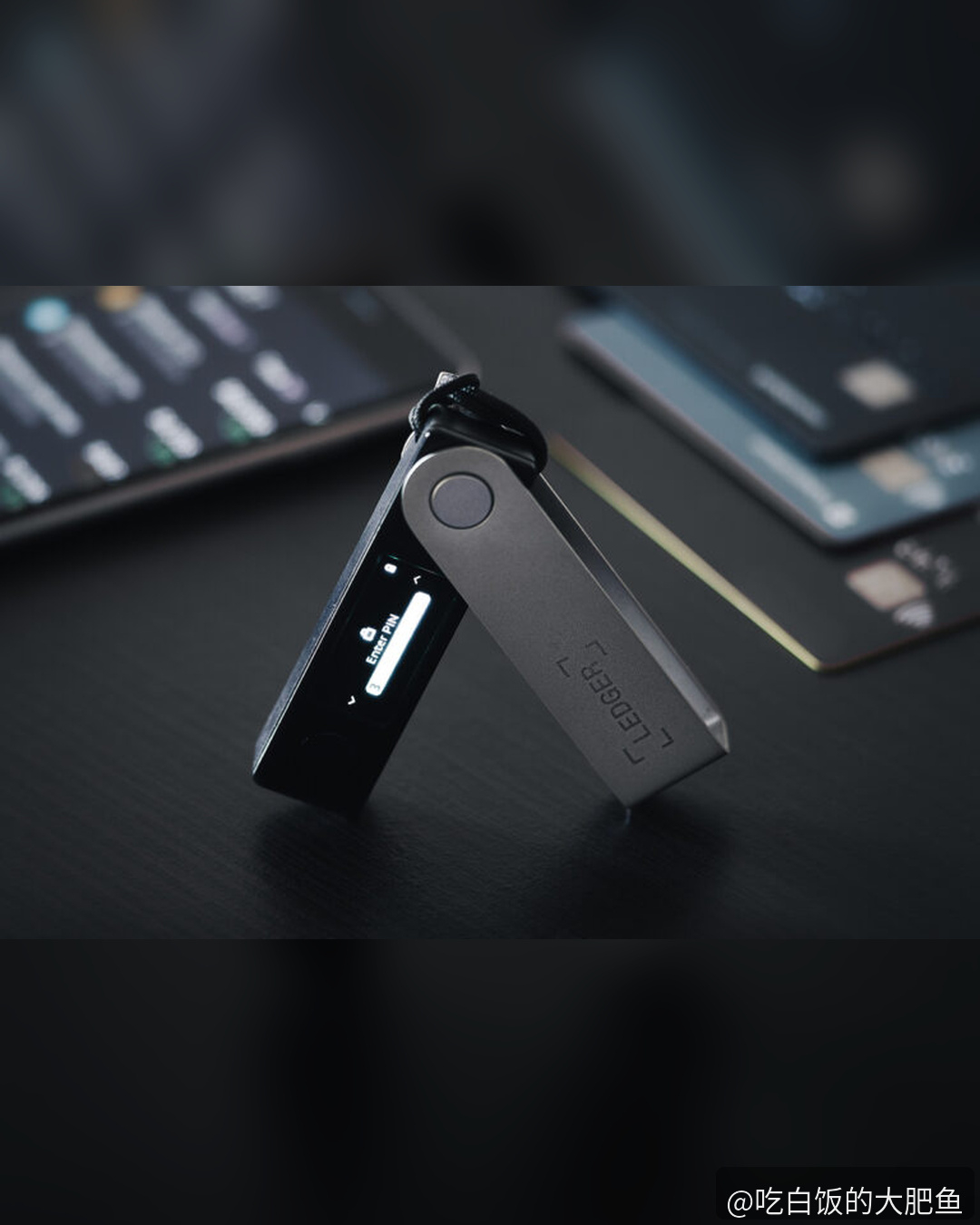
Think opening an official website means you’re safe? Yesterday, the websites of major names like BBC and Ledger were poisoning their own visitors ⚠️
On November 16, hackers used website optimization tool Optimizely to serve malicious scripts to visitors of 178 organizations’ websites. The list included Ledger, BBC, CNN, Salesforce, Zoom, IKEA, and HSBC. The code was first spotted in BBC’s page code at 04:21 UTC on November 16, and remained exposed for more than a dozen hours.
The code did four things:
1. Targeted wallet addresses: when users copied and pasted addresses on chains like BTC, ETH, TRON, and Solana, it secretly swapped them for the attackers’ own;
2. Stole bank card details, browser cookies, and screenshots of web pages;
3. Pushed iOS exploit tools to older iPhones and iPads;
4. Changed its code 26 times in one day, getting more aggressive with each change.
By 19:25 UTC that day, the attackers’ wallets had received about $7,040 in just nine hours. One wallet, $BTC , received 0.083 coins. Most of the code had been removed by 21:52 UTC, and the snippet on Ledger’s site was cleaned up at around 20:41 UTC. But there’s still no word on how the hackers got in.
This whale’s take: The scariest part isn’t how much money was lost—it’s that people protected themselves from phishing links but not from the official website itself. When dealing with wallet addresses, take another look at the first and last few characters after copying. Confirm it again on your hardware wallet’s screen, and test large transfers with a small amount first. These three steps may seem like a hassle, but compared with having an address swapped, they cost practically nothing. Third-party scripts are every website’s weak spot. This time it was Optimizely; next time it’ll have a different name, but the story will be the same.
On November 16, hackers used website optimization tool Optimizely to serve malicious scripts to visitors of 178 organizations’ websites. The list included Ledger, BBC, CNN, Salesforce, Zoom, IKEA, and HSBC. The code was first spotted in BBC’s page code at 04:21 UTC on November 16, and remained exposed for more than a dozen hours.
The code did four things:
1. Targeted wallet addresses: when users copied and pasted addresses on chains like BTC, ETH, TRON, and Solana, it secretly swapped them for the attackers’ own;
2. Stole bank card details, browser cookies, and screenshots of web pages;
3. Pushed iOS exploit tools to older iPhones and iPads;
4. Changed its code 26 times in one day, getting more aggressive with each change.
By 19:25 UTC that day, the attackers’ wallets had received about $7,040 in just nine hours. One wallet, $BTC , received 0.083 coins. Most of the code had been removed by 21:52 UTC, and the snippet on Ledger’s site was cleaned up at around 20:41 UTC. But there’s still no word on how the hackers got in.
This whale’s take: The scariest part isn’t how much money was lost—it’s that people protected themselves from phishing links but not from the official website itself. When dealing with wallet addresses, take another look at the first and last few characters after copying. Confirm it again on your hardware wallet’s screen, and test large transfers with a small amount first. These three steps may seem like a hassle, but compared with having an address swapped, they cost practically nothing. Third-party scripts are every website’s weak spot. This time it was Optimizely; next time it’ll have a different name, but the story will be the same.